A rare alignment of the sun, moon, and earth promises a breathtaking display of nature’s power across the northern hemisphere later this year.
The Cosmic Dance Behind the Eclipse

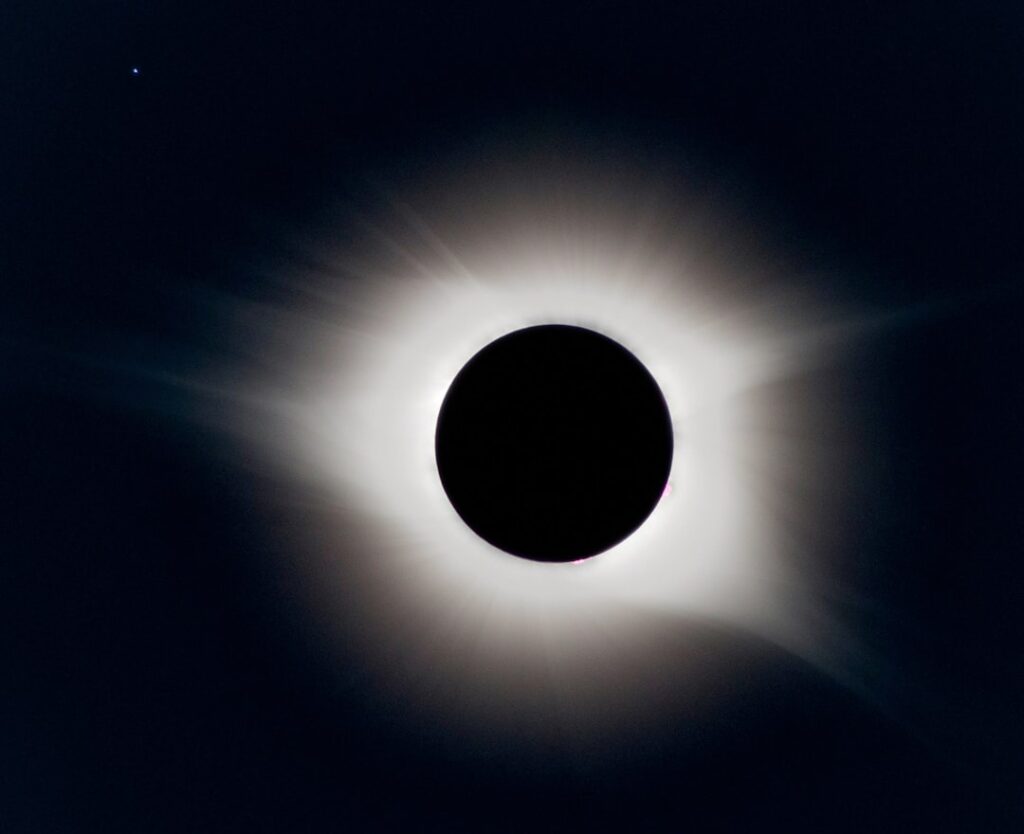
Every few years, the moon positions itself perfectly between the earth and the sun, casting a shadow that transforms day into night for those in its path. This phenomenon, known as a total solar eclipse, occurs when the moon’s apparent size fully blocks the sun’s disk. On August 12, 2026, such an event will unfold, marking a significant moment for skywatchers worldwide.
The Cosmic Dance Behind the Eclipse (Image Credits: Unsplash)
Astronomers have long studied these occurrences, which follow predictable cycles called Saros series. The 2026 eclipse belongs to Saros series 126, continuing a legacy of celestial events that have inspired awe for centuries. Totality will last up to 2 minutes and 18 seconds at its peak, offering a brief window to observe the sun’s corona – the outer atmosphere usually hidden by the sun’s glare.
This eclipse arrives amid a busy year for celestial happenings, including lunar eclipses earlier in the spring. Yet, the total solar eclipse stands out for its dramatic visibility in populated regions.
Tracing the Path of Totality
The eclipse’s shadow will sweep across a narrow corridor starting in the Arctic Ocean, grazing Russia’s far north before crossing eastern Greenland. From there, it heads toward Iceland’s western coast, then dips into the Atlantic Ocean en route to northern Spain and a sliver of northeastern Portugal. Partial phases will be visible across much of Europe, including the United Kingdom, Scandinavia, and parts of Africa.
Greatest eclipse, where the moon’s center aligns most precisely with the sun, will occur over the Atlantic Ocean near the Azores. At that point, the sun will be 92% obscured for observers just outside the path. The entire event, from partial begin to end, spans about five hours, but the total phase remains exclusive to the 200-kilometer-wide path of totality.
Unlike the 2024 eclipse that crossed North America, this one favors northern latitudes, challenging travelers with remote terrains but rewarding them with unique landscapes under the darkened sky.
Prime Viewing Spots and Logistics
Greenland emerges as a top destination, with towns like Scoresbysund offering clear views amid icy fjords. Iceland’s Reykjavik region provides accessible totality from coastal areas, blending urban convenience with natural beauty. In Spain, cities such as Bilbao and Oviedo lie squarely in the path, making it easier for European viewers to attend without long journeys.
Travelers should plan early, as flights and accommodations in these areas book quickly. Cruise ships positioned in the Atlantic could offer flexible vantage points, especially for those avoiding land-based crowds. Weather plays a crucial role; historical data suggests Iceland and northern Spain have favorable clear-sky probabilities around 40-50 percent during August.
For those outside the path, apps and simulations from sources like timeanddate.com can help track partial visibility in real-time.
Safety First: How to Observe Responsibly
Directly viewing the sun without protection risks permanent eye damage, a warning echoed by experts at the National Solar Observatory. During partial phases, certified solar filters or eclipse glasses remain essential, blocking harmful ultraviolet rays. Only in the fleeting moments of totality, when the sun is fully obscured, can eyes safely gaze at the event unprotected.
Preparation extends beyond eyewear; communities along the path often host viewing parties with telescopes and educational talks. Families should practice safe habits, like the pinhole projector method using a cereal box to project the eclipse onto a surface indirectly.
Authorities in affected regions will issue guidelines, emphasizing traffic safety as roads fill with enthusiasts. Stocking up on essentials and monitoring local weather ensures a smooth experience.
As the August 12 eclipse approaches, it serves as a reminder of our planet’s place in the cosmos, uniting people in shared wonder. Mark your calendars and consider joining this global spectacle – what steps will you take to witness it?
Key Takeaways
- The total solar eclipse occurs on August 12, 2026, with totality visible from the Arctic to northern Spain.
- Maximum duration reaches 2 minutes and 18 seconds; always use proper eye protection outside totality.
- Plan travel to Greenland, Iceland, or Spain for the best views, checking weather forecasts in advance.