
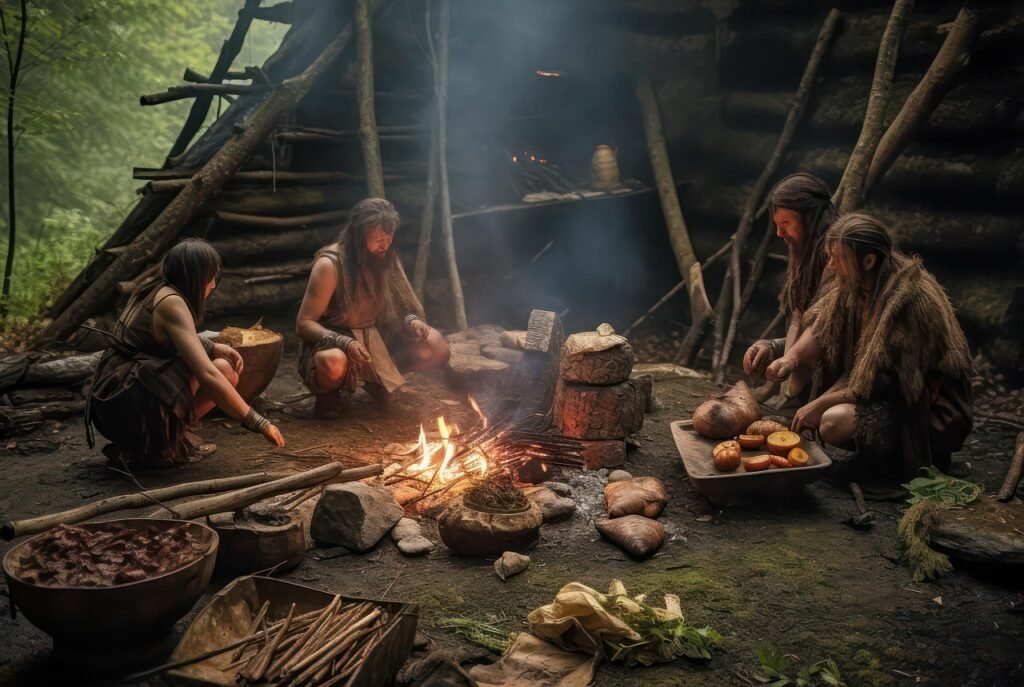
Here’s the version of prehistory most of us grew up with: cavemen grunted, hunted, banged rocks together, and slowly climbed toward civilization. It’s a tidy story. It’s also mostly a lie.
The real picture, once you look at what actually comes out of the ground, is stranger and far more human than that. Rituals, alliances, art, morality, even proto-economics show up in the fossil record with no visible on-ramp – no rough drafts, no clumsy first attempts, just fully-formed behavior appearing out of nowhere. Archaeologists will admit this quietly, almost sheepishly, if you ask the right question. Here are 21 things our ancestors were clearly doing that the dirt still refuses to explain.
#21 – The Art Explosion With No Rehearsal Tapes
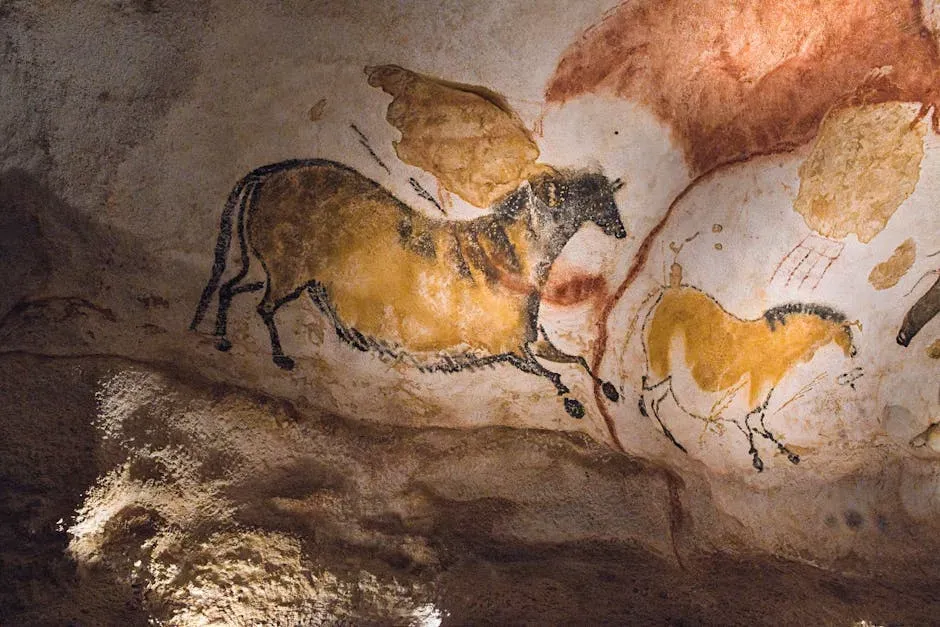
Early humans didn’t ease into art. One geological blink, there’s nothing but stone tools. The next, there are stunning cave paintings, carved figurines, and engraved bones scattered across Europe, Africa, and Asia. Making them required planning, pigment prep, and torchlight deep inside caves – none of which leaves a tidy step-by-step trail.
We have the masterpieces. We don’t have the centuries of doodles that should have come before them. Even stranger, some of the oldest art shows up in brutal environments where people were already fighting to eat. Instead of hunting more, they “wasted” time painting animals and pressing hand stencils onto rock. Religious ritual? Storytelling? Tribal branding? The ground only kept the final product, not the reason.
#20 – A Fully Formed Language With No Fossilized First Sentence
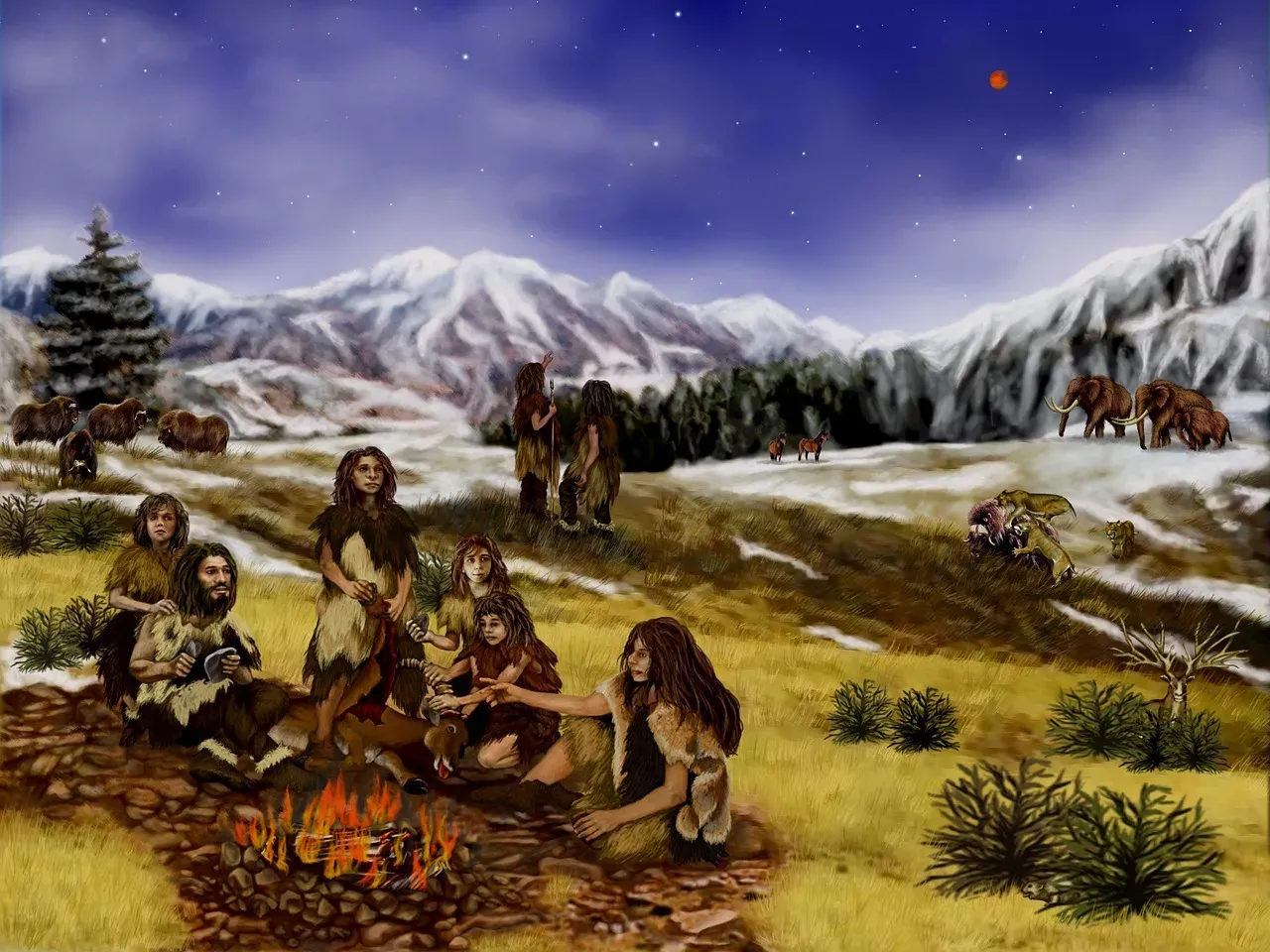
Everyone agrees language is humanity’s superpower. Ask when it started, though, and the answer gets awkward fast – because there basically isn’t one. Bones fossilize. Words don’t. Hyoid bones and skull shapes tell us speech was anatomically possible, not that anyone was using grammar or a shared vocabulary yet.
The jump from grunts and pointing to “meet me at the river bend after the hunt” is enormous, and it’s invisible in the record. Some linguists put complex language at over 100,000 years old; others argue it clicked into place much later. Writing, which does fossilize, shows up tens of thousands of years after language must already have existed. Our ancestors were saying something sophisticated long before anyone carved a symbol – we just can’t watch it happen.
#19 – Trade Networks Stretching Thousands of Miles With No Roads

Forget the image of tiny, isolated bands. The artifacts tell a different story: early humans were plugged into networks spanning hundreds, sometimes thousands, of miles. Obsidian, seashells, and rare stone tools turn up absurdly far from their natural source – moved over mountains and rivers, often before boats are clearly documented.
Yet we almost never find trading posts, marked routes, or anything resembling infrastructure. The ground proves the connection and hides the logistics completely. Some of these items seem to have traveled purely as status symbols, not survival tools, which hints at trust networks, reputations, maybe even early debts and obligations. We see the stone. We never see the handshake.
Fast Facts
- Spondylus shells from the Aegean coast reached as far north as the Paris Basin and the Rhineland in Germany, a distance of over 2,500 kilometers – roughly 1,500 miles overland.
- Over 200 sites across Europe have yielded Spondylus artefacts, with significant concentrations thousands of kilometers from their Mediterranean origins.
- Objects made from Spondylus were found everywhere across Europe already from the Early Neolithic, in the 7th-6th millennium BC.
- No markets, waystations, or storage depots have ever turned up anywhere along the routes these shells traveled.
#18 – Keeping the Disabled Alive Long Before Hospitals Existed

You’d expect brutal survival pressure to mean the weak got left behind. The skeletons say otherwise. At multiple early human and Neanderthal sites, researchers have found people who lived for years, even decades, with crippling injuries: broken spines, missing limbs, arthritis so severe they couldn’t have hunted or foraged.
Someone carried their food. Someone slowed the group down for them. That’s not survival math – that’s a choice, repeated across generations, with no written explanation for why. Was it empathy? A belief that everyone had value? Practical respect for an elder’s memory? We have the healed bones. We’ll never have the conversation where someone said, “we’re not leaving him.”
#17 – Burial Rituals That Refuse to Add Up to One Religion
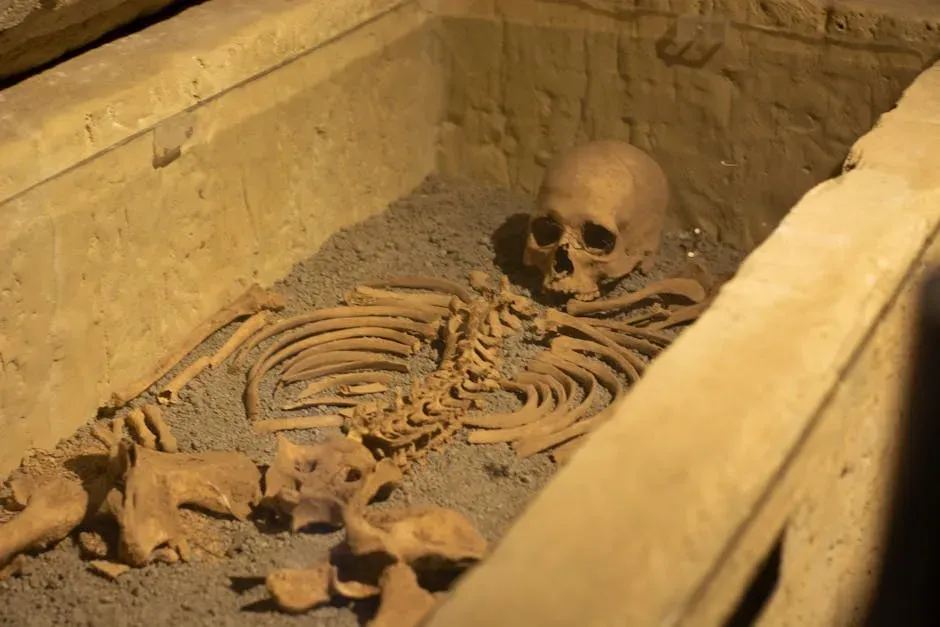
Most people assume burial equals religion, full stop. The earliest burial evidence is messier than that. Some bodies are carefully arranged facing a specific direction, dusted in red ochre. Others show “secondary burial,” where bones were dug up, rearranged, or displayed before being reburied.
Grave goods appear in some sites and not others, sometimes changing dramatically within the same region over a short span of time. In several places, careful burial happens right next to what looks like casual, indifferent disposal of a body. There’s no slow, steady evolution toward one belief system here – just fragments of ritual with the theology ripped out.
#16 – Body Paint and Pigment Use With Zero Survival Benefit

Red ochre shows up in the archaeological record long before any cave painting does. It gets mined, ground into powder, stored, and carried – but rarely used for anything practical like tanning hides. So what was it for?
Some of the richest ochre deposits come from resource-stressed environments, meaning people who should have been laser-focused on calories were instead obsessed with color. That points hard toward identity signaling – marking who belonged to which group. But we can’t read the code. A red stripe might have meant “warrior,” “mourning,” or “married.” The pigment survived. The meaning didn’t.
#15 – A Musical Culture That Left Almost No Instruments Behind
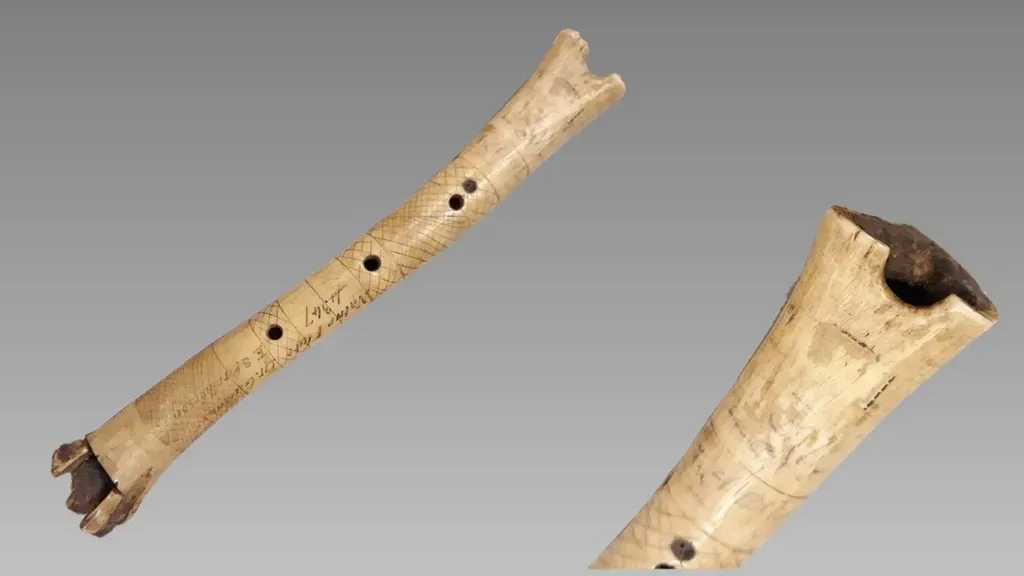
We know early humans made music. The evidence is embarrassingly thin. A handful of bone flutes and some percussion marks survive out of what was likely a constant soundtrack of singing, chanting, and drumming.
Vocal music leaves nothing. Wooden drums and hide rot within a lifetime. Every human society ever studied uses music for bonding and ritual, so it’s almost impossible our ancestors were the exception. That means an entire layer of daily life – lullabies, war chants, songs sung around fire – has completely evaporated, leaving us with a few punctured bones and a lot of guesswork about the melodies they once carried.
#14 – Fire-Sharing Rules the Ashes Never Wrote Down

“Humans controlled fire” sounds simple until you ask the follow-up questions. Hearths tell us fire was used repeatedly, but not who owned it, who was allowed to start it, or what happened if you stole someone’s embers.
Fire is dangerous and, in many environments, genuinely scarce. Some regions show oddly late adoption of habitual fire use despite having the same resources as neighboring groups, which hints at cultural taboos we simply can’t reconstruct. Charcoal proves fire existed. It says nothing about the arguments, punishments, or generosity that decided who got to sit near it.
#13 – Mammoth-Sized Hunts Coordinated With No Playbook
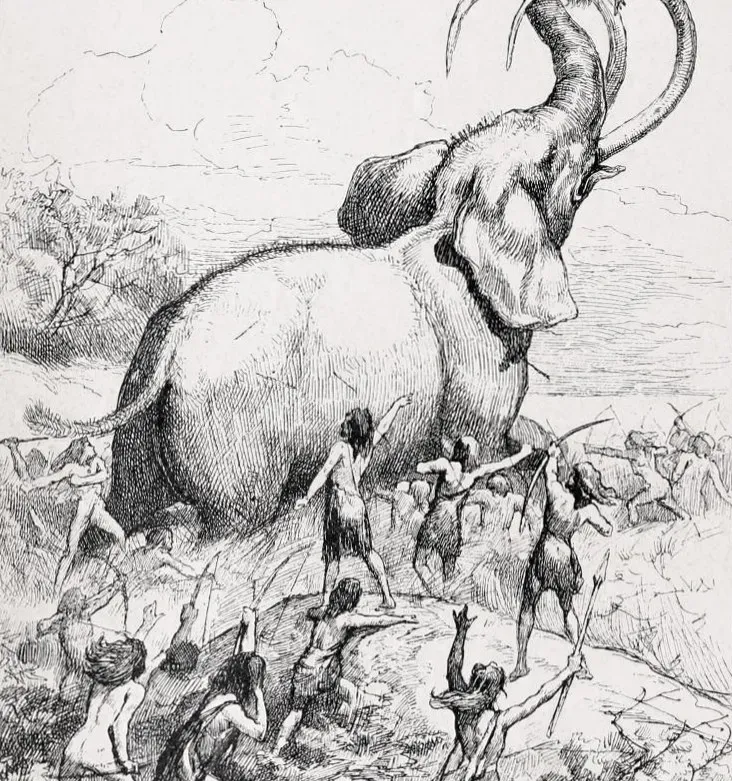
Mass bison kills. Butchered mammoth bones. Coordinated drives off cliffs. This is unmistakable teamwork, executed at a scale that required scouting, timing, and role assignment across multiple people.
And yet there’s no fossilized instruction manual. We don’t know who scouted, who drove the animals, who ambushed from where, or how they rehearsed any of it. Some researchers think these hunts needed a strict leader; others argue flexible, flat cooperation was enough. Trying to reconstruct the strategy from a pile of bones and a few scattered spear points is a bit like reverse-engineering a football playbook from grass stains.
Quick Compare
- Hierarchical theory: One skilled leader directs scouts, drivers, and ambushers like a coach calling plays.
- Flat cooperation theory: Roles shift naturally between hunters based on skill and instinct, with no single boss required.
- What both agree on: The kills demanded timing and trust that no single hunter could pull off alone.
- What neither can prove: Which model – or mix of both – actually ran the show on any given day.
#12 – Childhoods We Can Barely See in the Dirt
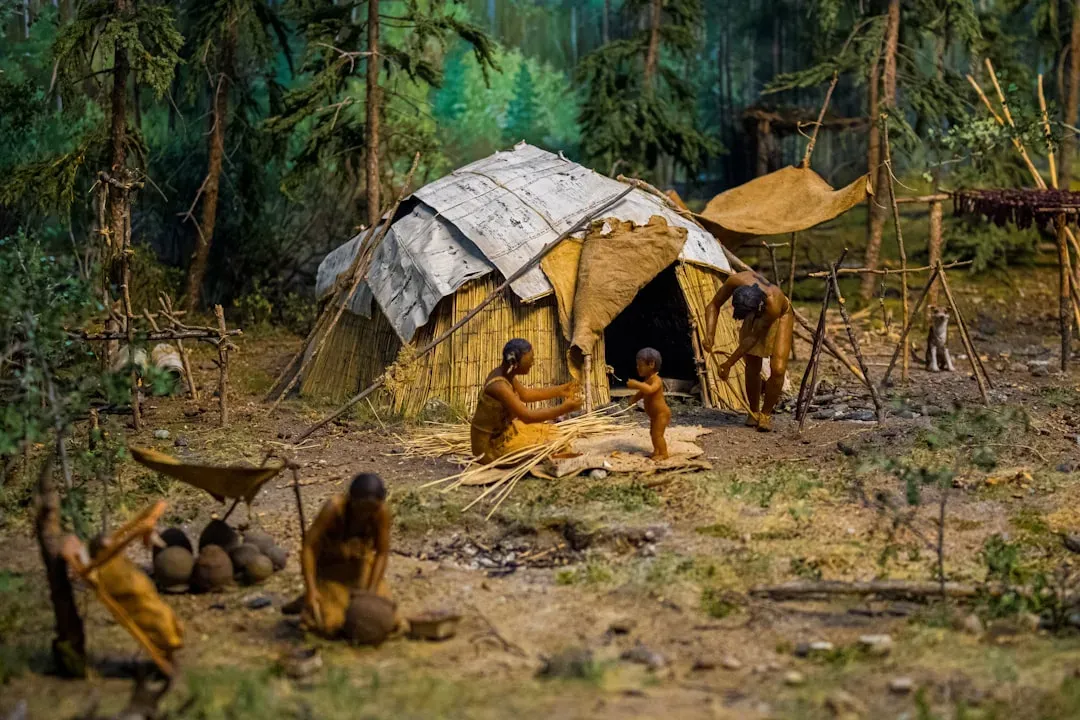
Children made up a huge share of any foraging group, but you’d hardly know it from most sites. Their bones are fragile and underrepresented, and their toys – wood, fiber, worn pebbles – usually just get logged as debris.
We get scraps: tiny footprints near hearths, scaled-down tools that might be training gear, the occasional child burial with a special item tucked beside it. None of it tells us whether children slept with parents or in groups, whether discipline was harsh or gentle, or what games filled their days. Some anthropologists suspect early childhood was freer than almost anything modern parents would allow. The ground just isn’t talking.
#11 – “Marriage” With No Contracts, Vows, or Rules We Can Read
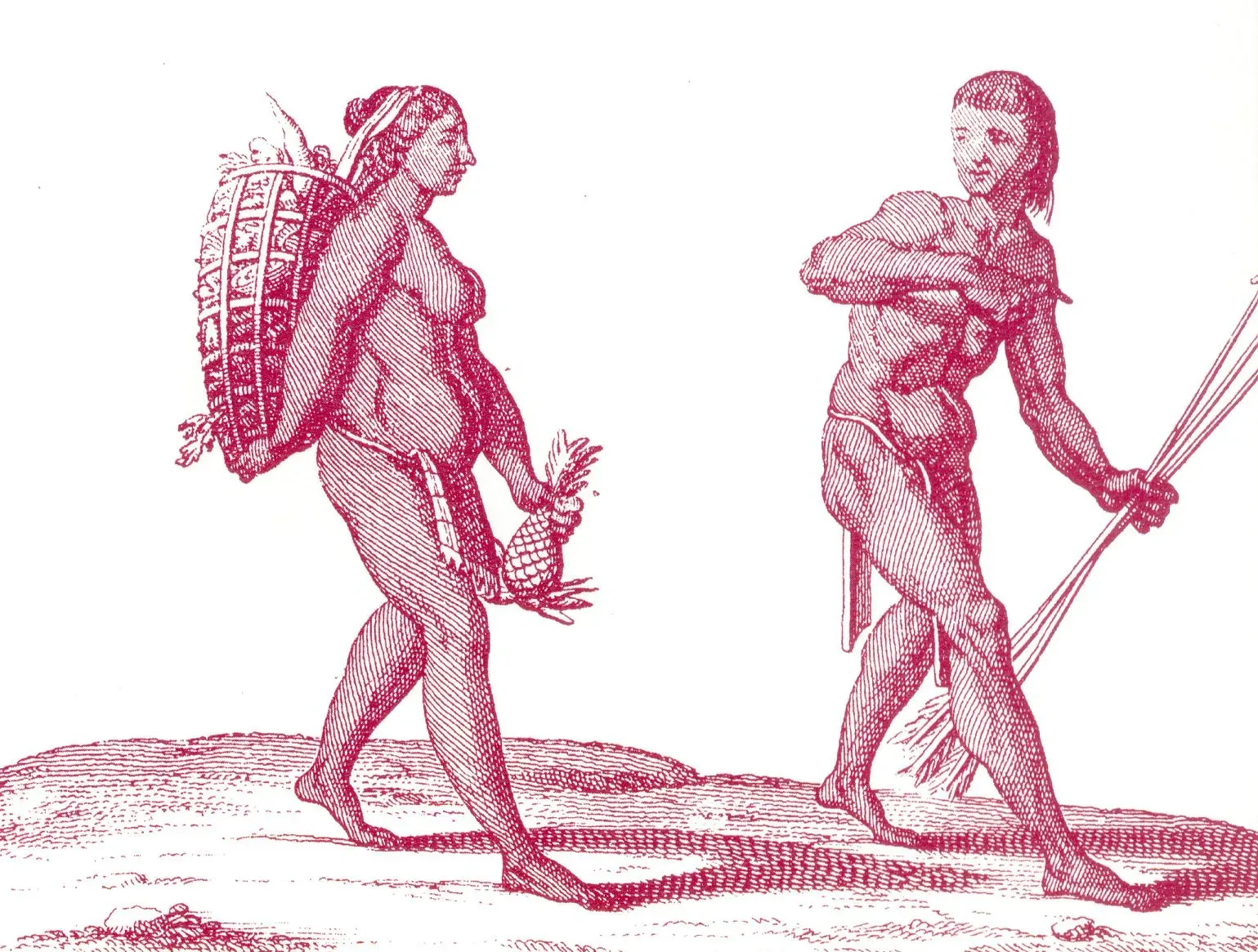
Ask ten experts how early humans paired up and you’ll get at least five confident, contradictory answers. Burials sometimes show adult pairs together. Dwellings sometimes suggest nuclear-family clusters. Neither one proves marriage as we’d define it.
Genetics hints at both long-term bonds and a lot of movement of partners between bands, which is a pattern, not a rulebook. Serial monogamy, polygyny, and loose group arrangements could all leave nearly identical archaeological fingerprints: shared hearths, mixed lineages, overlapping tools. We can see who shared space and genes. We will never see what counted as betrayal, or how a breakup actually played out around the fire that night.
#10 – Food-Sharing Rules That Defy “Every Man for Himself” Logic
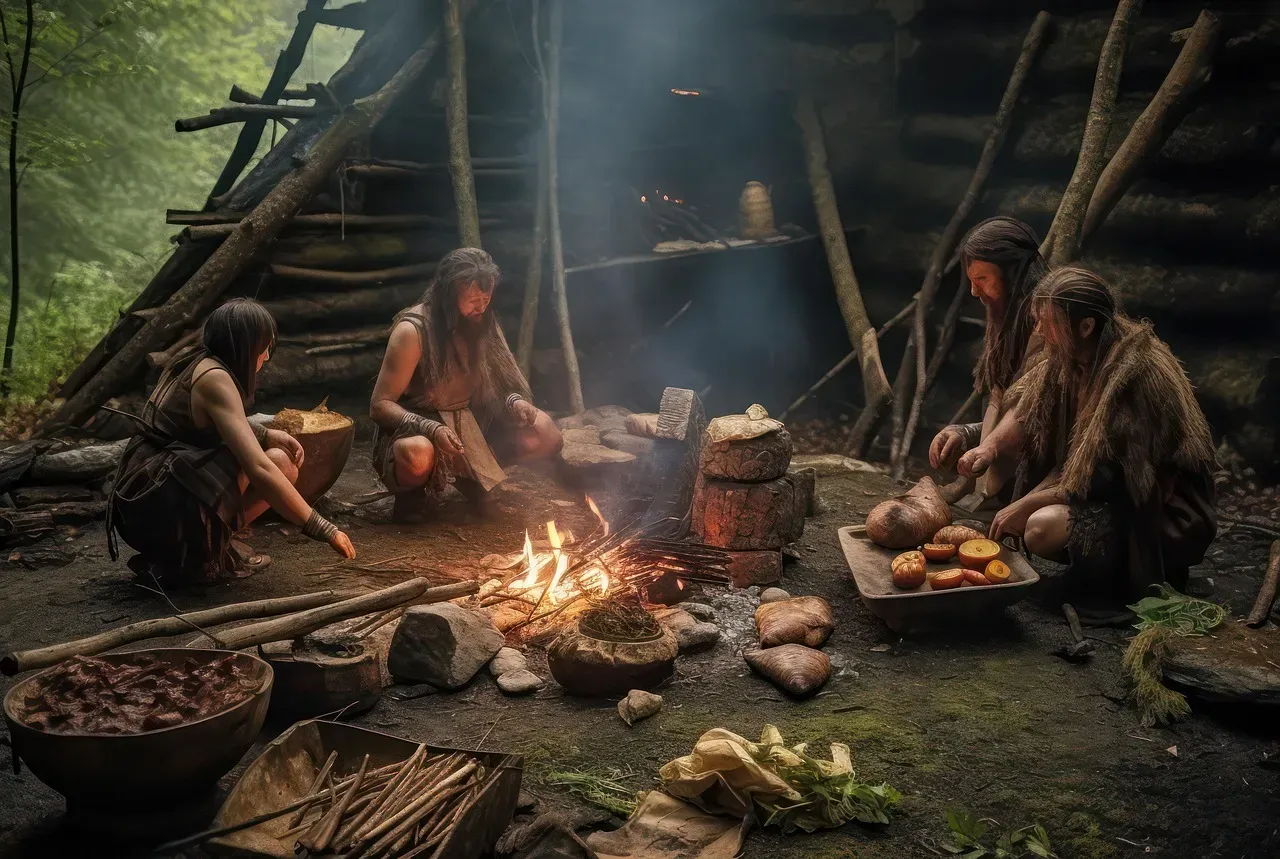
Butchered bones and discarded shells show what people ate. They say almost nothing about who decided who ate it. Modern hunter-gatherers follow oddly specific sharing rules: big kills spread across the whole group, small catches kept within a family, special cuts reserved for elders or pregnant women.
In some of the leanest, harshest environments ever excavated, people appear to have gone out of their way to give meat away instead of hoarding it. That’s not simple survival math – that’s a moral system at work. We just can’t find the tally sticks, the shaming rituals, or the exact rules that made stinginess socially dangerous.
#9 – The Surprisingly Rare Evidence for Routine Killing
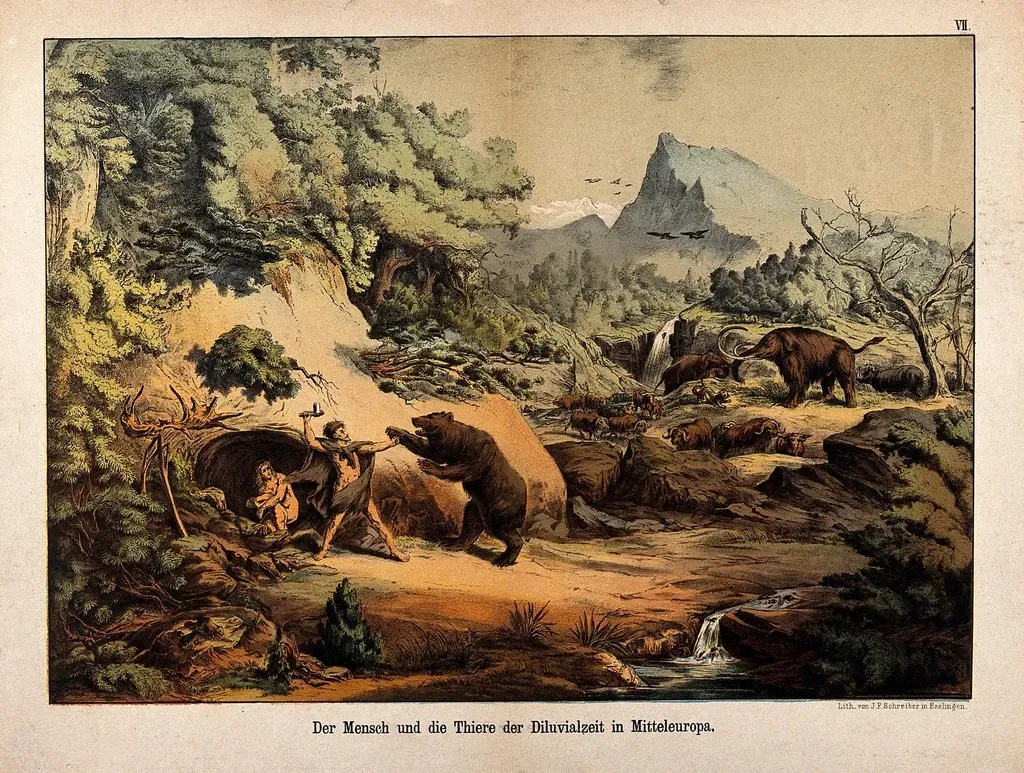
For decades, plenty of anthropologists assumed early humans were casually, constantly violent toward each other. The deeper the data goes, the shakier that assumption looks. Skeletons with trauma do exist – skull fractures, embedded points, apparent executions.
But across huge stretches of time and geography, clear evidence of lethal violence between group members is rarer than the headlines suggest. That implies powerful, enforced norms against killing your own – backed by fear of exile, supernatural punishment, or collective revenge. None of those enforcement mechanisms survive in stone. It’s entirely possible our ancestors were better at conflict management than we give them credit for, using tools – gossip, ritual, councils – that leave no archaeological footprint at all.
Worth Knowing
- Jebel Sahaba in Sudan, one of the earliest sites showing human warfare, dates back roughly 13,400 years.
- Reanalysis of the skeletons there suggests hunter-fisher-gatherers engaged in repeated, smaller conflicts rather than one massive battle.
- A quarter of the skeletons with lesions exhibit both healed and unhealed trauma, meaning people survived one attack only to be hurt again later.
- Even at one of prehistory’s most violent-looking sites, the pattern looks like ongoing tension between neighbors, not routine slaughter.
#8 – Proto-Money That Existed Before Anyone Invented a Ledger
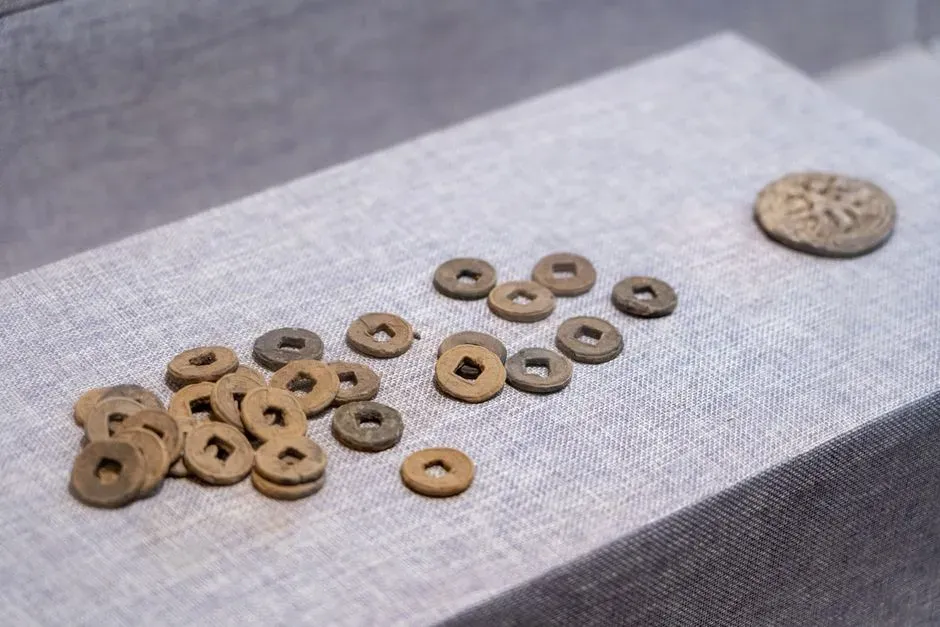
Long before coins, humans were clearly tracking obligation, status, and debt. Beads, shells, and rare stones show up in quantities that go way beyond decoration, and in some regions these items spread widely despite being completely useless for survival.
That means they carried abstract value – but was it money, bridewealth, or pure prestige? Standardized shapes and repeated patterns suggest shared conventions everyone understood. What’s missing is the exchange rate, the rules of ownership, the invisible accounting that let a shell mean something specific to two different people hundreds of miles apart. We have the hardware. The software is gone.
#7 – Navigating Entire Continents With No Maps Ever Found
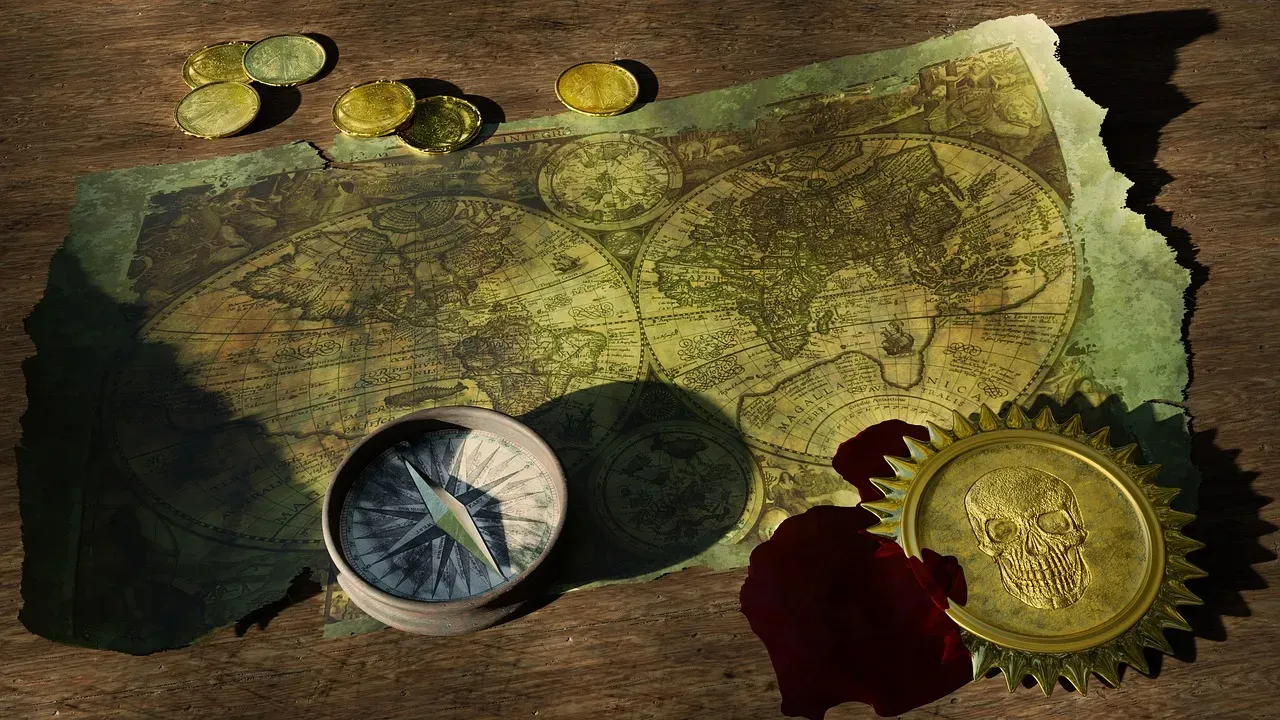
Stone from distant quarries. Animal species outside their natural range. Genetic links between populations separated by huge distances. People moved, deliberately and often, across landscapes hundreds of kilometers wide.
Yet formal maps show up long after this kind of movement was already routine. Some researchers suspect “songlines” – journeys encoded in myth and music – once worked as a living GPS system, passed down entirely by memory. If true, nearly all of it has vanished. Humans show up in Australia, remote islands, and high mountain ranges with no accompanying “starter kit” of boats or climbing gear in the record. They simply appear, as if they teleported there.
#6 – Myths That Shaped Behavior but Left No Script Behind
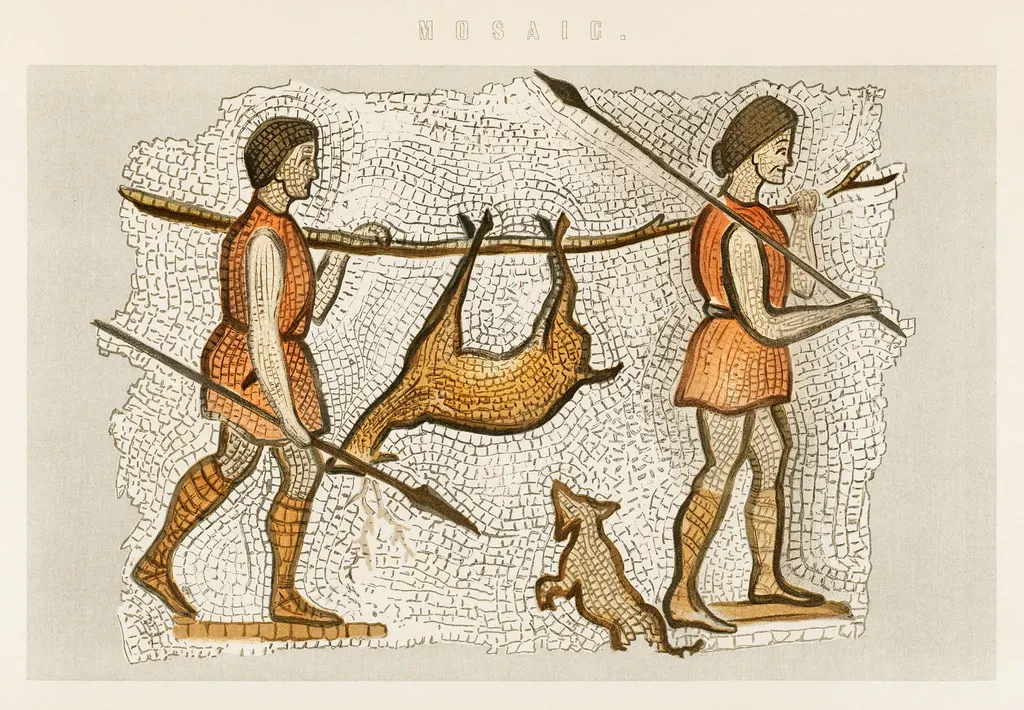
Nobody has ever found a fossilized bedtime story. Archaeologists infer storytelling from patterns – repeated symbols, hybrid mythic creatures, scenes that feel narrative rather than practical – but that’s interpretation stacked on very thin physical clues.
Every living foraging society uses myth to enforce food taboos, marriage rules, and origin beliefs, so it’s near-certain early humans did too. The content is gone. Even the format – sung, chanted, acted out – is a guess. This matters more than it sounds like, because stories are often what made painful sacrifices, like caring for the disabled or burying the dead with ritual, feel meaningful instead of pointless.
Fiction has enabled us not merely to imagine things, but to do so collectively.
Yuval Noah Harari
#5 – Deliberate Teaching, Not Just Copycat Learning
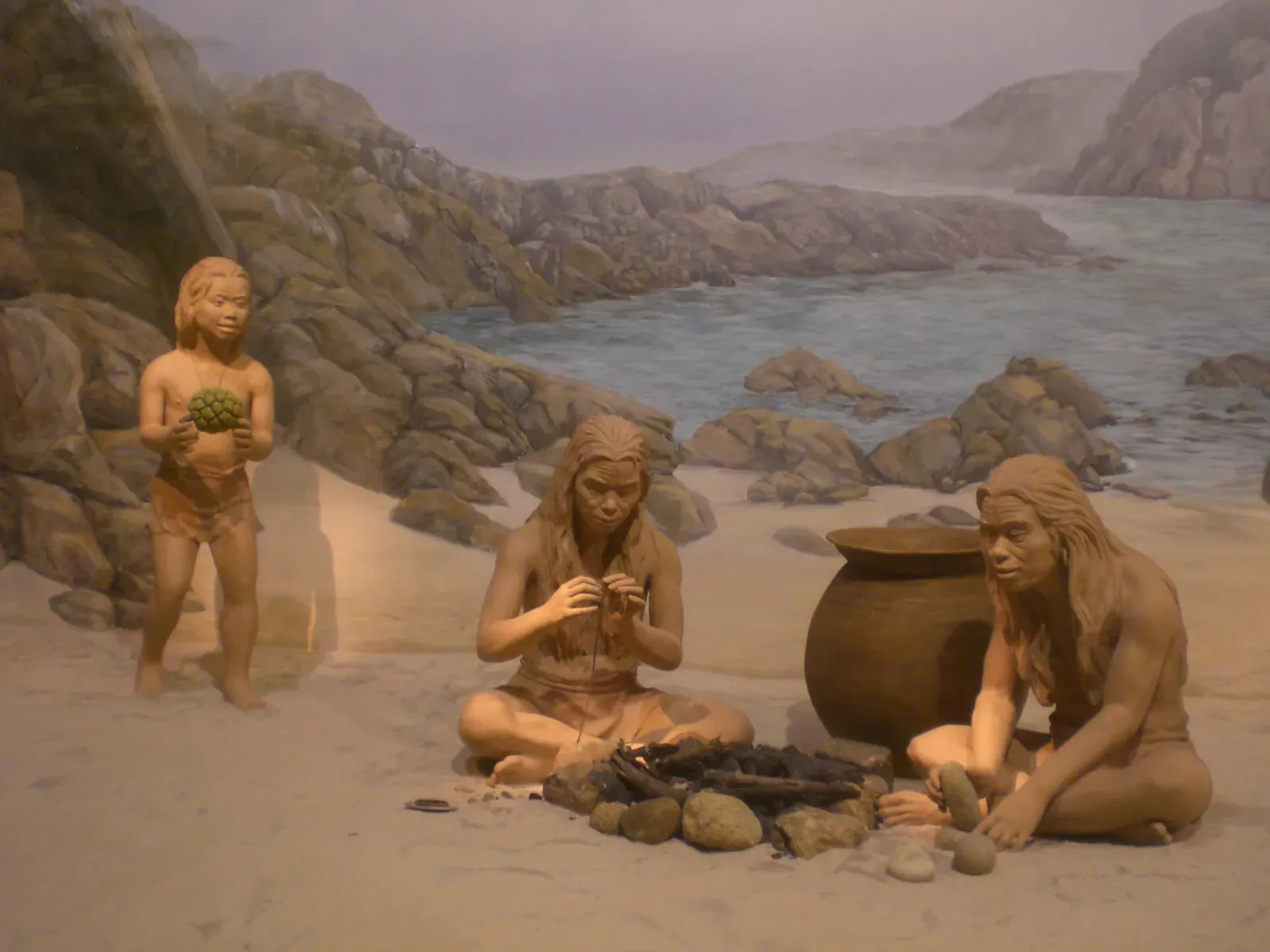
Plenty of animals imitate each other. Humans do something rarer – we teach on purpose, correcting mistakes in real time. Nobody knows exactly when that started, because the dirt won’t say.
Some tool traditions stayed remarkably consistent across thousands of years and huge distances, which is hard to explain through pure trial-and-error copying alone. That level of precision implies active instruction – an elder slowing down and saying “no, like this.” We find hints: practice pieces, children’s footprints in work areas, miniature training weapons. What we never find is the actual moment of correction, arguably one of the biggest cognitive leaps in our entire evolutionary story.
#4 – Leadership That Left No Thrones, Palaces, or Crowns
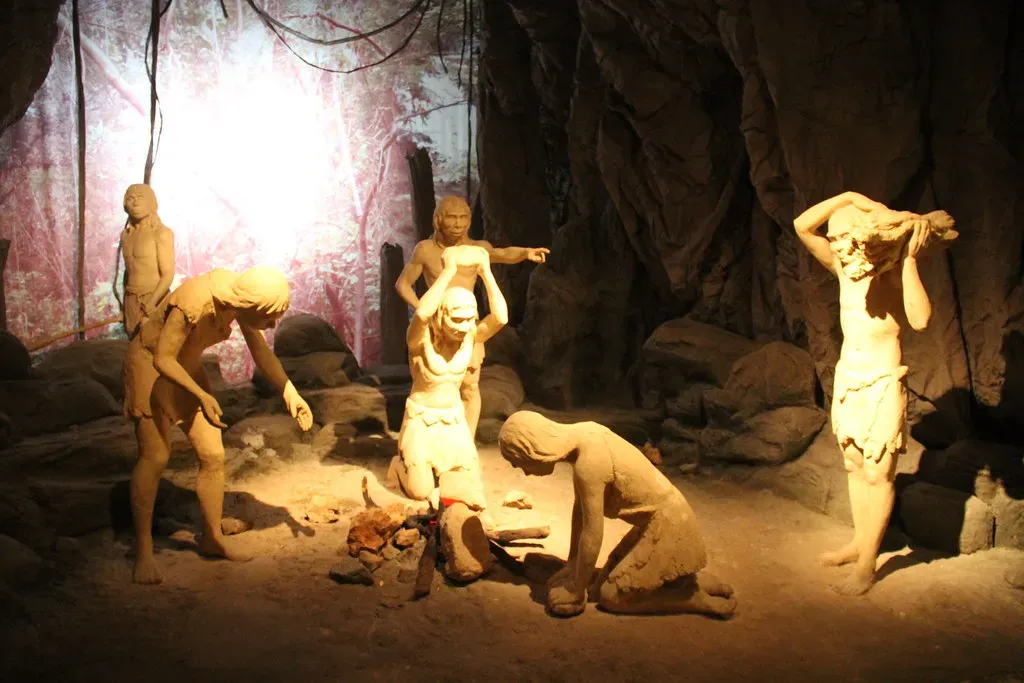
Power usually leaves marks: big houses, lavish graves, weapon stockpiles. For most of human prehistory, it mostly doesn’t. Leadership in foraging societies tends to be situational – a skilled hunter leads the hunt, a good mediator settles disputes, and neither one hoards food or status permanently.
We catch faint hints – a burial with slightly more grave goods, an unusual tool suggesting a special role – but nothing that maps cleanly onto “king” or “chief.” Many anthropologists now argue our ancestors actively worked to stop anyone from getting too powerful, using mockery, gossip, and simply splitting the group up if someone got too big for their boots. None of that leaves ruins behind.
#3 – Domestication Timelines That Zigzag for No Clear Reason
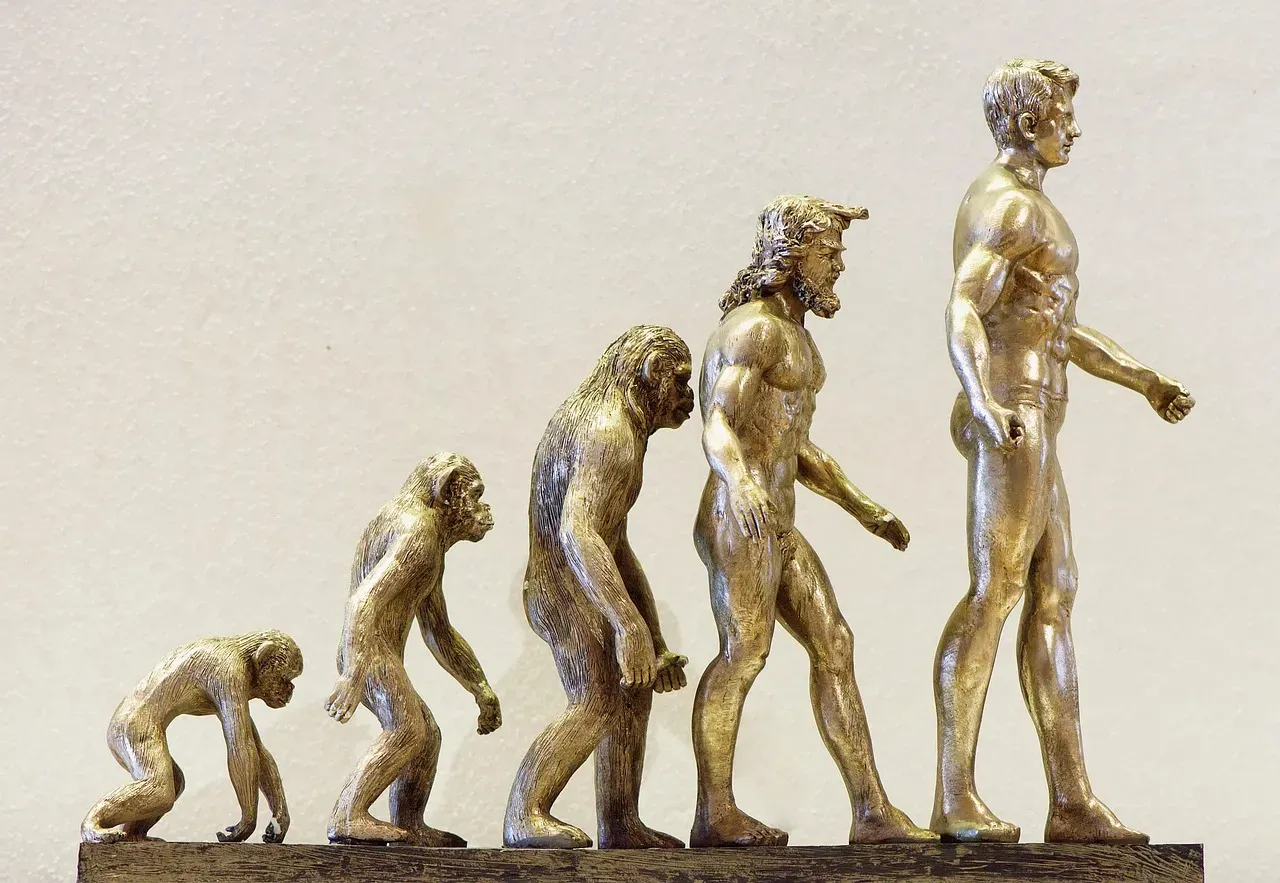
Logic says domestication should start the moment someone realizes “I can control this food source.” The record refuses to cooperate. Wild grains were harvested intensively for thousands of years before any genetic sign of human-driven selection shows up.
Dogs hung around as scavengers and semi-companions long before anything like deliberate breeding began. Some sites even show “pre-domestication cultivation” – tending patterns, controlled burning – without anyone fully committing to farming. Fear of dependence, taboos about confining animals, or rigid seasonal rituals might explain the hesitation, but the ground only shows seeds and bones, never the debate that stalled progress for generations.
#2 – Planning Years Ahead With Nothing but Stone and Memory
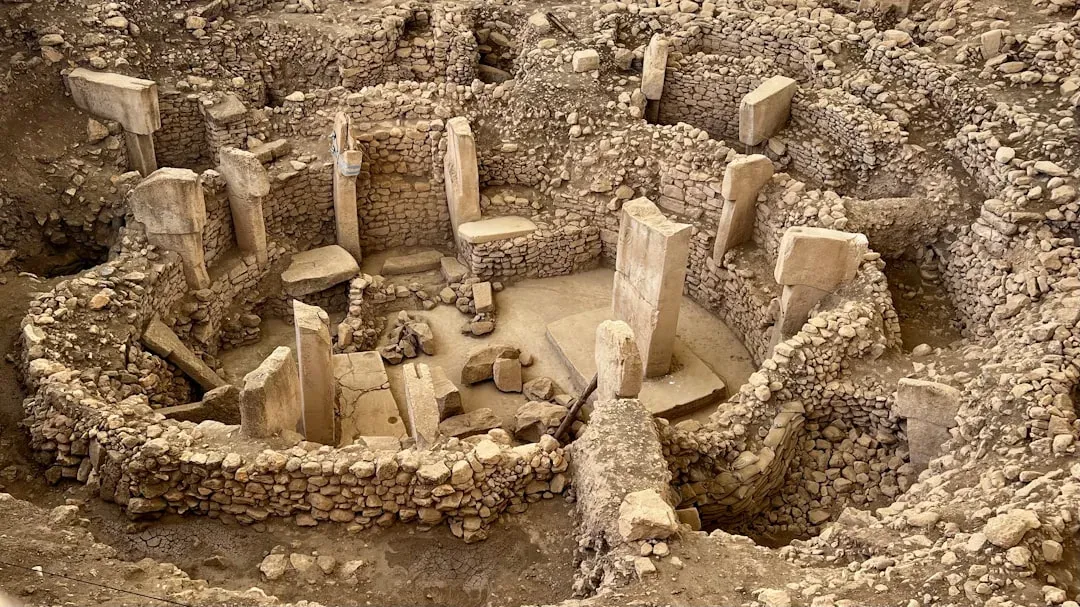
Some of the earliest large-scale projects – aligned stone settings, modified landscapes, coordinated seasonal gatherings – imply planning horizons that stretch far beyond “survive today.” And yet the tools involved are shockingly basic: stone blades, wooden stakes, ropes that rotted away millennia ago.
Despite that, people organized labor across seasons and coordinated multiple separate bands to meet at the right place, at the right time, year after year. No calendars. No writing. No permanent monuments marking the schedule, at least not at first – just memory, repetition, and possibly designated “timekeepers” embedding deadlines inside ritual. The behavior looks cognitively modern long before the tools ever caught up to it.
At a Glance
- Structures like Göbekli Tepe were built 11,600 years ago by people who supposedly had no agriculture, no pottery, and no civilization.
- The people who built it had no pottery, no metal tools, and no agriculture – just organized labor and shared purpose.
- Some of the megalithic pillars weigh up to 10 tons and reach heights of 5 meters (16 feet).
- Excavations have uncovered no sign of walls, hearths, or houses nearby, meaning workers gathered there without a settled village to go home to.
#1 – Where Right and Wrong Actually Came From

The deepest, strangest gap of all isn’t about tools, art, or diet. It’s about morality. By the time written laws show up, humans already carry sophisticated ideas about right and wrong: don’t murder, don’t steal, care for kin, punish traitors, help the helpless.
We can see the outcomes of those beliefs – cared-for skeletons, respectful burials, food shared against pure self-interest – but never the internal experience behind them. Bones can prove someone was fed for years despite being unable to work. They can’t tell us if that felt like duty, love, or fear of divine punishment. Without those invisible moral habits, everything visible we’re impressed by – the art, the trade networks, the coordinated hunts – almost certainly falls apart. Science can map the pattern. It still can’t tell you why cruelty felt wrong, or why kindness felt sacred, to the very first people who felt it.
The Bottom Line

Zoom out far enough and the pattern gets almost embarrassing for modern know-it-alls: the most important early human behaviors are exactly the ones that don’t fossilize. We’ve built entire museum timelines out of tools and bones while the real engines – stories, unwritten rules, grief, loyalty, shame – vanished without a trace.
Art appears with no rehearsal footage. Language drives cooperation with no rough draft. Morality steers life-and-death decisions and barely dents the sediment. None of this requires anything mystical; it just means our evidence is stacked against us. My honest take: your ancestors were almost certainly sharper, more emotionally complex, and more socially sophisticated than any glass display case gives them credit for. The dirt only kept the highlight reel. It’s time we stopped mistaking that for the whole game.