
Most people assume “extinct” means gone forever – case closed, nothing left to find. Scientists keep proving that assumption catastrophically wrong, sometimes decades after a species was buried in the history books and mourned on a museum plaque.
From sand dunes in South Africa to volcanic islands in the Galápagos, so-called “lost” animals keep turning up alive, blinking in camera-trap flashes like they never got the memo. Scientists even have a name for this: Lazarus species. And the list of them is longer, weirder, and closer to home than most people realize.
#22 – The Chacoan Peccary That Fossils Said Was 10,000 Years Extinct
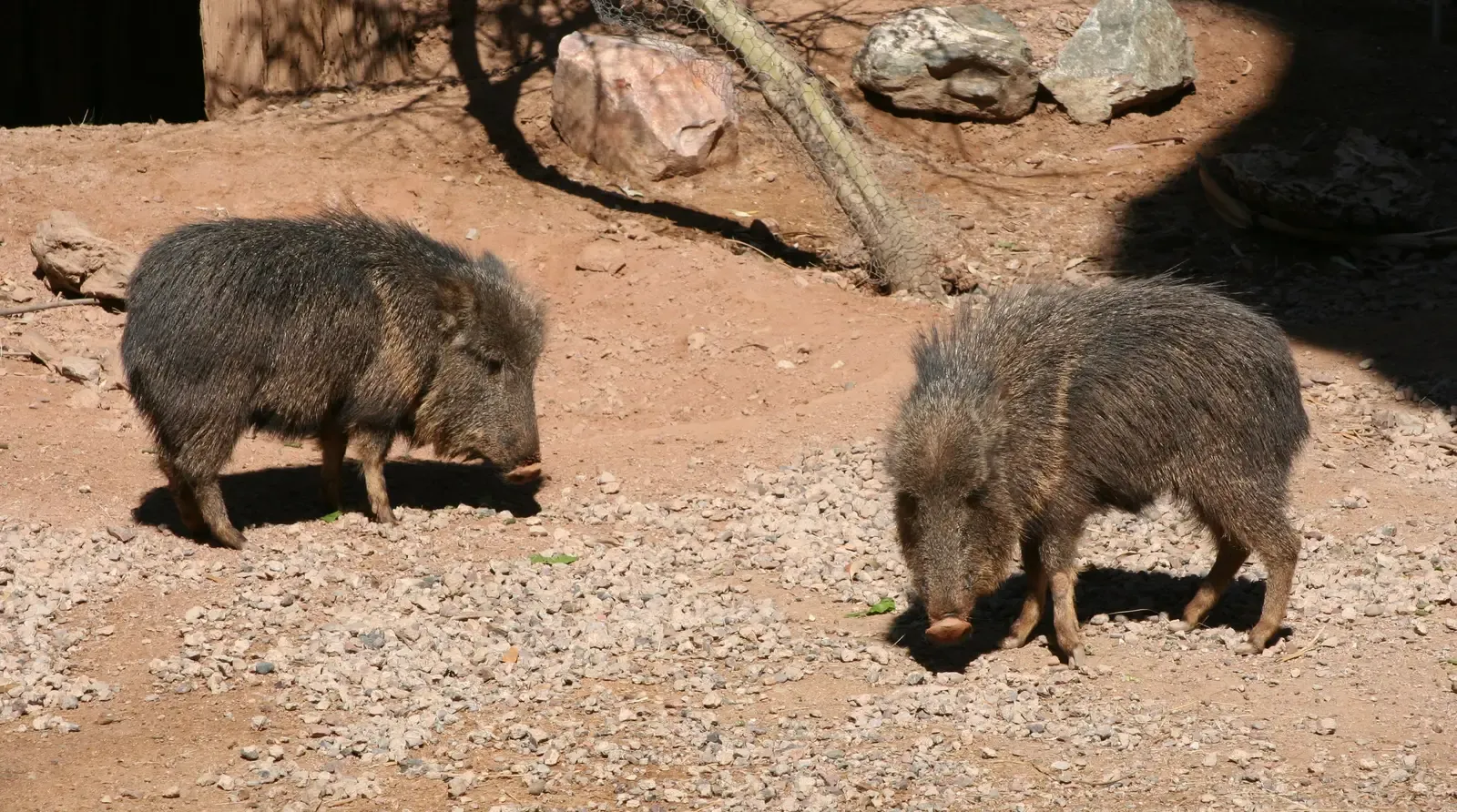
Scientists first met this pig-like mammal through fossilized bones, and for years it was treated strictly as a Pleistocene relic. Nobody expected to find a living, breathing population wandering the thorny scrublands of Paraguay, Bolivia, and Argentina in 1975. The Chacoan peccary had been classified from fossil remains decades before anyone realized it wasn’t extinct at all – it had just been quietly surviving in one of the most brutally hot, dry, thorn-choked forests in South America.
The Gran Chaco region where it hides is notorious for dense vegetation and extreme heat, which likely explains why an animal the size of a medium dog escaped detection for so long. Local Indigenous communities had known about it for generations, calling it “tagua,” while Western science insisted it was gone. Today it’s still considered endangered, squeezed by cattle ranching and deforestation, proving that rediscovery doesn’t always mean safety. The Chacoan peccary at least had fossils on its side. The next comeback on this list didn’t even get that dignity – hunted, forgotten, and written off for three straight centuries.
Fast Facts
- Scientific name: Catagonus wagneri, described from fossils before anyone knew it was alive
- Rediscovered alive: 1975, in the Gran Chaco scrubland
- Range: Paraguay, Bolivia, and Argentina
- Current status: Endangered, threatened by cattle ranching and deforestation
#21 – The Bermuda Petrel That Hid From Humans for 300 Years
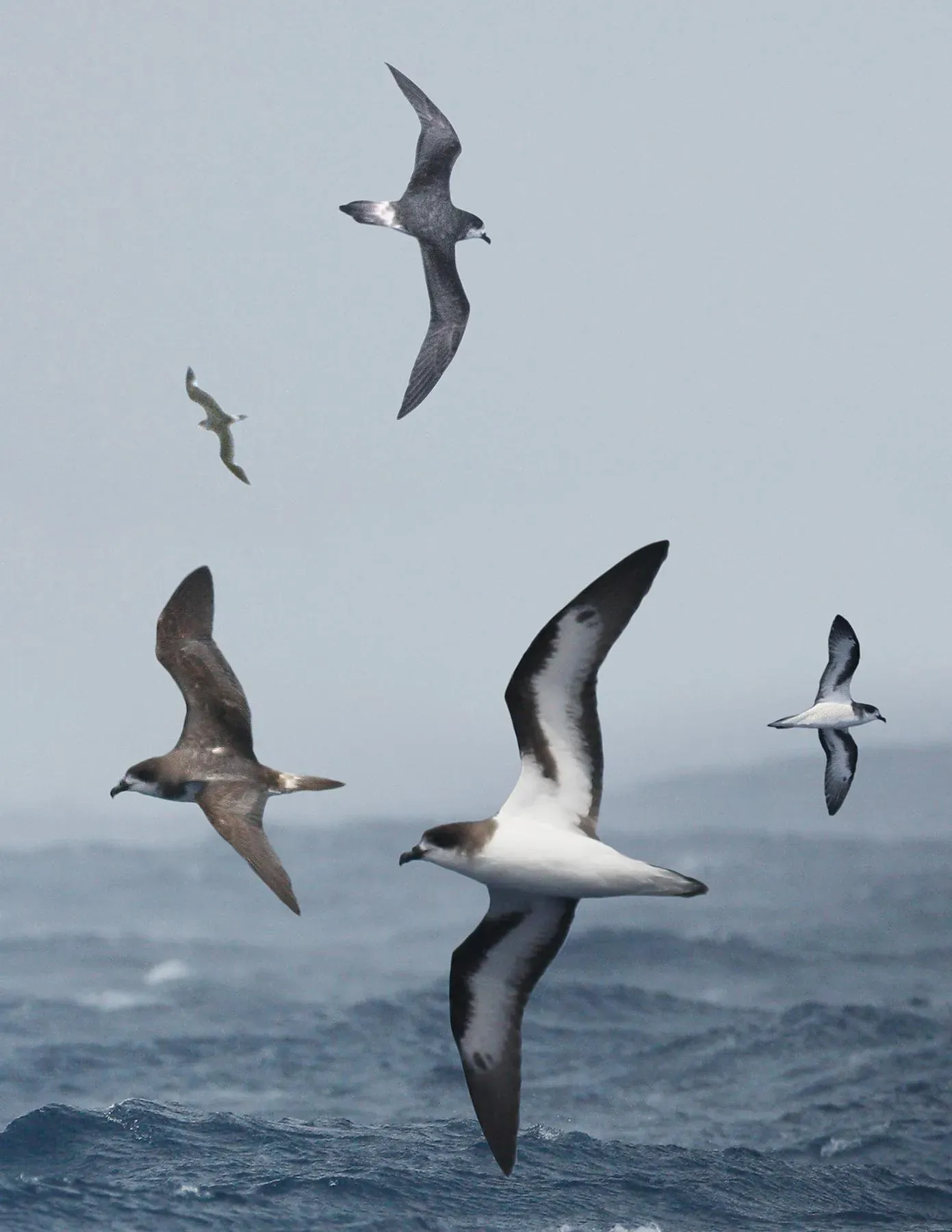
Sailors and hungry colonists hunted the cahow, Bermuda’s native seabird, so aggressively in the 1600s that it was presumed extinct by the mid-17th century. For nearly 300 years, this ghost-like petrel simply vanished from every record. Then in 1951, a small team including a teenage naturalist located 18 surviving breeding pairs clinging to a handful of rocky islets – one of the most dramatic comebacks in the history of ornithology.
What makes the cahow’s survival almost unbelievable is the sheer scale of habitat loss it endured. Invasive rats, pigs, and dogs introduced by settlers devastated its nesting grounds, pushing the bird onto outcroppings barely large enough to hold a colony. Conservationists have spent seven decades since building artificial burrows and relocating chicks to safer islands. Bermuda’s ghost bird clawed back from 18 pairs. The next survivor on this list had an even stranger reappearing act – declared dead twice before anyone found it hiding in the mountains.
#20 – The Flightless Bird New Zealand Buried Twice
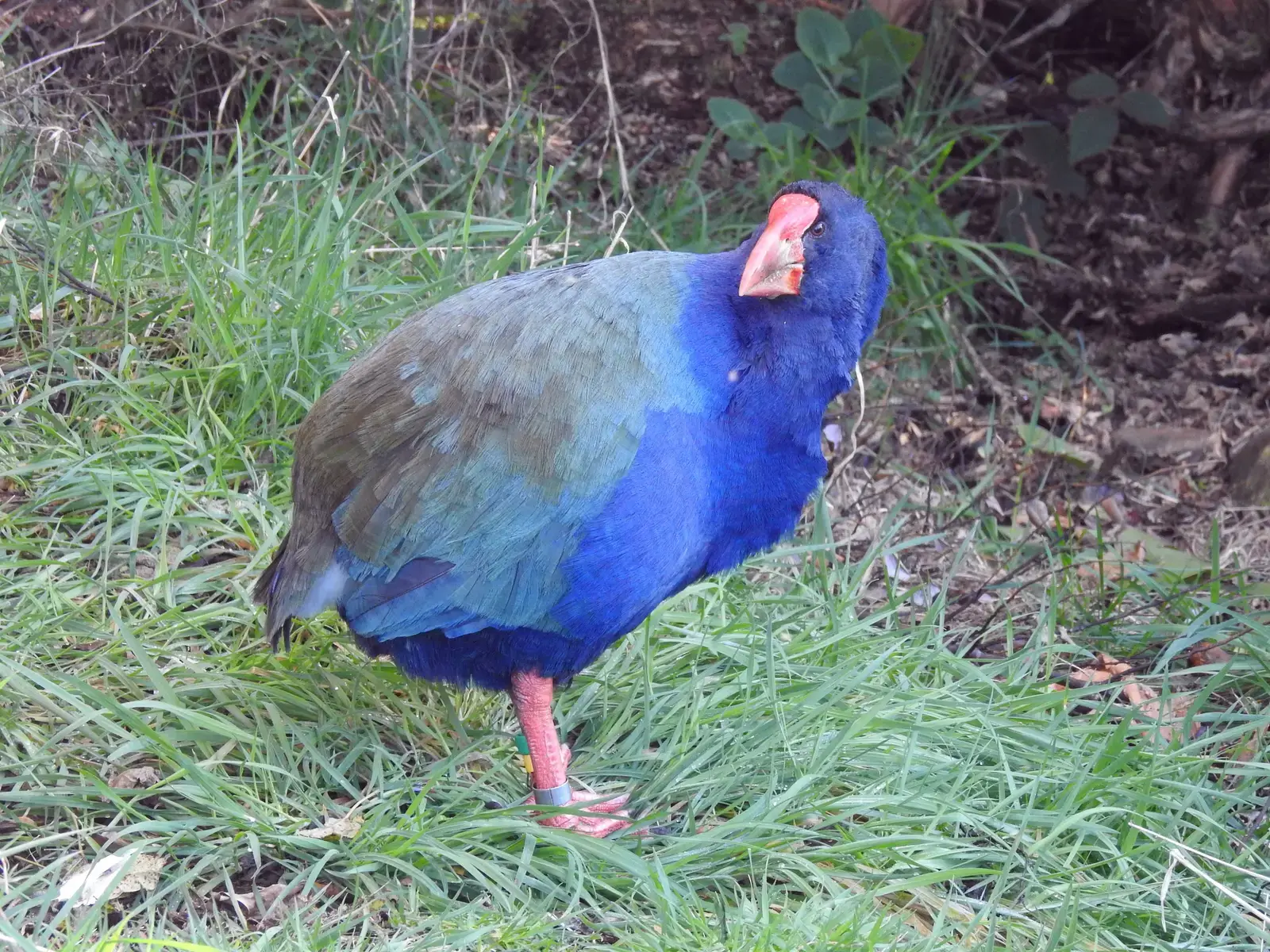
The takahē, a chunky, flightless relative of the moorhen, was declared extinct not once but effectively twice – first after European settlement decimated its population, and again when it seemingly vanished from all known habitats by the early 1900s. Then in 1948, a doctor and amateur naturalist named Geoffrey Orbell tracked a small population down in the remote Murchison Mountains of New Zealand’s South Island, stunning the scientific world.
The takahē’s survival hinged entirely on geographic isolation – the birds had retreated to alpine valleys so rugged that introduced predators like stoats and rats hadn’t fully penetrated. Even now, its recovery remains fragile, with conservationists running predator-control programs and captive breeding operations just to keep numbers climbing. Many experts argue the takahē’s story isn’t really a triumph yet – it’s a species on permanent life support, a distinction that gets glossed over in feel-good headlines. The takahē’s comeback was dramatic. What happened next was almost absurd – a rodent thought dead for 11 million years turning up in a food market.
#19 – The Rock Rat So Weird It Got Its Own Family
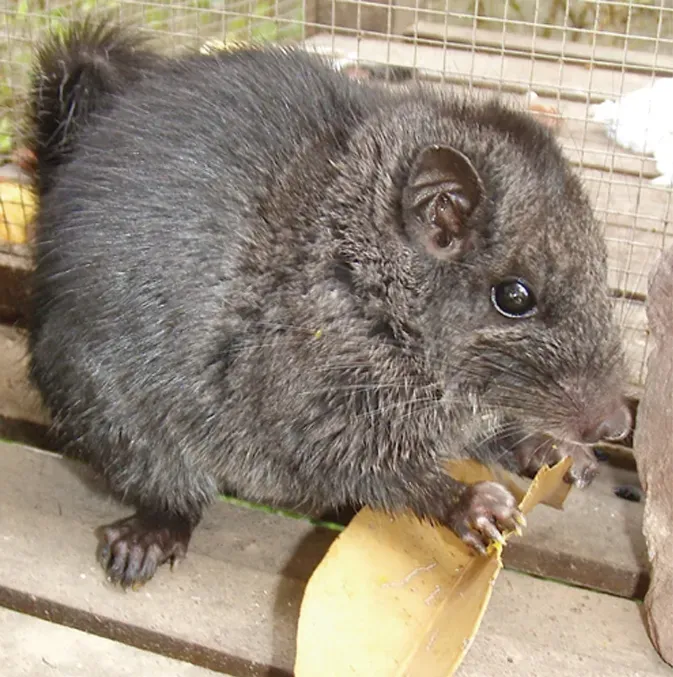
When researchers first encountered the Laotian rock rat in a Southeast Asian food market in 1996, they had no idea it represented a lineage thought to have gone extinct 11 million years ago. This squirrel-tailed rodent turned out to be the sole surviving member of an entire family, Diatomyidae, previously known only from fossils. Scientists had assumed that entire evolutionary branch had been dead since the Miocene epoch.
Locals in Laos had always known the animal, calling it “kha-nyou,” but it had simply never crossed paths with Western taxonomy until the late 1990s. Its rediscovery forced a genuine reshuffling of small-mammal family trees, since living Diatomyidae weren’t supposed to exist anywhere on Earth. It still lives almost exclusively in limestone karst regions of Laos and Vietnam, making it one of the most geographically restricted “living fossils” ever documented. If a market stall in Laos can hide an 11-million-year-old lineage, imagine what’s hiding on a single forgotten island.
#18 – The Skink That Slipped Past Science for a Century
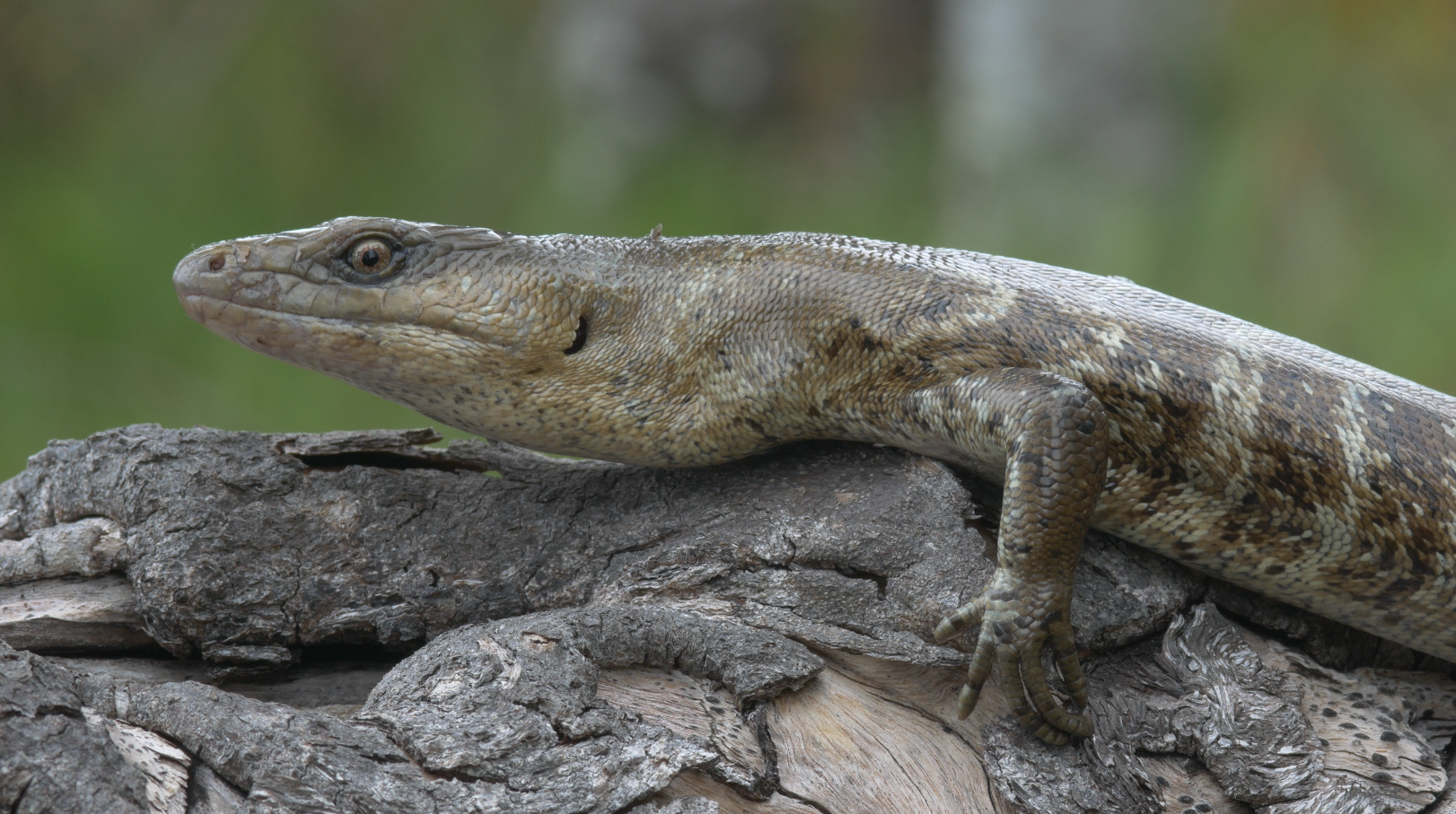
New Caledonia’s terror skink earned its ominous name from its oversized, blade-like teeth, unusual for a lizard its size. It was known only from two 19th-century specimens for over a hundred years, leading researchers to assume it had gone extinct sometime after European contact. In 2003, a team rediscovered a living population on a single tiny islet off New Caledonia’s coast, ending a silence that had lasted since 1876.
What’s striking about the terror skink’s survival story is how narrow its margin actually is – the entire known population exists on one small island barely large enough to support it. Invasive species and habitat disturbance remain constant threats, and unlike more famous rediscoveries, this one hasn’t triggered massive conservation funding. Herpetologists still consider it one of the most vulnerable reptiles on the planet, a reminder that “rediscovered” rarely means “safe.” The terror skink survives on one tiny island. The next animal on this list proved something even stranger: that genetics itself can resurrect a species science had already buried.
#17 – The Wild Dog Genetics Said Didn’t Exist Anymore
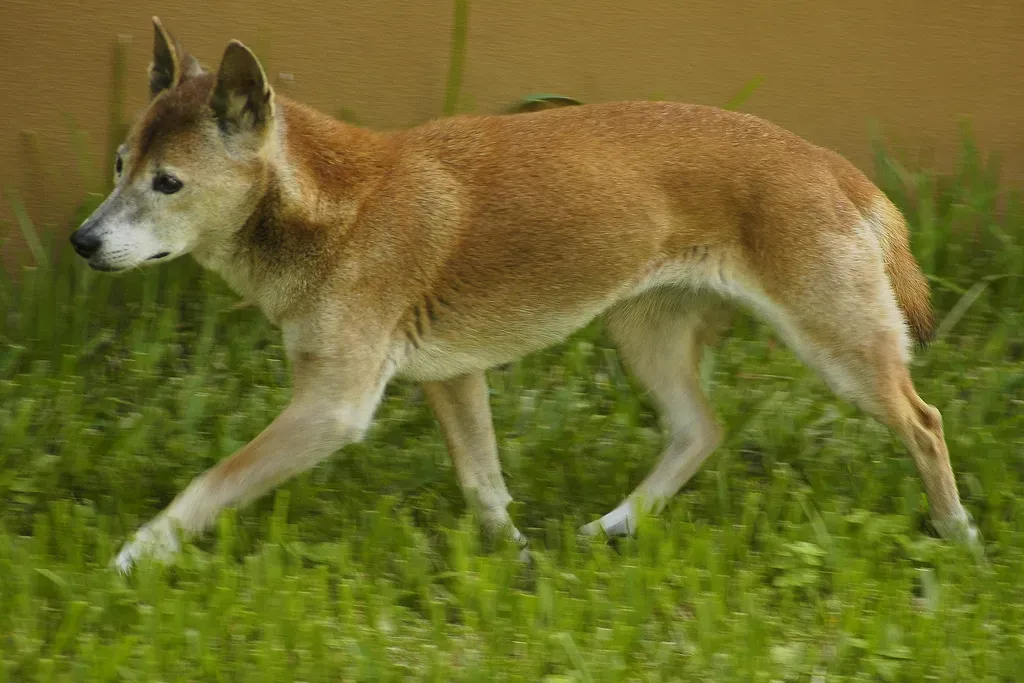
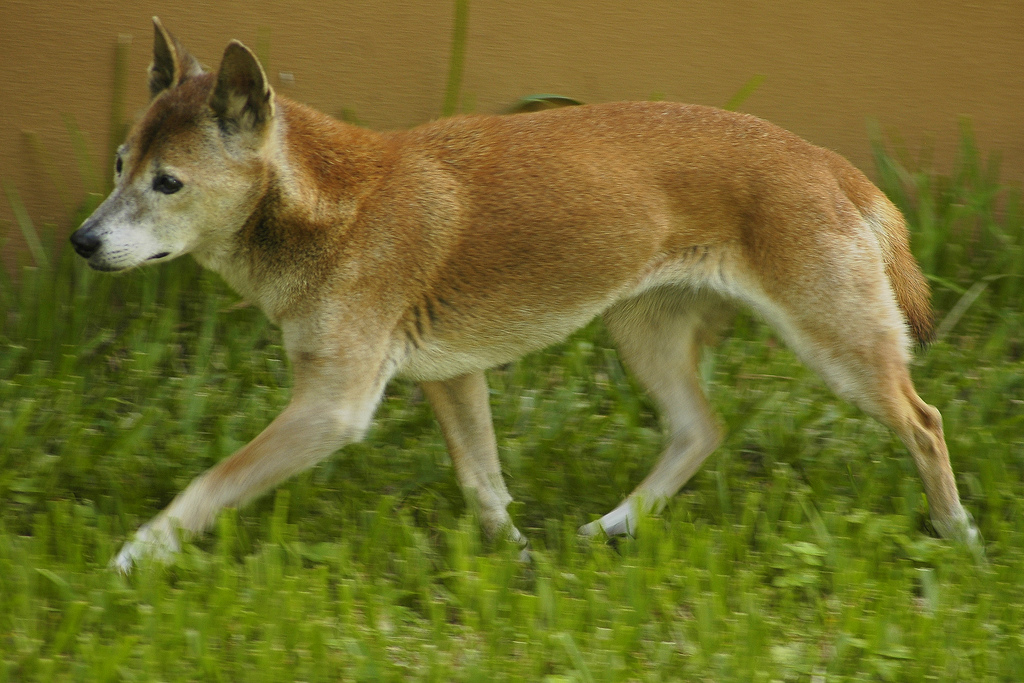
For decades, the New Guinea singing dog was assumed extinct in the wild, surviving only through a small population of captive descendants in zoos and private collections worldwide. Researchers believed the wild lineage had been wiped out by cross-breeding with domestic dogs and habitat loss. Then genetic testing on dogs photographed in New Guinea’s remote highlands confirmed a genuinely wild population still existed, closely related to – but distinct from – the captive lineage.
This rediscovery mattered because captive New Guinea singing dogs had become severely inbred after being founded from just a handful of individuals decades earlier. Finding a wild, genetically diverse population opened the door to potentially reinvigorating the entire species’ gene pool. Conservation geneticists now consider these highland dogs a critical resource, though access to their mountainous habitat remains extremely limited. DNA brought back a wild dog population nobody believed still existed. Half a world away, a tiny-eyed primate pulled off nearly the same trick – just far more quietly.
#16 – The Sri Lankan Primate Nobody Saw for 60 Years
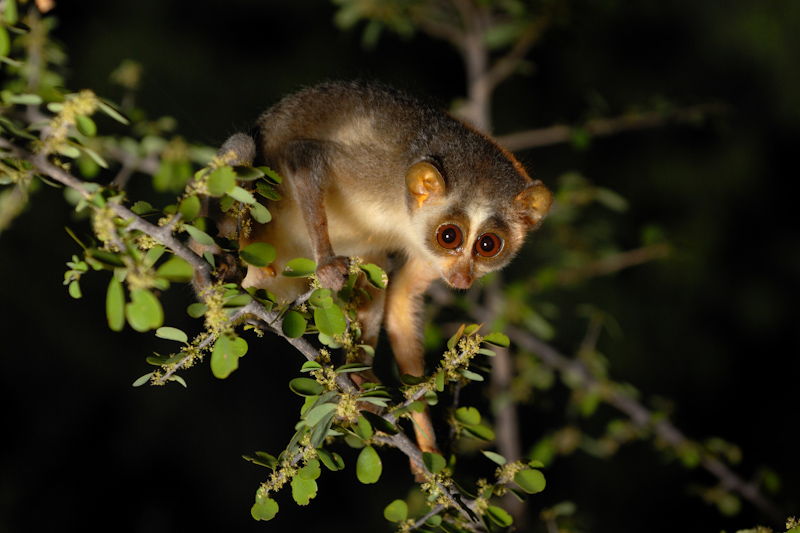
The Horton Plains slender loris, a wide-eyed nocturnal primate native to Sri Lanka’s cloud forests, went unseen by scientists for roughly 60 years after its initial description. Many assumed deforestation had already claimed it before anyone got a proper look. In 2002, researchers finally photographed a living individual, confirming the subspecies had survived in fragmented montane forest patches the entire time.
Its survival is precarious at best – estimates suggest fewer than a few hundred individuals remain, confined to a shrinking patch of cloud forest habitat above 1,500 meters elevation. Unlike more charismatic rediscoveries, the slender loris rarely makes international headlines despite being one of the most endangered primates on Earth. Conservationists argue this lack of attention is a genuine failure, given how close the species sits to true, permanent extinction. Sixty years of silence is a long time. But the next survivor on this list clung to life on a single bush, on a single rock, in the middle of the ocean.
#15 – The Insect That Hid Inside a Single Bush on a Sea Stack
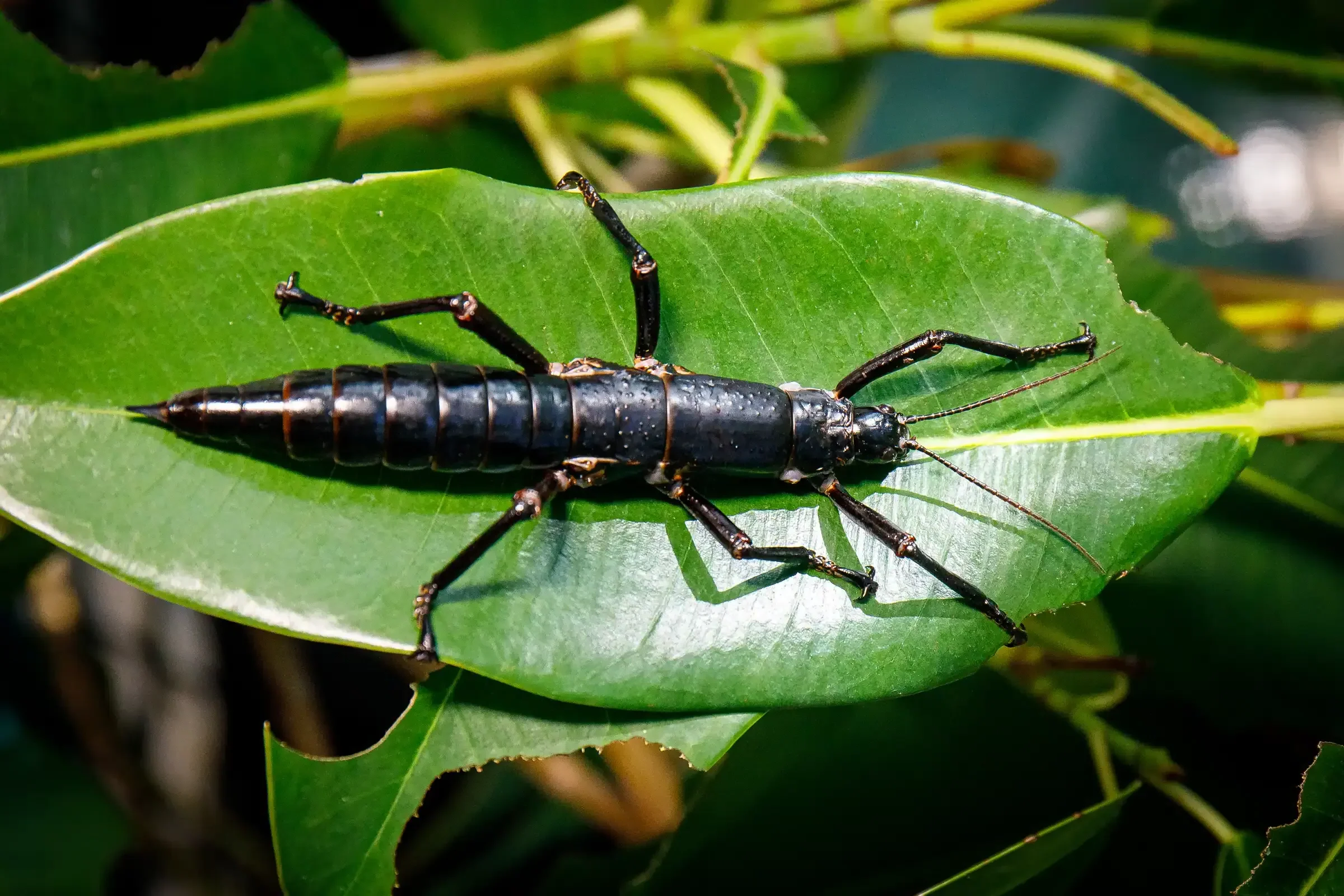
The Lord Howe Island stick insect, sometimes called the “tree lobster,” was thought completely wiped out after rats accidentally introduced by a shipwreck devastated its island population in the early 1900s. For nearly 80 years, it existed only as a memory. In 2001, climbers discovered a tiny surviving population living on a single melaleuca bush on Ball’s Pyramid, a razor-thin volcanic sea stack rising from the ocean near Lord Howe Island.
The entire rediscovered population numbered roughly two dozen individuals, clinging to existence on a rock formation so steep and remote it seemed almost impossible anything could survive there. Scientists extracted a handful of insects to start a captive breeding program, and the species has since been bred in zoos with plans for eventual island reintroduction once rats are eradicated. It remains one of the most extreme “against all odds” survival stories in modern entomology. Two dozen insects on a sea stack is one kind of miracle. The next one predates most of the animal kingdom itself.
#14 – The Venomous Mammal That Predates Most Modern Species
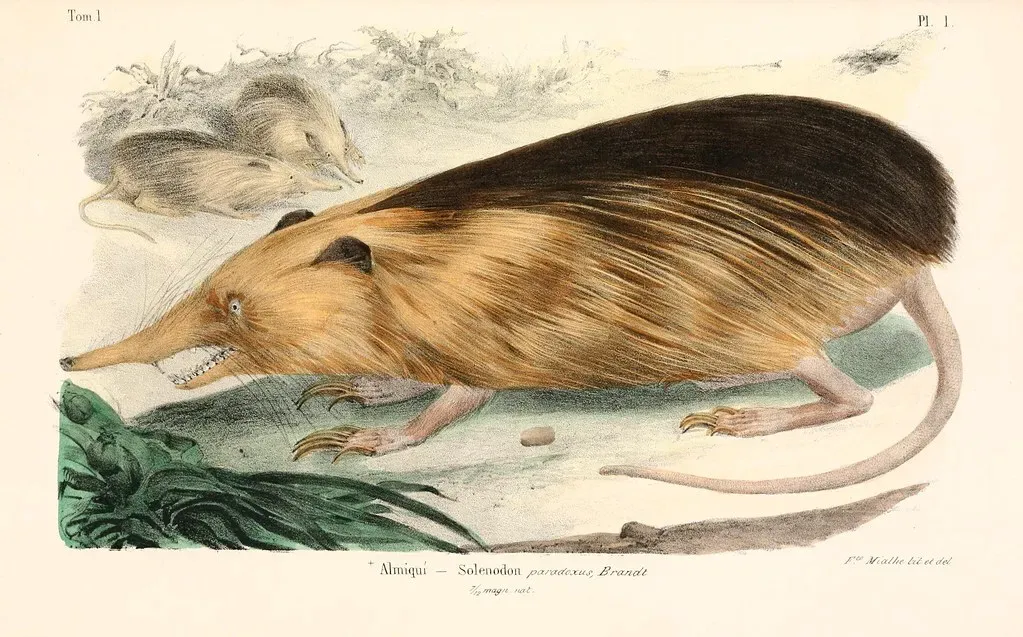
The Cuban solenodon, a shrew-like mammal with a venomous bite delivered through grooved lower incisors, is a genuine evolutionary relic – its lineage split off from other mammals roughly 76 million years ago, meaning it effectively coexisted with dinosaurs. It was presumed extinct multiple times throughout the 20th century after long stretches with no confirmed sightings. Camera traps and targeted expeditions in the 2000s and 2010s repeatedly confirmed small surviving populations still living in Cuba’s forested mountains.
What keeps the Cuban solenodon perpetually on the edge of “rediscovery” status is how naturally elusive it is – nocturnal, secretive, and confined to increasingly fragmented habitat. Its unusual venom delivery system, extremely rare among mammals, makes it a genuine biological curiosity beyond its survival story. Researchers argue it deserves far more conservation funding than it receives, given that it’s essentially a living window into mammalian evolution before the age of dinosaurs ended. A venomous mammal older than most dinosaurs is hard to top. The next bird managed it anyway – by being so elusive nobody’s sure it ever really left.
At a Glance
- Lineage split from other mammals roughly 76 million years ago
- One of the only venomous mammals on Earth, delivered via grooved incisors
- Presumed extinct multiple times throughout the 20th century
- Confirmed surviving via camera traps in the 2000s and 2010s
#13 – The Cuban Marsh Bird Written Off as Gone for Decades
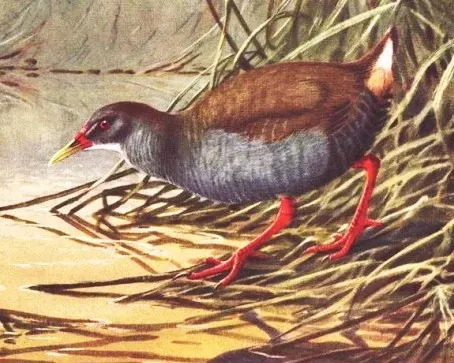
The Zapata rail, a secretive marsh bird endemic to Cuba’s Zapata Swamp, has such a limited range and elusive nature that it’s been repeatedly rumored extinct throughout the past several decades. Sightings have remained frustratingly rare and difficult to verify, with long gaps between confirmed observations. Ongoing survey efforts have continued to document its persistence in the dense, difficult-to-access wetlands that make up its only known habitat.
The bird’s entire global range sits within one swamp ecosystem, which makes it acutely vulnerable to hurricanes, fires, and invasive predators like mongooses. Because access to the Zapata Swamp is logistically difficult, comprehensive population surveys remain rare, leaving the rail’s true status genuinely uncertain even to specialists. Many ornithologists consider it one of the most under-studied birds in the Western Hemisphere despite its precarious situation. One swamp, one bird, one enormous question mark. The next rediscovery finally answered a hundred-year mystery on camera.
#12 – The Nocturnal Parrot Photographed for the First Time in a Century
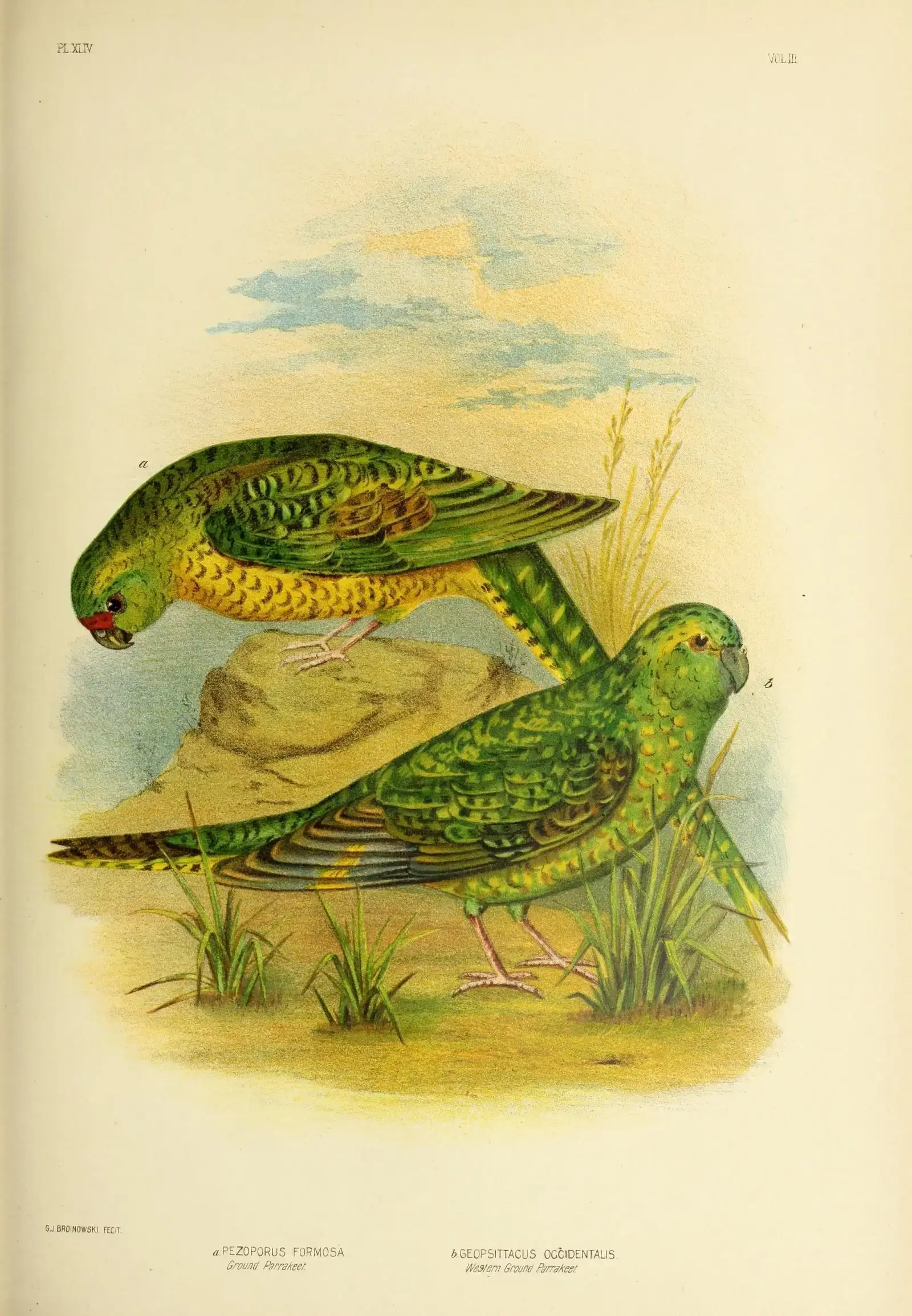
Australia’s night parrot was so rarely seen that for over a hundred years, scientists debated whether it was extinct or simply nocturnal and secretive beyond belief. Only a handful of dead specimens turned up between the late 1800s and early 2000s, fueling genuine scientific despair. In 2013, a naturalist finally captured photographs and video of a living night parrot in outback Queensland, ending more than a century of uncertainty.
This rediscovery reignited serious scientific interest, with researchers now using acoustic monitoring and infrared cameras to track additional populations across remote parts of Australia’s interior. The species’ extreme secrecy – it hides in dense spinifex grass during the day and only becomes active at night – explains why it evaded confirmed sightings for so long despite Australia’s relatively well-studied wildlife. Some ornithologists now argue it may be far less rare than assumed, simply spectacularly good at avoiding humans. A century of doubt, solved by one lucky video. The next find happened inside an actual volcano.
#11 – The Salamander Found in a Volcano After 42 Years
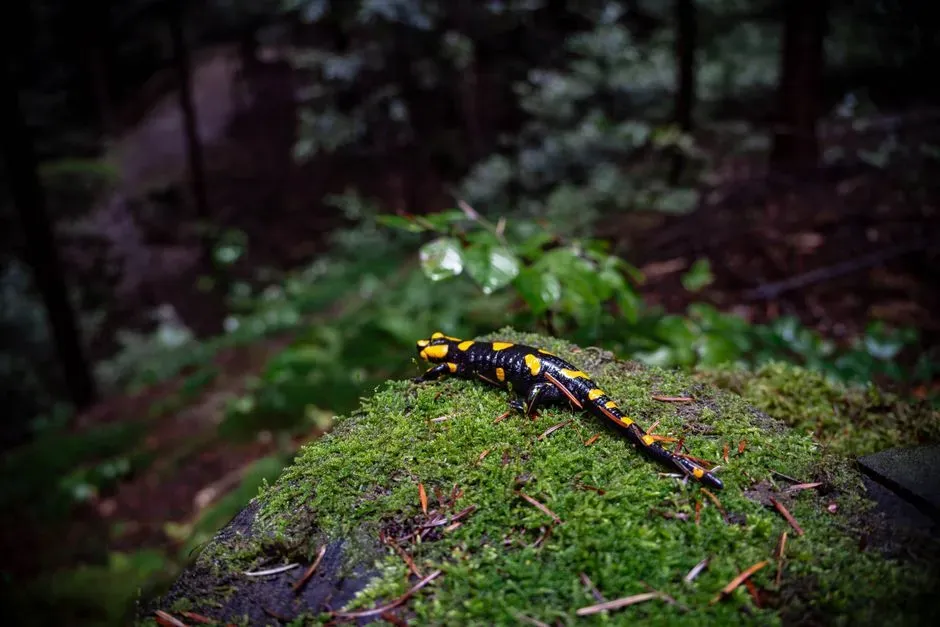
Jackson’s climbing salamander, a striking golden-eyed amphibian native to Guatemala’s cloud forests, hadn’t been seen since its initial discovery decades earlier, leading researchers to fear it had quietly gone extinct amid rampant deforestation. In 2017, a park guard studying a volcanic region in Guatemala rediscovered the species, ending a 42-year absence from scientific record.
The find was part of a broader rediscovery effort backed by international conservation groups searching specifically for “lost” species presumed extinct. What makes this case particularly notable is that the guard who found it wasn’t a formally trained scientist – he was part of a local monitoring team trained to recognize target species, underscoring how crucial local knowledge is to these rediscoveries. Guatemala’s cloud forests remain under heavy pressure from agriculture, meaning the salamander’s long-term survival is far from guaranteed even now. A park guard cracked a 42-year mystery. The next one sat unsolved for four times as long – 172 years, to be exact.
#10 – The Songbird Silent for 172 Years
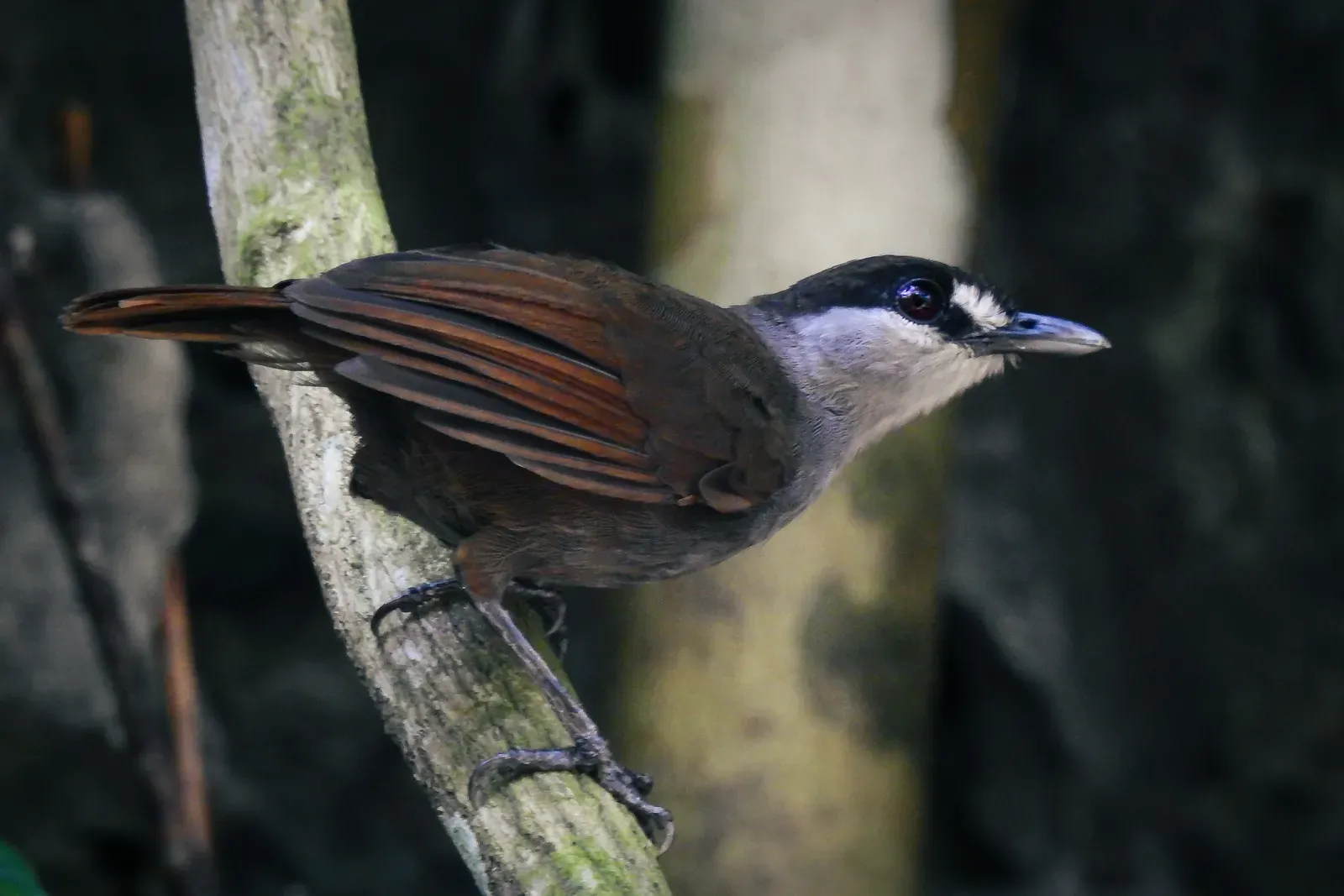
Indonesia’s black-browed babbler vanished from scientific record so completely that for 172 years, its only proof of existence was a single 19th-century specimen with no confirmed collection location. Researchers genuinely debated whether it represented a real species or a taxonomic error. In 2020, two men in Borneo photographed and briefly captured a bird matching its description, providing the first confirmed sighting in over a century and a half.
This rediscovery is remarkable because it happened almost by accident – the men weren’t professional ornithologists searching for a lost species, they simply encountered an unusual bird in their backyard forest. Once photos circulated, experts quickly confirmed it matched historical descriptions of the black-browed babbler precisely. The case highlights an uncomfortable truth in conservation science: some of the most significant rediscoveries happen through sheer luck rather than funded expeditions. Sheer luck rediscovered a songbird after 172 years. The next animal waited even longer, alone, on a volcano nobody could safely climb.
#9 – The Galápagos Tortoise Found Alone on Her Volcanic Island
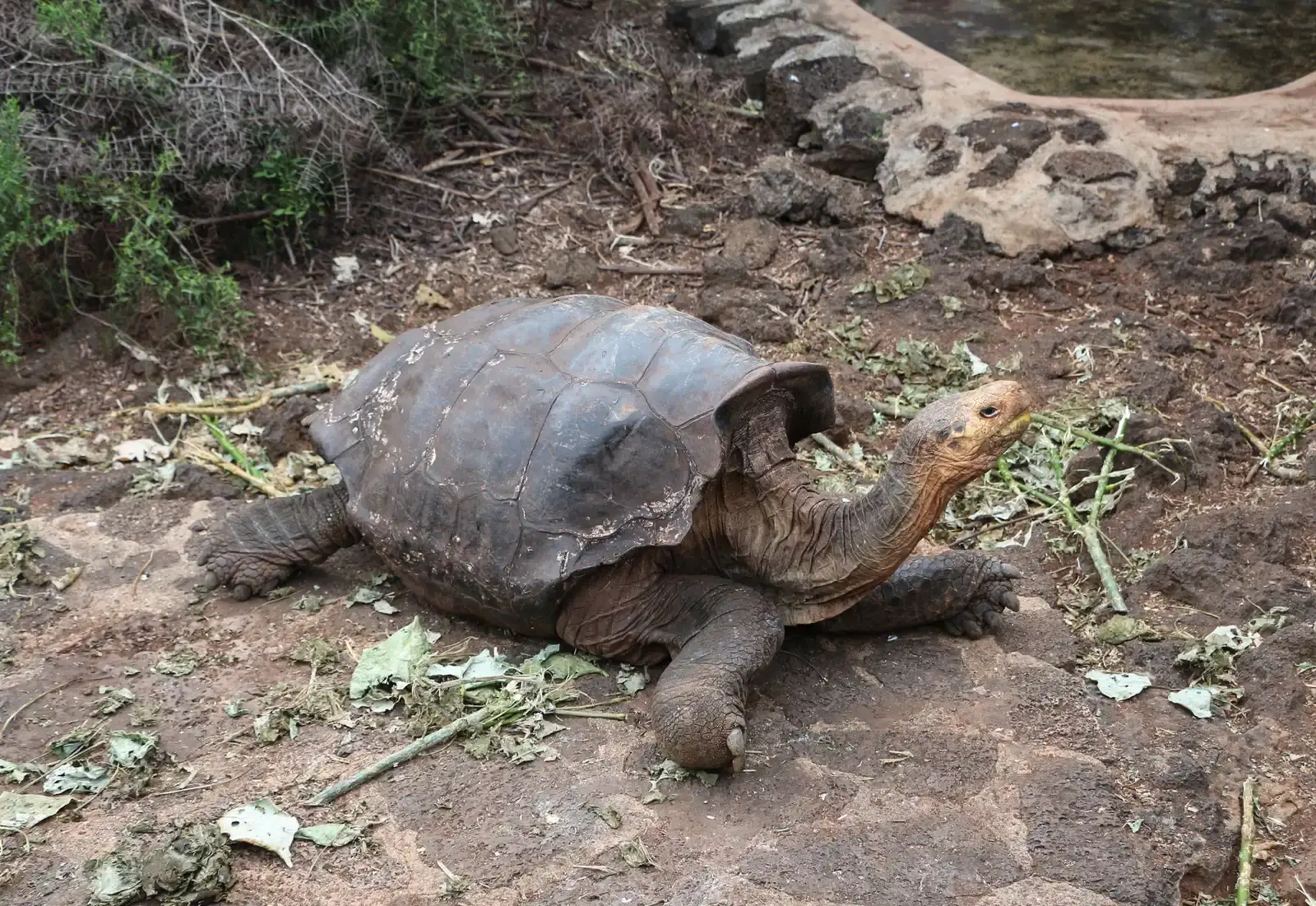
The Fernandina giant tortoise was known from a single specimen collected in 1906, leading scientists to assume the species had gone extinct on its remote, volcanically active island home. For over a century, no further evidence emerged. In 2019, researchers discovered a living adult female tortoise on Fernandina Island, nicknamed “Fernanda,” providing the first confirmed sighting of the species in 113 years.
Genetic testing later confirmed Fernanda belonged to the same species as the 1906 specimen, definitively ending speculation that the original tortoise might have simply drifted from a neighboring island. Researchers have since found tortoise tracks and scat suggesting additional individuals may exist on the island’s harsh lava fields. Fernandina itself is one of the most volcanically active islands in the Galápagos, making survey work genuinely dangerous, which partly explains why this species stayed hidden for so long. Fernanda waited 113 years for company. The next creature on this list waited just as long – but only shows itself for a few weeks a year.
#8 – The Chameleon That Only Appears for a Few Weeks a Year
![#8 - The Chameleon That Only Appears for a Few Weeks a Year (National Science Foundation [1], Public domain)](https://nvmwebsites-budwg5g9avh3epea.z03.azurefd.net/dinoworld/9ce4788095712f8f75ce0d00a657e52d.webp)
Voeltzkow’s chameleon, native to Madagascar, had been observed so rarely that scientists possessed almost no data on its natural behavior, appearance in life, or habitat preferences for over a century after its initial description. Researchers suspected its extreme rarity might reflect a genuinely tiny, possibly vanishing population. In 2018, a research expedition rediscovered the species and, remarkably, documented males and females alive for the first time, revealing dramatic color-changing behavior never previously recorded.
What researchers eventually learned explains the century-long mystery entirely: Voeltzkow’s chameleon appears to have an extremely short adult breeding season, possibly living most of its life as an egg and emerging as an adult for only a few weeks each year during rains. This bizarre life cycle means it was never technically “hiding” so much as existing on a biological schedule that made it almost impossible to catch at the right moment. Some animals hide in time, not space. The next one hid in plain smell – literally living inside termite mounds.
#7 – The Giant Bee Four Times Bigger Than a Honeybee
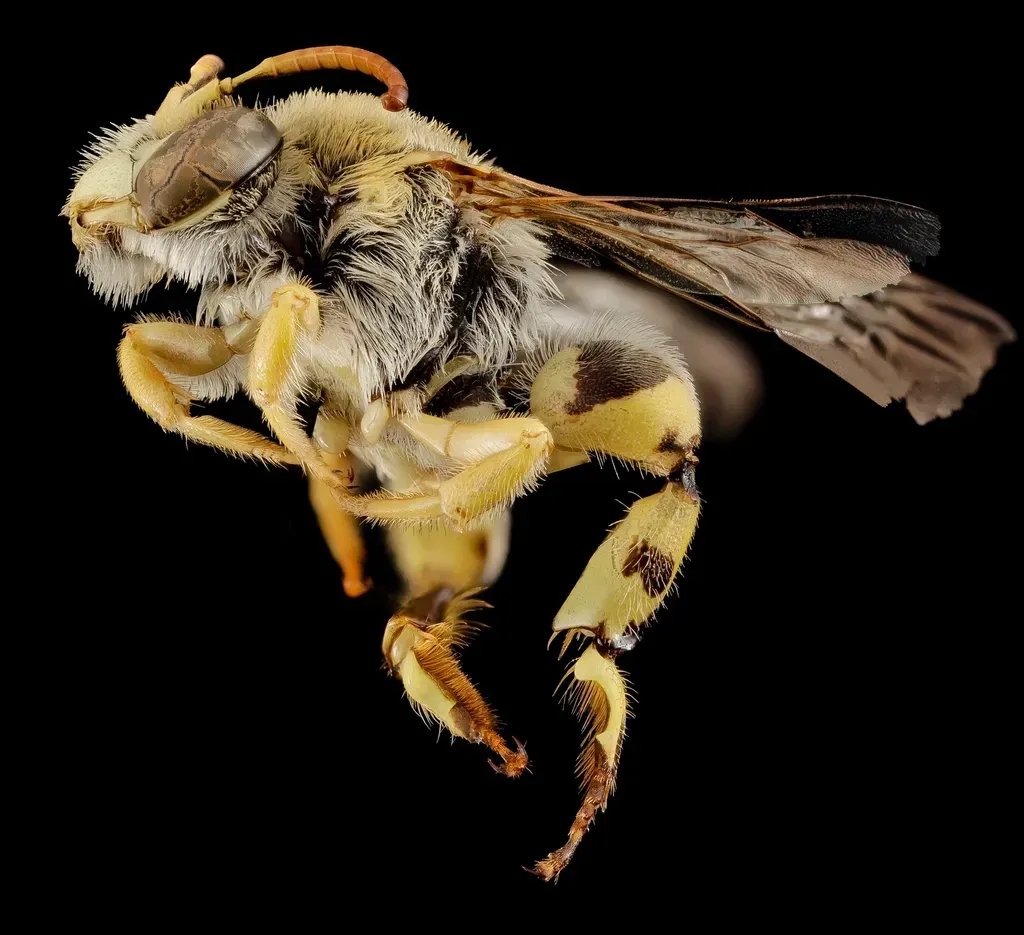
Wallace’s giant bee, the largest bee species on Earth with a wingspan stretching roughly two and a half inches, was known from a single specimen collected in the 1850s and had not been confirmed alive since 1981. Many entomologists quietly assumed it had gone extinct amid Indonesia’s rapid deforestation. In 2019, a research team located and photographed a living female in Indonesia’s North Moluccas, ending a 38-year silence.
This giant insect has an unusual lifestyle even among bees – it uses its oversized jaws to collect tree resin, which it uses to build nests inside active termite mounds, protecting itself from the very insects it’s nesting alongside. The rediscovery sparked immediate concern from conservationists, since almost simultaneously, specimens of the bee began appearing for sale online to collectors, threatening the tiny known population before protections could be established. Experts argue this rediscovery is actually a race against time, not a happy ending. Giant bees are strange enough. What comes next might be America’s most argued-about bird.
#6 – The Woodpecker America Still Can’t Agree Is Gone
![#6 - The Woodpecker America Still Can't Agree Is Gone (By Original photo by Arthur A. Allen, 1935 [1], watercolored by Jerry A. Payne, USDA-ARS, CC BY 3.0 us)](https://nvmwebsites-budwg5g9avh3epea.z03.azurefd.net/dinoworld/974a3d1908f792279b2cb4fcf04a64f6.webp)
Few extinction debates have been messier than the ivory-billed woodpecker’s. Last confirmed with certainty in the 1940s, the striking black-and-white bird became a near-mythical figure in American birding circles. A 2004 sighting in Arkansas’s Big Woods triggered a massive, expensive search effort and genuine scientific hope, though the evidence remained hotly disputed among ornithologists for years afterward.
The controversy never fully resolved. Some researchers insist blurry video and audio recordings from subsequent expeditions represent genuine evidence of survival, while skeptics argue the same footage could easily depict the more common pileated woodpecker. U.S. wildlife officials moved to formally declare the species extinct in recent years, a decision that remains fiercely contested by birders who believe pockets of old-growth swamp forest in the American South could still be hiding a handful of survivors. Ivory-billed woodpecker sightings still start bar fights among birders. Meanwhile, in Vietnam, a fanged mouse-deer solved its own mystery on a trail camera.
Quick Compare
- Believers: Point to the 2004 Arkansas sighting plus later blurry video and audio as real evidence
- Skeptics: Argue the same footage likely shows the far more common pileated woodpecker
- Official stance: U.S. wildlife officials moved to declare it extinct in recent years
- Holdouts: Believe old-growth swamp forest in the South could still hide survivors
#5 – The Fanged Mouse-Deer That Walked Past a Camera in 2019
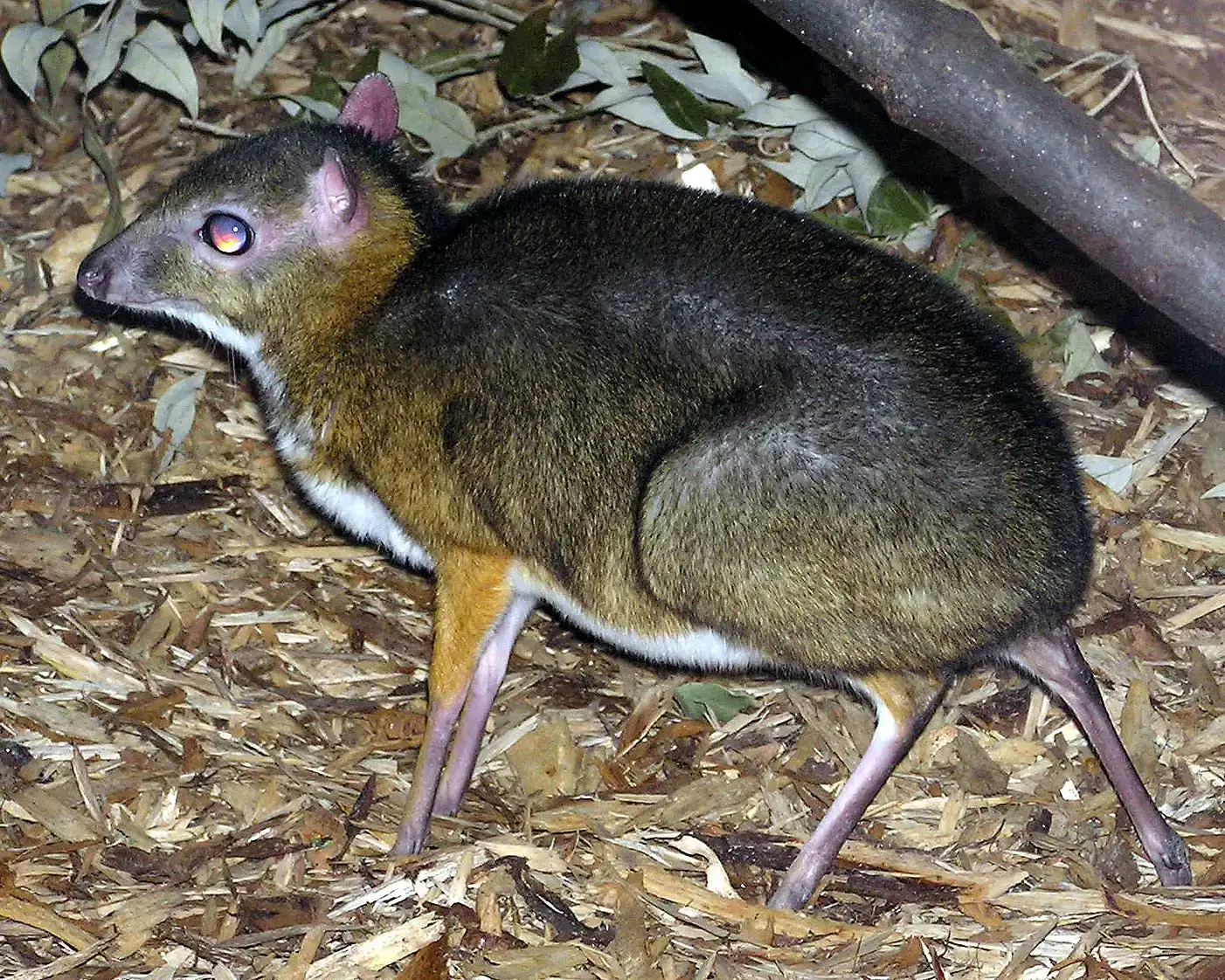
Vietnam’s silver-backed chevrotain, a rabbit-sized, deer-like mammal with tiny fangs instead of antlers, hadn’t been scientifically documented since 1990 – nearly three decades – and researchers genuinely worried it had disappeared entirely amid the region’s brutal snaring crisis. In November 2019, camera traps finally captured photographic proof the species was still alive, based on tips from local villagers who’d spotted the distinctively silver-toned animal.
The rediscovery process itself was refreshingly low-tech: researchers set just three camera traps for five months in a patch of southern Vietnam where locals said they’d seen the animal, and came back with hundreds of confirmed images. More recent survey work between 2018 and 2025 has since detected the chevrotain at five sites, including four newly confirmed populations beyond the single one previously known – though researchers also flagged likely local extinctions in some areas driven by relentless snaring pressure. Camera traps found the chevrotain. Old-fashioned traps – a thousand of them – found something even stranger in the Horn of Africa.
#4 – The Trunk-Nosed “Elephant” the Size of a Mouse
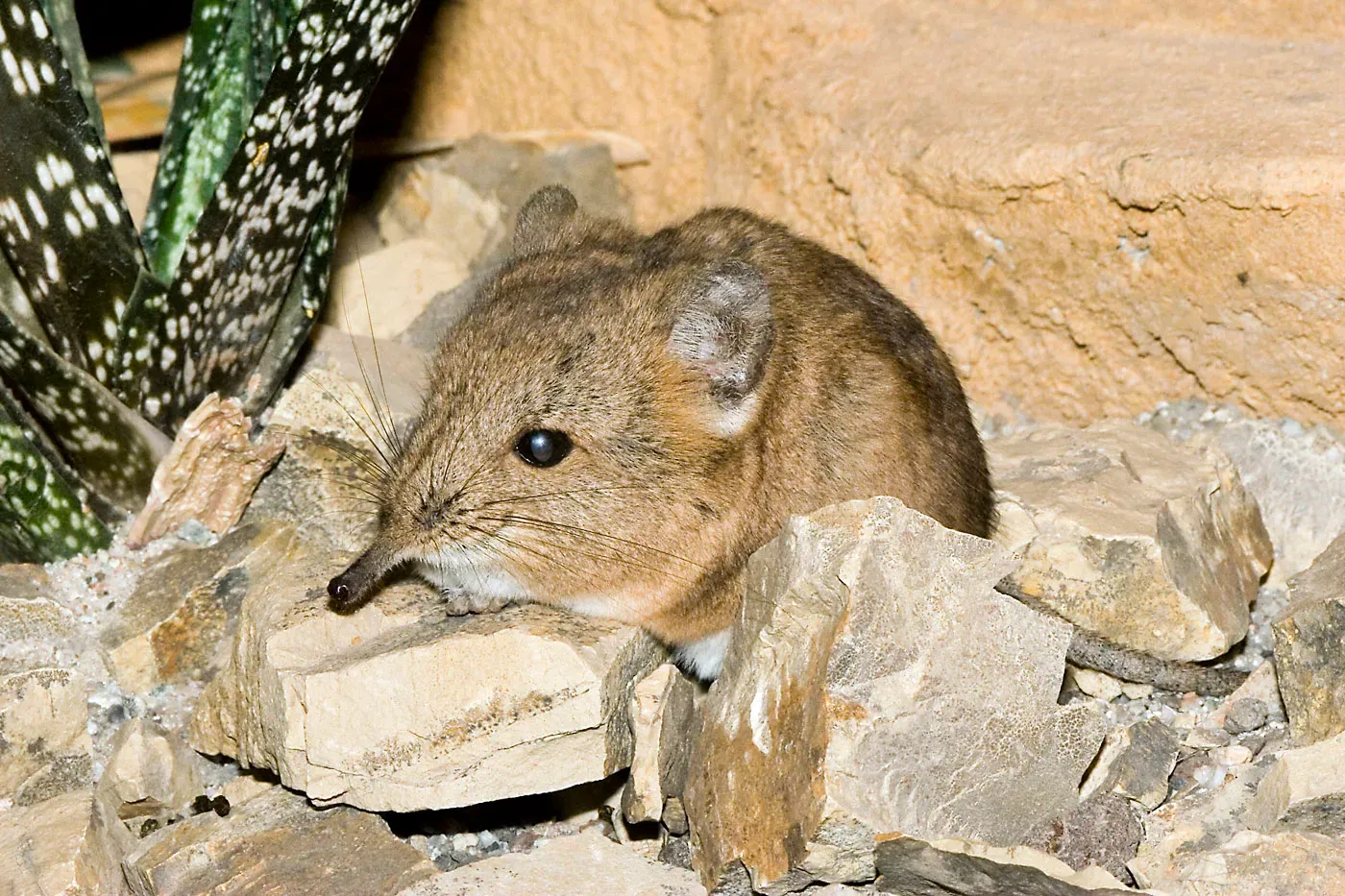
The Somali sengi, a tiny elephant shrew with a long, flexible snout and gazelle-like legs, hadn’t been documented by scientists since 1968 – long enough to land a permanent spot on Global Wildlife Conservation’s list of the 25 most wanted “lost” species on Earth. Researchers assumed decades of civil unrest across its native range had made proper surveys nearly impossible.
In 2020, a research team set more than a thousand traps across Djibouti and found the species almost immediately, spotting 12 Somali sengis and capturing the first photographic evidence of the animal in decades. What makes this case genuinely funny in hindsight is that local residents never considered the creature lost in the first place.
For us living in Djibouti, we never considered the sengis to be ‘lost,’ but this new research does bring the Somali sengi back into the scientific community.
Houssein Rayaleh, Djiboutian ecologist
Genetic and biogeographic analysis later revealed something even more staggering: Somali sengis have likely inhabited the Horn of Africa for more than 5.4 million years, meaning this “rediscovered” animal had been quietly running that same landscape since long before modern humans existed. Locals in Djibouti never lost the sengi. Locals in South Africa didn’t even need to see the next animal alive – DNA in the sand gave it away first.
#3 – The Blind, Iridescent Mole Detected Purely Through DNA in Sand
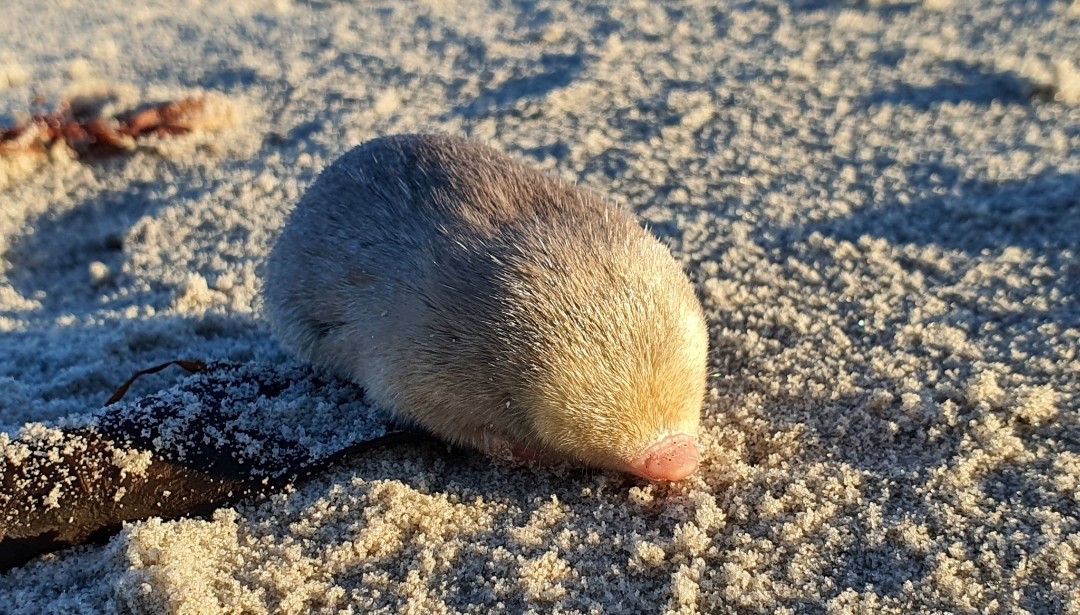
De Winton’s golden mole hadn’t been seen since 1937 – 86 years – and researchers had essentially given up hope of finding it through traditional survey methods, since the species spends nearly its entire life burrowing beneath South African sand dunes. Its near-total blindness and fully subterranean lifestyle made conventional trapping almost useless.
Scientists ultimately cracked the case using environmental DNA – literally sequencing skin cells and loose hairs the animal shed into the sand as it burrowed. A team from the Endangered Wildlife Trust, Stellenbosch University, and the University of Pretoria followed that genetic trail through the dunes near Port Nolloth and, in November 2023, captured a live golden mole on camera and in hand, confirming its identity through DNA sequencing. They found a second individual in the same area shortly after, and later survey work turned up evidence at multiple additional sites, suggesting the species may be far more widespread than anyone assumed. Even with a confirmed live population, the IUCN still lists it as “critically endangered” and possibly extinct – proof that rediscovery doesn’t automatically erase decades of uncertainty from official records. A mole was found through skin cells in sand. The next rediscovery took a month-long expedition, an earthquake, and a leech attached to someone’s eyeball.
#2 – The Egg-Laying Mammal That Waited 62 Years in the Mountains
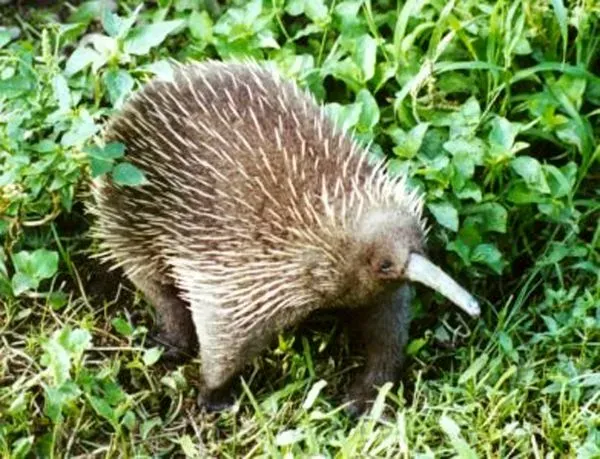
Attenborough’s long-beaked echidna, a spiny, egg-laying mammal named after the famed broadcaster, was known only from a single damaged specimen collected in 1961 – and hadn’t been confirmed alive since, earning it a “critically endangered” listing from the IUCN despite zero verified sightings for six decades. Local villagers in Papua’s Cyclops Mountains had long known the animal, calling it payangko, but Western science had essentially written it off.
In 2023, an Oxford-led expedition finally caught it on camera – on the very last memory card, from the very last of more than 80 remote cameras, checked on the final day of a grueling month-long search. Biologist James Kempton found the images only after the team had already descended from the mountains, footage of the small spiny creature shuffling through the leaf litter like it had never been gone. Getting there cost them: the team survived an earthquake, bouts of malaria, and even a leech that attached itself to someone’s eyeball. Attenborough’s long-beaked echidna is one of only five monotreme species left on Earth, the last guardians of an entire branch of the evolutionary tree – which makes this rediscovery one of the most significant of the decade, not just the cutest headline. Even that ordeal doesn’t top the very first rediscovery that made all the others possible.
#1 – The Fish That Rewrote the Rules on What “Extinct” Even Means
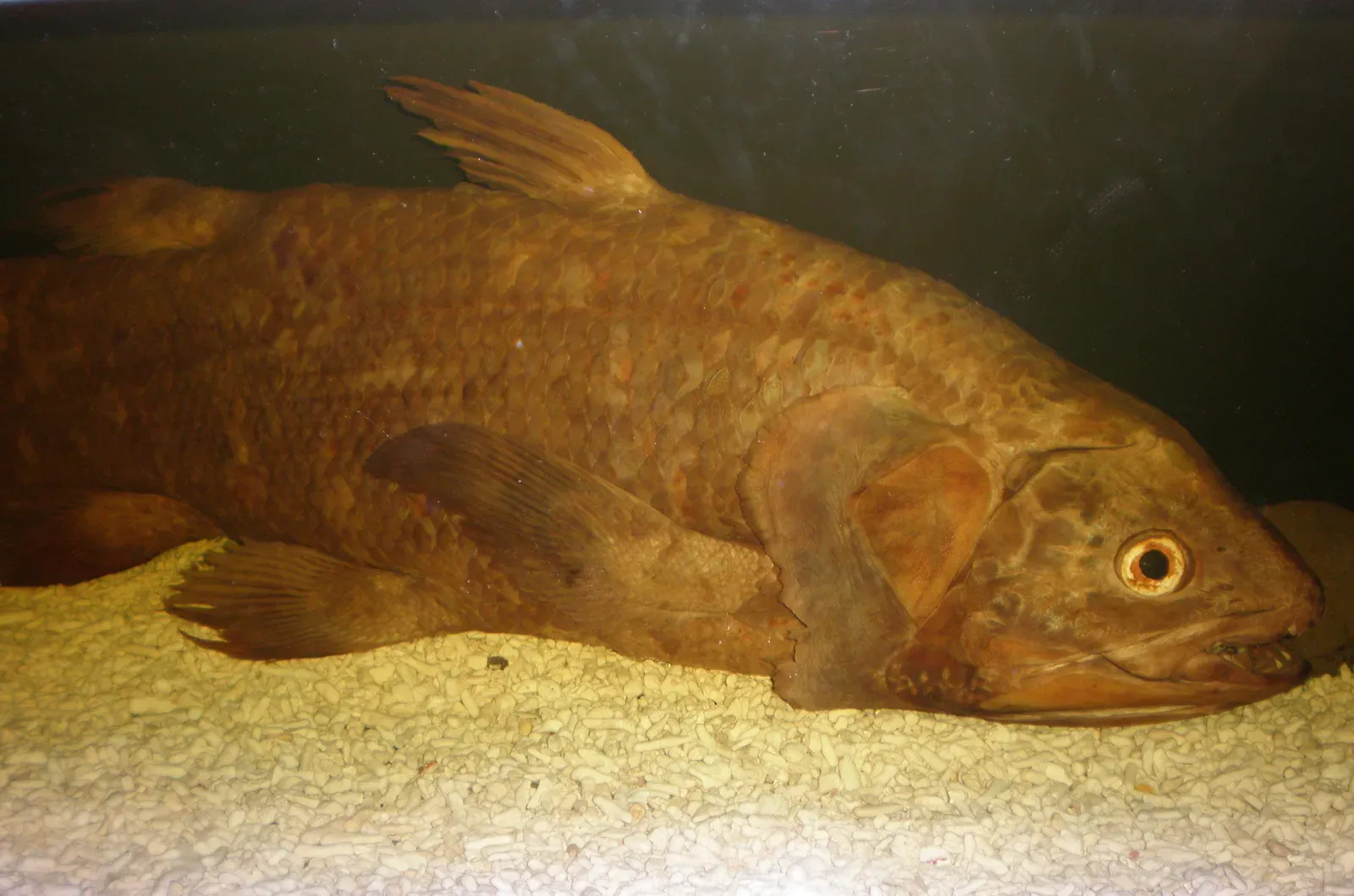
Before any modern Lazarus species made headlines, there was the coelacanth – a deep-sea fish presumed extinct for roughly 66 million years, known exclusively from fossils dating back to the age of dinosaurs. Paleontologists had confidently used it as a textbook example of a creature that vanished alongside the dinosaurs. Then in 1938, a museum curator in South Africa examined a strange fish pulled from a local fishing trawler and realized it matched no known living species – it was a coelacanth, alive and swimming in modern oceans.
The discovery stunned the scientific world so thoroughly that it effectively created the entire modern concept of a “living fossil.” A second, genetically distinct coelacanth population was later identified off the coast of Indonesia in the 1990s, proving the species hadn’t just survived in one lucky pocket but had quietly persisted across entire ocean basins for tens of millions of years without anyone noticing. Coelacanths live in deep underwater caves at depths most survey equipment of the era couldn’t reach, which explains the six-decade blind spot. Every rediscovery on this list, in some way, owes its existence to the precedent the coelacanth set: that “extinct” is a scientific best guess, not a guarantee.
Why It Stands Out
- Presumed extinct for roughly 66 million years before its 1938 rediscovery
- Sparked the entire modern concept of a “living fossil”
- A second, genetically distinct population was found off Indonesia in the 1990s
- Lives in deep underwater caves, far below where early survey equipment could reach
The Bottom Line
The pattern across all 22 of these cases is impossible to ignore: most “extinctions” aren’t confirmed deaths, they’re just gaps in human observation. Species like the coelacanth, the Somali sengi, and Attenborough’s echidna weren’t secretly evolving new survival tricks – they were simply living in places too remote, too dark, or too politically unstable for scientists to check regularly. That’s an uncomfortable truth for conservation science, because it means official extinction declarations are often more about funding and access than biological certainty.
Frankly, it’s worth asking how many more “extinct” species are still out there right now, ignored because nobody’s bothered to look with the right tools. Local communities in Djibouti, Vietnam, and Indonesia knew about these animals the entire time – Western science was simply the last to find out. What “extinct” creature do you think is still out there, waiting to be found? Drop your guess in the comments.