
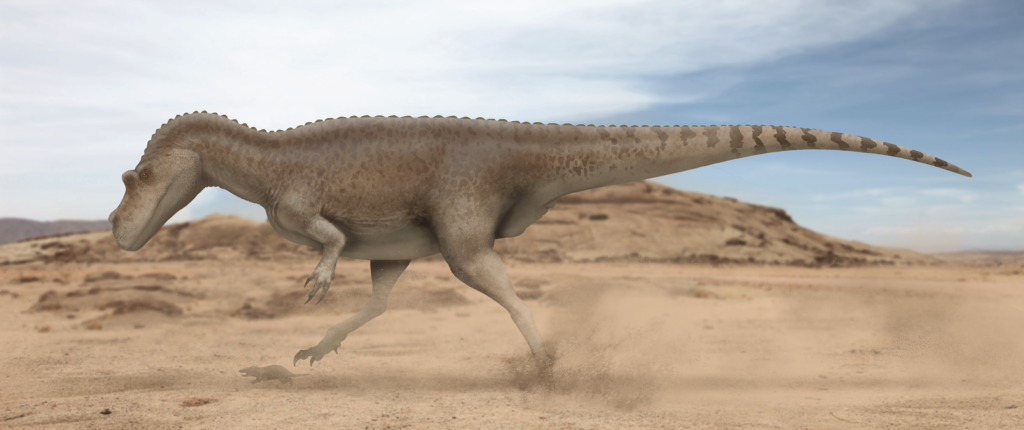
Ninety-nine percent of what you picture when you imagine a dinosaur, a giant snake, or a prehistoric ape isn’t fossil at all – it’s inference. Paleoartists, statisticians, and biomechanics engineers spend their careers filling gaps left by bones that were never found, never preserved, or quietly destroyed decades ago. Some of the most famous “known” animals in prehistory, the ones staring at you from museum halls and blockbuster documentaries, are built from a single bone, a jaw fragment, or a claw the size of a machete.
Museums rarely advertise this. Documentaries rarely mention it. But once you know exactly which reconstructions are guesswork stacked on guesswork – and just how thin the actual evidence is – you’ll never look at a dinosaur diorama the same way again. Here are 23 animals whose entire public image rests on scraps, and the uncomfortable truth paleontologists usually only admit behind closed doors.
#23 – Pendraig milnerae: A Welsh Predator Built From Scraps
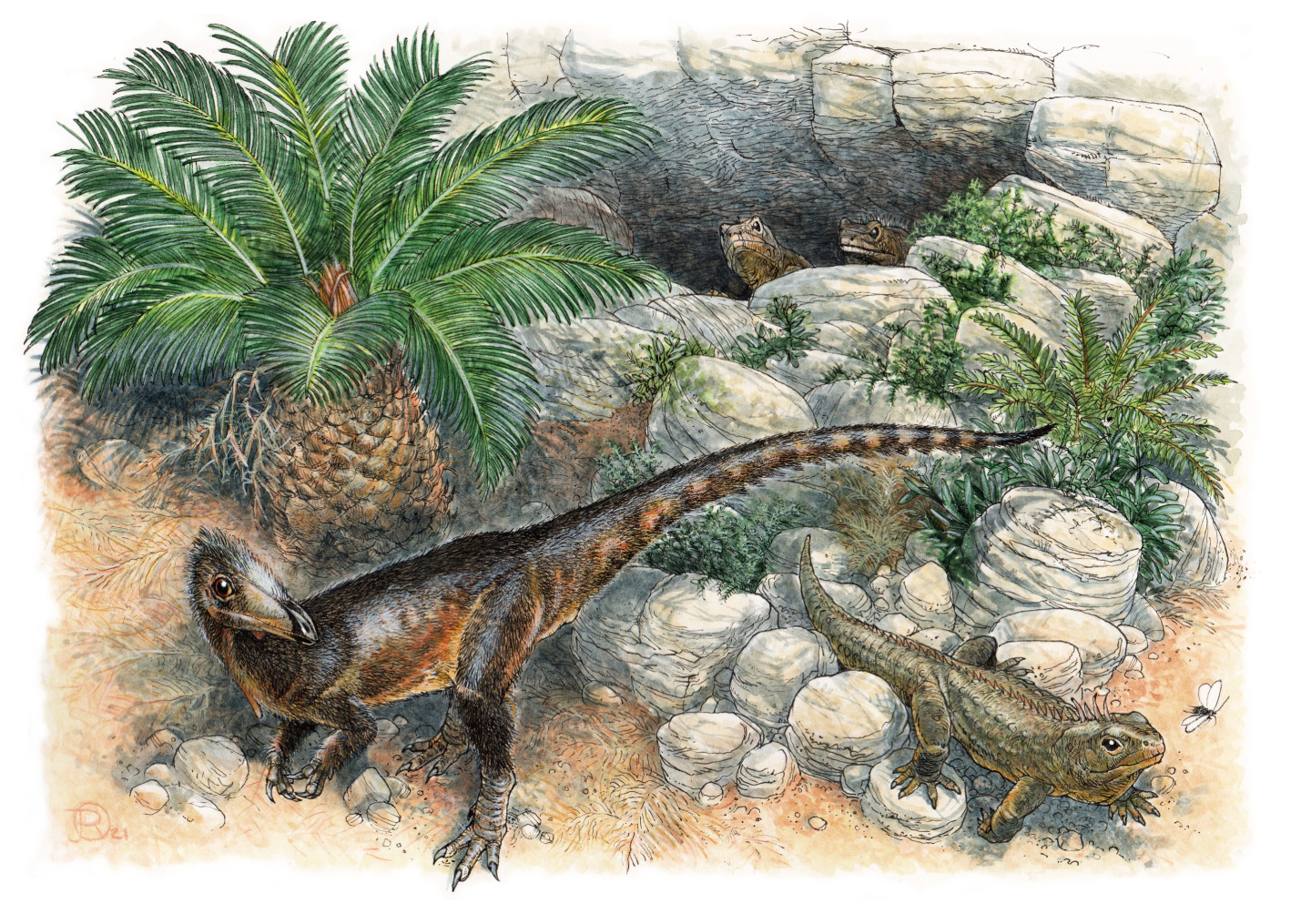
A tiny theropod barely bigger than a house cat is rewriting what we know about Triassic Wales – and it’s held together by almost nothing.
Pendraig milnerae was named in 2021 from fragmentary jaw material and a handful of limb elements recovered from a fissure deposit in Wales. The entire species rests on pieces that could fit in a shoebox, yet scientists used them to argue this was one of the earliest theropod dinosaurs in the fossil record. Its exact size, hunting style, and skin covering are essentially educated extrapolation from close relatives.
Researchers had to compare every scrap against better-known Triassic theropods just to guess its proportions. There’s no skull, no tail, no way to know how it moved except by analogy alone.
#22 – Beelzebufo ampinga: The “Devil Frog” Built From Broken Pieces
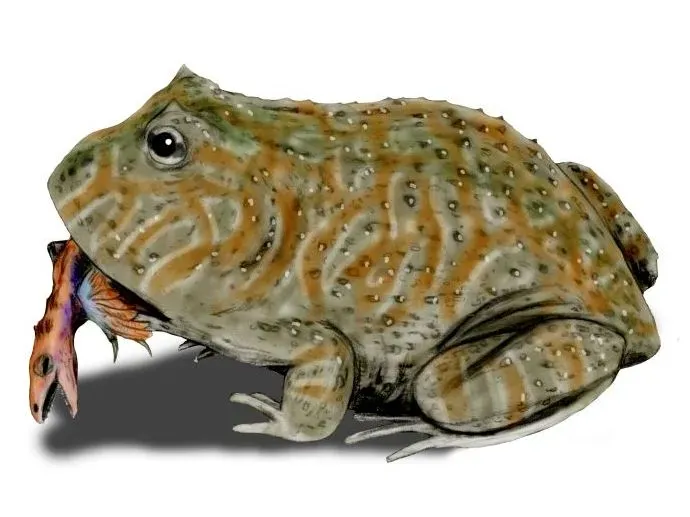
Nicknamed the devil frog, this Cretaceous Madagascar amphibian is one of the largest frogs to ever exist – and nobody has ever seen it in one piece.
Beelzebufo is known only from disarticulated skull fragments and scattered skeletal bones, never a single connected skeleton. Its supposed size, comparable to a large modern beach ball, comes entirely from scaling up fragments against living horned frogs, a notoriously imprecise method. Paleontologists essentially built the whole animal by comparison, not by direct measurement of a complete body.
That means basic questions – how it moved, whether it could truly overpower small dinosaurs as some have speculated, even its exact skin texture – remain contested. Every reconstruction you’ve seen is a composite guess dressed up as fact.
Fast Facts
- Discovery to name: The fossil remains of Beelzebufo ampinga were discovered in 1993 in the Maevarano Formation of Madagascar. It wasn’t formally named until 2008.
- Time and place: The specimens date back to the Late Cretaceous period, approximately 70 to 66 million years ago.
- Estimated size: Scientists estimate that a large adult Beelzebufo ampinga could have reached a snout-vent length of up to 41 centimeters, with the largest individuals estimated to have weighed around 4.5 kilograms.
- Bone count, not a body: The precision of these dimensions is notable considering the fragmented fossil evidence, which includes around 100 isolated partial bones.
- Closest living cousin: it was slightly larger than its nearest living relative, the South American horned frogs of genus Ceratophrys.
#21 – Nqwebasaurus thwazi: South Africa’s Mystery Coelurosaur
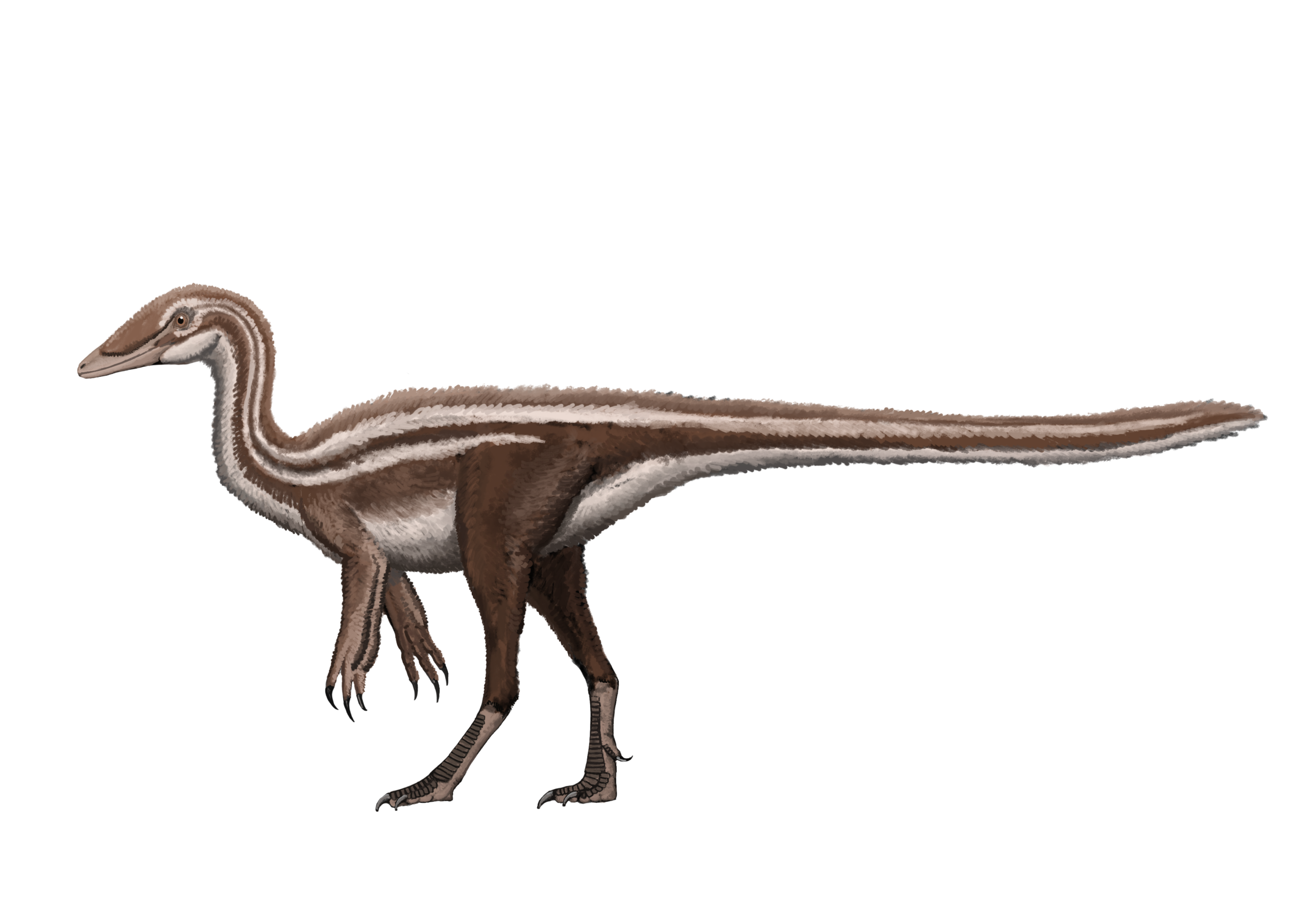
This small, bird-like dinosaur is one of Africa’s most important fossil finds – and it comes from a single juvenile skeleton missing most of its skull.
Discovered in South Africa, Nqwebasaurus thwazi is known primarily from a partial, immature specimen that preserved some hand bones and even gastroliths (stomach stones). Because it’s a juvenile, scientists can’t even be certain what an adult of this species actually looked like. Everything about its full-grown size and proportions is extrapolated from related early coelurosaurs found on other continents.
This matters more than it sounds. Juvenile dinosaurs often look dramatically different from adults, with different skull shapes and different body ratios. Basing an entire species’ silhouette on a baby is a gamble paleontologists take constantly, and one they rarely explain to the public.
#20 – Segisaurus halli: The Skull-less Theropod
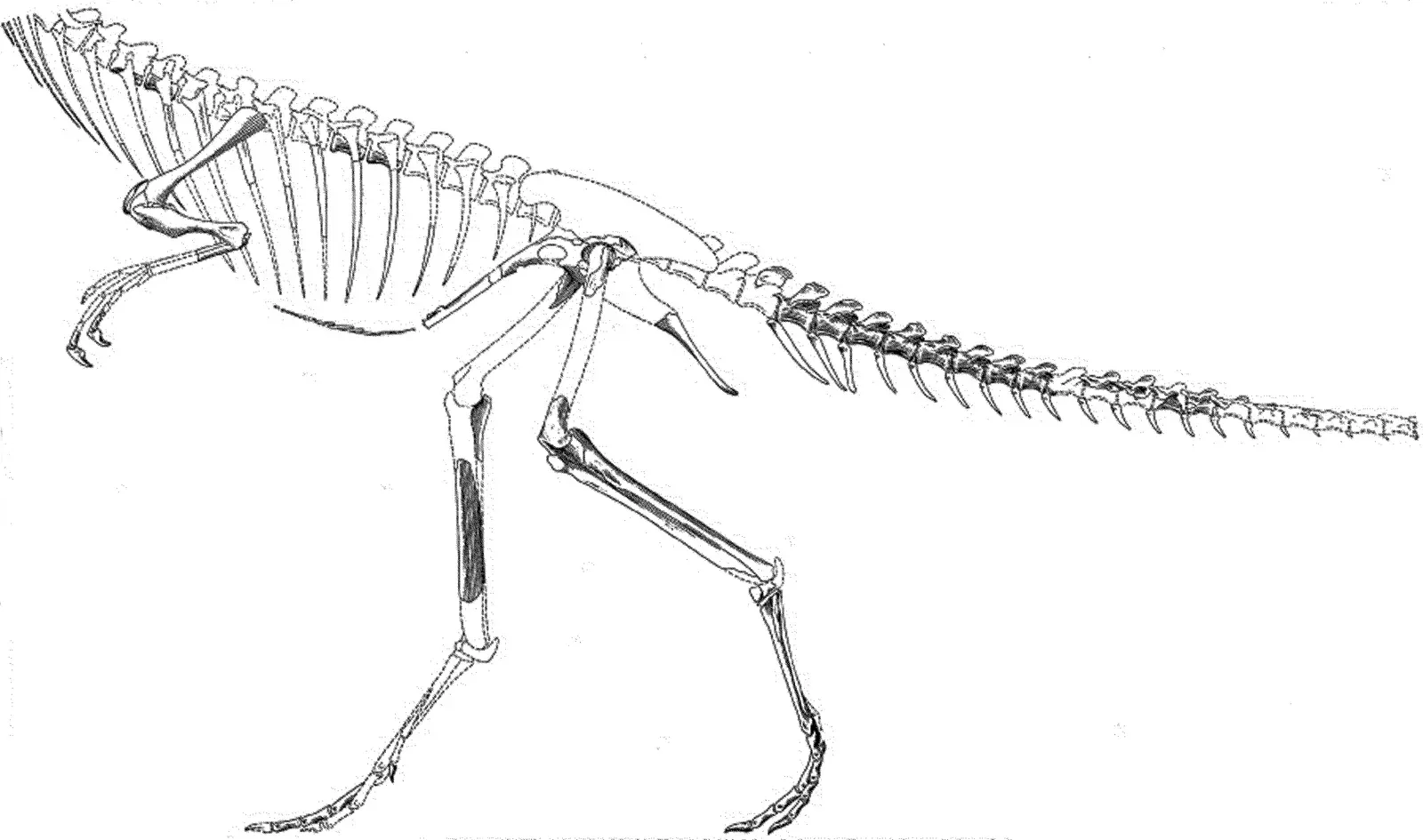
For nearly a century, this small Arizona predator has been reconstructed without ever having a known skull.
Segisaurus halli is known from a single partial skeleton that preserved postcranial bones but no head material whatsoever. Every illustration you’ve ever seen of this animal’s face is invented from scratch, based on its closest relatives among the coelophysoid theropods. Scientists know its hip structure and some limb proportions, but the part of the animal most people remember, the face, is 100% artistic license.
Because it remained the only known specimen for decades, there was no way to cross-check anything. Paleontologists simply had to trust that related species were similar enough to fill in the blanks.
#19 – Vulcanodon karibaensis: A Giant Sauropod With No Head
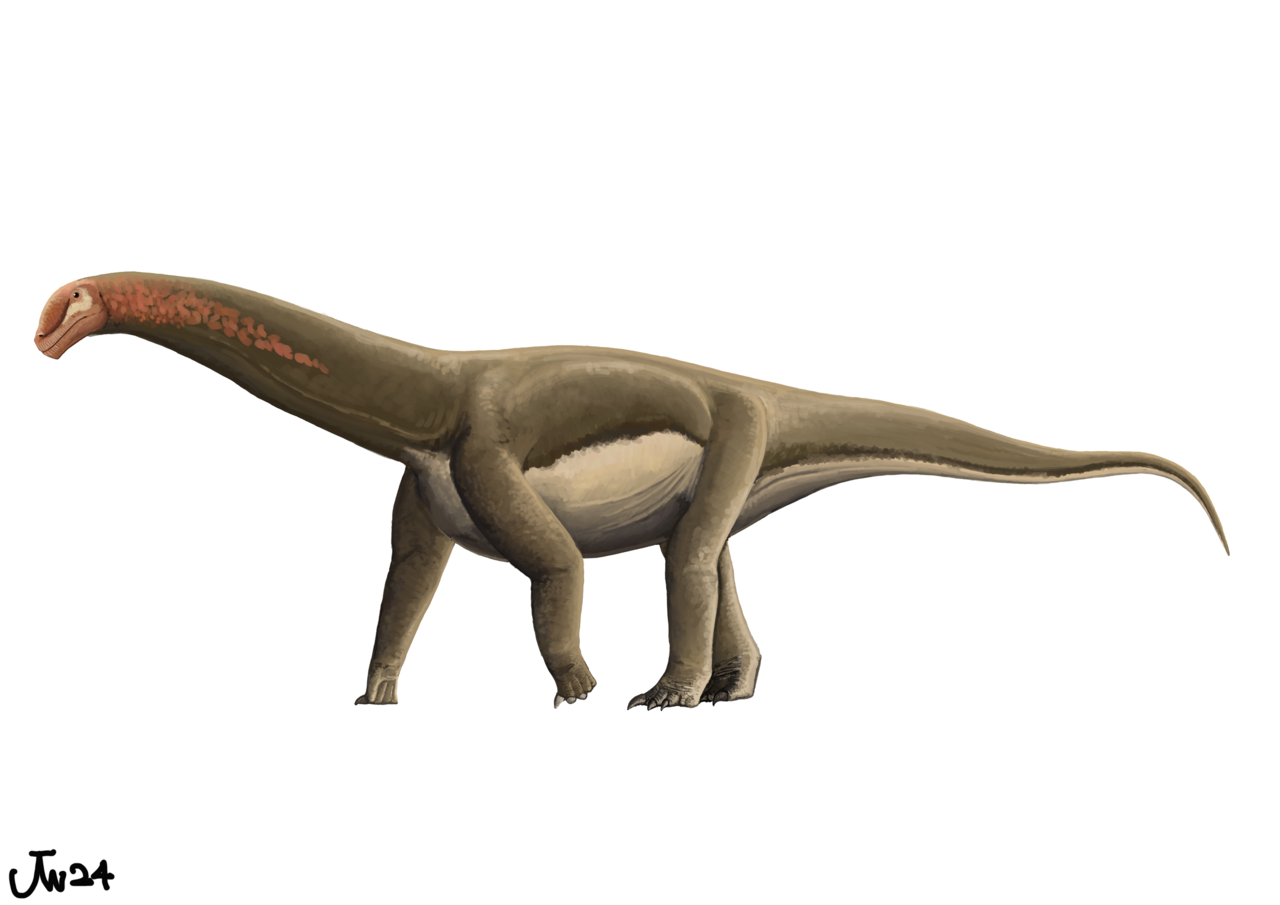
One of the earliest true sauropods on record is also one of the most incomplete – missing the one part everyone wants to see.
Vulcanodon karibaensis, found in Zimbabwe, is known from a partial postcranial skeleton: pelvis, hindlimb, tail vertebrae, and some forelimb material. No skull bones have ever been recovered for this species, meaning every depiction of its head, from nostril placement to tooth shape, is borrowed entirely from later, better-known sauropods.
This is a recurring theme in early sauropod history – bodies preserve better than skulls, which are fragile and often disarticulate quickly after death. So paleoartists essentially “borrow” faces from unrelated species and hope the resemblance holds.
#18 – Antarctopelta oliveroi: The Only Dinosaur Named From Antarctica
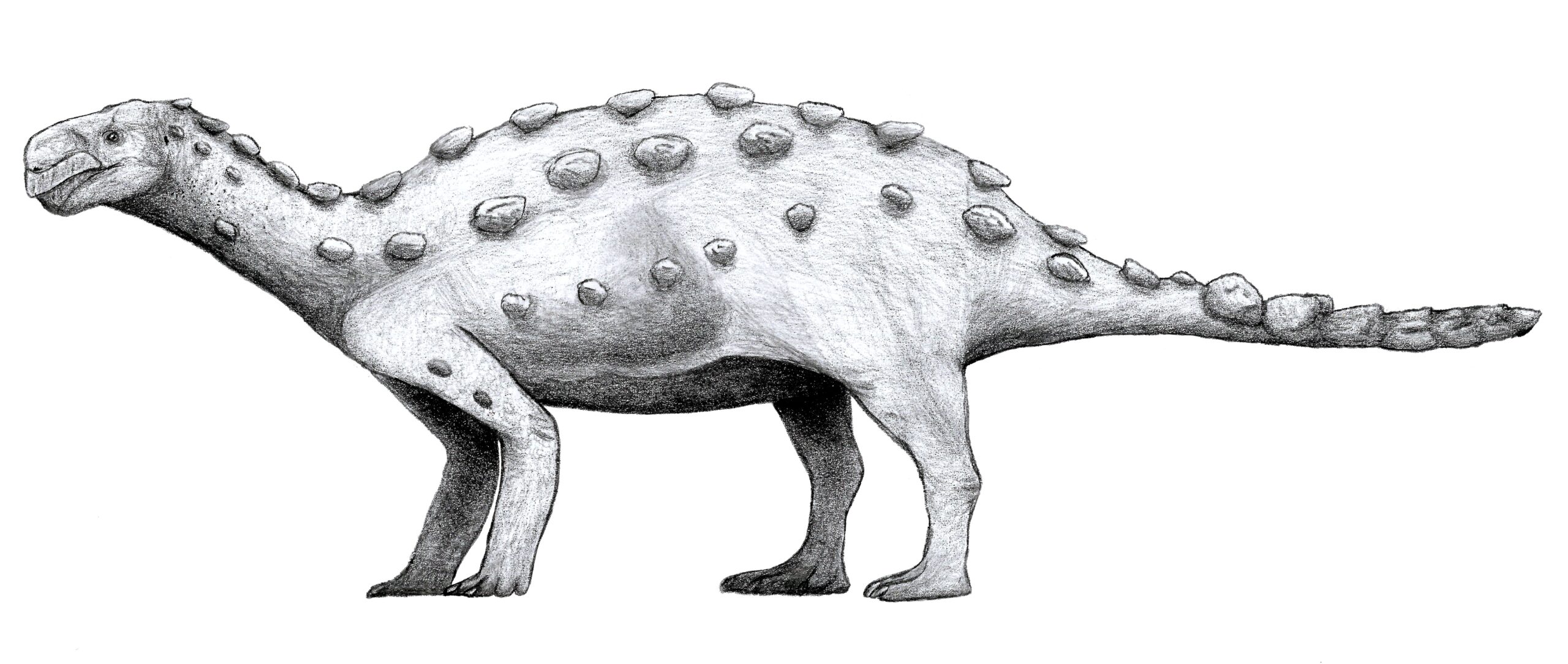
Buried under ice for millions of years, this armored dinosaur is Antarctica’s sole named dinosaur species – and it’s frustratingly incomplete.
Antarctopelta oliveroi is known from a partial, disarticulated skeleton that includes some vertebrae, limb bones, and armor plates, but not a full body. Because Antarctic fieldwork is brutally expensive and logistically limited, there’s little hope of finding more material any time soon. Everything about this ankylosaur’s full armor pattern and exact size is inferred from close cousins found on other continents.
That isolation makes Antarctopelta almost a symbol of how geography controls the fossil record just as much as biology does. Scientists know an armored dinosaur lived at the bottom of the world – they just can’t say much more with confidence.
#17 – Eotyrannus lengi: The Baby Tyrant That Rewrote Tyrannosaur History
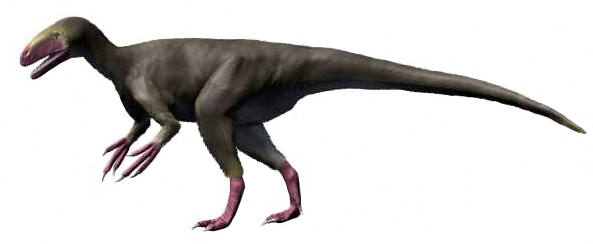
Long before Tyrannosaurus ruled, this small, early relative prowled England – and its entire fossil record comes from one juvenile skeleton.
Eotyrannus lengi, found on the Isle of Wight, is known from a partial immature specimen preserving skull fragments, vertebrae, and limb elements. Scientists had to guess what this animal looked like as an adult using nothing but a young individual, the same problem plaguing several dinosaurs on this list. Its slender build and long arms suggested tyrannosauroids started out lean before evolving into bulkier apex predators millions of years later.
That single skeleton reshaped tyrannosaur family trees, proving how much weight paleontologists place on fragmentary evidence. One incomplete juvenile changed textbooks.
#16 – Ichthyovenator laosensis: The Dinosaur With a Broken Sail
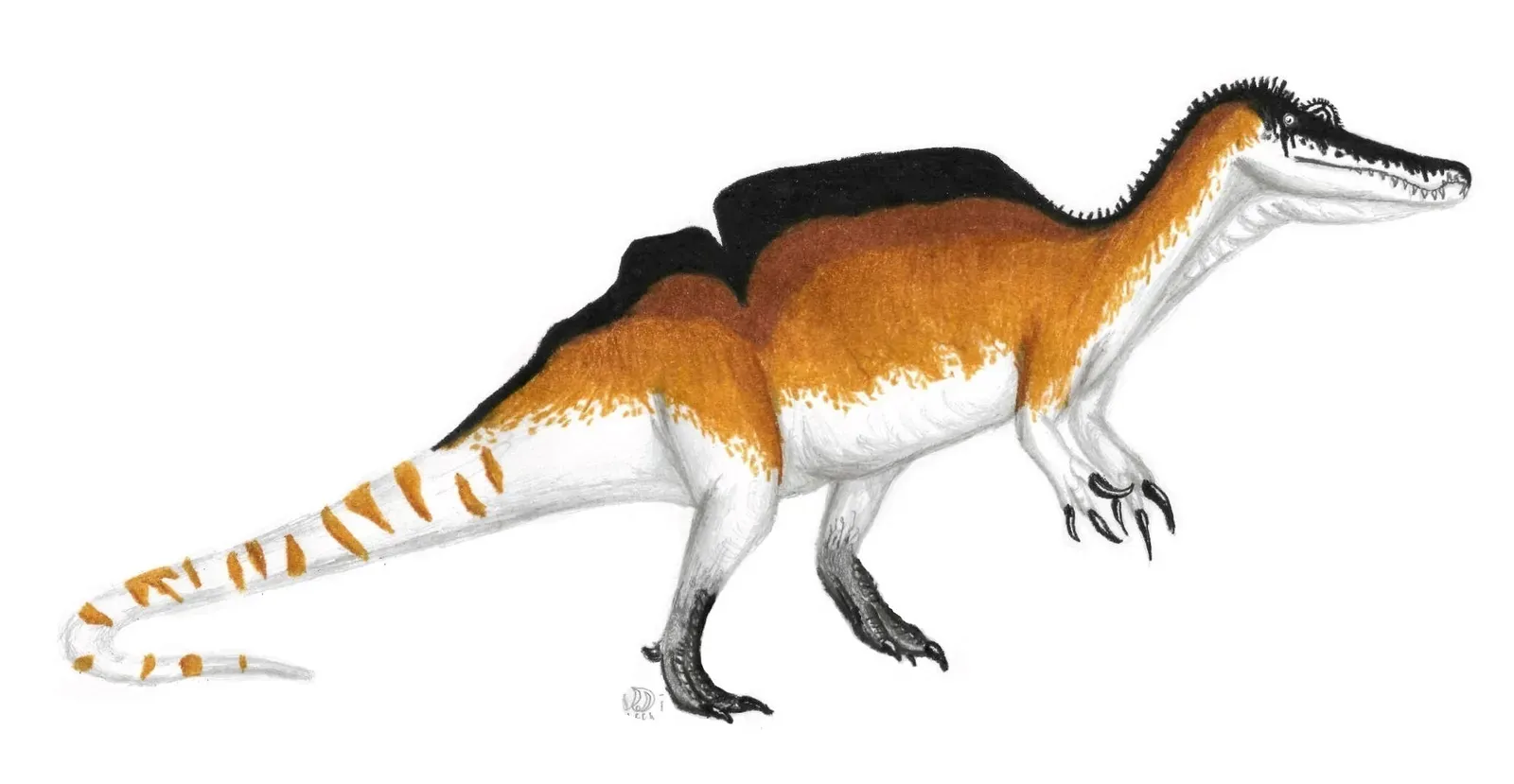
This Laotian predator had one of the strangest spinal profiles in dinosaur history – and even that shape is partially guesswork.
Ichthyovenator laosensis is known from a partial skeleton that preserves its distinctive “wasp-waisted” sail vertebrae and pelvis, but lacks a complete skull. Paleontologists had to reconstruct the dip in its sail from disconnected vertebral segments, meaning the exact profile, whether it had one continuous sail or two separate humps, is still debated. Some reconstructions show a smooth curve; others show a dramatic notch.
Because spinosaurids across the world share overlapping anatomy, researchers borrow face and jaw details from relatives like Spinosaurus itself. That cross-contamination of species means Ichthyovenator’s “known” appearance is really a mosaic of several different animals.
#15 – Deltadromeus agilis: The Fast Runner With No Face
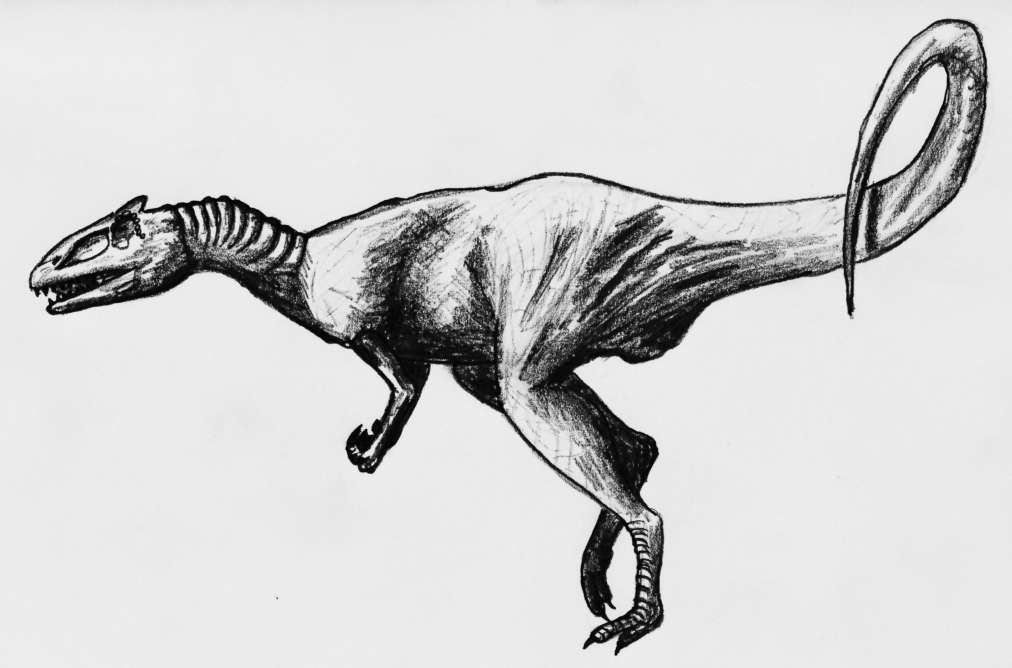
Nicknamed the “swift runner,” this Moroccan theropod is one of the most enigmatic mid-sized predators ever named, mostly because nobody has its skull.
Deltadromeus agilis is known almost entirely from postcranial elements – limb bones and some vertebrae – recovered from Cretaceous rock in Morocco. Without skull material, scientists can’t even agree on its basic classification, with some researchers placing it near noasaurids and others suggesting closer ties to coelurosaurs entirely. That’s an enormous taxonomic gap for an animal regularly featured in dinosaur books as a fast, slender predator.
Its long, gracile limb bones hint at real speed, but “agilis” (meaning “agile”) is partly a name chosen for its bones’ proportions rather than any behavioral evidence. Everything about how it hunted is inference stacked on inference.
#14 – Labocania anomala: Mexico’s Mystery Tyrant
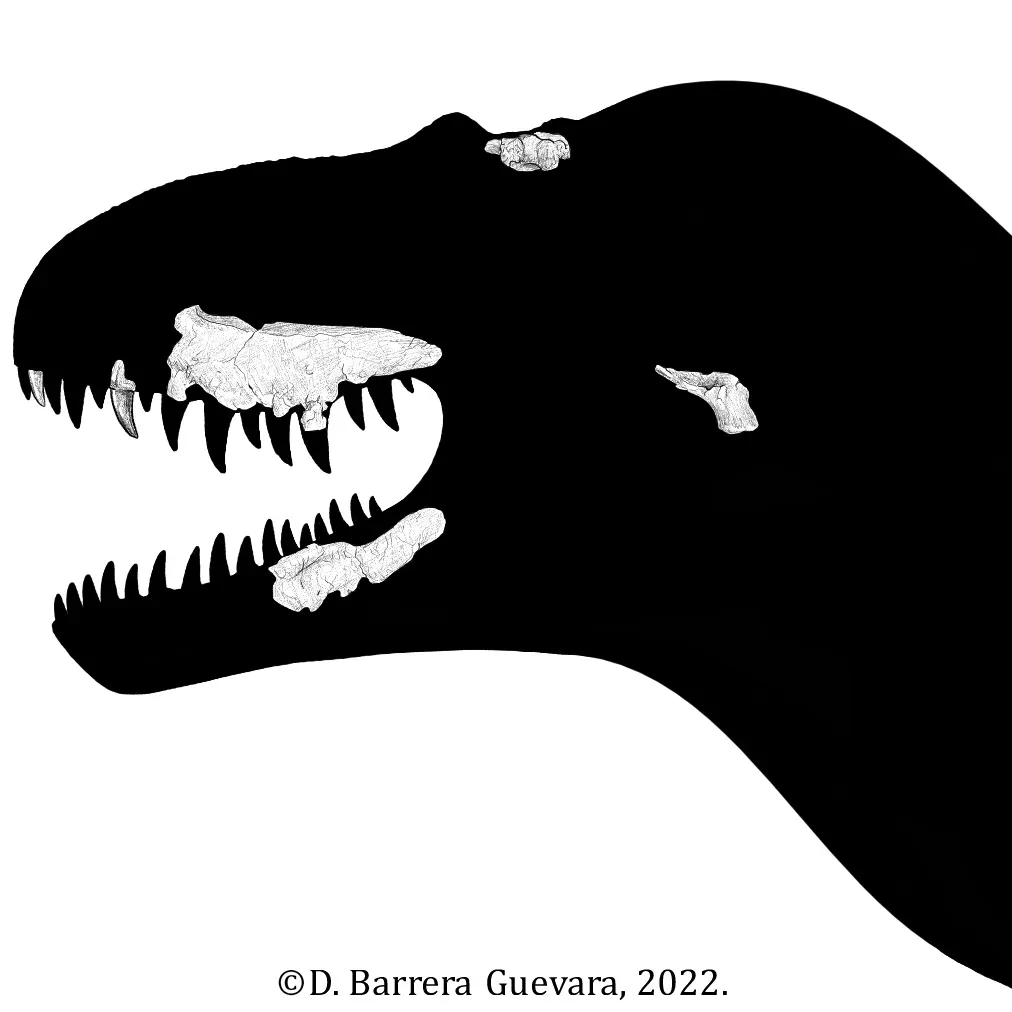
A partial skull found in Baja California represents one of the only large tyrannosauroid-grade predators known from Mexico – and it’s barely enough to work with.
Labocania anomala is known from a single incomplete specimen: a partial skull along with some postcranial fragments. The species name “anomala” literally reflects how strange and hard to classify this animal has been for decades, since its skull doesn’t cleanly match any established theropod family. Some researchers argue it represents a distinct lineage; others suspect it’s a poorly preserved member of a group already known from elsewhere in North America.
Because so little cranial material survives, artists reconstructing Labocania essentially blend features from Tyrannosaurus relatives and hope for the best. It remains one of paleontology’s most under-discussed mysteries simply because there isn’t enough bone to generate public excitement.
#13 – Genyodectes serus: The Century-Old Snout Mystery
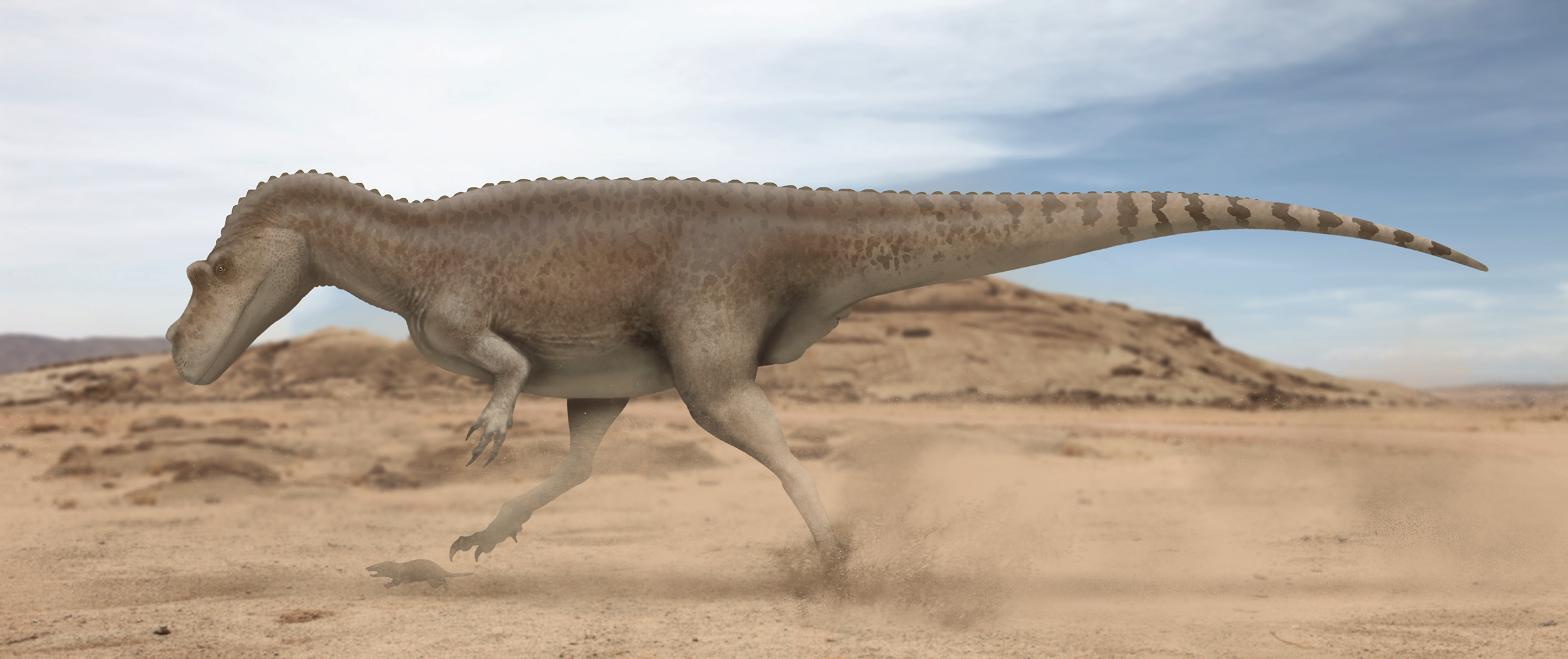
Described all the way back in 1901, this Argentine predator has spent over a hundred years known from essentially one piece of bone.
Genyodectes serus is known only from a partial snout – a fragment of the upper jaw with teeth still embedded. For decades, this was one of the only ceratosaur-related fossils known from South America, yet its entire body plan is reconstructed by comparing tooth shape and jaw curvature to distant relatives found decades later on different continents. No limb bones, no vertebrae, no skull roof, just teeth and a jaw fragment.
Modern reconstructions borrow heavily from Ceratosaurus, a much better-known relative from North America, simply because there’s nothing else to go on. That means Genyodectes’ popular image is really a composite of a completely different species wearing its name.
#12 – Yi qi: The Dinosaur With Bat-Like Wings
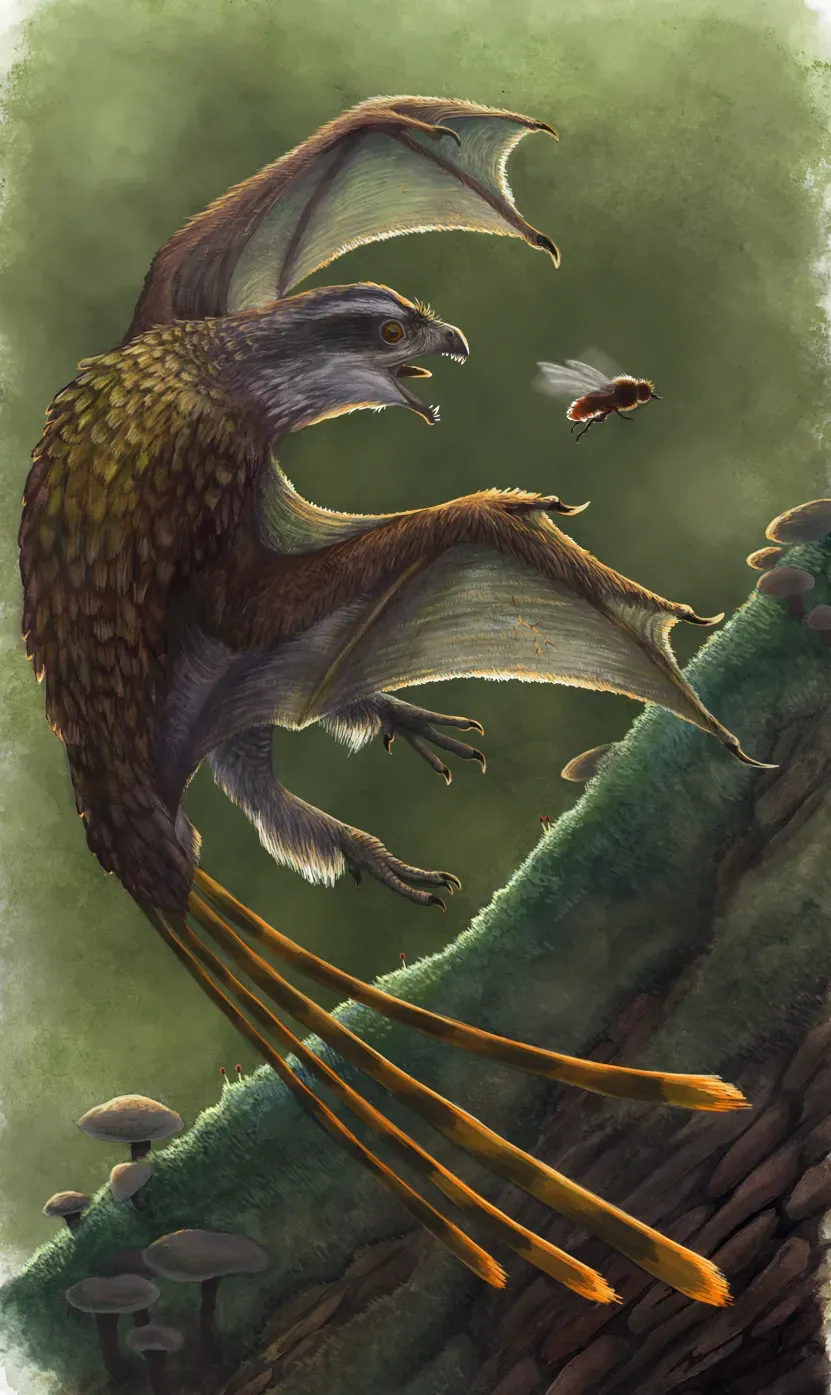
This bizarre little dinosaur may have had membranous, bat-style wings instead of feathers – and the entire species rests on one specimen.
Yi qi is known from a single partial skeleton that preserved unusual rod-like bones extending from the wrist, along with faint impressions suggesting a skin membrane rather than a feathered wing surface. This makes it one of the strangest wing designs ever proposed for a dinosaur, radically different from every feathered flyer known before or since. Because it’s the only specimen ever found, there’s no way to verify whether this membrane was typical of the species or some kind of preservation artifact.
Scientists genuinely disagree about how, or even if, this animal could fly at all. Some suspect it glided; others question whether the wing membrane was fully functional. One fossil created an entire debate about dinosaur flight evolution that still hasn’t settled.
Worth Knowing
- Found by accident: The only fossil of Yi qi was found by a farmer in a quarry near Mutoudeng Village, who then sold the fossil to the Shandong Tianyu Museum of Nature in 2007.
- One specimen, period: Yi qi is known from a single fossil specimen of an adult individual found in Hebei, China, approximately 159 million years ago.
- Pigeon-sized giant idea: Yi was no larger than a pigeon, with a 60-centimetre wingspan and weighing about 380 grams.
- Truly one-of-a-kind bone: No other dinosaur, living or dead, had such a bone – until a related species called Ambopteryx turned up years later.
- Flight still debated: Researchers say it’s unclear whether it could flap its wings, and it most likely moved through the air mostly by gliding.
#11 – Arambourgiania philadelphiae: A Giant Built From One Neck Bone
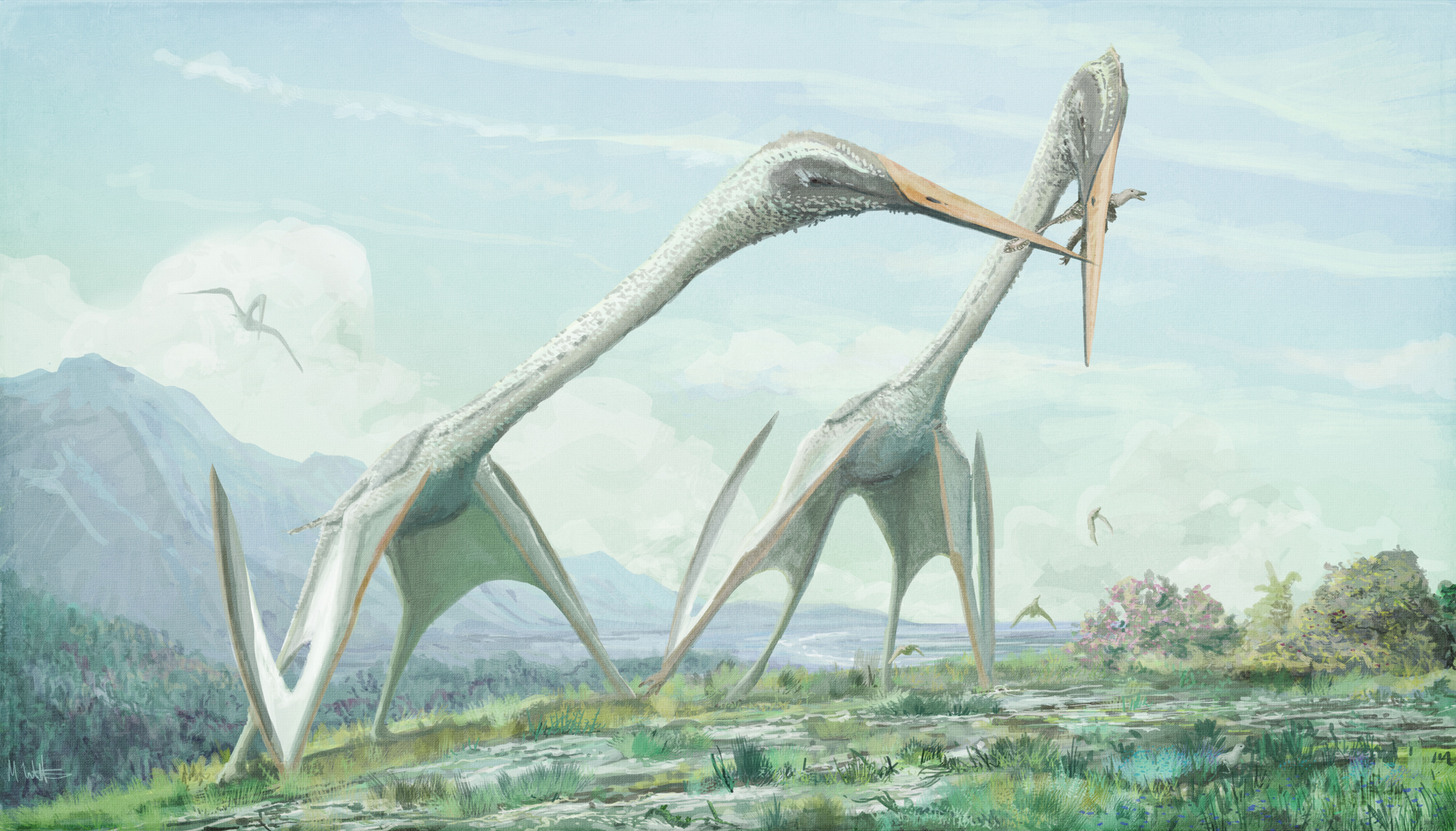
One of the largest flying animals in Earth’s history is known almost entirely from a single, enormous neck vertebra.
Arambourgiania philadelphiae, a giant azhdarchid pterosaur discovered in Jordan, has had its massive wingspan estimates, rivaling small aircraft, calculated mainly from this one cervical vertebra plus a handful of other fragments collected over decades. An entire flying giant’s size class was essentially reverse-engineered from one bone’s proportions, compared against better-preserved pterosaur relatives to estimate total wingspan.
This is a common problem with giant pterosaurs generally: their bones are hollow, fragile, and rarely preserve completely. Arambourgiania’s supposed silhouette, head crest, and flight style are largely borrowed from Quetzalcoatlus, a completely different, if related, species.
#10 – Sigilmassasaurus brevicollis: The Dinosaur That Might Not Exist
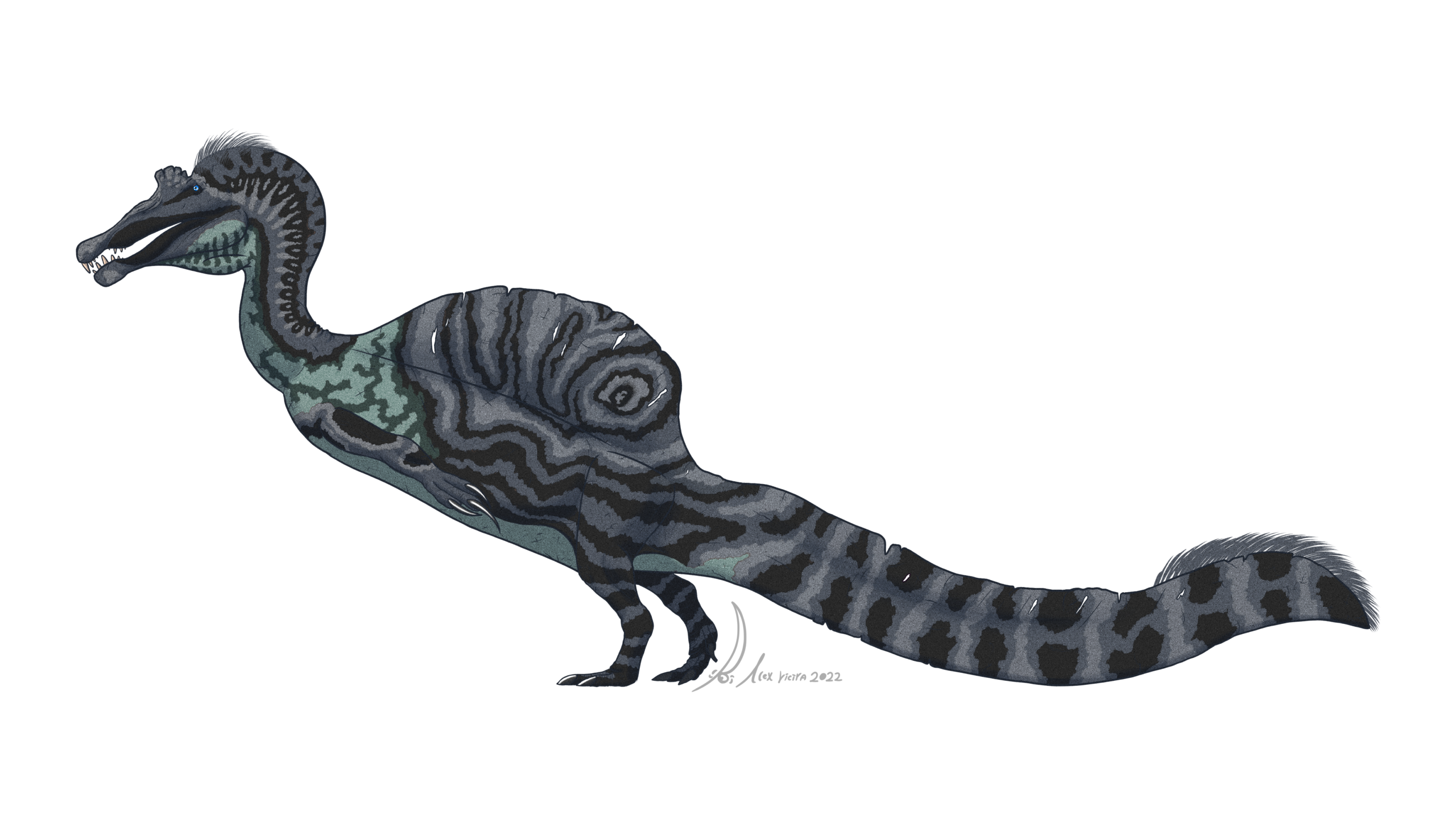
Few dinosaurs illustrate the chaos of fragmentary fossils better than this Moroccan predator, whose very existence as a separate species is still disputed.
Sigilmassasaurus brevicollis is an enigmatic theropod dinosaur from the early Late Cretaceous of Morocco, originally based on a few isolated cervical vertebrae. Ever since its description, both its taxonomic validity and systematic affinities were contentious, considered at various points its own family, a carcharodontosaurid, an ornithischian, and, more recently, a spinosaurid. Some researchers now argue this “species” is simply Spinosaurus itself, misidentified from a different part of the neck.
The controversy runs so deep that paleontologists still argue whether these vertebrae represent their own genus or simply mislabeled pieces of Spinosaurus aegyptiacus. This single genus has become the textbook example of how easily fossil identity collapses when all you have is a handful of vertebrae.
#9 – Therizinosaurus cheloniformis: The Claws That Confused Everyone
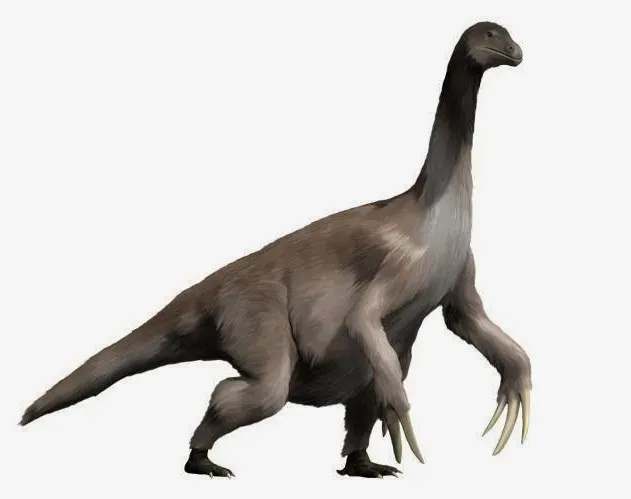
Before scientists understood what this dinosaur actually looked like, all they had were claws so massive they were initially mistaken for a giant turtle relative.
Therizinosaurus cheloniformis was originally described from enormous claws, some approaching the length of a baseball bat, alongside a handful of forelimb bones. Researchers spent years debating whether this animal was even a dinosaur, let alone what its body looked like, because the claws bore no clear resemblance to typical theropod anatomy. It wasn’t until related, more complete therizinosaur skeletons were discovered decades later that scientists finally understood these claws belonged to a slow-moving, pot-bellied, feathered herbivore.
This is one of paleontology’s best cautionary tales: an entire animal’s identity was scrambled for years because the only evidence recovered was its most unusual, least representative body part. Even now, most Therizinosaurus reconstructions borrow heavily from better-known relatives to fill in everything except those iconic claws.
#8 – Deinocheirus mirificus: Fifty Years of Giant Arms and Nothing Else
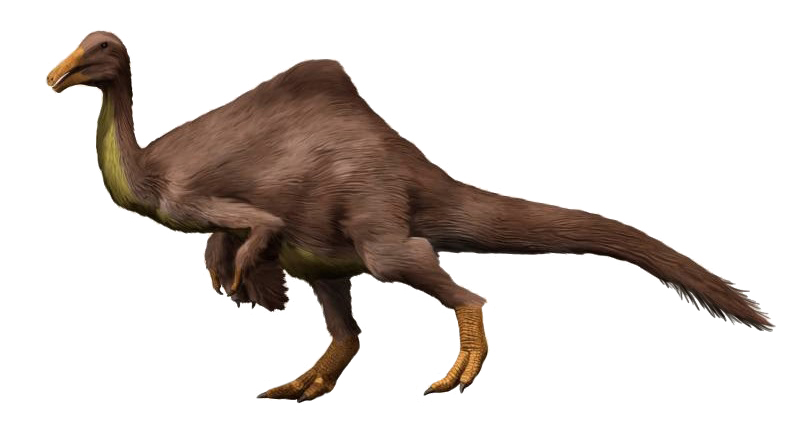
For half a century, paleontologists knew this dinosaur only by a pair of gigantic arms – and spent decades guessing wildly wrong about the rest of its body.
Deinocheirus mirificus was named in 1970 from a pair of massive forelimbs and shoulder girdles, without a skull, torso, or legs. For nearly fifty years, popular reconstructions depicted it as a lean, fast predator simply because giant arms suggested a fearsome hunter. When more complete skeletons finally surfaced decades later, scientists were stunned to discover the real animal had a duck-like bill, a sail on its back, and a bulky, ostrich-like body built for eating plants and fish, nothing like the monster artists had imagined.
This single case is often cited as proof that fragmentary fossils can produce confidently wrong reconstructions for generations. An entire dinosaur’s public image was built backward from just two arm bones, and it turned out to be almost entirely incorrect.
Quick Compare: 1965 Guess vs. 2014 Reality
- 1965-2014, arms only: The arms, hands, and shoulder girdle were discovered in 1965 in Mongolia’s Gobi desert, nestled within a 70-million-year-old sandstone formation, but the rest of the skeleton was missing, save for a few uninformative fragments.
- Public imagination: Illustrated for decades as a lean, clawed predator based on arm size alone.
- 2014, full skeleton: The result astonished: the largest known ornithomimosaur measured about 11 meters, weighed 6.4 tons, possessed a dorsal sail formed by tall neural spines, a broad hadrosaur-like bill, and an omnivorous diet including fish and aquatic plants.
- The gap: Nearly 50 years passed between the arms surfacing and the true body being confirmed.
#7 – Megalosaurus bucklandii: The First Dinosaur Ever Named, Built From Scraps
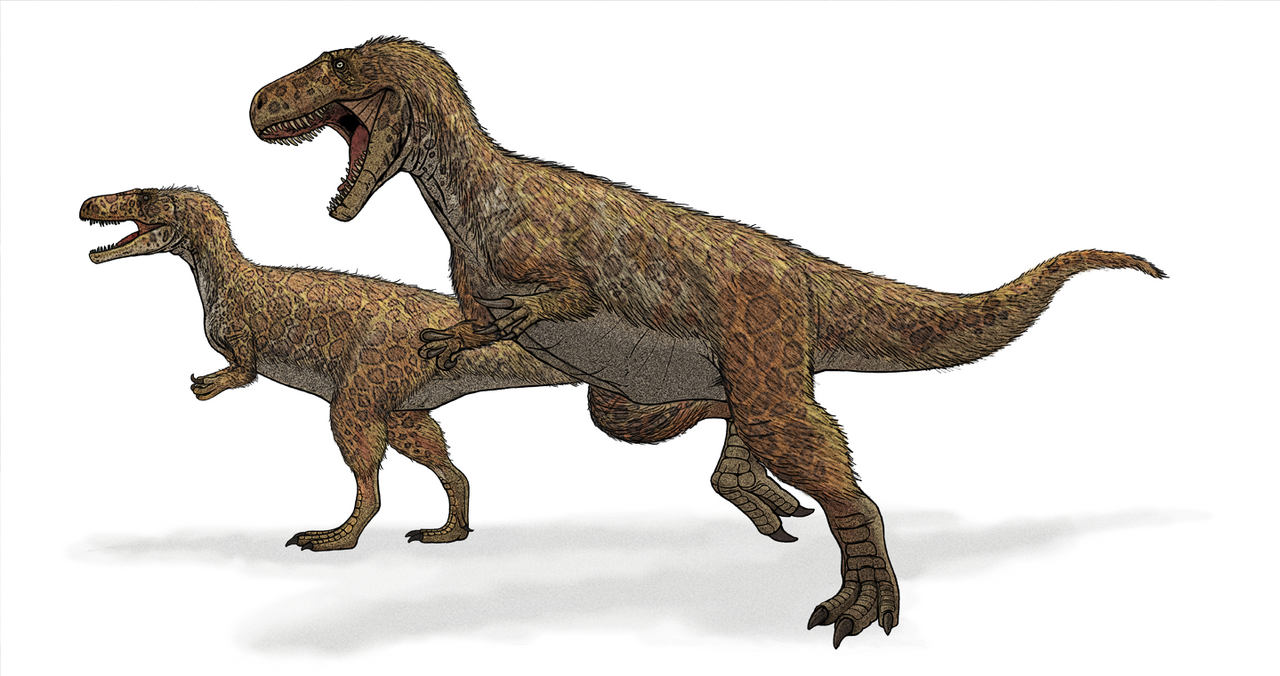
The very first dinosaur formally described by science, back in 1824, was never based on anything close to a full skeleton.
Megalosaurus bucklandii was named from a partial lower jaw with teeth, along with scattered vertebrae, pelvis fragments, and hind limb bones collected piecemeal over years, not from a single quarry dig. Scientists spent nearly two centuries adding stray bones from different sites to the same species name, creating confusion about which fragments actually belong together. Early reconstructions even portrayed it as a quadrupedal, lizard-like giant, a guess later proven completely wrong once more complete theropods were compared against it.
Because Megalosaurus essentially became a “wastebasket” name for random large theropod bones found across England for over a century, modern paleontologists have had to painstakingly untangle which specimens genuinely belong to the original species. It’s a humbling reminder that the foundational dinosaur of all dinosaur science was built on remarkably thin evidence.
#6 – Titanoboa cerrejonensis: The Snake Rebuilt From Vertebrae Alone
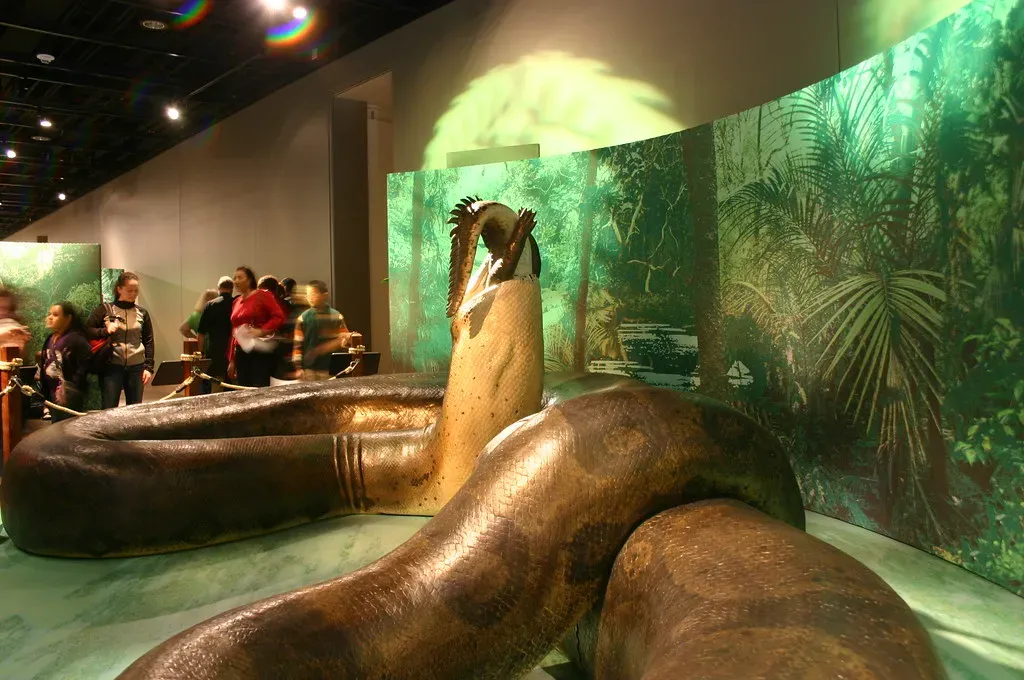
The largest snake ever discovered is known almost entirely from stacks of vertebrae, no skull, no skin, nothing else.
Titanoboa cerrejonensis was uncovered in a Colombian coal mine, and its jaw-dropping size estimates come from scaling its recovered vertebrae against modern boa and anaconda relatives. Every popular image of this snake’s head and face is essentially invented, since no skull material has ever been confidently assigned to the species. Scientists rely entirely on proportional math: if the vertebrae are this large, related living snakes suggest an overall body length in a certain range.
This method works reasonably well for estimating length, but it says almost nothing about behavior, coloring, or hunting style. Every documentary depiction of Titanoboa swallowing crocodiles whole is dramatized extrapolation layered onto a stack of bones that never included a face.
#5 – Gigantopithecus blacki: The Giant Ape With No Skeleton
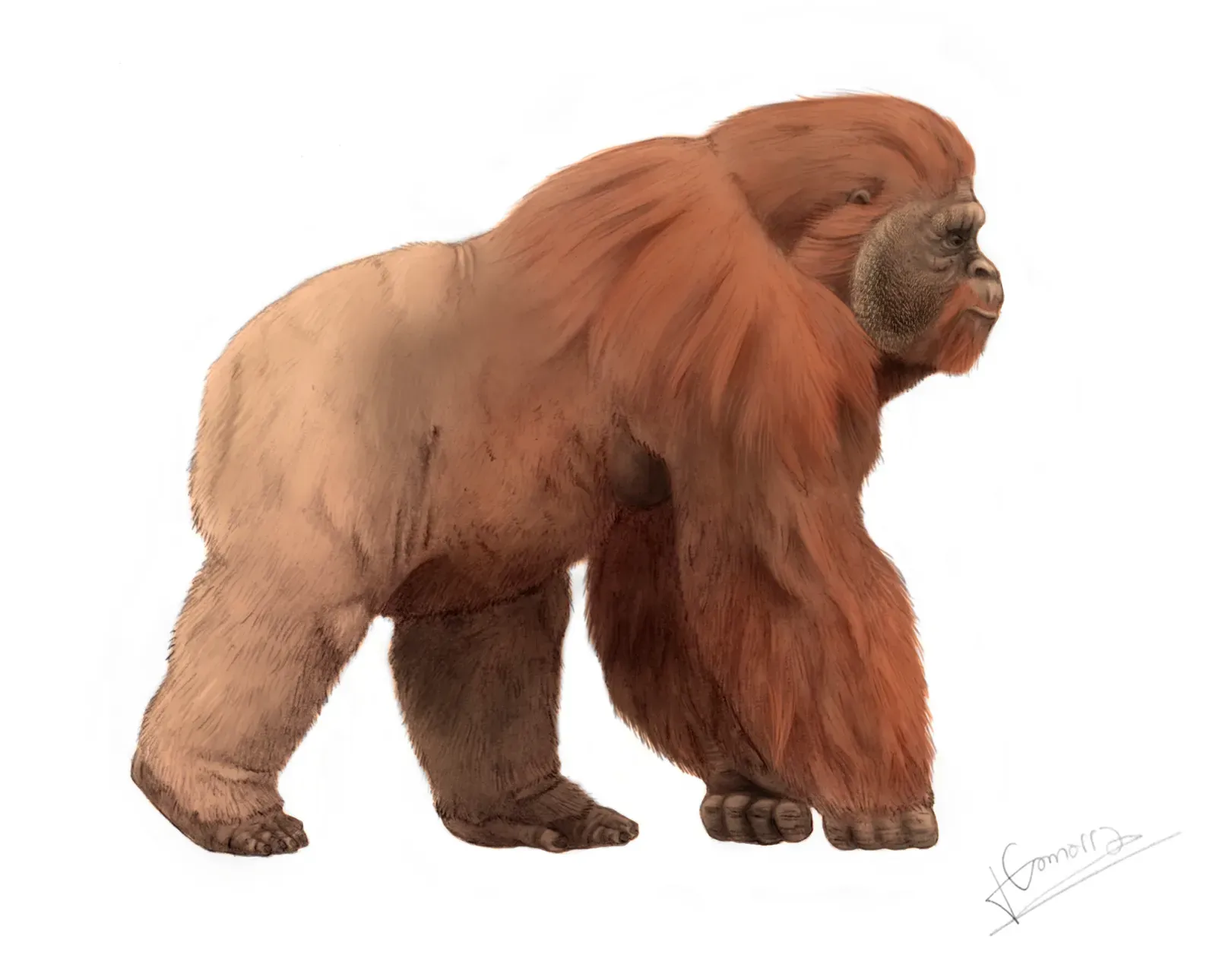
The largest primate to ever exist has never had a single bone below the jaw confidently identified – not one.
Gigantopithecus blacki is known exclusively from teeth and a handful of partial mandibles, most originally purchased from traditional Chinese apothecary shops rather than excavated directly by scientists. There is no skull, no limb bone, no spine, nothing to confirm exactly how this animal stood, walked, or moved. Every reconstruction showing a towering, gorilla-like ape standing upright is based purely on tooth size scaled against living great apes, not on any direct skeletal evidence.
This means basic questions – was it bipedal or knuckle-walking, arboreal or ground-dwelling – remain genuinely unanswered. Popular culture has turned Gigantopithecus into a real-world “Bigfoot” precursor, but scientifically, it’s one of the most under-evidenced large mammals ever named.
#4 – Bahariasaurus ingens: Destroyed Before Science Could Finish Studying It
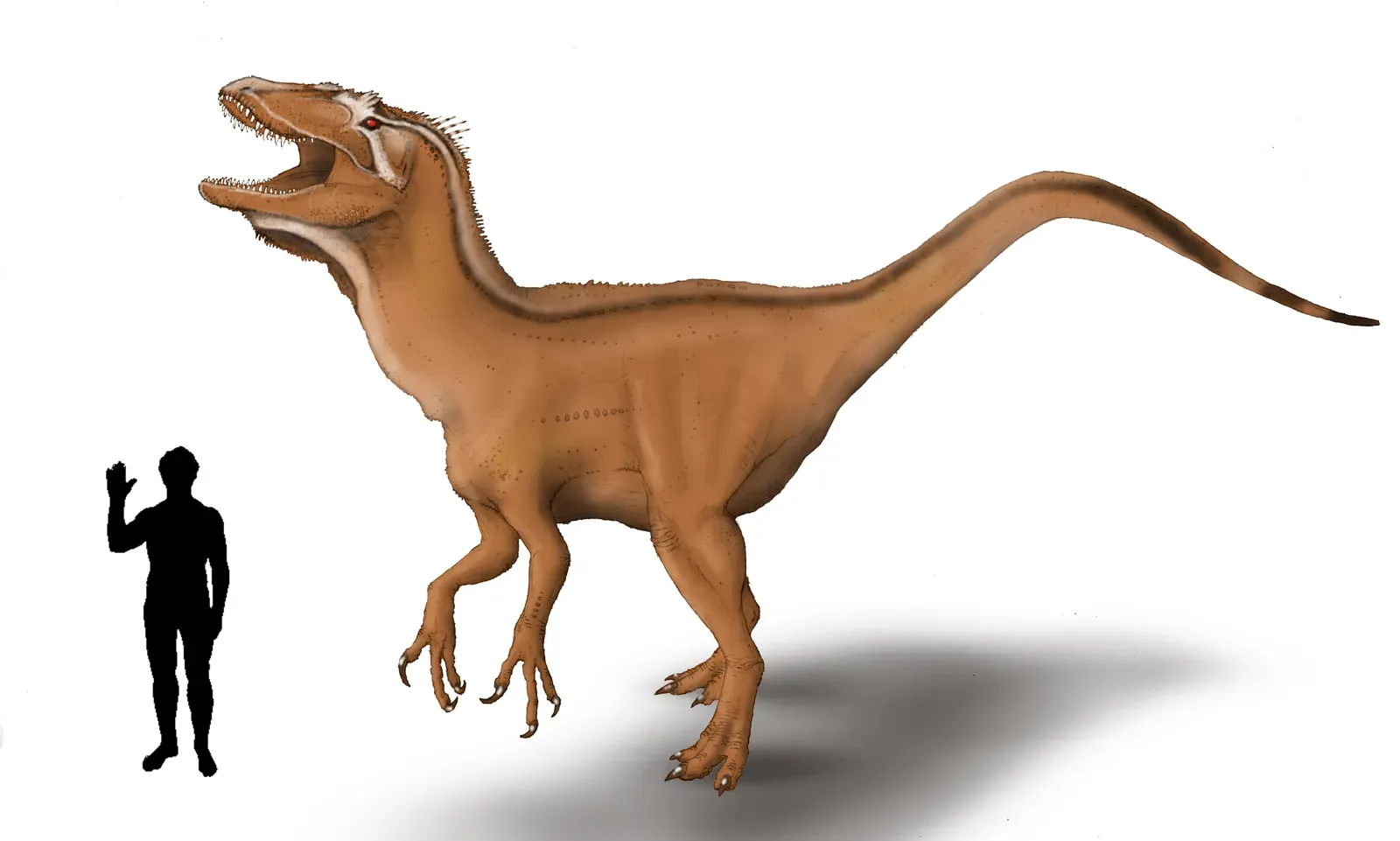
This massive North African predator was barely described before its only known bones were wiped out entirely during World War II.
The holotype consisted of two dorsal vertebrae, a neural arch, three sacral vertebrae, a rib fragment, both pubes, and an ischium fragment. That’s genuinely all the physical evidence science ever had for this giant theropod, and even that vanished in 1944. These fossils were destroyed during a World War II bombing raid, with the same raid taking out the holotype of Spinosaurus and Aegyptosaurus among other animals found in the Bahariya Formation.
Everything known today comes from Ernst Stromer’s original written description and sketches, no physical bone has been examined by a scientist in over eighty years. Due to its extremely fragmentary nature, Bahariasaurus has been placed in several clades of Theropoda, including Carcharodontosauridae and Tyrannosauroidea. An animal potentially rivaling Tyrannosaurus in size is reconstructed today purely from paper records of bones nobody alive has ever touched.
#3 – Bruhathkayosaurus matleyi: Possibly the Biggest Dinosaur Ever, Now Completely Gone
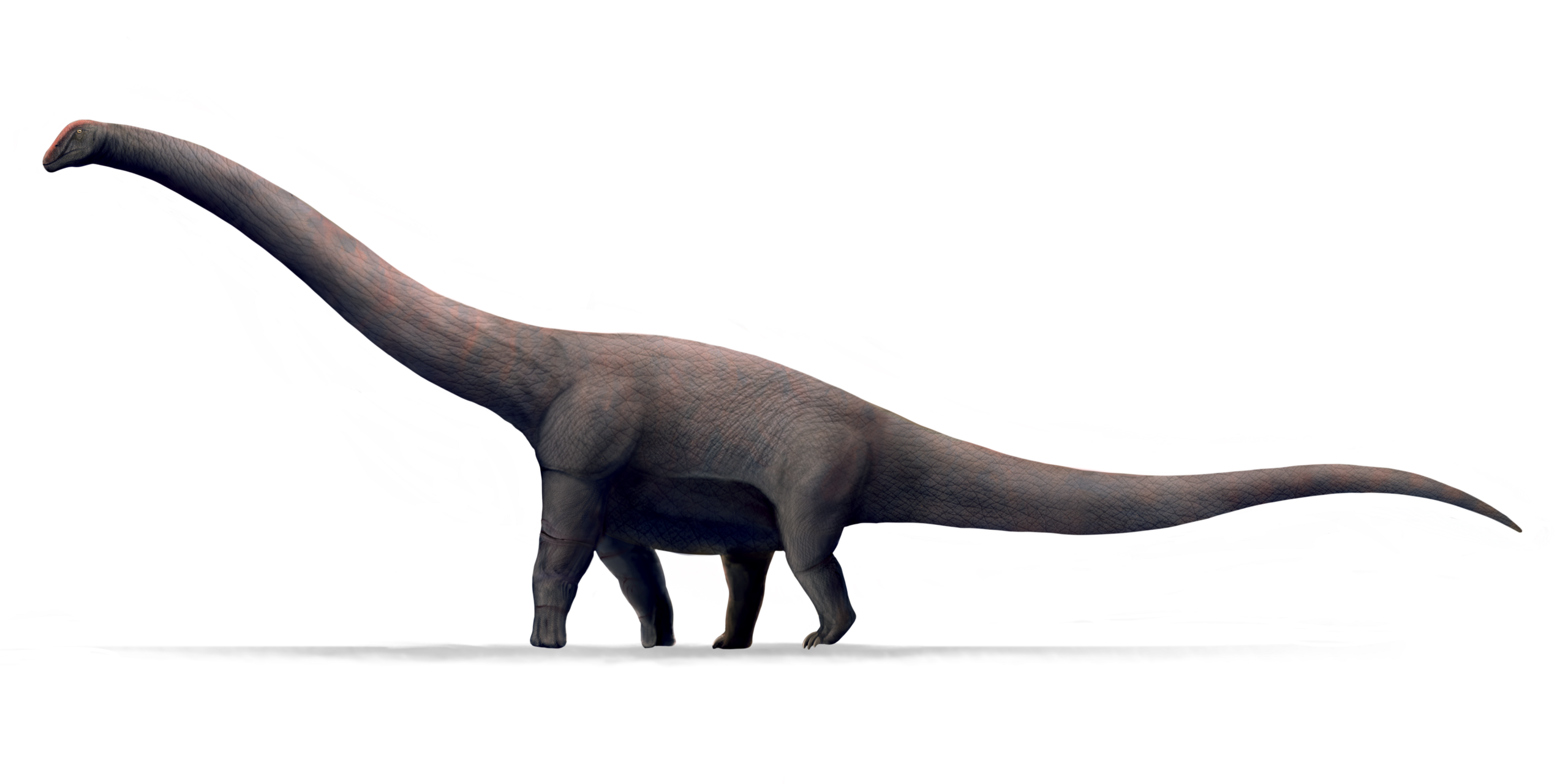
If real, this Indian dinosaur may have been the single largest land animal in Earth’s history – and every bone that proved it has physically dissolved.
When Bruhathkayosaurus matleyi was first described in 1987, it was based on fragmentary remains, most notably a tibia, femur, ilium, and parts of a radius and tail vertebra, found in the Kallamedu Formation of Tamil Nadu, India. The bones weren’t lost to a bomb or a fire, they simply crumbled apart in the ground. The fossils “started to disintegrate inside their field jackets before reaching the Geological Survey of India and no longer exist.”
Because nothing physical remains, scientists today argue entirely from old photographs and line drawings. The scientific community largely views Bruhathkayosaurus as a nomen dubium within Titanosauria, not a confirmed theropod, due to the lost fossils and ongoing uncertainty. A 2023 reanalysis even suggested the bones might represent two entirely different animals mixed together, one theropod and one sauropod. There’s a real chance the biggest dinosaur ever imagined is a case of mistaken identity nobody can ever fully resolve, because the evidence has physically ceased to exist.
#2 – Spinosaurus aegyptiacus: A Body Reconstructed Around a Bombed-Out Skeleton
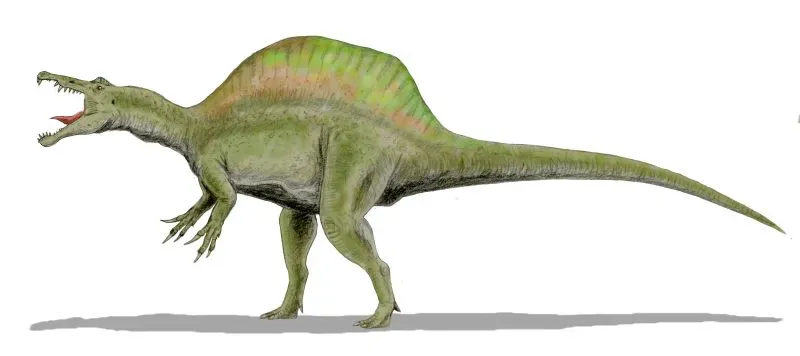
The most famous predator many people have never heard properly explained is missing its original skeleton entirely, vaporized in an air raid before modern science could fully study it.
On the night of April 24, 1944, the Royal Air Force hit Munich with a bombing raid that wrecked the museum and destroyed the Spinosaurus fossils inside, and the loss was especially significant because it was the holotype. All that remains of the original animal are notes, drawings, and old photographs – Stromer’s notes, drawings, and photos are the only record. Every skeleton reconstruction assembled since has had to combine newer, partial specimens found decades later with these secondhand historical records.
Even the more complete skeletons recovered in recent years remain heavily composite, mixing bones from multiple individuals of uncertain relative proportions. Debates still rage over whether Spinosaurus swam, waded, or hunted from shore, precisely because no single connected skeleton has ever confirmed its true body plan. One of the most recognizable dinosaurs in pop culture is, at its scientific core, a jigsaw puzzle missing most of its original pieces.
#1 – Amphicoelias fragillimus: The Largest Animal Ever, Known From One Vertebra That No Longer Exists
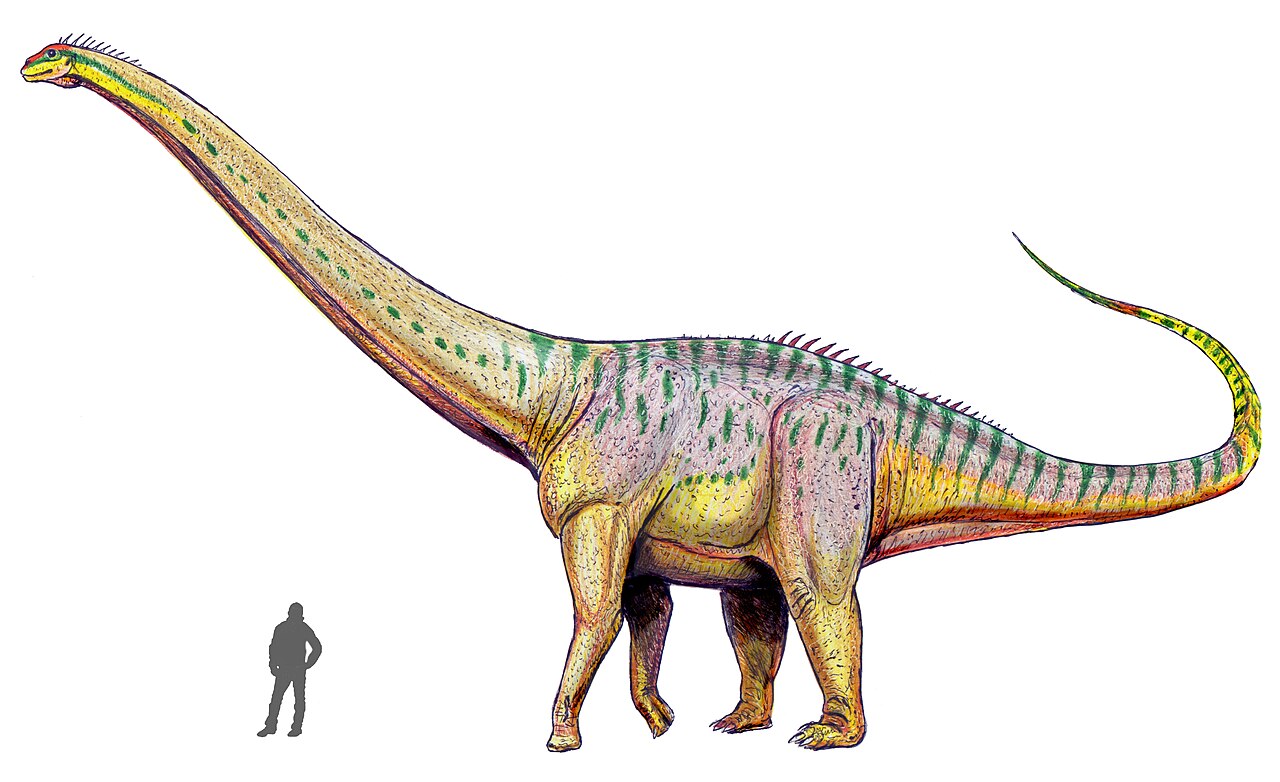
If the original measurements were accurate, this may have been the largest land animal in the entire history of life on Earth – and the only proof anyone has ever had is a 19th-century sketch.
The type species of Amphicoelias, A. altus, was named by paleontologist Edward Drinker Cope in December 1877 for an incomplete skeleton consisting of two vertebrae, a pubis, and a femur. But the truly staggering claim came from a second species. Oramel Lucas discovered a partial vertebra of the new sauropod species in Garden Park, Colorado, close to the quarry that yielded Camarasaurus, and the vertebra was in poor condition but astonishingly large. That single, fragile bone is the entire scientific basis for what might be the biggest animal ever measured on land.
Because the only fossil remains were lost at some point after being studied and described in the 1870s, evidence survives only in drawings and field notes. The bone may have crumbled badly and been discarded by Cope soon after he illustrated it, which may explain why he drew it in only one view rather than multiple angles as with his other discoveries. Skeptics have long suspected a measurement error, while defenders point out that Cope’s rival Marsh, ever eager to discredit him, never called the claims into question despite having every incentive to do so. Nobody alive has ever held this bone. Every size estimate, every illustration, every documentary claim about the largest animal ever is built entirely on ink from a scientist’s notebook, a fact almost never mentioned when this creature gets ranked against blue whales.
At a Glance
- Discovered: Garden Park, Colorado, 1877 – collected by Oramel Lucas, a fossil collector employed by E.D. Cope.
- Total physical evidence: A single, incomplete 1.5 m tall neural arch that would have measured 2.7 m (8.8 ft) long in life.
- Estimated length: May have been the longest known vertebrate at 40 to 60 metres (130 to 200 ft) in length.
- Estimated weight: May have had a mass of up to 122 metric tons (135 short tons).
- Fossil status today: The only fossil remains were lost at some point after being studied and described in the 1870s, so evidence survives only in drawings and field notes.
The uncomfortable truth is that a shocking number of the “dinosaurs” and prehistoric giants shaping pop culture are scientific best guesses dressed up as settled fact. Museums rarely tell visitors that a skeleton on display is largely plaster and speculation, built around a jaw fragment, a claw, or a single crumbling vertebra. Some of these animals, Bahariasaurus, Spinosaurus’s original holotype, Amphicoelias, had their only evidence physically destroyed, meaning we’re now reconstructing extinct giants from other people’s century-old notebooks.
That’s not a flaw in paleontology, it’s simply how the science works with an incomplete fossil record. Honestly, it should make these creatures more fascinating, not less credible, because every one of them survived a game of scientific telephone stretching back over a century. Which of these reconstructions do you think science has gotten most wrong? Drop your pick in the comments.