
Science is supposed to be the thing that catches fakes before they make it into textbooks. Instead, some of the most famous animal “discoveries” in history sailed straight past the experts, filling museum halls, dazzling royal courts, and landing on the covers of respected journals for years, sometimes generations, before anyone thought to run a basic test.
Piltdown Man alone fooled the scientific establishment for 41 years before a chemical test finally exposed it as fraud, and that’s not the outlier on this list, it’s the pattern. Below are 23 hoaxes that made fools out of trained scientists, national newspapers, and even Nature and National Geographic, starting with a sea serpent that split a scientific society in half and ending with the one lie that reshaped an entire field of study for four decades.
#23 – The Gloucester Sea Serpent That Split a Scientific Society
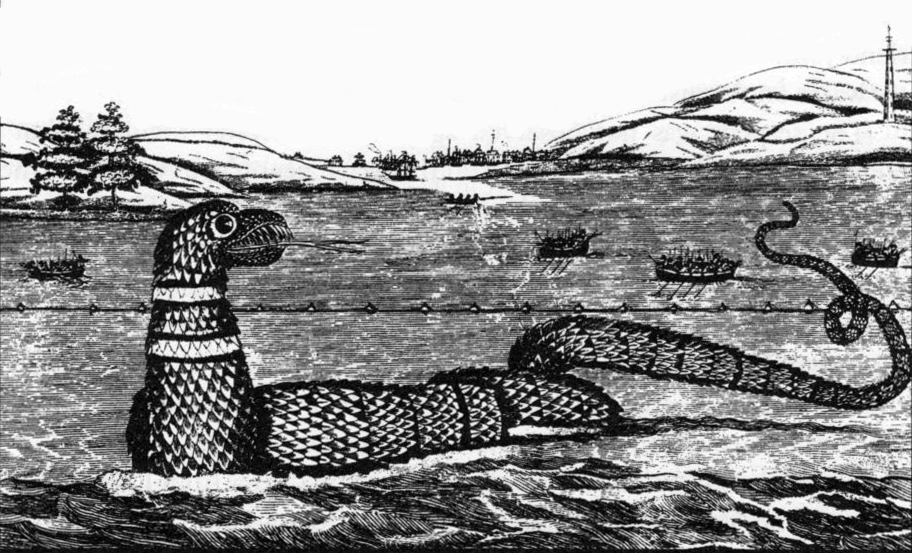
In 1817, dozens of witnesses in Gloucester, Massachusetts swore they’d seen something impossible: a massive, serpent-like creature swimming just offshore. The sightings caused such a stir that the Linnean Society of New England formed an official committee to investigate, treating the reports as a matter of genuine scientific urgency.
The committee took eyewitness testimony seriously enough to publish a report describing the animal as a probable new species. Things got stranger when a local boy killed a small, oddly deformed black snake nearby that some insisted was the serpent’s offspring. The “baby serpent” turned out to be a common snake with a congenital spinal deformity, not proof of anything aquatic. By then, the story had already spread across American newspapers as established fact, and the quiet correction barely made a dent.
#22 – The Loveland Frog That Terrified an Ohio Suburb
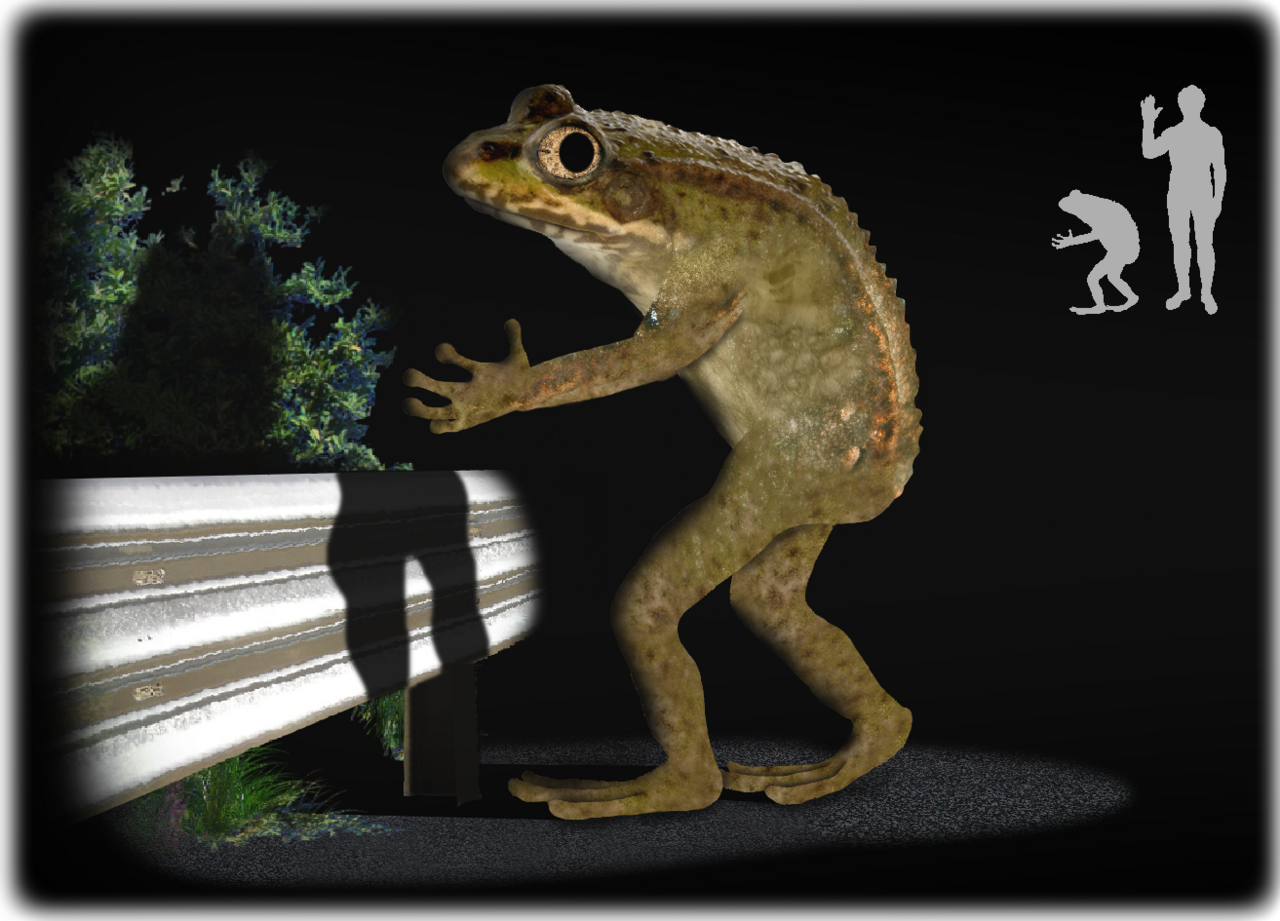
Twice in the mid-1950s, police officers in Loveland, Ohio radioed in the same impossible sighting: a three-to-four-foot bipedal frog-like creature standing upright along the roadside. The story became local legend that outlived most of the officers who first reported it.
The sightings were taken seriously enough to fuel decades of searches, documentaries, and barroom debate about a hidden amphibian species living in the Little Miami River. One of the original witnessing officers later admitted the “monster” he chased was likely someone’s pet iguana that had escaped, an animal so out of place in an Ohio winter that nobody recognized it in their headlights. Unfamiliar animals in unfamiliar settings get turned into monsters far more often than monsters ever get turned into animals.
#21 – The Lake Champlain Photo That Became “Scientific” Evidence
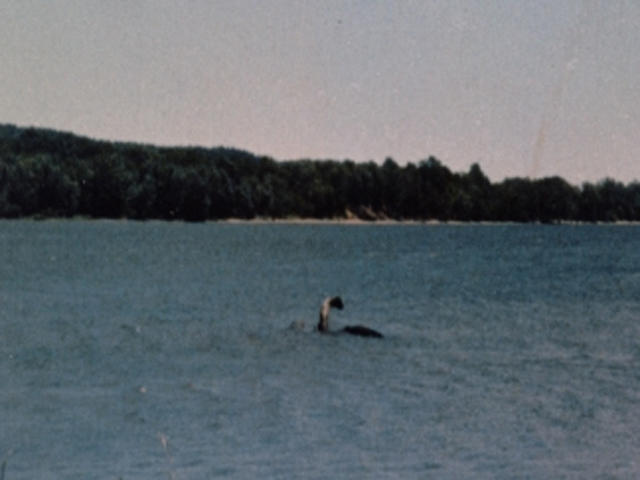
In 1977, a woman named Sandra Mansi snapped a photograph at Lake Champlain showing what looked like a long-necked hump breaking the water’s surface. The image became the single most cited piece of “proof” for the lake monster known as Champ.
Cryptozoologists and even some academic researchers treated the Mansi photo as legitimate evidence for nearly two decades, submitting it to photo analysts who debated its authenticity in serious publications. Later digital and locational analysis suggested the object was likely a floating log or a partially submerged tree branch, positioned and lit just right to fake the illusion of a curved neck. The negative was never independently verified at the time it was taken, which is exactly why the argument dragged on for twenty years.
#20 – The Georgia Bigfoot Freezer Stunt That Made National News
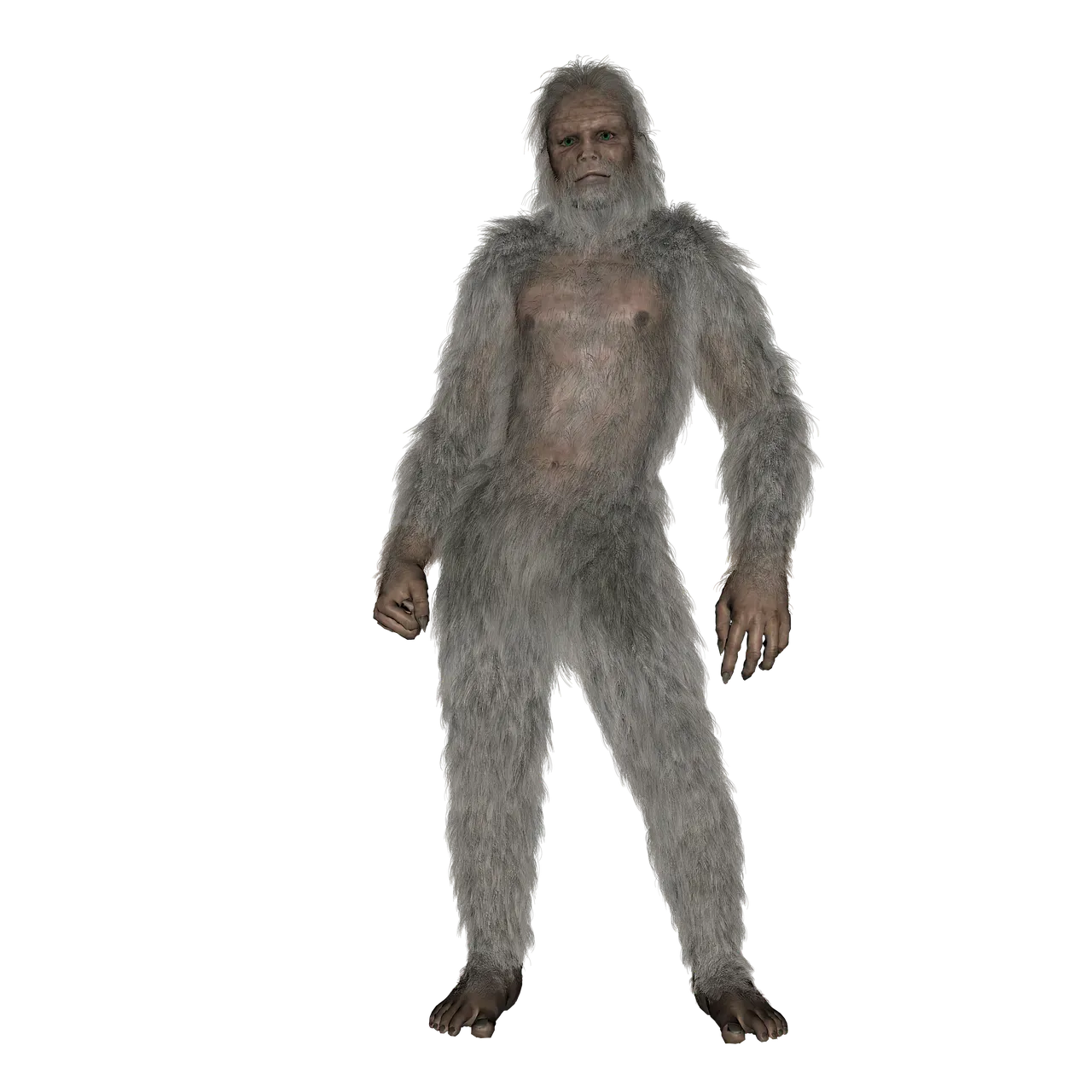
In 2008, two men named Rick Dyer and Matthew Whitton claimed to have found the actual body of a Bigfoot in the Georgia woods and kept it frozen for a public reveal. Their press conference drew international media attention and packed the room with reporters expecting a genuine scientific milestone.
Professional Bigfoot researchers showed up in person, fully convinced this might finally settle the debate. When the ice melted at the unveiling, observers found a rubber gorilla costume stuffed with roadkill and animal parts, nothing more. The men later admitted it was a paid publicity stunt to drum up Bigfoot tourism, proof that even a hoax staged for cameras can fool professional investigators for weeks before anyone checks the merchandise.
#19 – The Cabinet-of-Curiosities Basilisks That Nobody Questioned
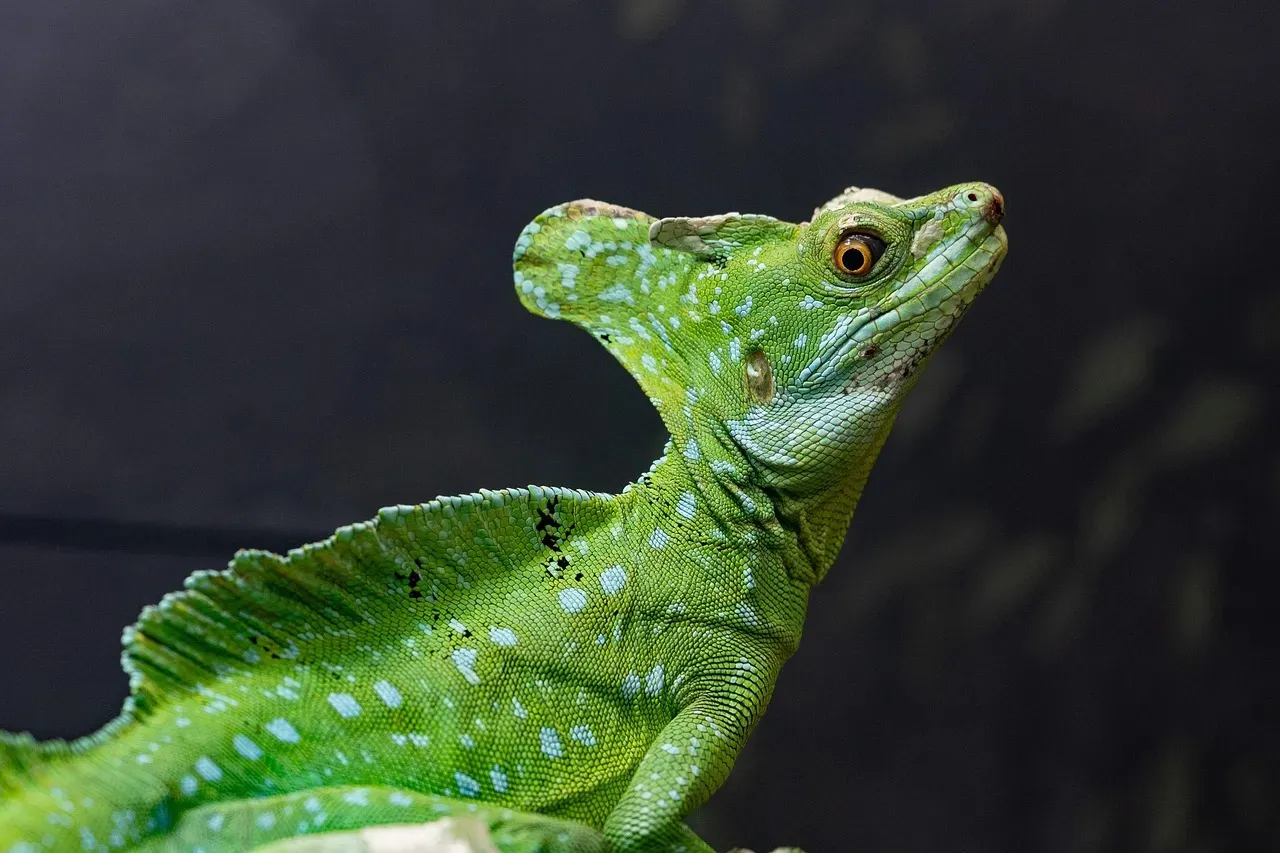
Renaissance European collectors paid enormous sums for “basilisk” specimens: small, dried, winged reptile bodies supposedly harvested from the legendary serpent whose gaze could kill. Wealthy buyers displayed them in private museums as proof of both their fortune and their learning.
These specimens were quietly manufactured from altered rays, snakes, and lizard parts, carved and stitched into a more dramatic shape before being sold at a premium. Basilisk skin was believed to protect against poison, which made faked specimens even more valuable than honest natural history could ever be, fueling a black market in fabricated monsters for over a century. Museums across Europe still hold these objects today, quietly relabeled as curiosities of fraud rather than genuine cryptozoology.
#18 – The Beast of Gévaudan That Divided a French Kingdom
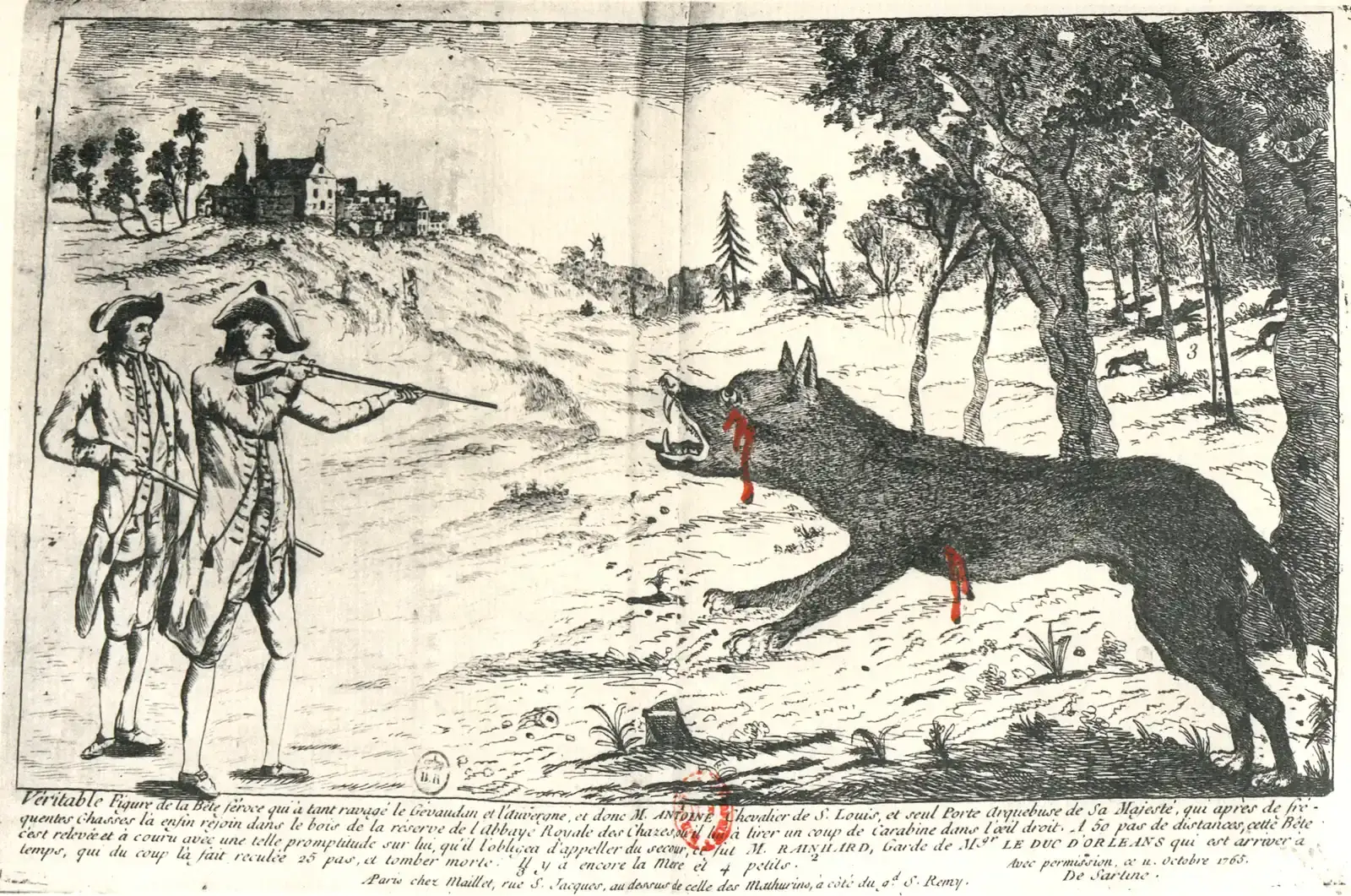
Between 1764 and 1767, a mysterious predator killed and mauled over a hundred people in rural France. Terrified witnesses described the creature so inconsistently that no single animal seemed to fit every account.
King Louis XV sent royal hunters and a professional wolf-hunter to track it down, and when a large wolf was finally shot and displayed, the French crown declared the crisis officially over. Modern historians and zoologists now argue the killings were likely the work of multiple wolves, and possibly one or more trained attack animals set loose deliberately, meaning the “single monster” story may have been political theater to calm a panicked countryside. Without a definitive forensic resolution, French historians still argue about the beast’s true identity today.
#17 – The Kraken That Naturalists Treated as Established Fact
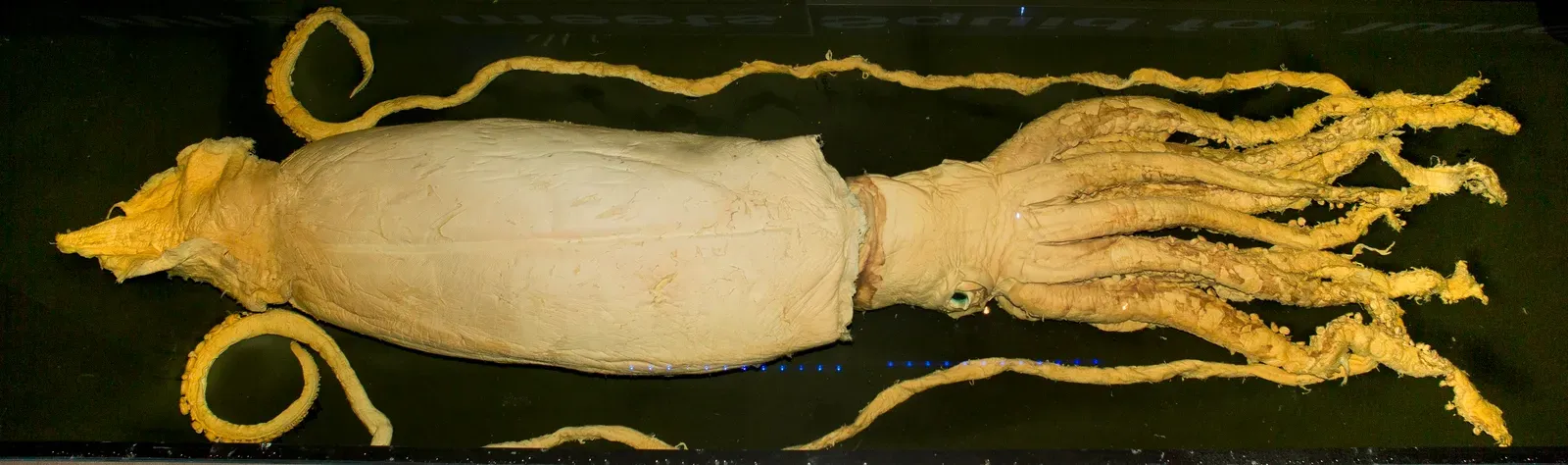
For centuries, European naturalists didn’t classify the kraken as folklore, they classified it as an actual, if elusive, species of sea monster capable of dragging entire ships beneath the waves.
Norwegian bishop Erik Pontoppidan formally described the kraken in his 1755 natural history of Norway, treating sailor testimony as credible zoological data and giving it exact measurements as if cataloging a known species. Carl Linnaeus, the father of modern taxonomy, briefly included the kraken in early editions of his classification system before quietly dropping it, an admission that even the most rigorous scientific mind of the era was willing to entertain sea monster reports as fact. It took the eventual discovery of real giant squid carcasses washing ashore to separate exaggerated folklore from an actual, if much smaller, animal.
Worth Knowing
- Bishop Erik Pontoppidan formally described the kraken in his 1755 natural history of Norway, giving it precise measurements.
- Carl Linnaeus briefly classified the kraken in an early edition of his own taxonomic system.
- Real giant squid carcasses eventually surfacing on European shores gave the myth a factual root.
- Sailor testimony was treated as credible zoological data rather than folklore for generations.
#16 – The Rat Kings That Museums Displayed as Genuine Oddities
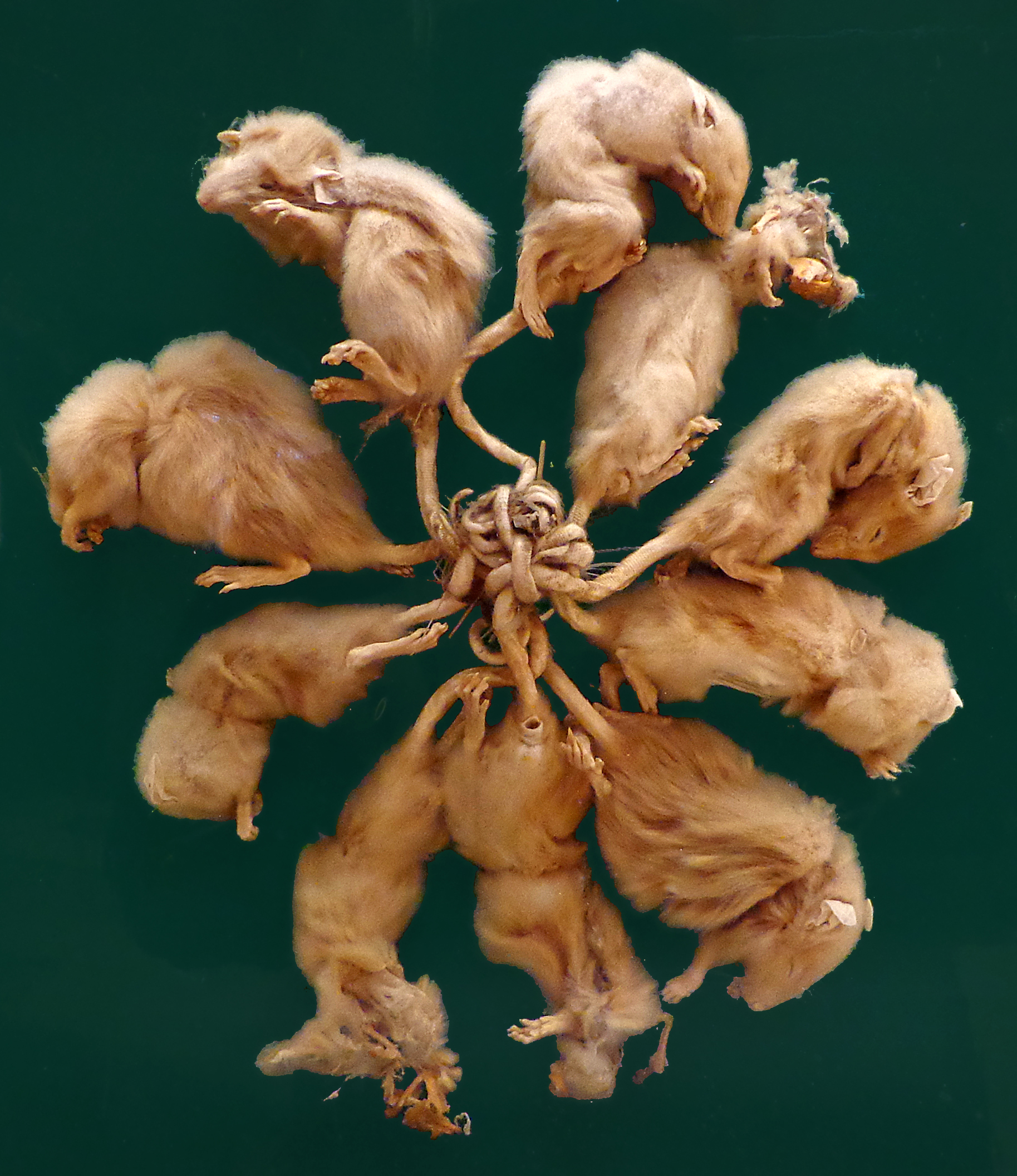
Preserved specimens of “rat kings”, multiple rats whose tails had supposedly become permanently knotted into a single writhing mass, were displayed in German natural history museums as documented biological phenomena.
Naturalists argued for decades over whether this was a rare natural occurrence, caused by nesting rats getting tangled in sap, blood, or filth during cold winters, or whether taxidermists were staging specimens to shock paying visitors. Several documented “rat kings” were later found to have tails that were tied, glued, or wired together rather than naturally knotted, exposing them as fabricated curiosities rather than biological anomalies. The genuine phenomenon does occur rarely in nature, which is exactly what made the faked versions so easy to pass off for so long.
#15 – The Sea Bishops That Filled Renaissance Bestiaries
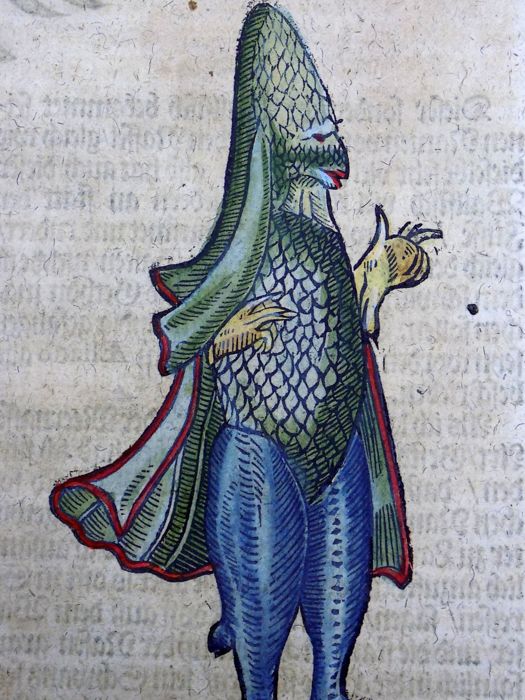
Sixteenth-century natural history books, including respected ones, depicted a creature called the “sea bishop” or “bishop-fish”: a fish-tailed humanoid wearing what looked like a bishop’s mitre, presented as a real species living off European coasts.
These weren’t dismissed as folklore by the scholars who published them. They were treated as legitimate zoological entries alongside real fish and mammals, complete with detailed physical descriptions supposedly based on captured specimens. Many historians now believe sea bishop reports were inspired by misidentified giant squid, angel sharks, or fabricated Jenny Hanivers dressed up with extra props, meaning an entire category of “documented” sea creature may never have existed at all. The image persisted in serious natural history texts for well over a century before quietly disappearing from later editions.
#14 – The Montauk Monster That Went Viral Before Anyone Ran a Test
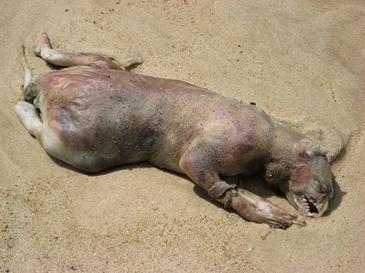
In 2008, a bloated, hairless carcass washed ashore near Montauk, New York, and photographs of the creature spread across news outlets and early social media as evidence of a genuine unidentified species.
Speculation ran wild for weeks, ranging from a government lab escapee to a brand-new marine animal, while professional biologists were largely left out of the initial coverage entirely. Wildlife experts who eventually examined the photographs concluded the carcass was almost certainly a decomposed raccoon, its features distorted by water exposure and decay past the point of recognition. The body was reportedly discarded before rigorous DNA testing could happen, so the “mystery” survives mostly because the evidence vanished before scientists got a real look.
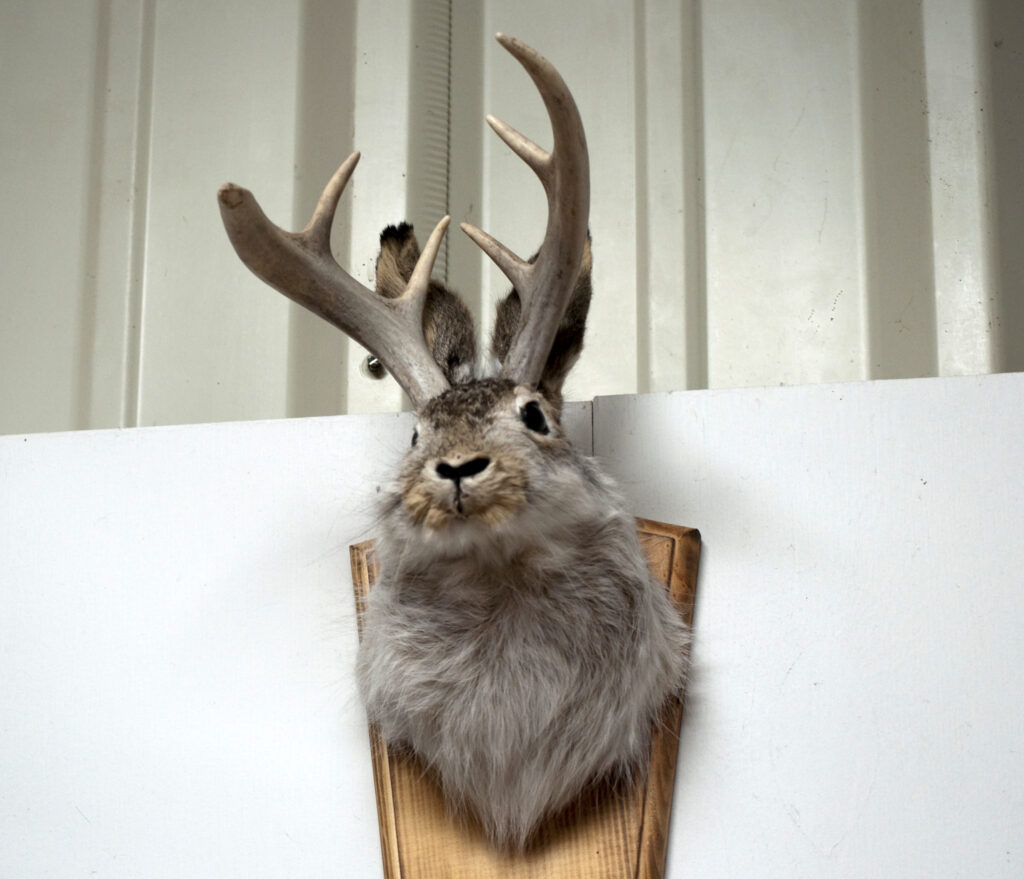
#13 – The Jackalope That Fooled Tourists for Generations
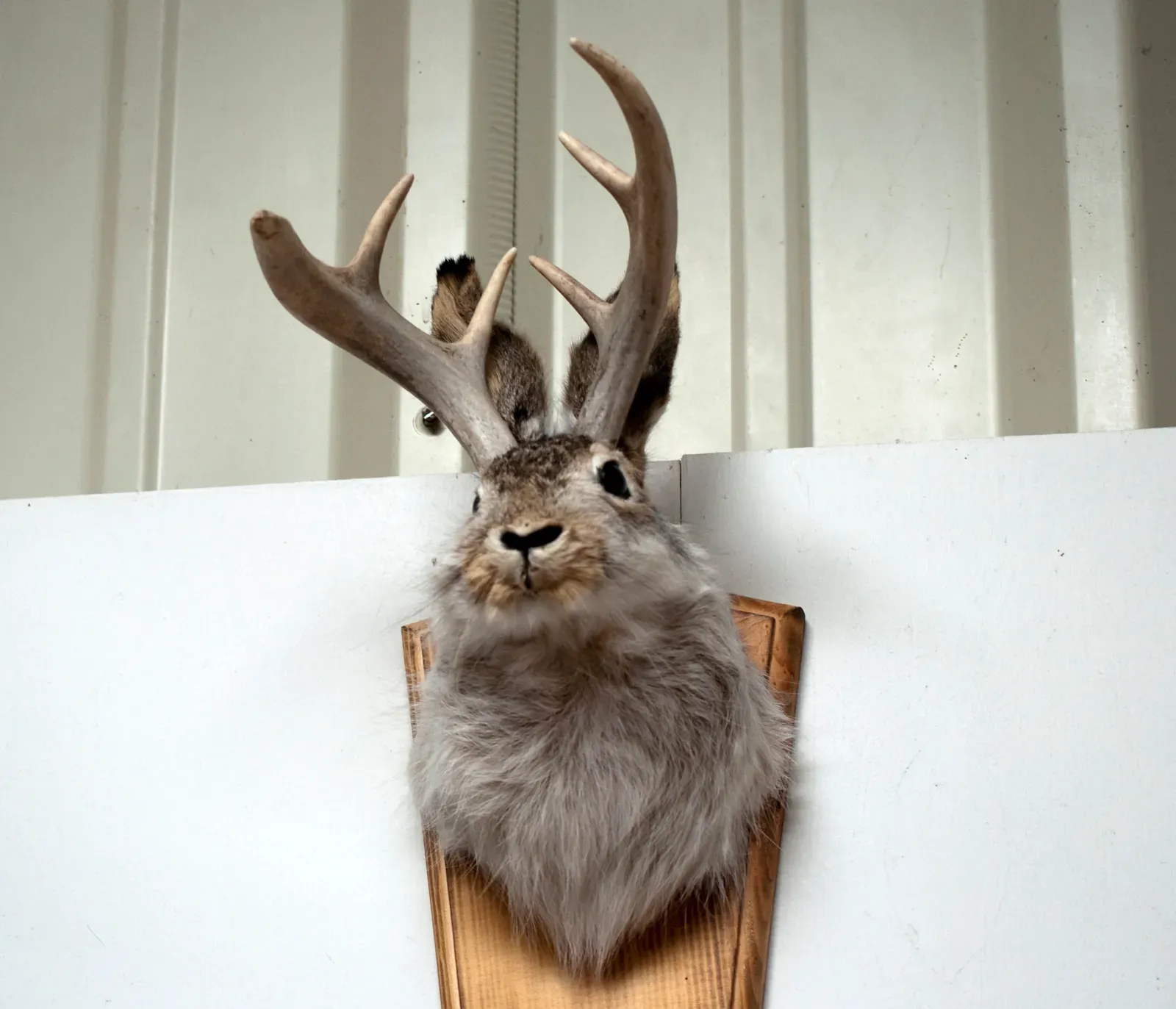
American taxidermists in 1930s Wyoming began mounting jackrabbit bodies with deer or antelope antlers attached, creating the “jackalope,” and sold the mounted heads as genuine hybrid animals to travelers passing through roadside shops.
The Herrick brothers of Douglas, Wyoming are widely credited with popularizing the fabricated species, and the town leaned into the joke so hard it built statues and holds annual celebrations around the fictional creature to this day. Some tourists genuinely believed jackalopes were a real, if rare, biological species well into the mid-twentieth century, partly because horned rabbits do occasionally occur in nature, thanks to a papillomavirus that causes keratin growths resembling small horns. That real, rare condition gave the hoax just enough biological plausibility to survive decades of visiting skeptics.
#12 – The Bigfoot Film That Divided Primatologists for Decades
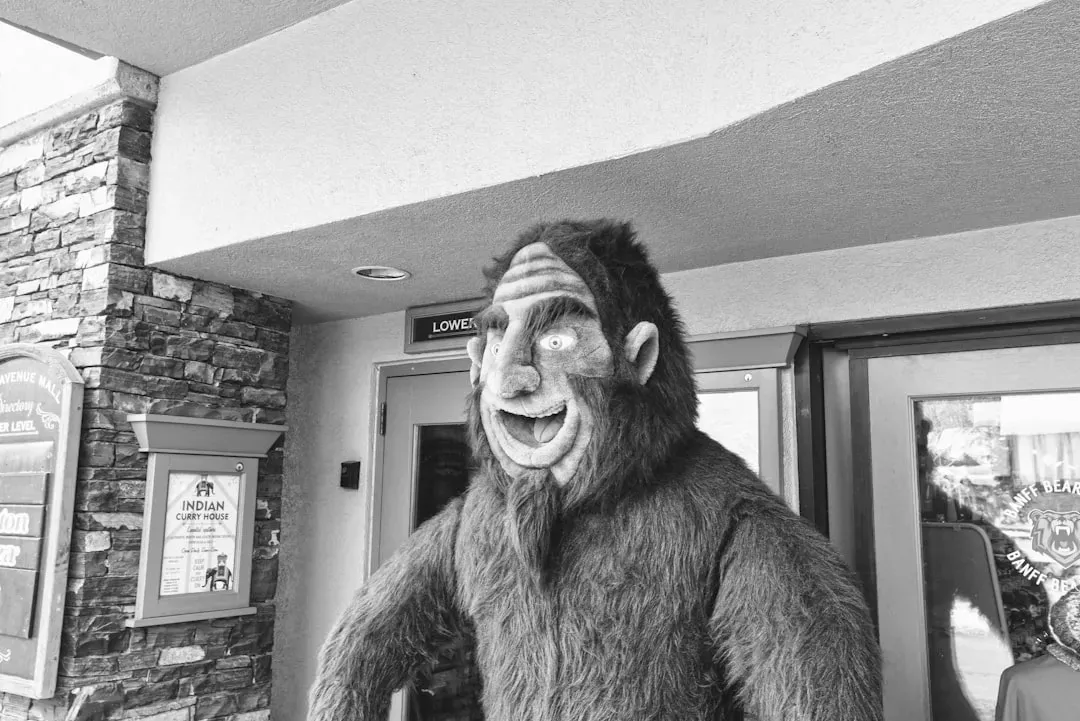
In 1967, Roger Patterson and Bob Gimlin captured grainy footage in Northern California showing what appeared to be a large, bipedal, ape-like creature walking through a wooded creek bed. It became the most examined piece of cryptozoological evidence in American history.
Several professional anatomists and film analysts studied the footage frame by frame over the following decades, and some found the creature’s gait and muscle movement hard to fully explain as a man in a costume, keeping serious debate alive far longer than a typical hoax would survive. Multiple people have since come forward claiming to have worn or built the supposed “Bigfoot suit,” though no single confession has ever been fully corroborated with physical proof, leaving the film in a strange scientific limbo. That unresolved status, more than the footage itself, is exactly why it remains the most cited piece of physical Bigfoot evidence over half a century later.
At a Glance
- Filmed in 1967 in a wooded creek bed in Northern California.
- Roger Patterson and Bob Gimlin were the only two witnesses behind the camera.
- Professional anatomists have studied the footage frame by frame for decades.
- No “man in the suit” claim has ever been fully corroborated with physical proof.
#11 – The Frozen “Caveman” That Fooled Professional Zoologists
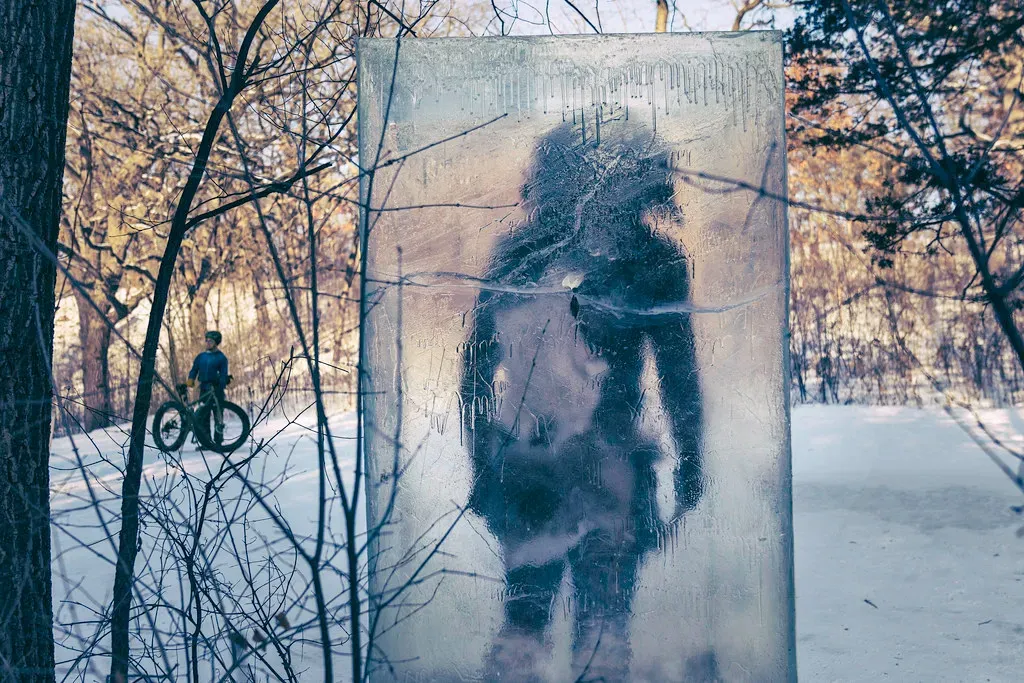
In 1968, a sideshow exhibitor began touring a block of ice containing what he described as a genuine, frozen prehistoric hominid, nicknamed the Minnesota Iceman. Carnival-goers paid to view the specimen through a viewing glass, half-convinced they were staring at a real missing link.
Two respected researchers, zoologist Ivan Sanderson and cryptozoologist Bernard Heuvelmans, examined the specimen in person and published a formal scientific description treating it as a possible genuine relict hominid, lending it far more credibility than a carnival attraction typically earns. The original specimen was quietly swapped for a rubber replica before the Smithsonian could obtain it for verified testing, according to researchers who tried to pursue formal study, dodging scrutiny at the exact moment it mattered most. The exhibitor later suggested the whole thing was manufactured, but the switch meant no one ever got to test the object that had fooled two published scientists.
#10 – The Loch Ness Photo That Fooled the World for Sixty Years
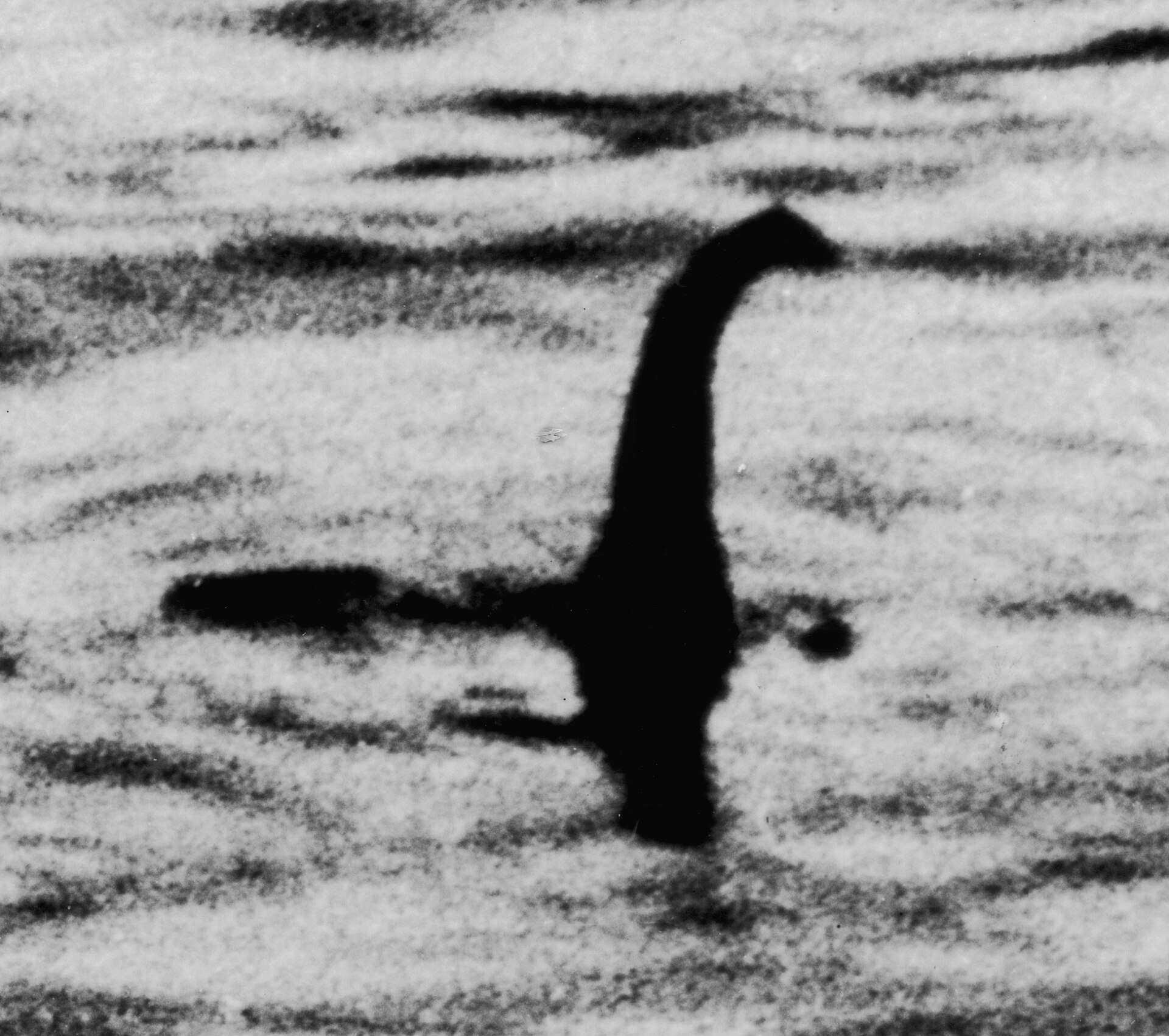
In 1934, a photograph known as the “Surgeon’s Photograph,” attributed to a respected London physician, showed a long, curved neck rising from the waters of Loch Ness. It became the single most iconic image in monster-hunting history.
The photo was reproduced in newspapers, textbooks, and documentaries for six decades as the strongest available evidence for the Loch Ness Monster, cited even by researchers who were otherwise cautious about eyewitness testimony. In 1994, one of the men involved in staging the photo confessed on his deathbed that the “monster” was a toy submarine fitted with a sculpted head, built specifically to create a convincing hoax photograph. The confession finally closed a mystery that professional photo analysts had debated in earnest journals for generations, proof that a single faked image can outlast the lifespans of the experts who study it.
#9 – The Fish Species That Was Actually a Practical Joke
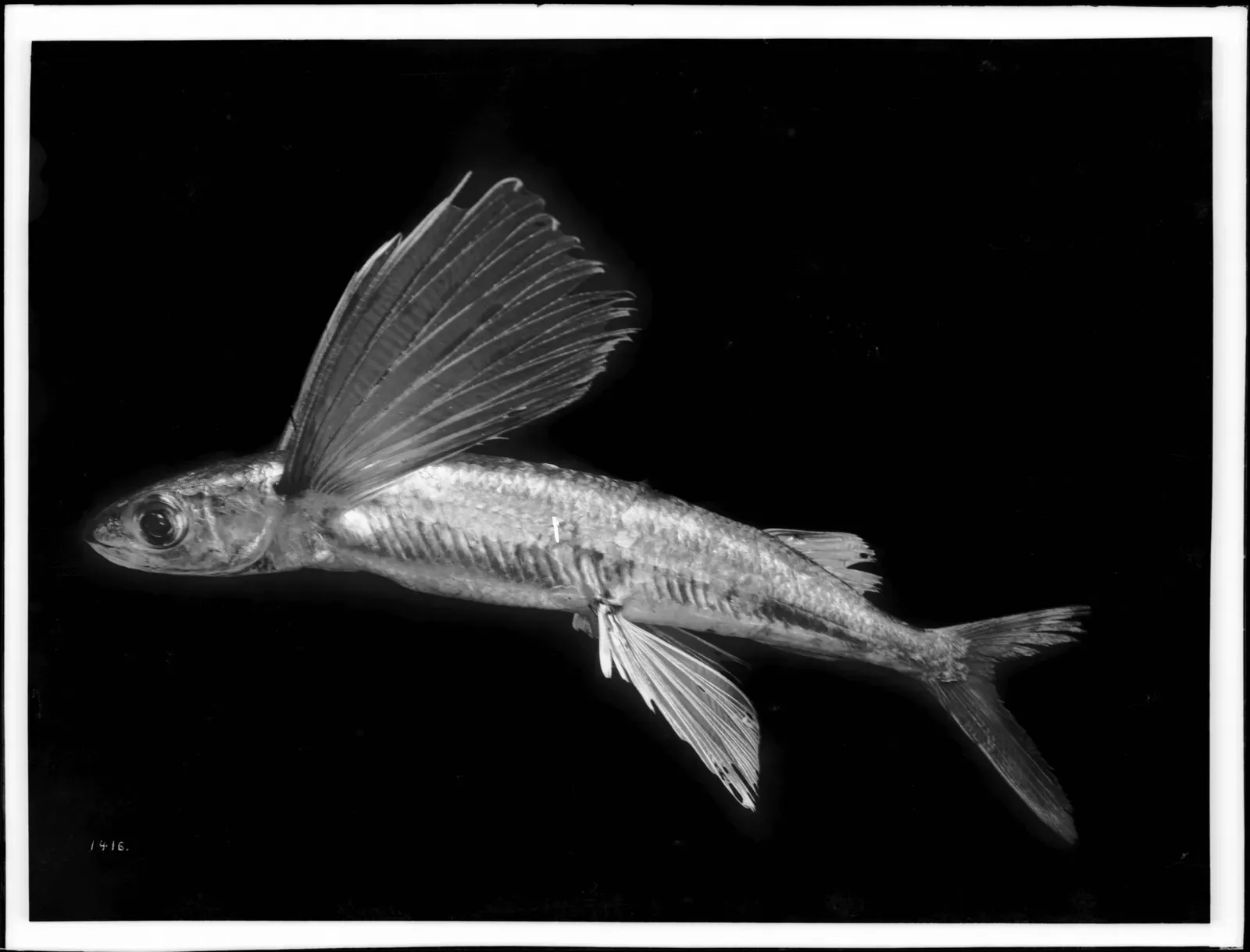
In 1872, a specimen described as an entirely new species of Australian fish, named Ompax spatuloides, was formally reported to the scientific community, complete with a detailed description that got it added to taxonomic records.
The description was based on a single physical specimen that supposedly combined the features of several unrelated fish into one bizarre body, and it sat in the scientific literature as a legitimate species for years before anyone challenged it. The “species” turned out to be a joke, assembled from parts of several completely different fish and presented to a naturalist as a prank, one convincing enough to get formally published and cited. It took decades before later researchers untangled the fabricated anatomy and quietly erased the fake species from the record.
#8 – The Multi-Headed Hydra That Even Linnaeus Had to Debunk
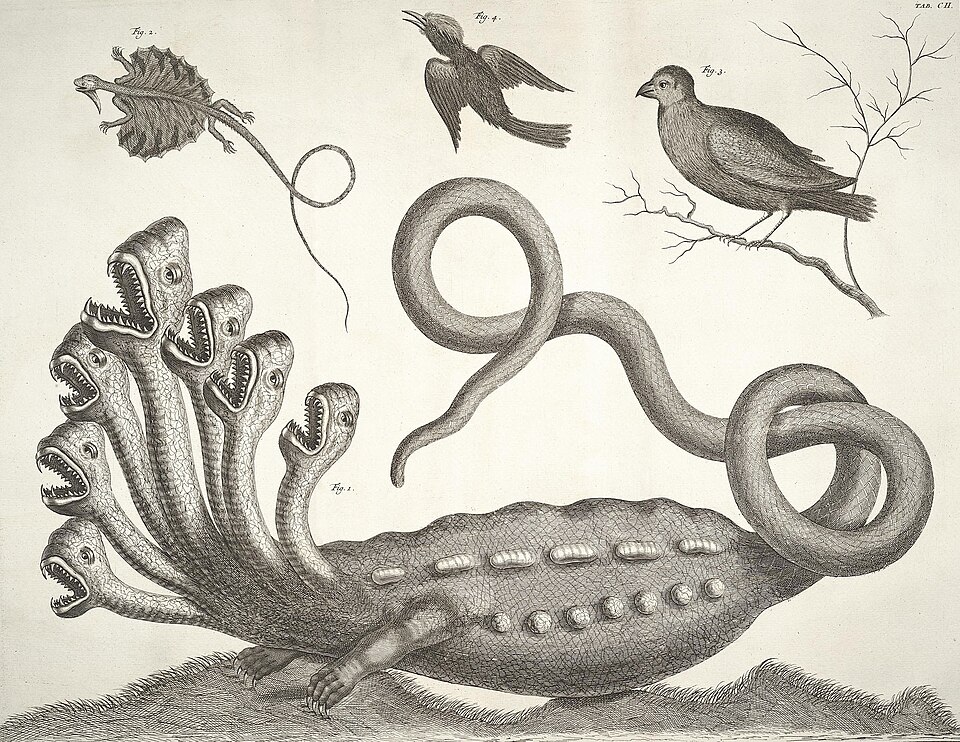
In the early 1700s, a taxidermied “hydra,” a serpent-like body fitted with seven distinct heads, was displayed across European courts and cathedrals as physical proof that the mythical multi-headed monster was real, drawing paying crowds wherever it went.
The specimen, known as the Hydra of Hamburg, was even offered for purchase to European royalty for a massive sum, with sellers hoping to close the deal before anyone examined it too closely. Carl Linnaeus personally inspected the hydra in 1735 and quickly identified it as a fabrication built from weasel skeletons and snakeskins, publicly denouncing it as fraudulent almost immediately after examination. That single expert inspection instantly collapsed a sale years in the making, proof of how much longer a hoax can survive when nobody with real expertise ever bothers to look.
#7 – The Plant-Animal Hybrid That Fooled European Botanists
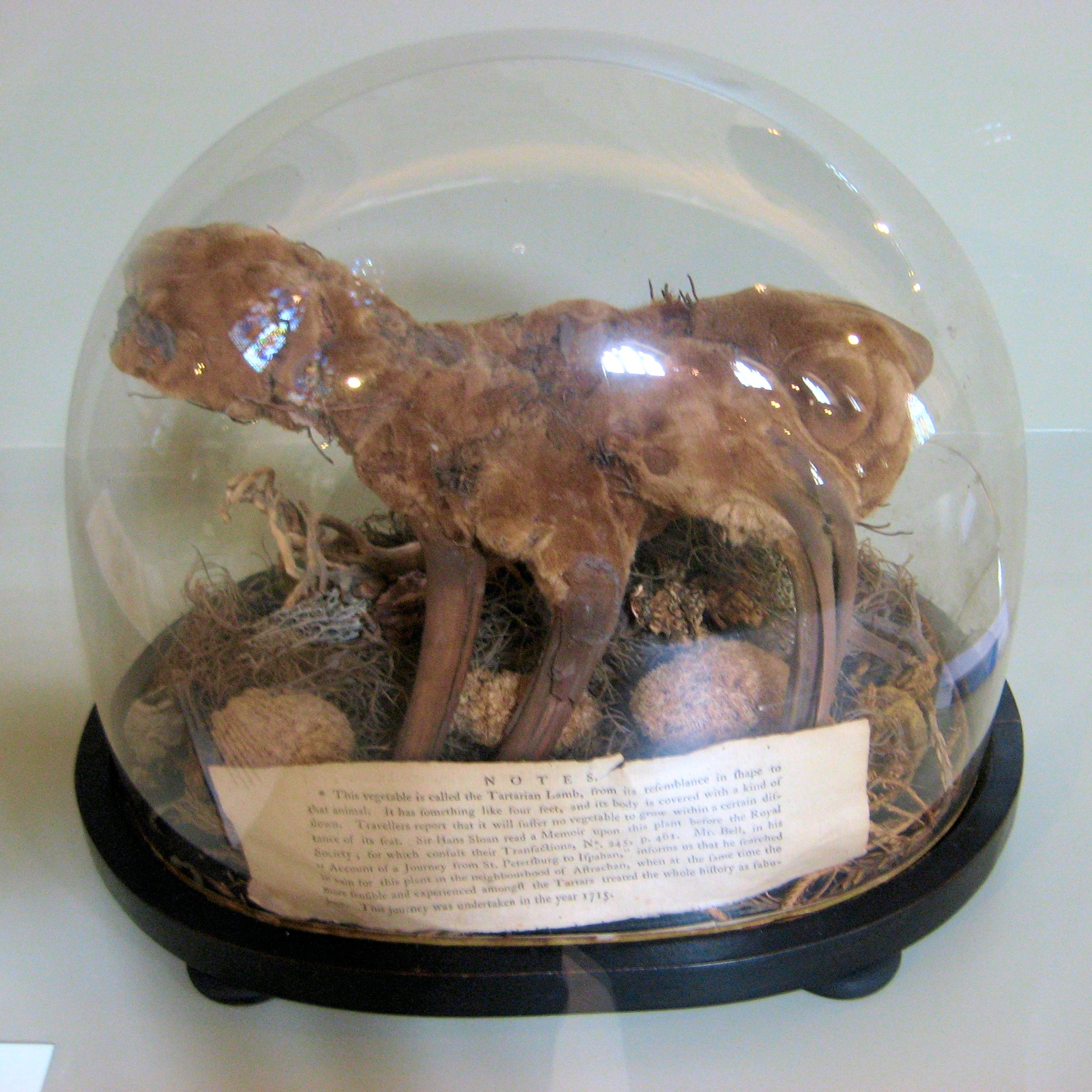
Medieval and early modern European natural history texts described the “Vegetable Lamb of Tartary,” a plant that supposedly grew actual living lambs as its fruit, connected to the ground by a stem through the animal’s navel like an umbilical cord.
The creature was taken seriously enough to appear in respected scholarly compendiums for centuries, with writers describing the lamb grazing on grass within reach of its stem before dying once the surrounding vegetation was gone. The myth likely originated from travelers’ garbled descriptions of cotton plants, whose fluffy white bolls were mistaken for wool on a woody, lamb-shaped stem, a plausible enough explanation once cotton became better understood in Europe. It took direct botanical examination of actual cotton specimens to finally separate the plant from the legend that had circulated for hundreds of years.
#6 – The Bird That Naturalists Believed Grew From Shellfish
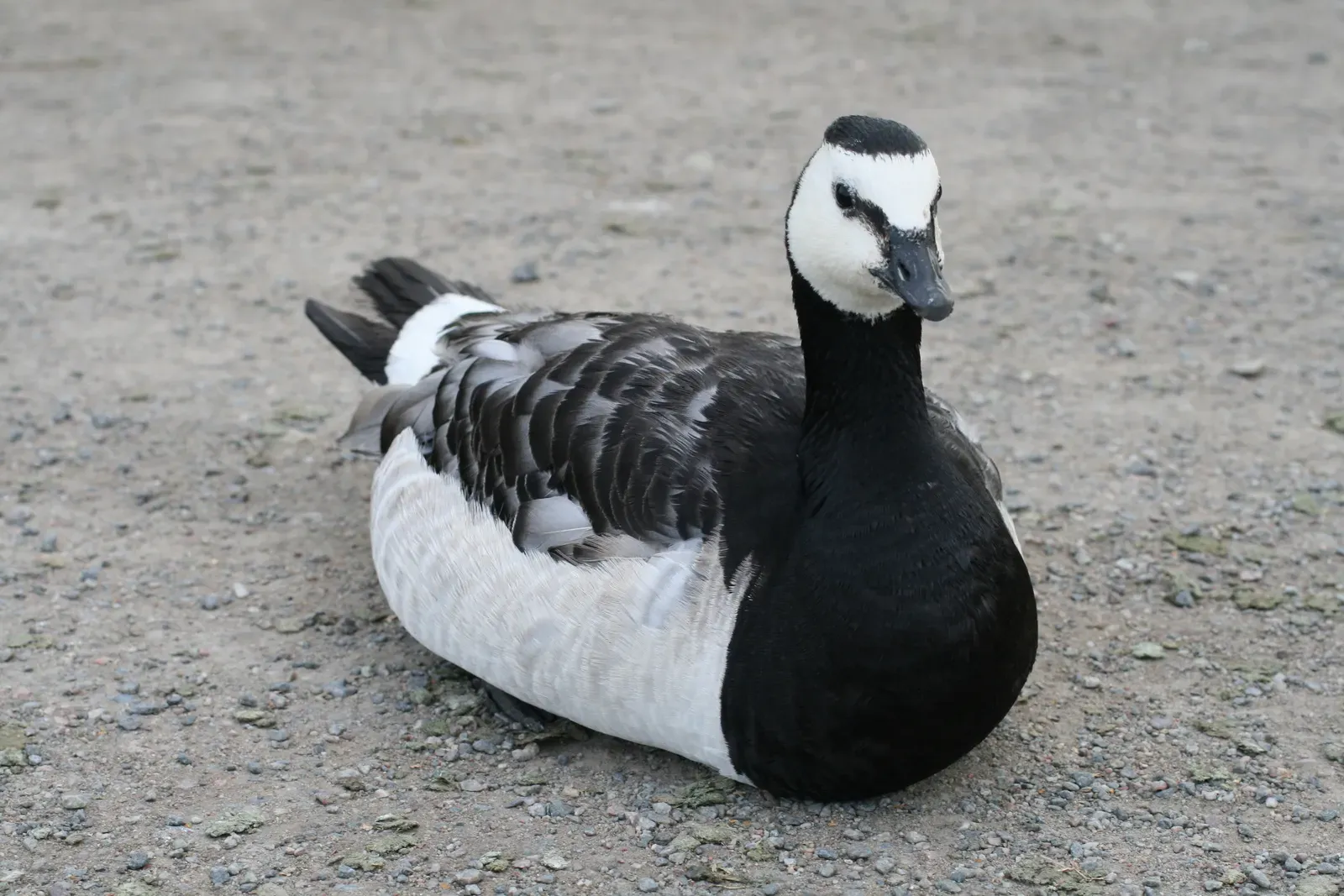
For centuries, respected European naturalists sincerely believed that barnacle geese did not hatch from eggs at all, but instead developed from goose barnacles, shellfish that cling to driftwood and ship hulls in coastal waters.
The belief was convenient as well as sincere: because the geese were assumed to originate from a shellfish rather than a warm-blooded bird, some medieval clergy classified them as acceptable to eat during fasting periods when meat was forbidden. Naturalists cited the visual resemblance between the barnacle’s feathery cirri and a goose’s plumage as genuine anatomical evidence, treating the theory as settled zoological fact for hundreds of years. It wasn’t until naturalists finally tracked the birds’ real migration and breeding grounds in the Arctic that the shellfish theory was fully abandoned.
#5 – The Dried Rays Sold as Baby Dragons
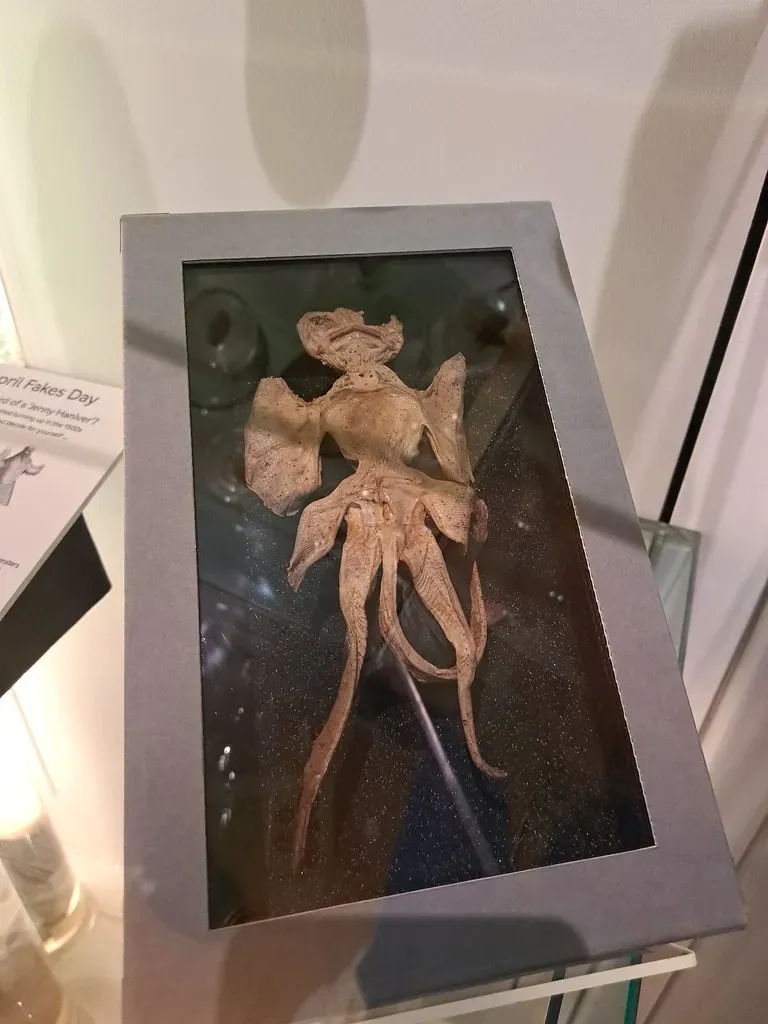
Since at least the 1550s, sailors working the docks of Antwerp carved and dried the carcasses of rays and skates into grotesque, humanoid shapes. They sold them to tourists and collectors as the mummified remains of demons, dragons, and sea monks, strange little corpses convincing enough to be genuinely unsettling.
The Swiss naturalist Conrad Gessner spotted one of these fabrications in an Antwerp shop and described it in his 1550s Historia Animalium. He recognized the trick immediately, and he understood exactly why it worked so well on everyone else.
Ordinary people are very much impressed with these things.
Conrad Gessner
Even with one of the era’s most respected naturalists calling out the fraud in print, the fabricated rays, later nicknamed “Jenny Hanivers,” kept turning up in serious natural history cabinets for centuries afterward.
#4 – The Unicorn Horns That Were Actually Whale Tusks
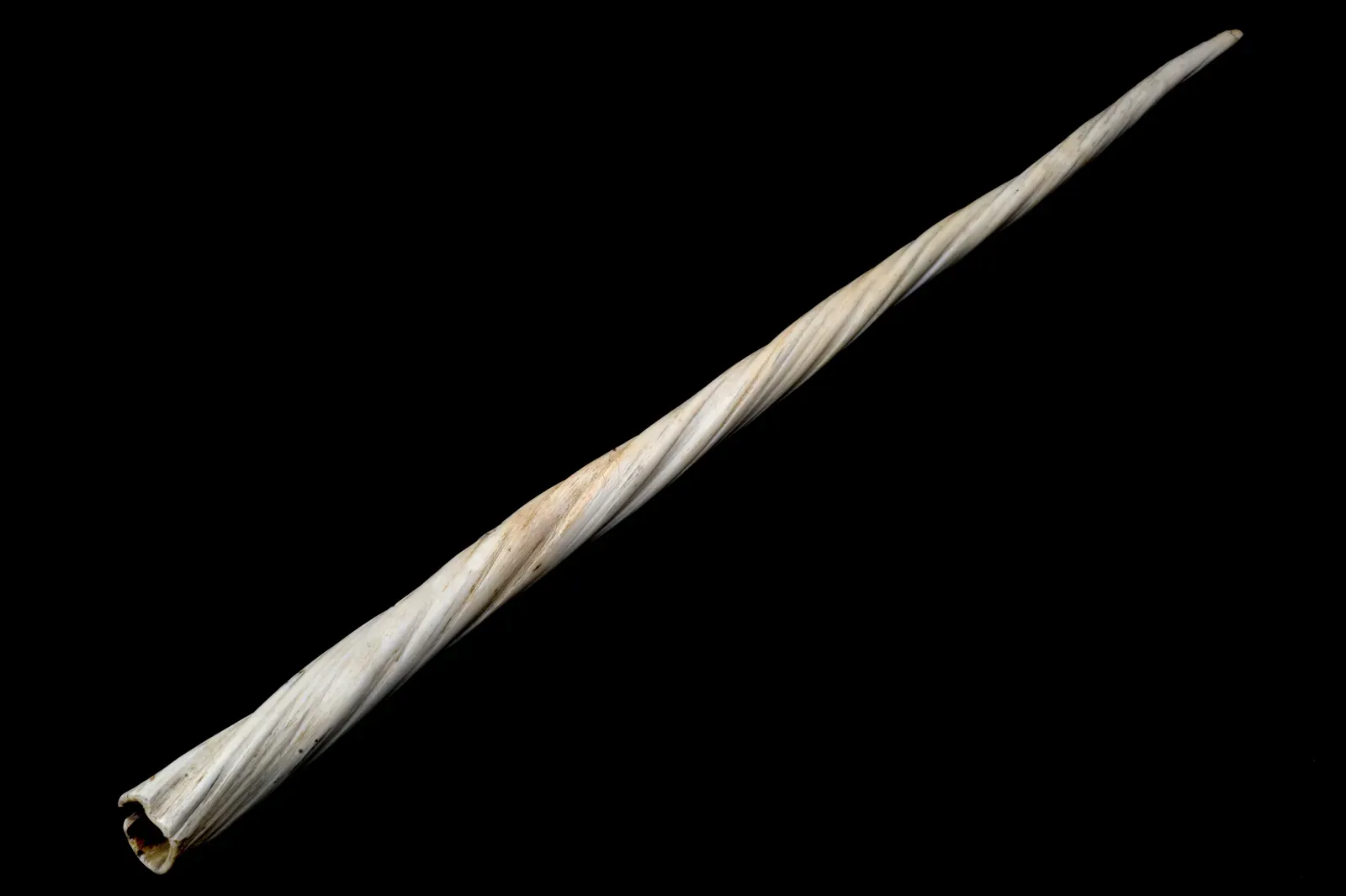
For much of medieval and Renaissance Europe, the long spiral tusks of narwhals, hunted in Arctic waters far from mainland Europe, were sold to royalty and collectors as genuine unicorn horns, complete with supposed magical and medicinal properties.
Merchants deliberately concealed the true source of the tusks, since a “unicorn horn” commanded a price many times higher than any known whale product, and buyers had no practical way to verify the animal’s true identity without ever seeing a narwhal alive. European royal treasuries paid fortunes for individual tusks, believing they could detect poison in food or cure various illnesses, prices that only made sense if the object was genuinely magical rather than a marine mammal’s tooth. It wasn’t until European explorers began documenting narwhals directly in Arctic waters that the entire unicorn horn trade collapsed almost overnight, exposing centuries of deliberate misdirection by merchants who profited enormously from the myth.
Fast Facts
- Narwhal tusks were sold across medieval and Renaissance Europe as genuine unicorn horns.
- Buyers believed the horns could detect poison in food or cure serious illness.
- Individual tusks fetched fortunes inside royal treasuries.
- The trade collapsed once explorers began documenting live narwhals in Arctic waters.
#3 – The Mermaid That Fooled New York, Boston, and London
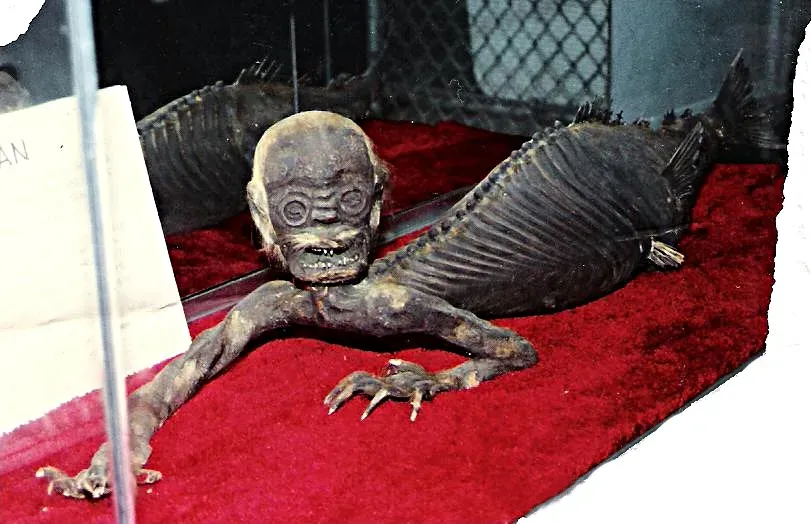
In 1842, P.T. Barnum launched a publicity stunt, convincing New York newspapers to publish “exclusive” stories about a mysterious mermaid discovered near the Fiji Islands. Barnum had leased the object for $12.50 a week, and papers ran breathless stories on the “amazing, mummified mermaid” from the little-known islands.
The papers and the public bought the deception completely. The specimen was actually the upper body of a monkey sewn onto the lower half of a fish, likely made from an orangutan and a salmon. Barnum insisted his “Fiji Mermaid” was genuine well into old age, before finally admitting the truth, a confession that came decades after the public had already accepted the object as a genuine marvel of the natural world.
#2 – The Feathered Dinosaur That National Geographic Rushed to Print
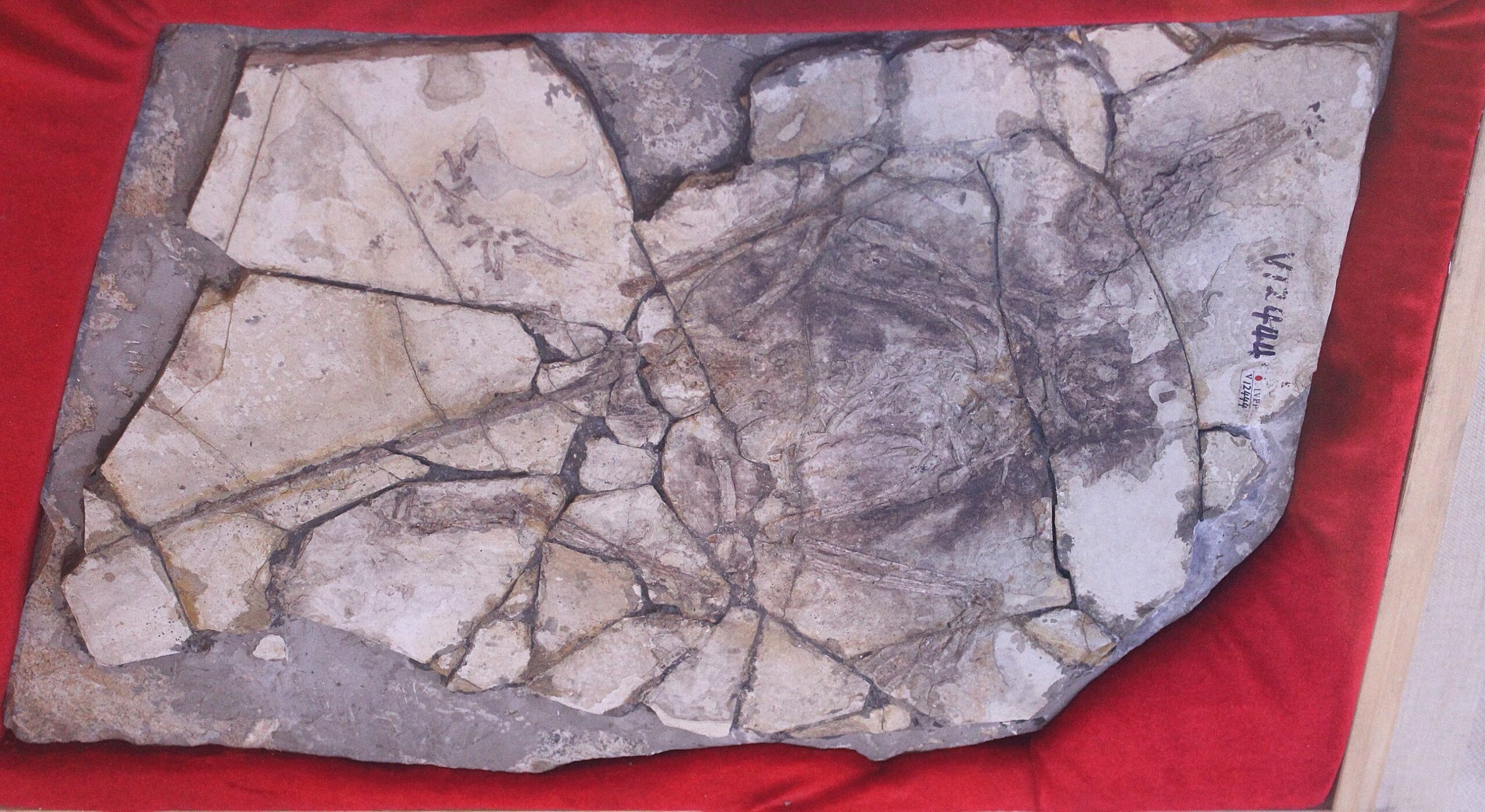
When it was unveiled by the National Geographic Society in October 1999, Archaeoraptor was hailed as a missing link between birds and dinosaurs, reportedly recovered from a site in China’s Liaoning province. The organization built a press conference, a magazine feature, and even a life-size sculpture around the specimen before independent researchers got a real look at it.
National Geographic had been warned ahead of time that the fossil was probably a hoax, in a letter from Storrs Olson, curator of birds at the Smithsonian Institution. The fossil turned out to be assembled from multiple unrelated specimens glued together to increase its market value, likely two, and possibly as many as five, separate fossils fused into one. Researchers found the dinosaur tail had no verifiable fit with the rest of the fossil, and shin bones had been glued in with no verifiable association with the surrounding pieces. The rush to announce a “missing link” before independent verification remains a cautionary tale in modern paleontology.
Why It Stands Out
- Unveiled by National Geographic in October 1999 as a missing link between birds and dinosaurs.
- Smithsonian curator Storrs Olson warned the organization beforehand that the fossil was likely fraudulent.
- The specimen was later found to be fused from two to as many as five separate fossils.
- It remains a widely cited cautionary tale about rushing a headline ahead of peer review.
#1 – The Missing Link That Fooled Science for Forty-One Years
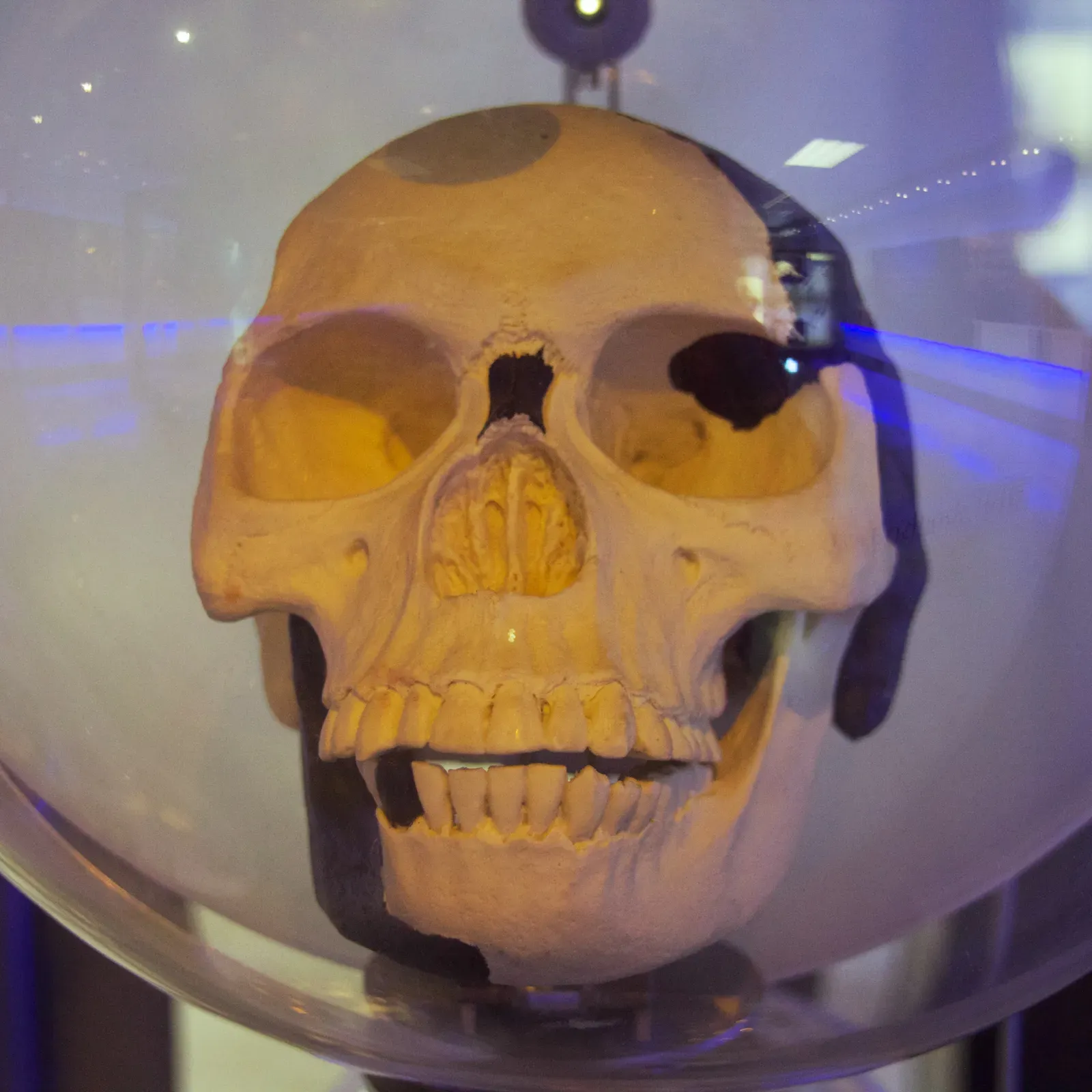
In 1912, Charles Dawson, an amateur archaeologist, claimed to have discovered the “missing link” between ape and man: part of a human-like skull pulled from Pleistocene gravel beds near Piltdown village in Sussex, England. Arthur Smith Woodward reconstructed the fragments and hypothesized they belonged to a human ancestor from 500,000 years ago, naming the find Eoanthropus dawsoni.
The discovery shaped the entire direction of paleoanthropology for four decades, with major textbooks and museum exhibits built around it as established fact. It took 41 years, and a brand-new chemical dating technique, to finally prove it was fake, revealing an altered orangutan mandible and teeth deliberately combined with the cranium of a fully developed modern human. Scratches visible under the microscope showed the teeth had been filed down to look human, and most of the finds had been artificially stained to match the local gravels. No single hoax in scientific history has ever fooled the establishment for longer, or with more consequences for the field it corrupted.
The Bottom Line
Every entry on this list shares the same uncomfortable lesson: expertise doesn’t automatically protect against fraud, verification does. Piltdown Man survived 41 years not because scientists were foolish, but because nobody applied a chemical test until 1953. Archaeoraptor made it to a National Geographic press conference despite a direct warning from a Smithsonian curator.
The pattern holds across three centuries: ambition and hunger for a headline discovery routinely beat basic scrutiny, whether the fooled party was a 16th-century naturalist staring at a stitched-up ray or a modern research institution staring at a glued-together fossil. The animals themselves were never the deception, the willingness to skip verification was.
Which of these hoaxes surprised you most, and do you think a fake like Piltdown Man could ever slip past modern science again? Drop your take in the comments.