
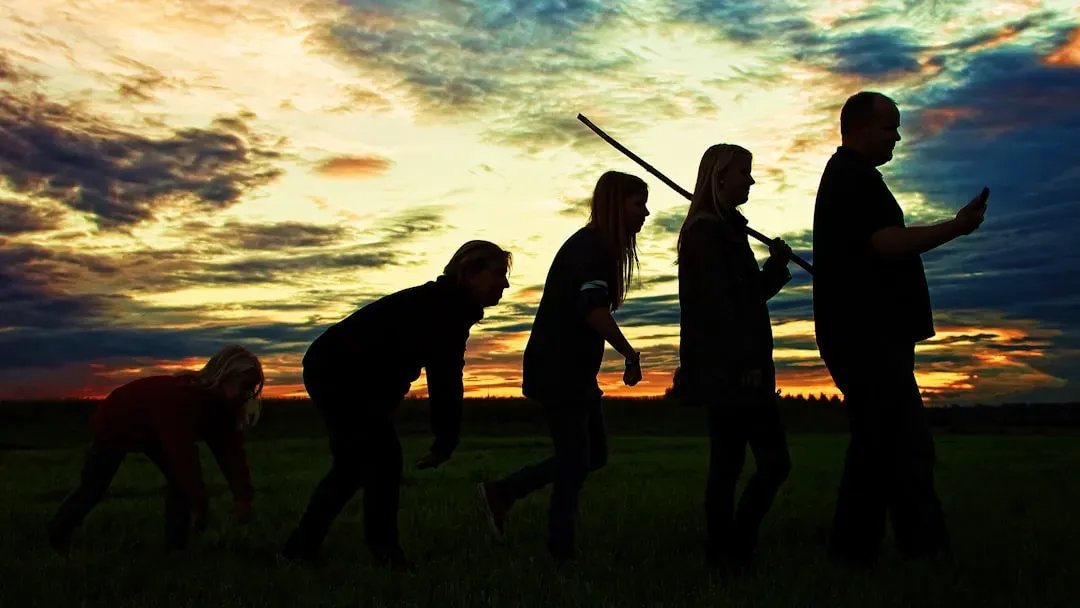
Most of us are still carrying around the same mental cartoon from a middle-school textbook: an ape-like creature slowly straightens its back, sheds some hair, and turns into a business-casual Homo sapiens standing at the finish line. That cartoon isn’t just oversimplified – it’s flatly wrong, and has been for years. Ancient DNA pulled from fossil teeth, redated skulls, and buried cave floors has quietly rewritten who we are, where we actually came from, and who else was walking the planet right alongside us.
Some of what follows sounds more like science fiction than science: ghost species with zero fossils, “extinct” cousins who never really went extinct, and a family tree that looks less like a tree and more like a river delta with too many tributaries to count. Twenty-three discoveries, all backed by hard data, all quietly demolishing the version most of us were taught in school. Here’s what actually happened.
#23 – The Supervolcano That Almost Wasn’t Our Extinction Event

For decades, the origin story of Homo sapiens included one terrifying near-death scene: the Toba supereruption in Indonesia, roughly 74,000 years ago, blasted so much ash and sulfur into the sky that it may have triggered years of volcanic winter. Textbooks loved this drama – humanity clinging to survival by its fingernails, population crashing to a handful of breeding pairs.
New digs in Africa quietly ruined the storyline. Archaeologists found continuous human occupation running straight through the ash layer, tools and hearths on both sides of the eruption with barely a hiccup in between. Toba was brutal, but it wasn’t an apocalypse – it’s now framed as a survivable climate shock, not a species-ending bottleneck. That single shift is forcing researchers to second-guess every other “humanity nearly died” claim built on shaky timing.
#22 – Your Right Hand Is a Fossil, Just Not the Kind You Dig Up
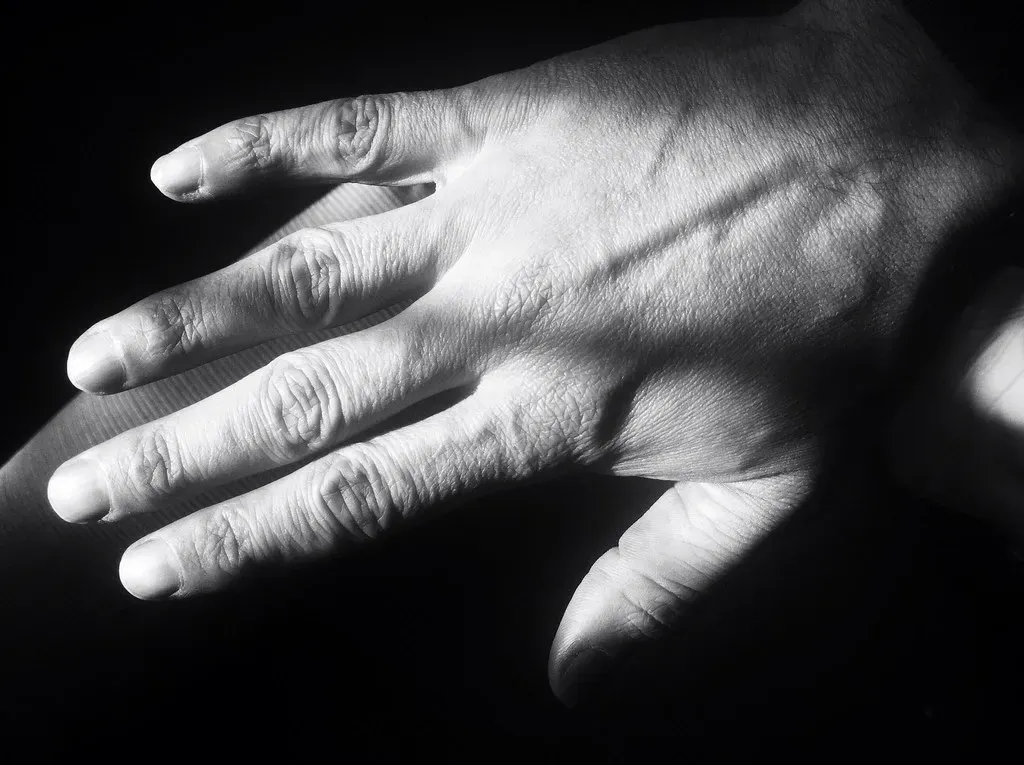
Right-handedness feels like nothing more than genetic luck, filed away with eye color and cowlicks. But scientists now think that overwhelming right-hand bias – found across nearly every human culture ever studied – is actually a fossil of two evolutionary shifts firing at once.
The current theory ties it to walking upright, which freed our hands from locomotion duty, combined with much larger brains rewiring how those free hands got used. Every time you sign a receipt or throw a ball, you’re running software written by ancestors who needed their hands for something other than balance. Anthropologists are now scanning ancient tools and cave art for handedness patterns, using them like a timestamp for when complex brain wiring first showed up in extinct hominins.
#21 – Civilization Didn’t Slow Evolution Down, It Floored the Gas Pedal
There’s a comforting myth that once humans invented farming and started building cities, biological evolution basically clocked out for good. Softer lives, safer environments, no more survival pressure – right?
Wrong. A study scanning nearly 16,000 ancient human genomes across roughly 18,000 years found hundreds of genetic shifts across Europe’s population in a surprisingly short window. Genes tied to walking pace, tuberculosis resistance, lower body fat, and even traits correlated with income and years of schooling became measurably more common. The last 10,000 years may turn out to be the fastest stretch of human evolution on record, not evolution’s retirement party.
#20 – The Jungle Wasn’t the Death Trap Textbooks Claimed
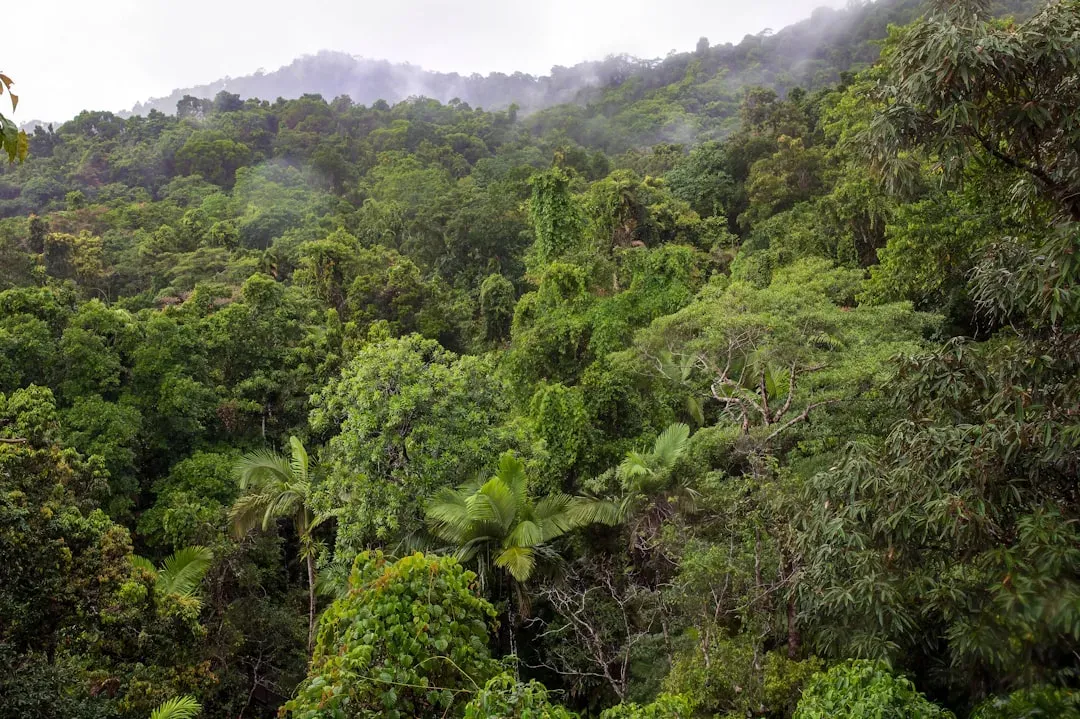
For most of the 20th century, dense rainforest was written off as a no-go zone for early humans – too much disease, too little food, too dangerous to sustain a hunter-gatherer band for more than a season. Open savanna got all the credit; the jungle was just scenery nobody actually lived in.
A discovery in West Africa quietly buried that assumption. Evidence now shows people successfully living inside tropical forest environments far earlier than anyone thought possible, thriving rather than merely surviving. If jungles were never the barrier we assumed, the entire map of where early humans could and did settle just got a lot bigger.
#19 – The Oldest Tools on Earth Weren’t Made by “Humans”
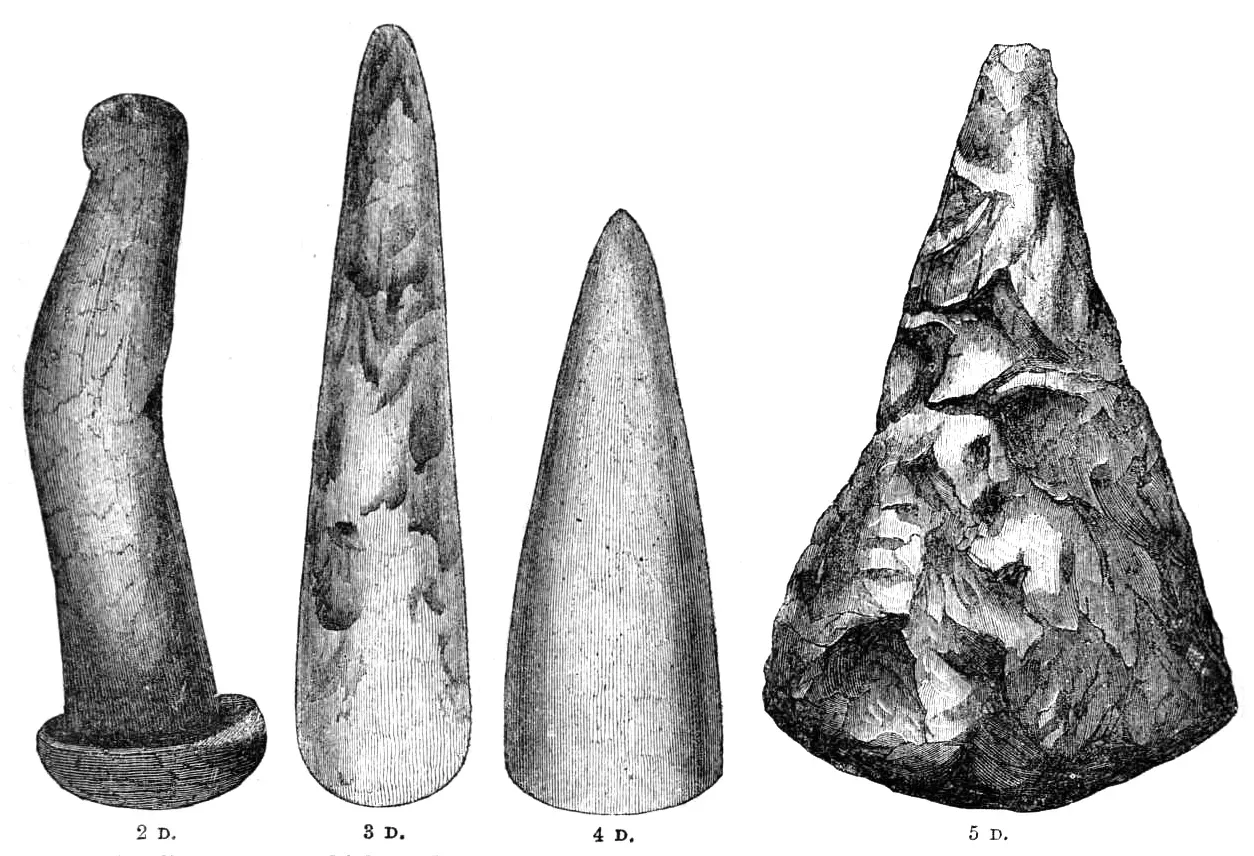
Ask most people when tool-making began and they’ll say it started with our genus, Homo – smart-brained, upright, basically us. Stone tools found at Lomekwi in Kenya torched that assumption completely.
Those tools date back roughly 3.3 million years, hundreds of thousands of years before the earliest known Homo fossils. That means whoever chipped them into shape wasn’t human in any traditional sense – more likely an australopithecine, the same broad group that produced the famous fossil Lucy. Tool use, it turns out, is a far older and far more widespread hominin habit than the tidy “clever human invents technology” story ever allowed.
Fast Facts
- The Lomekwi 3 stone tools were unearthed in Kenya’s Turkana Basin and announced to the world in 2015.
- They date to roughly 3.3 million years ago – long before our own genus existed.
- The earliest confirmed Homo fossils are around 2.8 million years old.
- That leaves a gap of nearly half a million years between the tools and the first known toolmaker “Homo.”
#18 – Homo Erectus Didn’t Die Out On Schedule
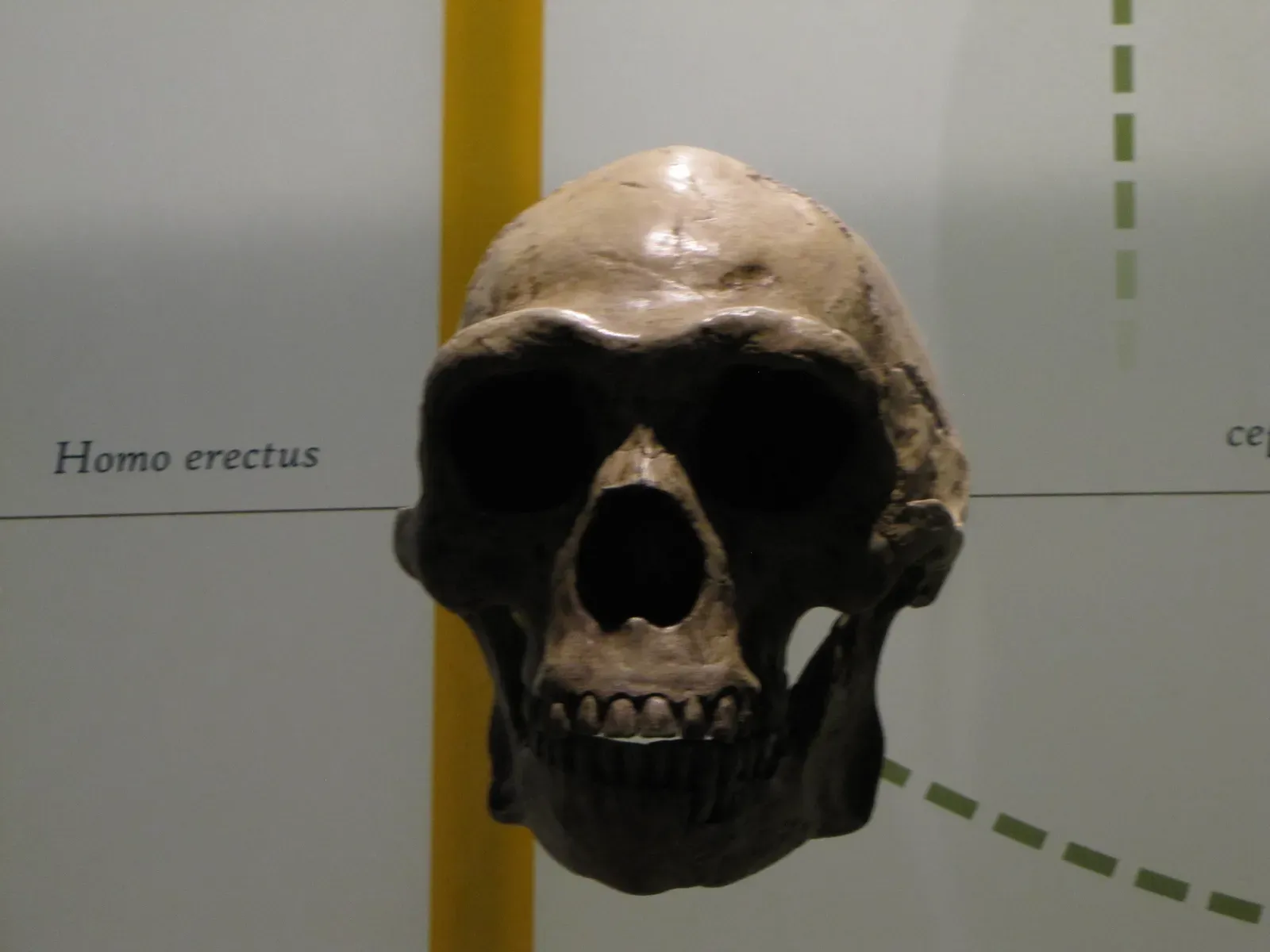
Homo erectus gets treated in most timelines like a background character who politely exits the stage before the main cast arrives. Quietly extinct, tidy handoff, next species please.
Fossil sites in Java tell a messier story. The last known Homo erectus populations there survived shockingly close to when Homo sapiens were already spreading across Asia, meaning two very different human species may have shared the same landscapes far longer than previously believed. Did erectus simply fade out, or was it displaced through direct competition? Either way, the “clean handoff” model of human succession looks like wishful simplification.
#17 – Neanderthals Were Self-Medicating, Not Just Hunting Mammoths
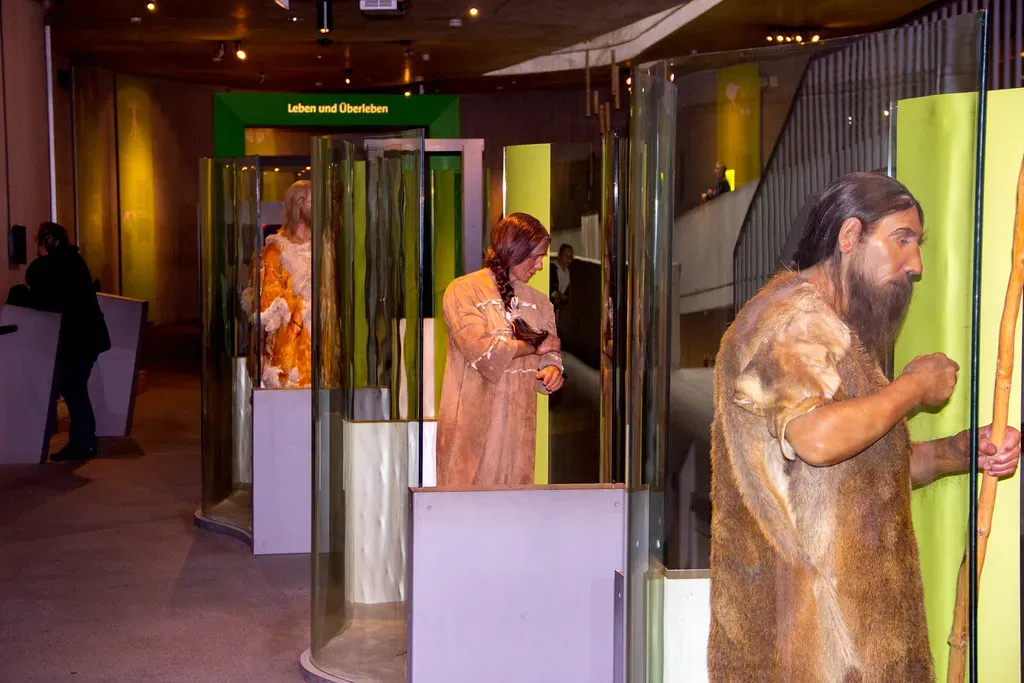
The cartoon Neanderthal is a grunting carnivore hunched over a mammoth carcass, meat-obsessed and mentally simple. Dental calculus – hardened plaque scraped straight off ancient Neanderthal teeth – tells a very different story.
Researchers found starch granules, cooked plant residue, and traces of bitter medicinal plants like chamomile and yarrow embedded in that plaque. Chamomile and yarrow have zero nutritional value; they only make sense as deliberate self-medication. That means Neanderthals were treating illness on purpose, undercutting decades of assumptions that they were purely opportunistic eaters with no real grasp of their environment.
#16 – Neanderthals Probably Had the Hardware to Talk
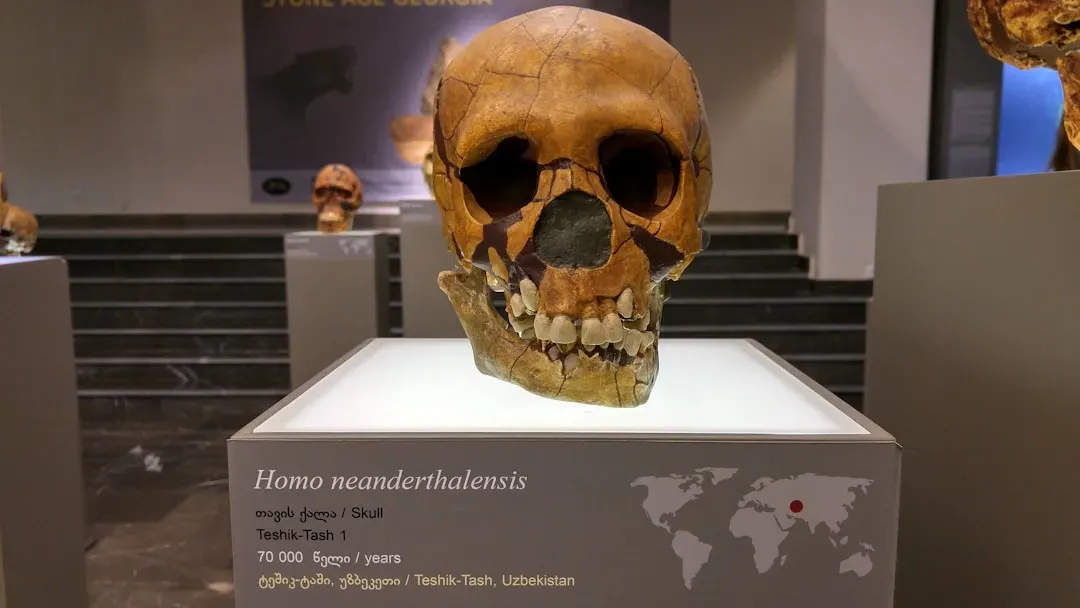
Most people still picture Neanderthal communication as a series of grunts and gestures, nothing you’d call language. Genetics and anatomy are quietly dismantling that picture.
Neanderthal fossils carry a hyoid bone – the small structure that supports the vocal tract – nearly identical in shape to ours, and they also carried the same version of FOXP2, a gene tied directly to language processing in modern humans. That combination strongly suggests Neanderthals had the physical hardware for complex speech, not isolated grunts. It doesn’t prove full language, but it obliterates the mute-caveman cartoon for good.
#15 – Neanderthals May Have Painted the First Cave Art, Not Us
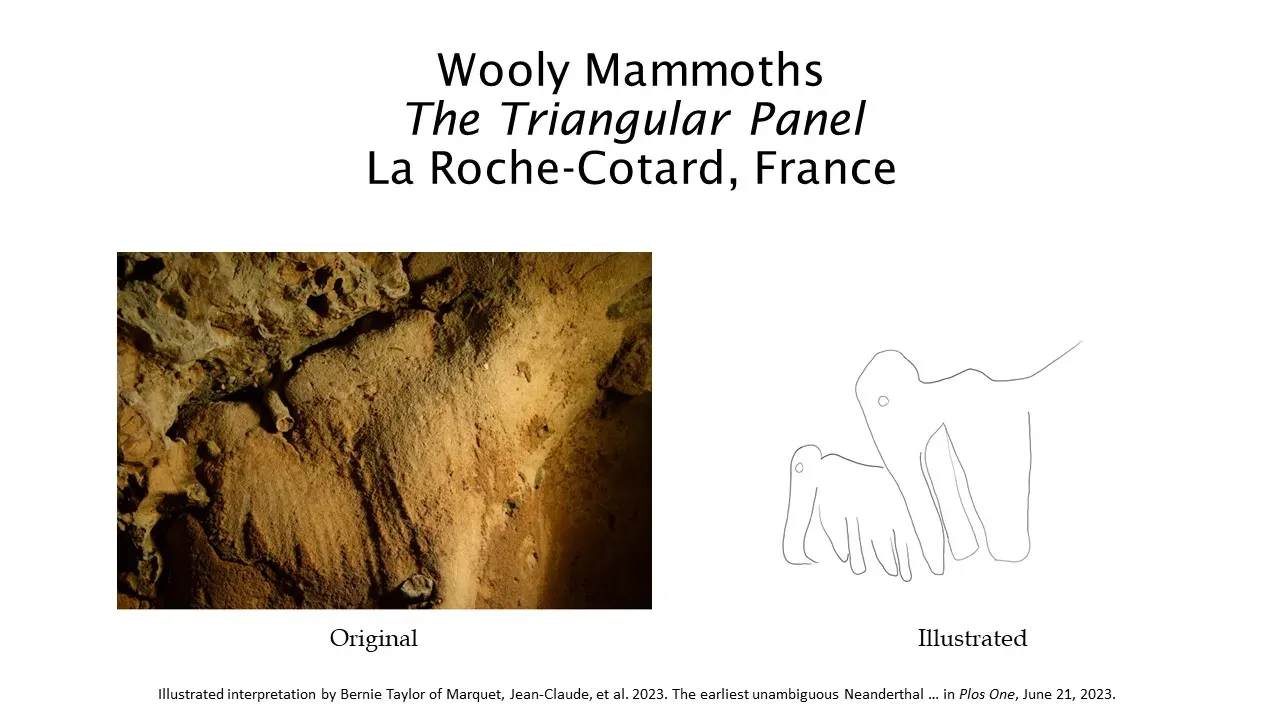
Symbolic art gets taught as one of humanity’s crowning, exclusive achievements – something Homo sapiens invented and nobody else came close to. Uranium-thorium dating just wrecked that claim.
Mineral crusts covering red ochre paintings in Spanish caves like La Pasiega came back older than the earliest confirmed arrival of modern humans in that region. That timing means Neanderthals – not us – may have been the original artists behind some of Europe’s oldest known cave markings. The line between “human” and “not quite human” keeps getting blurrier with every new dating result.
#14 – The “Hobbit” Species Survived Almost Into Living Memory
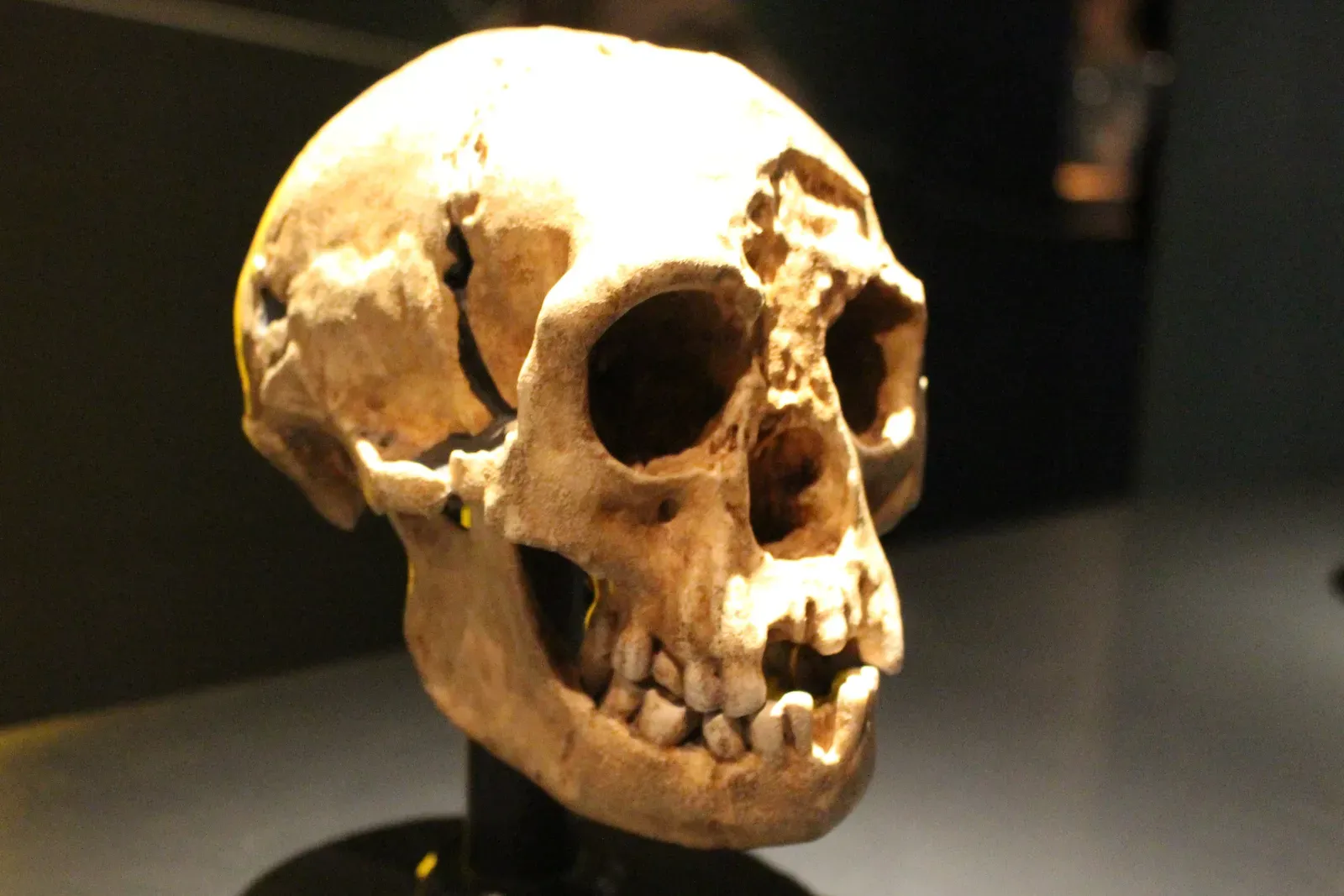
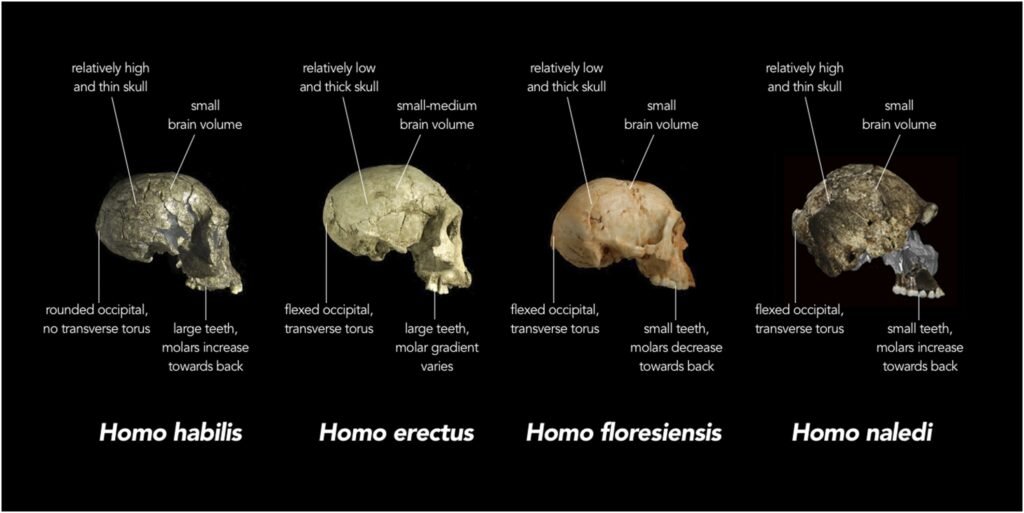
Most people assume tiny, primitive-looking hominins died out long before modern humans ever existed. Homo floresiensis – nicknamed “the hobbit” after its discovery on the Indonesian island of Flores – ruins that timeline completely.
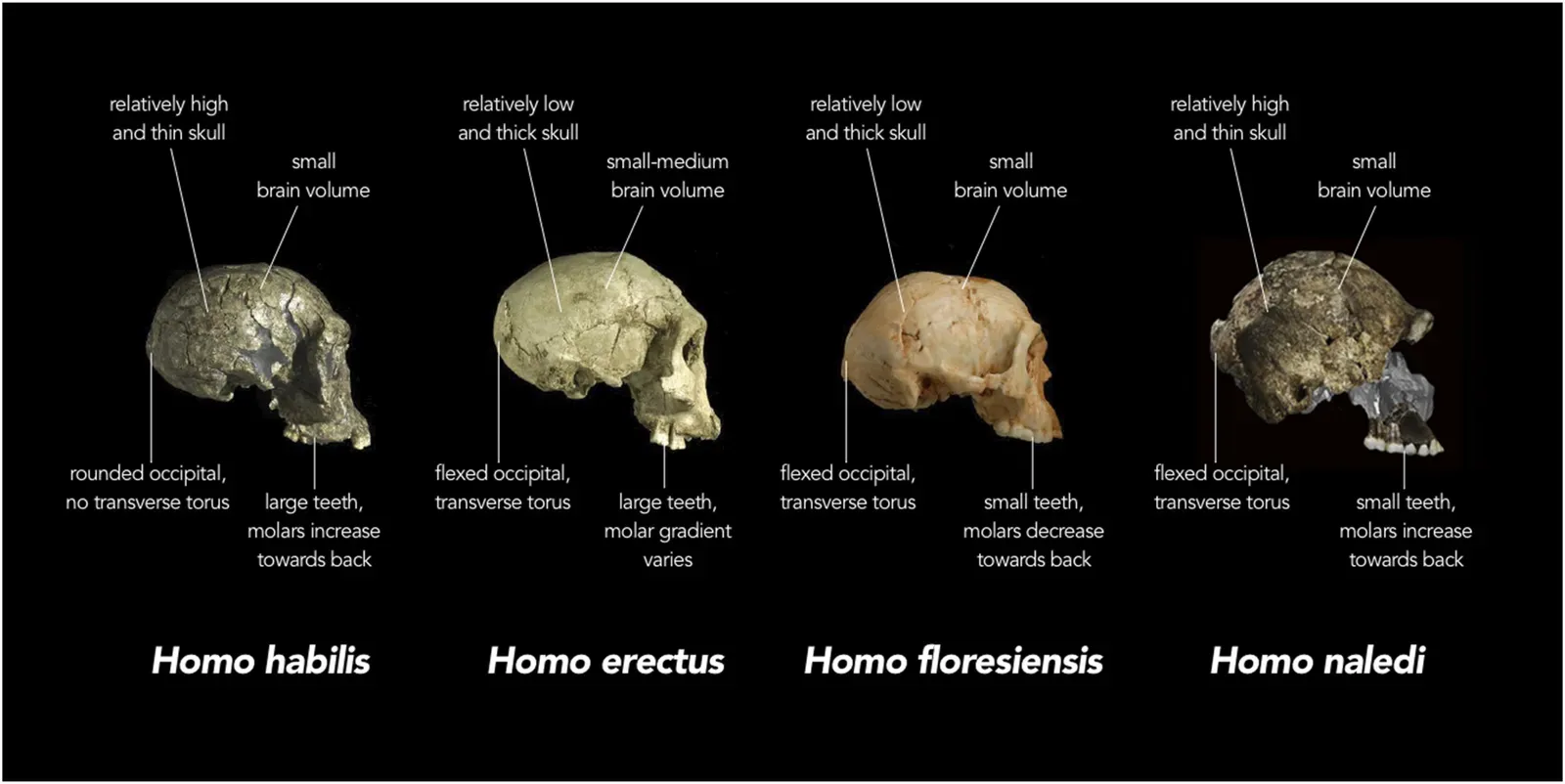
Standing about three feet tall with a brain roughly the size of a chimpanzee’s, this species survived on its isolated island until shockingly late, overlapping with early modern humans spreading through Southeast Asia. Its closest behavioral comparison is Homo naledi, another small-brained hominin that broke every assumption tying brain size to survival – proof that small-brained human relatives stuck around far longer than the old model ever predicted.
#13 – “Ghost” Human Species Nobody Has Ever Found a Bone For
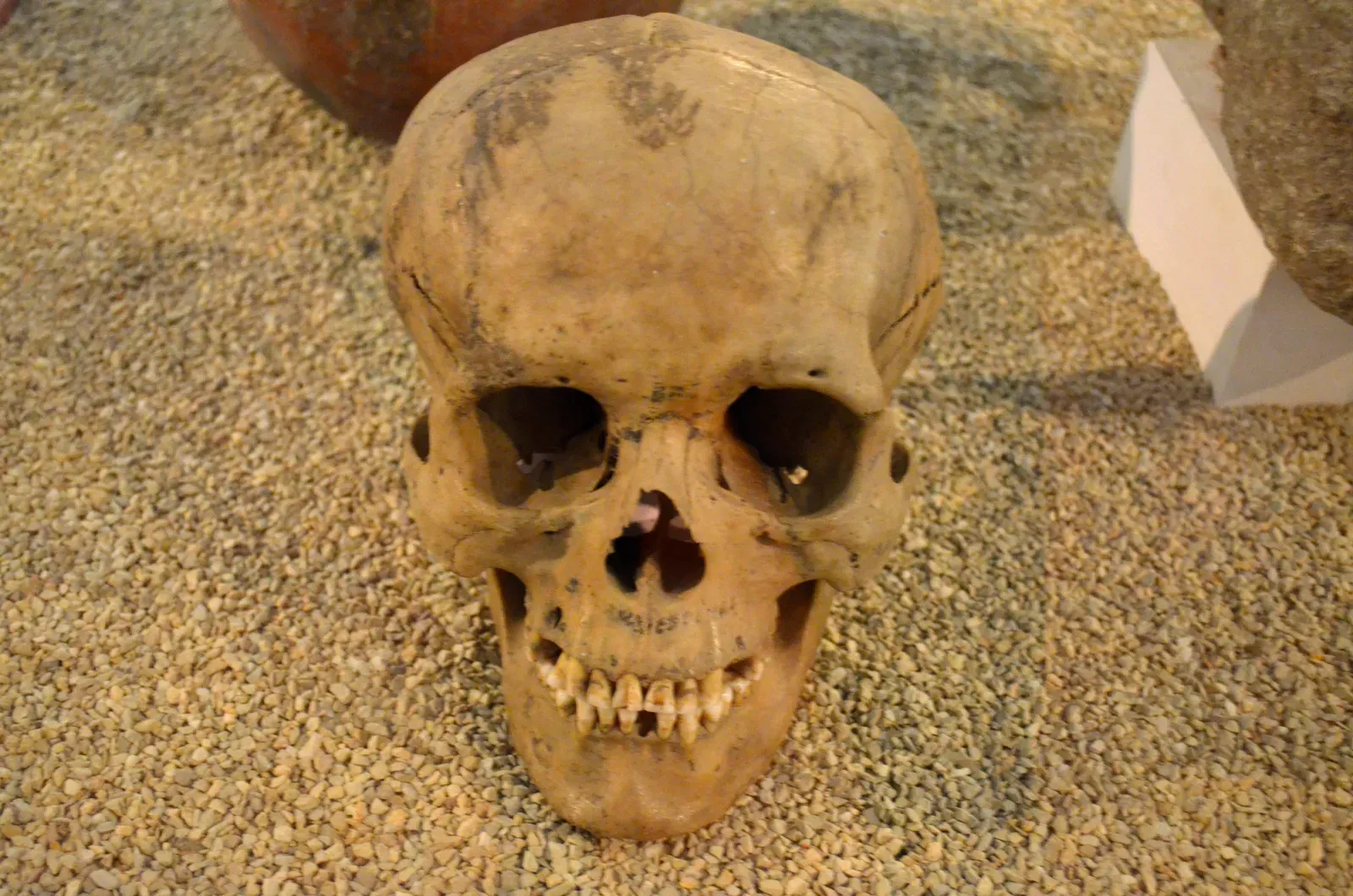
Most people assume every extinct human relative left behind at least a tooth or a scrap of bone somewhere. Population geneticists studying African genomes just proved that assumption wrong.
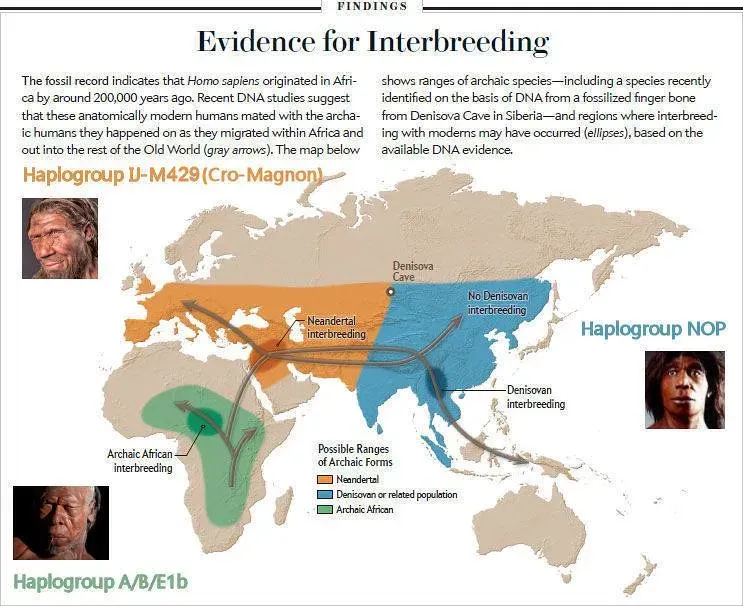
They detected DNA signatures from at least one, possibly several, extinct archaic human populations that interbred with the ancestors of modern Africans – species science has zero fossils for. These “ghost lineages” exist only as statistical shadows buried inside living people’s genomes, found through math, not shovels. It’s a genuinely unsettling reminder that the fossil record is nowhere near complete, and probably never will be.
#12 – Humans Left Africa More Than Once, and Most Attempts Failed
The textbook version is clean and simple: modern humans left Africa in one single wave around 60,000 years ago and spread across the globe. Newer fossil and genetic evidence has dismantled that clean story completely.
A Penn-led research team found that an ancient lineage of modern humans migrated into Eurasia over 250,000 years ago – tens of thousands of years before the “main” exodus most textbooks still teach – and interbred with Neanderthals along the way. That population eventually died out as a distinct group, absorbed into a Neanderthal-dominant population rather than replacing anyone. An entire early wave of modern humans vanished, not through extinction, but through merger.
#11 – Human Footprints in New Mexico Rewrote the Peopling of the Americas
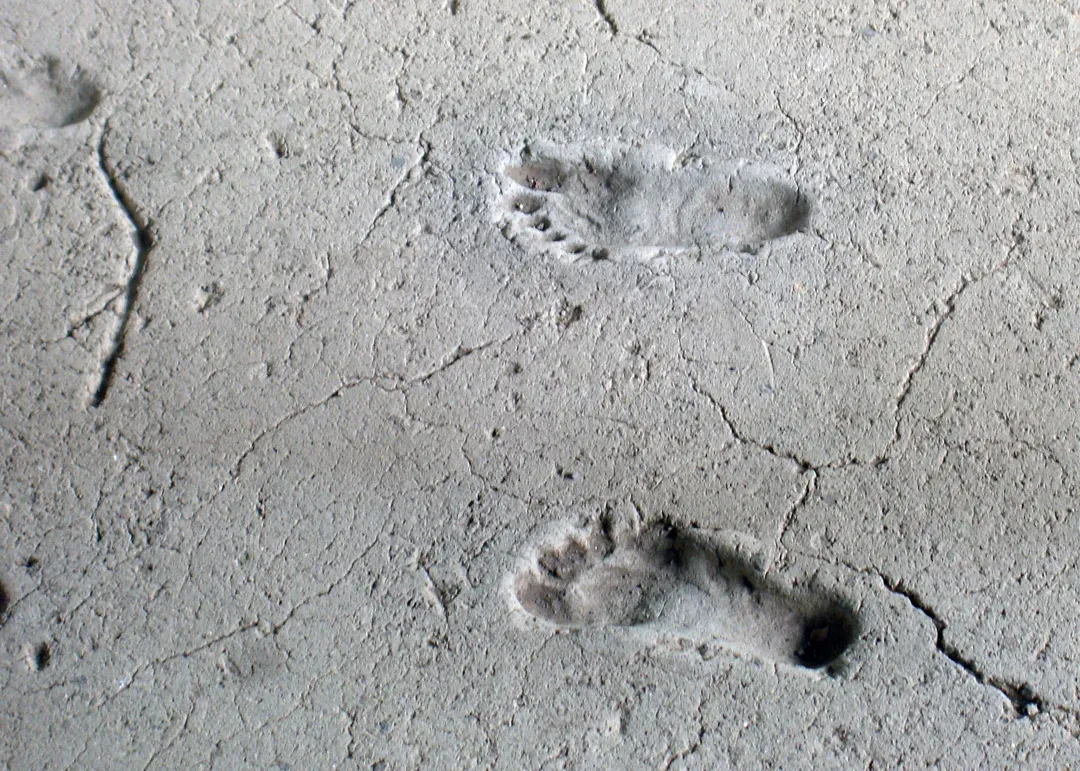
For decades, the rule in American archaeology was practically ironclad: no humans in the Americas before roughly 13,000 years ago, full stop. Fossilized footprints preserved in ancient lakebed sediment at White Sands, New Mexico, ended that rule overnight.
Radiocarbon dating on seeds embedded in the same sediment layers placed human presence in North America between roughly 21,000 and 23,000 years ago – thousands of years before the ice-free corridor that “Clovis first” theory required even existed. That single discovery didn’t just tweak a date; it broke the framework anthropologists used to explain how people reached the Western Hemisphere. Any textbook still calling Clovis hunters “the first Americans” is teaching a model archaeology has already moved past.
Quick Compare
- Old model: Clovis-first – no humans in the Americas before about 13,000 years ago.
- New evidence: White Sands footprints date to roughly 21,000-23,000 years ago.
- Old model: Required an ice-free corridor that hadn’t even opened yet.
- New evidence: Places people in North America thousands of years before that corridor existed.
#10 – Humanity Didn’t Have One Birthplace, It Had a Continent
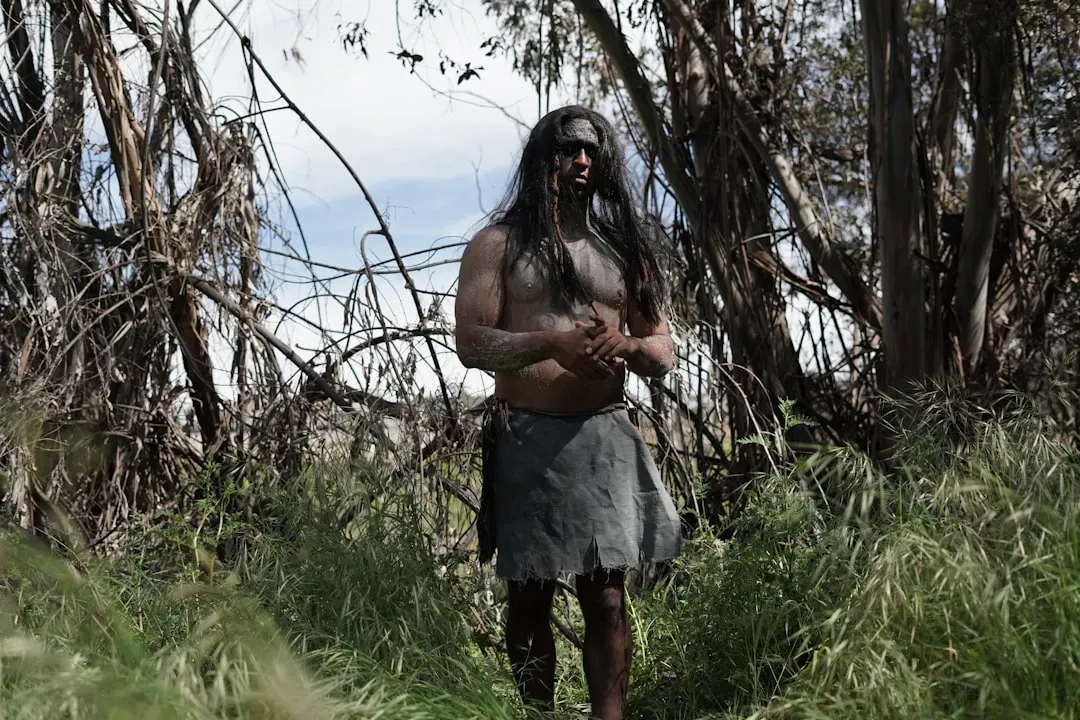
Most people picture a single “cradle of humankind” – usually East Africa – where Homo sapiens first appeared like a light switching on. That tidy, single-location origin story has completely collapsed.
“It allows us to envision a more complex picture for the emergence of our species… we would support that notion that around 300,000 years ago very early forms of Homo sapiens were already dispersed all over Africa.”
Jean-Jacques Hublin
The emergence of our species and the Middle Stone Age appear to be close in time, and researchers now think the data point to a larger-scale, pan-African origin rather than a single cradle. “Where did humans come from” doesn’t have a pin-on-the-map answer anymore – it has a continent-wide one.
#9 – Our Species Is 100,000 Years Older Than We Were Taught
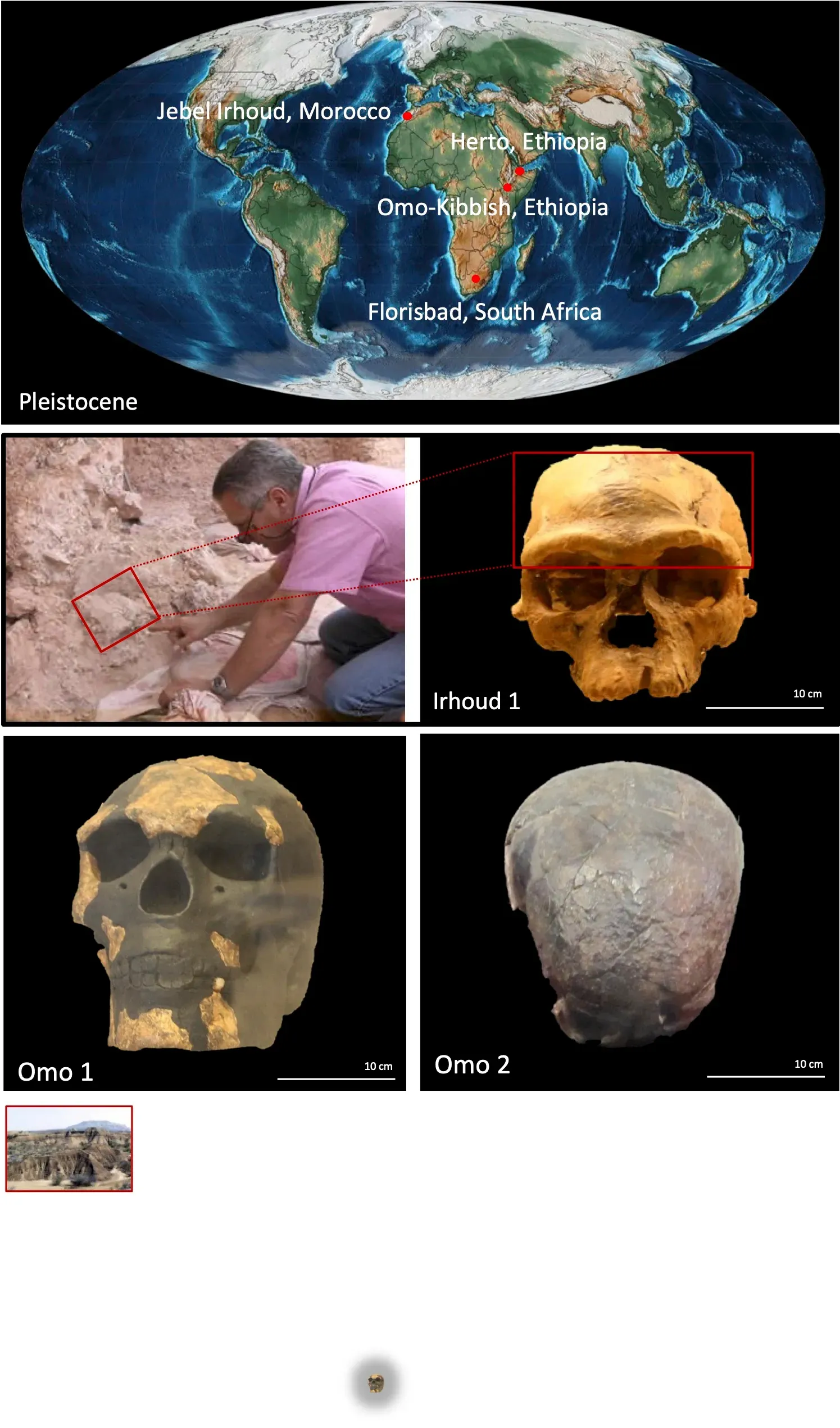
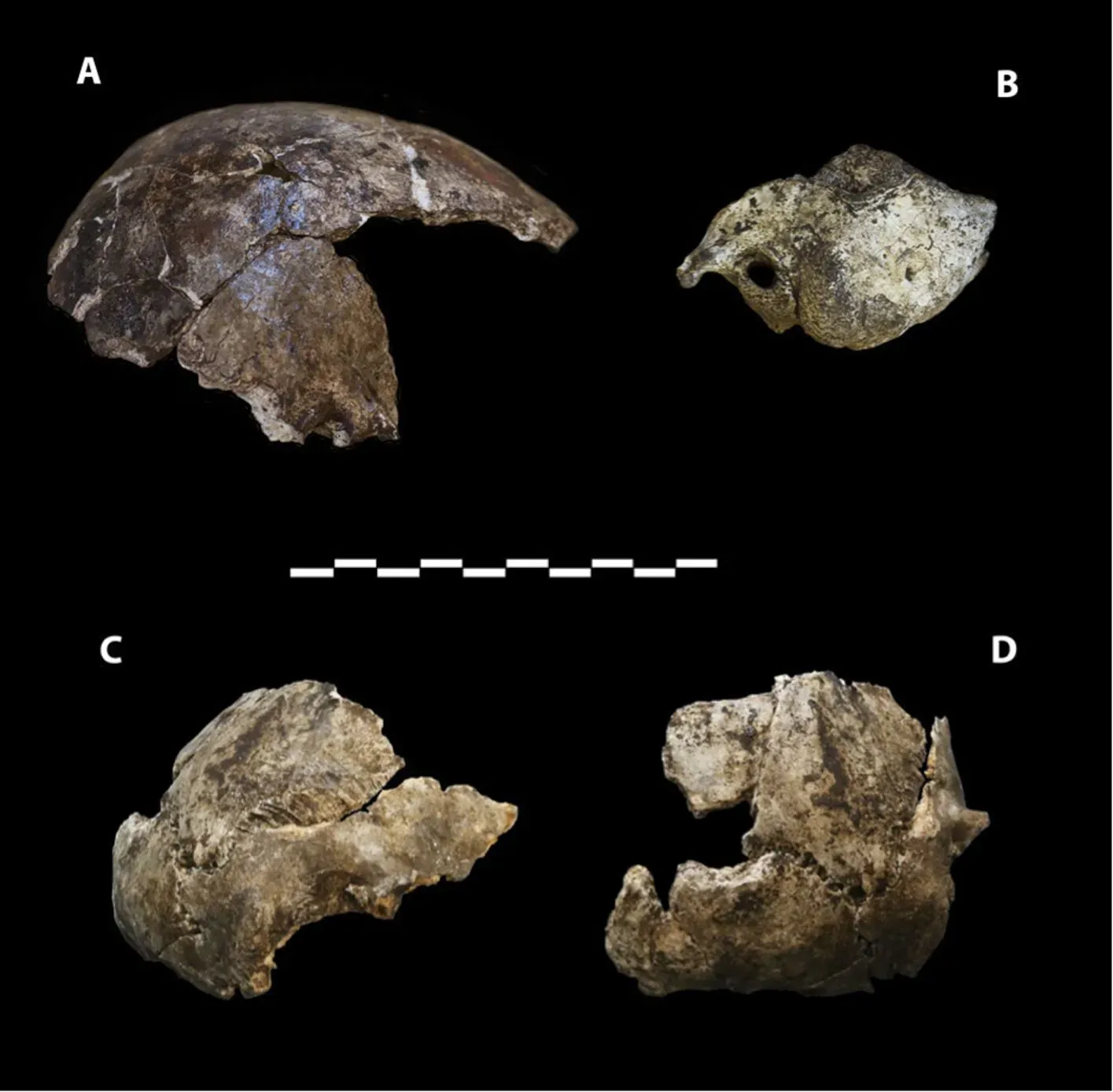
Most people learned that Homo sapiens first showed up around 195,000 years ago in East Africa, treated as settled science for decades. A redated skull and freshly excavated fossils from Jebel Irhoud, Morocco, shattered that number completely.
Researchers redated a long-overlooked skull from the site to a startling 300,000 years old, alongside new fossils and stone tools that make it the oldest well-dated evidence of Homo sapiens on record. Paleoanthropologist John Fleagle called it “a time and a half older than anything else put forward as H. sapiens.” Precision dating later refined the site’s Middle Stone Age layer to a weighted average of 315,000 (plus or minus 34,000) years, with a tooth from the same layer independently dated to roughly 286,000 years. An entire century of “195,000 years ago” textbook language became obsolete overnight.
#8 – A Brain the Size of an Orange May Have Buried Its Dead
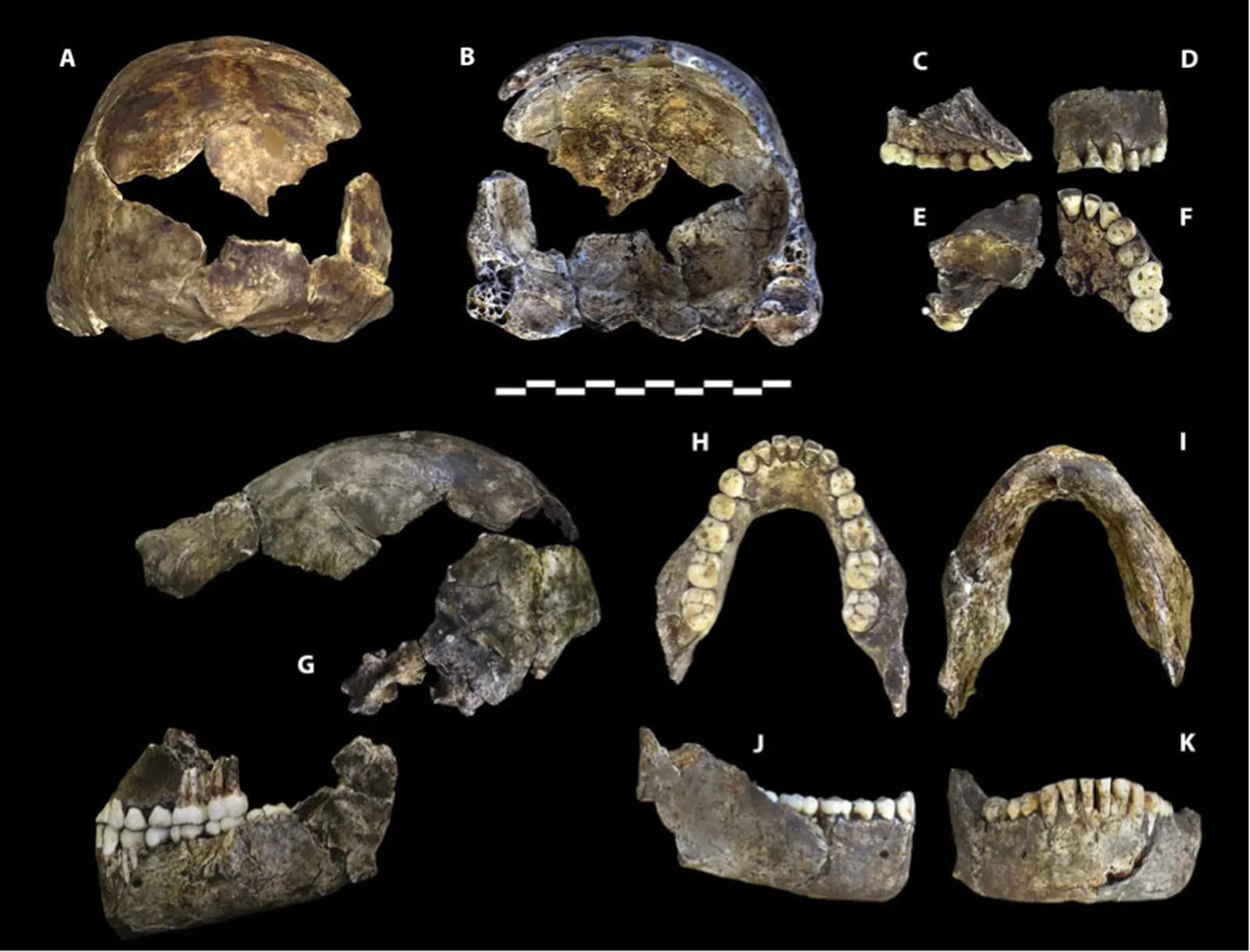
Complex funeral rites feel like they should require a big, modern-style brain – deliberate planning, symbolic thinking, real grief. Homo naledi, a small-brained hominin discovered deep in South Africa’s Rising Star cave system, blew that assumption apart.
Researchers announced that Homo naledi appeared to have used fire to light its way through the cave system specifically to bury its dead, marking graves with artwork on the cave walls. Earlier finds had already suggested the species could make and control fire, based on charcoal and burn residue found deep underground. A species with a brain roughly a third the size of ours may have practiced ritual burial and symbolic art – though not every researcher agrees the evidence is conclusive, and the claim remains hotly debated.
#7 – Two Wildly Different Human Species Shared the Same African Ground
Most people assume that at any given moment, only one type of “human” occupied a region. The fossil record doesn’t survive contact with that assumption anymore.
Jebel Irhoud’s dates overlap directly with the dates now assigned to Homo naledi, meaning at least two dramatically different hominin species occupied Africa at the same time. One had a modern-looking face; the other had a skull described as “anatomically bizarre,” with a brain size closer to early australopithecines. Hublin’s team suggests the modern traits we associate with sapiens didn’t arrive as a single package – they showed up piecemeal, in a “mosaic evolution” that Neanderthals seem to have gone through too.
#6 – An Entire Human Species Was Named Without a Single Skull
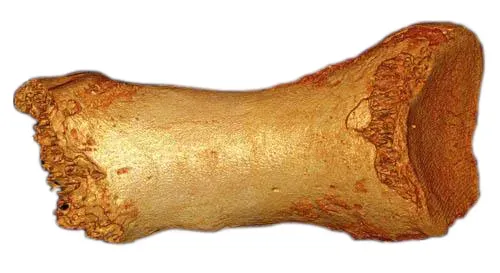
Most people assume you need at least a jawbone to name a brand-new human species. Denisovans broke that rule entirely.
A 2010 excavation in the East Gallery of Denisova Cave in Siberia’s Altai Mountains identified an ancient hominin species through DNA alone – a group that interbred with both us and Neanderthals. The physical evidence amounted to a finger bone fragment and a handful of teeth, nowhere near enough to build a facial reconstruction, but plenty of genetic material to prove a distinct human lineage existed. Scientists still don’t know what Denisovans looked like – they know more about their genome than their face, a complete inversion of how new species were traditionally identified.
At a Glance
- Discovered in 2010 inside Denisova Cave in Siberia’s Altai Mountains.
- Identified from a single finger bone fragment and a small number of teeth.
- Named for the cave itself, not for any facial reconstruction.
- Interbred with both Neanderthals and the ancestors of modern humans.
#5 – A Species Known Only From a Pinky Bone Still Lives in Tibetan Lungs
Most people have never heard of Denisovans, let alone realize their genes are still doing active work inside living humans today. Modern Tibetan populations carry a Denisovan-derived gene variant called EPAS1 that helps their bodies handle low-oxygen environments at extreme high altitude far more efficiently than populations without it.
A species known mostly from a pinky bone handed living humans one of their most useful survival adaptations, quietly inherited through interbreeding tens of thousands of years ago. Neanderthals contributed more DNA to East Asians than to Europeans, and Denisovan ancestry shows a similarly uneven, region-specific pattern across living populations today – clear proof archaic interbreeding directly shaped who can survive where on the planet.
#4 – Neanderthal Mating Happened in Waves, Not a One-Night Fling
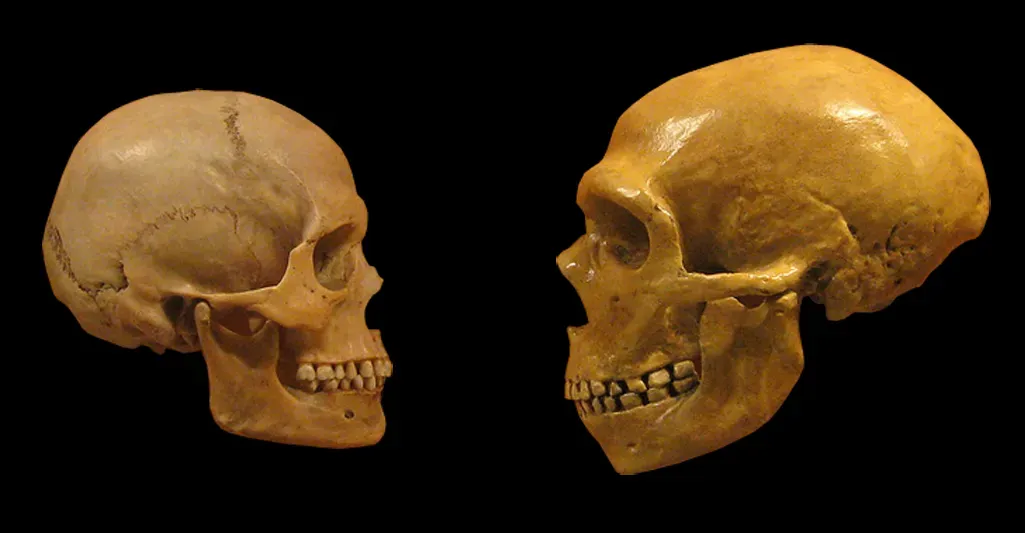
Most people picture one brief, awkward encounter between our species and Neanderthals somewhere in the Middle East, a quick genetic footnote before we went our separate ways. That single-event story is dead.
Researchers identified a first wave of contact roughly 200,000 to 250,000 years ago, a second wave 100,000 to 120,000 years ago, and the largest wave around 50,000 to 60,000 years ago. Modern humans and Neanderthals didn’t just cross paths once; they repeatedly interbred, swapped genes, and merged populations over nearly a quarter-million years. That’s not a fling – that’s an on-and-off relationship between two supposedly “separate species” that outlasted most species’ entire existence.
#3 – Neanderthals Were Carrying Our DNA First
Almost all research on human-Neanderthal mating asked one question: what did Neanderthal DNA do to us? Turns out that’s only half the story.
Geneticists Li and Akey flipped the usual approach, searching for modern-human DNA inside Neanderthal genomes instead of the other way around. A study published in Current Biology found that Neanderthals were already carrying human DNA from an encounter roughly 250,000 years before the “famous” interbreeding event most people learn about in school. That flips the entire narrative from “what Neanderthals gave us” into an equally important question: what did we give them, and how long before anyone realized they’d even met?
#2 – Neanderthals Never Actually Went Extinct
Most of us were taught the same clean ending: Neanderthals died out, replaced and outcompeted by smarter, more adaptable modern humans. The genetic data tells a much stranger story.
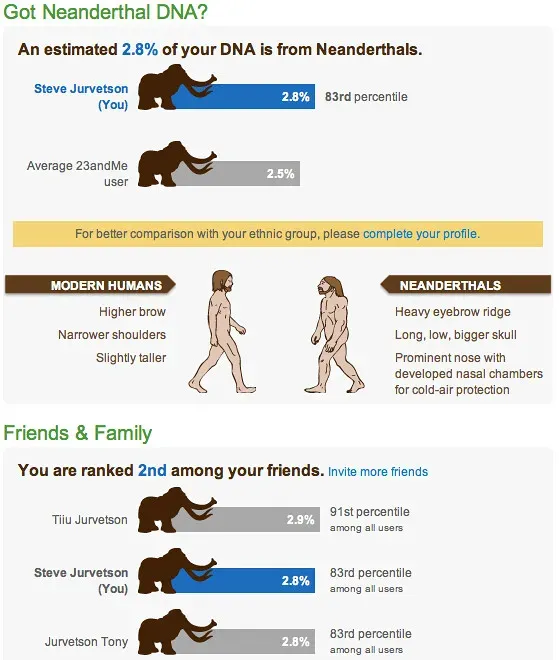
Repeated interbreeding over hundreds of thousands of years means Neanderthals were absorbed rather than eliminated, their legacy still living inside modern human DNA today. Neanderthal ancestry makes up 1 to 4 percent of the genome in Eurasian populations right now, and Svante Pääbo’s pioneering genome work on this exact question earned him the 2022 Nobel Prize for Physiology or Medicine. Extinction, in the traditional sense, may simply be the wrong word for what actually happened to them.
Worth Knowing
- Neanderthal DNA makes up roughly 1 to 4 percent of the genome in Eurasian populations.
- East Asian populations tend to carry more Neanderthal ancestry than European populations.
- Svante Pääbo won the 2022 Nobel Prize in Physiology or Medicine for sequencing the Neanderthal genome.
#1 – The Human Family Tree Isn’t a Tree at All
Most people still picture human evolution as a single branching tree, one trunk leading straight up to us like it was inevitable. That image needs to be thrown out completely.
What twenty years of ancient DNA research actually shows is a tangled, braided network of overlapping populations – sapiens, Neanderthals, Denisovans, naledi, erectus, and unnamed ghost lineages – mating, splitting, and re-merging across hundreds of thousands of years and multiple continents. Modern humans aren’t the surviving endpoint of a clean lineage; we’re a genetic mosaic stitched together from populations once considered entirely separate species. Every “first” and “only” claim in the old textbook – first tool-user, only symbolic artist, only species with language – has been quietly walked back or erased outright as more genomes get sequenced. The ladder is gone. What’s left is a river with too many tributaries to count.
The Bottom Line
Twenty years of ancient DNA and redated fossils didn’t just add footnotes to the human origin story – they gutted the entire framework. Our species is 100,000 years older than 1990s textbooks claimed, evolved across an entire continent instead of one cradle, and spent a quarter-million years repeatedly interbreeding with “extinct” species that were never actually replaced, only absorbed.
Small-brained cousins may have buried their dead by firelight. Neanderthals may have painted cave walls before we ever set foot in Europe. None of that fits neatly on a ladder, and honestly, it never should have been forced onto one in the first place.
Anyone still teaching the single-species, single-cradle version of human evolution isn’t simplifying the science – they’re teaching something science quietly abandoned years ago. That’s not a minor oversight. It’s a disservice to how genuinely strange, tangled, and interesting our origins actually are. Which one of these surprised you the most? Drop it below.