
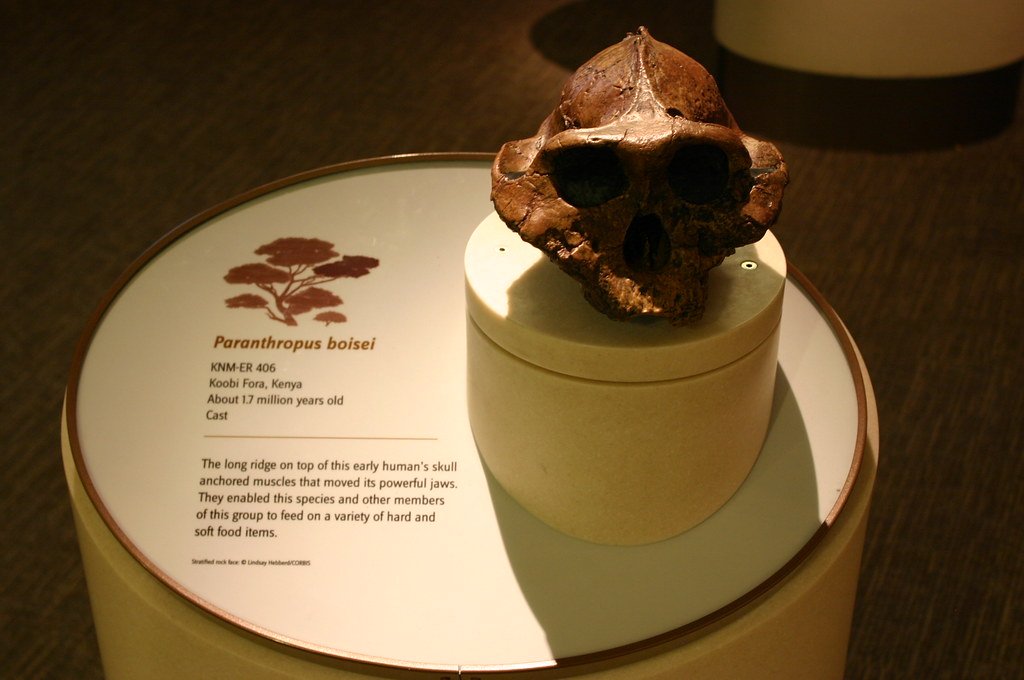
Most of us think the human family tree is finished business, a tidy line of skulls marching from ape to Homo sapiens across a museum hallway. It isn’t. Behind the scenes, paleoanthropologists have spent decades quietly pulling species off branches, folding one supposed ancestor into another, and in a few cases, kicking entire “ancestors” out of the human story altogether.
Some of these swaps are almost embarrassing, like a celebrated “missing link” that turned out to be an ancient orangutan relative in disguise. Others are still exploding in real time, with serious researchers now arguing that our most famous fossil, Lucy, might soon share our own genus name. Here’s the full rundown of 24 ancestors that got quietly moved to somewhere else on the tree, counting down to the reclassification that could rewrite everything.
#24 – Telanthropus: The “Missing Link” That Vanished Into Homo Erectus
Telanthropus capensis was once treated as its own transitional genus, a bridge fossil discovered in South Africa that seemed to sit awkwardly between ape-like australopiths and true humans.
Researchers eventually noticed the jaw and cranial fragments looked less like a unique lineage and more like an early, poorly preserved version of a species already on the books. The entire genus quietly disappeared once specialists agreed the specimens belonged inside Homo erectus, not beside it. Today Telanthropus barely rates a footnote in textbooks, a reminder that “new genus” announcements don’t always survive peer scrutiny. Next up, a legend erased almost overnight.
#23 – Peking Man’s Secret Identity Swap
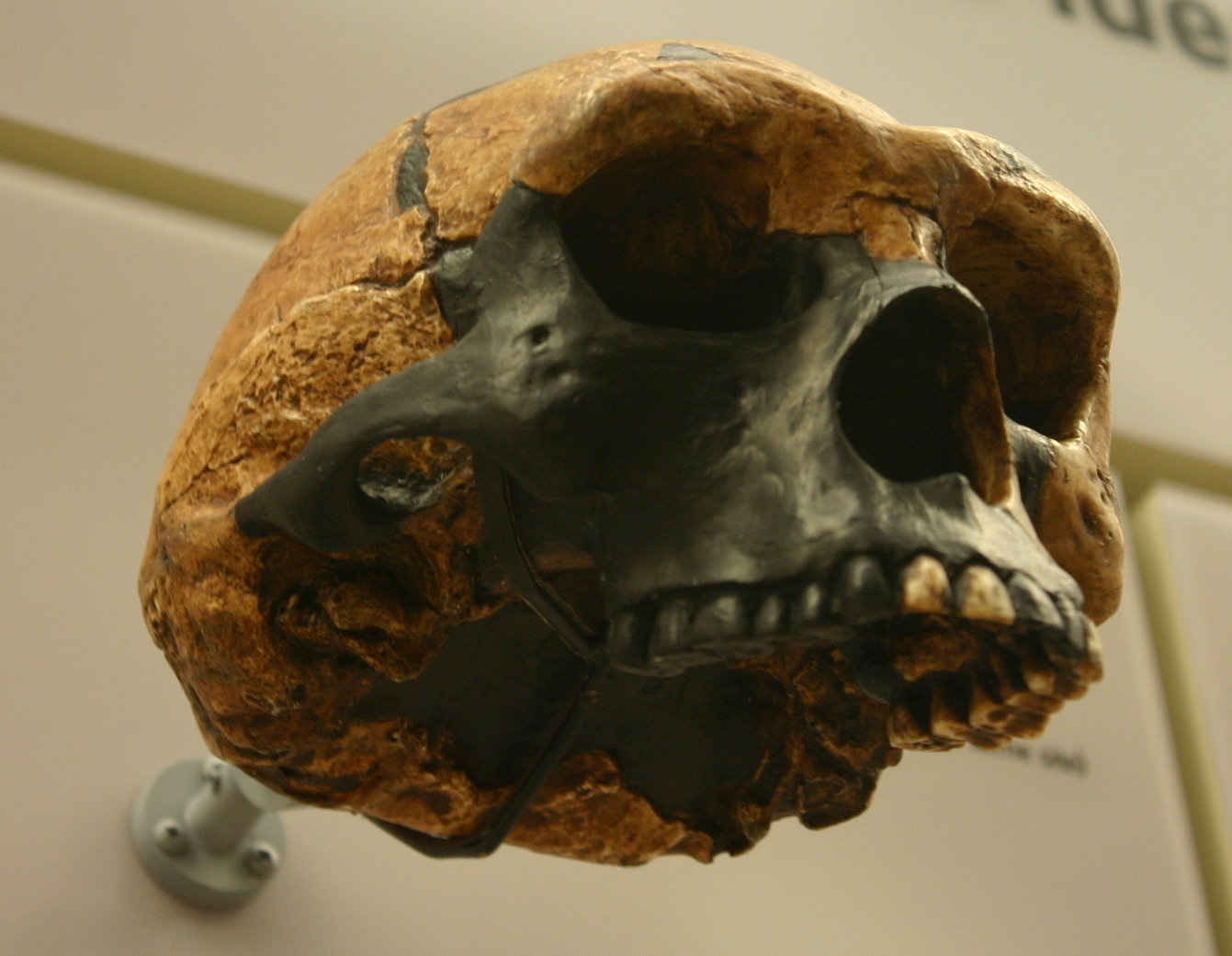
For decades, Chinese fossil hunters spoke proudly of “Sinanthropus pekinensis,” Peking Man, as if he were a wholly separate branch of humanity discovered in a cave outside Beijing.
Later comparative work showed the skulls, teeth, and limb bones matched a species already known from Java and Africa almost bone-for-bone. Sinanthropus effectively disappeared as a genus name overnight, absorbed into Homo erectus once researchers accepted that regional variation didn’t justify a separate taxonomic identity. The original fossils were famously lost during World War II, which only deepened the mythology around a name science had already retired. The next demotion happened in plain sight, hiding in Java.
#22 – Java Man’s Quiet Demotion
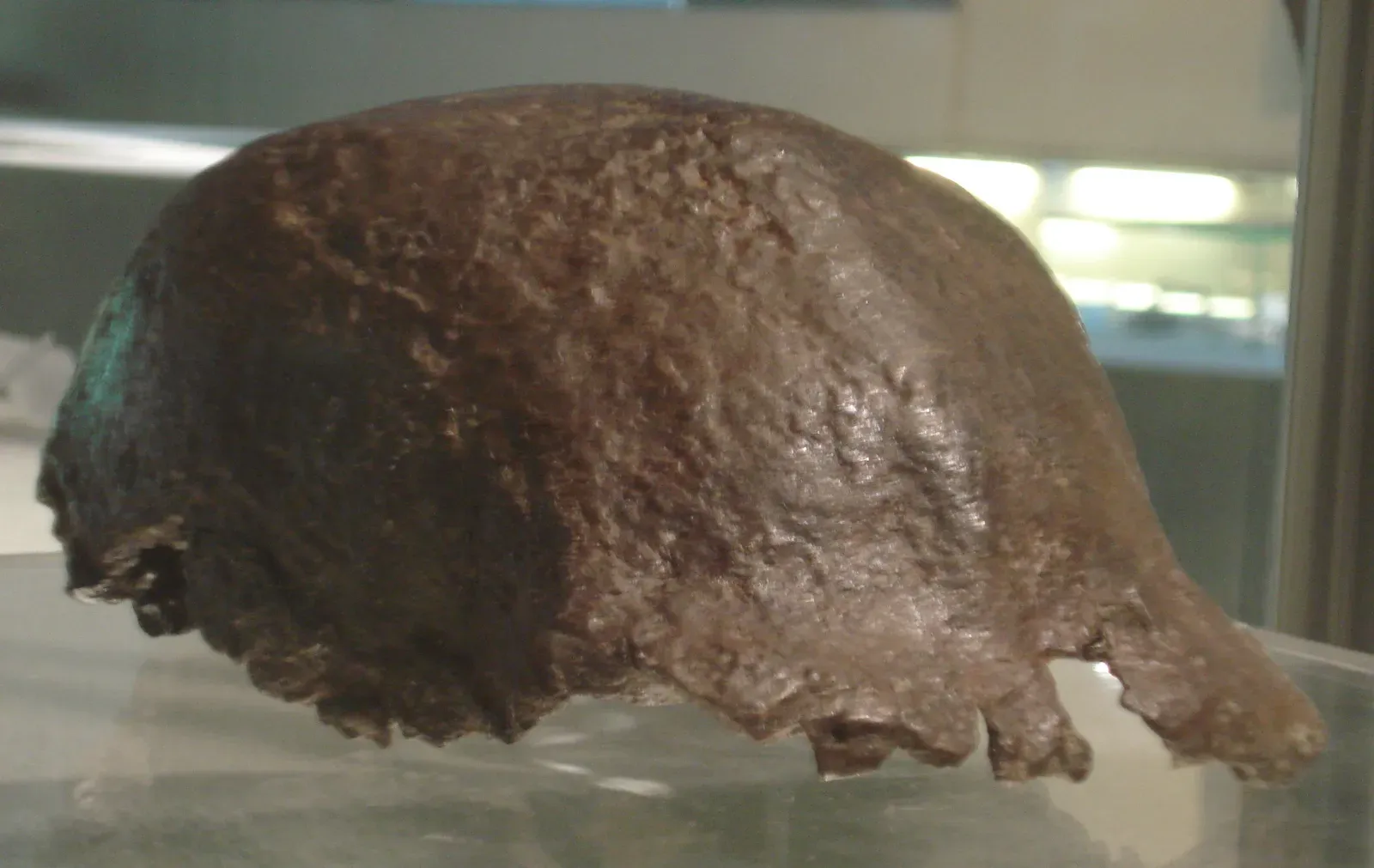
Eugène Dubois named his 1891 Indonesian discovery Pithecanthropus erectus, “ape-man who stands upright,” convinced he’d found the literal missing link between apes and humans.
For half a century, Pithecanthropus stood as its own proud genus in every textbook diagram. Then comparative anatomists lined the skullcap up against African and Chinese specimens and found the differences too small to matter. The genus was dissolved, and Java Man became simply another regional population of Homo erectus. Dubois reportedly spent his later years bitterly resisting the reclassification of his own discovery. But the giants weren’t done being cut down to size.
#21 – Meganthropus: The “Giant” That Shrank on Paper
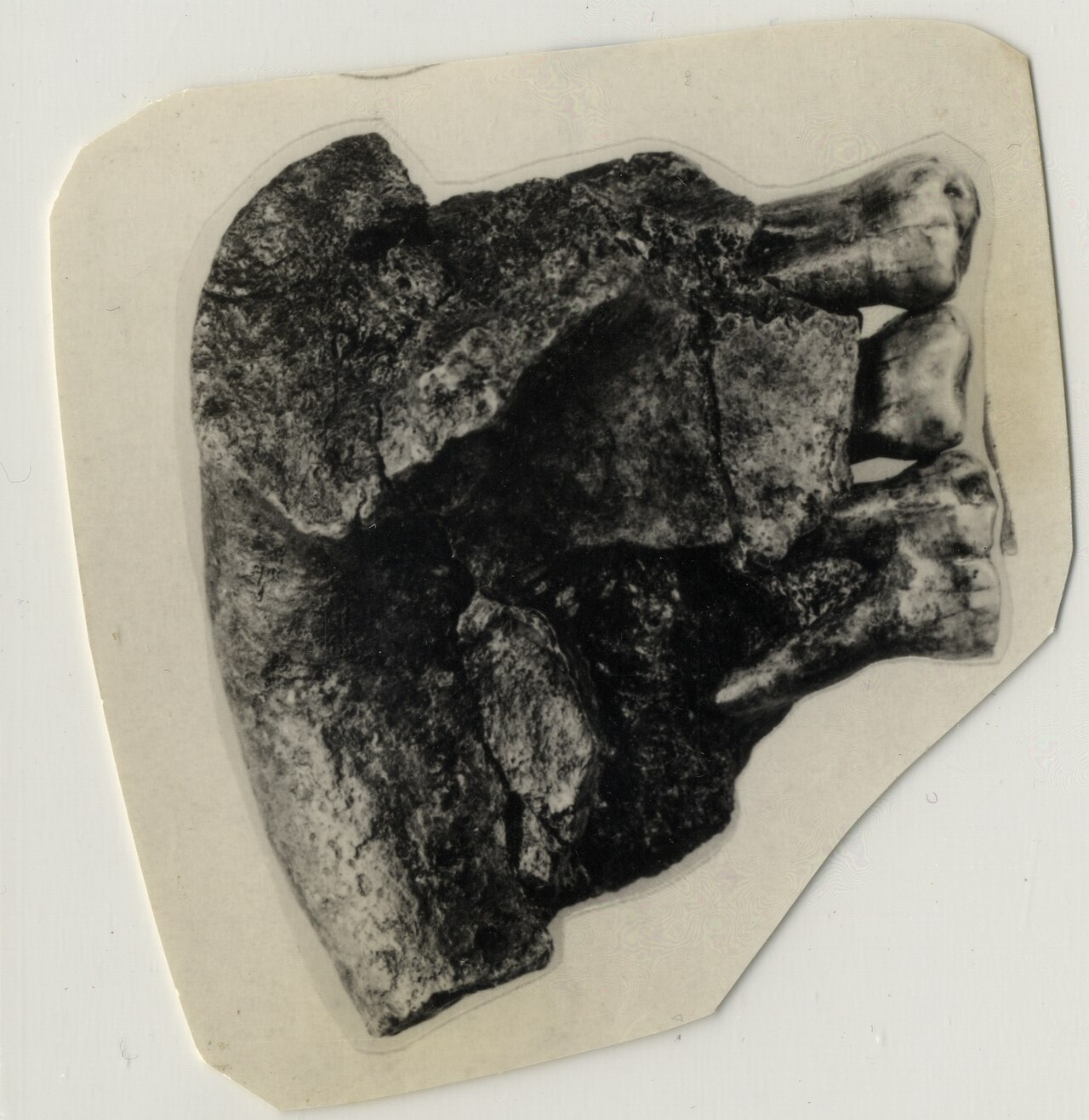
Meganthropus palaeojavanicus was named from massive jaw fragments found in Java, and the name alone, “giant man,” fueled decades of pulp-science speculation about a race of huge early humans.
Careful remeasurement showed the jaws fell within the normal robust range for early Homo erectus populations in the region, not some separate giant lineage. Most specialists now treat Meganthropus as a synonym of Homo erectus, though a stubborn minority still argue for a distinct, more primitive placement closer to early Homo or even robust australopiths. It’s one of the messier reclassifications precisely because the fossils are so fragmentary. Next, a species that supposedly outlived its own kind by tens of thousands of years.
#20 – Solo Man’s Long Road Back to Homo Erectus
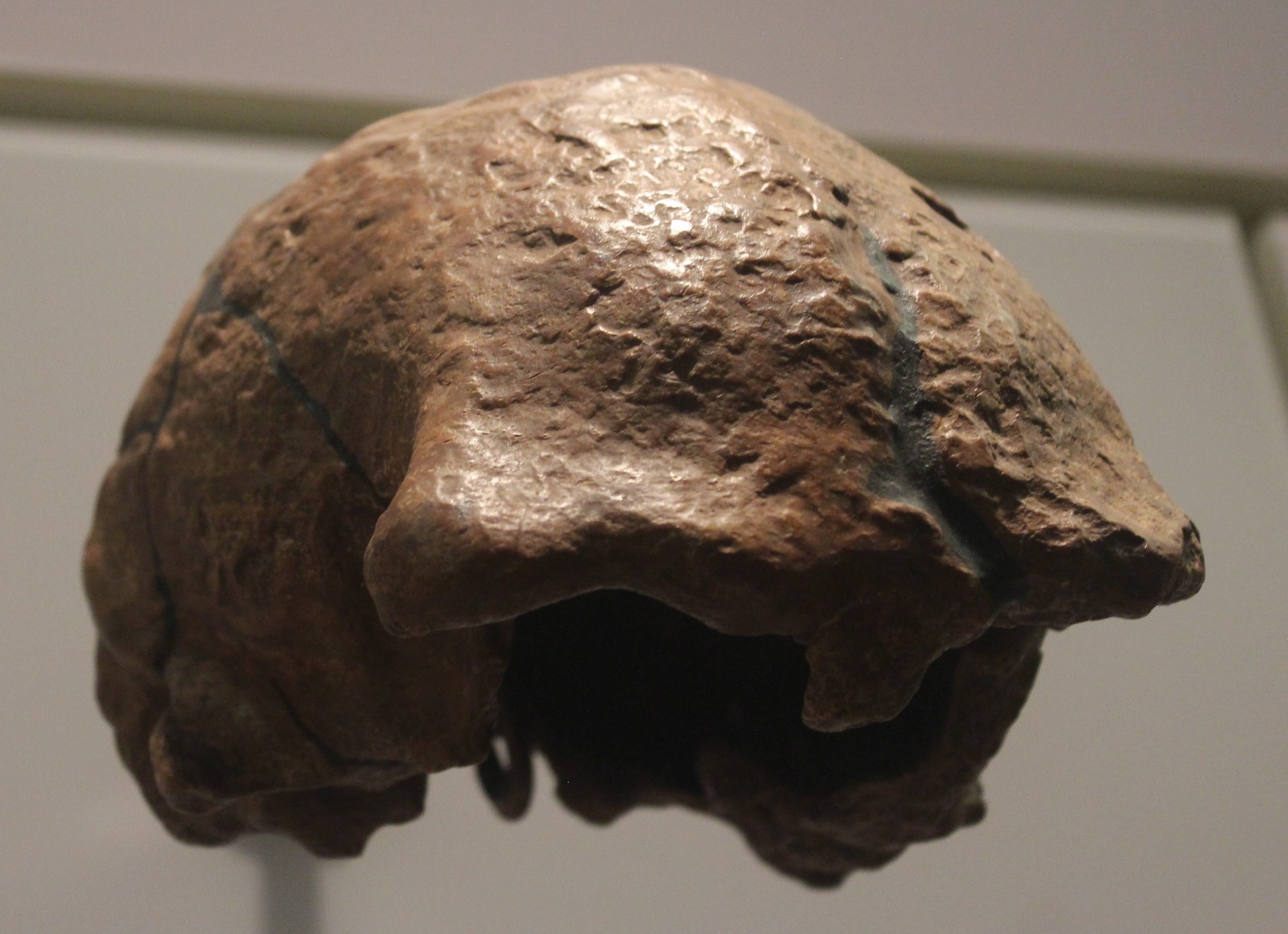
Solo Man, formally Homo soloensis, was pulled from riverbank deposits in Java and initially treated as a strange, possibly late-surviving cousin species that lingered long after other archaic humans vanished.
Dating controversies only deepened the confusion, with some early estimates suggesting these individuals survived shockingly late into the Late Pleistocene. Eventually the skeletal evidence won out: the skulls matched regional Homo erectus anatomy closely enough that most researchers reclassified Solo Man as a late-surviving Homo erectus population, not a separate species. The debate over exactly how late this population held on continues to generate friction among specialists. Then Africa’s own archaic human got swallowed by a bigger name.
At a Glance
- Telanthropus capensis – folded into Homo erectus
- Sinanthropus pekinensis (Peking Man) – folded into Homo erectus
- Pithecanthropus erectus (Java Man) – folded into Homo erectus
- Meganthropus palaeojavanicus – mostly reclassified as Homo erectus
- Homo soloensis (Solo Man) – reclassified as a late-surviving Homo erectus population
#19 – Homo Rhodesiensis Gets Swallowed by a Bigger Name
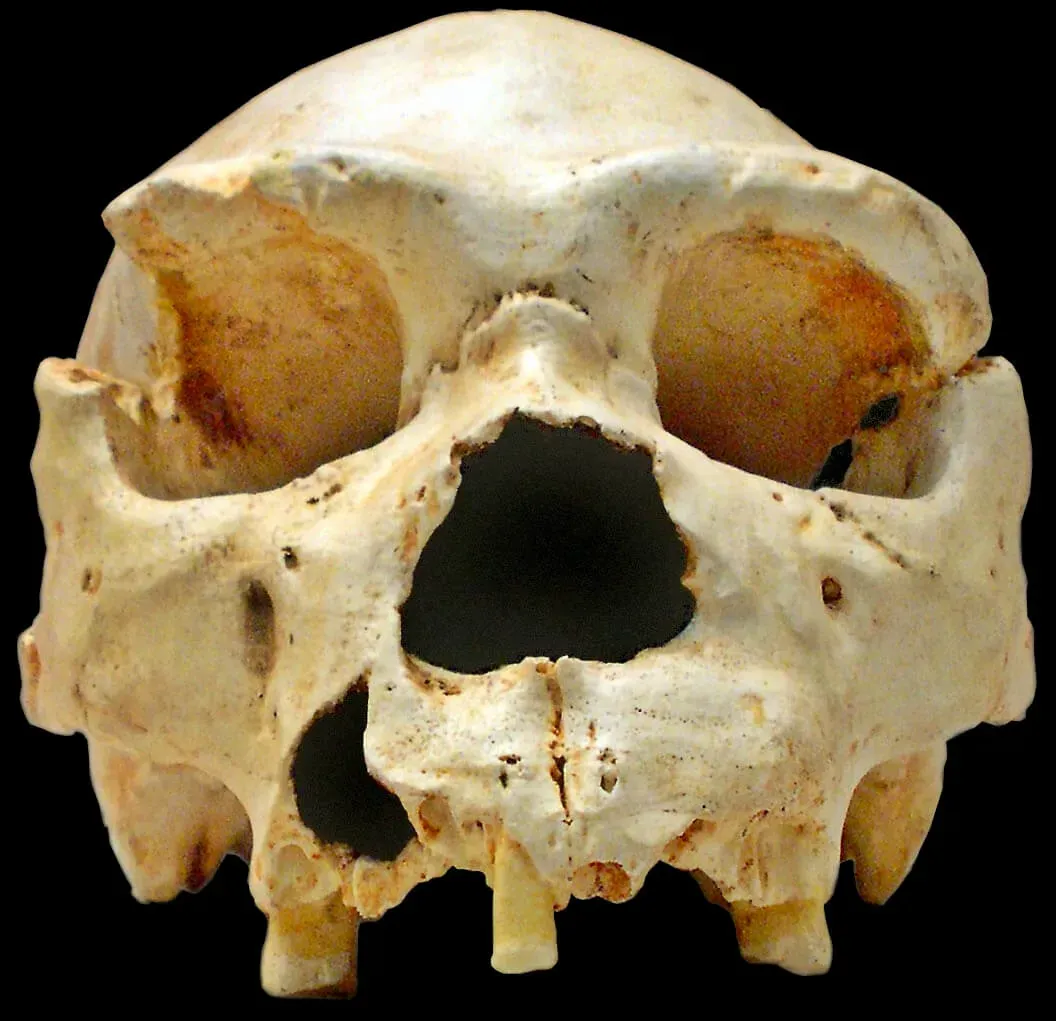
Homo rhodesiensis was named from a robust skull found in what is now Zambia, and for years it represented Africa’s own archaic human lineage, distinct from European Neanderthal ancestors.
Comparative anatomists increasingly noticed the skull shared far more with heavily built European and Asian fossils than with anything uniquely African. Many researchers now lump Rhodesiensis directly into Homo heidelbergensis, treating the African specimen as part of one widespread, geographically sprawling species rather than its own branch. Others still push back, arguing Africa’s archaic humans deserve their own taxonomic identity. Next, an entire genus disappeared within a few years of making headlines.
#18 – Nutcracker Man’s Genus Got Deleted
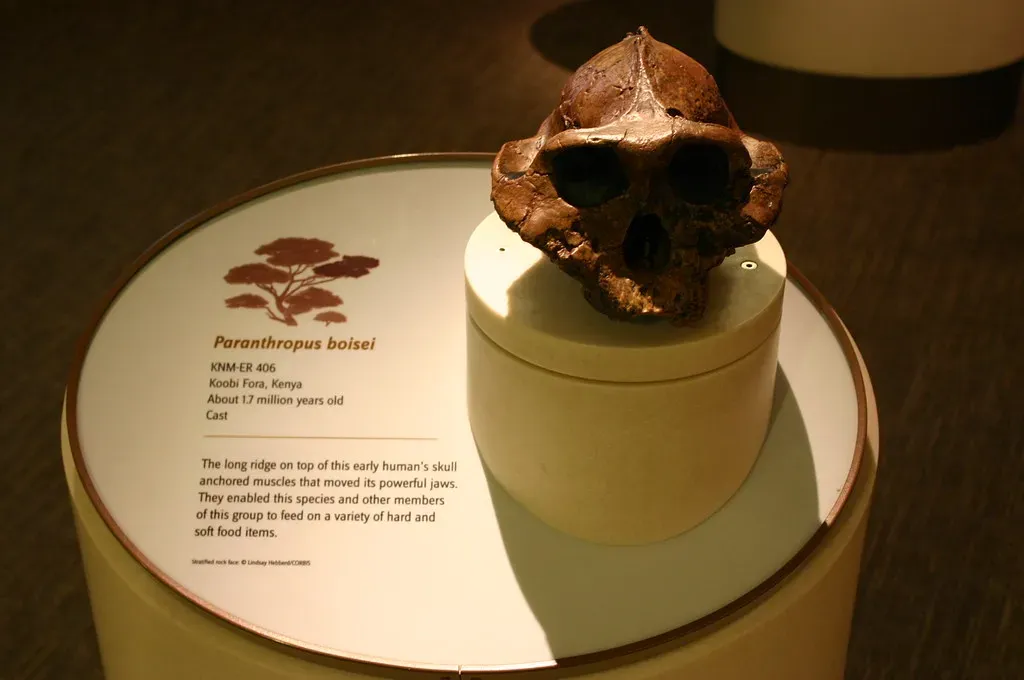
Zinjanthropus boisei earned global headlines in 1959 as a brand-new genus, nicknamed “Nutcracker Man” for its massive, flat molars and heavily built jaw discovered in Tanzania’s Olduvai Gorge.
Excitement over the find briefly convinced the world a wholly separate human ancestor had been unearthed. Within a few years, though, specialists realized the skull shared its core architecture with other robust, heavy-jawed fossils already known from South Africa. The Zinjanthropus genus was scrapped entirely, and the specimen became Paranthropus boisei, one of several heavily built side branches that lived alongside, but never led to, modern humans. Then a skull’s own jaw muscles landed it in a completely different genus.
#17 – The Black Skull’s Genus-Hopping Journey
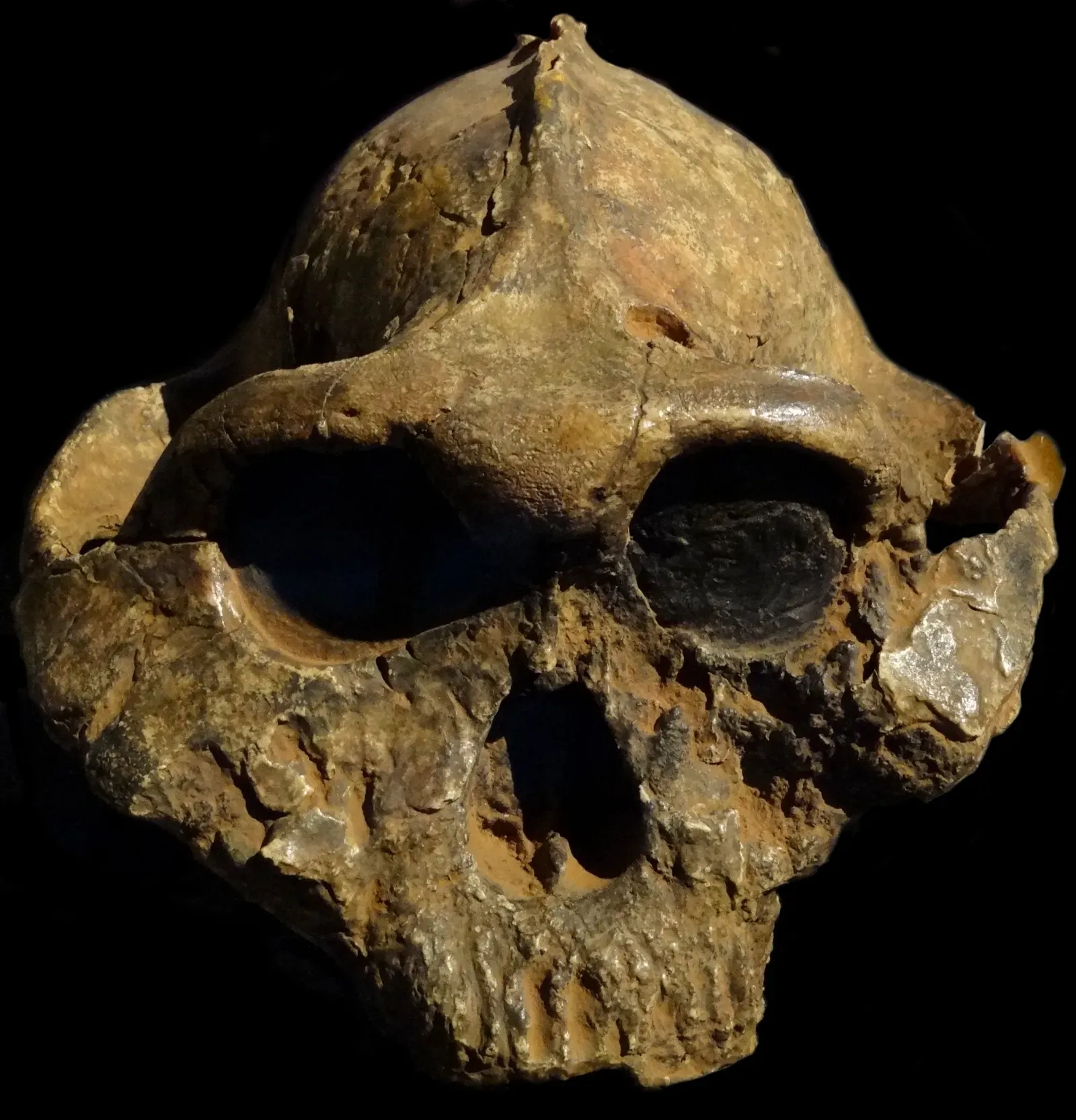
KNM-WT 17000, nicknamed the “Black Skull” for its mineral staining, was first described under the genus Australopithecus when discovered in Kenya, largely because that was the default bucket for anything ancient and ape-jawed.
Closer study revealed a bizarre combination: a massive sagittal crest and huge chewing muscles paired with a startlingly small, primitive braincase. The mismatch was enough to move it into an entirely different genus, Paranthropus aethiopicus, grouping it with other heavily built “robust” hominins rather than the more gracile Australopithecus line. The reclassification helped researchers realize robust chewing adaptations evolved earlier and more than once. Next, one genus name got fought over, dropped, and reinstated, twice.
#16 – Paranthropus Robustus Bounced Between Genera Twice
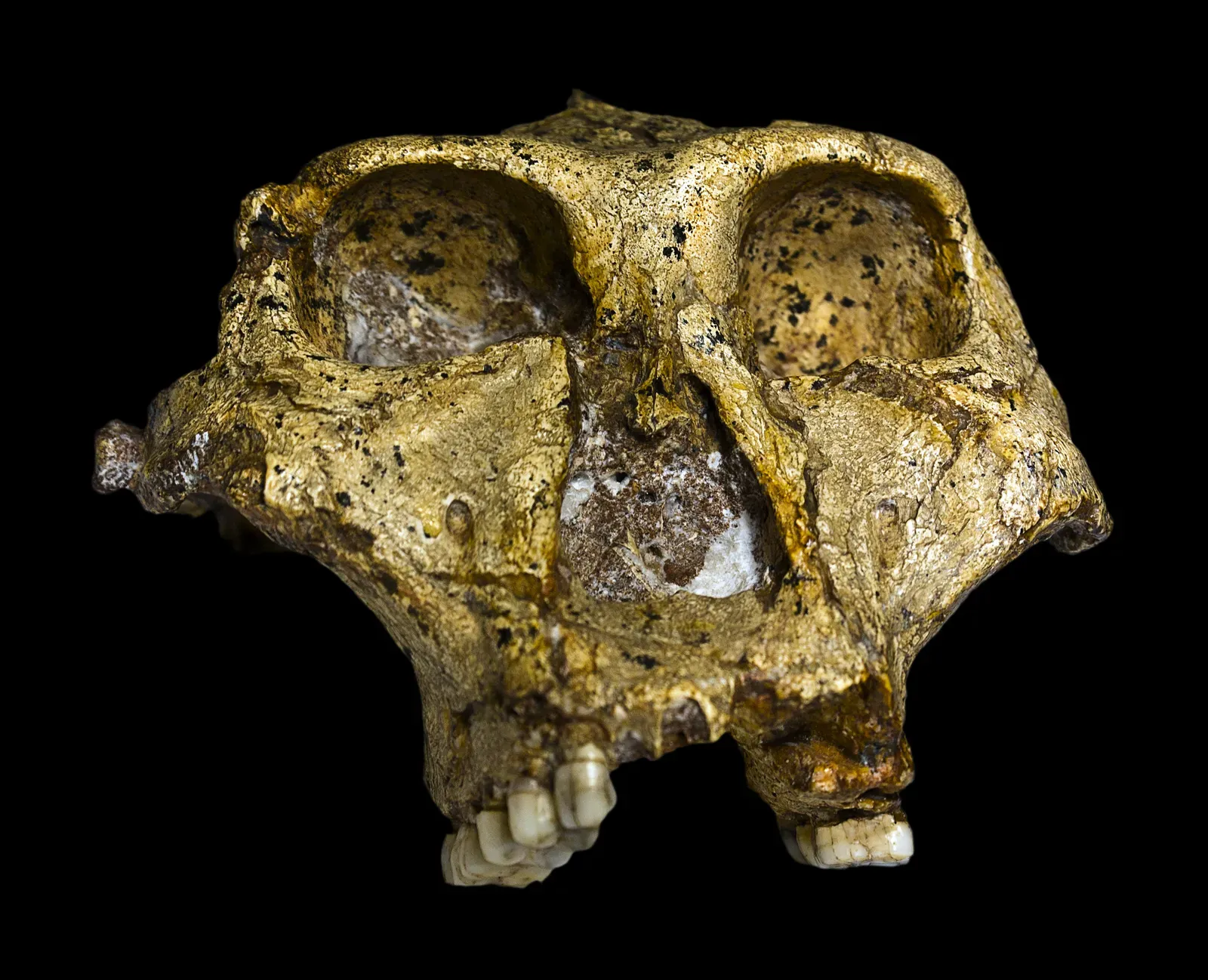
Long before “Paranthropus” became a stable label, the South African fossils now known as Paranthropus robustus were shuffled between Australopithecus and their own standalone genus more than once as researchers argued about how different robust jaws really were.
The back-and-forth wasn’t just academic nitpicking; it reflected genuine disagreement over whether heavy chewing muscles and huge molars represented a fundamentally different evolutionary strategy or just local variation. Paranthropus eventually stuck as the accepted genus name, separating these thick-jawed specialists from their more lightly built australopith relatives for good. Some researchers still argue the whole genus should be folded back into Australopithecus. That fight isn’t fully dead yet.
#15 – Ramapithecus Lost Its Human Ticket Entirely
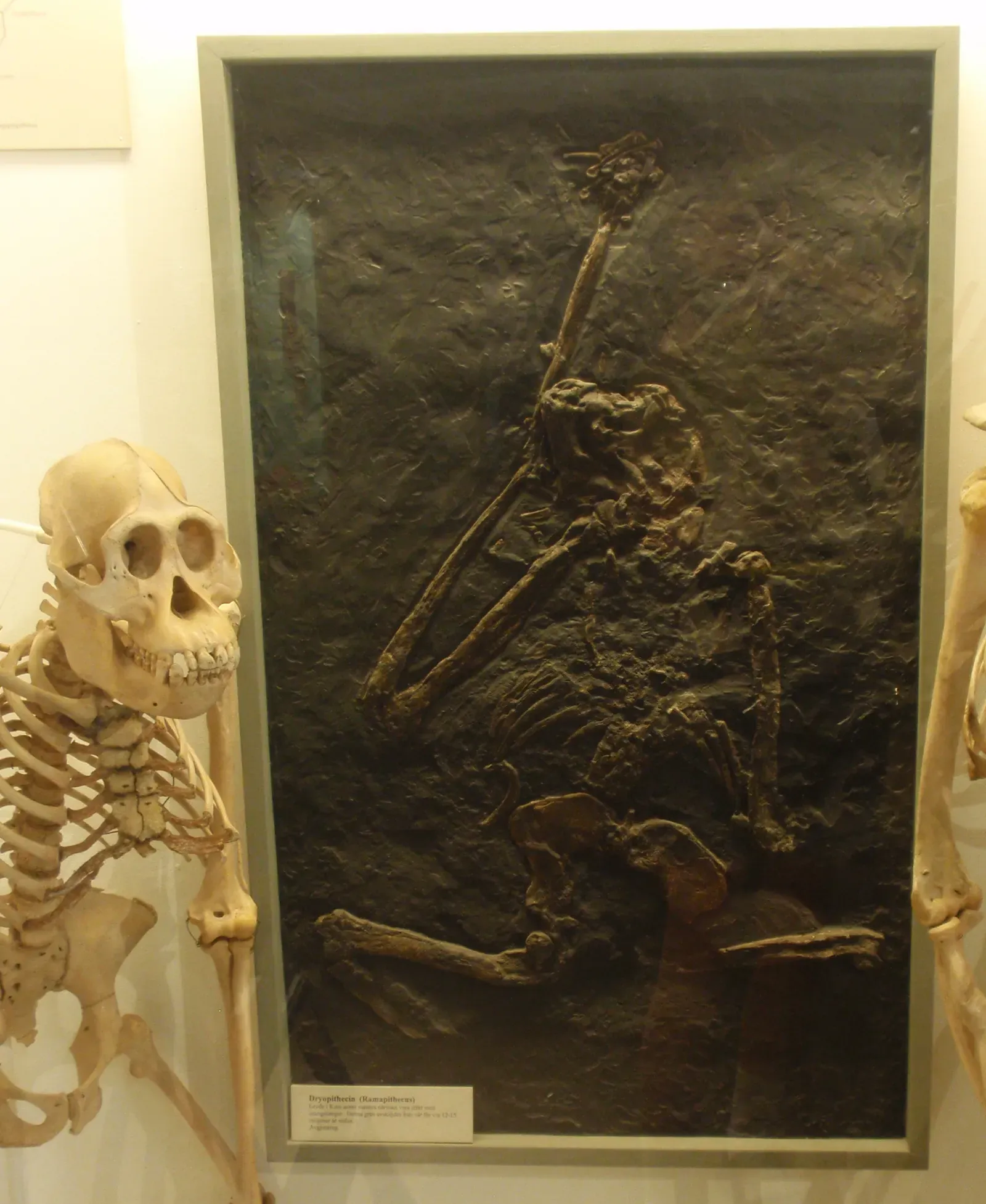
Few reclassifications sting quite like Ramapithecus, a fossil ape that spent the 1960s and ’70s celebrated as humanity’s earliest known direct ancestor, bridging the gap between apes and early Australopithecus.
New jaw discoveries in the mid-1970s changed everything. Ramapithecus was dethroned, no longer considered a direct ancestor of humans, but instead a close relative of the modern orangutan. More complete specimens found in 1975 and 1976 showed it was less human-like than had been thought, and most specialists now treat it as essentially a regional variant of the ape genus Sivapithecus. An entire “missing link” was quietly erased from the human story. Next, a single crushed skull almost created a brand-new branch of humanity.
#14 – Kenyanthropus Platyops: New Genus, Uncertain Future
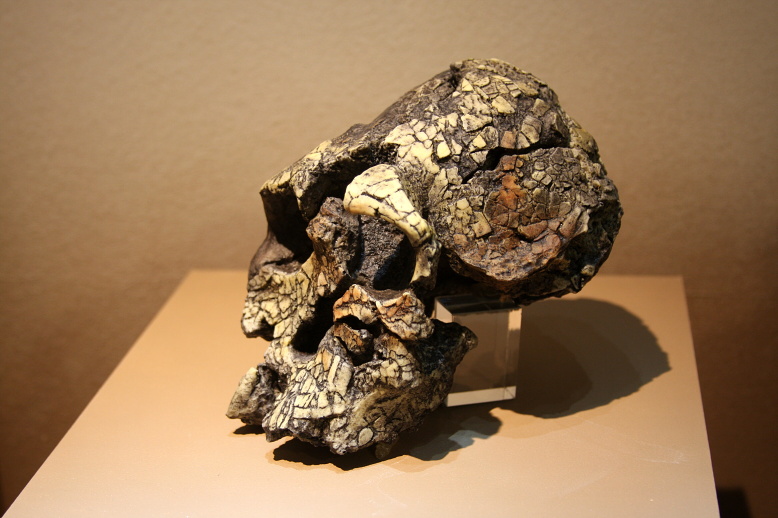
When researchers unveiled a flat-faced 3.5-million-year-old skull from Kenya in 2001, they announced an entirely new genus, Kenyanthropus platyops, arguing its distinct facial shape proved multiple human lineages coexisted earlier than anyone realized.
The fossil was badly crushed and distorted, though, which fueled immediate skepticism. Several prominent researchers have since argued the skull is simply a distorted specimen of the already-known Australopithecus afarensis, meaning the “new genus” might not deserve its own branch at all. Whether Kenyanthropus survives as a legitimate genus or gets folded back into Australopithecus remains one of paleoanthropology’s more heated ongoing disputes. Then one lonely jawbone tried to redraw the map of early hominins.
#13 – Abel the Australopithecine Gets Questioned
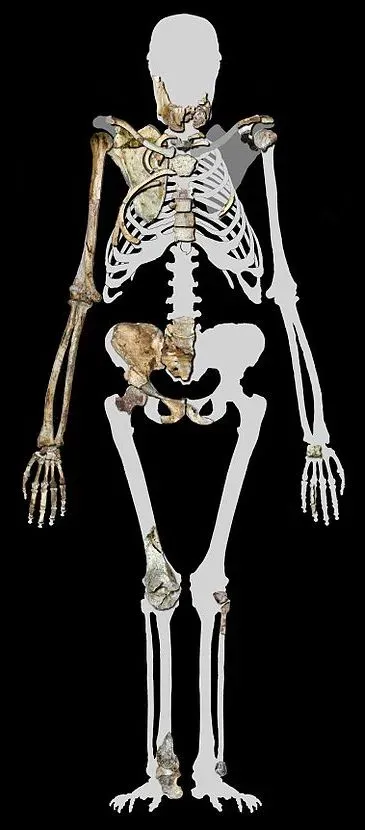
Australopithecus bahrelghazali, nicknamed “Abel” after a French researcher’s late colleague, was announced in 1996 as evidence that early hominins ranged far west of the traditional East African fossil sites, discovered in Chad rather than Ethiopia or Kenya.
The species was based on a single jawbone, always a shaky foundation for declaring a brand-new species. Many researchers now argue the jaw falls comfortably within the normal variation seen in Australopithecus afarensis, the famous “Lucy” species, rather than representing anything distinct. A species built to prove hominins spread further than expected may not actually be a separate species at all. Next, a tidy ancestor-to-descendant story collapsed the moment new dates came in.
#12 – Australopithecus Anamensis Keeps Changing Its Story
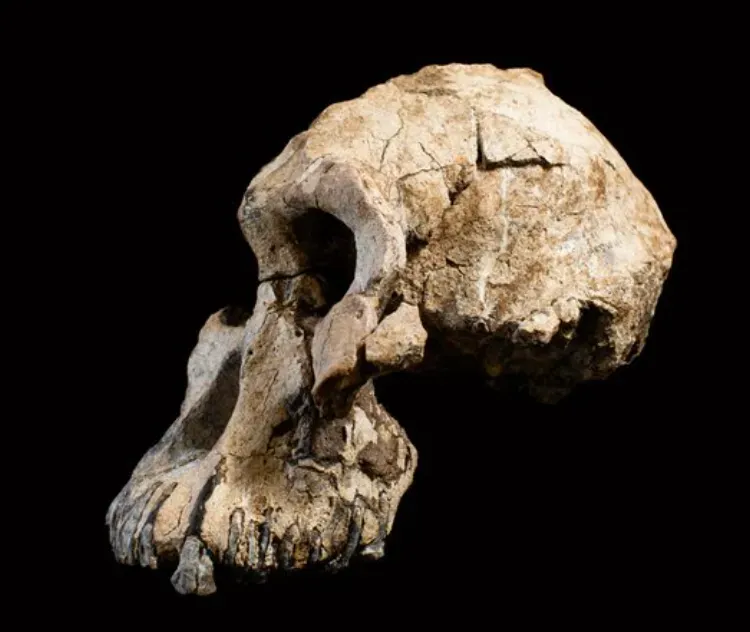
Originally described from Kenyan fossils dated to roughly 4.2 million years ago, Australopithecus anamensis was framed simply as the direct, gradually evolving ancestor of the more famous Australopithecus afarensis, a tidy linear story of one species smoothly becoming the next.
A 2019 skull discovery wrecked that neat narrative. Researchers found anamensis and afarensis actually overlapped in time by at least 100,000 years, meaning one couldn’t have simply evolved into the other in a straight line. The species had to be repositioned as a side branch coexisting with its supposed descendant, not a stepping-stone leading directly to it. Then one skull was simply too different to share a species with its neighbors.
#11 – Homo Rudolfensis Split From Habilis Under Pressure
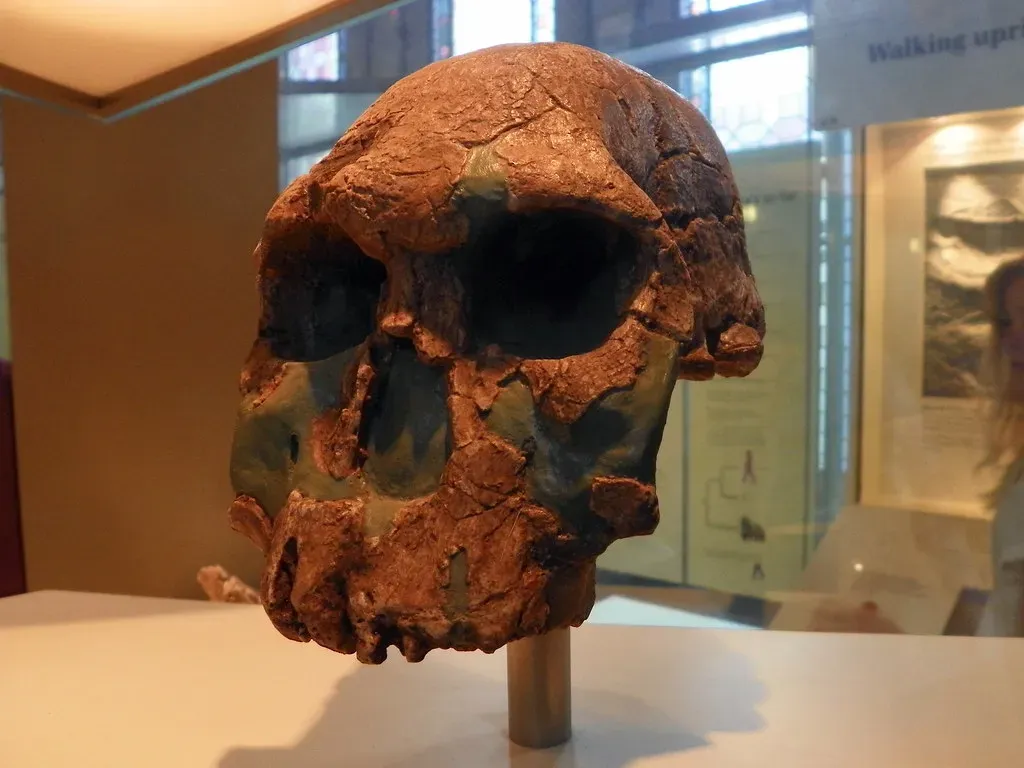
For years, a large-brained, flat-faced skull from Kenya known as KNM-ER 1470 was simply lumped in with Homo habilis, treated as an unusually large example of the same early human species.
Detailed anatomical comparisons eventually convinced many researchers the skull was too different to share a species with the smaller-faced habilis specimens. A new species, Homo rudolfensis, was carved out specifically to hold it, splitting what had been one crowded taxonomic bucket into two. Not everyone agrees the split is valid; some paleoanthropologists still argue the variation reflects normal differences within a single, unusually diverse early Homo population. Next, the species that supposedly launched our genus started looking like it might not belong in it.
#10 – Homo Habilis Might Not Even Belong in Homo
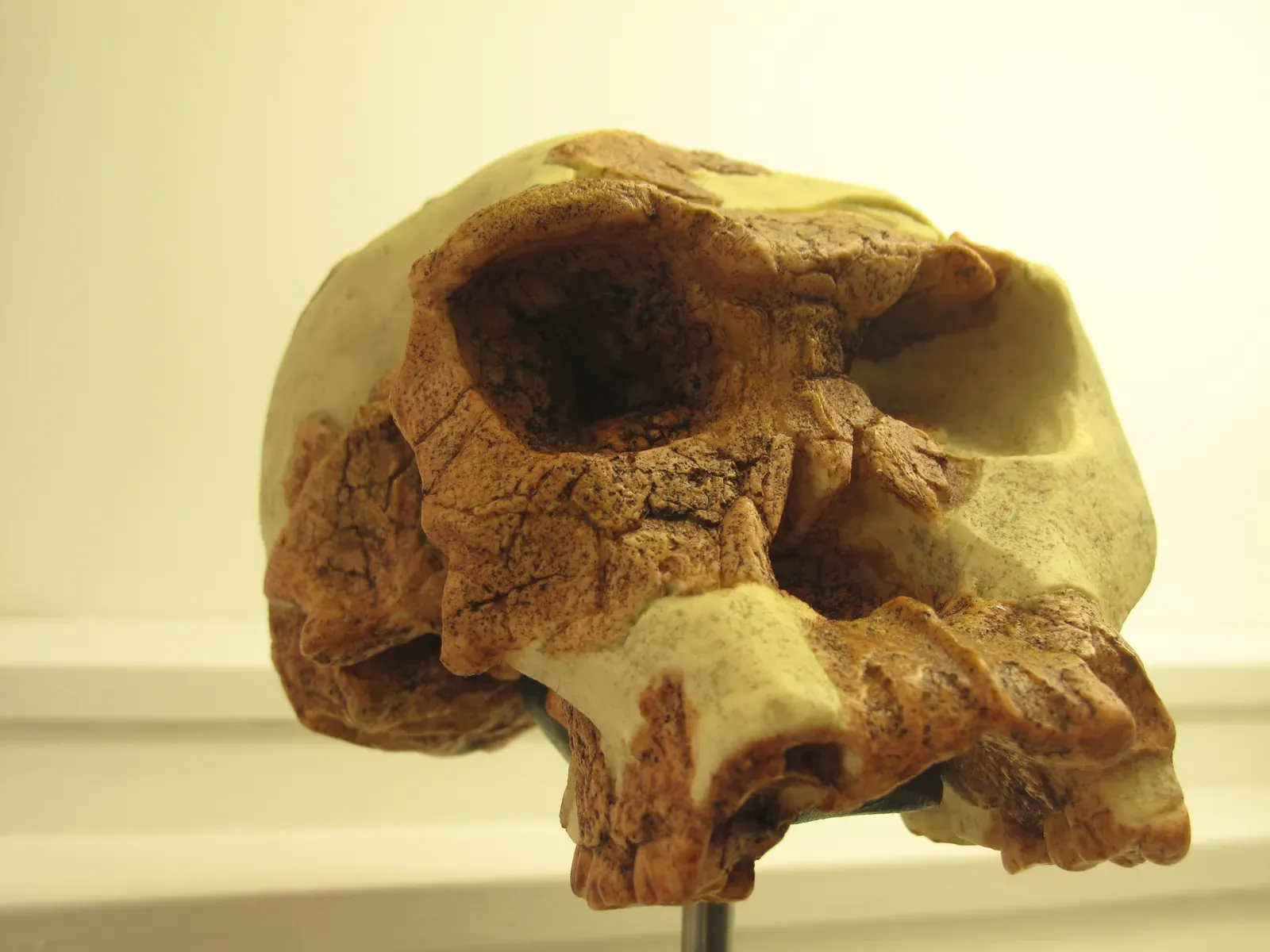
Homo habilis earned its name, “handy man,” because researchers believed its association with stone tools proved it belonged in our own genus, distinct from the more ape-like Australopithecus that came before it.
Later analysis of its limb proportions and small brain size complicated that story considerably. Many specialists now argue habilis looks more like an unusually tool-associated Australopithecus than a genuine early Homo, since its body plan retained far more climbing-adapted, ape-like features than later Homo erectus. The very species used to define the start of our genus is now a candidate for demotion out of it entirely. Then two names started fighting over the exact same fossils.
Worth Knowing
- Homo habilis: named in 1964 as the earliest member of our genus, now debated as possibly Australopithecus
- Homo rudolfensis: carved out of habilis to house a larger-brained, flatter-faced skull
- Homo ergaster: proposed to separate African erectus-like fossils, never fully accepted
- Homo georgicus: named for the Dmanisi skulls, later folded back into Homo erectus
#9 – Homo Ergaster’s Identity Crisis
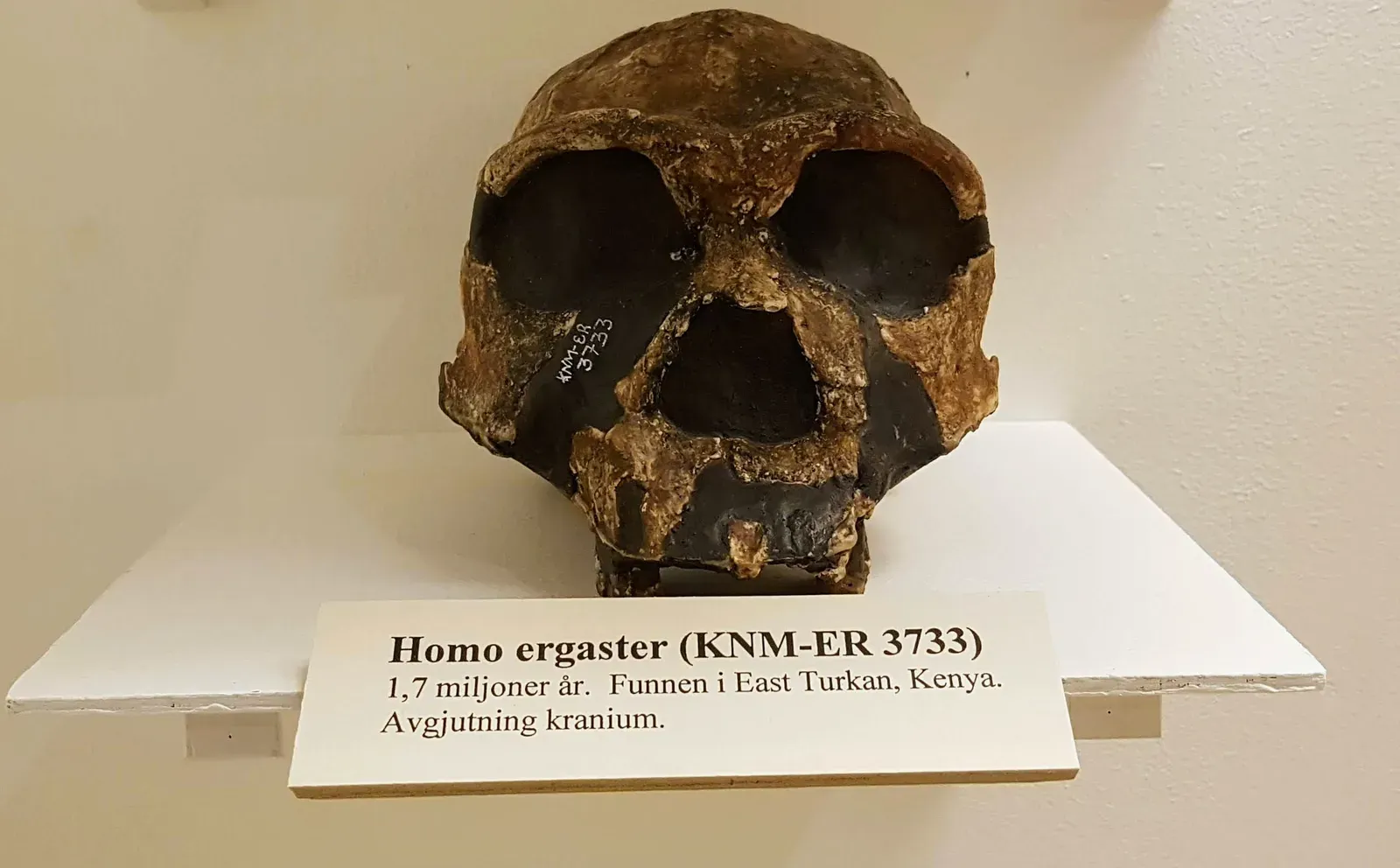
Homo ergaster was carved out of Homo erectus specifically to describe early African specimens, on the theory that African and Asian populations were different enough to deserve separate species names entirely.
The split never achieved full consensus. Plenty of researchers argue the anatomical differences reflect normal geographic variation within a single widespread species, not evidence of two distinct lineages. Some major museum displays and textbooks still can’t agree on whether to use erectus or ergaster for the African fossils, and the label you’ll see genuinely depends on which specialist wrote the caption. Next, a species built to separate itself got quietly reabsorbed.
#8 – The Dmanisi Skulls’ Genus Name That Almost Wasn’t
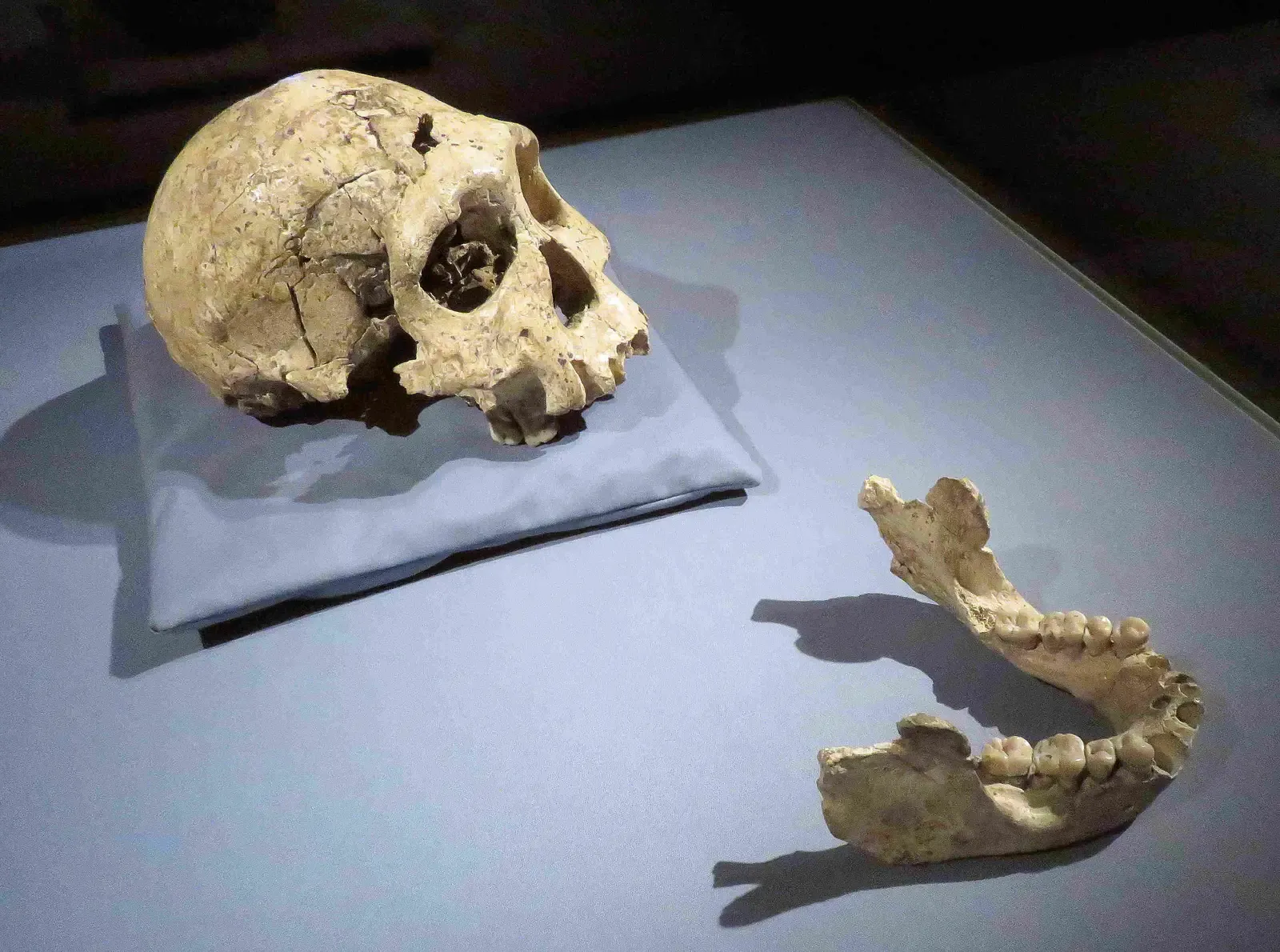
Fossils unearthed at Dmanisi in Georgia showed such a surprising mix of small brain size and primitive features that researchers initially proposed an entirely new species, Homo georgicus, to house them.
The skulls didn’t fit comfortably into existing categories, showing far more variation than expected for early Homo populations leaving Africa. Most researchers have since folded the Dmanisi fossils back into Homo erectus, treating the variation as evidence of just how diverse early Homo erectus populations really were. A proposed new species essentially got absorbed back into the very genus it was meant to separate from. Then a species lost the one title it was famous for holding.
#7 – Homo Antecessor’s Ancestral Title Gets Revoked
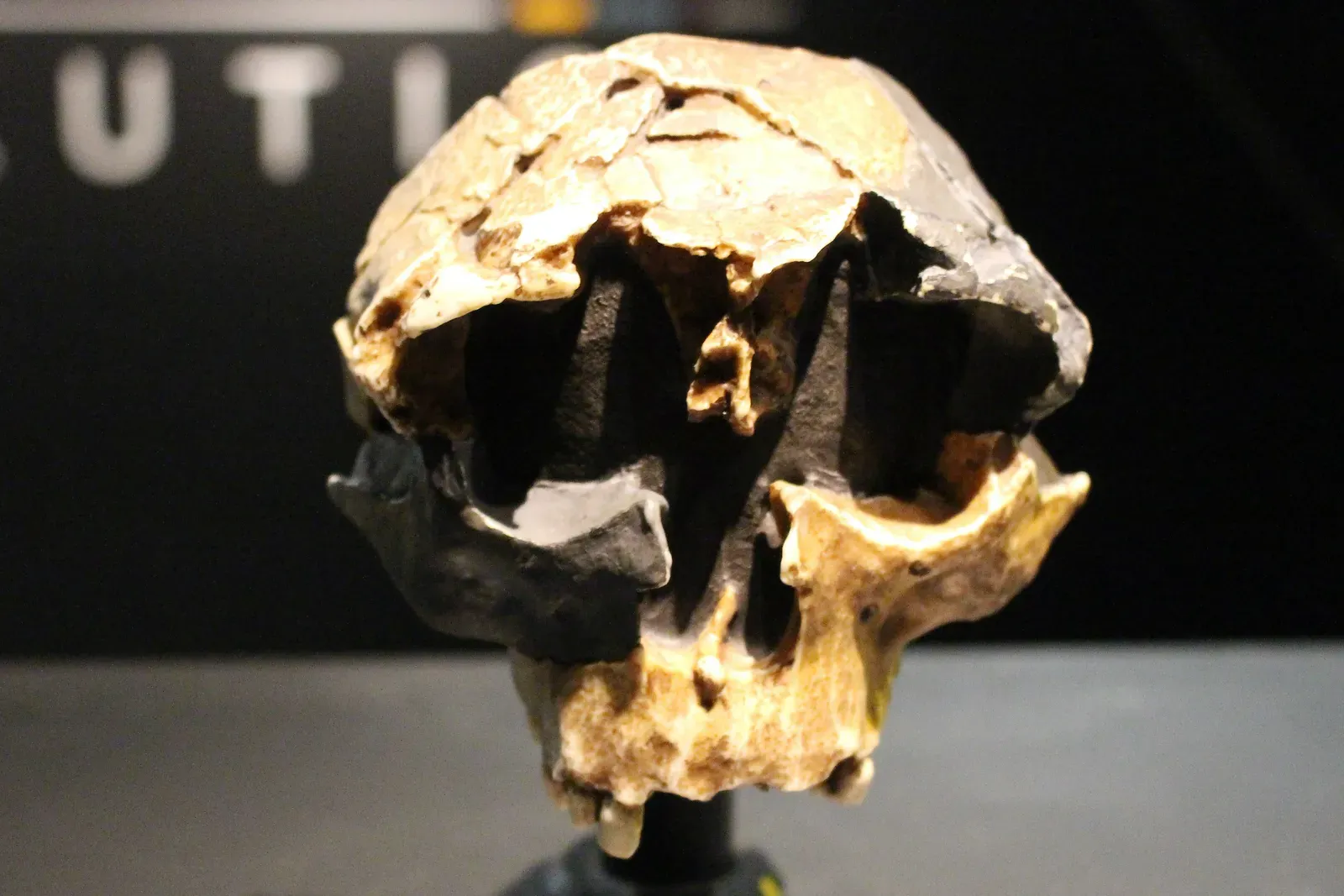
When Homo antecessor was named from Spanish fossils in the late 1990s, researchers boldly proposed it as the common ancestor of both Neanderthals and modern humans, a single species splitting into two great lineages.
That claim didn’t survive later genetic and fossil scrutiny. Most specialists now treat antecessor as a side branch, one of several archaic European populations, rather than the direct root of both major human lineages. The species kept its name but lost the ancestral crown it was originally built to hold. Next, one tidy species quietly split into two, maybe three.
#6 – Homo Heidelbergensis Gets Split Into Pieces
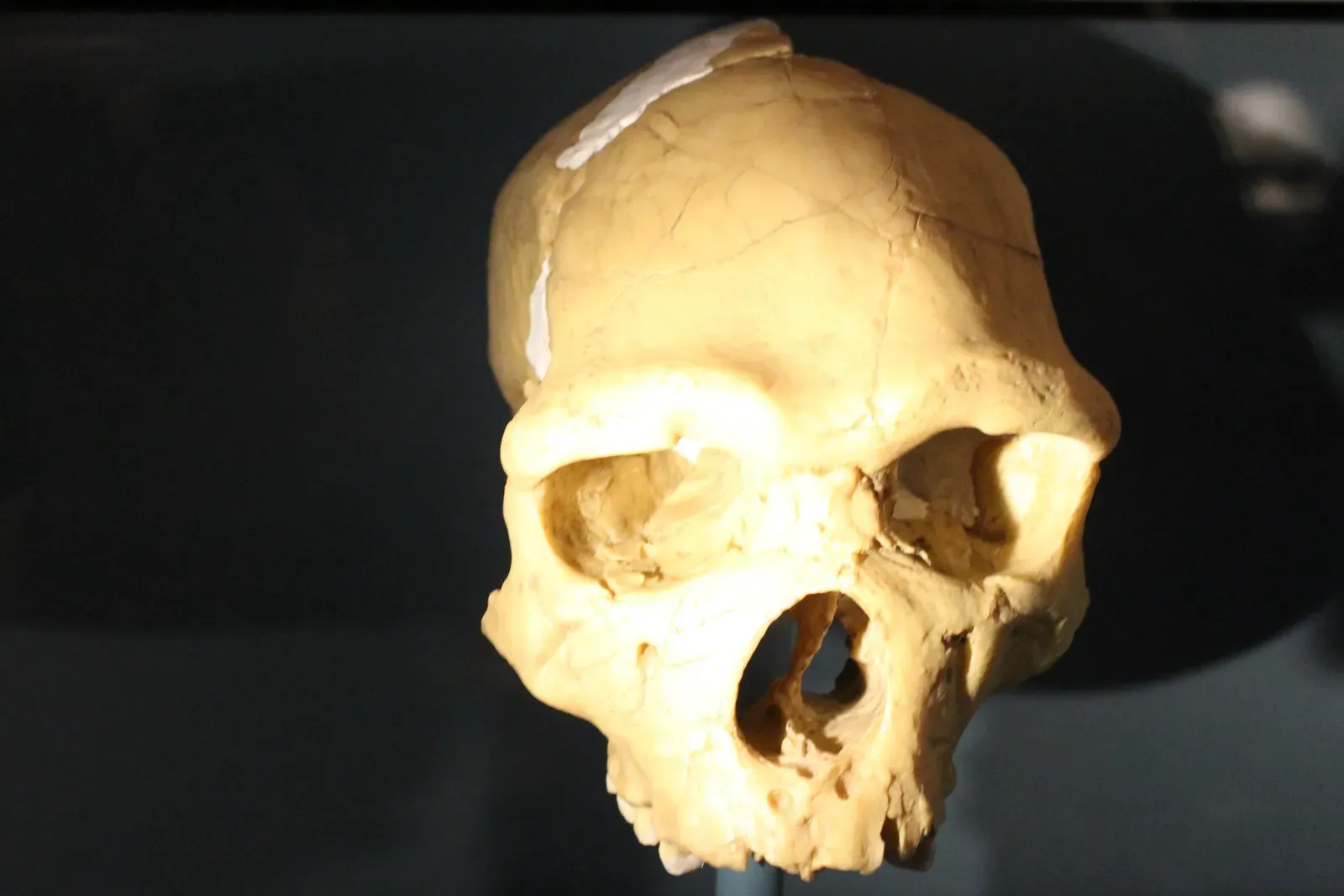
Homo heidelbergensis was once treated as a single, tidy species spanning Europe and Africa, conveniently explaining the archaic-looking fossils found across both continents as one widespread population.
Genetic and morphological work increasingly suggests that picture was too simple. Many researchers now argue European heidelbergensis fossils actually represent early Neanderthals, while African specimens should be split off entirely, possibly even folded into or alongside Homo rhodesiensis. One “species” is quietly being dismantled into at least two, and possibly three, separate populations. Then an Australopithecus started looking suspiciously like one of us.
#5 – Australopithecus Sediba’s Awkward Homo Flirtation
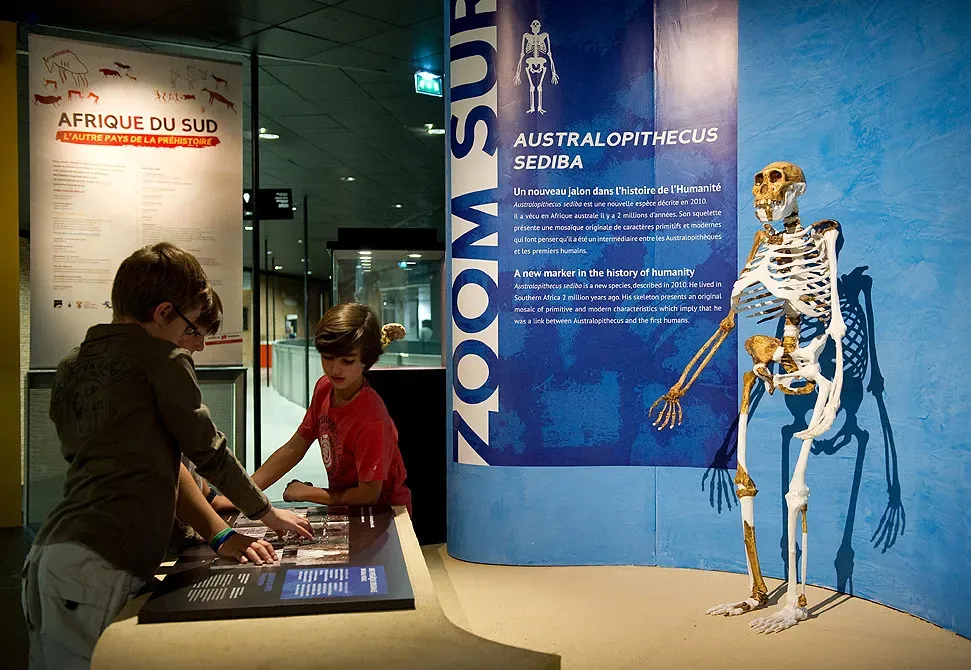
Discovered in a South African cave system in 2008, Australopithecus sediba immediately puzzled researchers with an unsettling mix of ape-like arms and surprisingly human-like hands and pelvis.
The combination was jarring enough that several researchers have openly argued sediba deserves reclassification into early Homo rather than Australopithecus, given how many of its traits point toward tool use and upright walking. A species named specifically to sit in Australopithecus is now one of the strongest candidates to jump ship into our own genus. Next, a tiny island species got handed a much older, stranger family history.
#4 – The Hobbit’s Ancestry Gets Rewritten
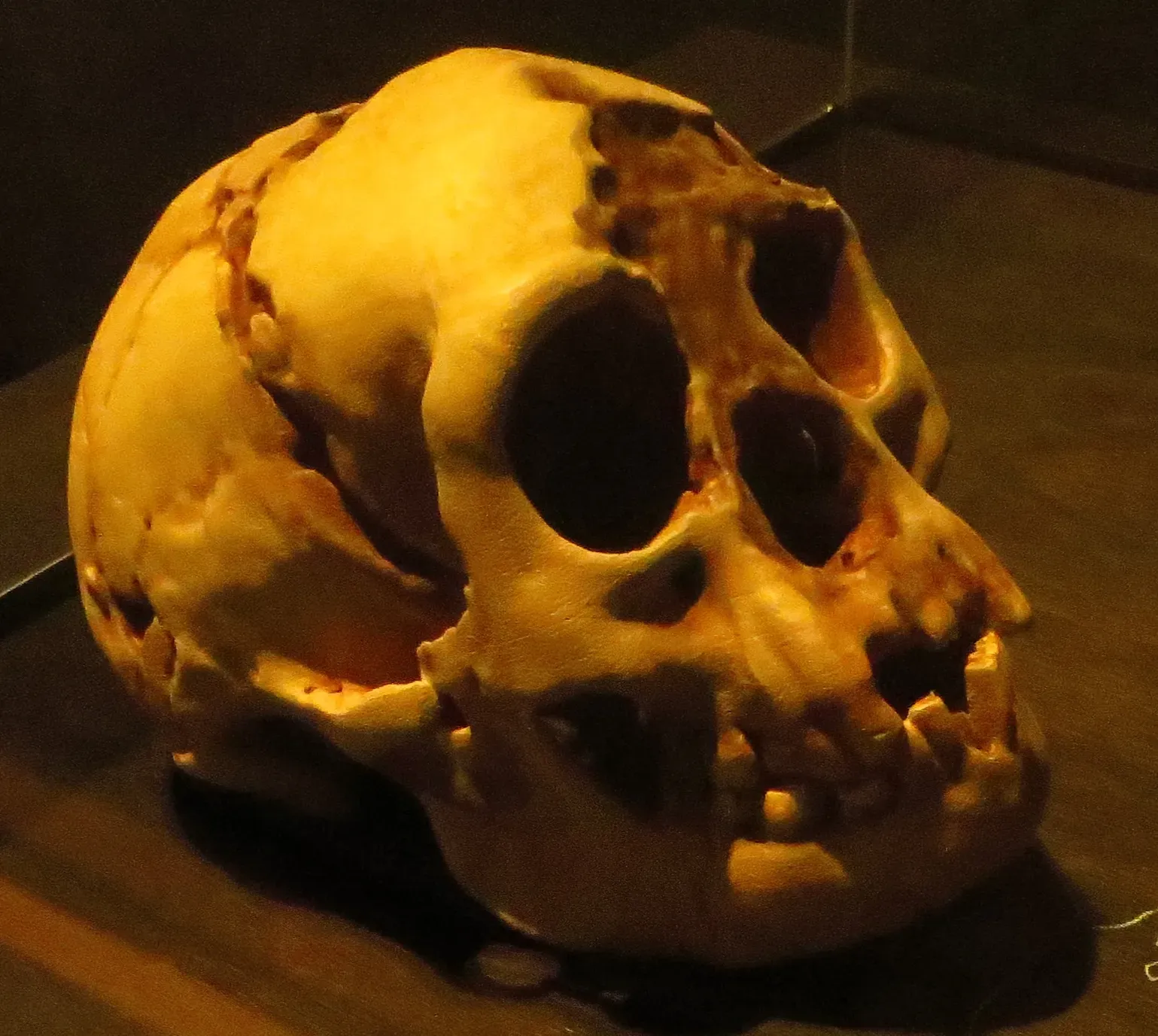
Homo floresiensis, the diminutive “hobbit” species discovered on the Indonesian island of Flores, was initially assumed to have descended from full-sized Homo erectus populations that somehow shrank dramatically over time on the isolated island.
Later analysis of its wrist bones, teeth, and skull proportions complicated that tidy story considerably. Many researchers now argue the anatomy looks more primitive than expected for a shrunken erectus descendant, suggesting floresiensis may instead trace back to an earlier, smaller-bodied Homo lineage that left Africa long before erectus did. The hobbit’s family tree got quietly rerouted to a much older, more mysterious branch. Then a brain the size of an orange forced scientists to rethink what intelligence even requires.
#3 – Homo Naledi’s Placement Keeps Shifting
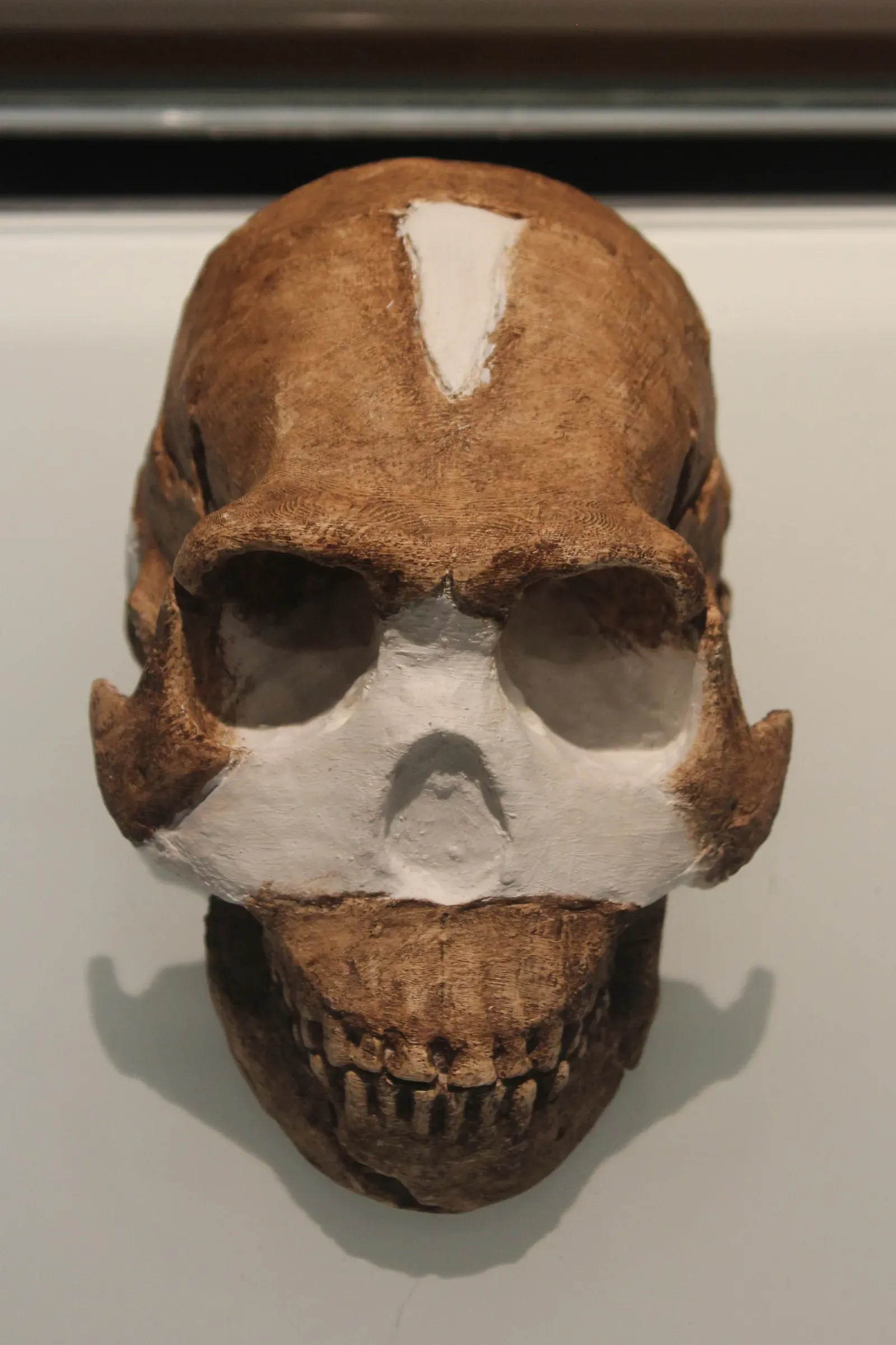
When researchers pulled fossils from a nearly inaccessible South African cave chamber and announced Homo naledi in 2015, they described a strange mix of traits: a small head and brain, hunched shoulders, powerful curved hands, thin limbs built for long-distance walking, and a broad-chested, upright body standing around five feet tall.
The species immediately sparked debate over exactly where it belonged. Researchers argued H. naledi could illuminate the long-lost roots of Homo, especially once evidence suggested this creature, with a brain roughly the size of an orange, may have deliberately placed its dead deep in the cave, a behavior once assumed to require a much bigger brain. Later dating pinned the fossils at somewhere between 236,000 and 335,000 years old, which stunned researchers, since this small-brained, primitive-looking hominin turned out to be roughly contemporary with early Homo sapiens rather than some ancient relic. A species with an ape-sized brain doing human-like things has forced researchers to question whether brain size ever mattered the way textbooks claimed. Next, the species we assumed went fully extinct turned out to still be running through our own DNA.
Fast Facts
- Discovered: 2013, in the Rising Star cave system, South Africa
- Brain size: roughly one-third the size of a modern human brain
- Height: approximately five feet tall
- Age of fossils: dated to between 236,000 and 335,000 years old
- Possible behavior: deliberate burial of the dead, once thought to require a much larger brain
#2 – Neanderthals: Species or Just Us With Extra Steps?
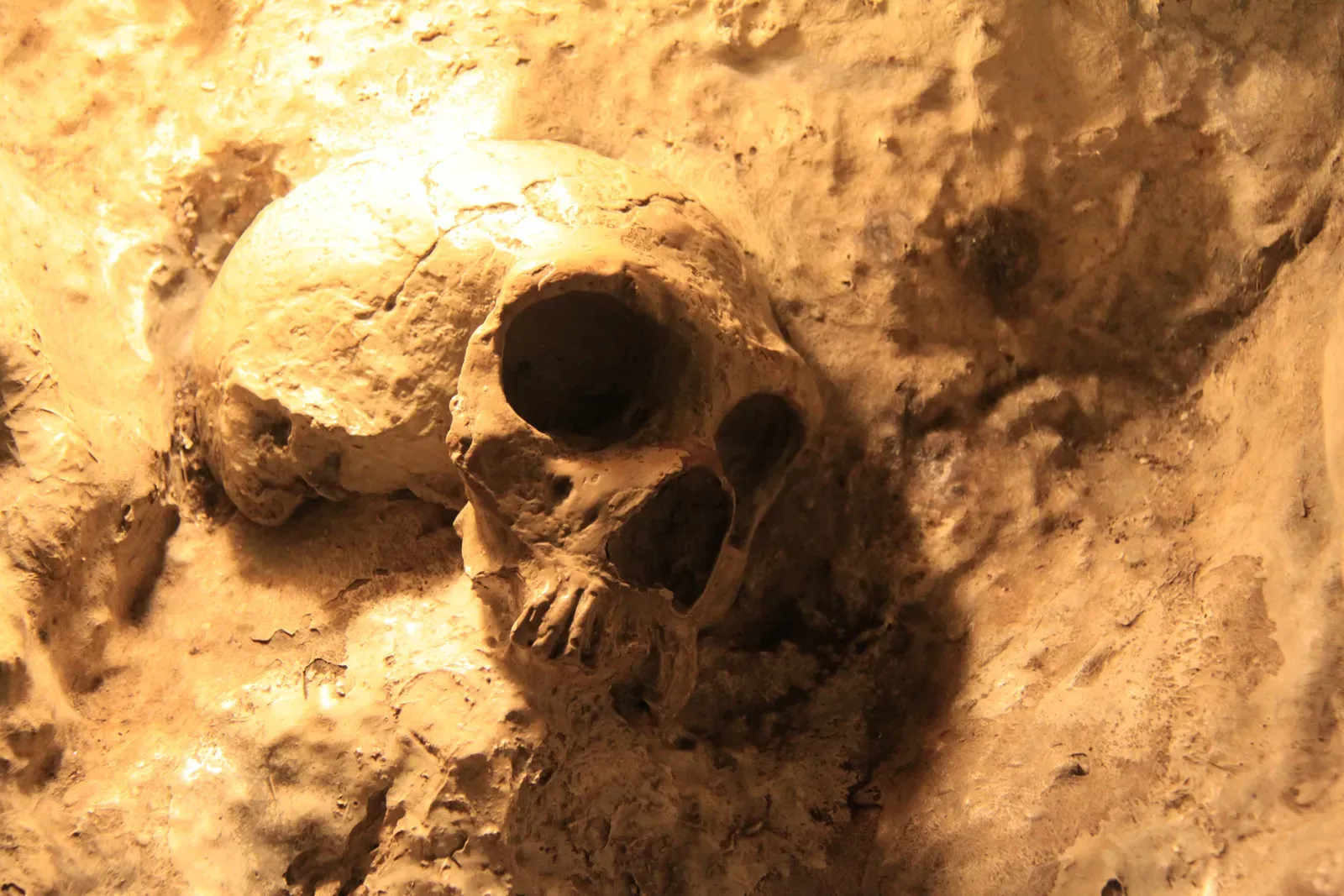
Homo neanderthalensis has been treated as its own distinct species since the 19th century, a separate evolutionary dead end that went extinct roughly 40,000 years ago while modern humans marched on.
Genetic sequencing blew a hole in that clean separation. Since Neanderthal DNA shows up in most living non-African populations today, some researchers now argue Neanderthals should be reclassified as a subspecies, Homo sapiens neanderthalensis, rather than a fully separate species, since interbreeding between the two was clearly common enough to leave a lasting genetic footprint. The “separate species” label many of us grew up with may not survive the genomics era at all. It’s a genuinely contentious argument, and not every geneticist agrees. And finally, the reclassification big enough to make Lucy one of us.
#1 – Lucy Might Officially Become One of Us
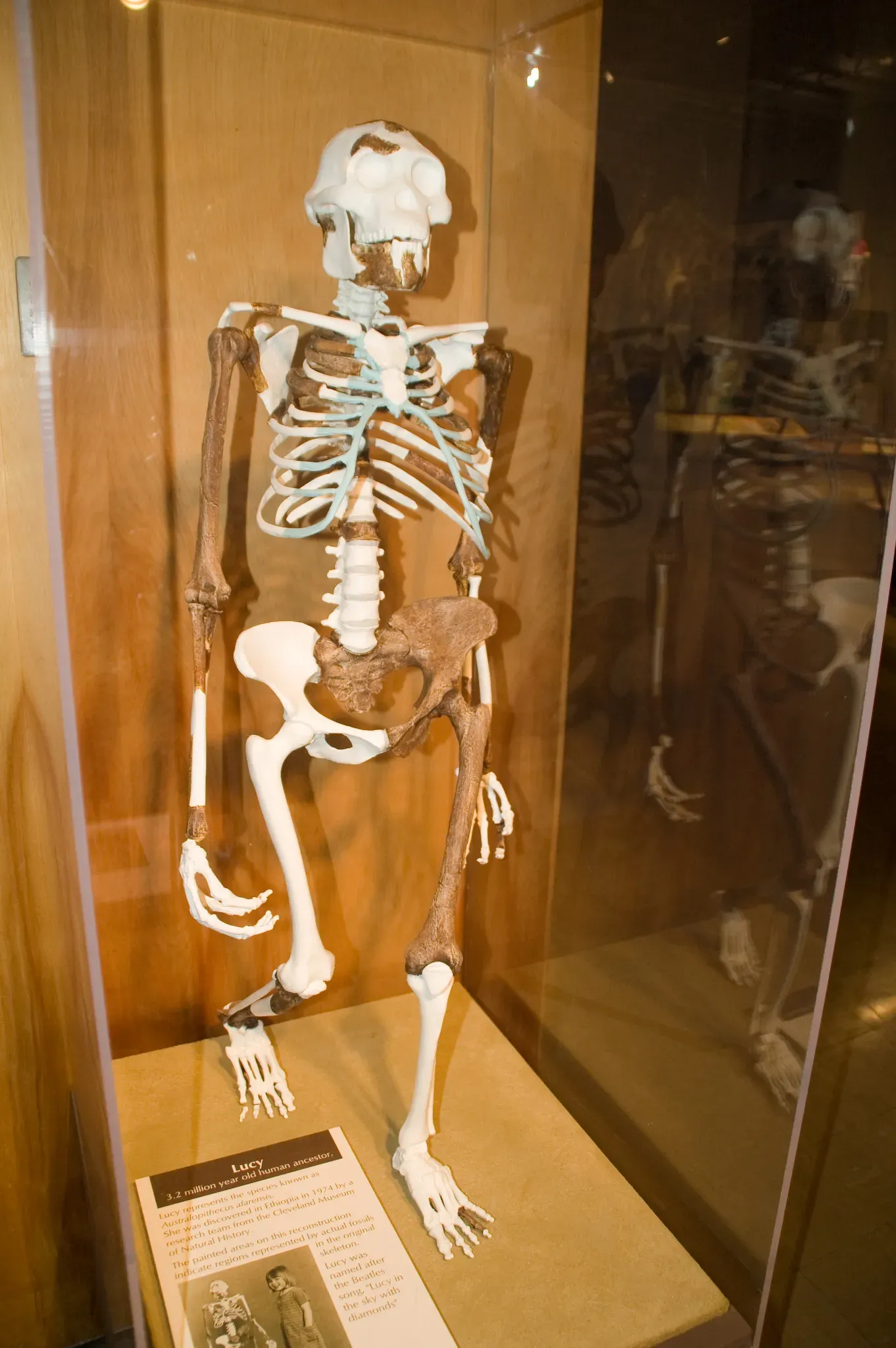
Here’s the reclassification that could rewrite everything. A Monash University researcher named Towle has proposed a radical re-evaluation of hominin classification, arguing that the genus Homo should expand to include not just modern humans and their closest fossil relatives, but Australopithecus and Paranthropus too. That would mean Lucy, currently filed under Australopithecus afarensis, would formally belong to the same genus as you.
The proposal isn’t fringe speculation. Towle argues the expanded genus should cover hominins spanning roughly the last four to five million years, pointing out that different hominin species clearly coexisted, combined traits once thought exclusive to separate genera, and may have behaved in more complex ways than scientists assumed. Separate research backs up the underlying problem: restricting the genus to the currently recognized Australopithecus, Homo, and Paranthropus lines is a shaky compromise, since new fossils, genetic analysis, and better methods for tracing relationships keep showing these traditional boundaries don’t hold up cleanly. Lucy, the most famous fossil skeleton on Earth, might soon carry the same genus name you do.
“These groups do not necessarily represent distinct evolutionary branches, or ‘clades’.”
Dr. Ian Towle, Monash Biomedicine Discovery Institute
The Bottom Line
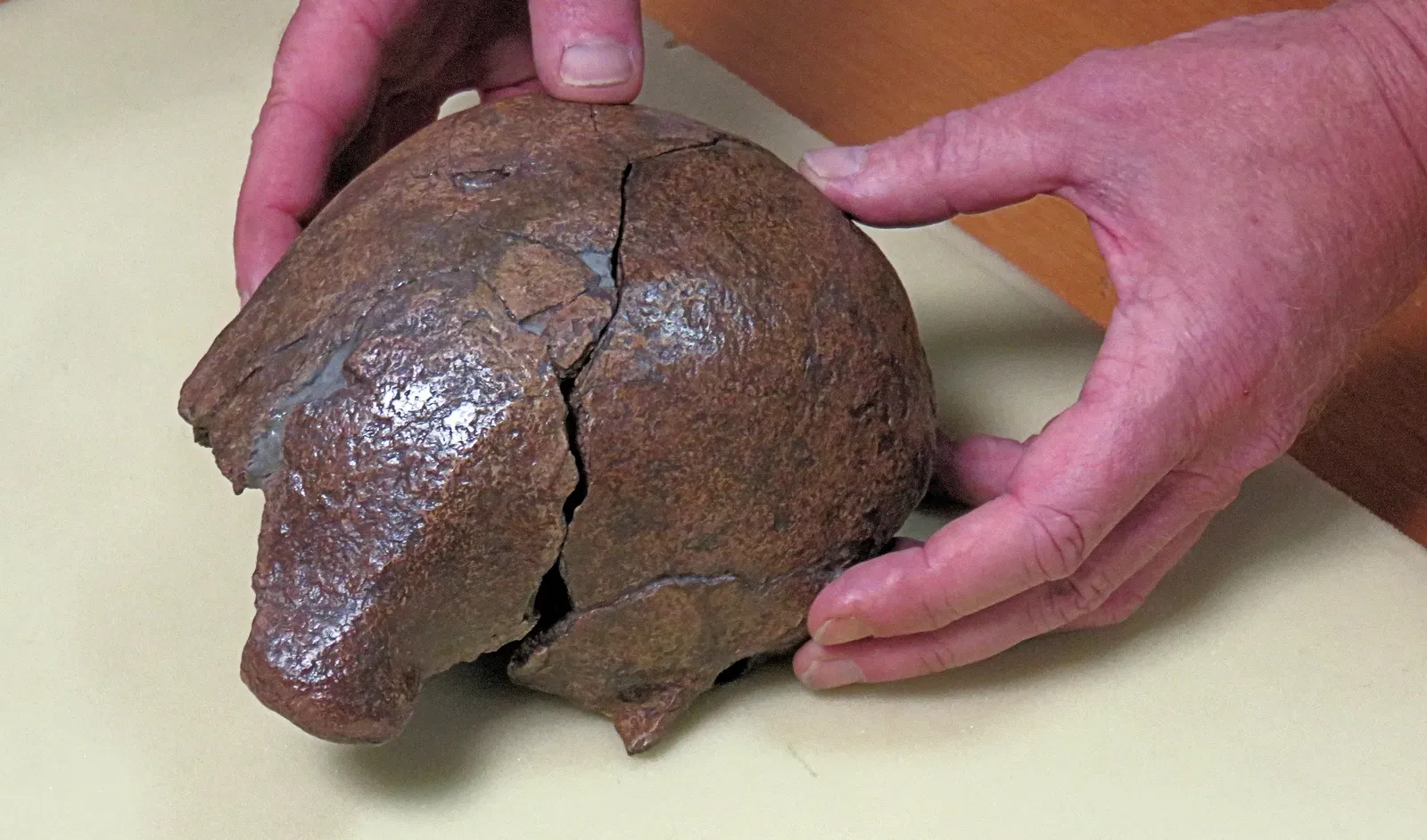
The human family tree isn’t a museum relic frozen behind glass. It’s a live argument that keeps rewriting itself every time a new fossil, a new date, or a strand of ancient DNA turns up. Ramapithecus lost its human card entirely, half a dozen “new genera” quietly dissolved back into Homo erectus, and Homo habilis, the species that literally gave our genus its name, is now on the chopping block for demotion out of it.
Here’s the part that should bother more people than it does: if Lucy ends up reclassified into Homo, it won’t be a minor paperwork update. It will mean the line between “ape-like ancestor” and “human” was never as clean as museum dioramas made it look, and honestly, it probably never was. The tree isn’t a ladder. It’s a tangle, and every generation of scientists gets a little more honest about admitting it.