
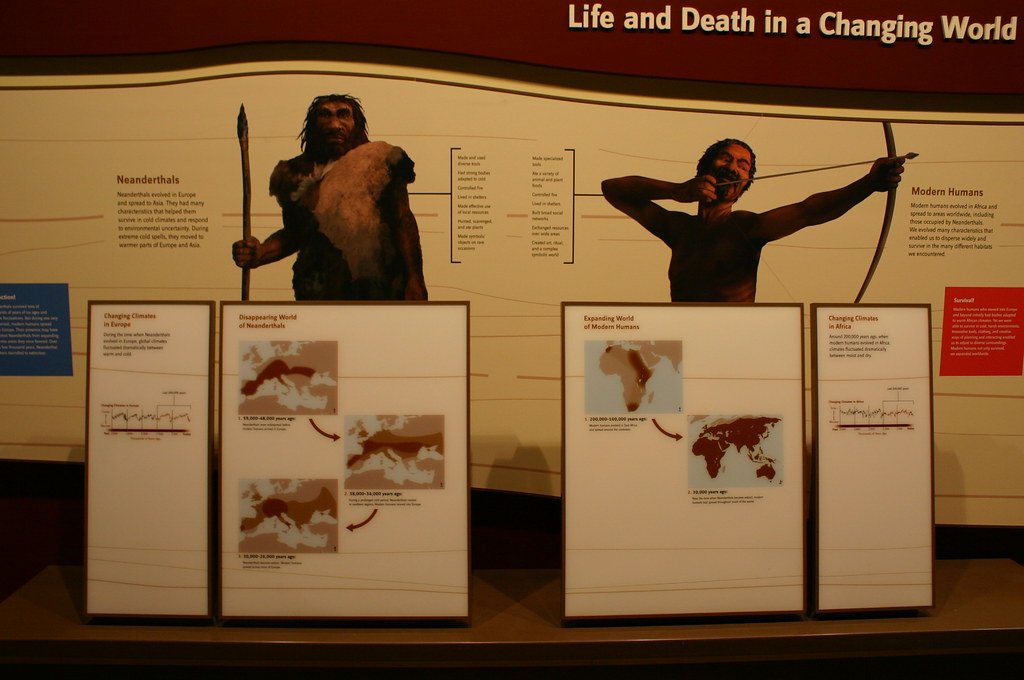
Here’s the story you were probably told in school: humanity climbed a neat ladder from ape to upright thinker, one tidy fossil at a time, until scientists filled in every gap. It’s a comforting picture. It’s also almost entirely wrong.
More than a hundred years of digging, DNA sequencing, and cave crawling hasn’t closed the book on human origins – it’s ripped out half the pages. Brand-new ancestors are surfacing inside our own genomes. Species with brains a third the size of ours may have buried their dead and carved symbols in total darkness. Basic questions – why we lost our fur, why women go through menopause, why we’re the only human species left standing – still don’t have real answers. Here’s what the fossil and genetic record actually says, starting with a growth spurt that shouldn’t have been biologically possible.
#24 – The Brain That Grew Too Fast, Too Soon
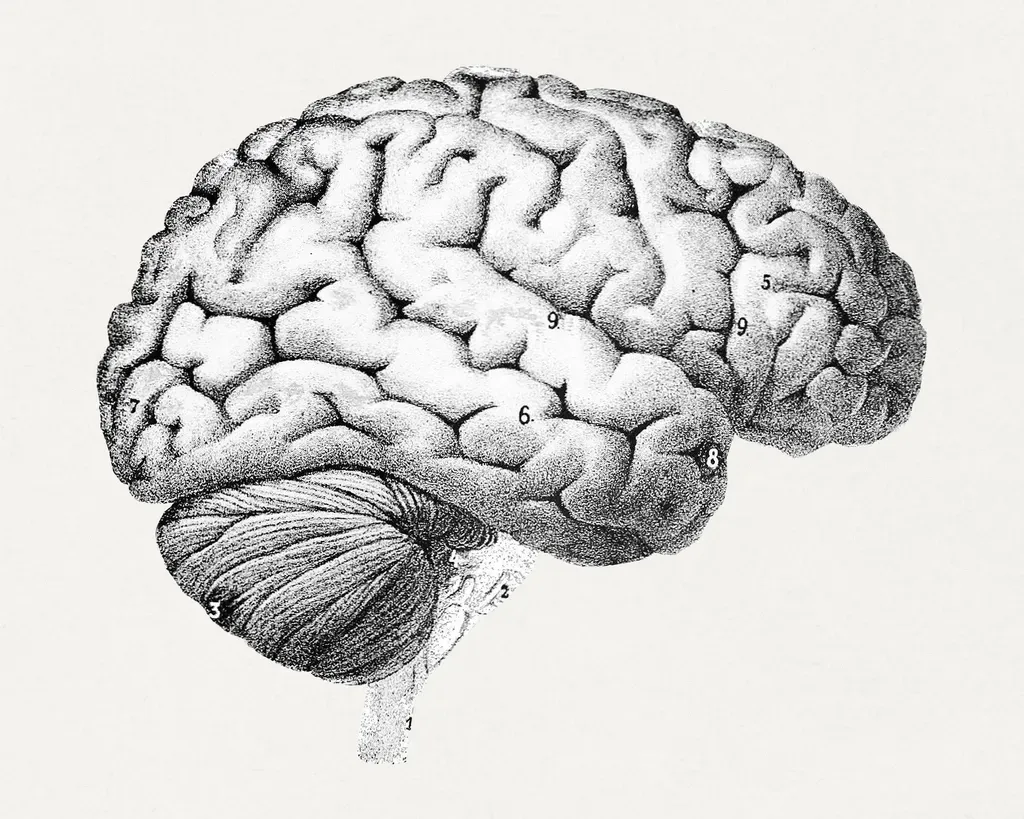
Human brain growth breaks every rule evolution is supposed to follow. Over the past 3 million years, the human brain nearly tripled in size – an expansion with no real parallel anywhere else in the animal kingdom. That’s not a gradual upgrade. That’s a biological sprint, and evolution almost never sprints without a brutally good reason.
Brains are outrageously expensive tissue. They burn enormous energy and make childbirth genuinely dangerous, which is exactly why scientists still can’t agree on what forced the trade-off. Tool use, social complexity, diet shifts – every theory explains a piece of the timeline, and none of them explain all of it.
Fast Facts
- Human brain size nearly tripled over roughly 3 million years
- Modern human brains average around 1,350 cubic centimeters in volume
- The brain burns close to 20% of the body’s total energy despite being only about 2% of body weight
- No single theory – diet, tools, or social complexity – explains the entire growth timeline
#23 – Why Humans Are the “Naked” Primate
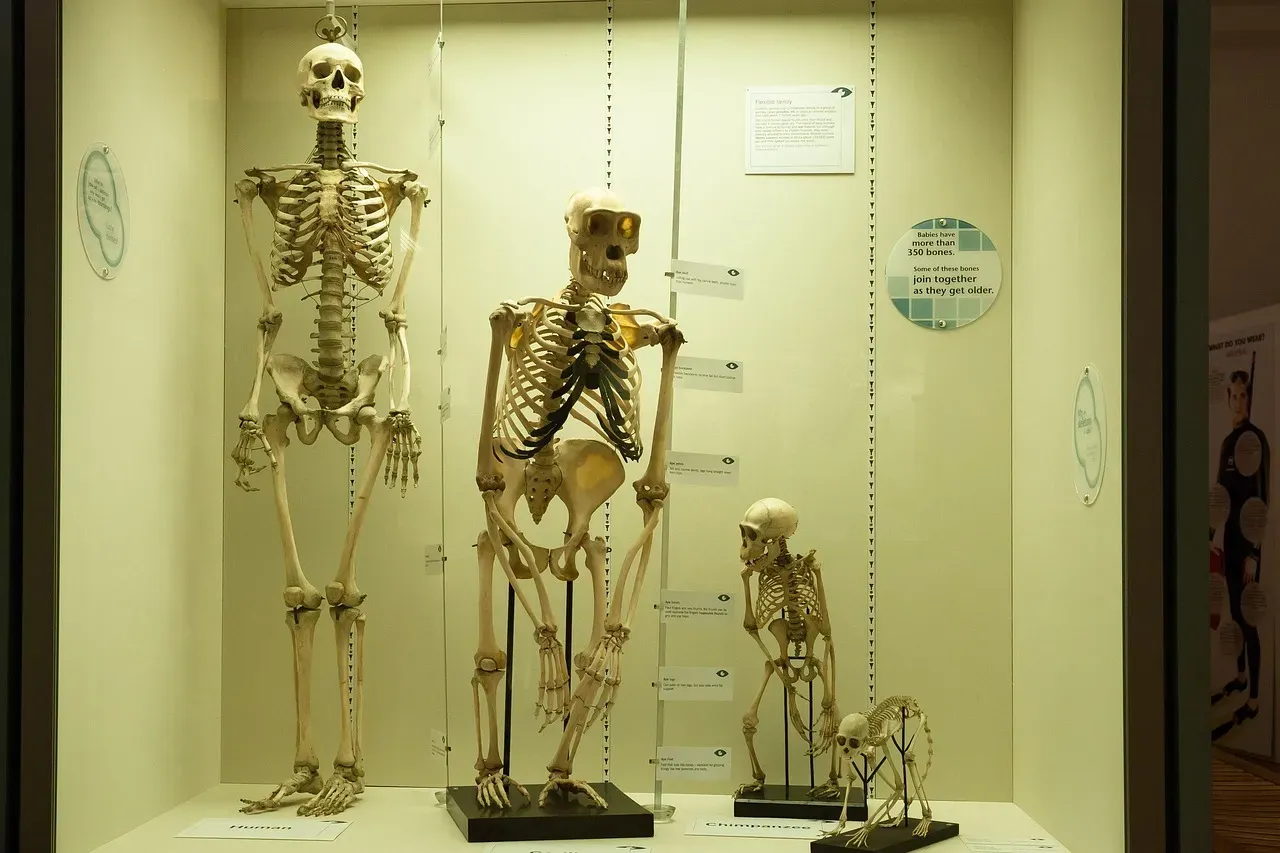
Line up a chimpanzee, a gorilla, and a human side by side, and one of these things is very obviously not like the others. Every one of our closest relatives is covered in thick fur. We aren’t – and losing it wasn’t a cosmetic footnote. It rewired thermoregulation, sun exposure, parasite load, and even how we signal to each other socially.
Popular explanations range from persistence hunting across hot African savannas to fringe aquatic-ancestry theories, and none of them have won real consensus among paleoanthropologists. Even the timeline is fuzzy, because hair – like most soft tissue – simply doesn’t fossilize.
#22 – The Genetic Diseases Evolution Should Have Erased
Natural selection is supposed to be ruthless about deleting harmful mutations over time. It hasn’t been. Humans still carry a surprising number of genetic variants tied to serious diseases and disorders, and scientists don’t fully know why evolution never scrubbed them out.
One explanation is hidden benefit – the sickle cell gene, for instance, also protects against malaria. But for most of these persistent mutations, researchers are genuinely in the dark, because the evolutionary trade-offs that kept them around are buried in ecological pressures we can no longer observe.
#21 – The Mystery of Menopause

Almost no other species does this. Most animals keep reproducing until they die. Humans are one of the rare exceptions where females live decades past their reproductive years, which raises an uncomfortable question for a numbers-driven process like evolution: why keep a body running long after it stops passing on genes?
The leading idea, the “grandmother hypothesis,” suggests older women boosted survival odds for grandchildren instead of having more children themselves. It’s popular – but far from proven, and competing theories about mate selection and social structure still get serious airtime in academic journals.
#20 – The Language Nobody Can Find in the Fossil Record
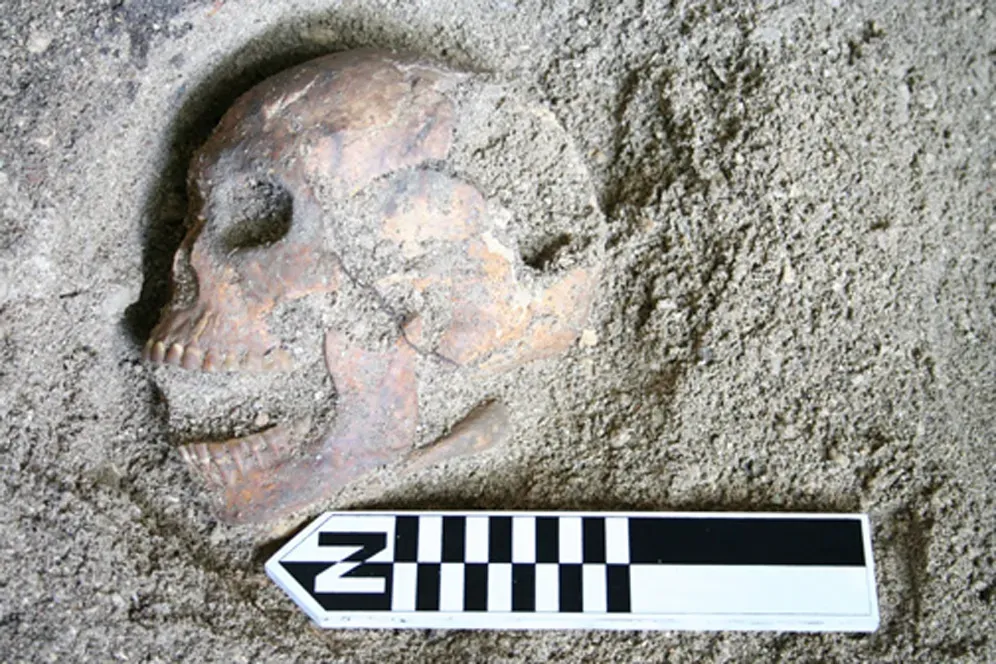
You can dig up a skull. You cannot dig up a sentence. Language leaves no fossil, so scientists are stuck reading tea leaves – changes in the vocal tract, symbolic markings, anything that hints at when speech began. It’s an indirect approach with enormous gaps, because symbolic behavior and actual spoken grammar aren’t necessarily the same milestone.
The path from grunts to full grammar is still essentially a black box, and that’s not an exaggeration – it’s the honest state of the field. Nobody can pinpoint the decade, century, or even the millennium when the first true sentence was spoken.
#19 – The Million-Year Toolkit That Never Changed
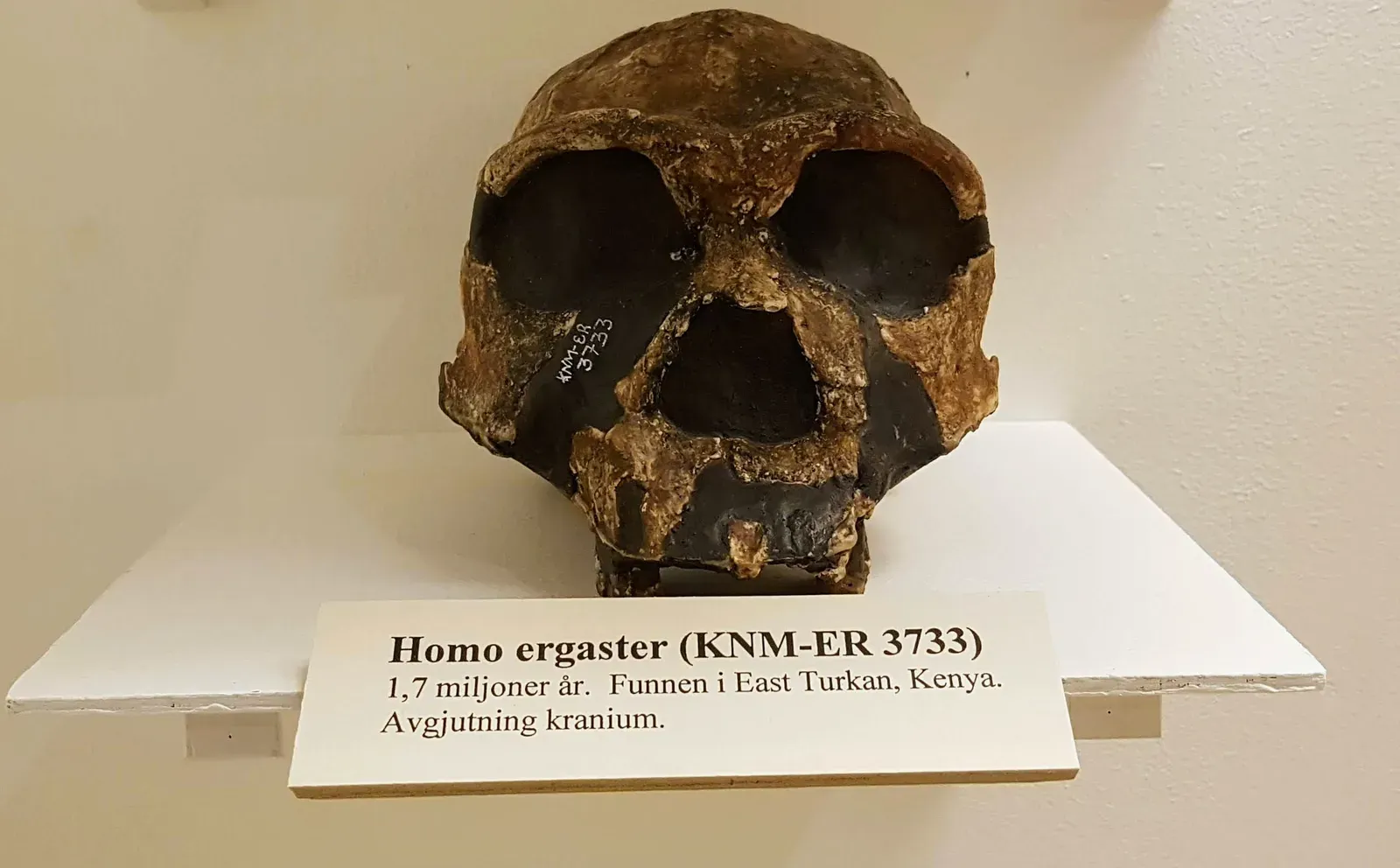
Imagine using the exact same phone for a million years. That’s roughly what Homo ergaster did with stone tools. This species lived in Africa between 1.7 million and 600,000 years ago, stood up to six feet tall, and survived even in punishing arid grasslands using a stone toolkit that barely changed for hundreds of thousands of years.
Here’s the part that should bother you: the simple idea of lashing a stone axe to a stick to make a spear apparently never occurred to them. Not once, across an almost incomprehensible span of time. That single missed idea sat unused for hundreds of thousands of years.
#18 – The Day the “Modern Mind” Switched On

At some point, a switch flipped inside the human skull – the ability to see new possibilities, spot hidden connections, and think in symbols. Scientists still don’t know how that modern mind came into existence. That’s a stunning admission from a field that has spent over a century studying exactly this question.
Some researchers argue this cognitive leap is what let humans expand out of Africa and thrive as never before. Many other paleoanthropologists flatly disagree with that timeline. This isn’t a minor academic footnote – it’s a split at the very center of how we define what makes a human “modern” in the first place.
#17 – Two Brand-New “Ghost” Ancestors Just Found Hiding in Your DNA
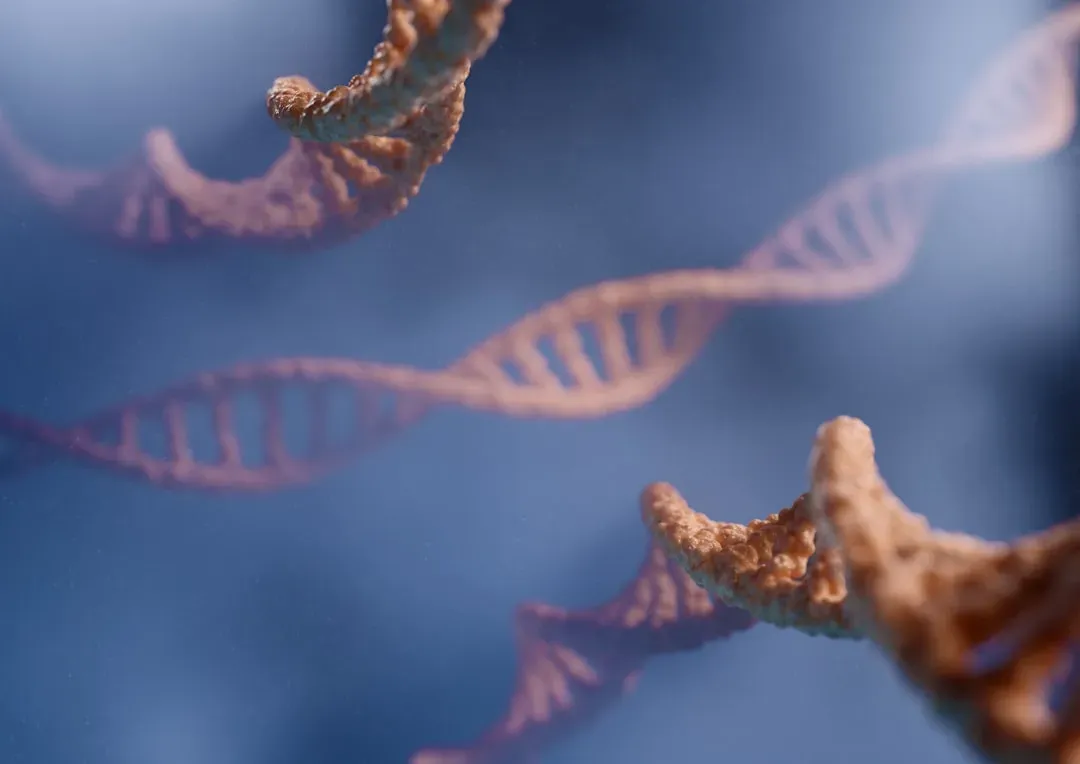
Your genome is holding secrets scientists only decoded within the last year. Modern humans carry DNA from two mysterious extinct lineages beyond Neanderthals and Denisovans – entirely new branches nobody had any fossil evidence for. Their hidden genetic legacy shows our evolutionary past involved far more repeated mixing than anyone assumed.
One of these ghost ancestors interbred with modern humans in Africa more than 50,000 years ago, before the last major migration out of the continent. DNA from this lineage makes up roughly 1% of the modern human genome – about the same share as Neanderthal DNA. We are all walking around with genetic material from a species that has never been physically found.
Quick Compare
| Ancient Lineage | Approx. Share of Genome |
|---|---|
| Neanderthal | ~2% (non-African genomes) |
| Denisovan | Up to ~5% (some Melanesian genomes) |
| New “Ghost” Lineage | ~1% (African genomes) |
#16 – The Million-Year-Old “Super-Archaic” Lineage That Bred With Denisovans
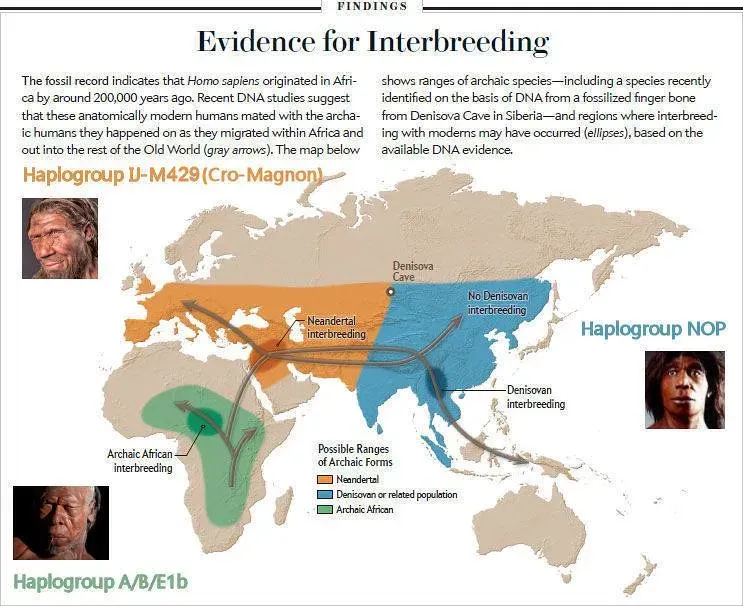
This one reaches even further back, into a branch of the family tree that split off before Neanderthals even existed. Researchers call it a “super-archaic” ancestor because it traces to a lineage that diverged roughly 1.8 million years ago – and it appears to have interbred with Denisovans in Eurasia more than 200,000 years ago.
That means Denisovans themselves were mixing with something even older and unidentified, and some of that ancient DNA later got passed to modern humans through subsequent interbreeding. Nobody has ever found a single bone belonging to this lineage. Its entire existence is inferred purely from genetic math.
#15 – Denisovans May Not Have Been One Species, But Three
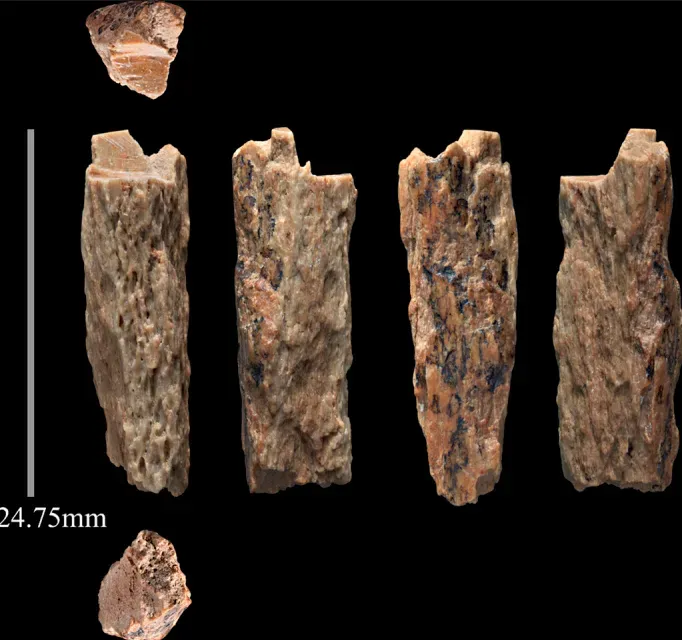
The word “Denisovan” might be hiding a much bigger family reunion than anyone realized. DNA from a large sampling of living Southeast Asians suggests the ghostly Denisovans may actually represent three distinct kinds of human – one of which is almost as different from other Denisovans as they are from Neanderthals.
Researchers have only a handful of Denisovan fossils to work with – a finger bone, some teeth, a jaw – yet the genetic diversity hiding in living populations suggests we’re barely scratching the surface. We may be looking at three separate “species” that have been lumped under one convenient name for years.
#14 – Why Neanderthals Actually Disappeared, Still Unsolved
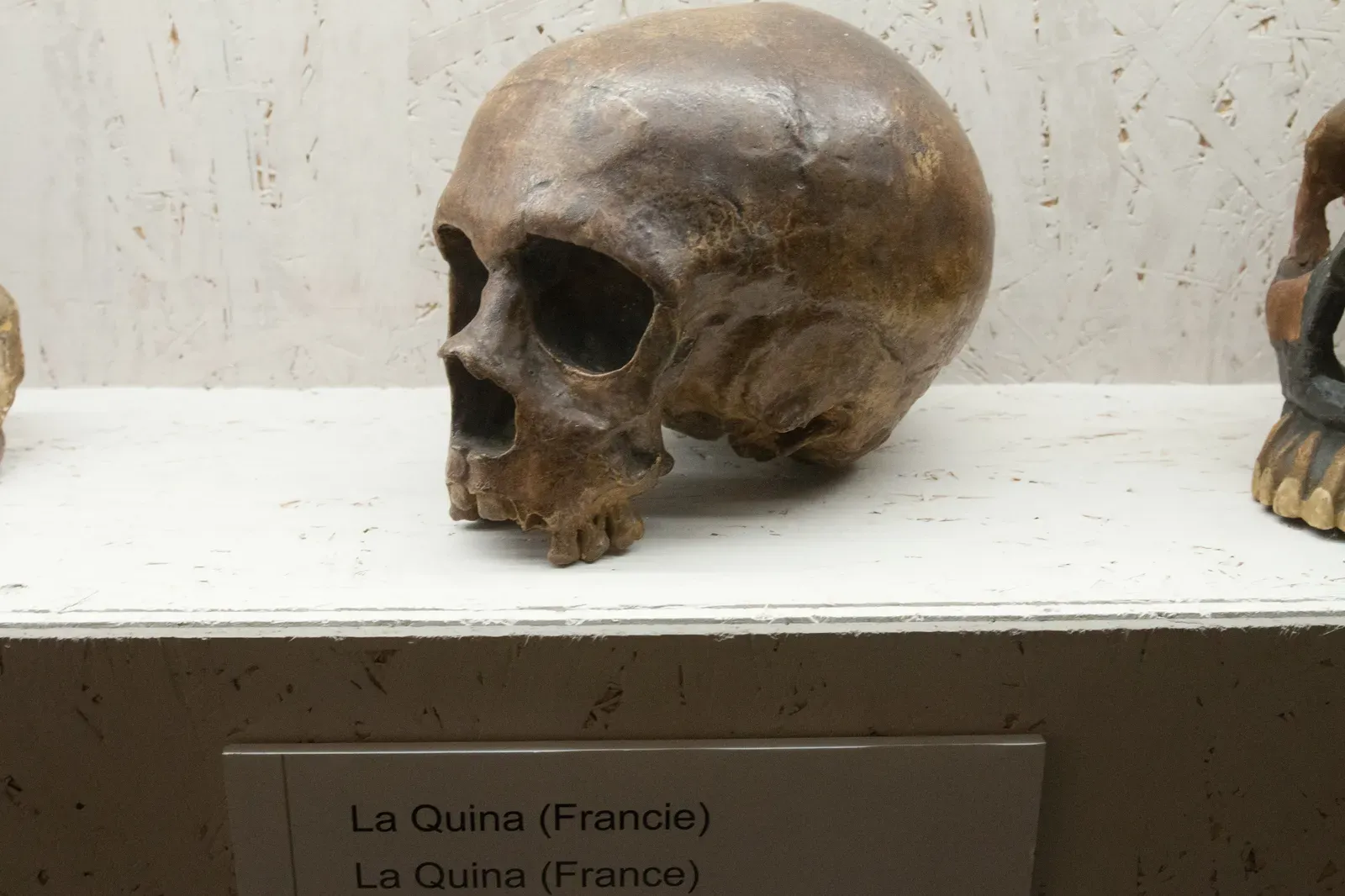
Neanderthals survived brutal ice ages for hundreds of thousands of years. Then, in a geological blink, they were gone. Their extinction around 40,000 years ago is just as contentious as everything else about their lives, and scientists still can’t agree on what actually caused it.
Over a dozen competing hypotheses currently circulate in the scientific literature, and none has decisively won. A survey of practicing paleoanthropologists found demography generally favored as the leading suspect, while the field remains deeply divided over how much environmental pressure and competition with modern humans actually mattered.
#13 – Did Sex, Not War, Erase the Neanderthals?
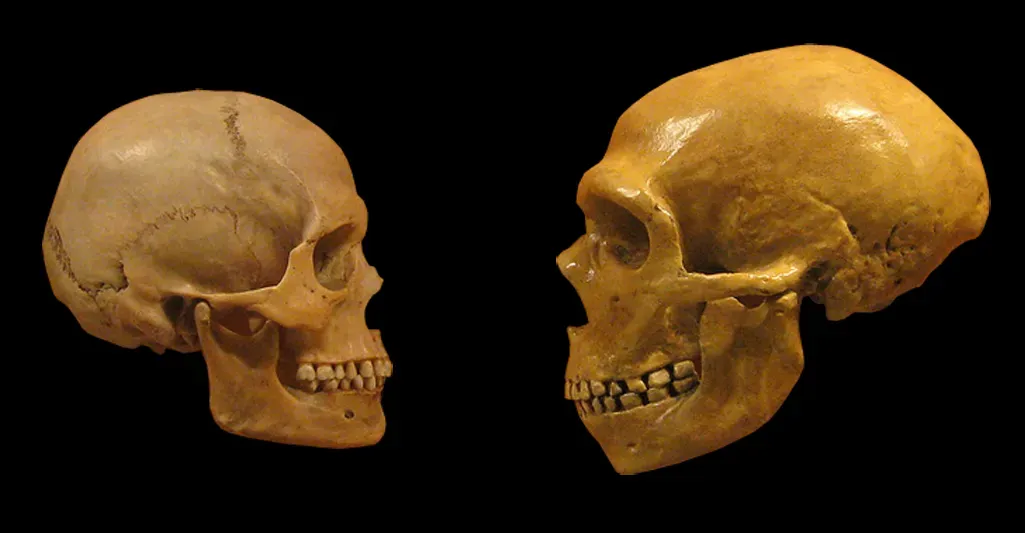
Forget spears and violent conquest. One controversial theory says love – or at least reproduction – quietly erased an entire species. It proposes that Homo sapiens didn’t wipe out Neanderthals through violence, but through interbreeding instead. That’s a genuinely unsettling idea: extinction by absorption rather than annihilation.
About 2% of the genome of people descended from populations outside Africa comes from Neanderthals, yet there’s almost no evidence gene flow ever went the other way. Repeated interbreeding may have steadily thinned the pool of Neanderthals breeding with each other until they simply vanished. Only 32 Neanderthal genomes have ever been sequenced, so this remains a hypothesis, not a settled fact.
#12 – Homo naledi: The Small Brain That Broke the Rules
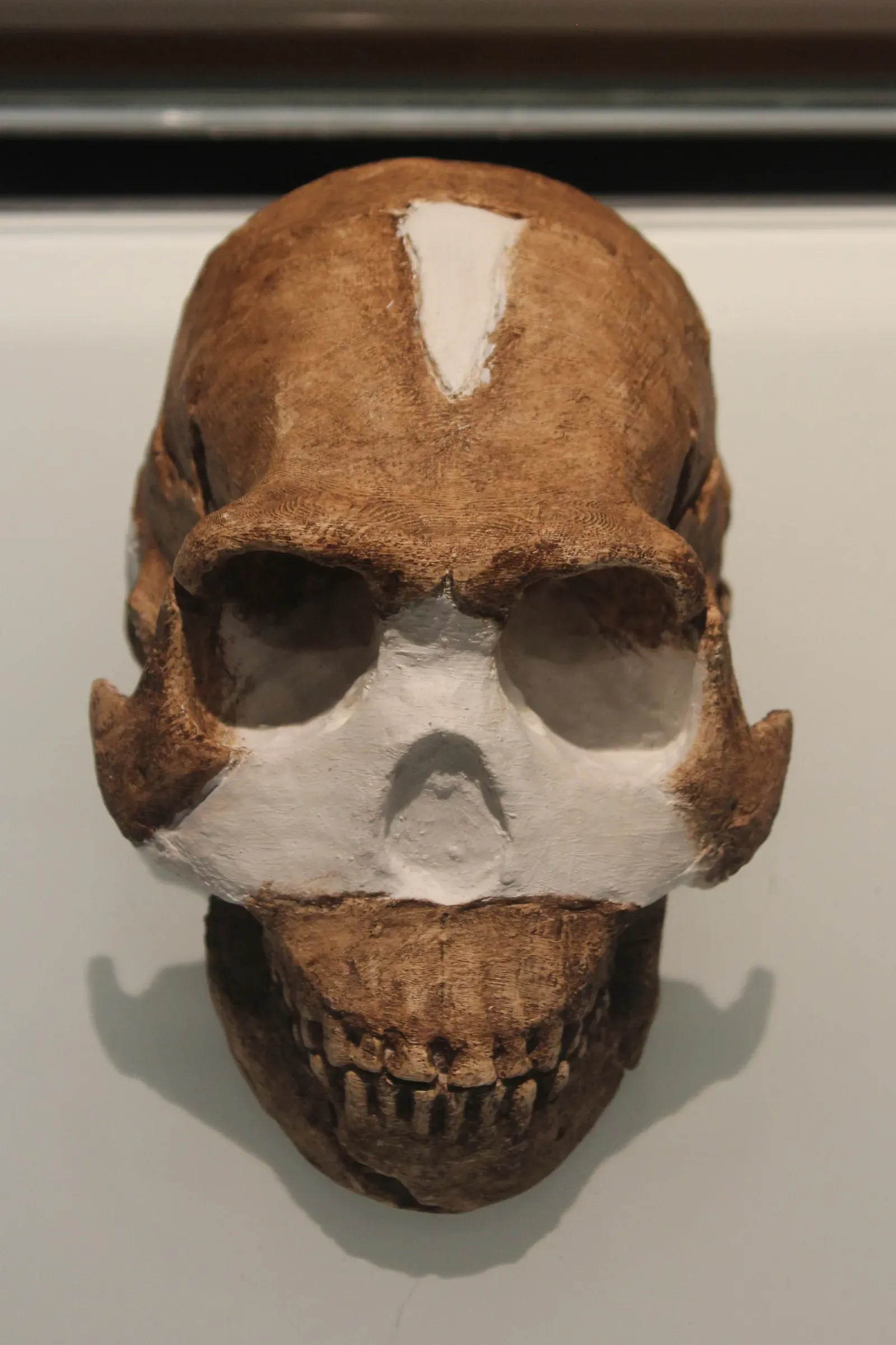
A brain a third the size of yours apparently did things we thought only “advanced” humans could manage. Homo naledi’s brain was around one-third the size of a modern human’s, yet the behaviors linked to this species could rewrite our understanding of human evolution – because that level of complexity had only ever been tied to larger-brained Homo sapiens and Neanderthals.
The discovery began in 2013, when paleoanthropologist Lee Berger recruited researchers small enough to navigate the extremely narrow passages of the Rising Star cave system, some sections just 20 centimeters across. Only small-bodied team members could physically reach the deepest chambers at all.
At a Glance
- Brain size: roughly one-third that of modern humans
- Discovery site: Rising Star cave system, South Africa, 2013
- Access: some passages narrow to just 20 centimeters wide
- At least 20 individuals recovered from the Dinaledi Chamber alone
#11 – The All-Female Chamber Deep Inside Rising Star Cave
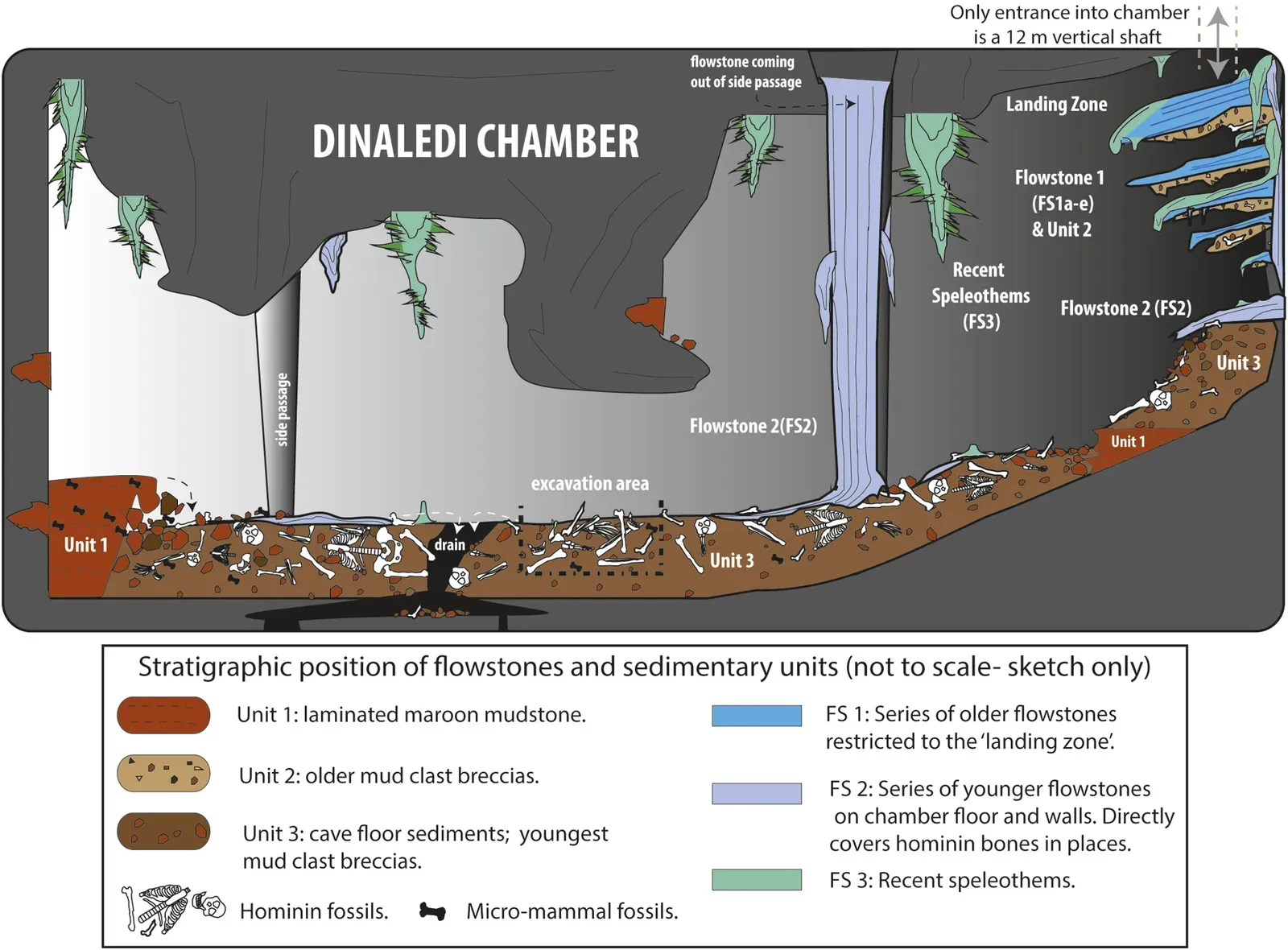
The deeper researchers dig into this cave, the stranger the story gets. Scientists extracted and analyzed the first-ever ancient proteins from Homo naledi fossils, revealing a potential all-female burial site. If confirmed, Rising Star could represent the first known example of a sex-specific burial site created by a non-Homo sapiens species.
Protein analysis of tooth enamel from at least 20 individuals detected no typical male molecular marker at all. Twenty individuals, and not a single confirmed male among them. The assemblage may represent an all-female mortuary context – or a genetically unusual population nobody expected.
#10 – The Carved Symbols Nobody Can Explain
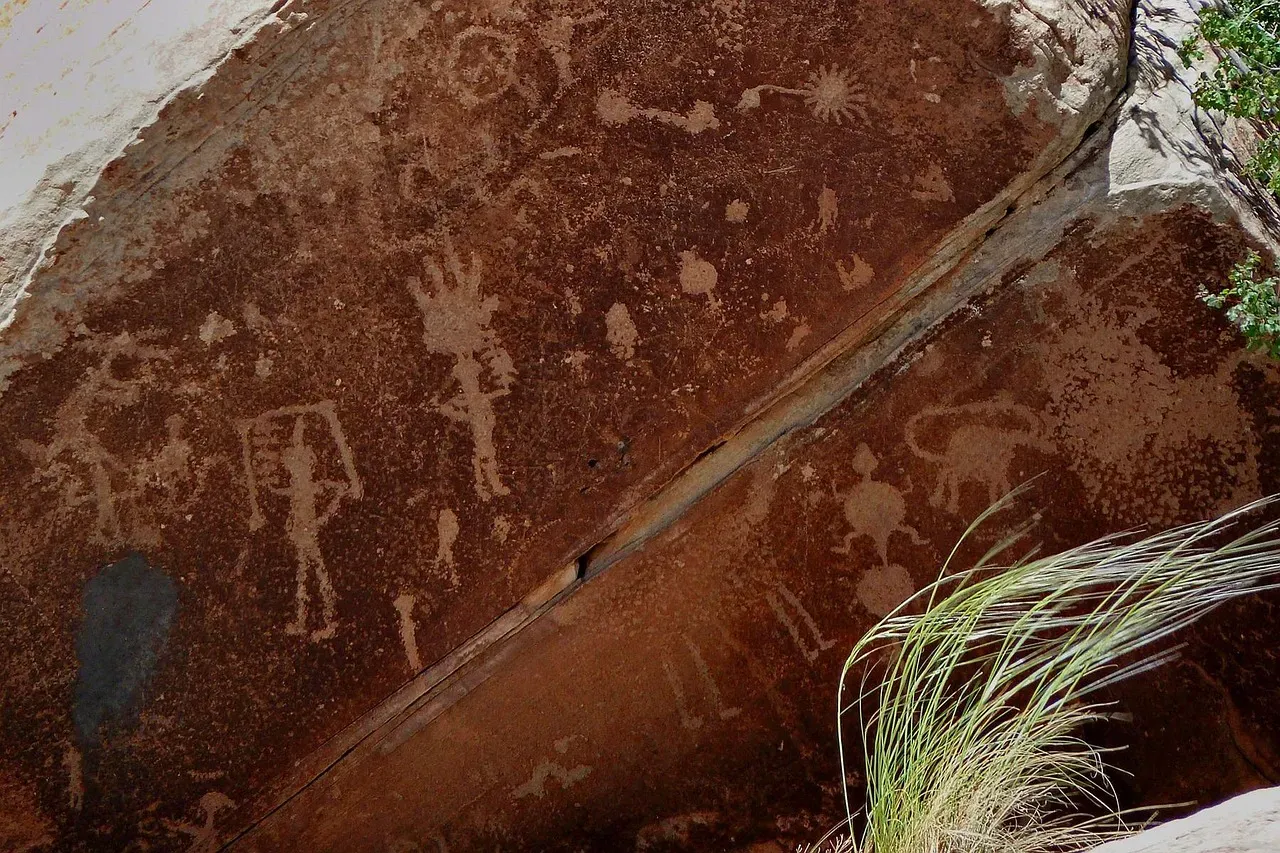
Deep in total darkness, something carved geometric shapes into solid rock – and it may not have been us. The markings include deeply carved, hashtag-like cross-hatchings, similar to symbols found in caves made by early Homo sapiens 80,000 years ago and Neanderthals 60,000 years ago, thought to have been used to record and share information.
Lead researcher Lee Berger has argued the findings point to intentional burials, symbol use, and meaning-making activities – suggesting this small-brained species was engaging in complex practices around death. If naledi really made these marks, symbolic thought never required a big brain in the first place.
#9 – Why Every Homo naledi Skeleton Looks the Same
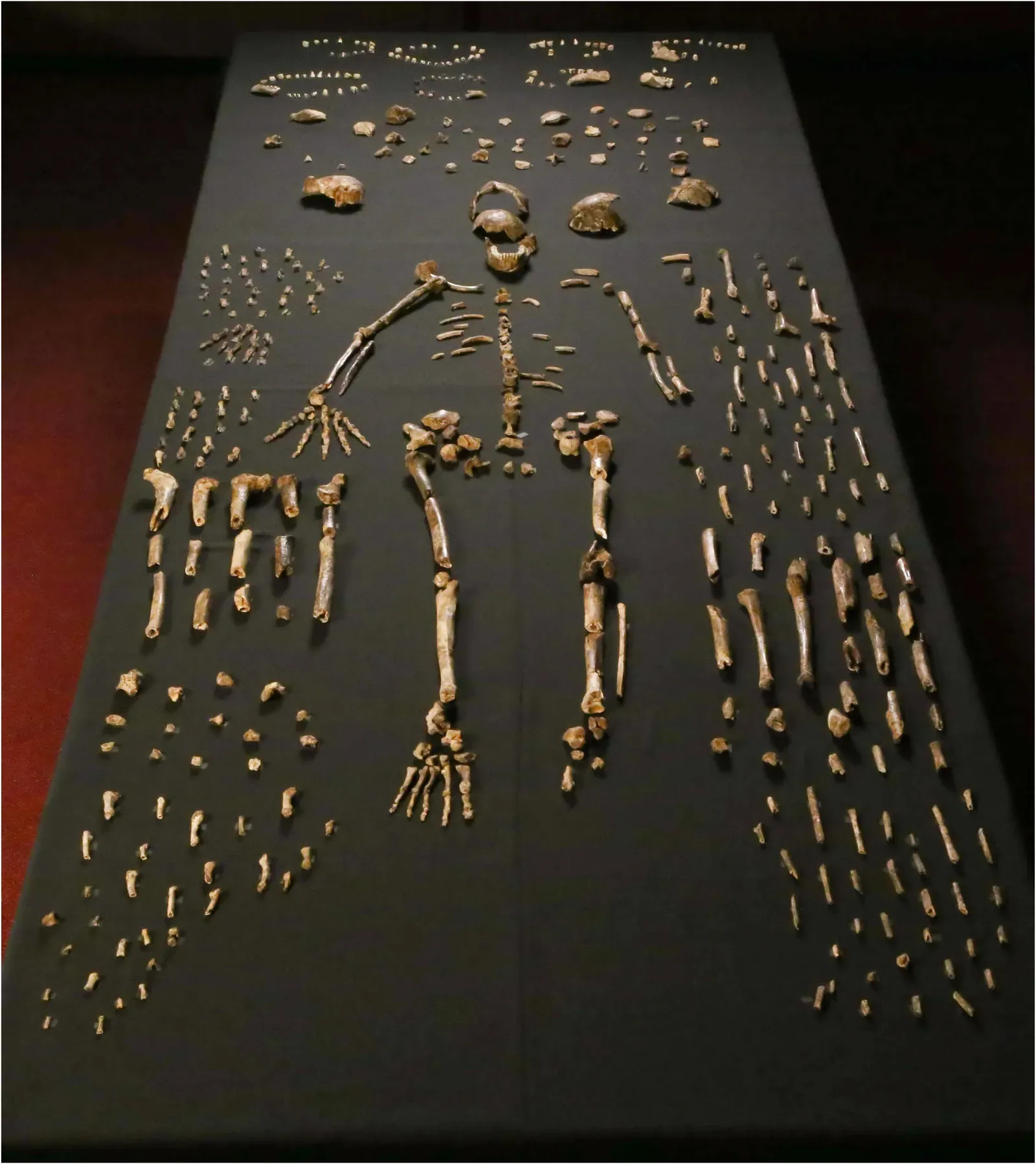
For over a decade, one detail about this cave simply refused to make sense. The adult fossils recovered from the Dinaledi Chamber looked remarkably similar to one another, showing almost none of the physical variation typically expected between males and females of a species.
In most species, skeletal sexual dimorphism is obvious – size, bone density, pelvis shape. Here, it practically vanished. That uniformity fueled years of competing theories, from sampling bias to a genuinely narrow founding population, and the eventual all-female protein finding only partly solves it – it still doesn’t explain where the males went.
#8 – The “Pit of Bones” With Thousands of Skeletons and Zero Explanation
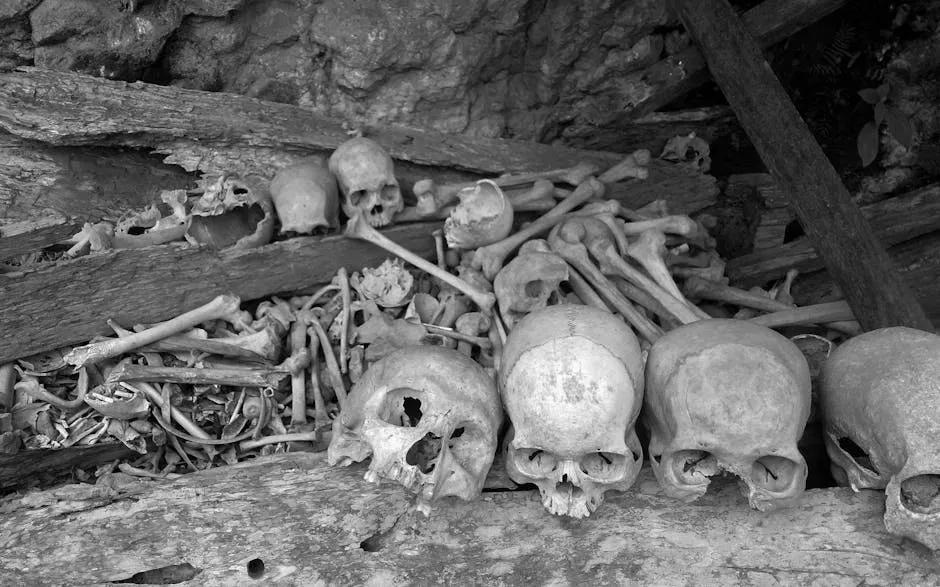
Long before Rising Star grabbed headlines, another cave delivered an equally baffling body count. The Dinaledi Chamber sits roughly 80 metres into the Rising Star system and must have always been in constant darkness – closely paralleling a famous accumulation of roughly 6,500 human fossils at Sima de los Huesos, the “Pit of Bones,” in Spain’s Sierra de Atapuerca.
Two separate caves, continents and hundreds of thousands of years apart, producing eerily similar mass-deposit mysteries. In both cases there’s no associated evidence of ordinary human occupation, though the Sima also held bones from other large mammals and numerous articulated hand, foot, and spine bones. Nobody has definitively explained why either cave became a graveyard.
#7 – The Bitter Feud Over Whether Homo naledi Buried Its Dead at All
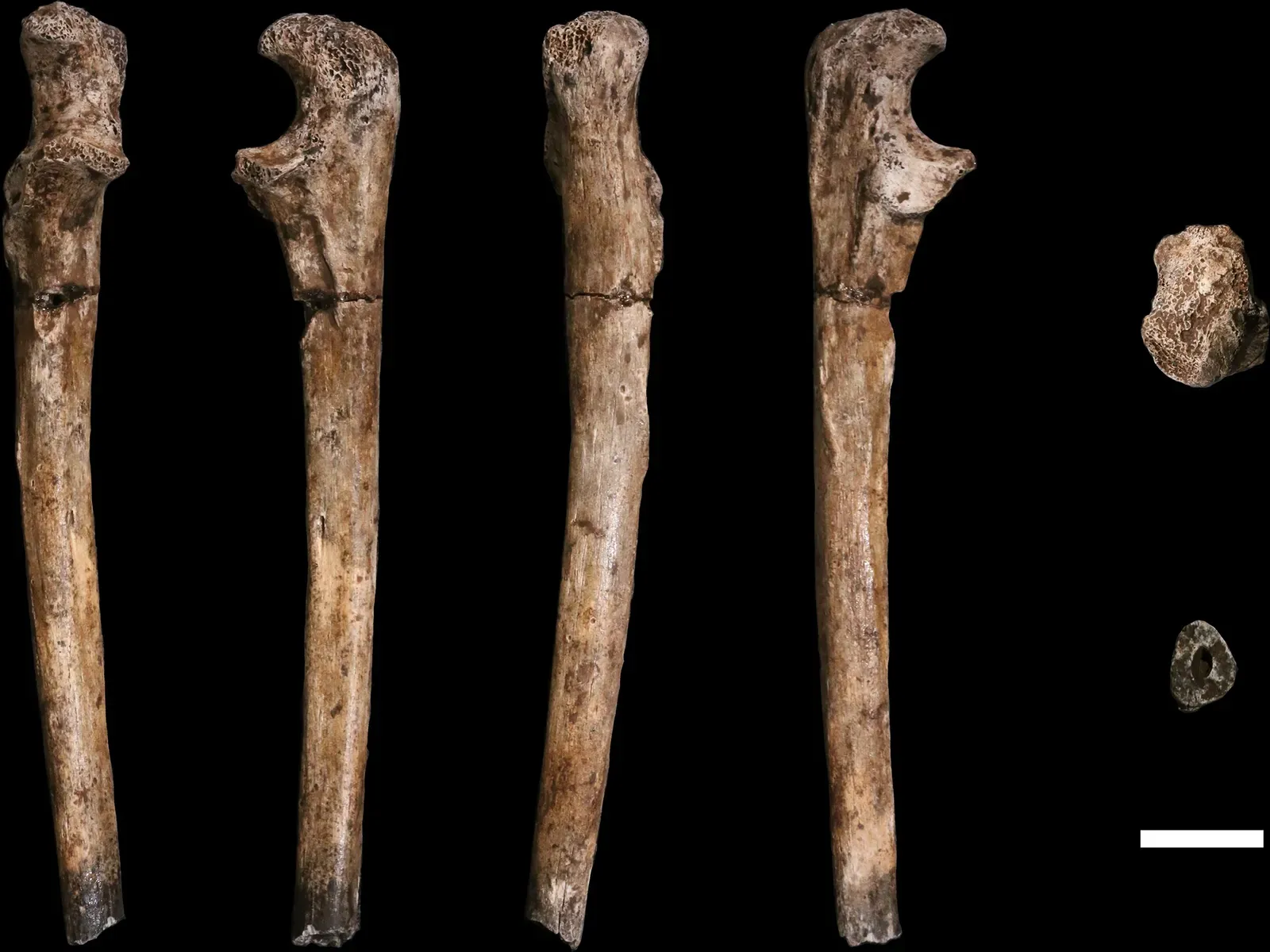
Not every scientist is convinced. Some think the “burial” story is built on shaky ground. Critics argue that far more documentation is needed before natural processes can be ruled out as the real cause behind the bone accumulation, and that the so-called engravings need much stronger proof of being genuinely human-made.
This isn’t a quiet disagreement confined to a lecture hall – it played out in peer-reviewed journals with pointed language on both sides. The fight highlights a broader problem in the field: extraordinary claims about ancient behavior are brutally hard to prove when the only witnesses have been dead for hundreds of thousands of years.
#6 – The Chicken-and-Egg Problem of Walking Upright
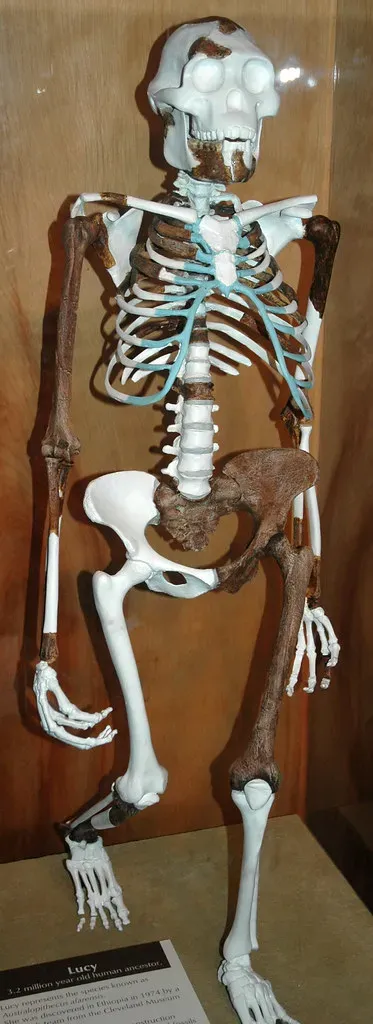
Here’s an uncomfortable truth: our ancestors were walking on two legs long before their brains got any bigger. Fossil evidence shows upright walking appeared millions of years before meaningful brain expansion began, flipping the old assumption that bigger brains drove bipedalism in the first place.
Instead, many researchers now argue walking came first, freeing the hands for tasks that only later fed back into brain growth. But the actual trigger is still argued over – energy-efficient long-distance travel, or freeing hands for carrying food and infants. The honest answer is that the fossil record simply doesn’t preserve motive.
#5 – The Hobbit of Flores and the Island That Shouldn’t Have Held Humans
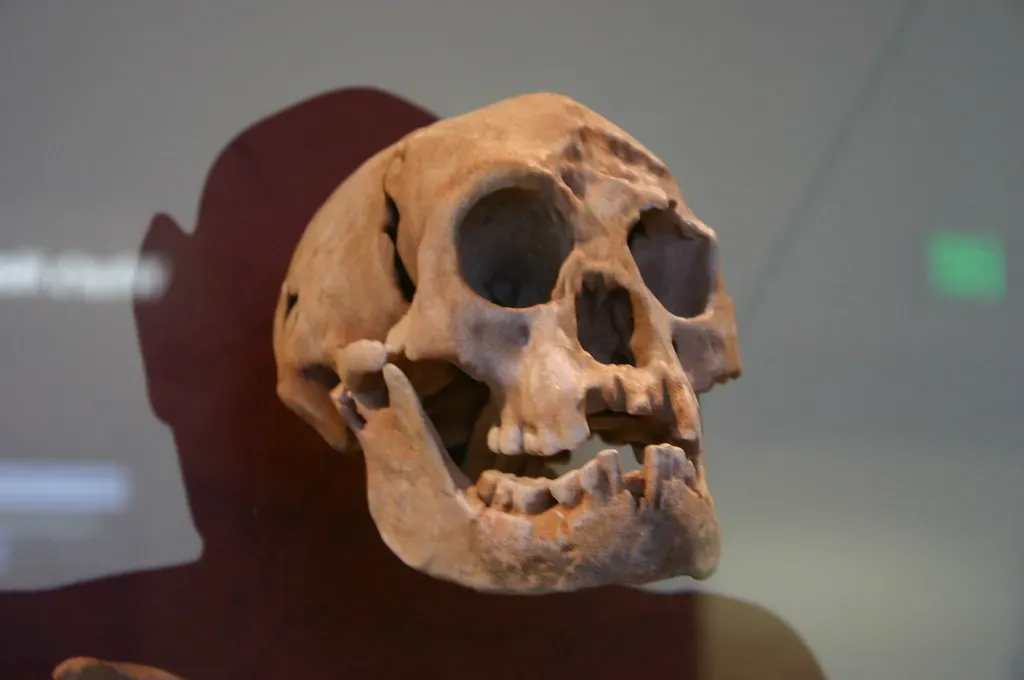
A tiny island in Indonesia produced one of the strangest human relatives ever found, and experts still argue about basically everything regarding it. Homo floresiensis, nicknamed “the hobbit,” stood roughly a meter tall with a brain closer in size to a chimpanzee’s – yet apparently made stone tools and possibly even used fire.
That combination alone contradicts decades of assumptions linking brain size directly to tool-making ability. Many experts now argue the entire “smaller brain equals simpler behavior” model needs a full rewrite, not a minor edit – and whether floresiensis descended from Homo erectus or an even more primitive lineage that reached the island independently remains genuinely unresolved.
#4 – Why the “Hobbit” Species Was So Small, Still Debated
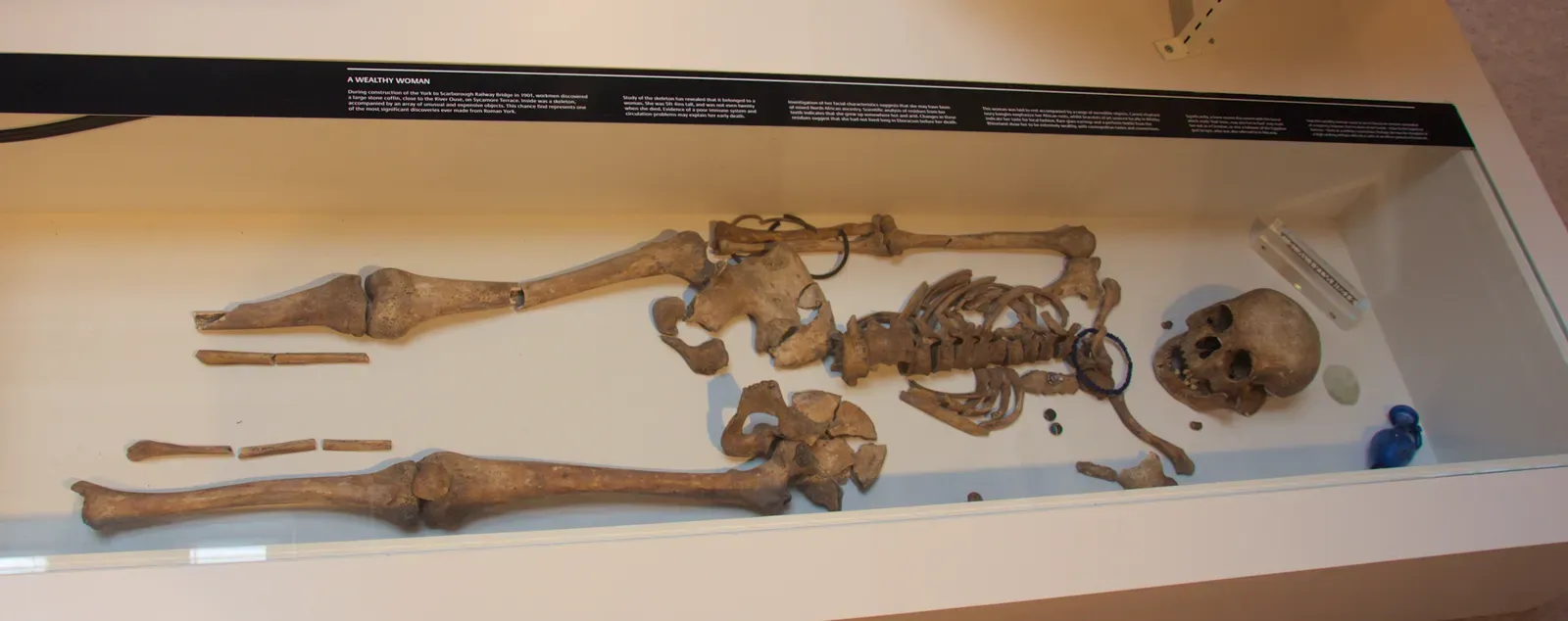
Islands do strange things to body size, but the “why” behind this particular case remains contested. The leading theory is island dwarfism – limited food and no large predators pushing body size down generation after generation, a pattern documented in other island-dwelling mammals throughout history. It’s a tidy explanation. Tidy doesn’t always mean settled.
Some researchers instead argue the small stature reflects a pathological condition in a small group of otherwise normal-sized humans, rather than genuine evolutionary adaptation. That disagreement has run for over two decades without resolution, largely because complete skeletons remain frustratingly rare.
#3 – The Supervolcano That May Have Nearly Wiped Out Humanity
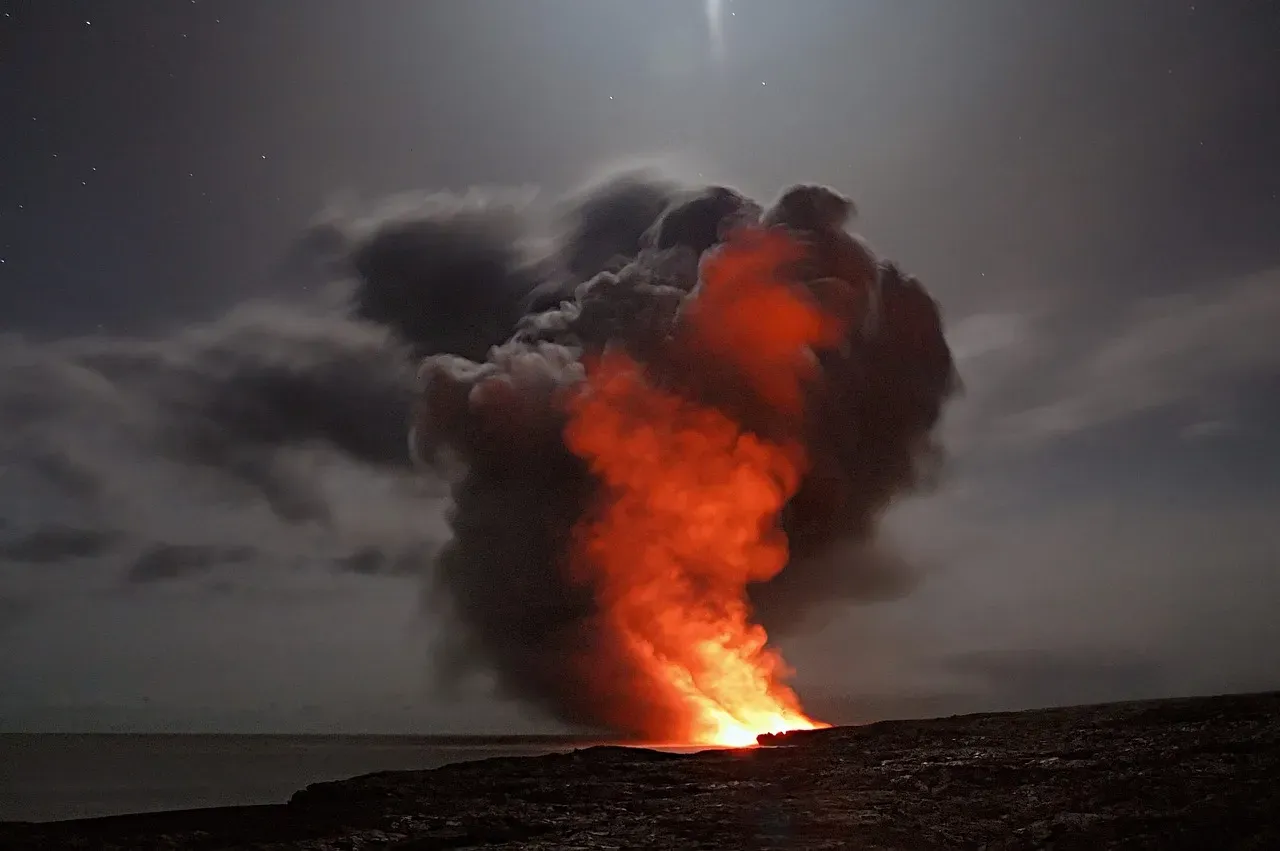
One eruption, one theory, and one massive scientific argument that still hasn’t cooled down. The Toba supereruption in Indonesia, tens of thousands of years ago, has long been linked to a severe population bottleneck in early human genetics – a single volcanic winter that nearly ended our species before it had the chance to spread across the planet.
Newer genetic and archaeological evidence has pushed back hard against the most extreme version of that story, suggesting some human populations survived relatively unaffected in certain regions. The debate now centers less on whether Toba happened – it clearly did – and more on whether it actually mattered as much as the dramatic “near-extinction” narrative suggests.
#2 – The First Americans Puzzle That Keeps Rewriting the Textbooks
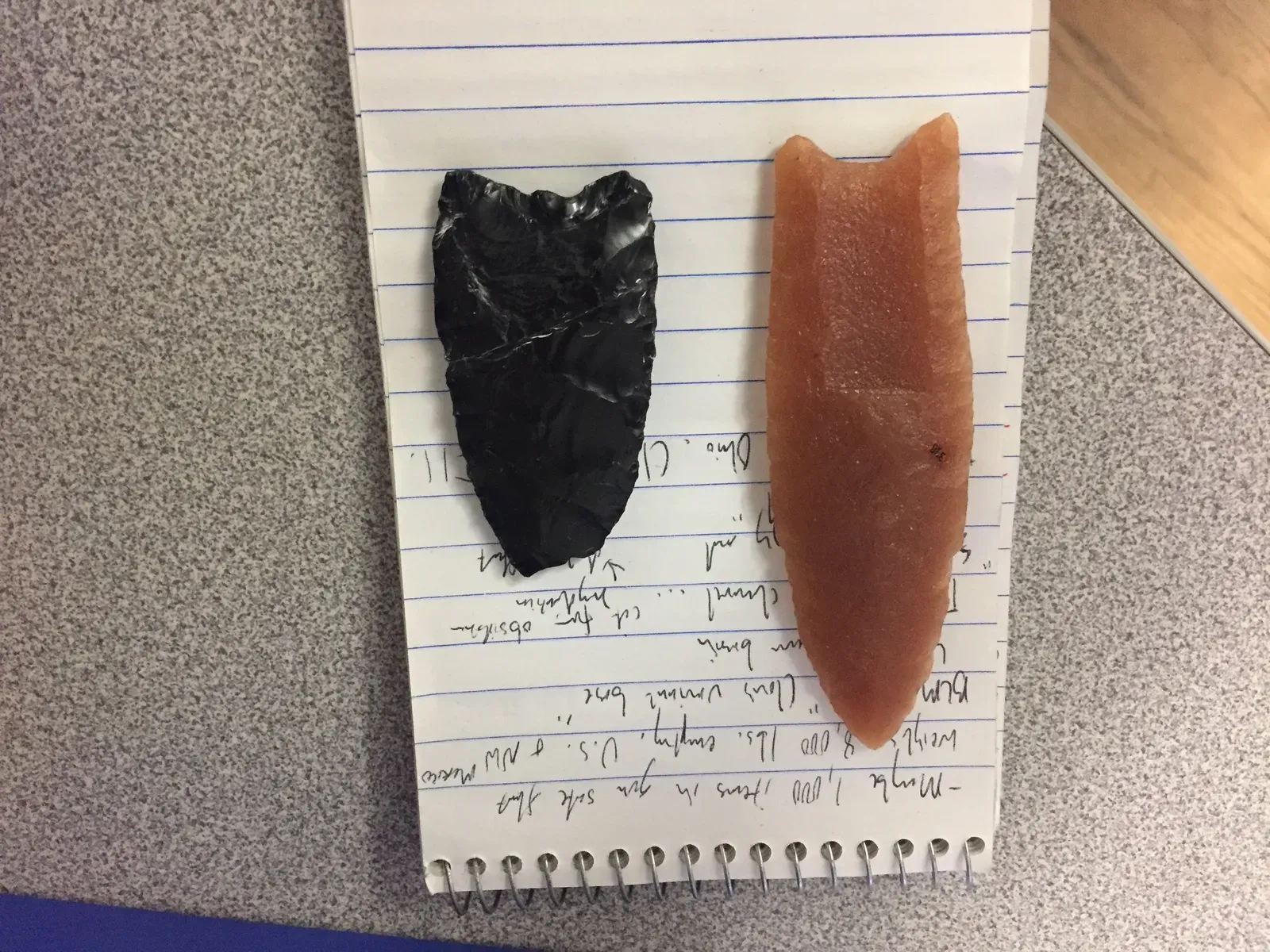
For decades, one tidy story explained how humans reached the Americas. That story has been quietly falling apart. The old model assumed the first Americans arrived via a single ice-free land corridor a little over 13,000 years ago, tied to the “Clovis” stone tool tradition.
Newer archaeological finds across both continents have pushed that timeline earlier and complicated the single-migration story considerably. No consensus route, timing, or number of migration waves has been agreed on, and that’s after nearly a century of excavation – coastal routes, multiple separate crossings, and earlier settlement dates are all still actively fought over, with new finds regularly forcing revisions instead of confirmations.
Worth Knowing
- Old model: one ice-free land corridor, roughly 13,000 years ago, tied to Clovis tools
- New evidence: earlier coastal migration routes now seriously proposed
- Multiple separate migration waves look increasingly likely, not one clean crossing
- After nearly a century of digging, no consensus on route, timing, or number of migrations
#1 – Why Homo Sapiens Survived When Every Other Human Species Died Out
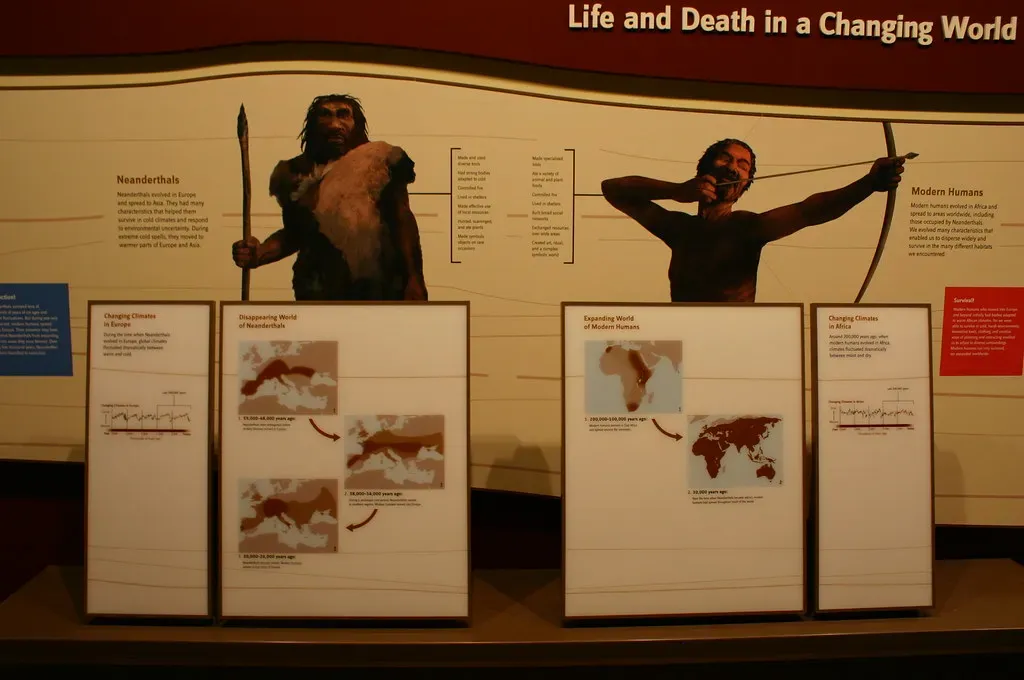
This is the biggest unanswered question in the entire field, and it ties every other mystery on this list together. At least half a dozen distinct human species walked the earth at the same time within the last few hundred thousand years – Neanderthals, Denisovans, Homo naledi, Homo floresiensis, and others whose genetic traces we’ve only just detected. Every single one of them eventually vanished. Only our branch kept going.
No single explanation satisfies every case. Climate shifts, social networking advantages, interbreeding, competition, and sheer population numbers have all been proposed, and each theory fits some species better than others. The uncomfortable truth is that “why did only we survive” may never have one clean answer – it may simply be an accumulation of small advantages that added up differently every single time.
The Bottom Line
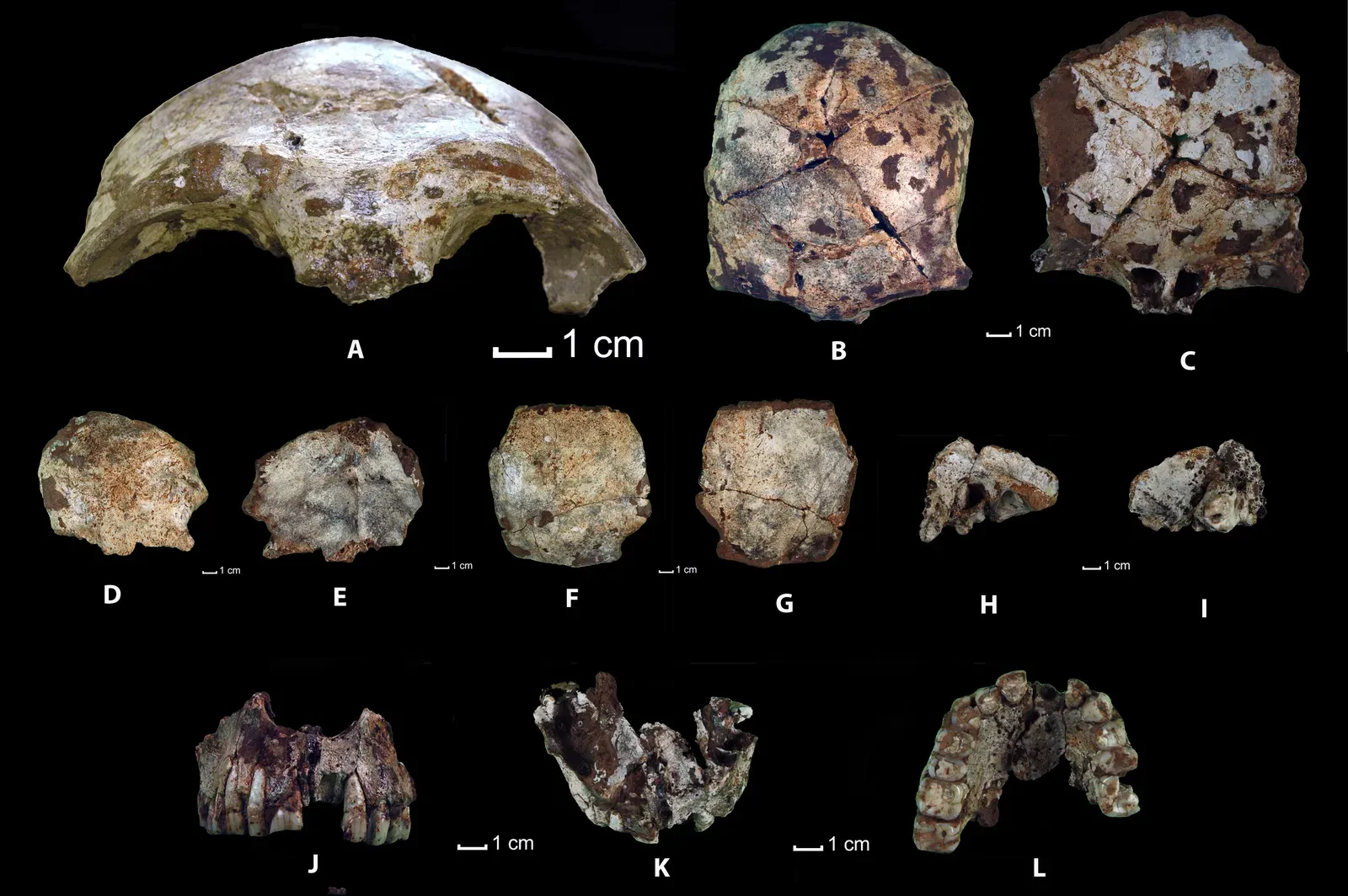
A century of digging hasn’t produced a tidy human family tree – it’s produced more questions than it started with. Brand-new “ghost” ancestors are still surfacing in living DNA. Homo naledi may have buried its dead, carved symbols, and organized an all-female chamber with a brain a third our size – or none of that may survive scrutiny. Neanderthal extinction still has over a dozen competing explanations with no clear winner. Even basic questions like language, hairlessness, and menopause remain genuinely unresolved.
I’ll say the quiet part out loud: “settled science” is the wrong phrase for human origins. This field isn’t finished – it’s being rewritten in real time, sometimes by a single tooth or a single genome. That should be exciting, not embarrassing. Which of these mysteries do you think gets solved first, and which one do you think never will? Drop your take in the comments.