Papua New Guinea – A coalition of international banks and export credit agencies has increasingly distanced itself from TotalEnergies’ proposed Papua LNG project, highlighting deepening tensions between fossil fuel development and sustainability imperatives.
A Mounting Refusal from Financial Giants
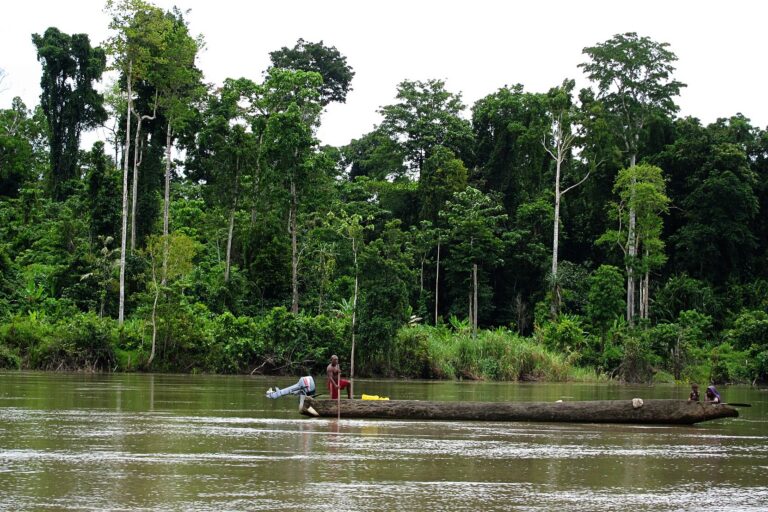
A Mounting Refusal from Financial Giants (Image Credits: Imgs.mongabay.com)
Twelve financial institutions recently committed in writing not to finance the Papua LNG project, elevating the total number of refusals to 29.
These latest decisions followed a formal complaint filed by six NGOs in December 2025 to the Equator Principles Association, alleging breaches in risk management standards related to biodiversity, climate, and human rights.
The new refusals include ING and Rabobank from the Netherlands, Germany’s KfW IPEX-Bank, South Africa’s Standard Bank, and Sweden’s Export Credit Corporation, among others such as ABN Amro, Export Finance Norway, and La Banque Postale.
All four major Australian banks—Commonwealth Bank, ANZ, National Australia Bank, and Westpac—had previously ruled out involvement, alongside French lenders like Crédit Agricole and BNP Paribas.
This wave represents one in six Equator Principles signatories rejecting the venture, leaving potential financiers like Japan’s Mitsubishi UFJ Financial Group increasingly isolated.
Details of the Ambitious Yet Divisive Project
TotalEnergies leads the Papua LNG initiative, holding about 40 percent stake, with partners ExxonMobil at 37 percent, Santos at 23 percent, and state-owned Kumul Petroleum holding an option for up to 20.5 percent.
Located in Gulf and Central provinces, the project envisions a facility producing 5.6 million metric tons of LNG annually through up to 11 wells, a processing plant, and 320 kilometers of pipelines. Estimated costs have climbed to between $13 billion and $18 billion, with operations planned next to ExxonMobil’s existing LNG plant in Caution Bay.
The final investment decision, delayed multiple times since 2020, now targets later this year, though reports suggest possible restructuring. Proponents view it as a major economic driver for Papua New Guinea, its second-largest LNG facility.
Climate, Biodiversity, and Community Impacts
Critics highlight the project’s potential to emit 220 million metric tons of CO2 annually, rivaling Spain’s total output and undermining 1.5°C warming limits.
The site harbors undescribed species and threatened wildlife, including the critically endangered Bulmer’s fruit bat and pig-nosed turtle, with infrastructure risking devastation to rivers, reefs, and forests.
- Risks to 100+ undescribed species in mountainous terrain.
- Onshore pipeline crossing Purari River, threatening communities.
- Offshore pipeline disturbing seabed and marine life.
- Impacts on 39 villages and 12,700 mostly Indigenous people.
Human rights concerns center on flawed free, prior, and informed consent processes, exacerbated by withheld environmental, climate, and human rights assessments.
NGO Pressure Meets Corporate Resolve
“More and more banks are recognizing the enormous risks posed by this project,” stated Antoine Bouhey of Reclaim Finance.
The NGOs, including CELCOR and Market Forces, urged lenders to avoid backing what they term a “carbon bomb.”
TotalEnergies maintains the project progresses as scheduled and adheres to international standards like the Equator Principles. The company emphasized close collaboration with authorities and communities for exemplary social and environmental outcomes, adding that financing remains secure despite the refusals.
Peter Bosip of CELCOR warned, “Our land, sea, forests, reefs and communities will pay the debt long term after gas is gone.”
Key Takeaways
- 29 banks and agencies have ruled out Papua LNG financing.
- Project risks massive CO2 emissions and biodiversity loss.
- NGO complaint targets Equator Principles compliance.
As financial support evaporates, Papua LNG’s path forward tests the balance between energy needs and planetary limits. What implications do these refusals hold for fossil fuel projects worldwide? Share your views in the comments.