Think about this for a moment. You’re standing on a planet that’s been spinning through space for billions of years, and during that time, forces from beyond our atmosphere have repeatedly reshaped everything we know. Not just once or twice, but over and over again. Some of these cosmic encounters left scars that still define how our world works today.
Most people imagine Earth’s climate changes as something gradual, controlled mainly by what happens down here on the surface. That’s only part of the story. The truth is, events from the depths of space have slammed into our planet’s delicate systems with enough force to flip entire ecosystems upside down. We’re talking about ice ages triggered by subtle wobbles in our orbit, mass extinctions caused by asteroid strikes, and radiation blasts from dying stars that cooled the planet for years.
These aren’t just abstract scientific theories. They’re real events that left fingerprints in ancient rocks, ice cores, and even tree rings. So let’s dive in and explore four astronomical events that didn’t just tweak the thermostat. They fundamentally rewired how Earth’s climate machine operates.
The Chicxulub Asteroid Impact: When Fire and Ice Reshaped the World
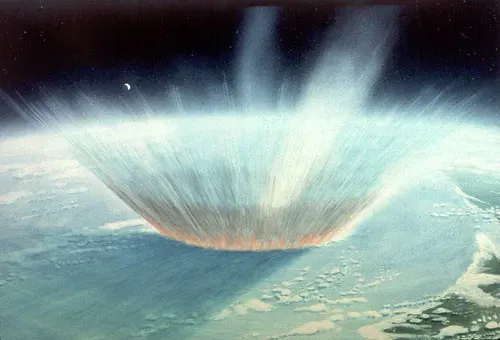
Roughly 66 million years ago, an asteroid nearly 10 kilometers across hit the Earth near what is now the Yucatan Peninsula. This wasn’t a glancing blow. The asteroid hit at an estimated speed of 20 kilometers per second at a relatively steep angle of between 45 and 60 degrees to the Earth’s surface.
The impact produced as much explosive energy as 100 teratons of TNT, which basically means it unleashed power thousands of times greater than every nuclear weapon on Earth combined. The immediate aftermath was apocalyptic. Fine silicate dust from pulverized rock would have stayed in the atmosphere for 15 years, dropping global temperatures by up to 15 degrees Celsius. Think about that. Fifteen years of near-total darkness and bone-chilling cold.
The impact would have created a dust cloud that blocked sunlight for up to a year, inhibiting photosynthesis. Plants died. Herbivores starved. Carnivores followed. The devastation and climate disruption resulting from the impact was the primary cause of the Cretaceous–Paleogene extinction event, a mass extinction of 75% of plant and animal species on Earth, including all non-avian dinosaurs. Here’s the thing: this wasn’t just about the initial blast. After the impact winter, the Earth entered a period of global warming as a result of the vaporisation of carbonates into carbon dioxide, creating a climate whiplash that lasted for millennia.
Milankovitch Cycles: The Cosmic Dance That Controls Ice Ages
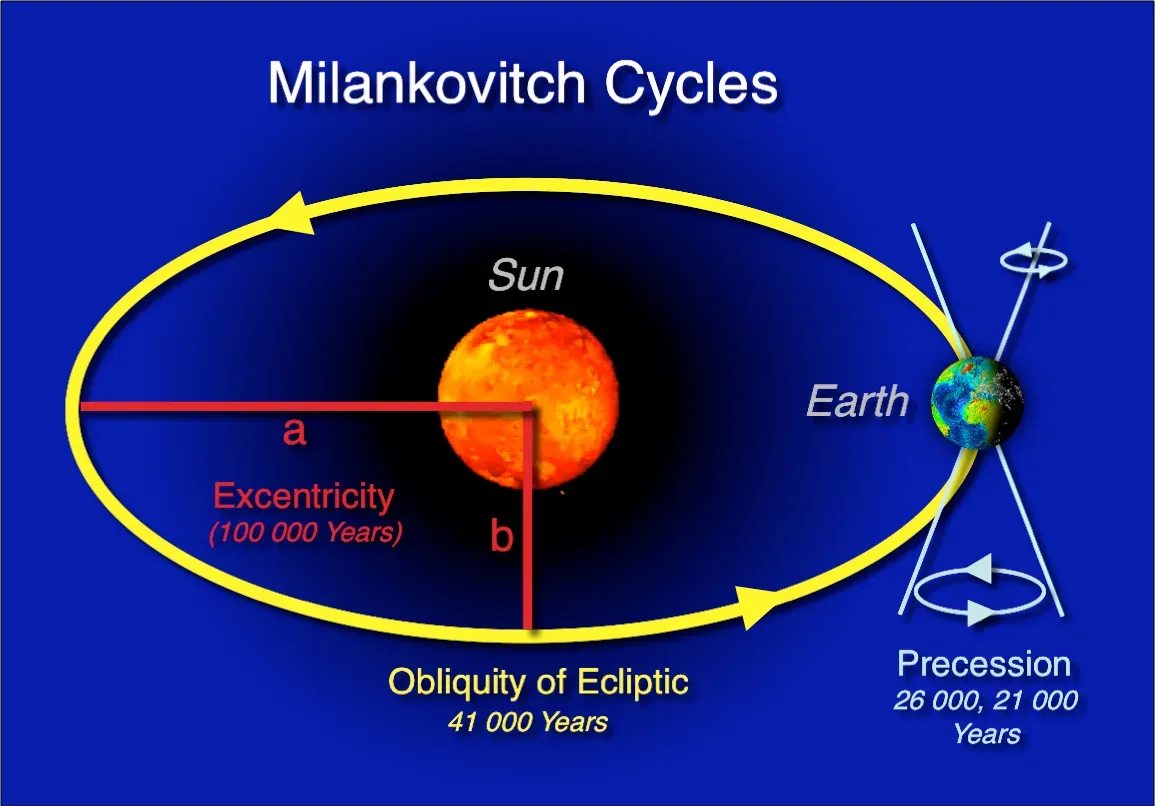
Let’s be real. Most people have never heard of Milankovitch cycles, yet these orbital variations have been dictating when ice ages come and go for millions of years. Milankovitch cycles describe the collective effects of changes in the Earth’s movements on its climate over thousands of years, with variations in eccentricity, axial tilt, and precession combined to result in cyclical variations in the solar radiation at the Earth’s surface.
Here’s how it breaks down. The shape of Earth’s orbit around the Sun changes from less to more and back to less elliptical in about 96,000 years, the Earth’s tilt changes from 21.5 degrees to 24.5 degrees and back again in about 41,000 years, and the Earth’s axis of spin wobbles with a period of 23,000 years. These aren’t huge changes, mind you. We’re talking about subtle shifts that seem almost insignificant on human timescales.
The magic happens when these cycles align. The Pleistocene proxy records were found to contain some of the same frequencies as these orbital fluctuations, and this is proof that changes in the amount of solar insolation were the ultimate control on the Pleistocene ice ages. Picture this: during certain orbital configurations, summers at high northern latitudes become cooler, so snow and ice from winter never fully melt. Year after year, the ice builds up, and eventually, massive glaciers start spreading across continents.
The last glacial peak occurred 18,000 years ago, when ice sheets covered huge portions of North America, Europe, and Asia. What’s wild is that since these fluctuations in the Earth’s orbit continue, at some stage in the future, Earth will begin to cool. The next ice age is already programmed into our planetary mechanics.
The Paleocene-Eocene Thermal Maximum: An Orbital Trigger for Ancient Global Warming
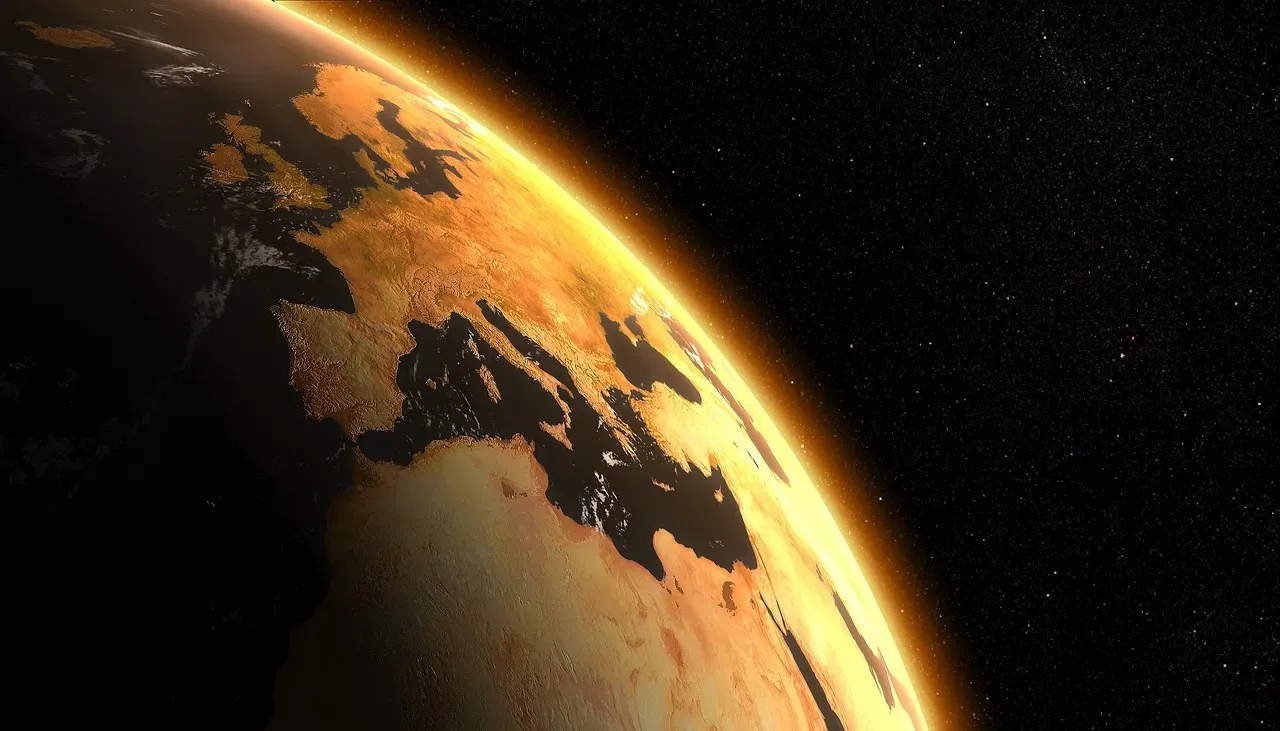
Some 56 million years ago, during the transition between the Paleocene and Eocene epochs, Earth caught a fever, and in a span of scarcely 20,000 years massive amounts of carbon dioxide flowed into the atmosphere, and average temperatures rose by five to eight degrees Celsius. Honestly, it’s hard to wrap your mind around how fast that is in geological terms.
Crocodiles basked on Arctic beaches lined with palm trees, and steamy swamps and jungles stretched across much of the midlatitudes. The planet transformed into something almost unrecognizable. What caused it? Recent research points to an astronomical culprit. Changes in the shape of Earth’s orbit and the wobble of its rotation that favored hotter conditions may have helped trigger the Paleocene-Eocene Thermal Maximum.
One cycle in particular, with a duration of 405,000 years, helps geologists calibrate planetary dynamics, and like clockwork, when this cycle brought Earth closer to the sun, the climate warmed. The PETM stands out because it happened so quickly and so intensely. The shape of Earth’s orbit and the wobble in its rotation favored hotter conditions at the onset of the PETM, and these orbital configurations together may have played a role in triggering the event, as opposed to massive volcanism.
The onset of the PETM lasted about 6,000 years, which seems like forever to us but is basically instantaneous on geological timescales. This event serves as a reminder that orbital mechanics can flip switches in Earth’s climate system, unleashing feedback loops that spiral out of control.
Supernova Radiation Bursts: When Dying Stars Cool the Planet
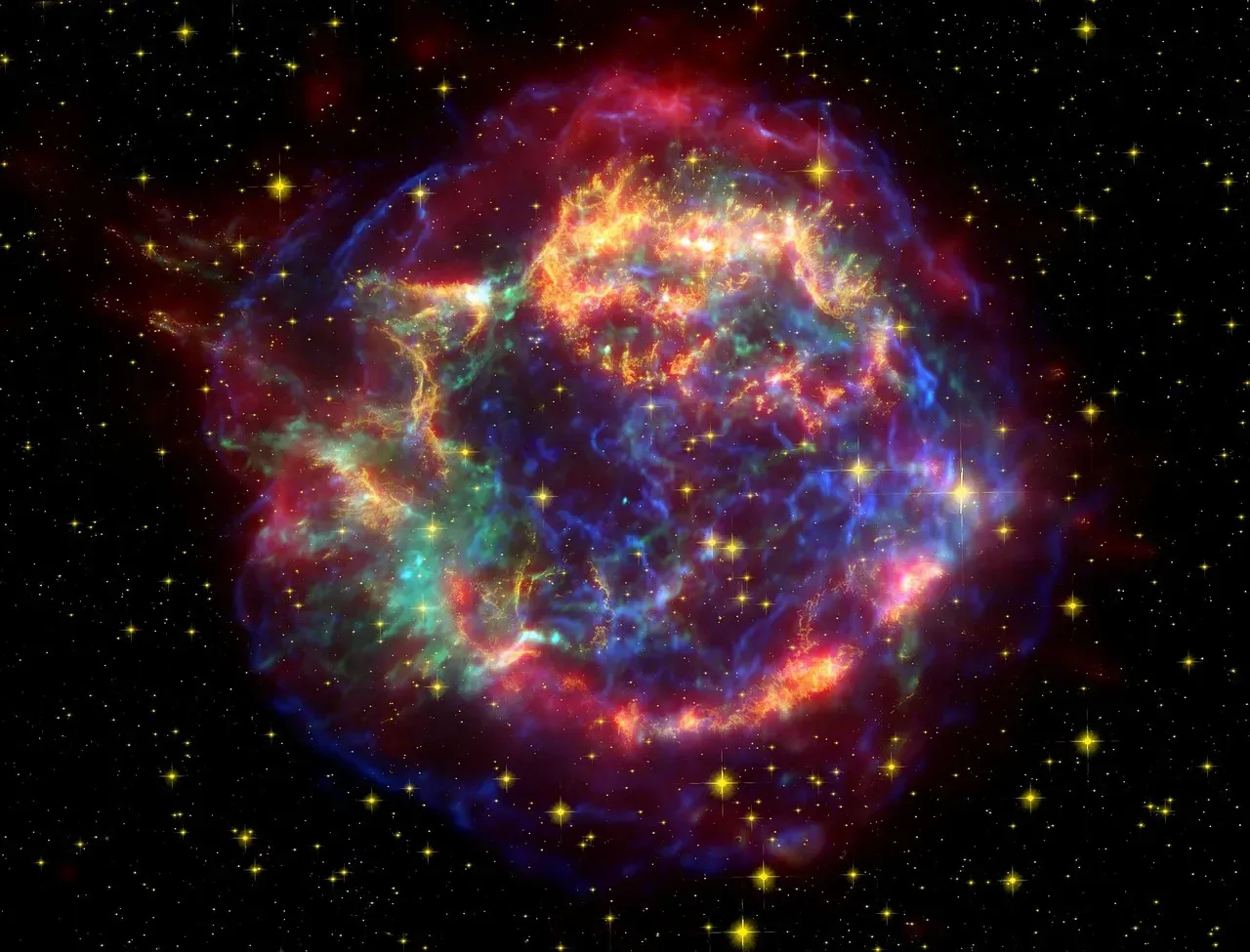
This one sounds like pure science fiction, except it isn’t. Most scientists agree that supernova explosions have affected Earth’s climate, and they likely cooled the climate several times in the last several thousand years, just as humanity was becoming established around the world. When massive stars explode, they release enormous amounts of radiation that can travel across the galaxy.
Here’s where it gets interesting. According to recent models, a sudden influx of high energy photons from a supernova would thin the ozone layer, which shields the Earth from the Sun’s rays, and simultaneously the radiation would degrade methane in the stratosphere, a major contributor to the greenhouse effect. The combined effect? Some animal extinctions, more wildfires and global cooling.
Scientists have been examining tree ring records to look for evidence. Tree ring records spanning around 15,000 years show 11 tell-tale spikes in radioactive carbon, and these spikes could correspond with 11 times Earth was blasted with supernova radiation. One particularly compelling case involves the Vela supernova. One supernova 13,000 years ago ended the life of a star in the Vela constellation about 815 light-years from Earth, and shortly after that explosion, radiocarbon levels shot up briefly by about 3% in Earth’s atmosphere.
I know it sounds crazy, but the Hoinga supernova remnant closely aligns with the Older Dryas abrupt cooling about 14,000 years ago. These weren’t minor temperature dips, either. We’re talking about climate shifts dramatic enough to alter ecosystems and possibly even influence human migration patterns during the Late Quaternary period.
Solar Activity Variations and the Little Ice Age
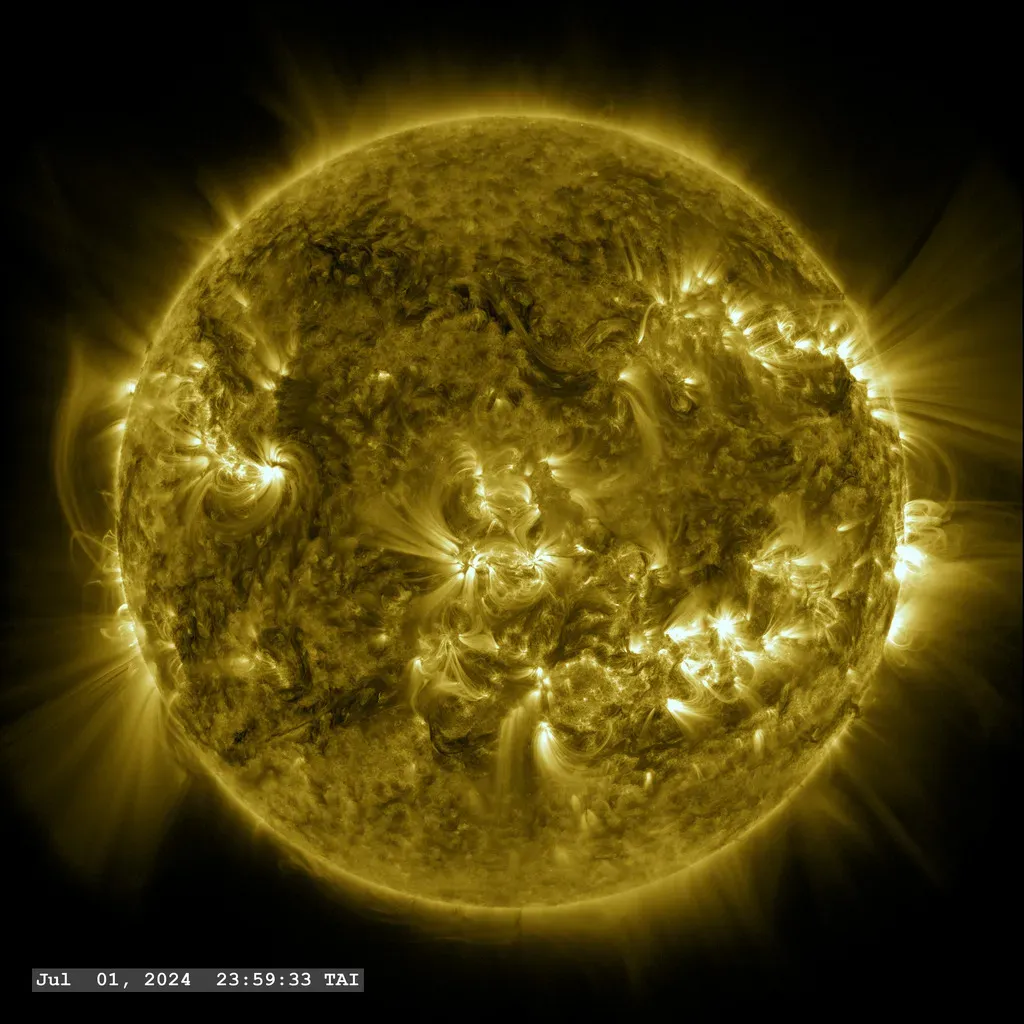
You might think the Sun just shines steadily, day in and day out. Not quite. A roughly 1500 year solar cycle was identified as a significant influence on North Atlantic climate throughout the Holocene, and one historical correlation between solar activity and climate change is the 1645–1715 Maunder Minimum, a period of little or no sunspot activity which partially overlapped the Little Ice Age.
During the Maunder Minimum, something strange happened. The Sun went through a 70-year quiet period, sunspots disappeared almost completely, and the solar wind was maybe half of its modern velocity. Europe froze. Rivers that never iced over turned solid. Harvests failed. People starved. The Maunder Minimum partially overlapped a centuries-long cold spell called the Little Ice Age, which was strongest in the Northern Hemisphere between 1450 and 1850.
The Sun operates on multiple cycles, including an 11-year Schwabe cycle combined with longer patterns like the Gleissberg cycle of roughly 80 to 90 years, and the combined effect of these cycles resulted in prolonged periods of low solar activity such as the Maunder Minimum and the Dalton Minimum. When solar output drops even slightly, the effects ripple through Earth’s climate system in complex ways.
Here’s the catch: The variation in total solar irradiance associated with a Schwabe cycle is only about 1 Watt per square meter between a solar minimum and a maximum, but winter and spring temperatures on the Northern Hemisphere show a response even to this small-scale variability. Small changes, big impacts. That’s the pattern we keep seeing with astronomical influences on climate.
Conclusion: Cosmic Forces Still Shape Our World
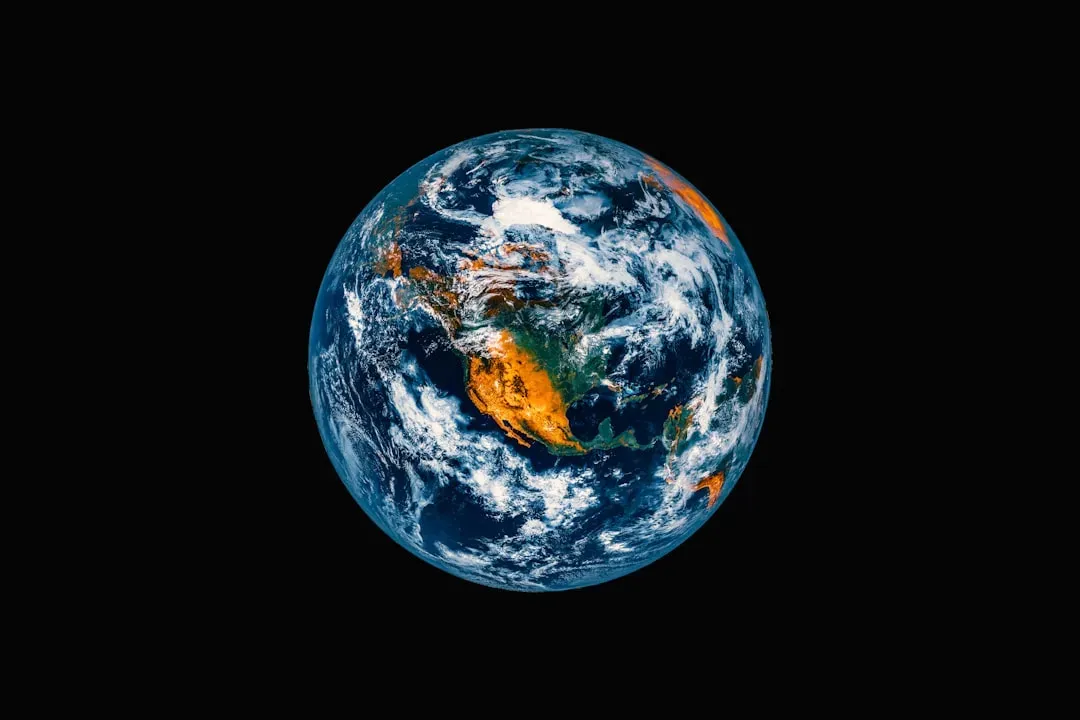
Looking back at these four astronomical events, a pattern emerges. Whether it’s an asteroid vaporizing rock into atmospheric poison, orbital wobbles triggering ice age cycles, dying stars blasting us with radiation, or the Sun dimming just enough to freeze rivers, forces beyond our planet have always played a role in shaping climate.
What’s fascinating is that many of these processes are still happening. Milankovitch cycles continue their slow cosmic dance. The Sun fluctuates through its cycles. Supernovae explode somewhere in the galaxy every few decades. We live on a planet that’s constantly being nudged and pushed by astronomical forces, most of which operate on timescales that make human lifetimes seem like eyeblinks.
Understanding these ancient climate disruptions isn’t just about satisfying curiosity about the past. It’s about recognizing that Earth’s climate system is influenced by a complex web of factors, some of which originate millions or even billions of kilometers away. The more we learn about how astronomical events have altered our climate throughout history, the better equipped we become to understand the delicate balance that makes our planet habitable. Did you expect the universe to play such a direct role in Earth’s temperature swings? What do you think about it?