You’ve probably wandered through museum halls where enormous skeletons tower above you, casting shadows that whisper stories from millions of years ago. Those bones represent more than just ancient creatures – they’re puzzle pieces that transformed everything we thought we knew about life on Earth. Some discoveries didn’t just fill museum displays; they shattered existing theories and forced scientists to completely reimagine the prehistoric world.
Think about it for a moment. Before certain groundbreaking finds, people genuinely believed dinosaurs were sluggish, cold-blooded lizards that dragged their tails through swamps. Others thought giant reptiles could never have been plant-eaters. Yet a handful of extraordinary fossils changed all that overnight. Let’s explore four remarkable specimens that didn’t just make headlines – they fundamentally altered our understanding of these magnificent beasts and the world they inhabited.
Megalosaurus: The First Dinosaur Ever Named
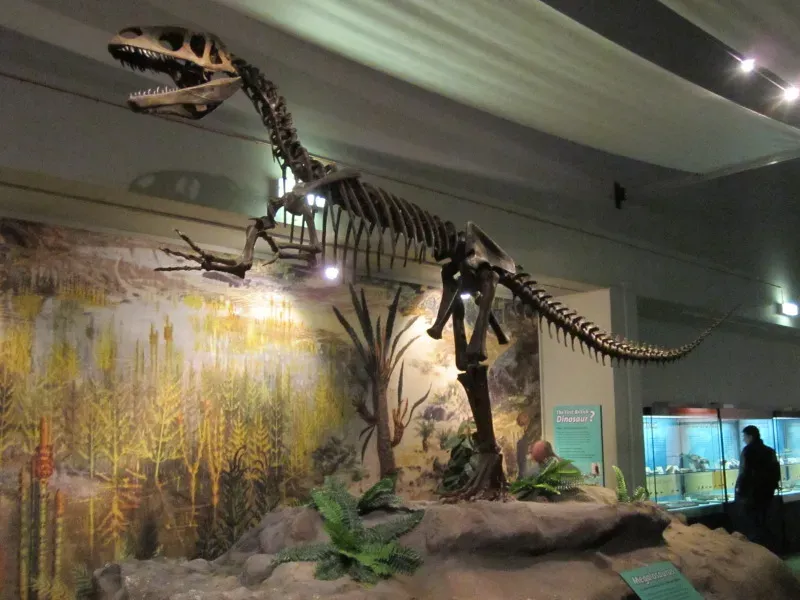
On 20 February 1824, during a meeting of the Geological Society of London, palaeontologist William Buckland formally introduced Megalosaurus, which became the first dinosaur to be described by scientists. Here’s the fascinating part – before Buckland’s work, these massive bones were thought to belong to elephants or even giants from biblical tales. In 1815, bones belonging to this large prehistoric creature were discovered at the Stonesfield quarry in Oxford, and they were soon acquired by palaeontologist William Buckland, who identified them as the skeleton of a gigantic lizard, the likes of which had never been seen before.
Buckland as well as Cuvier deduced that the bones belonged to a gigantic reptile, the like of which had not been seen before, and over the next decade and half more large fossil reptile bones were recovered in England and reviewed by the British anatomist Richard Owen, who in 1842 decided that these fossils were so utterly different from any known reptiles that they deserved to be classified as a completely new group of giant fossil reptiles: Dinosauria. This was the moment everything changed. Buckland named this ancient lizard “Megalosaurus,” and he holds the honor of being the first person to name a species of dinosaur – the first species of dinosaur was named before we knew what dinosaurs were and before the word “dinosaur” was even invented. The significance can’t be overstated. Without Megalosaurus, we might still be misinterpreting these fossils as mythical creatures rather than understanding them as a distinct group of extinct reptiles that once dominated our planet.
Archaeopteryx: The Missing Link Between Dinosaurs and Birds
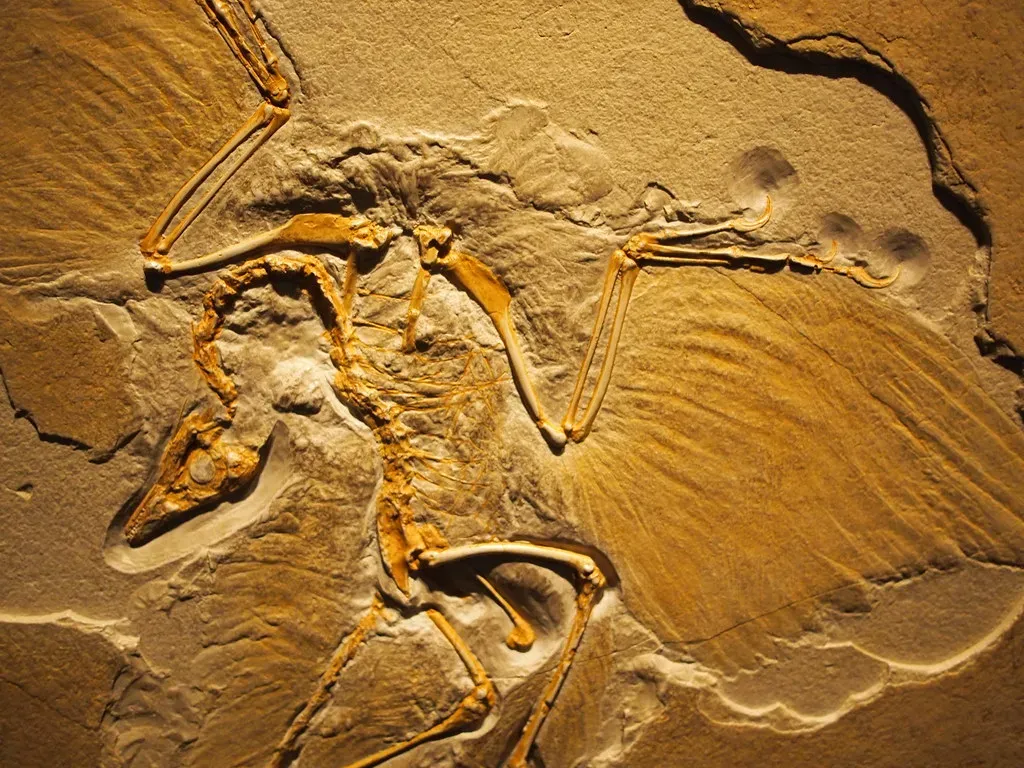
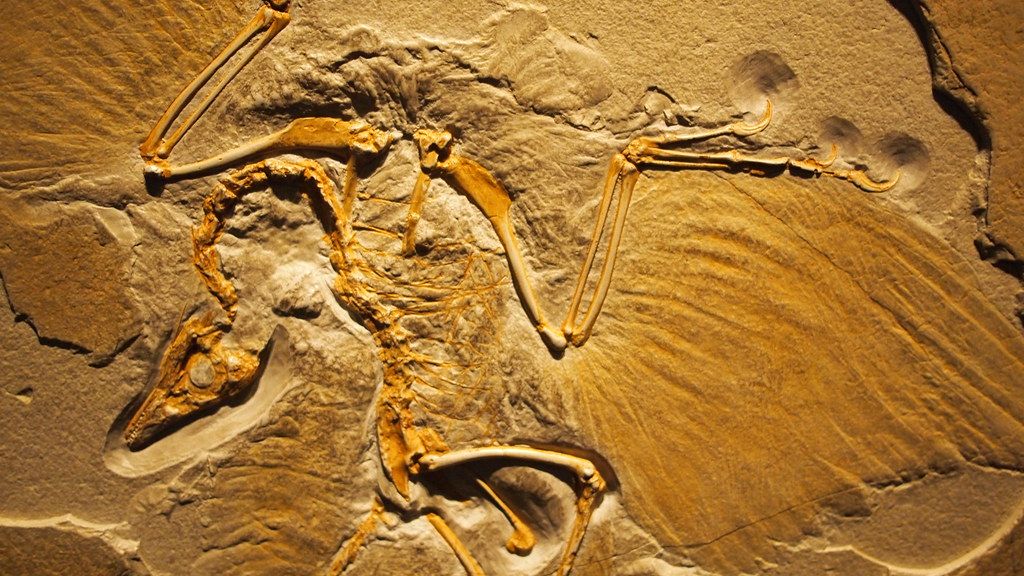
Archaeopteryx is one of the world’s most famous fossils, widely regarded as the missing link between dinosaurs and birds, displaying a perfect blend of avian and reptilian features, and the first skeleton was uncovered in Germany in 1861 with clear impressions of feathers around its skeleton. The timing couldn’t have been more perfect – Charles Darwin had published his revolutionary work On the Origin of Species just two years earlier. Similar in size to a magpie, this small ancient creature seemed to solve the ‘missing link’ between birds and dinosaurs, as they featured jaws with sharp teeth, a long bony tail and three clawed fingers.
What makes this discovery genuinely mind-blowing is how it bridged two seemingly unrelated groups of animals. Thomas Huxley, who was a great disciple of Darwin, was one of the first people to realise the significance of Archaeopteryx, and he noticed there were similarities between Archaeopteryx and some meat-eating dinosaur skeletons. Initially, people saw feathers and assumed it was simply an ancient bird. Yet closer examination revealed teeth, claws, and a skeletal structure that screamed “dinosaur.” This single fossil fundamentally reshaped evolutionary science and provided concrete evidence that birds are, in fact, living dinosaurs – a concept that seemed absolutely crazy when first proposed yet is now accepted as scientific fact.
Sue the T. Rex: The Most Complete Tyrannosaurus Ever Found
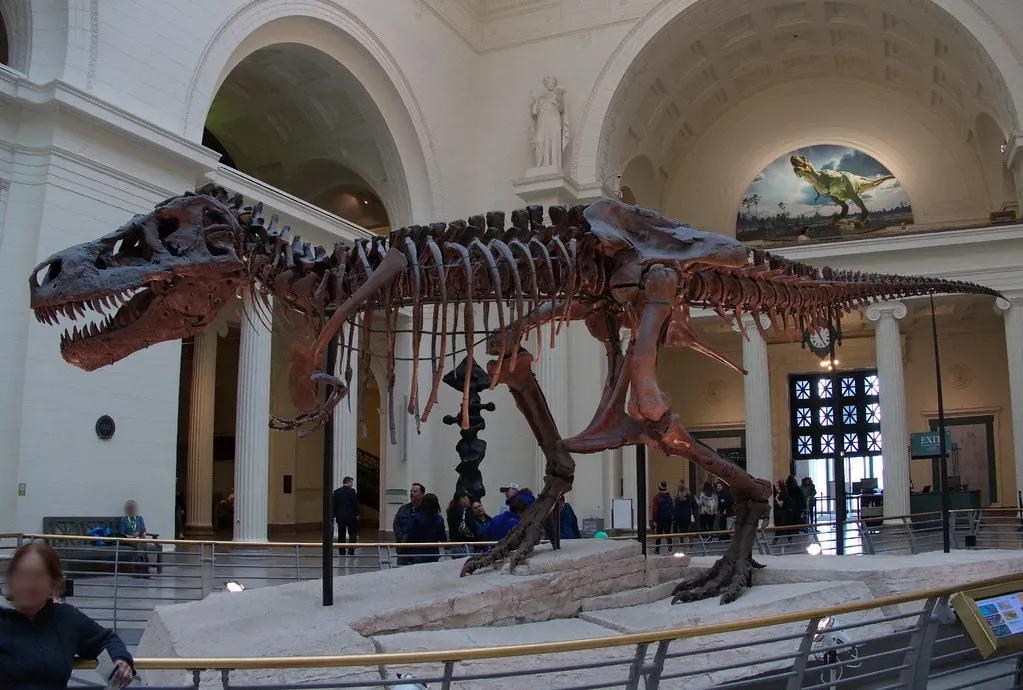
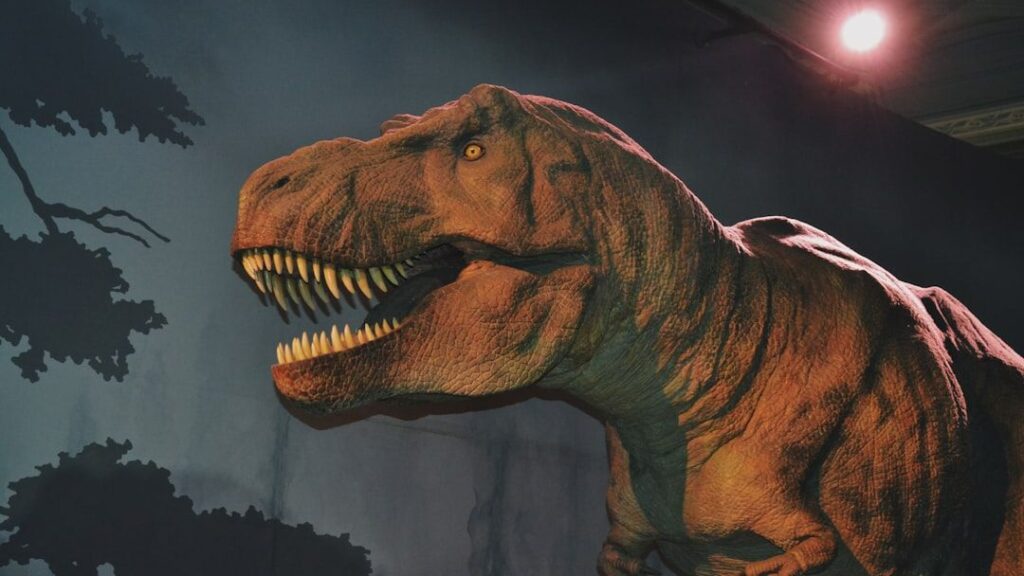
The most complete dinosaur fossil ever found is that of a Tyrannosaurus rex nicknamed Sue for the fossil hunter Sue Hendrickson, who unearthed it in 1990 in the Cheyenne River Indian Reservation in South Dakota, USA. Let’s be real – Sue isn’t just any T. rex. Nearly 90% of those flesh minerals are preserved, making it the most intact T. rex ever discovered, measuring over 40 feet in length and standing about 13 feet tall at the hips, with an almost complete skull, full vertebrae, ribs, and most limb bones.
Before Sue’s discovery, scientists had only managed to find T. rex specimens that were roughly sixty percent complete at best. Imagine trying to understand an entire species when you’re working with fragments and guesswork. Being able to see healed wounds on this fossil, scientists could get an idea about how T. rex lived – or even died. Sue revealed growth patterns, bite force capabilities, and evidence of injuries that healed during the dinosaur’s lifetime. The fossil showed us that these apex predators weren’t invincible monsters but living animals that experienced injury, illness, and recovery. Sue is perhaps the most famous dinosaur fossil in the world and is on display in the Griffin Halls of Evolving Planet at the Field Museum, Chicago, Illinois. This single specimen transformed T. rex from a Hollywood monster into a real, complex creature we could actually study in unprecedented detail.
Deinonychus: The Dinosaur That Sparked a Renaissance
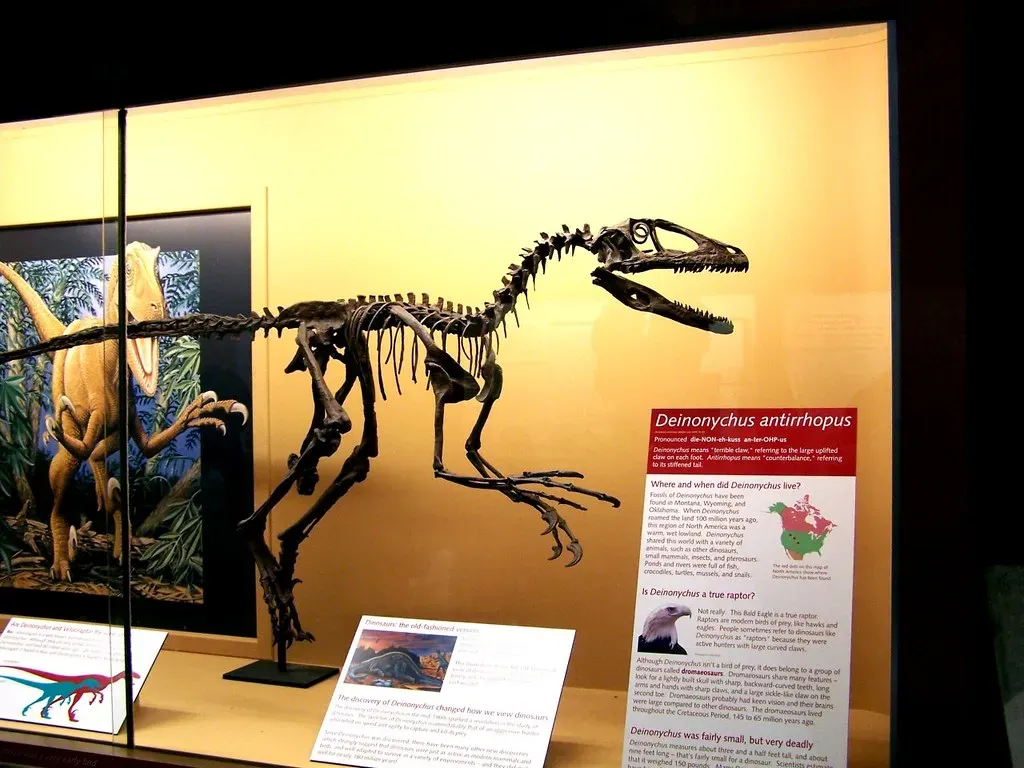
The new dinosaur renaissance was sparked by the discovery in 1964 of Deinonychus antirrhopus by palaeontologist John Ostrom, and he noticed the fossils were bird-like in appearance, particularly their hands and hips. Here’s the thing – by the early twentieth century, dinosaurs had become boring to many scientists. They were seen as slow, stupid, cold-blooded failures that deservedly went extinct. John Ostrom discovered the bird-like dromaeosaurid theropod Deinonychus and described it in 1969, with its anatomy indicating that it was an active predator that was likely warm-blooded, in marked contrast to the then-prevailing image of dinosaurs.
Deinonychus completely flipped that narrative on its head. This wasn’t some lumbering lizard dragging itself through prehistoric swamps. This was an agile, intelligent hunter with a killer claw on each foot designed for slashing prey. The agile Deinonychus helped to change the prevailing view that dinosaurs were large, lumbering lizards, and after the initial wave of dinosaur mania during the nineteenth century, interest began to die down throughout the early 1900s before growing again in the 1960s when the link between dinosaurs and birds began to gather momentum. Suddenly, scientists had to reconsider everything about dinosaur metabolism, behavior, and intelligence. It suggested these creatures might have been warm-blooded, social, and far more complex than anyone imagined. This single fossil reignited worldwide interest in dinosaurs and launched what paleontologists still call the Dinosaur Renaissance – a period of explosive new research and discoveries that continues today.
Why These Fossils Changed Everything
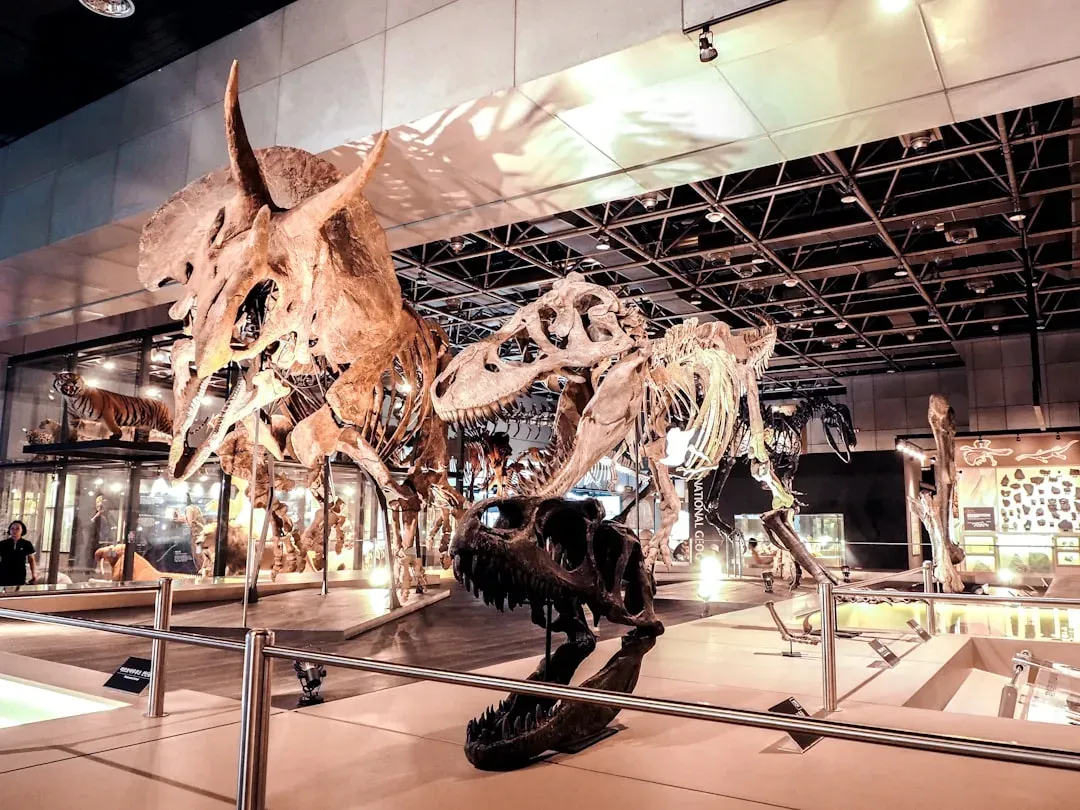
These four fossils didn’t just add to our knowledge – they demolished old assumptions and forced complete rethinking. Some of these discoveries have been so significant that they drastically changed how we look at dinosaurs. Megalosaurus proved these creatures existed as a distinct group. Archaeopteryx connected dinosaurs to modern birds in a way that validated evolutionary theory. Sue gave us the most complete picture of the most famous predator in history. Deinonychus showed us that dinosaurs were active, possibly warm-blooded animals rather than sluggish reptiles.
Think about how dramatically our understanding shifted. Before these discoveries, dinosaurs were either unknown, misunderstood, or dismissed as evolutionary dead ends. Now we recognize them as a successful group that dominated Earth for roughly one hundred seventy million years – and technically, they never went extinct since birds carry on their legacy. Each fossil represented a revolution in thinking, pushing scientists to question everything they thought they knew. That’s the real power of paleontology – not just finding old bones, but using them to reconstruct entire worlds and challenge our assumptions about life itself.
What They Mean for Modern Science
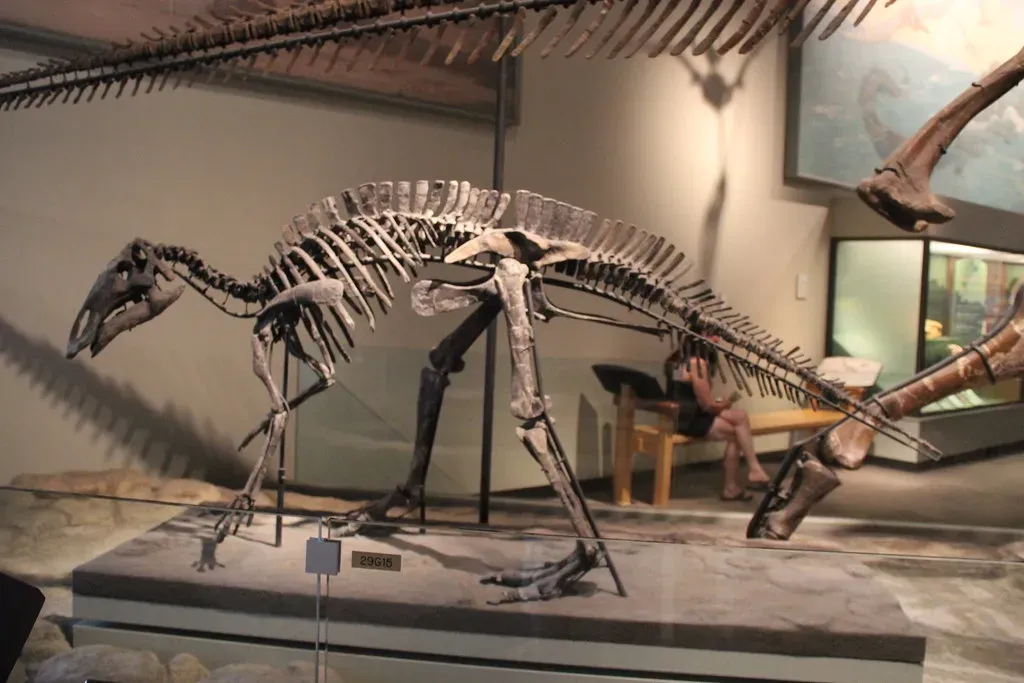
These iconic fossils continue influencing research today. Since the first dinosaur was named two centuries ago, scientists have made considerable progress in revealing the fascinating and complex lives of these ancient reptiles, and in the 200 years since the meeting, we’ve learned more about how dinosaurs evolved, what they looked like, how they behaved and what eventually became of them, as the discovery of new fossils and the development of new techniques to study them have enabled scientists to delve into the fascinating lives of these ancient reptiles like never before. Modern technology allows researchers to scan Sue’s skull without damaging it, revealing brain structure and sensory capabilities. Advanced imaging of Archaeopteryx feathers shows microscopic details about coloration and structure.
Each breakthrough opens new questions. Scientists now debate whether some tyrannosaurs had lips covering their teeth. They study growth rings in dinosaur bones like tree rings to understand lifespan and development. Most research conducted since the 1970s has indicated that dinosaurs were active animals with elevated metabolisms and numerous adaptations for social interaction. None of this would be possible without those foundational fossils that first proved dinosaurs existed, connected them to living animals, and revealed their true complexity. These specimens set the standard for what we look for in new discoveries and how we interpret them. Pretty remarkable when you think about bones that are tens of millions of years old still teaching us new lessons today.
What do you think changed the most – our understanding of dinosaur appearance or their behavior? These four fossils fundamentally reshaped paleontology and continue inspiring new generations of scientists who dream of making the next earth-shattering discovery.