Campo Grande, Brazil – Representatives from 132 nations and the European Union concluded the 15th Conference of the Parties to the Convention on Migratory Species with a pivotal agreement. The gathering approved protections for 40 new species, subspecies, and populations, addressing mounting extinction risks. Held from March 23 to 29 in the Pantanal wetlands region, the summit highlighted the urgent need to safeguard animals that traverse continents and oceans.
Momentum Builds Against Steep Declines
Momentum Builds Against Steep Declines (Image Credits: Unsplash)
Nearly half of all species tracked by the CMS now show population declines, with 24 percent facing extinction worldwide. Delegates responded decisively, listing 20 entries on Appendix I for species in danger of extinction and 20 on Appendix II for those needing cooperative management. This move compels signatory countries to enforce strict protections, restore habitats, and eliminate migration barriers.
CMS Executive Secretary Amy Fraenkel emphasized the stakes. “We came to Campo Grande knowing that the populations of half the species protected under this treaty are in decline,” she said. “We leave with stronger protections and more ambitious plans but the species themselves are not waiting for our next meeting.”
Spotlight on Land and Sky Wanderers
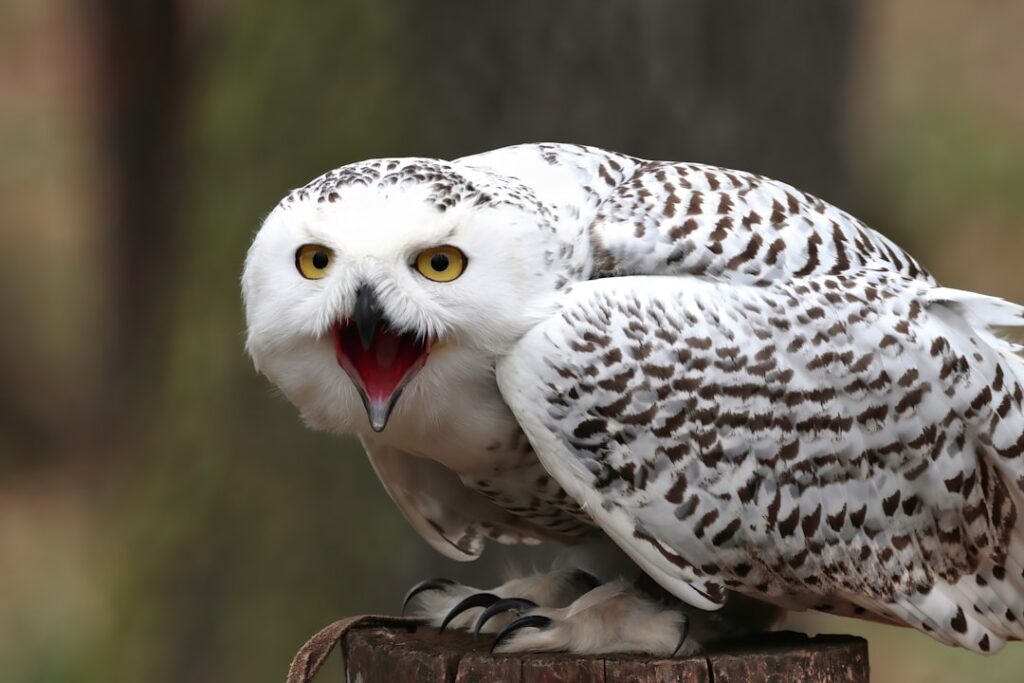
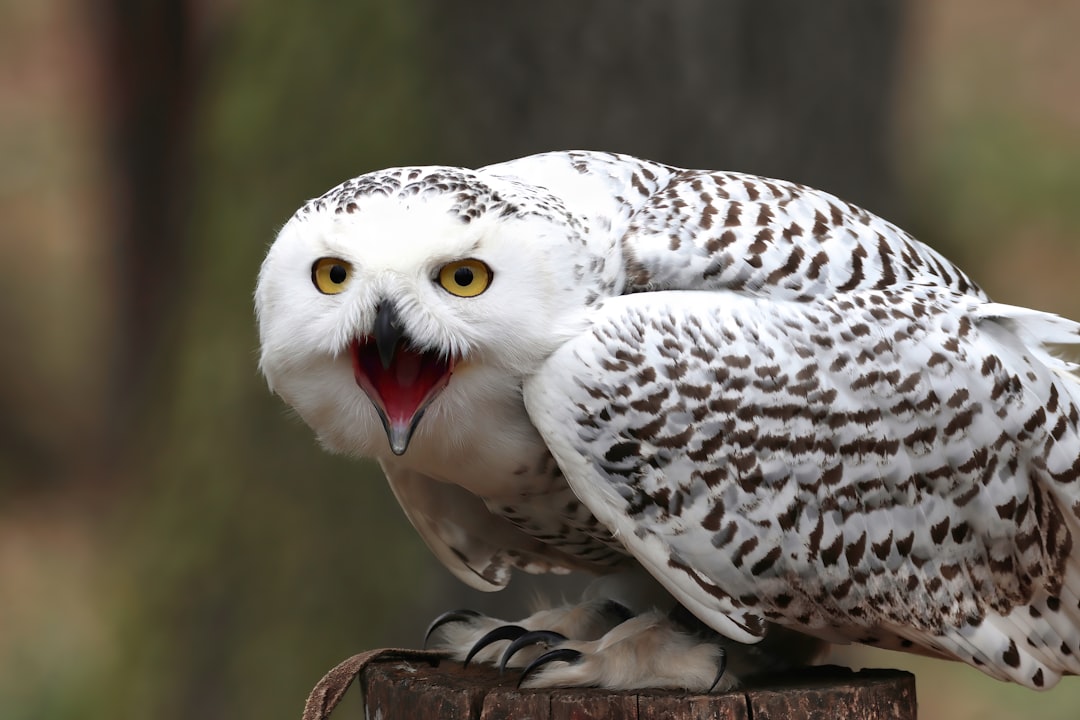
The cheetah population in Zimbabwe landed on both appendices, signaling severe threats from habitat loss and poaching. Striped hyenas and giant otters joined them, facing similar pressures across their ranges. Snowy owls, iconic Arctic breeders that roam vast distances, earned Appendix II status amid climate-driven prey shortages.
Birds dominated the listings, with Hudsonian godwits, lesser yellowlegs, and Hudsonian whimbrels added to Appendix I due to dwindling numbers. Nine gadfly petrel species, vulnerable seabirds, also received top-tier safeguards. These additions underscore how migratory patterns expose species to diverse dangers like hunting and degradation along flyways.
Ocean Giants Finally Shielded
Sharks stole headlines with five species gaining protections. Great and scalloped hammerhead sharks, pelagic, bigeye, and common thresher sharks all entered Appendix I, combating overfishing and bycatch in global fisheries. These apex predators migrate long distances for breeding, yet fin trade and industrial nets have pushed populations to critically endangered levels.
| Species | Appendix | Key Threat |
|---|---|---|
| Great Hammerhead Shark | I | Overfishing |
| Scalloped Hammerhead Shark | I | Bycatch |
| Snowy Owl | II | Climate Change |
| Giant Otter | I & II | Habitat Loss |
Aquatic listings extended to Patagonian narrownose smoothhound and spotted sorubim on Appendix II, bolstering efforts for freshwater migrants in South American rivers.
Beyond Listings: A Cascade of Commitments
COP15 produced 39 resolutions, 15 new Concerted Actions for species like chimpanzees and devil rays, and 10 updated action plans covering jaguars to vultures. Parties launched tools like the Global Assessment of Migratory Freshwater Fishes, revealing freefalling populations vital to river ecosystems.
Fraenkel hailed the progress: “Expanded protections for cheetahs, snowy owls, giant otters, great hammerhead sharks and many more demonstrate that nations can act when the science is clear.” Yet implementation remains key, as threats from infrastructure, pollution, and deep-sea mining intensify.
Key Takeaways
- 40 new protections span sharks, birds, mammals, and fish, totaling over 1,200 CMS-listed species.
- Appendix I mandates strict bans on capture; Appendix II fosters cross-border plans.
- 49 percent of monitored populations decline, urging immediate action.
This summit marked a turning point for migratory wildlife, proving international resolve can counter biodiversity collapse. As species like snowy owls and hammerheads traverse borders unchecked by politics, sustained enforcement will determine survival. What steps should nations prioritize next? Share your thoughts in the comments.