Look up at the night sky long enough and you start to understand why ancient people thought the universe was talking to them. Before writing, before metal tools, before cities, humans were already watching the heavens and trying to make sense of what they saw. Those early observations did more than just inspire myths; they carved the first rough maps of how we understand time, space, and our place in the cosmos.
What fascinates me most is that many of these insights came from nothing more than patient staring and stubborn curiosity. No telescopes, no satellites, no fancy software – just eyes, memory, and stone. Yet the patterns people pulled from the sky became the backbone for calendars, agriculture, religion, and even early science. Let’s walk through five of the most powerful ancient observations and see how much they quietly shaped the world we still live in today.
The Predictable Dance of the Sun: Birth of the Solar Year
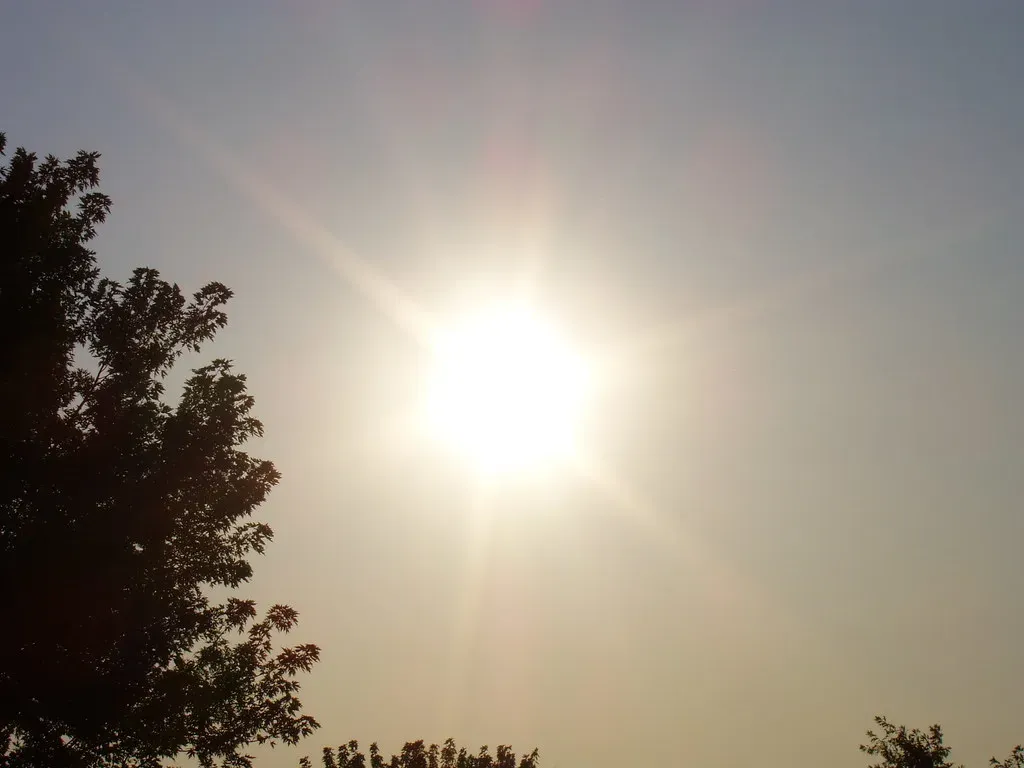
One of the earliest and most world-changing realizations was brutally simple: the Sun rises and sets in different places over the course of the year, and this shift is not random. Early observers noticed that the spot where the Sun rises on the horizon creeps north and south and then repeats the cycle. From this, people slowly pieced together the idea of a solar year, even if they didn’t yet measure it in days the way we do.
This insight was more than a neat trick; it was survival tech. Farmers in ancient Egypt, Mesopotamia, and elsewhere tied planting and harvest times to where and when the Sun rose and set. Over time, they realized that roughly one full cycle of the Sun’s path matched the changing seasons. That pattern eventually solidified into solar calendars, allowing complex societies to predict floods, plan festivals, and collect taxes. In a very real way, tracking the Sun transformed restless groups of people into stable, organized civilizations.
Solstices and Equinoxes: Sacred Sky Markers in Stone
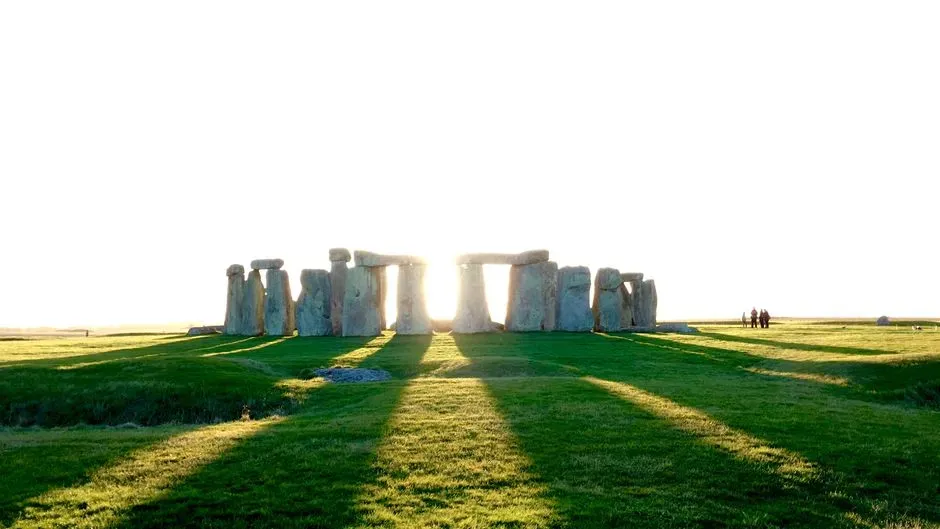
Once people realized the Sun’s movement had turning points, solstices and equinoxes became cosmic anchor points. Ancient builders marked these special days with astonishing precision using stone monuments, temple alignments, and horizon markers. On the winter solstice, for example, the Sun appears at its lowest path in the sky, then slowly climbs higher each day; it is the darkest moment that announces the return of light.
Sites like Stonehenge and other megalithic structures show how seriously people took these turning points. Alignments where the Sun rises or sets in a particular stone gap on a solstice suggest these weren’t random piles of rock but carefully calibrated sky instruments. Religiously, the solstices and equinoxes became symbols of death and rebirth, balance and transition. Practically, they acted like giant, slow-moving clock hands that helped people fix key dates in the year long before anyone wrote down a calendar.
The Moon’s Phases: The First Popular Timekeeper
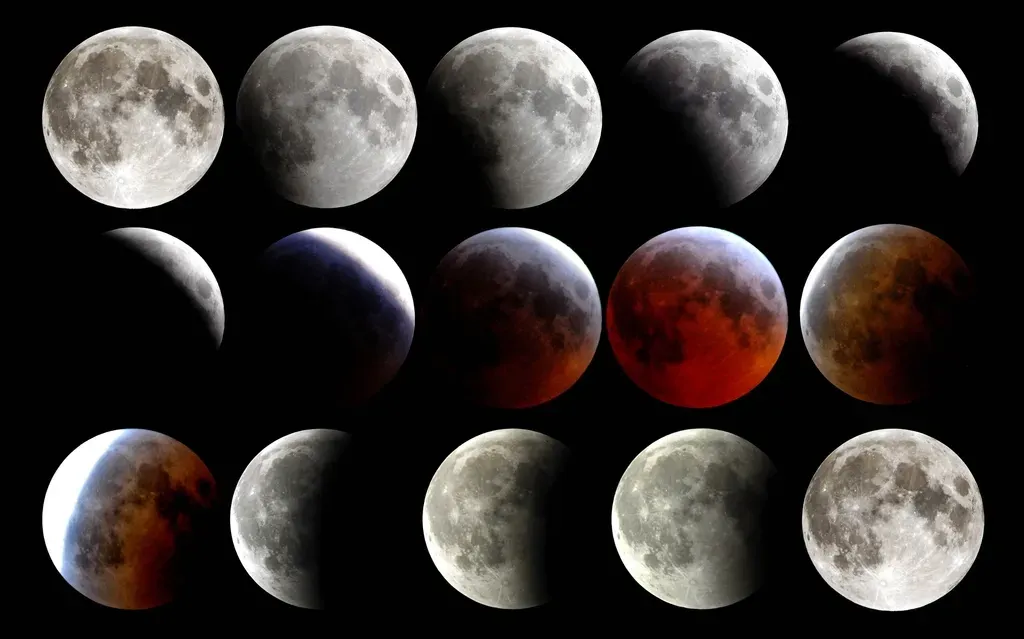
If the Sun gave structure to the year, the Moon put rhythm into everyday life. People quickly spotted that the Moon cycles from new to full and back again in a regular pattern. That cycle is short enough for anyone to follow with the naked eye and long enough to feel meaningful. You do not need mathematics to notice that a full Moon will always come back after a specific number of nights.
Those repeating lunar phases became one of humanity’s earliest clocks. Many early calendars were lunar or lunar-solar, counting months by the Moon’s phases and then occasionally correcting them to stay in step with the seasons. The Moon’s changing face also fueled stories, rituals, and rules – for planting, fishing, or travel at night. I still find it amazing that something as quiet as a waxing crescent over a dark horizon essentially standardized the idea of a “month” in cultures scattered across the world, often without any contact with one another.
Wandering Planets vs. Fixed Stars: The First Hint of a Complex Cosmos
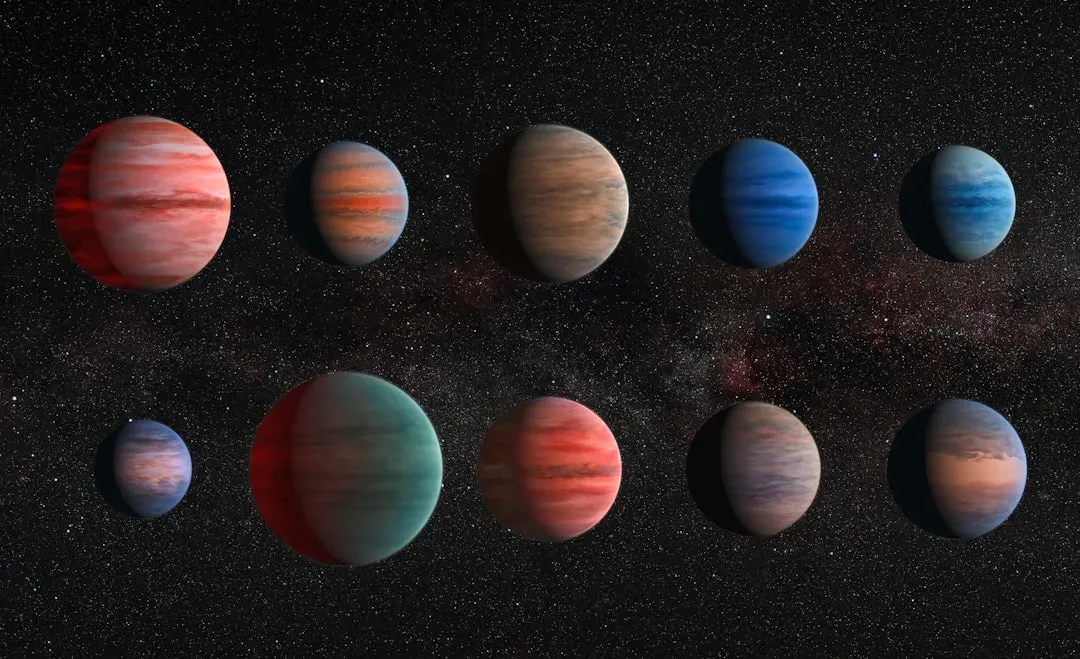
Ancient skywatchers eventually noticed something unsettling: not all bright points in the sky behaved the same way. Most stars seemed locked in place relative to each other, rising and setting in steady, predictable paths. But a handful of very bright objects – what we now know as planets like Venus, Jupiter, and Mars – wandered through the backdrop of stars, even occasionally reversing direction in strange loops.
These “wanderers” (which is literally what the word planet means) shattered the idea of a simple, uniform sky. To explain their odd paths, early thinkers created some of the first serious astronomical models. In some traditions, planets were tied to gods and omens; in others, they were treated as physical entities with their own motions. Either way, paying attention to the difference between fixed stars and wandering planets nudged humanity toward a more layered understanding of the universe, where not everything moved in the same way or for the same reason.
Eclipses: From Terrifying Omens to Predictable Events
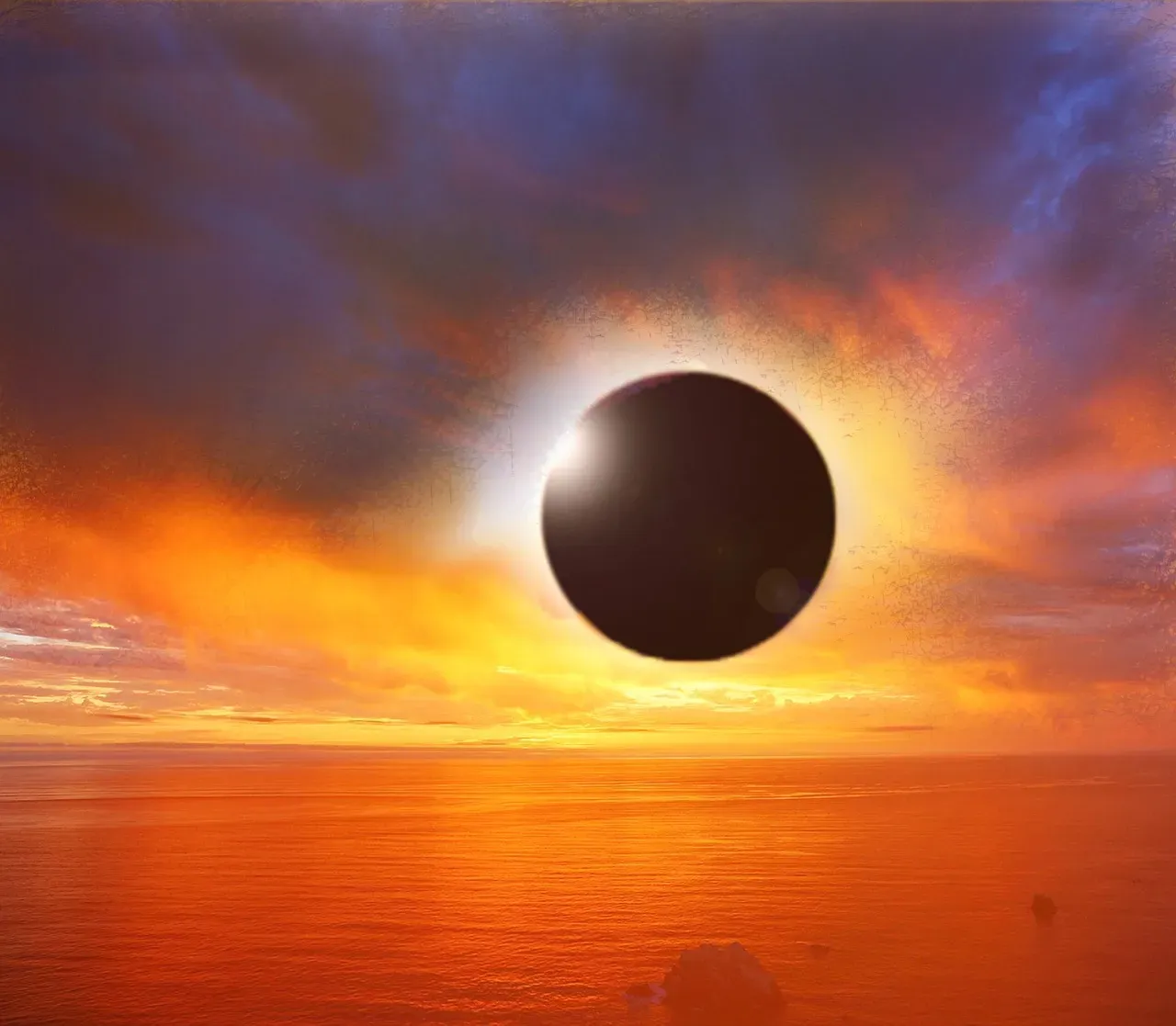
Imagine a day when the Sun suddenly goes dark or a night when the full Moon is slowly eaten by Earth’s shadow, and you have no idea why. For early humans, eclipses were probably some of the most shocking events the sky could produce. They were rare, dramatic, and seemed to break the rules of normal celestial behavior. At first, many cultures treated them as bad omens or signs of divine anger.
Over generations, though, some observers began to see a pattern in these “cosmic glitches.” They recognized that eclipses did not happen randomly but followed cycles tied to the positions of the Sun, Moon, and Earth. The move from fear to prediction was a huge leap. Being able to say in advance when the sky would darken turned what felt like chaos into something governed by underlying rules. To me, that is one of the clearest early victories of patient observation over raw superstition, even if religious or symbolic meanings remained wrapped around the numbers.
The Consistent Night Sky: A Stable Map for Navigation and Myth
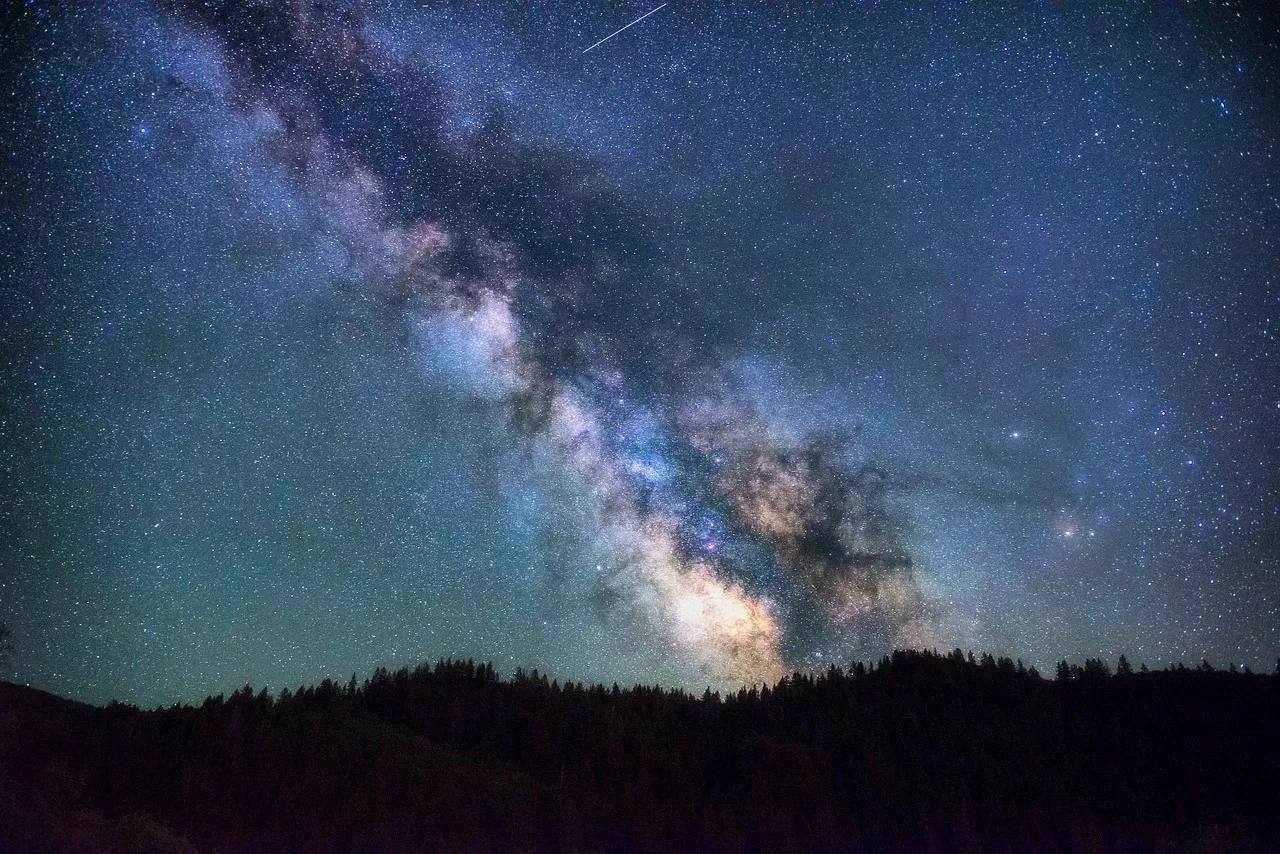
While planets wandered and eclipses disrupted the usual pattern, most of the night sky was stable enough to become a trusted map. People recognized that certain star patterns rose at particular times of the year or appeared in fixed directions in the sky. This reliability made the stars perfect guides for long-distance travel, especially at sea or across deserts where landmarks were scarce.
Constellations and named stars became both story and tool. A group of stars might mark the direction north, another the season when the rains would come or a river would flood. In my mind, this dual role – narrative and navigation – was genius. By weaving practical information into memorable stories, ancient cultures made sure the knowledge stayed alive and got passed on. The stars were not just decorations; they were a quiet, shining infrastructure for both imagination and survival.
Conclusion: Ancient Eyes, Modern Echoes
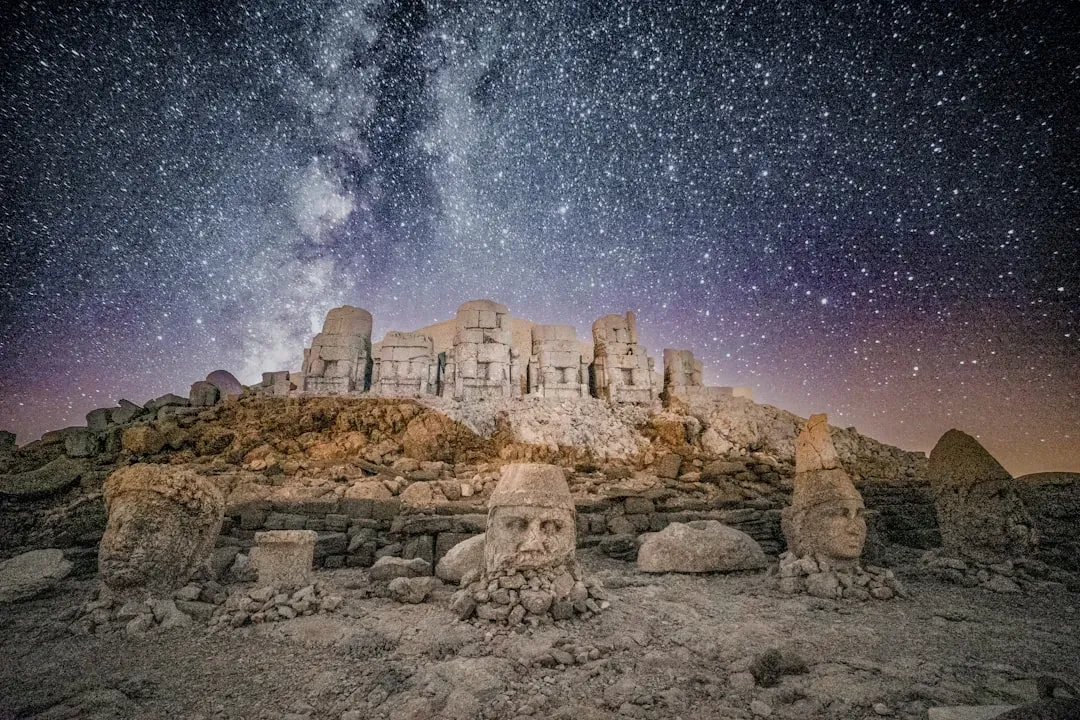
What strikes me, looking at all this, is how much early humans achieved with almost nothing but attention and persistence. They turned the Sun’s slow drift, the Moon’s changing face, the wandering of planets, the shock of eclipses, and the steadiness of the stars into a kind of grand, analog data set. From that, they built calendars, navigation systems, rituals, and ultimately the first frameworks for scientific thinking. We like to think we are vastly more advanced, but the core move – spot a pattern, test it, trust it – is exactly the same.
In my opinion, we underestimate just how radical those early insights were. They did not just explain the sky; they reshaped how people thought about order, time, and cause and effect. The next time a full Moon hangs over a city skyline or a sunrise lines up perfectly between buildings, it is worth remembering that you are watching the same cosmic cues that guided farmers, sailors, and storytellers thousands of years ago. Maybe the real question is not how far we have come, but how much more we could notice if we looked up with the same patience they did – what do you think we are still missing overhead?