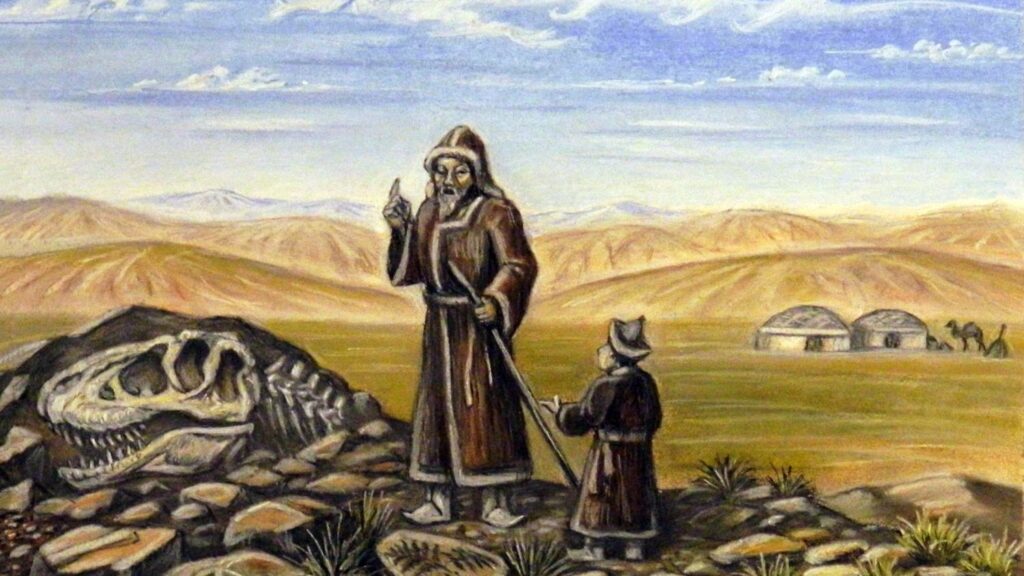
Picture yourself stumbling across a massive, stone-hard skull jutting out from the earth, with no frame of reference in the world for what it could be. No textbooks. No museums. No internet. Just you, the bone, and whatever story your mind can conjure. That is the exact situation ancient peoples faced, again and again, across thousands of years and dozens of cultures. The result? Some of the most spectacular mythologies the world has ever known.
The study of mythology associated with fossils is a relatively new field, which historian Adrienne Mayor has termed “the folklore of paleontology,” combining oral traditions and paleontology with history, archaeology, anthropology, and mythology to offer a fresh way of thinking about pre-scientific encounters with prehistoric remains. What you are about to discover is that the creatures living in ancient imaginations may have had very real bones behind them. Let’s dive in.
Ancient Greece: Cyclops, Giants, and the Bones That Started It All
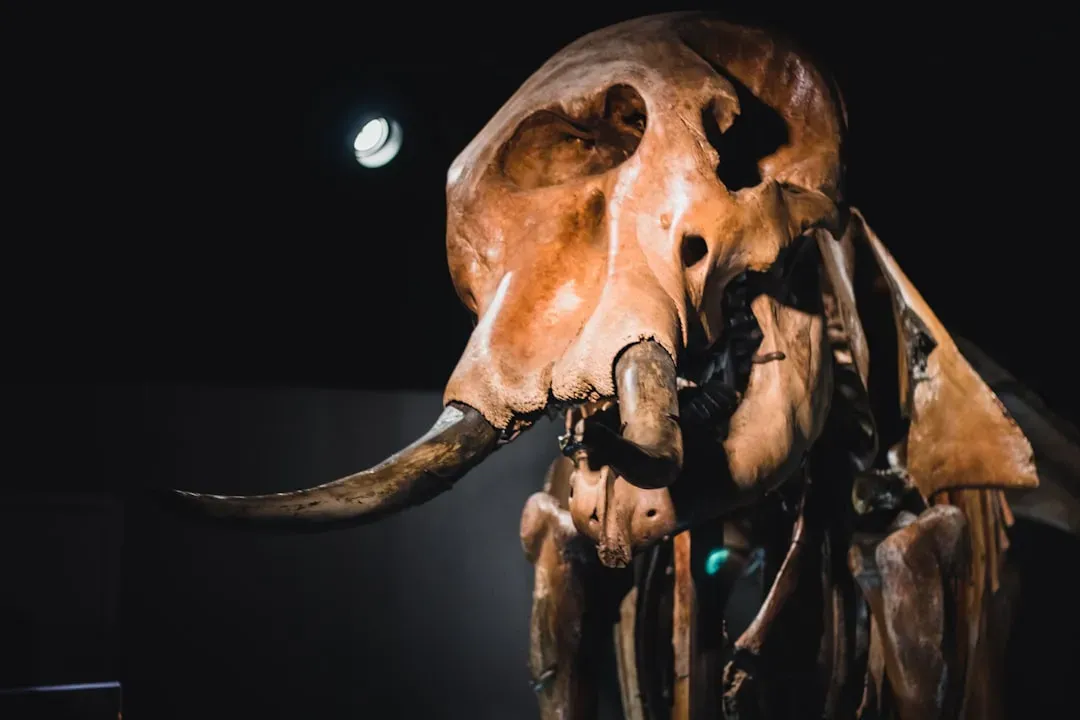
The Greeks stand out among ancient civilizations, not necessarily because they had a more vivid imagination than others, but because they were remarkably good at writing down their myths. In almost all the places where they told tales of Cyclops and other large monsters, there are fossils of large extinct animals. Honestly, that is not a coincidence you can keep brushing aside.
The one-eyed giants known as Cyclops have been written about in Greek and Roman mythology since at least the fifth century B.C., associated mostly with Sicily and the Aeolian islands. Yet 200,000 years before those islands were inhabited by ancient Greeks, they were home to mammoths. Fossils of these elephant relatives are often found in caves, and their skulls are confusing at first glance, since the large hole on the front of the skull is actually for the trunk and nasal cavity, but it is easy to see how it could be interpreted as an eye socket, giving rise to the image of a single-eyed giant.
Through careful research, scholars have convincingly shown that many of the giants and monsters of myth did have a basis in fact, rooted in the enormous bones of long-extinct species that were once abundant in the lands of the Greeks and Romans. They frequently encountered the fossilized bones of these primeval beings and developed sophisticated concepts to explain the fossil evidence, concepts that were expressed in mythological stories. Think about how logical that actually is. You find something enormous, ancient, and terrifying. Without evolution theory or paleontology, a giant makes complete sense.
Ancient China: Dragon Bones, Medicine, and Millennia of Fossil Myths
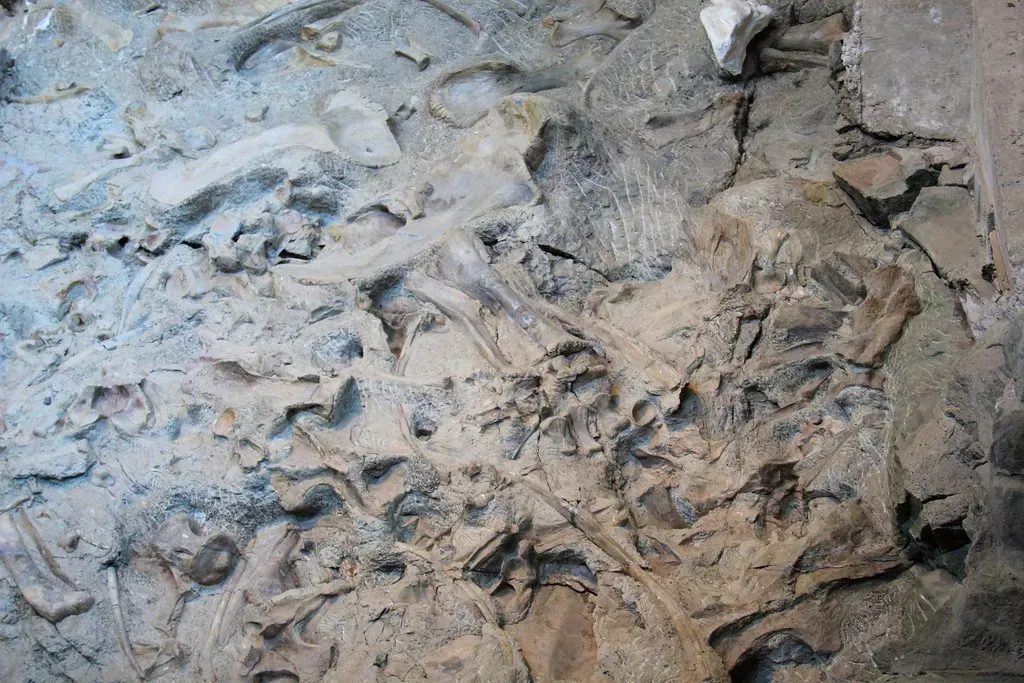
Dragon mythology has existed in China since at least the Shang Dynasty, roughly 1520 to 1030 BCE, meaning it is one of the oldest documented mythological traditions on Earth. That is over three thousand years of dragon stories, and it turns out those stories had fossil fuel behind them. Here is the thing: what the ancient Chinese called “dragon bones” were not props from a fairy tale. They were real objects that people collected, traded, and ground into medicine.
Long gu, or “dragon bones,” are remains of ancient life, such as fossils, prescribed for a variety of ailments in Chinese medicine and herbalism, and were historically believed to be the remains of dragons. Chinese scholars used the term “dragon bone” as a general term for various types of fossils, including bones and teeth from at least 60 species of mammals. Dragon bones were used in Chinese traditional medicine as far back as the third century B.C. to treat a wide range of conditions, and by the twelfth century B.C. they had become a hot commodity, with massive amounts being sold in drugstores throughout China before eventually being exported abroad by the late 1800s.
It is not unreasonable to assume that some of the massive fossilized bones encountered across China, including dinosaur and mammoth bones, were thought by ancient people to be those of huge dragons. Western investigation of dragon bones eventually led to the scientific discovery of Peking Man and Gigantopithecus blacki, which is a staggering twist. Ancient myth, in a roundabout way, actually helped unlock real prehistory.
The Scythians and Greeks: The Gold-Guarding Griffin of the Gobi Desert
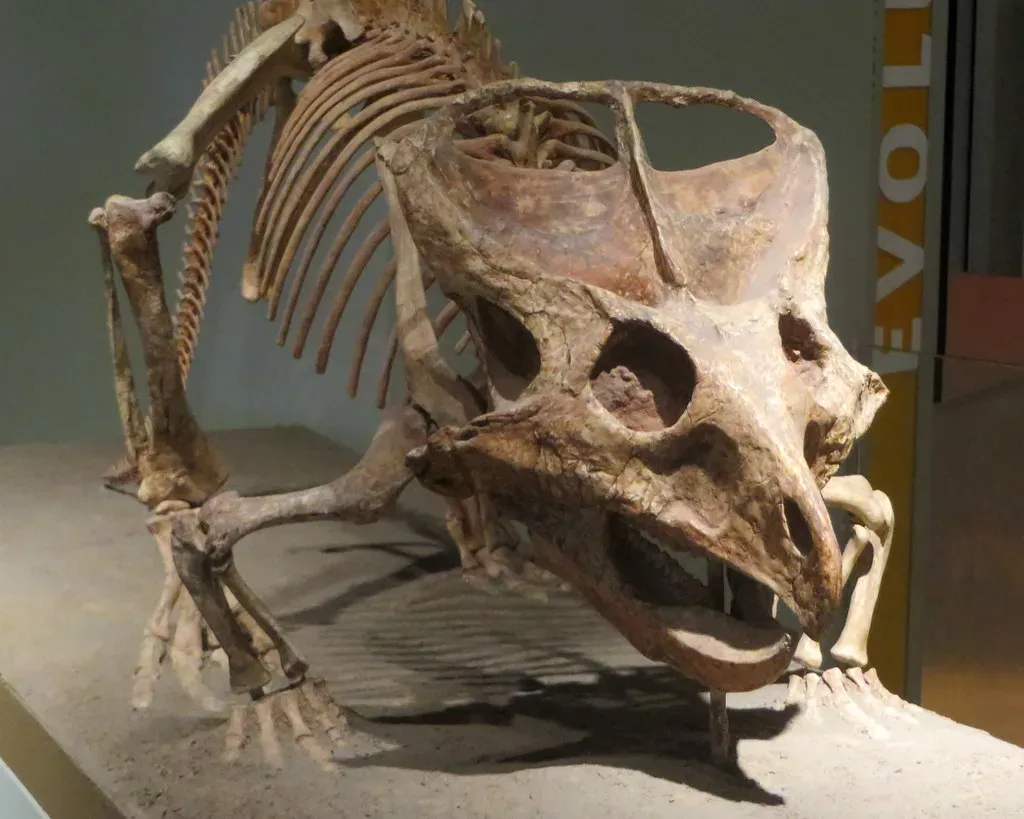
Few fossil mythology stories have captured more academic attention or sparked more debate than the connection between a beaked dinosaur from Central Asia and one of the ancient world’s most famous mythical beasts. Among the most widely promoted examples of fossil folklore is a supposed link between the Central Asian horned dinosaur Protoceratops and the griffin, a gold-guarding mythical creature combining features of lions and birds. First proposed in the 1990s, this geomyth postulates that tales of Protoceratops fossils were transmitted westward along trade routes from Asian gold mines to eventually inform griffin lore among the ancient Greeks.
You can combine the fact that the griffin was described as a creature of Central Asia with the Greek writers consistently placing it in a land guarding gold, while one of the earliest Greek sources directly associates it with a desert. In Mongolia, the Gobi Desert was known in ancient times for its gold deposits, and in the Gobi Desert there are many dinosaur fossils. One of the most commonly found dinosaurs there is the Protoceratops, which many scholars believe could explain the origin of the griffin. It is important, though, to know the full picture. Researchers have noted the importance of distinguishing between fossil folklore with a factual basis and speculated connections based on intuition, stressing that there is nothing inherently wrong with the idea that ancient peoples found dinosaur bones and incorporated them into their mythology, but that such proposals need to be rooted in the realities of history, geography, and paleontology, otherwise they remain speculation.
The Lakota Sioux: Thunder Beings and the Bone-Littered Badlands
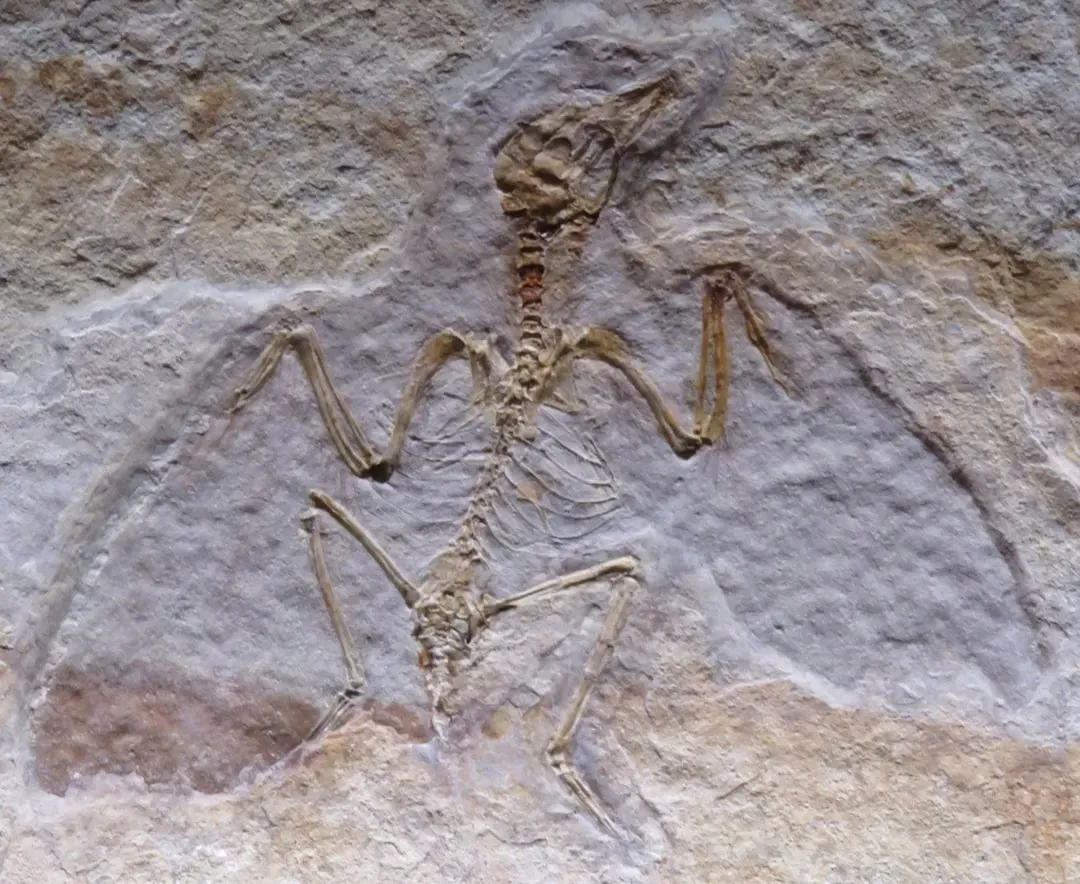
Long before any Western paleontologist set foot in the American West with a pickaxe, the Lakota Sioux were already living alongside some of the richest dinosaur fossil beds on the planet. The burnt-red badlands of Montana’s Hell Creek are a vast graveyard of Cretaceous dinosaurs that lived 68 million years ago, and those hills were, much later, also home to the Sioux, the Crows, and the Blackfeet, the first people to encounter the dinosaur fossils exposed by the elements. What they made of those bones is extraordinary.
In their perceptive creation stories, Native Americans visualized the remains of extinct mammoths, dinosaurs, pterosaurs, and marine creatures as Monster Bears, Giant Lizards, Thunder Birds, and Water Monsters. The masses of animal fossils in certain buttes were identified as the remains of Unktehi, monsters destroyed by Thunder Beings, according to Lakota tradition. Another striking Sioux geomyth accounted for the geology and paleontology of the Black Hills of South Dakota, an area surrounded by masses of vanished creatures from many eras, from dinosaurs and pterosaurs to mammoths and Thunder Beasts, with the Sioux name for the latter even preserved in the scientific name Brontotherium, a rhino-like prehistoric behemoth. You have to admire that. A people without formal science, naming creatures so accurately that the Latin scientific name eventually echoed their oral tradition.
Ancient Carthage and North Africa: Giant Bones and the Myth of a Shrinking World
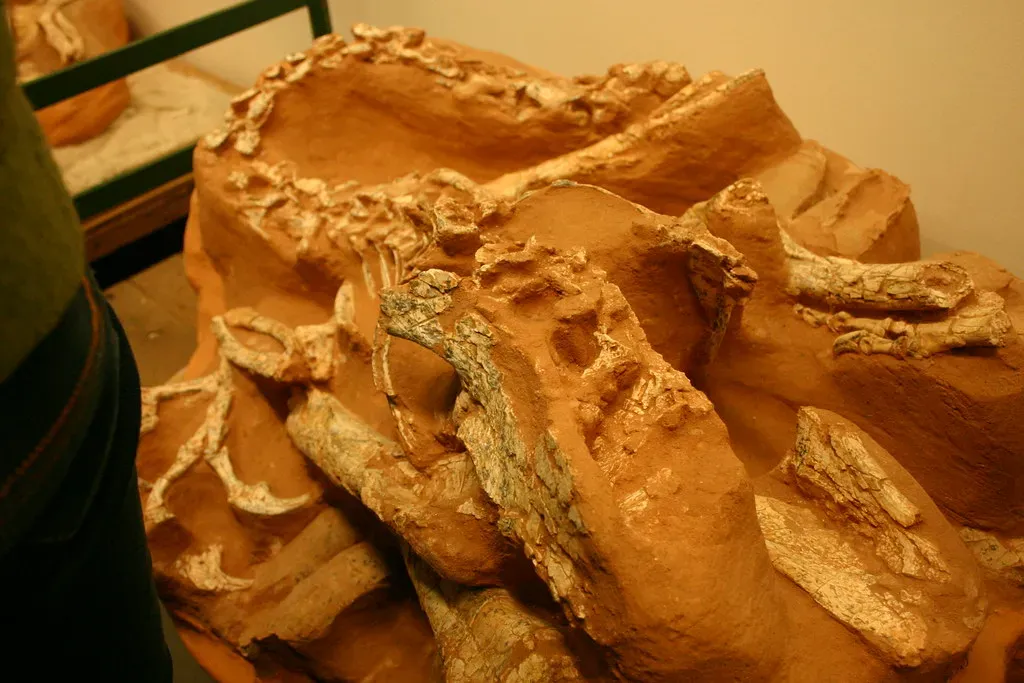
You might not immediately think of ancient North Africa when you picture fossil mythology, but the region has one of the more fascinating and under-told stories in this entire field. In North Africa during the third to second century B.C., Carthaginians were digging trenches when they came upon two fossilized skeletons, each about 34 feet long. The skeletons were assumed to be those of mythic giants, and Phlegon of Tralles, who served the emperor Hadrian, claimed that the skeletons were proof that all life forms were gradually becoming smaller over time.
The area, around Ancient Carthage on the Gulf of Tunis, is rich with mastodon fossils, deinotheres, and mammoths, which paleontologists now believe to be the actual source behind the giant myths of that region. Think about the philosophical leap those ancient thinkers made. Rather than simply declaring the bones mysterious or sacred, they built an entire cosmological theory around them. A theory of biological decline. A shrinking world. As these ancient civilizations grappled with the mysteries of their environments, they sought to reconcile their limited knowledge with the tangible evidence of these extraordinary creatures. That is not primitive thinking. That is early science, wearing the only language it had available.
Conclusion
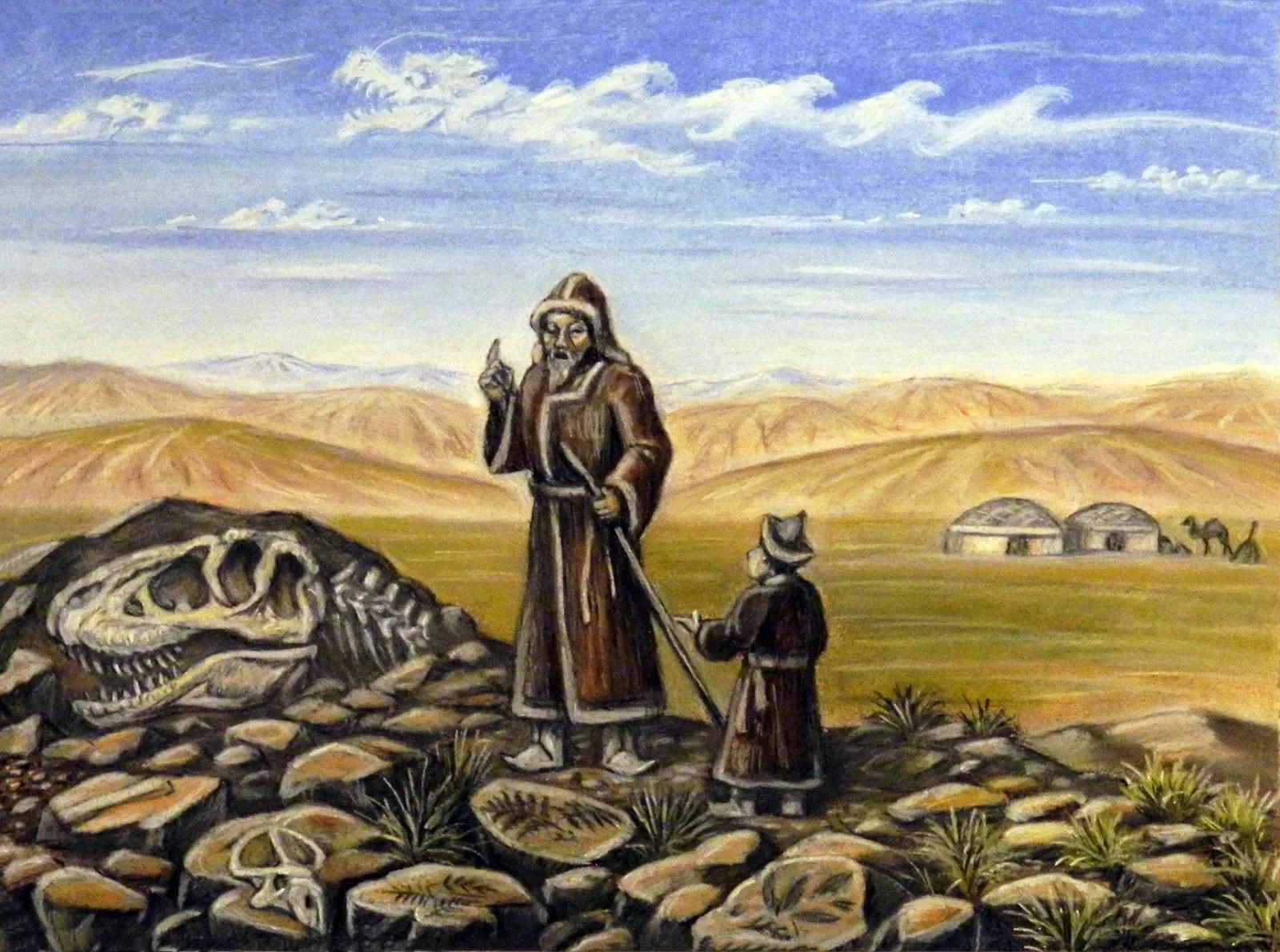
What ties all five of these civilizations together is something deeply human: the refusal to look at something strange and strange and simply walk away. During much of human history, the origins of fossils were not explained through scientific inquiry and evidence but by myth, superstition, and organized religion. Yet far from being a sign of ignorance, this impulse was a sign of curiosity, creativity, and the relentless human need to make meaning out of the world.
In their creation stories, ancient peoples visualized the remains of extinct creatures as Monster Bears, Giant Lizards, Thunder Birds, and Water Monsters, and their insights, some so sophisticated that they anticipate modern scientific theories, were passed down in oral histories over many centuries. The Greeks built Cyclops from mammoth skulls. The Lakota wove pterosaurs into the very fabric of their cosmology. The Chinese ground prehistoric bones into medicine and called it dragon. Every single one of those responses, strange as they may seem to us today, was a civilization doing exactly what science eventually learned to do: observing the evidence and constructing the best possible story.
The bones were always there. It was the stories that made them immortal. What would you have believed, standing over a skull the size of a boulder, with nothing but the sky above and your imagination to guide you?