There is something quietly humbling about standing in a natural history museum, looking up at a towering skeleton, and wondering what kind of world that creature actually lived in. Not just what it looked like, but what the air felt like, how dense the forests were, how hot the sun burned. Because here’s the thing: the creatures themselves are only half the story. The climate they lived in was the real sculptor.
Earth has worn many different faces over its long history. It has been a boiling greenhouse, a frozen wasteland, and a jungle planet drenched in oxygen so thick it made modern air look thin. Each of these ancient climates didn’t just set the backdrop for life. They actively pushed creatures to evolve, grow, shrink, specialize, and sometimes disappear entirely. The connection between atmosphere and anatomy is more direct than most people realize. So let’s dive in, because some of what you’re about to read is genuinely hard to believe.
The Carboniferous Oxygen Surge: When the World Grew Giants
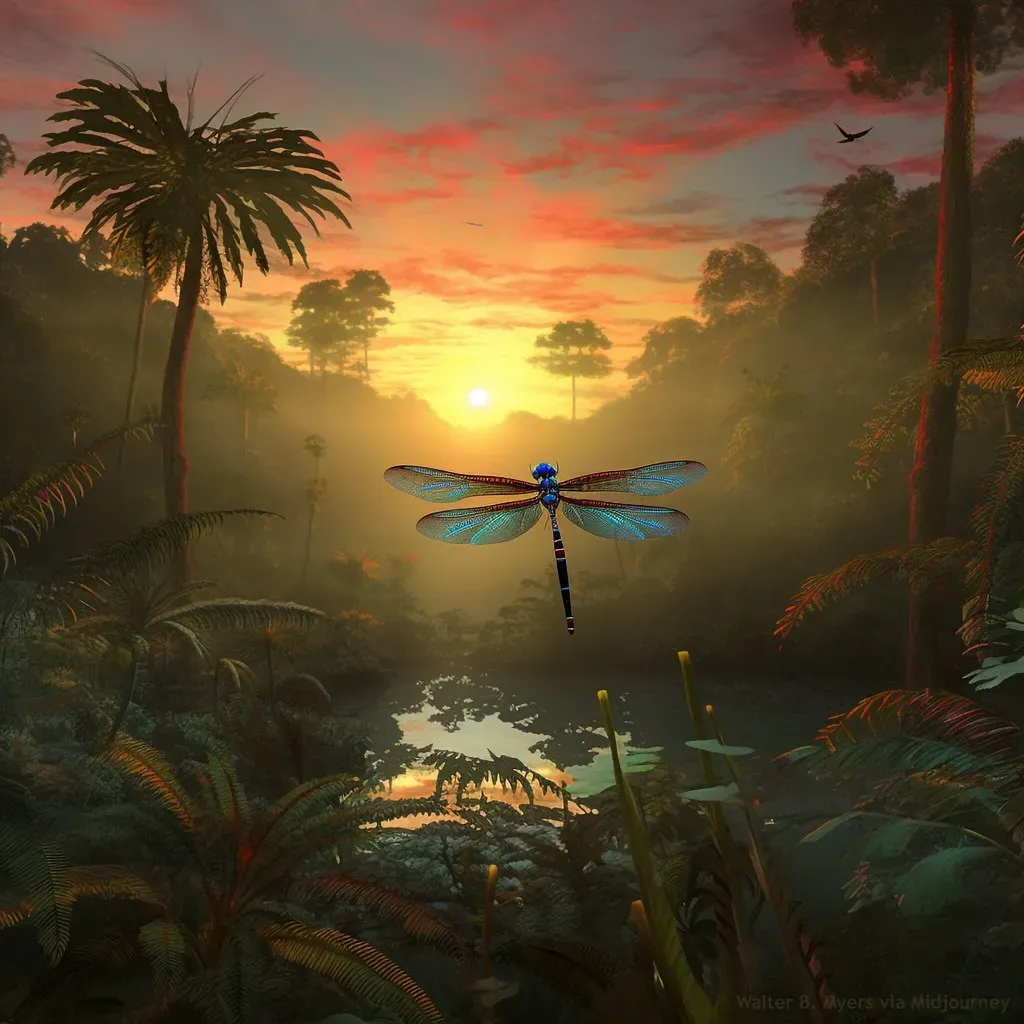
Picture yourself standing in a swamp forest 310 million years ago. Then picture a dragonfly the size of a seagull landing on a branch next to you. That was real life during the Carboniferous Period, and honestly, it still sounds like science fiction. This was the Earth during the Carboniferous Period, roughly 359 to 299 million years ago, an era marked by unprecedented evolutionary innovation, bizarre gigantism, and vast coal formations.
The Carboniferous Period, named for the large amounts of carbon-rich coal deposits formed during this time, was defined by its oxygen-rich environment. Oxygen levels in the atmosphere reached up to 35% compared to today’s 21%, a condition that was particularly favorable for arthropod gigantism. Insects like the Meganeura, dragonfly-like creatures, boasted a wingspan of over two feet purely because of this oxygen supercharge.
This change in the atmosphere can be attributed to the arrival of the first trees on the planet. Prior to the Carboniferous period, trees didn’t exist. During this time, the first things that could properly be recognized as trees appeared. Those ancient forests pumped out oxygen on a scale that simply transformed what was biologically possible. Think of it like upgrading the fuel in an engine – everything could run bigger and harder.
Three-metre long poisonous millipedes crawled among giant cockroaches and metre-long scorpions. Mayflies were abundant and dragonflies grew to the size of seagulls. Insects were the only animals capable of flight during the Carboniferous Period; birds hadn’t yet evolved and reptile species were still primitive and land-bound. The lack of aerial vertebrate predators allowed pterygote insects to evolve to maximum sizes during the Carboniferous and Permian periods. Size was not just an advantage here. It was survival.
The Mesozoic Greenhouse: A World Built for Dinosaurs
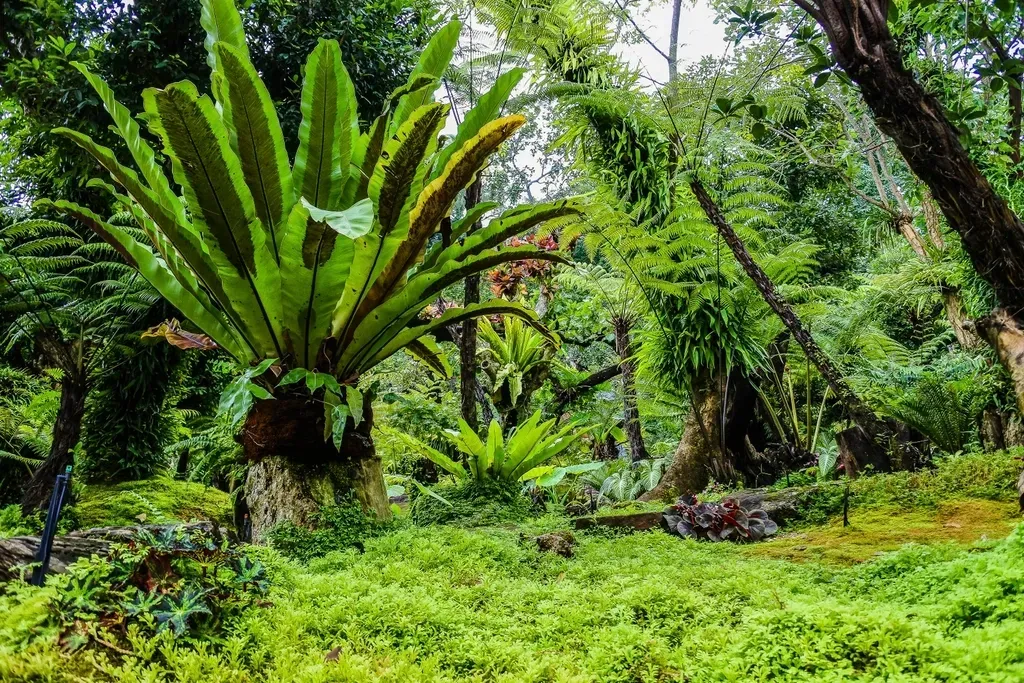
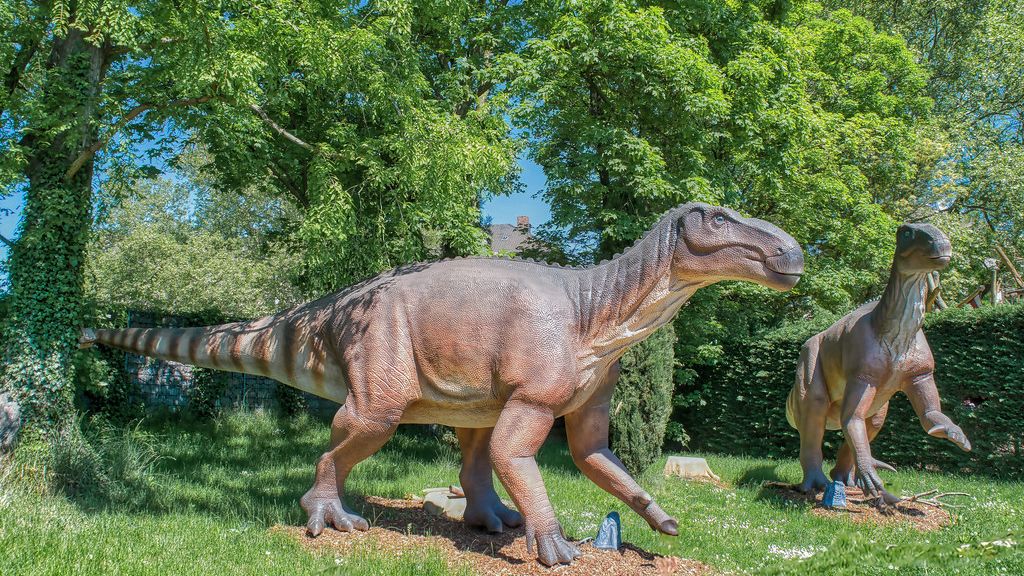
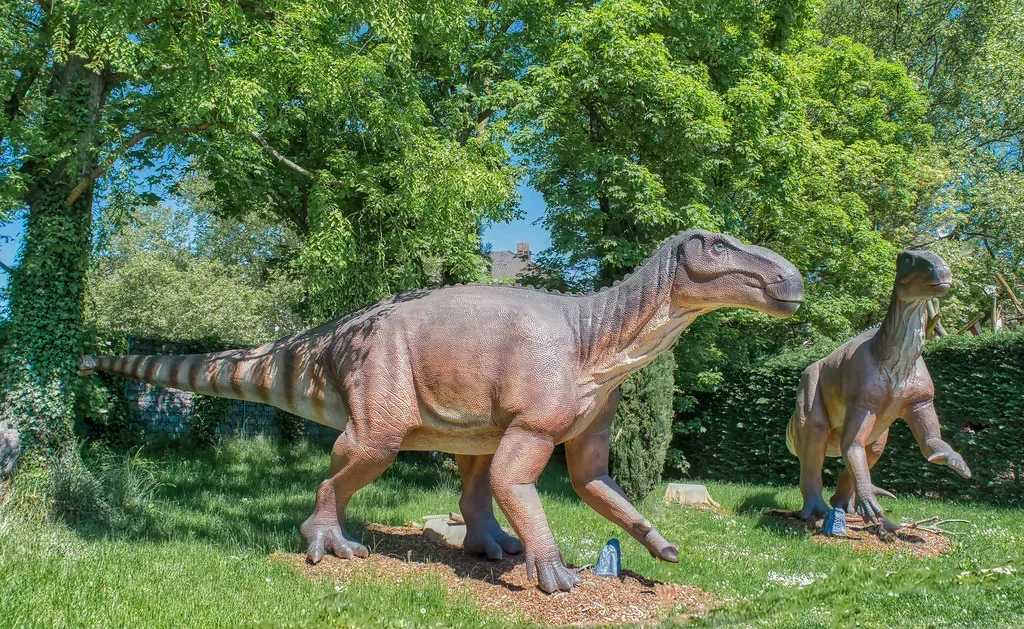
The Mesozoic Era lasted from about 252 to 66 million years ago, comprising the Triassic, Jurassic and Cretaceous Periods. It is characterized by the dominance of archosaurian reptiles such as the dinosaurs, and of gymnosperms such as cycads, ginkgoaceae and araucarian conifers, a hot greenhouse climate, and the tectonic break-up of Pangaea. This was a planet operating at a different temperature setting entirely, and life evolved accordingly.
Flowering plants and trees had only recently evolved to coexist with conifers, ferns, cycads, and other groups, while a diverse array of dinosaurs was the dominant form of megafauna on land. The global climate in which these plants and animals lived was also very different: warmer, steamier, and virtually devoid of ice. I think it’s genuinely hard to picture a world with no polar ice at all. No icy caps. Just warm ocean stretching pole to pole.
The Cretaceous period represented the pinnacle of dinosaur diversity and was characterized by even more extreme greenhouse conditions than the preceding Jurassic. Mid-Cretaceous temperatures peaked at levels possibly 10 degrees Celsius higher than today, making it one of the warmest intervals in Earth’s history. There was four times as much CO2 in the atmosphere during the late Cretaceous Period compared to the 1900s industrial era.
Plant growth in the Late Jurassic may have been about 20% higher than modern levels, while the Late Cretaceous could have been more than twice as productive. That productivity helped feed ecosystems that supported massive plant-eaters and the predators that hunted them. Dense forests and abundant vegetation matched the greenhouse climate conditions, where higher temperatures and more carbon dioxide created lush, thriving landscapes. You couldn’t have built a Brachiosaurus without a greenhouse planet. It’s almost that simple.
The Permian Transition: When the Giants Fell and Reptiles Rose
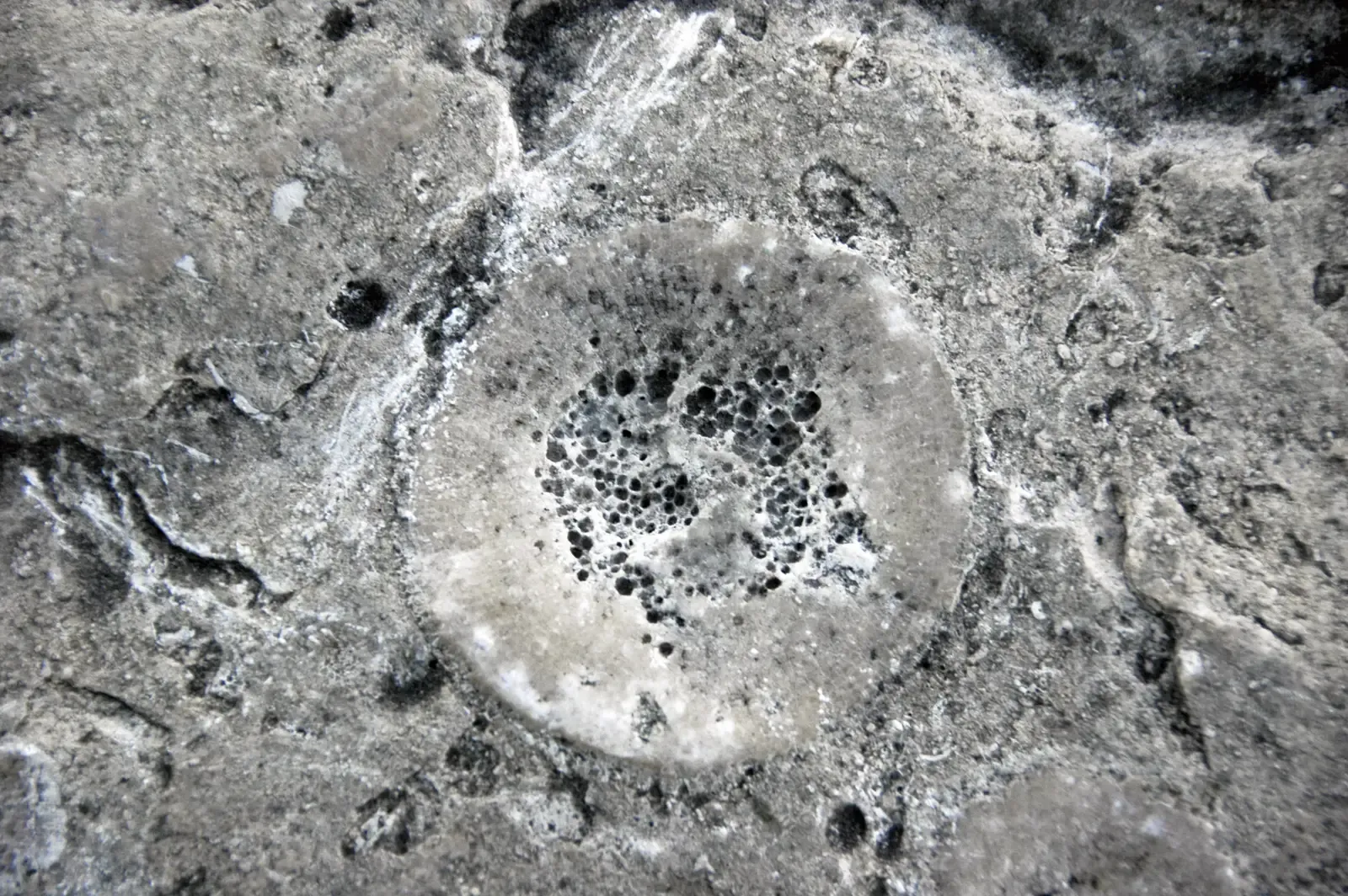
The Mesozoic Era began following the devastating Permian-Triassic extinction event, which wiped out approximately 96% of marine species and 70% of terrestrial vertebrates, opening ecological niches that dinosaurs would eventually dominate. Let that sink in for a moment. Nearly everything alive was erased. The world was essentially rebooted. What happened next was nothing short of extraordinary.
The great coal forests were such efficient CO2 sinks – storing great quantities of atmospheric carbon dioxide in the soil – that the Earth eventually cooled. With climate change, the hot, humid environment that supported these giant plants gave way to the cooler, drier environment of the Permian Period, which ushered in the reptiles, and led to what is called Carboniferous rainforest collapse. The insects began to shrink. The reptiles began to rise.
The decline of giant insects and other species can be attributed to both dropping oxygen levels and the rise of reptiles and early amphibians, who proved to be better equipped predators in this new environment. Here is where you really see climate acting like a director casting roles in a play. The Carboniferous oxygen surge had its stars. The cooling, drying Permian brought a completely different cast on stage.
For the Late Triassic and earlier Jurassic, scientists found zero evidence of polar glacial ice sheets in fossil records, likely a result of carbon dioxide levels that may have reached as high as 6,000 parts per million. During this greenhouse state, dense conifer and deciduous forests covered most of Pangea from the North Pole and the South Pole to the subtropical latitudes. The survivors of the Permian collapse inherited an intensely warm world and used every advantage it offered.
The Pleistocene Ice Age: Cold as a Forge for Megafauna
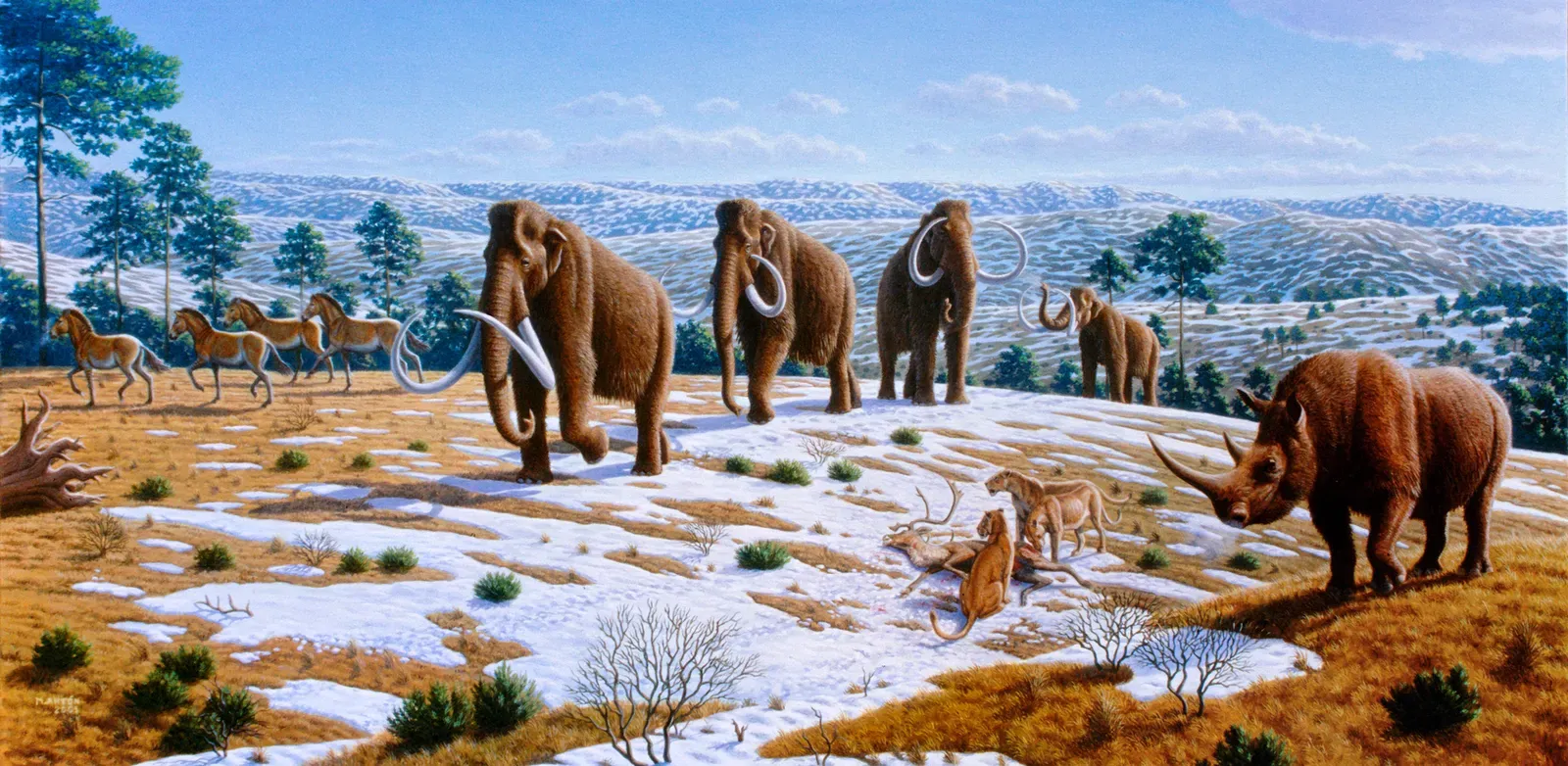
If the Mesozoic was the era of warmth and size, the Pleistocene was the era of cold and grit. The Pleistocene is the geological epoch that lasted from approximately 2.58 million to 11,700 years ago, spanning the Earth’s most recent period of repeated glaciations. It wasn’t one long freeze, though. It was a relentless cycle of ice advancing and retreating, pressing life into constant adaptation or extinction.
Perhaps no creature better represents Pleistocene megafauna than the woolly mammoth. These massive relatives of modern elephants developed incredible adaptations for cold climates. Their thick, shaggy coat contained two layers: a dense undercoat for insulation and longer guard hairs that repelled moisture and wind. Small ears and tails minimized heat loss, while a layer of fat up to 4 inches thick provided additional insulation. Nature had effectively engineered a living furnace wrapped in wool.
The last ice age is known for hosting many large mammals called megafauna. Mammoths, saber-toothed cats, giant ground sloths and mastodons roamed North America during this period. There also were larger cousins of animals still present today, such as the giant short-faced bear which was 30 percent larger than today’s grizzly bear, and the massive dire wolf. These weren’t exaggerations in some prehistoric mythology. These were real animals forged by real cold.
The vast mammoth steppe, a highly productive grassland that stretched across continents, began to disappear as the glaciers retreated, replaced by dense forests and modern tundra. Many megafauna, like the woolly mammoth and woolly rhinoceros, were highly specialized for this specific grassland environment. Changes in climate shrank suitable mammoth habitat from nearly 7.7 million square kilometers 42,000 years ago to around 800,000 square kilometers by 6,000 years ago – a reduction of roughly nine tenths of their world. That is a staggering loss, and it tells you everything about how tightly these animals were wired to their climate.
The Devonian Warm Ocean: Birthing the First Apex Sea Monsters
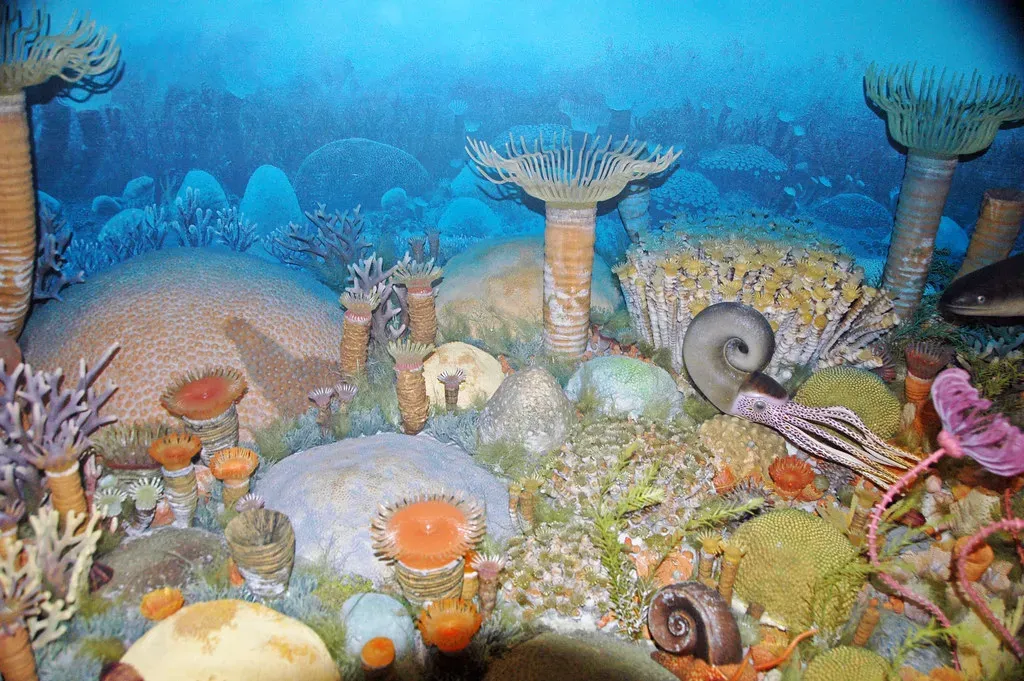
Long before mammoths or dinosaurs, Earth’s oceans were warming dramatically during the Devonian Period, roughly 419 to 359 million years ago. Fishes appeared about 450 million years ago, evolving perhaps from ancient soft-bodied organisms. Moving slowly along the sea bottom, they ate by straining food from water drawn through their gills. They did not look much like modern fishes: they had no jaws, no fins, and probably no head in the usual sense. The oceans of this era were essentially one enormous evolutionary laboratory.
The Paleozoic is called the “Age of Fish.” Fish are the ancestors of all vertebrates, which includes the human race. As Pangaea drifted northward and became much warmer, this led to the rise of land plants and animals. The ocean also rose as the climate warmed, melting the glacial ice. Warming seas meant richer, more nutrient-dense environments. More nutrients meant more prey. More prey meant bigger, faster, more fearsome predators evolving to chase them.
Many fish inhabited the Carboniferous seas, predominantly sharks and their relatives. These included some with crushing pavement-like teeth adapted for grinding the shells of brachiopods and crustaceans. Other groups grew to large sizes, with some genera reaching around 6 to 9 meters in length. The warmer, oxygen-rich waters of this ancient shallow-sea world became a proving ground for the vertebrate body plan that would eventually conquer land itself.
Studying paleoclimate explains why certain animals and plants live where they do today. It also shows us how the Earth and life on Earth responds to change. The Devonian oceans are a perfect case study: warm water, rising sea levels, and a rich ecosystem created the evolutionary pressure that pushed fish not just to grow larger, but eventually to crawl onto land. Every land animal alive today, including you, traces its origin back to that ancient warm ocean moment.
Conclusion: Climate Doesn’t Follow Life. Life Follows Climate.
You might walk away from all of this thinking that creatures like the woolly mammoth or Meganeura were just interesting accidents of evolution. Honestly, that misses the bigger picture entirely. Every single one of these giants, monsters, and marvels was a direct answer to a specific atmospheric and climatic question. The oxygen went up, and bugs became dragons. The planet heated to greenhouse levels, and dinosaurs swallowed entire landscapes. The ice came down, and mammals grew into walking fortresses of fur and fat.
Using fossils, chemicals, minerals preserved in ice, and ancient rocks, combined with computer models of Earth’s past climate, scientists can figure out climate changes going back millions of years. Understanding past climate changes helps us understand how Earth’s climate is changing now, and how it might further change in the future. The past is not just history. It is a manual for the present.
There is something both thrilling and sobering about realizing that the creatures you just read about were not unusual outliers. They were the normal result of their climate. Which raises an unavoidable question worth sitting with: in a world where climate is shifting again, faster than at almost any point in Earth’s recorded history, what kind of creatures will be the answer this time? What do you think? Share your thoughts in the comments below.