Long before the mighty dinosaurs stomped across Earth, an entirely different cast of creatures ruled the land. You might think dinosaurs were the first major land animals, but that’s not quite right. Tens of millions of years before T. rex or Triceratops existed, strange and powerful beasts prowled through swamps, deserts, and forests. These animals weren’t dinosaurs at all. They were synapsids, distant relatives of modern mammals, and they dominated their world in ways that might surprise you.
What’s truly wild is how alien these creatures looked compared to anything alive today. Picture massive predators with saber teeth longer than steak knives, herbivores built like tanks, and bizarre sail-backed hunters that regulated their body temperature in ways we’re still trying to understand. Let’s dive in.
Dimetrodon: The Iconic Sail-Back Hunter
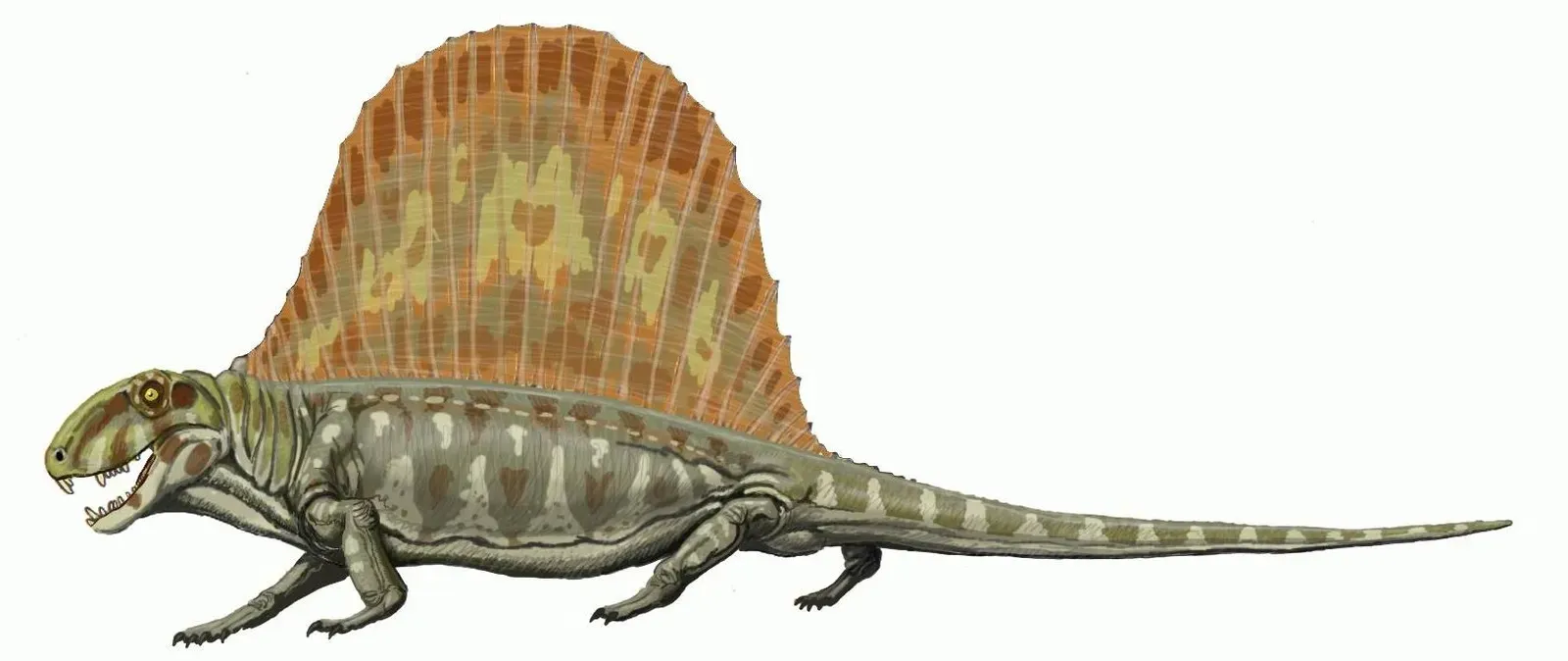
Although reptile-like in appearance and physiology, Dimetrodon is much more closely related to mammals, which makes it one of the most misunderstood prehistoric animals ever. You’ve probably seen Dimetrodon in toy dinosaur sets, which is ironic because this sail-backed predator lived over 30 million years before the first dinosaurs. It prowled the swamps and wetlands of what is now North America during the Early Permian, roughly between 295 and 272 million years ago.
The most striking feature was obviously that enormous sail running along its back. The sail of Dimetrodon is formed by elongated neural spines projecting from the vertebrae. Scientists have debated its purpose for decades. Was it for temperature control, like a biological solar panel? Or maybe it was used for attracting mates, similar to a peacock’s tail? Most Dimetrodon species ranged in length from 1.7 to 4.6 m and are estimated to have weighed between 28 and 250 kg. That’s bigger than most modern crocodiles. Dimetrodon was an apex predator in its time, and its jaws were packed with different types of teeth, something unusual for non-mammalian animals. This creature was already developing mammal-like traits millions of years before true mammals even existed.
Gorgonopsids: Saber-Toothed Terrors of the Permian
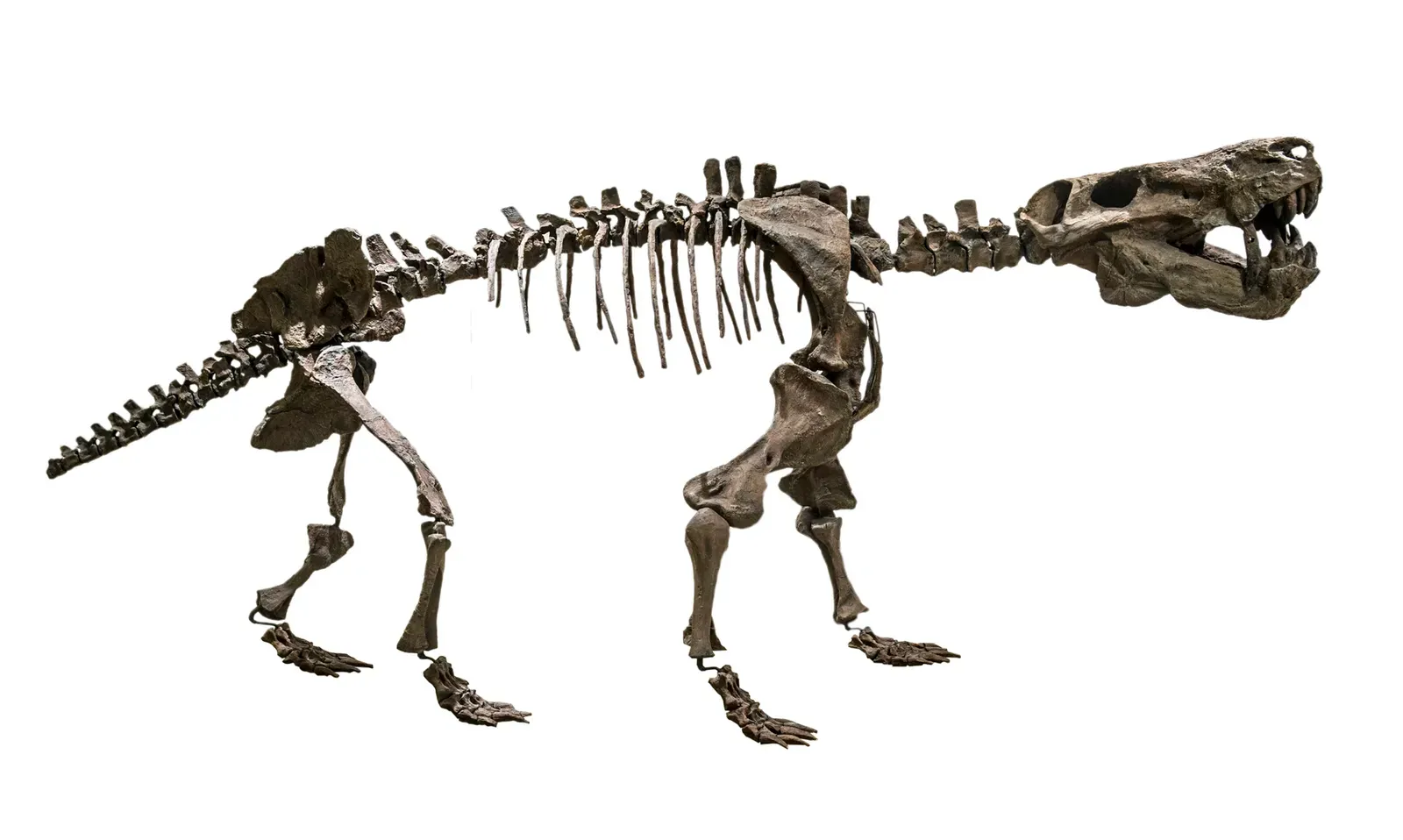
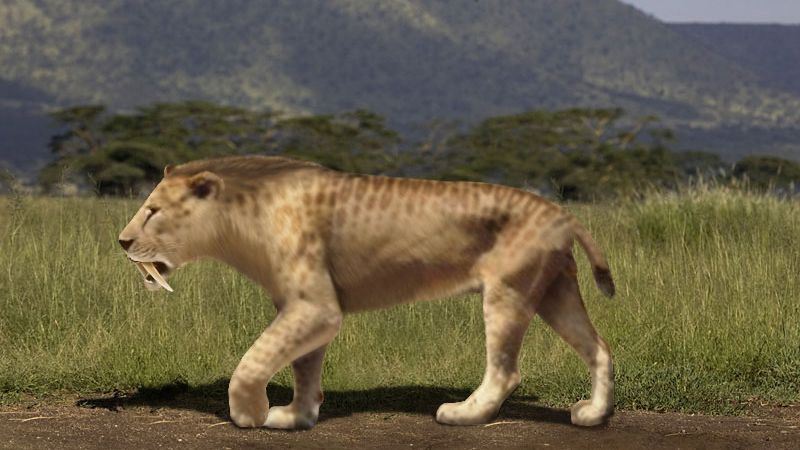
If you thought saber-toothed cats were scary, meet the gorgonopsids. Gorgonopsia is an extinct clade of sabre-toothed therapsids from the Middle to the Upper Permian, roughly between 270 and 252 million years ago, characterised by a long and narrow skull, as well as elongated upper and sometimes lower canine teeth. These predators were the ultimate killing machines of their era. Some species grew to enormous sizes, and their saber teeth were absolutely massive.
The sabres of Rubidgea atrox are longer than the teeth of Tyrannosaurus. Let that sink in for a second. These weren’t dinosaurs. They existed before dinosaurs. Yet they possessed weaponry that rivaled anything the Mesozoic Era could produce. For hunting large prey, they possibly used a bite-and-retreat tactic, ambushing and taking a debilitating bite out of the target. Unlike modern mammalian predators, gorgonopsids couldn’t chew their food or crush bones, so they likely relied on slashing attacks and bleeding out their prey. Their gape was extraordinary, possibly exceeding 90 degrees without even needing to unhinge their jaws. Honestly, these creatures sound like something out of a nightmare.
Lystrosaurus: The Permian Extinction Survivor
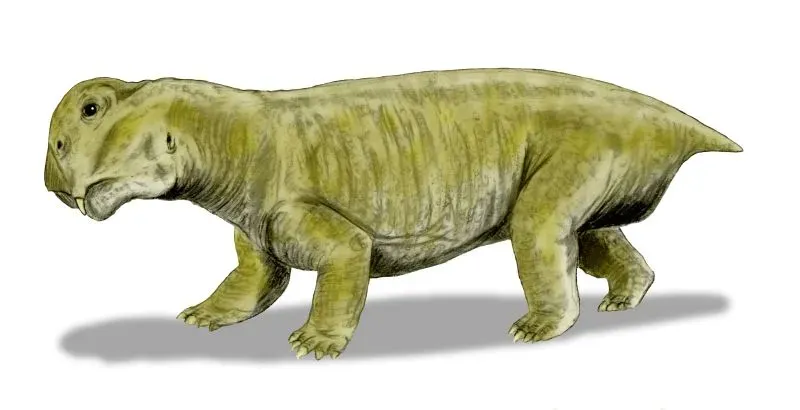
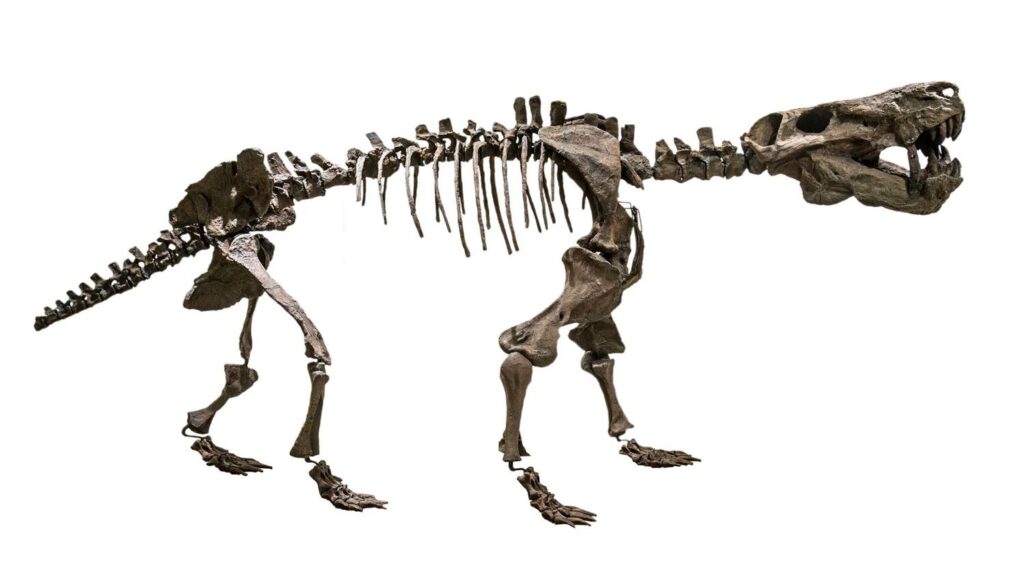
Lystrosaurus is one of the few terrestrial animals that survived one of the most significant extinction events in geologic history – the Permian-Triassic extinction. This pig-sized herbivore might not look as impressive as some of the predators on this list, but it has one of the most remarkable survival stories in all of paleontology. At one point in the Early Triassic, it made up 95% of land vertebrates. Think about that for a moment. Nearly every land animal you’d encounter was a Lystrosaurus.
Lystrosaurus measured 3–8 feet in length and weighed about 200 pounds. That is about the size of an average pig. Lystrosaurus also had a sort of pig-like appearance; It had a short snout. Instead of regular teeth, it had two tusk-like canines and a horny beak for shearing vegetation. The animal’s nostrils were positioned high on its snout, suggesting it spent time in shallow water or marshy environments. Its robust build and powerful front legs made it an excellent digger. While the world around it collapsed during the worst extinction event in Earth’s history, Lystrosaurus somehow kept going. It’s hard to say for sure, but its ability to burrow and adapt to harsh conditions probably saved it when roughly three-quarters of all land species vanished.
Edaphosaurus: The Peaceful Sail-Back Giant
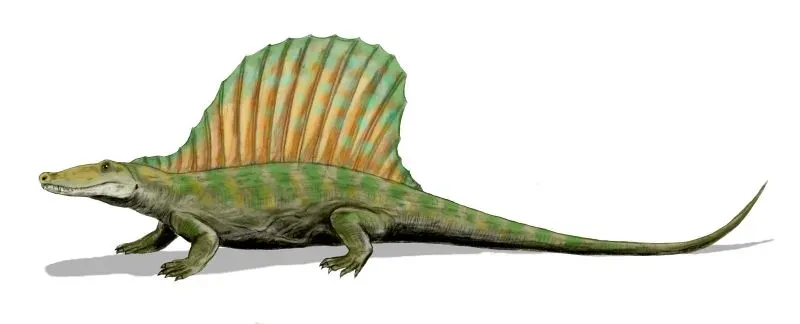
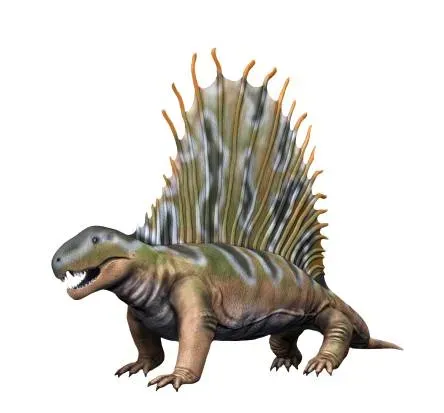
Here’s the thing about Edaphosaurus: it looked remarkably similar to Dimetrodon, complete with that distinctive sail on its back. Despite appearances, Edaphosaurus was not especially closely related to Dimetrodon, with both being different types of pelycosaurs. Whereas Edaphosaurus is the namesake of its own family, the edaphosaurids, Dimetrodon was one of the sphenacodontids. The crucial difference? Edaphosaurus was a herbivore, one of the first large plant-eaters to walk on land.
Living during the Late Carboniferous through Early Permian periods, Edaphosaurus could grow quite large, reaching lengths of nearly twelve feet in some species. Its teeth were completely different from those of Dimetrodon, being small and peg-like, perfect for grinding up plants rather than tearing flesh. The sail likely served a similar purpose as in Dimetrodon, whatever that purpose actually was. It’s fascinating to think that two such similar-looking animals evolved independently, one to hunt and one to graze. Edaphosaurus often appears in paleo-art as prey for Dimetrodon, which makes for dramatic scenes even if we can’t be entirely certain how often such encounters actually occurred. Still, the fact that one of the first major herbivores looked so bizarre tells you everything about how different the Permian world was from anything we know today.
Cynodonts: The Direct Ancestors of All Mammals
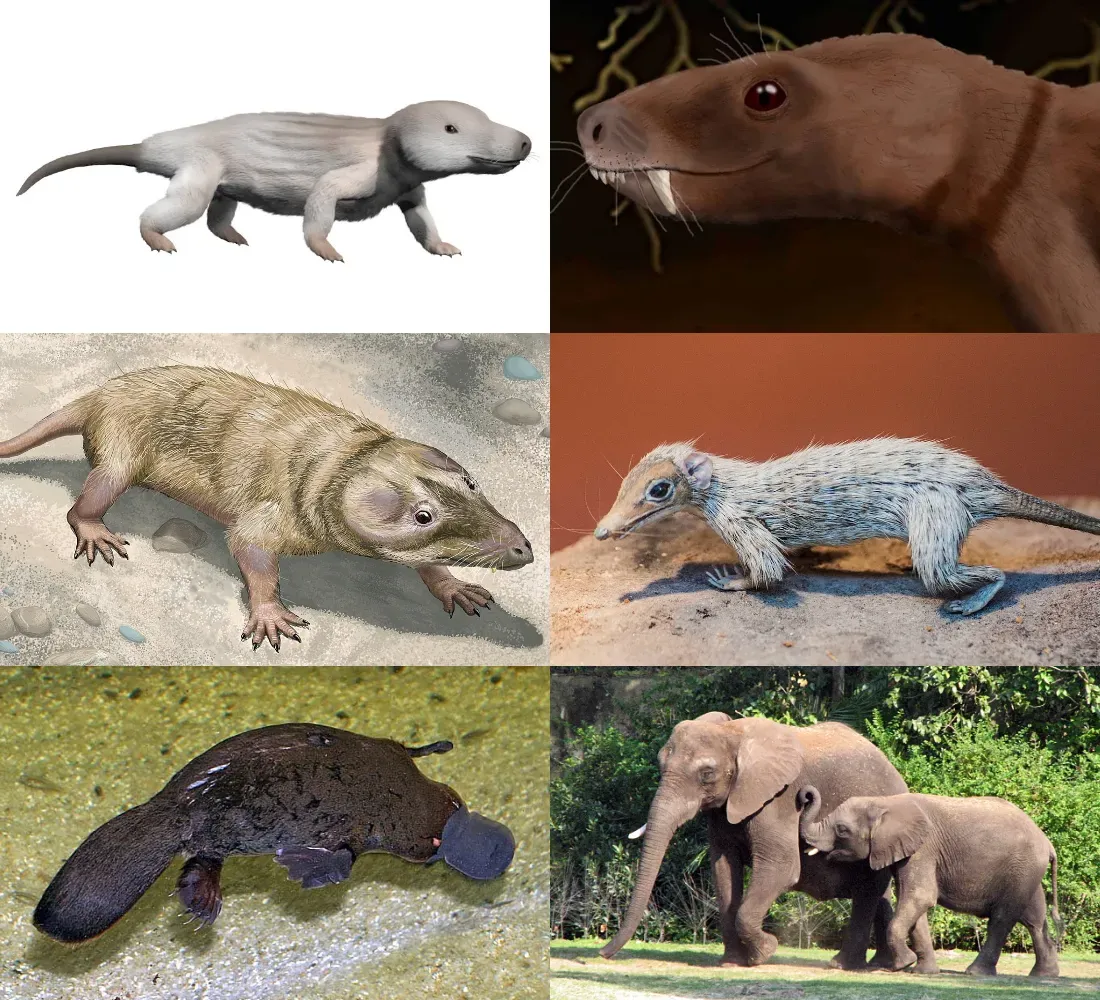
Within the therapsids, a group called the cynodonts are thought to be the ancestors of mammals. These creatures represent the closest link between ancient synapsids and modern mammals like you and me. Cynodonts, the group of therapsids ancestral to modern mammals, first appeared and gained a worldwide distribution during the Late Permian. They were generally small, some no bigger than rats, and many were nocturnal insectivores trying to avoid larger predators.
What made cynodonts special was their increasingly mammalian characteristics. They had differentiated teeth including incisors, canines, and molars. They possessed a secondary palate that allowed them to breathe while eating. Their jaws were becoming more mammal-like with each passing generation. Some species even showed evidence of whiskers, which strongly suggests they had fur and were warm-blooded. Cynodonts probably gave rise to mammals about 200 million years ago. However, they are not considered to be mammals themselves. They survived the devastating Permian extinction that wiped out most other synapsids, probably because they occupied nocturnal niches that larger predators ignored. By staying small and active at night, cynodonts avoided direct competition with the archosaurs that would later give rise to dinosaurs. Their descendants would eventually become every mammal alive today, from whales to bats to humans.
Conclusion
The creatures that ruled before dinosaurs were every bit as fascinating and diverse as anything that came after. From the sail-backed Dimetrodon to the saber-toothed gorgonopsids, from the survivor Lystrosaurus to the plant-munching Edaphosaurus, and finally to the cynodonts that would give rise to all mammals, these ancient synapsids dominated Earth for millions of years. They evolved complex body structures, diverse diets, and survival strategies that allowed some of them to weather the worst extinction event in planetary history.
What’s remarkable is how little most people know about this incredible chapter of life on Earth. These weren’t primitive reptiles stumbling around waiting for dinosaurs to evolve. They were sophisticated animals that had already developed many of the features we associate with mammals today. Next time you see a Dimetrodon toy mixed in with dinosaurs, you’ll know better. Did you ever imagine that animals this strange and powerful existed even began?