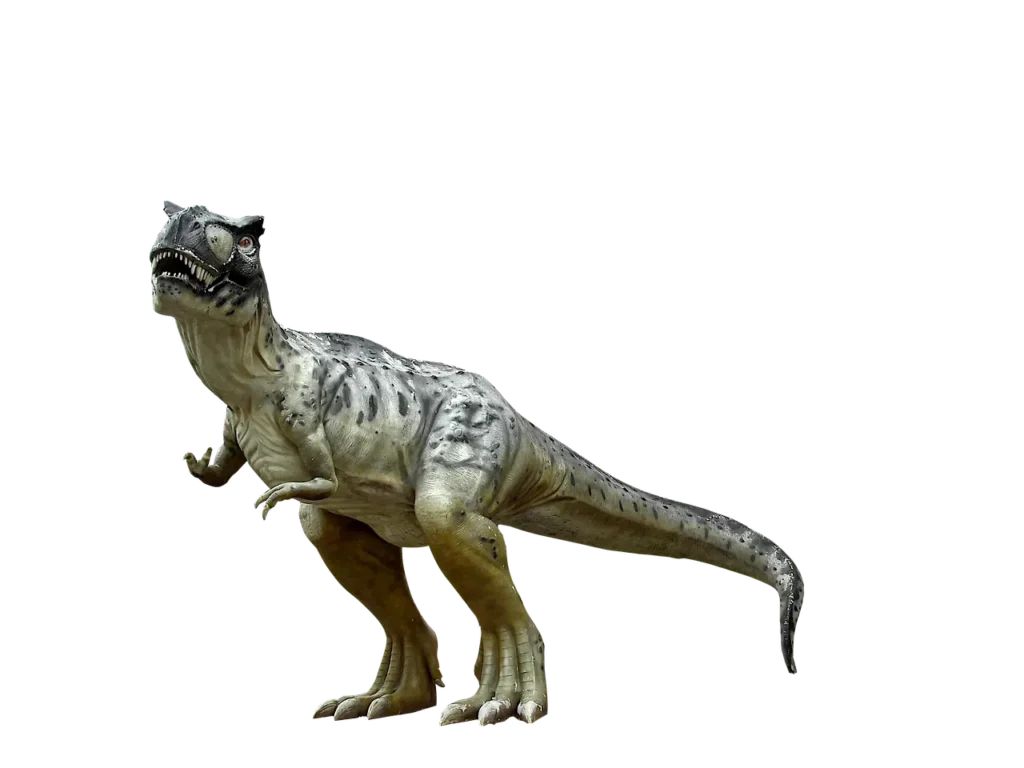
When most people picture prehistoric horror, they imagine a T. rex crashing through trees, jaws snapping, the ground shaking under its feet. That image is iconic. But here’s the thing – the land was actually the safer neighborhood. Beneath the ancient oceans lurked creatures so massive, so ruthlessly engineered for destruction, that even the mightiest dinosaur would have stood zero chance against them.
The modern ocean is already a scary place, filled with barracuda, sharks, and super-squids. Yet none of them come close to the giant terrors that roamed the prehistoric seas – giant sea-lizards, monster sharks, and even hypercarnivorous whales. These were the true apex monsters of their time. Strap in, because what you’re about to discover might permanently change the way you look at the ocean. Let’s dive in.
Mosasaurus: The Ocean’s Most Terrifying Shape-Shifter
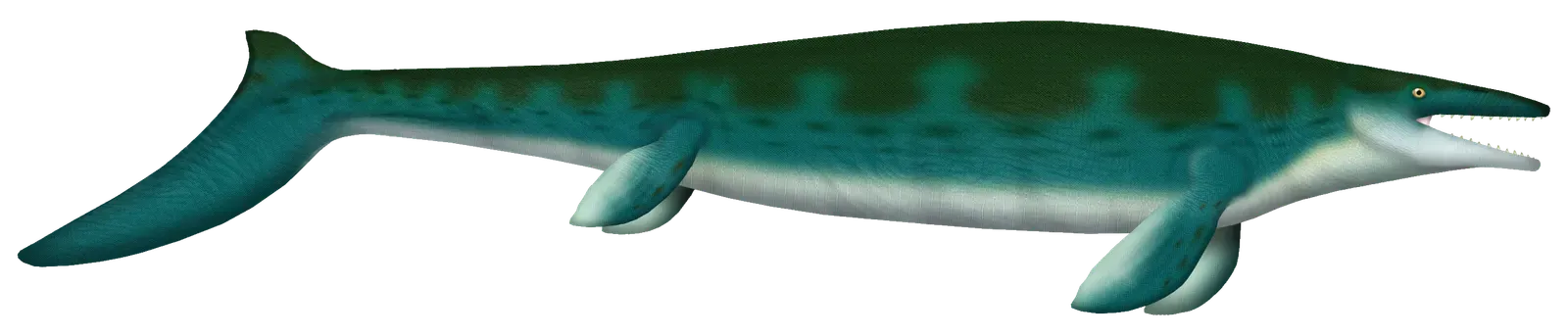
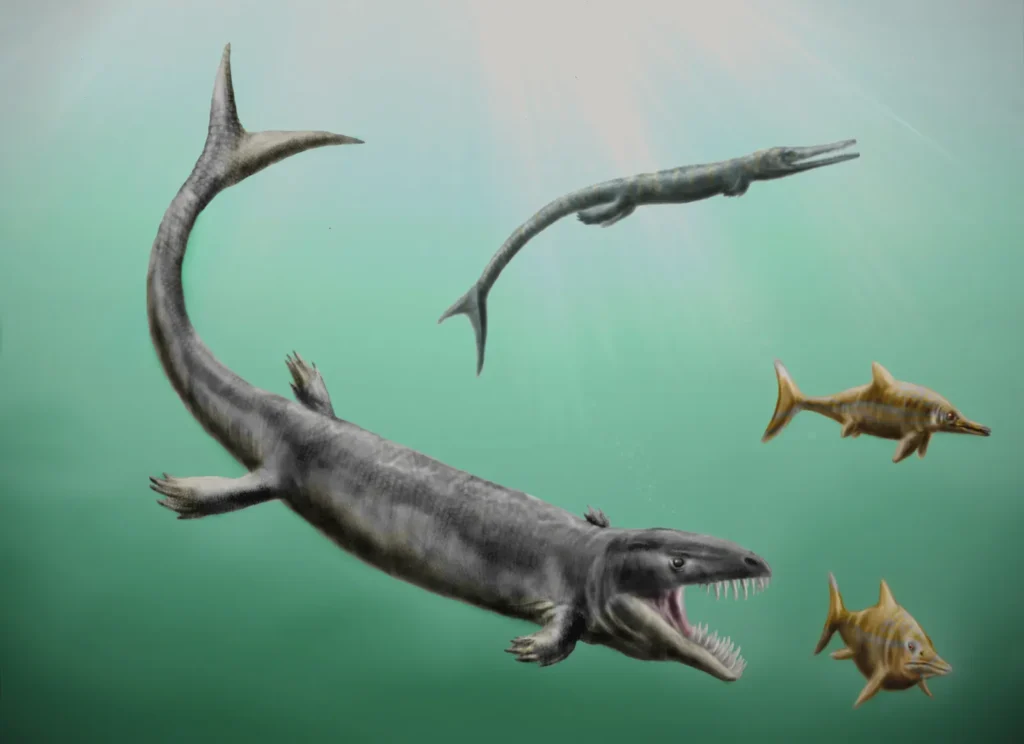
You might think you know Mosasaurus from its famous cameo in Jurassic World, swallowing a great white shark in one casual gulp. Honestly, that scene wasn’t far off from reality. Before they fell to the same fate as the nonavian dinosaurs, this group of marine reptiles roamed the world’s oceans, devouring almost anything that moved – including other mosasaurs. That’s right. They weren’t picky. Not even their own kind was safe.
What truly made Mosasaurus a fearsome predator was its long, double-hinged jaw and sharp, spiked teeth that allowed it to hold onto and tear up its prey. This animal, which existed around 82 to 66 million years ago, generally preferred shallow waters, though its shape suggests it would have been an excellent open-water swimmer as well. Think about that. If you were swimming at the beach, you were already in its comfort zone. The shallow water was not your friend – it was Mosasaurus’s hunting ground.
Extraordinarily preserved skin from one Tylosaurus fossil shows that mosasaurs had black skin. They might have been totally black, hiding them in dark waters as they hunted, or the black skin might have been part of a larger pattern for camouflage or signaling. Silent, dark, and nearly invisible before an attack – it’s the stuff of deep-sea nightmares. I think what makes Mosasaurus truly terrifying is not just its size, but how perfectly deceptive its whole design was.
Megalodon: A Shark So Big It Redefined the Word “Predator”
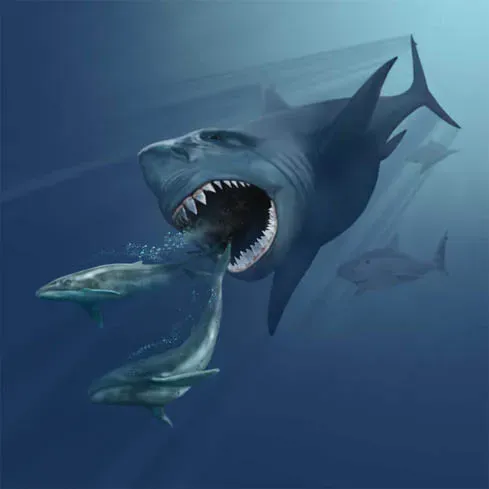
Let’s be real. No list of ancient sea monsters is complete without Megalodon. Megalodon is an extinct species of shark that lived some 23 to 3.6 million years ago and is undeniably the stuff of nightmares. Potentially growing as big as 60 feet long, with a jaw nearly 11 feet wide and teeth that could grow to 7 inches, Megalodon was every bit a real-life sea monster and apex predator. To put that in perspective, that’s roughly the size of a semi-truck. With teeth.
The mighty Megalodon ruled the ancient seas as the largest shark known to science, reaching lengths of up to 60 feet – three times the size of a modern great white. This apex predator had a bite force powerful enough to crush whale bones, making it the undisputed terror of prehistoric oceans. Your entire body would have fit neatly between two of its teeth. That’s not hyperbole. That’s paleontology.
Despite the popular idea that Megalodon coexisted with dinosaurs, they actually lived from 25 to 1.5 million years ago, meaning that at best they missed the last dinosaur by 40 million years. On the other hand, this means they might have still been around when the first humans appeared. That detail never fails to make people deeply uncomfortable – and for good reason. It’s hard to say for sure how close their timelines overlapped with early human ancestors, but the overlap is unsettling enough to keep you out of the water.
Dunkleosteus: The Armored Tank That Ate Everything in the Devonian Sea
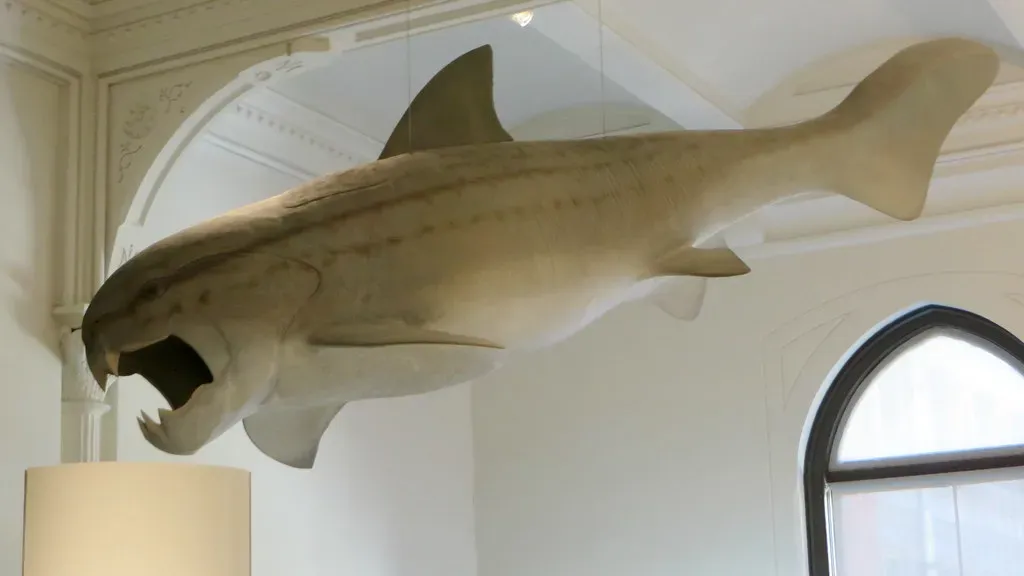
Picture a fish the size of a school bus, wearing full armor plating on its head, with no actual teeth – just razor-sharp bone blades that worked like the world’s first set of industrial scissors. That’s Dunkleosteus, and it’s one of the most bizarre apex predators to have ever existed. Dunkleosteus is an extinct form of arthrodire fish that lived during the Late Devonian period, about 360 million years ago. Featuring a bony armored skull attached to a skeleton made of cartilage, it is often compared to an underwater tank – and with good reason. It was not only well-armored but also well-armed, thanks to its blade-like jaw that could snap shut with over 8,000 pounds of force.
Dunkleosteus could open its massive mouth and shut it in just 20 milliseconds – 1/50th of a second. This created a suction that literally pulled prey into its mouth. You wouldn’t even have time to see it coming. Imagine swimming beside something that can create a vacuum with its mouth alone. That is genuinely terrifying in ways that a T. rex stomping through a jungle simply cannot match.
A Dunkleosteus had few things to fear apart from possibly other Dunkleosteuses, as fossil evidence shows it may have been a cannibal. Here’s a creature with almost no natural predators, totally encased in bone armor, packing vacuum-powered jaws – and its biggest threat was itself. That says everything you need to know about how dominant this animal was in its ecosystem.
Livyatan Melvillei: The Whale That Was Basically a Living Apocalypse
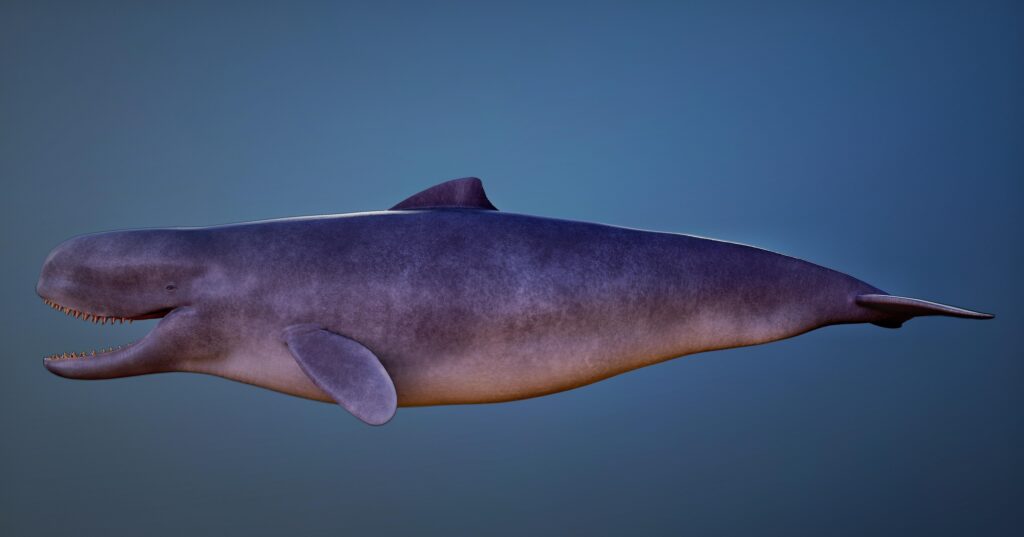
You’ve heard of Moby Dick. Now meet the real horror. Named after a biblical monster and the whale from Moby Dick, Livyatan is an extinct species of sperm whale that existed some 13 million years ago. Size-wise, Livyatan was around 50 feet long, roughly the same size as modern sperm whales. Unlike modern sperm whales, however, Livyatan was an apex predator, hunting sharks, seals, other whales, and large marine vertebrates. Modern sperm whales are already terrifying enough. Now imagine one that actively hunts the ocean’s biggest predators for sport.
Livyatan melvillei had enormous teeth measuring up to 36 centimeters in length. Unlike modern sperm whales, which have teeth only in their lower jaws, Livyatan had teeth in both upper and lower jaws, suggesting it was an active predator. This prehistoric marine predator likely hunted large prey, including other marine mammals such as seals and smaller whales. Those teeth were not just big – they are considered the largest functional teeth of any known animal ever. Not tusks. Actual hunting teeth, built for one thing: destruction.
A contemporary and competitor of Megalodon during the Miocene Epoch, Livyatan Melvillei was an extinct genus of sperm whale. Named for the Hebrew name of the Biblical Leviathan as well as Herman Melville, who wrote Moby-Dick, this whale ranged between 44 and 57 feet long. Not only was it one of the biggest predators to ever live, it also had some of the largest sharp teeth of any animal. This leviathan was so enormous it even ate other whales. The fact that Livyatan went tooth-to-tooth with Megalodon – and may have even bested it in close-quarters combat – makes it, in my opinion, the most genuinely fearsome creature on this entire list.
Plesiosaurs: The Long-Necked Ghosts That Still Haunt Our Legends
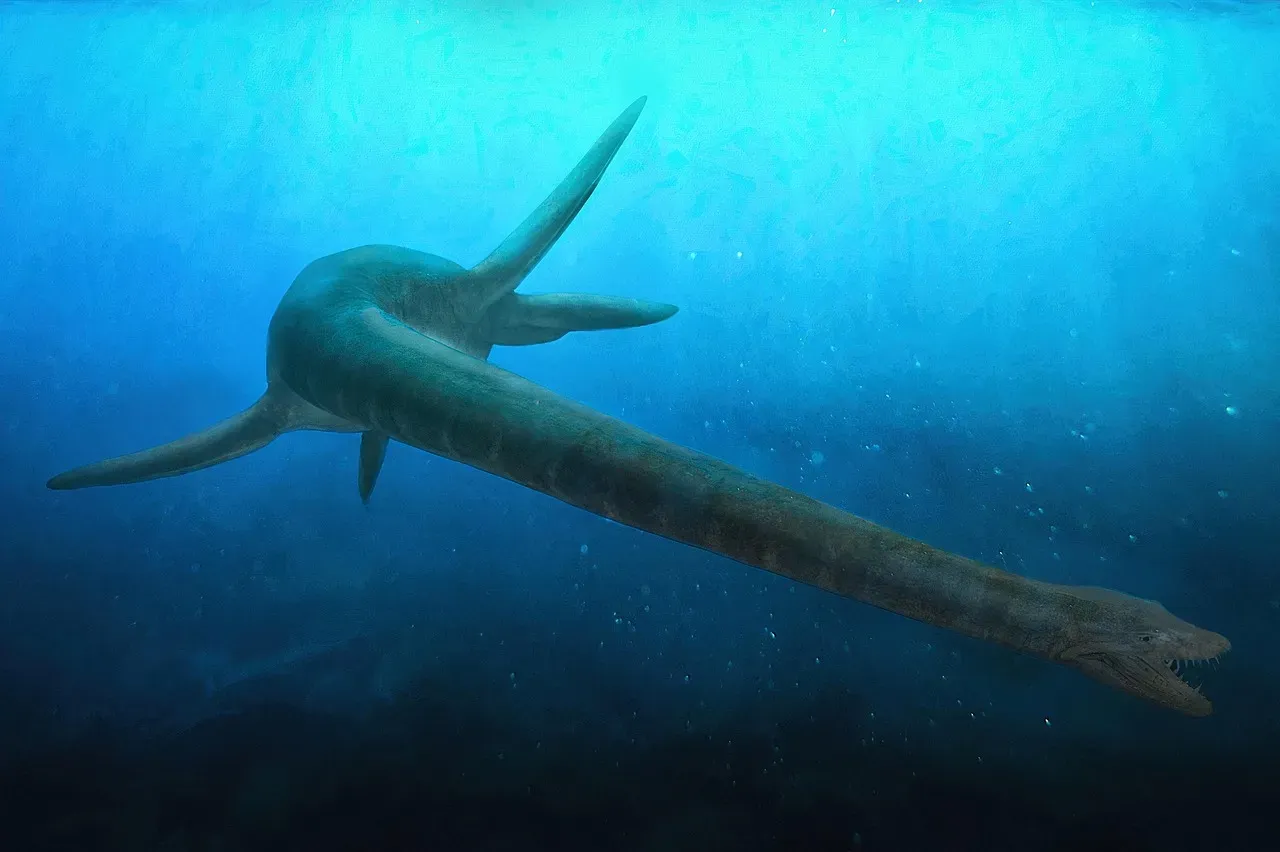
You’ve almost certainly heard of the Loch Ness Monster. Well, meet its very real ancient ancestor. Long-necked plesiosaurs, which many imagine as resembling the mythical Loch Ness monster, lived from the Triassic period – around 251.9 million years ago – until they went extinct alongside the non-avian dinosaurs at the end of the Cretaceous period. They lived across the world’s oceans. These creatures survived for an almost incomprehensible stretch of time, outlasting entire geological eras.
Pliosaurs, a branch of the plesiosaur family, were a terrifying aspect of life in the ocean from 200 to 65.5 million years ago. A group of monsters that varied greatly in size, they were mighty predators that enjoyed the combined advantage of strength, speed, and a maw full of sharp, ridged teeth custom designed for repeated bite attacks. Think of pliosaurs as the plesiosaur family’s attack dogs – shorter necked, bigger headed, and built entirely around the idea of causing maximum damage as quickly as possible.
What truly makes Pliosaurus funkei unlike anything else in oceanic history is its massive skull. Its skull was not only larger than that of a T. Rex, but it also had a bite force four times more powerful. This beast was also short-necked and four-paddled, giving it an alien-like appearance. A bite force four times stronger than the most famous land predator ever to walk the Earth. Let that sink in. The ocean had a predator that made T. rex look like a house cat, and most people have never even heard its name.
Conclusion: The Deep Has Always Been the Most Dangerous Place on Earth
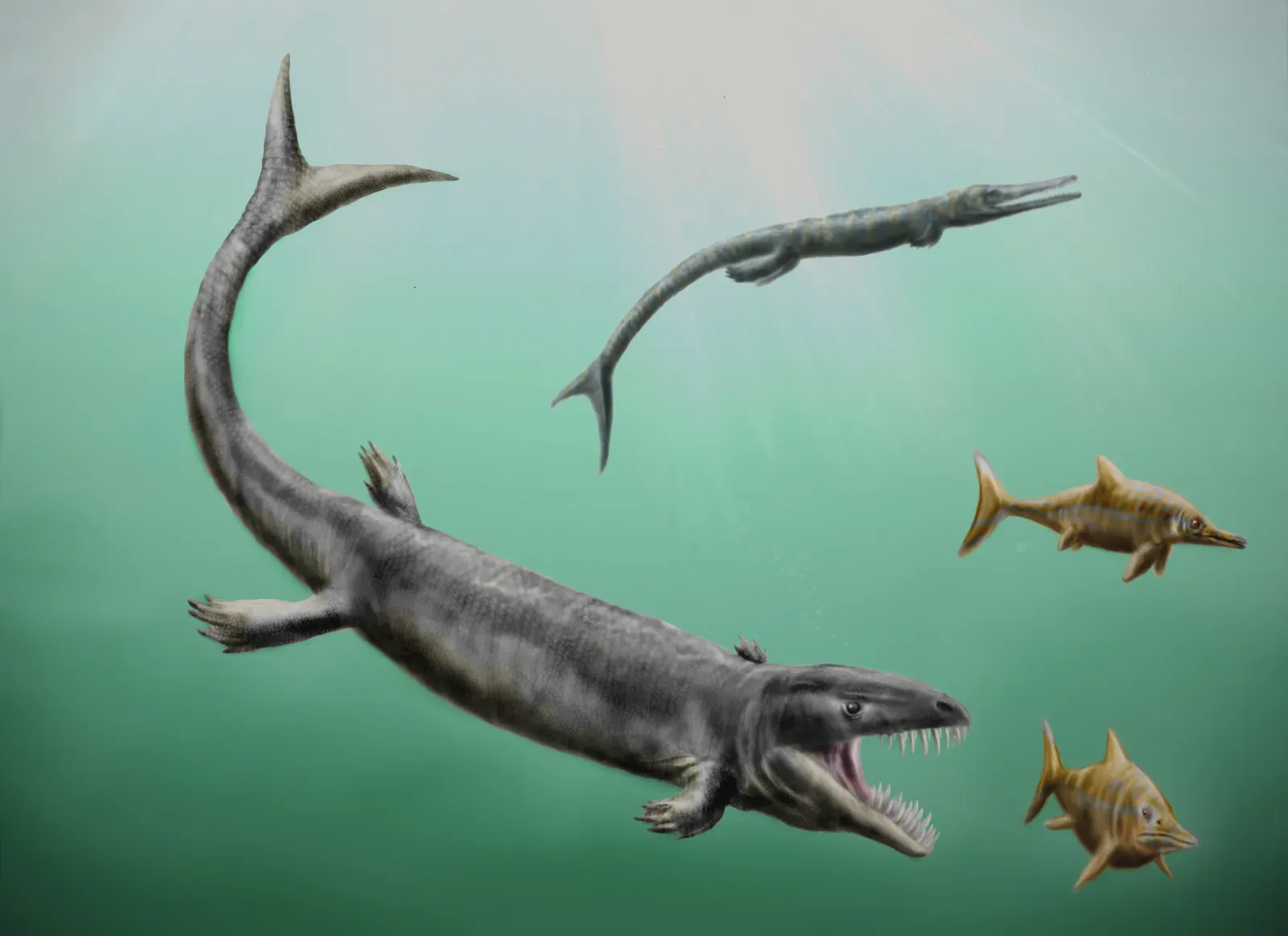
Dinosaurs get all the glory, the movies, the museum exhibits, the Halloween costumes. Yet the oceans of prehistory were where the truly unimaginable predators roamed. From Mosasaurus’s stealthy black-skinned ambushes to Livyatan’s fist-sized killing teeth, from Megalodon’s vacuum-powered giant shark jaws to Dunkleosteus’s armored bone-blade bite, and the plesiosaur family’s reign across hundreds of millions of years – these creatures weren’t just big. They were perfectly, terrifyingly engineered.
What makes them even more haunting is how little we truly know about them. Most of these creatures are scary simply because of their monstrous proportions compared to modern animals. Creatures that make us feel small add an interesting psychological level to the terror, as does the fact there are a lot of things we just don’t know about these extinct animals. The unknown can be terrifying in and of itself. The next time you stand at the ocean’s edge and feel that familiar chill, remember – you’re looking at a place that was once home to real monsters. What’s hiding in those depths today that we still haven’t discovered?