Imagine holding a massive, strange bone in your hands, one you’ve never seen before. No textbooks to consult. No internet. No paleontology department down the hall. Just you, a fossil, and an ancient question burning in your chest: what on earth did this thing belong to? That’s been the reality for human beings across millennia, from ancient Greek philosophers to Chinese scholars to 17th century English naturalists. Long before science had the tools to answer such questions properly, people were already forming theories about these mysterious creatures.
Here’s the thing though. You might expect most of those early theories to have been dead wrong. And many were. Yet a surprising number of ideas formed centuries, sometimes thousands of years, before modern paleontology have turned out to carry genuine truth. Some have been refined, expanded, or confirmed outright. Some simply waited patiently for science to catch up. Let’s dive in.
1. Dinosaurs Were Creatures Unlike Anything Alive Today
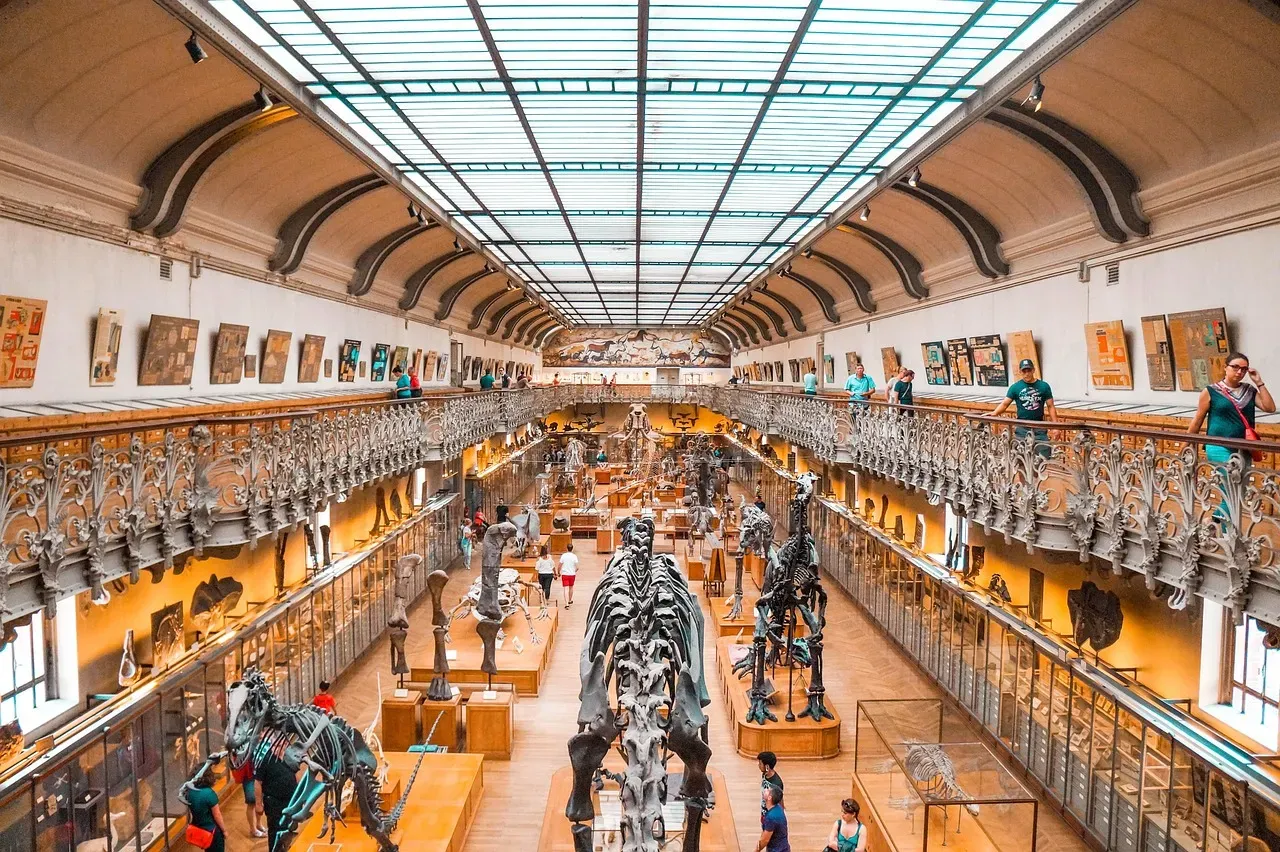
When the Rev. William Buckland, the first Reader of Geology at the University of Oxford, became the first person to describe a non-avian dinosaur in a scientific journal, one thing was already clear to anyone paying attention: these were no ordinary animals. Early naturalists and fossil hunters sensed, even without a formal framework, that they were dealing with something truly different from the living world around them.
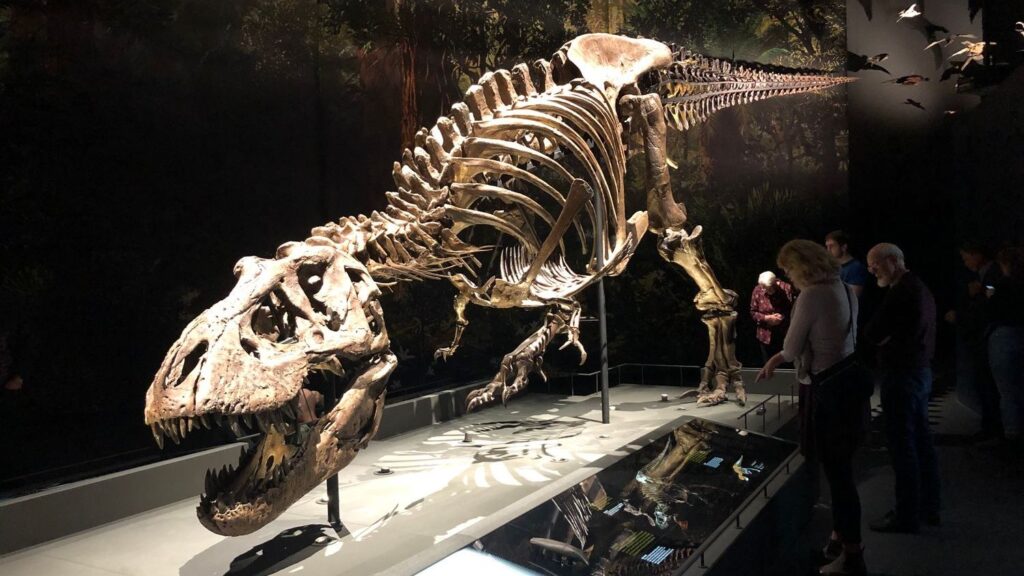
Robert Plot correctly identified an early dinosaur bone as the lower extremity of the femur of a large animal and recognized it was too large to belong to any known species, so he concluded it must be the femur of a huge human, perhaps a Titan or another type of giant featured in legends. While the “giant human” conclusion was wrong, the core instinct, that this was something outside the known catalog of life, was completely right. Dinosaurs are a group of reptiles that lived on Earth for about 245 million years, and in 1842, the English naturalist Sir Richard Owen coined the term Dinosauria, derived from the Greek meaning “fearfully great” and “lizard.”
2. Dinosaurs Lived in Herds and Raised Their Young Together
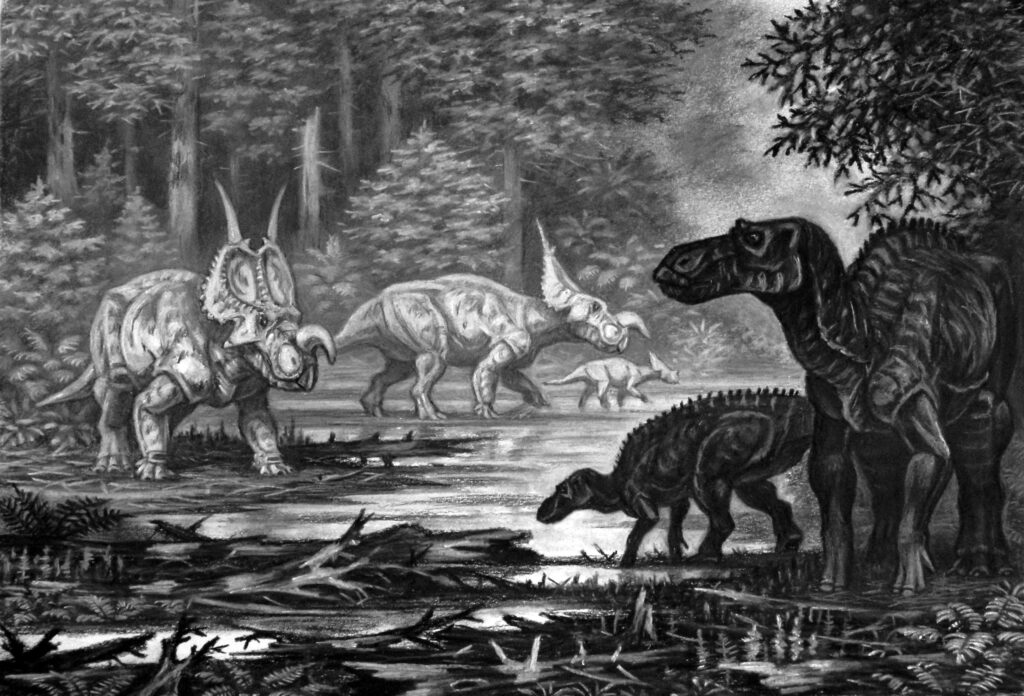
This one might genuinely surprise you. For a long time, the popular image of dinosaurs was of solitary, cold blooded monsters wandering the prehistoric wilderness alone. Yet early naturalists who studied multiple fossils found together in the same sites began floating the idea that some of these animals might have moved in groups. Honestly, it seemed like a stretch at the time. Now? It turns out to be one of the most firmly validated theories in all of paleontology.
Researchers from MIT, Argentina, and South Africa discovered an exceptionally preserved group of early dinosaurs showing signs of complex herd behavior as early as 193 million years ago, some 40 million years earlier than other records of dinosaur herding. The evidence was staggering. The dinosaurs likely worked as a community, laying their eggs in a common nesting ground, with juveniles congregating in groups while adults roamed and foraged for the herd. Think about that: nearly 200 million years ago, these creatures were essentially doing what modern elephants and wildebeest do today. Nesting sites with nests and eggs numbering from dozens to thousands were preserved at sites that were possibly used for thousands of years by the same evolving populations of dinosaurs.
3. Dinosaurs Were Far More Active and Dynamic Than Giant Lizards
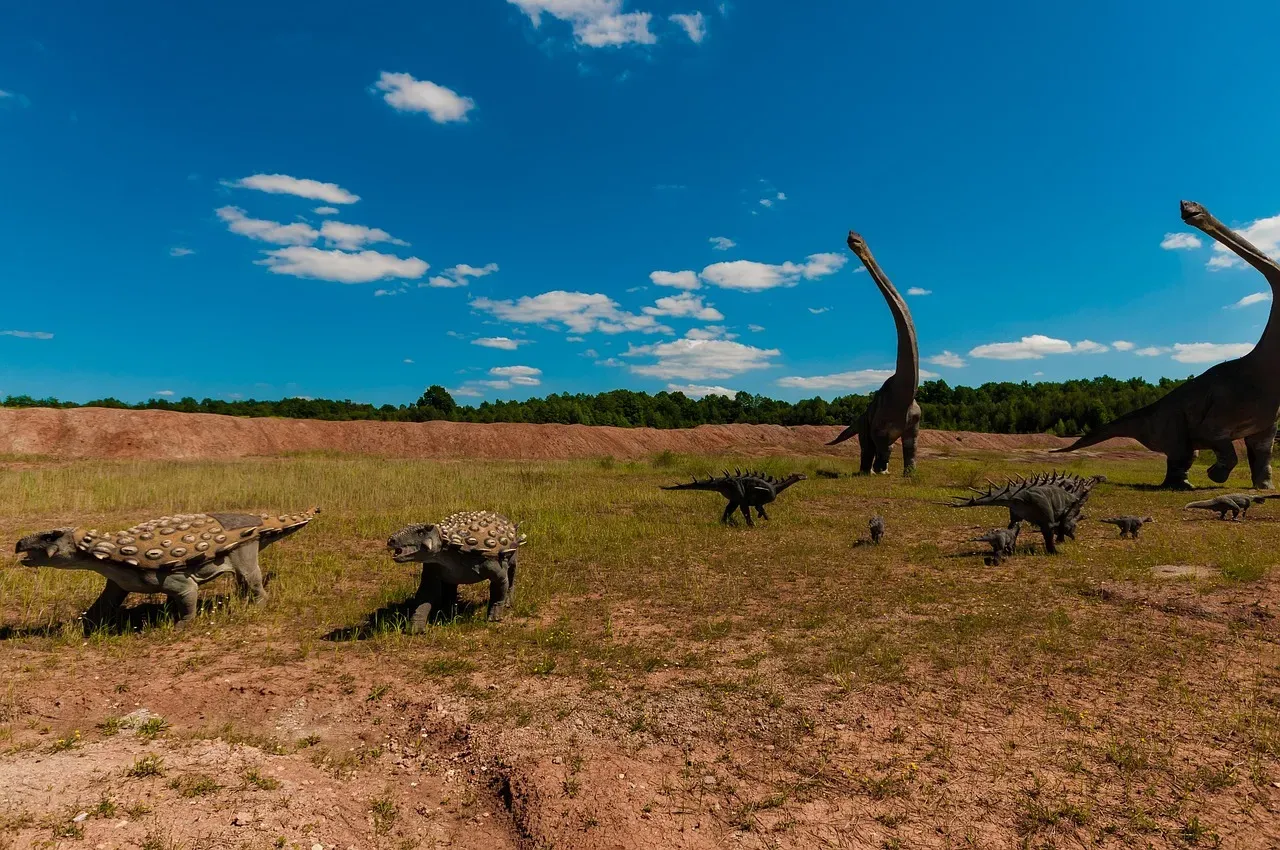
Through most of the 20th century, before birds were recognized as dinosaurs, most of the scientific community believed dinosaurs to have been sluggish and cold blooded. But even before that consensus hardened, there were voices questioning it. Early artists and naturalists occasionally depicted some dinosaurs in active poses, and it nagged at certain observers that creatures with such upright postures and athletic limb structures looked nothing like the lumbering lizard model.
The idea of dinosaurs as cold blooded remained a prevalent view until Robert T. Bakker, an early proponent of dinosaur endothermy, published an influential paper in 1968, where he specifically used anatomical and ecological evidence to argue that sauropods were endotherms that lived vigorous, terrestrial lives. Most research since the 1970s has indicated that dinosaurs were active animals with elevated metabolisms and numerous adaptations for social interaction. The old image of a swamp dwelling, tail dragging giant? Completely dismantled. It turns out the early intuition that these animals were powerful, dynamic creatures was far closer to the truth than the sluggish lizard model that replaced it for decades.
4. Birds Are the Living Descendants of Dinosaurs
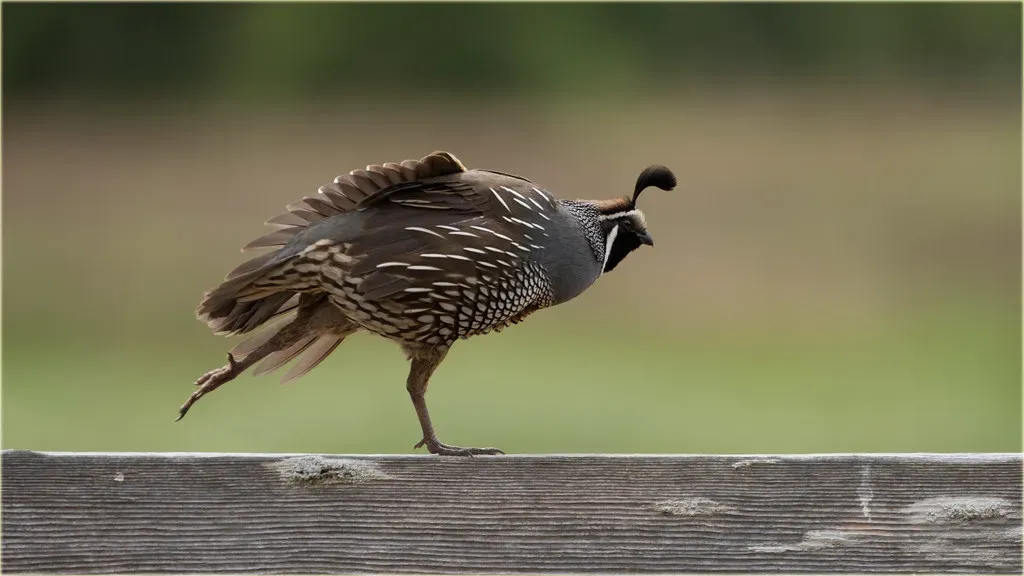
This is perhaps the most mind bending validation of an ancient instinct in all of natural history. People across many cultures looked at birds and sensed something ancient about them, something reptilian, even fearsome in miniature. You’ve probably seen it yourself – a large crow tilts its head and stares at you with those sharp, expressionless eyes, and for just a second something primal stirs. That feeling wasn’t wrong.
The possibility that dinosaurs were the ancestors of birds was first suggested in 1868 by Thomas Henry Huxley. The idea fell in and out of favor for decades. In the 1970s, John Ostrom revived the dinosaur to bird theory, which gained momentum in the coming decades with the advent of cladistic analysis and a great increase in the discovery of small theropods and early birds. Today, the theory is settled science. Scientists now believe that the birds that flap around in our backyards directly evolved from small theropod dinosaurs, likely acquiring bird like characteristics piece by piece, shrinking, losing their sharp teeth, and evolving beaks and the ability to fly over time. So when you toss breadcrumbs to pigeons, you’re technically feeding dinosaurs. That’s not a metaphor. That’s biology.
5. A Catastrophic Global Event Ended the Age of Dinosaurs
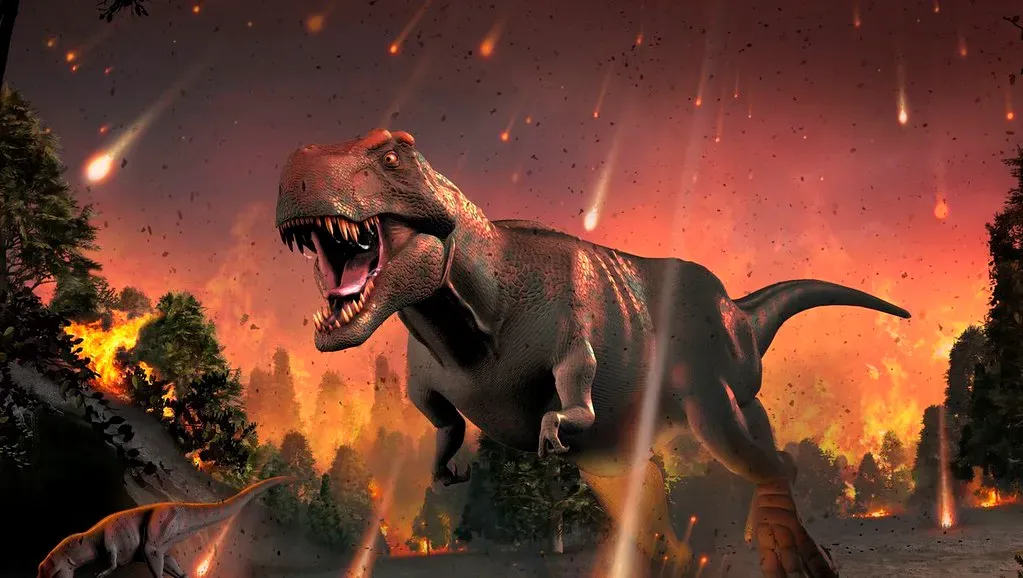
Long before any formal scientific framework existed, people sensed that something enormous, something catastrophic on a planetary scale, must have ended the reign of these titanic creatures. The sheer scale of the disappearance, essentially all of the large land animals vanishing at once, demanded an explanation of equally epic proportions. Various ancient traditions, from flood myths to cosmic fire stories, pointed toward sudden, total catastrophe rather than slow decline. It turns out that instinct was essentially correct.
The Alvarez hypothesis posits that the mass extinction of non avian dinosaurs and many other living things during the Cretaceous–Paleogene extinction event was caused by the impact of a large asteroid on the Earth, with the event now dated to approximately 66 million years ago and evidence indicating that the asteroid fell in the Yucatán Peninsula at Chicxulub, Mexico. The confirmation came in waves. In the geological record, the K–Pg event is marked by a thin layer of sediment called the K–Pg boundary, which can be found throughout the world in marine and terrestrial rocks, with the boundary clay showing unusually high levels of the metal iridium, which is more common in asteroids than in the Earth’s crust. The Alvarez hypothesis was initially controversial, but it’s now the most widely accepted theory for the mass extinction at the end of the Mesozoic Era. The ancient sense that something cataclysmic wiped these giants from existence in a geologic heartbeat? Remarkably, devastatingly accurate.
Conclusion
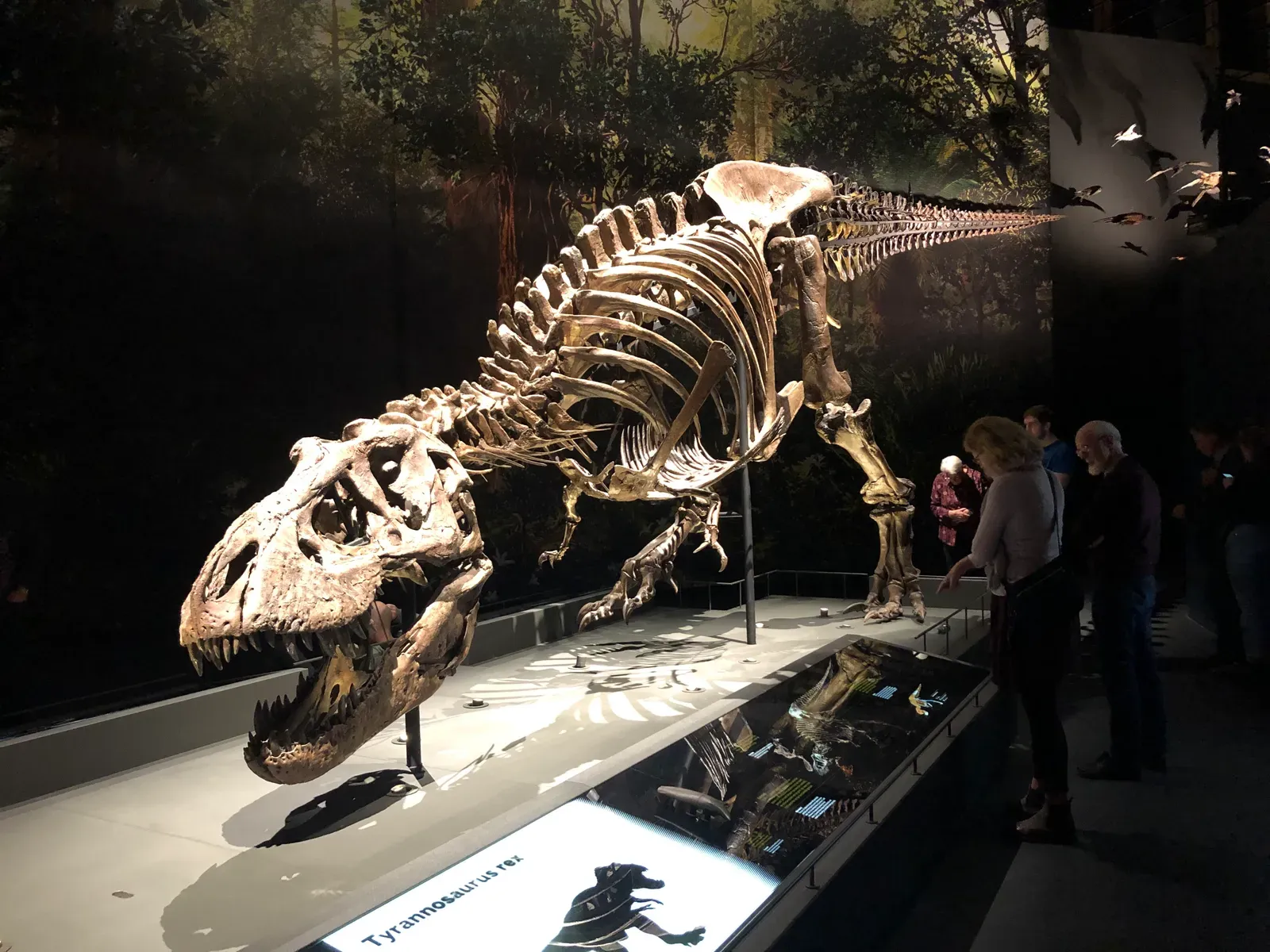
It’s easy to look back at early theories about dinosaurs and smile at how far off they were. And yes, many were spectacularly wrong, giants being confused with human Titans, slow swamp creatures dragging their tails, and all that. Yet woven through the errors are flashes of genuine insight, early hints that these animals were extraordinary, social, active, and connected to the birds we see every day, all validated by modern science in extraordinary detail.
The deeper truth here is that curiosity, even when it lacks tools, often points in the right direction. In the past few decades, with the advance of imaging technology and the ability to share research across the globe, paleontologists have made leaps in their knowledge of prehistoric animals, changing the popular images we hold about what dinosaurs looked like and how they lived. The ancient theorists who first marveled at these bones were asking the right questions all along. Science simply took a few hundred years to answer them properly.
Which of these confirmations surprised you the most? The fact that birds are living dinosaurs, or that complex herding behavior stretched back nearly 200 million years? Drop your thoughts in the comments.