
Punxsutawney, Pennsylvania – Punxsutawney Phil saw his shadow on February 2, 2026, signaling six more weeks of winter according to longstanding tradition.
Whistling Rodents with Multiple Nicknames
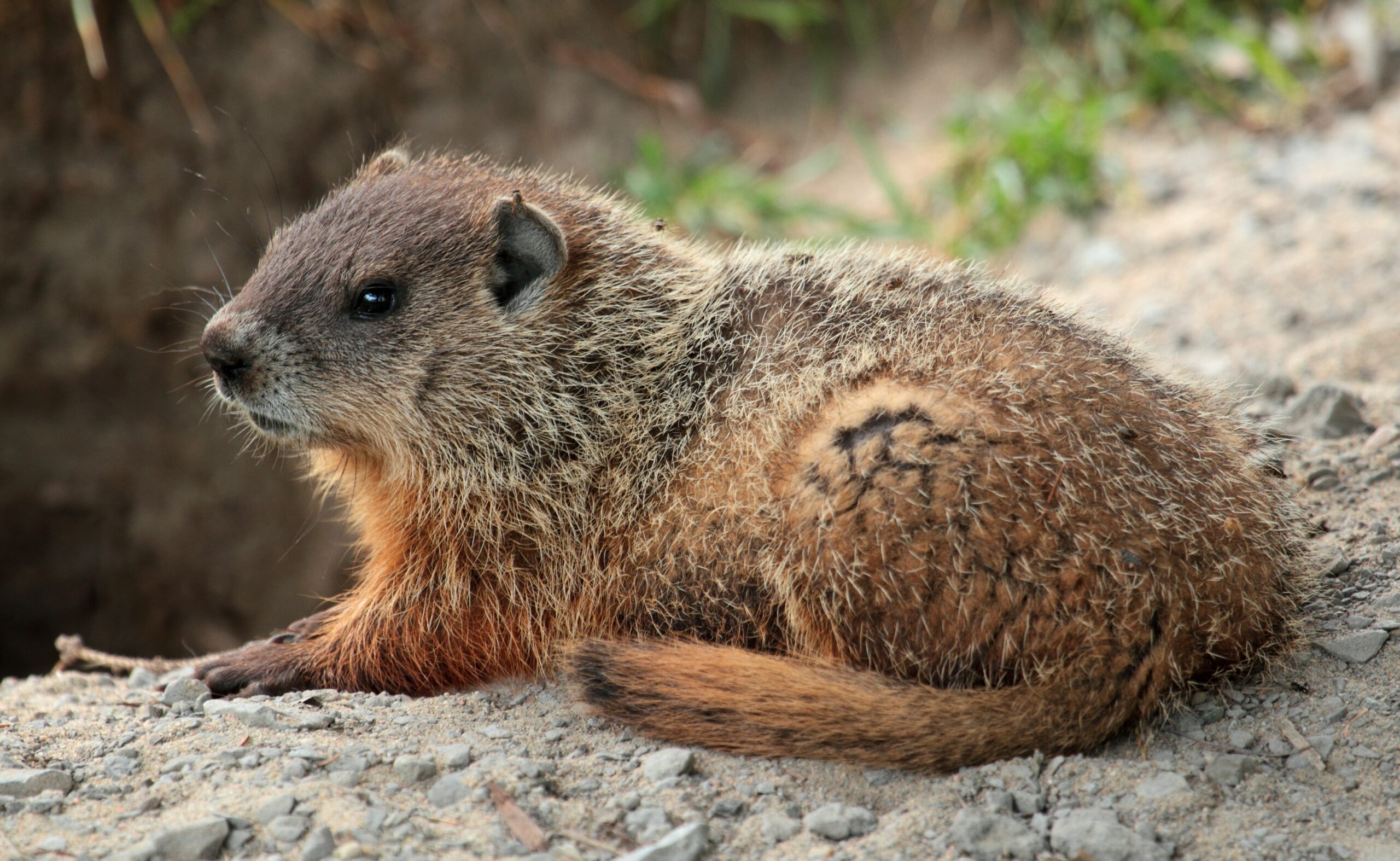
Whistling Rodents with Multiple Nicknames (Image Credits: Upload.wikimedia.org)
Groundhogs earned the nickname “whistle pigs” from their sharp warning calls during threats, despite belonging to the marmot family of rodents. These stout animals, also known as woodchucks, emit a high-pitched whistle to alert others of danger.
People often confuse them with pigs due to their rounded build, but groundhogs share closer ties with squirrels as the largest members of the squirrel family. This vocal trait underscores their vigilance in the wild.
Ingenious Builders of Complex Burrows
Groundhogs construct elaborate underground homes stretching up to 66 feet long, featuring multiple tunnels, chambers, and even dedicated bathroom areas. These burrows serve as shelters, nurseries, and hibernation dens.
Digging prowess helps them evade predators and withstand harsh weather. Such architecture highlights their adaptability across eastern North American habitats.
Champions of Deep Hibernation
Unlike many animals that enter torpor, groundhogs achieve true hibernation, slashing their heart rate from 80 beats per minute to just 5 and dropping body temperature from 99°F to near-freezing 37°F. This metabolic slowdown conserves energy through winter months.
They retreat into burrows around October and emerge in early spring, timing their awakening near Groundhog Day. Scientists note this process offers insights into energy conservation relevant to human medicine.
Surprising Tree-Climbing Abilities
Groundhogs occasionally scale trees to access fruits like apples or pawpaws, defying their reputation as purely terrestrial diggers. Strong claws and muscular limbs enable these feats.
This behavior expands their foraging range and demonstrates versatility. Observers have documented them perched in branches, munching away from ground-level threats.
Prolific Eaters Preparing for Winter
To amass fat reserves for hibernation, groundhogs consume at least one pound of vegetation daily during spring and summer. Continuously growing teeth handle the grinding of grasses, herbs, and crops.
This voracious appetite supports their survival strategy. Females raise litters of pups in these burrows, ensuring the next generation inherits these robust traits.
Key Takeaways
While Punxsutawney Phil’s forecast grabs headlines, groundhogs reveal a world of biological ingenuity that outshines superstition. For more details, visit Animal Fact Guide. What surprises you most about these whistlepigs? Share in the comments.