Few questions have haunted humanity quite like this one: where did life actually come from? Not in a philosophical sense, but in a raw, chemical, almost brutally physical sense. You have a young planet, violently hostile, drenched in radiation, pummeled by asteroids – and somehow, from all that chaos, something alive eventually crawled out of the wreckage.
Earth is about 4.5 billion years old, and scientists think that by 4.3 billion years ago, it may have developed conditions suitable to support life. The fact that living organisms eventually thrived on such a violent stage is, honestly, one of the most astounding stories science has ever tried to tell. Scientists have been piecing it together for decades, and what they’ve found is not one answer, but five seriously compelling theories – each stranger and more fascinating than the last. Buckle up.
Theory 1: The Primordial Soup – Life Brewed Like a Cosmic Stew
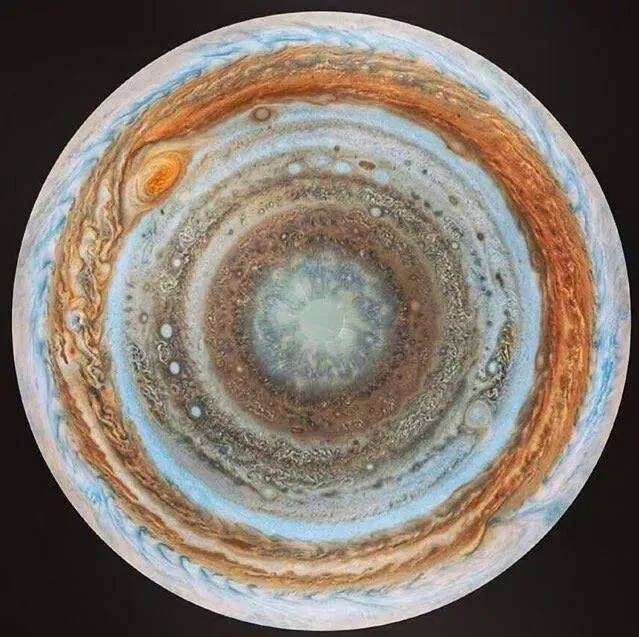
Picture the early Earth as a giant, bubbling pot of chemistry. No ozone layer, no oxygen, just a volatile cocktail of gases baking under ultraviolet radiation. This is the world that gave rise to the “primordial soup” hypothesis, one of the oldest and most iconic origin-of-life theories in science.
In the 1920s, British scientist J.B.S. Haldane and Russian biochemist Aleksandr Oparin independently set forth similar ideas about the conditions required for the origin of life on Earth, both believing that organic molecules could be formed from abiogenic materials in the presence of an external energy source such as ultraviolet radiation, and that the primitive atmosphere was reducing with very low amounts of free oxygen, containing ammonia and water vapor among other gases. It was a revolutionary idea for its time – the notion that life didn’t need a divine spark, just the right chemistry.
The Miller-Urey experiment put the Oparin-Haldane theory to the test when, to definitively determine whether abiogenesis was realistically plausible, Miller and Urey conducted an experiment in which they sought to recreate the conditions that allegedly allowed for life’s emergence, creating a simulated environment composed of warm water mixed with gases like water vapor, ammonia, methane, and molecular hydrogen, and pulsing the atmosphere with electrical discharges to simulate lightning. The results were genuinely jaw-dropping.
After allowing their experiment to carry on for just a single week, the two confirmed the formation of amino acids and other organic molecules. Think about that for a moment – a single week of chemistry produced the very building blocks your body is made of. While widely accepted as a plausible explanation for the emergence of life, abiogenesis remains a theoretical framework due to unresolved questions surrounding the exact mechanisms by which nonliving materials transitioned to living organisms. Still, it remains the foundation upon which most modern origin-of-life thinking is built.
Theory 2: Deep-Sea Hydrothermal Vents – Life Born in the Darkness Below
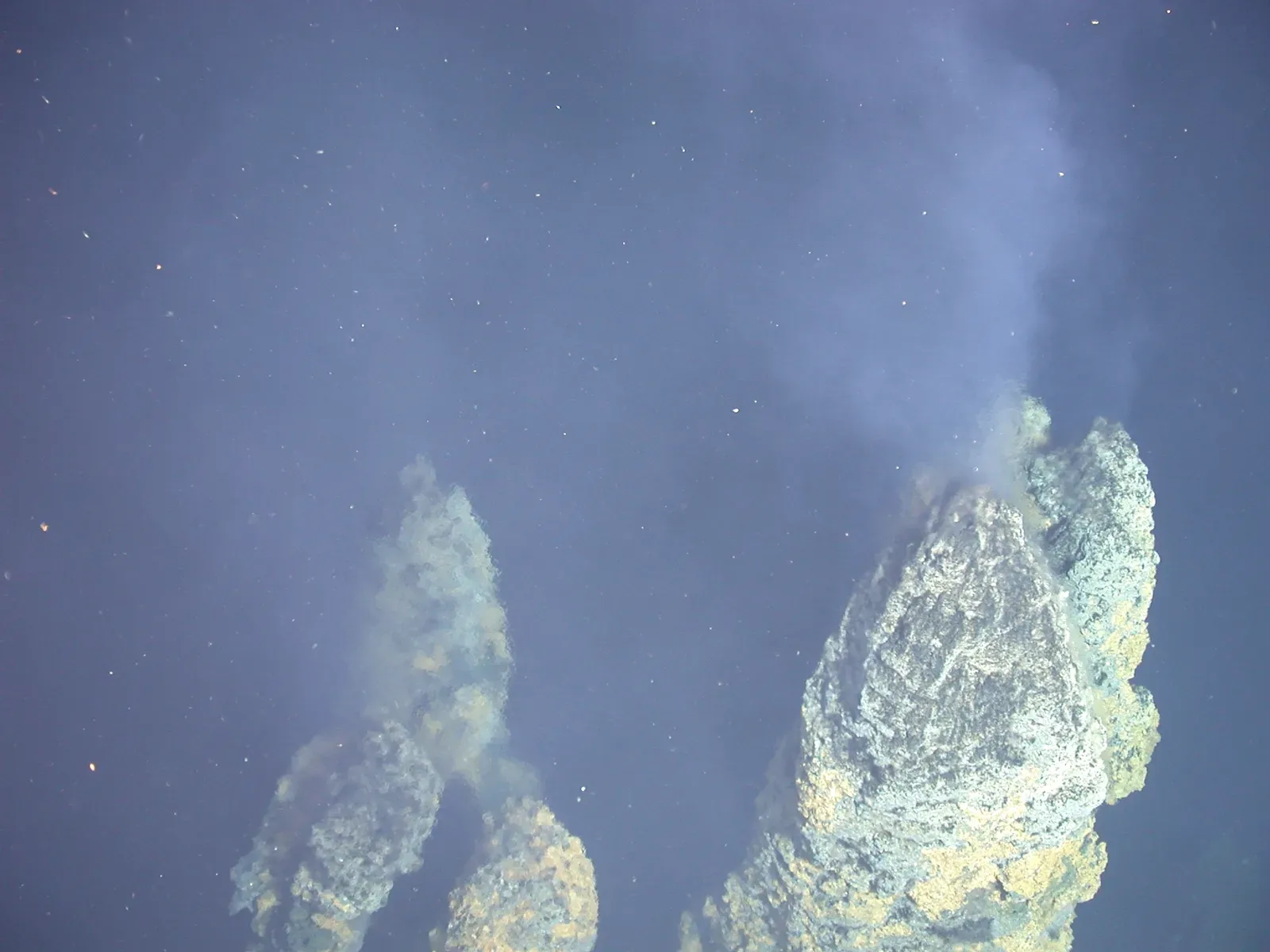
Here’s the thing – not everyone was convinced by the primordial soup. Quite a few scientists started looking somewhere far more dramatic: the pitch-black ocean floor, where superheated water blasts out of cracks in Earth’s crust at temperatures that would boil you alive in seconds. Sounds like a terrible birthplace for life, right? Actually, it might be the opposite.
These hydrothermal vents spew scalding hot water and various combinations of metals, sulfur, and other chemicals, and they contain elements and conditions conducive to metabolic pathways that scientists believe were necessary for the evolution of life. There’s even a specific class of alkaline vents – structures like the famous “Lost City” hydrothermal field – that generate chemical gradients remarkably similar to those found in modern cells.
In rejecting the soup theory, one research team turned to Earth’s own chemistry to identify the energy source which could power the first primitive predecessors of living organisms: geochemical gradients across a honeycomb of microscopic natural caverns at hydrothermal vents, with these catalytic cells generating lipids, proteins and nucleotides which may have given rise to the first true cells. I think this theory has a raw elegance to it – life powered by the planet’s own internal fire.
The team focused on ideas pioneered by geochemist Michael J. Russell regarding alkaline deep-sea vents, which produce chemical gradients very similar to those used by almost all living organisms today – a gradient of protons over a membrane, with early organisms likely exploiting these gradients through a process called chemiosmosis, in which the proton gradient is used to drive synthesis of the universal energy currency, ATP. In other words, deep-sea vents didn’t just shelter early life – they may have powered it.
Theory 3: The RNA World – When One Molecule Did It All
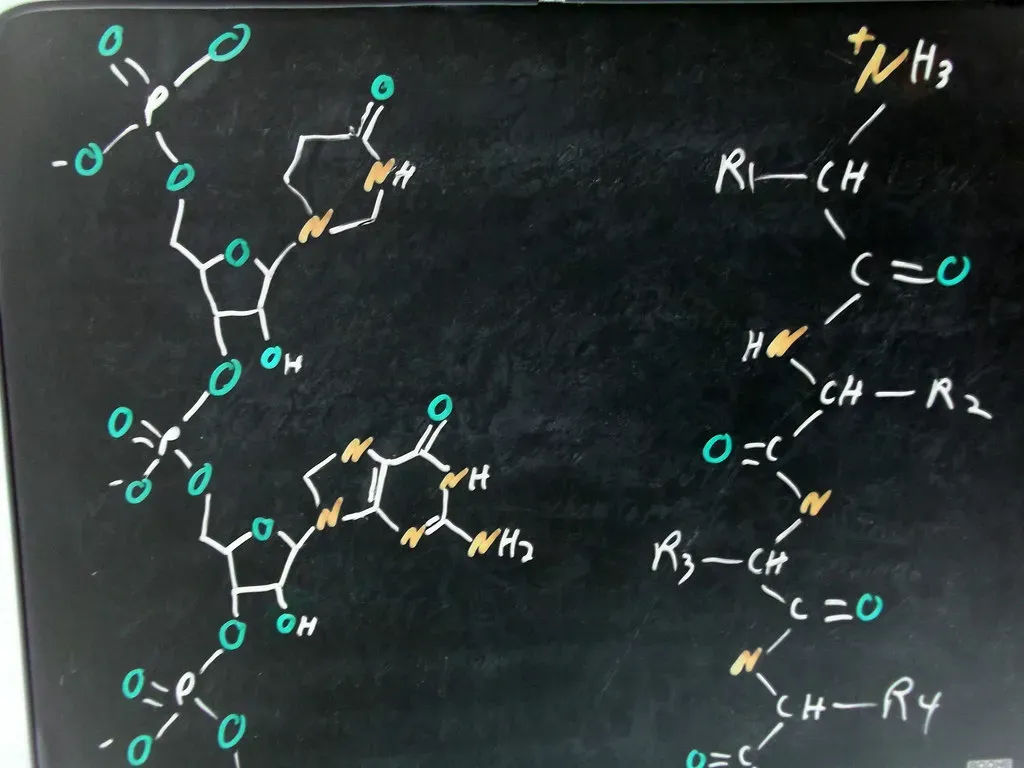
Let’s be real: one of the most baffling puzzles in biology has always been the chicken-and-egg problem of life. DNA carries genetic instructions but needs proteins to copy itself. Proteins carry out biological functions but need DNA to be made. So which came first? The RNA World hypothesis might finally have the answer – and it’s one of the most elegant ideas in all of science.
The RNA world is a hypothetical stage in the evolutionary history of life on Earth in which self-replicating RNA molecules proliferated before the evolution of DNA and proteins. RNA can self-replicate and store information like DNA, but it can also catalyze chemical reactions like proteins – and it therefore seems very likely that ribozymes preceded proteins as the catalytic machinery of protocells. RNA, in other words, was doing two jobs at once. That is extraordinary.
Scientists have presented compelling evidence supporting the RNA World hypothesis, unveiling an RNA enzyme that can make accurate copies of other functional RNA strands while also allowing new variants of the molecule to emerge over time – remarkable capabilities that suggest the earliest forms of evolution may have occurred on a molecular scale in RNA, bringing scientists one step closer to re-creating autonomous RNA-based life in the laboratory. This was published in the Proceedings of the National Academy of Sciences in March 2024, so it’s fresh and genuinely exciting.
The RNA world hypothesis, proposed by Walter Gilbert in 1986, suggests RNA as a key self-replicating molecule and a transition point from abiotic chemistry to biology, not asserting RNA as the initial replicator but proposing an “RNA world” preceding complex DNA-RNA-protein-based life. A 2026 study synthesized a 45-nucleotide polymerase ribozyme, discovered from random sequence pools, that catalyzes general RNA-templated RNA synthesis – it can synthesize both its complementary strand and a copy of itself with fair accuracy, with authors speculating that polymerase ribozymes are more abundant in RNA sequence space than previously thought. The RNA World theory keeps getting stronger.
Theory 4: Panspermia – Life’s Seeds Fell From the Stars
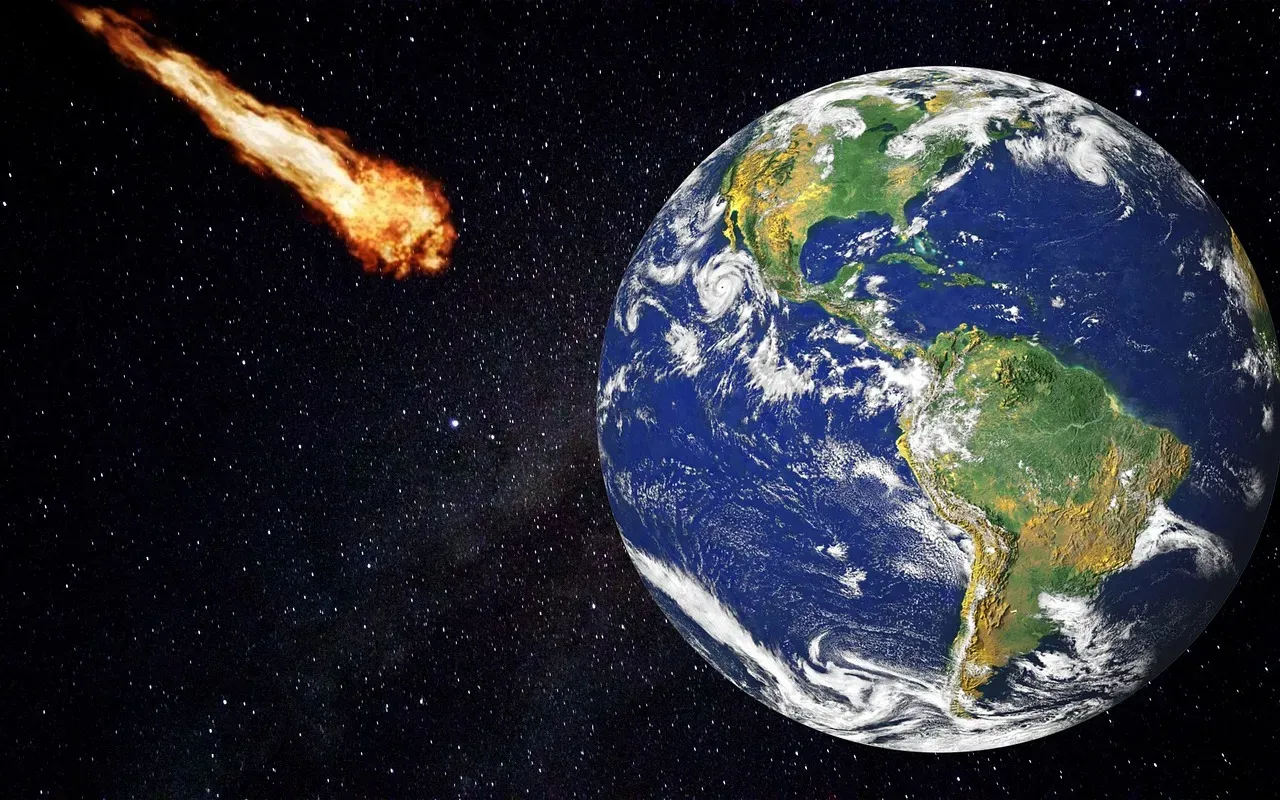
Now we’re getting into territory that sounds like science fiction but is increasingly being taken very seriously by real scientists. What if life didn’t actually start on Earth at all? What if the seeds of biology arrived here from space, hitching a ride on a comet or asteroid, surviving the brutal vacuum of the cosmos before raining down onto our young planet billions of years ago?
Panspermia, from the Ancient Greek meaning “all seeds,” is the hypothesis that life exists throughout the universe, distributed by cosmic dust, meteoroids, asteroids, comets, and planetoids. Evidence for pseudo-panspermia includes the discovery of organic compounds such as sugars, amino acids, and nucleobases in meteorites and other extraterrestrial bodies, and the formation of similar compounds in the laboratory under outer space conditions. The organic chemistry of space, it turns out, is strikingly familiar.
The famous Murchison meteorite, which fell in Australia in 1969, contained over 70 different amino acids, including glycine, alanine, and glutamic acid, as well as unusual ones like isovaline and pseudoleucine. That single rock essentially handed scientists a cosmic ingredient list. Results of the EXPOSE experiments on the International Space Station showed that meteorite-type protection layers around organic biological samples could indeed allow for bacterial endospores and even seeds to survive in the harsh vacuum of space, despite heavy ultraviolet radiation and extremely low temperatures.
Recent scientific discoveries are breathing new life into panspermia, the controversial yet increasingly credible theory that life’s building blocks, or even life itself, arrived on Earth from the cosmos, with new analysis of asteroid rocks brought back to Earth by Japanese and NASA-led space missions revealing the presence of amino acids, carbon, ammonia, salts, and the basic constituents of DNA and RNA – suggesting that the same building blocks, and perhaps even primitive microbial life, could have been delivered to Earth on meteorites, asteroids, or comets billions of years ago. It’s hard to say for sure, but those findings make you look at a shooting star quite differently.
Theory 5: Iron-Sulfur World – Life Sparked by Volcanic Chemistry
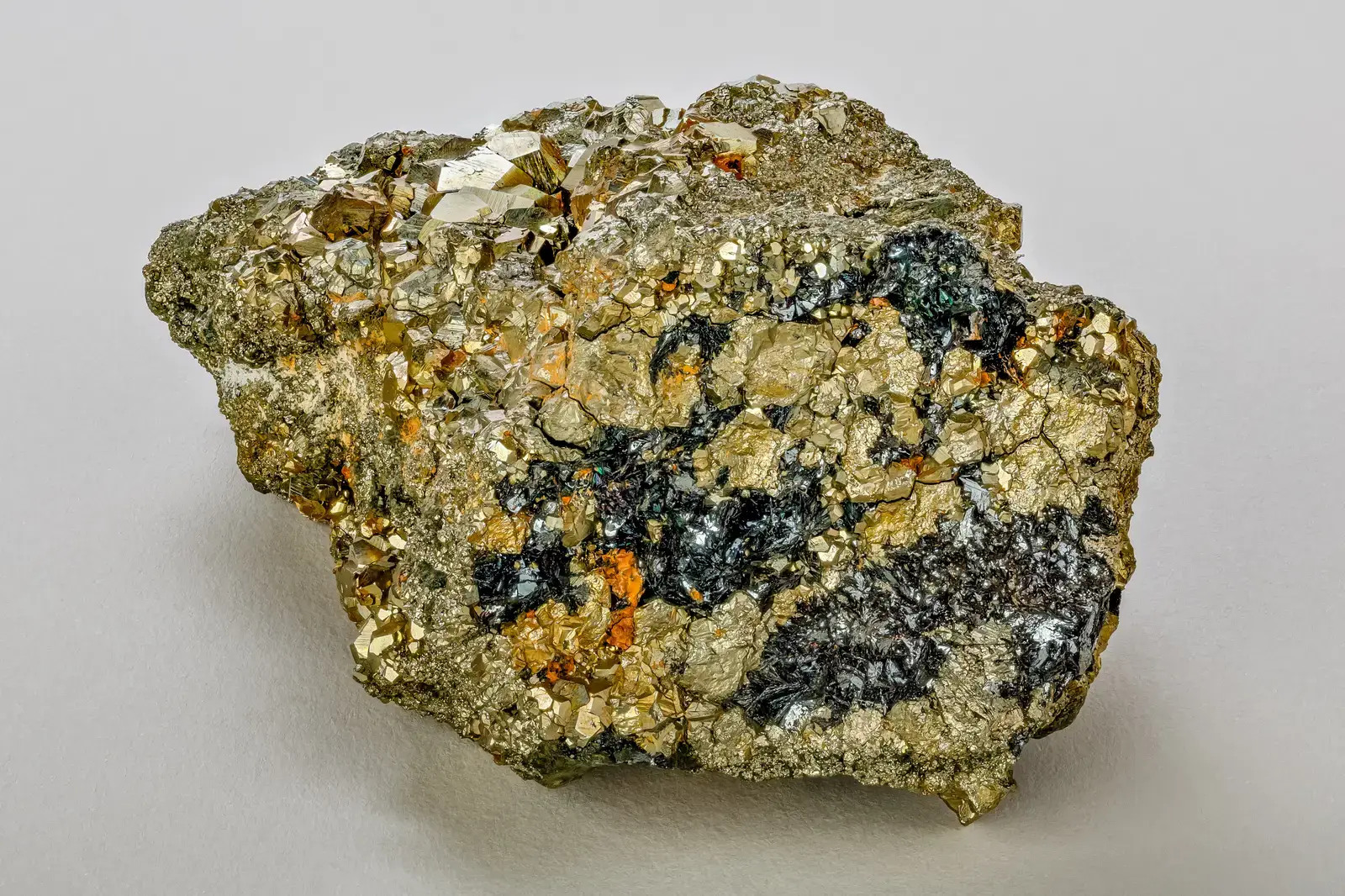
Of all five theories, this one might be the least known to general audiences – which is a shame, because it’s genuinely fascinating. What if life didn’t begin in water or fall from space, but instead emerged on the chemically active surfaces of iron and sulfur-rich minerals spewing from primitive volcanic systems? It sounds almost alchemical, but the science behind it is remarkably grounded.
German scientist Günter Wächtershäuser proposed that life’s building blocks might have first assembled on surfaces rich in iron and nickel sulfides, as found in hydrothermal vent environments, with iron and nickel sulfides acting as catalysts for many biochemical reactions – a theory that ties life’s origin to early Earth’s geochemistry, providing a plausible pathway for the emergence of metabolic processes. Essentially, the rocky mineral surface acted like a chemistry lab bench, concentrating and organizing molecules that would otherwise just float apart in open water.
Biologists Harold J. Morowitz, David Deamer and others advocate a theory that could be paraphrased as “containers first,” while chemists Claudia Huber and Günter Wächtershäuser say the soup where life originated was actually quite hot, probably near undersea volcanic vents, where iron and nickel sulfides might catalyze some of the necessary reactions. The iron-sulfur world concept connects beautifully to the hydrothermal vent theory, suggesting these two ideas may not actually be competitors but rather two chapters in the same story.
Researchers have also identified that dry-wet cycles are another essential environmental condition for the emergence of life, with alternating between hydration and dehydration generating more complex organic molecules from amino acids, such as RNA. These cycles, driven by volcanic and geothermal activity, could have been just the kind of rhythmic chemical engine that allowed simple molecules to gradually organize into something extraordinary – something, eventually, that was alive.
Conclusion: The Greatest Mystery Still Unsolved
When you lay all five theories side by side, you realize something humbling: scientists have never fully agreed on how life began, and that uncertainty isn’t a failure of science – it’s proof of just how staggeringly complex this question really is. The prevailing scientific hypothesis is that the transition from non-living to living entities on Earth was not a single event, but a process of increasing complexity involving the formation of a habitable planet, the prebiotic synthesis of organic molecules, molecular self-replication, self-assembly, autocatalysis, and the emergence of cell membranes.
Each theory you’ve just read about captures something true about life – its chemistry, its resilience, its cosmic scale, its dependence on energy and environment. Maybe life began in a warm, chemical ocean under lightning storms. Maybe it crawled out of a deep-sea vent. Maybe RNA was the original miracle molecule. Maybe the very atoms in your body arrived here on a comet. Or maybe iron and sulfur were the unlikely matchmakers that sparked it all.
Honestly, the most thrilling possibility is that it wasn’t just one of these theories that got us here – but some incredible combination of all of them, playing out across millions of years on a young, wild, impossibly fertile planet. Life, it turns out, finds a way. Now the question is: does it find a way somewhere else in the universe too? What do you think – does one of these theories resonate with you more than the others? Share your thoughts in the comments below.