Picture a world with no grass. No flowers. No fruit trees lining any horizon. Just towering conifers, waist-high ferns, dense cycads, and ancient horsetails stretching as far as the eye could see. That was Earth during much of the Mesozoic Era – and it was in this raw, primitive landscape that some of the most spectacular animals to ever live figured out how to thrive, grow colossal, and dominate every corner of the planet.
The development of plants was closely tied to the fate of dinosaurs. Since most of them were plant-eaters, the nature and amount of available vegetation literally dictated whether a herbivorous dinosaur would thrive or vanish from the fossil record. The story of how these creatures adapted to their green, leafy world is genuinely mind-blowing. Let’s dive in.
Evolving Backup Teeth to Chew Through the Toughest Plants on Earth
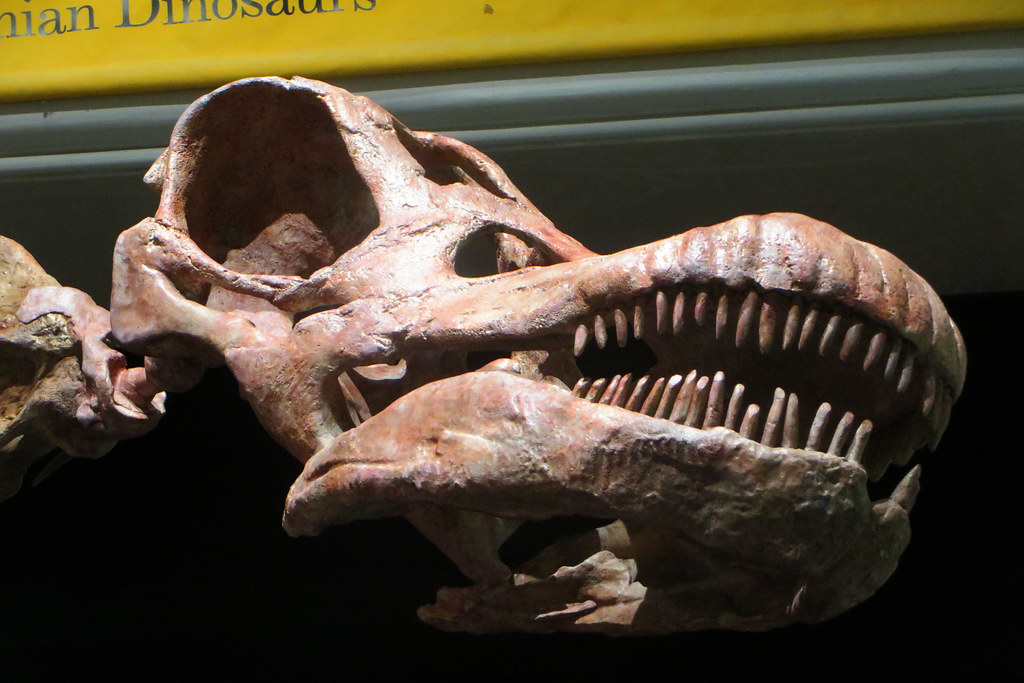
Here’s the thing – if you ran out of teeth in the Cretaceous, you were done. Finished. Evolution had to find a solution, and for many plant-eating dinosaurs, it found an absolutely brilliant one. Research led by Dr. Attila Ősi from Eötvös Loránd University in Hungary shows that dinosaurs evolved vast numbers of replacement teeth, which allowed them to eat even the toughest plants in large quantities. Think of it like an industrial conveyor belt, but inside a dinosaur’s jaw – a never-ending supply of fresh, functional teeth ready to slot into place the moment an old one wore out.
The ornithopods, a group that includes Iguanodon, Hypsilophodon, and their relatives, first appeared in the Middle Jurassic but became most prominent in the Cretaceous, when they became the dominant herbivores across large parts of the world. Their journey took them from small generalists to becoming large, specialized plant-eating machines that rival modern cows and sheep. About 110 million years ago, these ornithopods rapidly evolved a series of similar characteristics – their teeth increased in number, their jaws interlocked more tightly, and they built up more replacement teeth, making them far more effective herbivores. You can imagine it as going from a butter knife to a professional-grade meat cleaver, except everything they were slicing was plant material.
Growing Extraordinarily Long Necks to Reach Ancient Forest Canopies
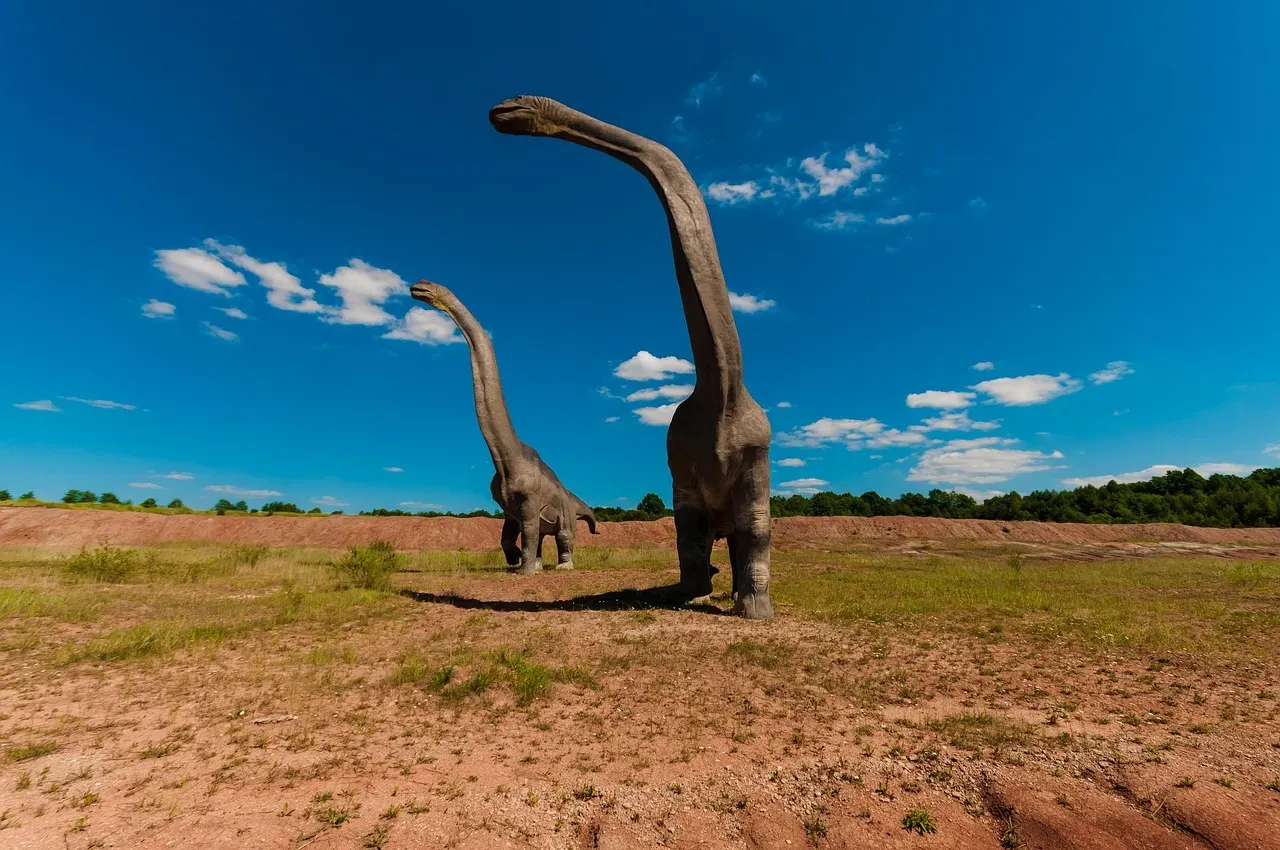
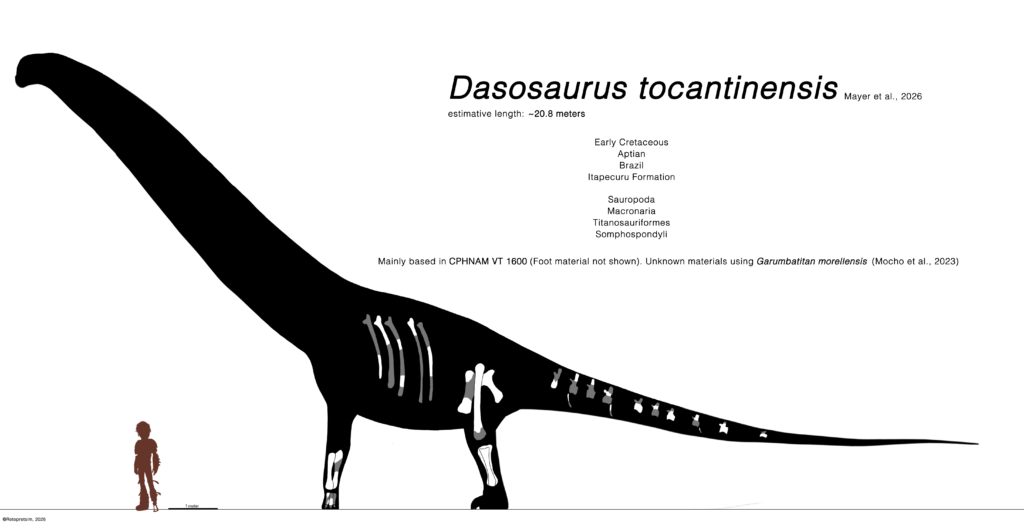
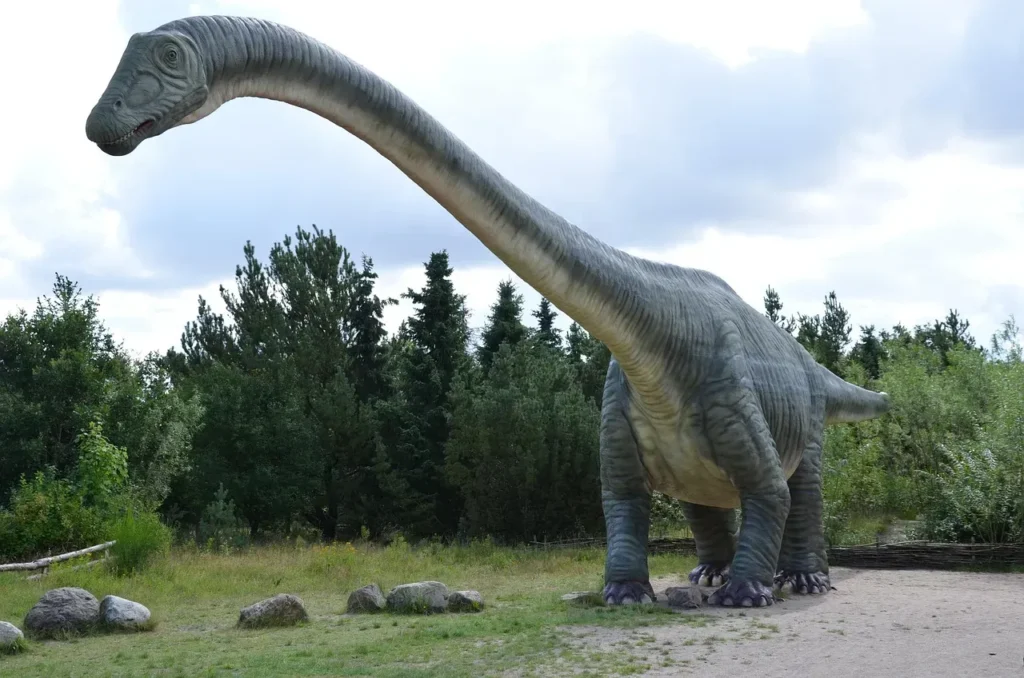
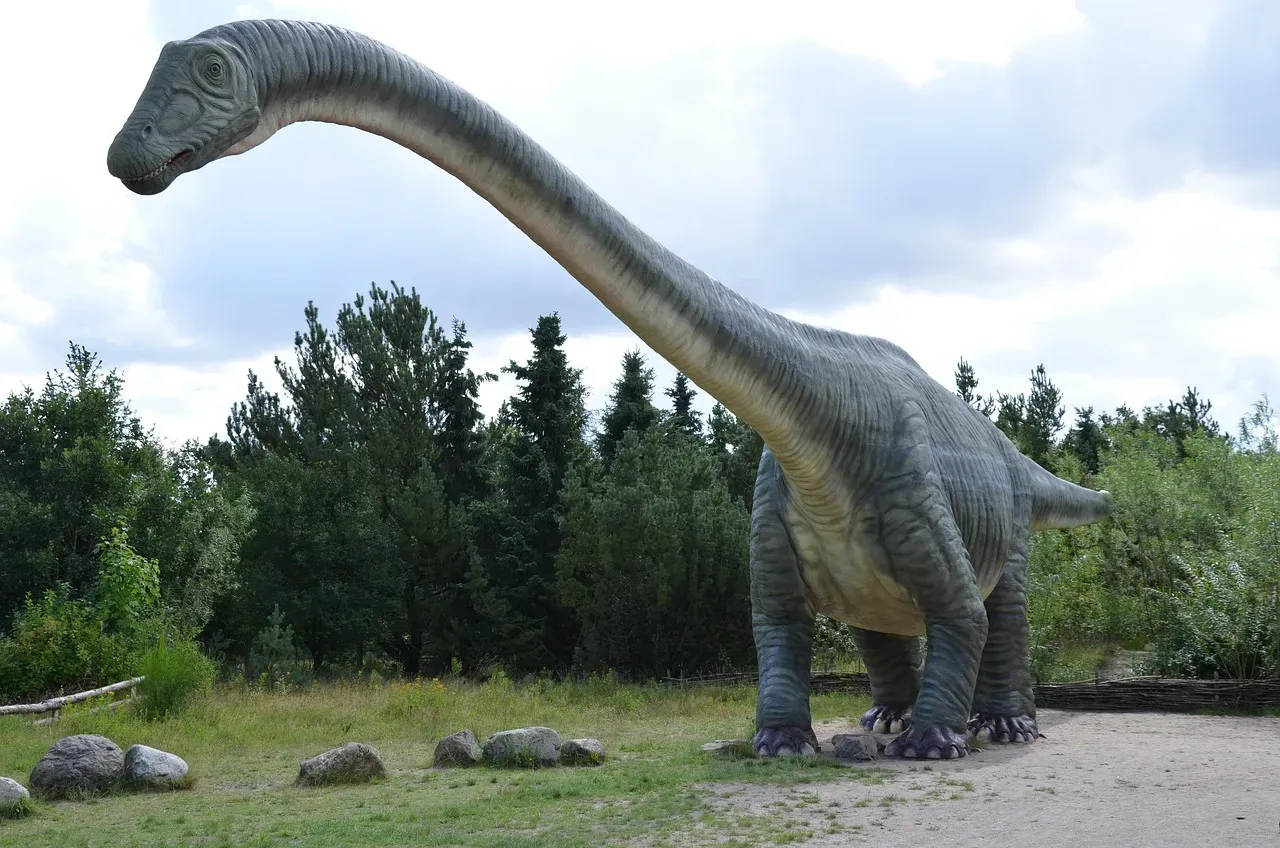
Honestly, the sheer elegance of the long-necked sauropod solution still gets me every time. You have a world full of towering conifers and tall primitive trees, and you need to eat enormous quantities of that vegetation just to keep your body running. What do you do? You grow a neck that acts like a biological crane. The long neck of dinosaurs like Bagualia alba would have enabled them to reach tall conifer trees and stay in one spot while they ate, since moving such a huge body expended a lot of energy. That is not just clever adaptation – that is survival engineering at its finest.
Their long necks allowed them to reach high vegetation in trees, giving them access to food that was out of reach for many other herbivores. This feature was particularly essential during dry periods when lower plants became scarce. Some of the earliest true sauropods appear to have been best positioned to chomp on the conifers’ very tough leaves. Their extra-powerful jaws and teeth were able to chew those leaves, and their oversized guts were well-adapted to digest the tough plant matter, allowing it to sit and ferment for many days. Nature, as always, had a plan – and these giants executed it on a scale that still staggers the imagination.
Developing Specialized Jaw Structures to Slice Fibrous and Leathery Vegetation
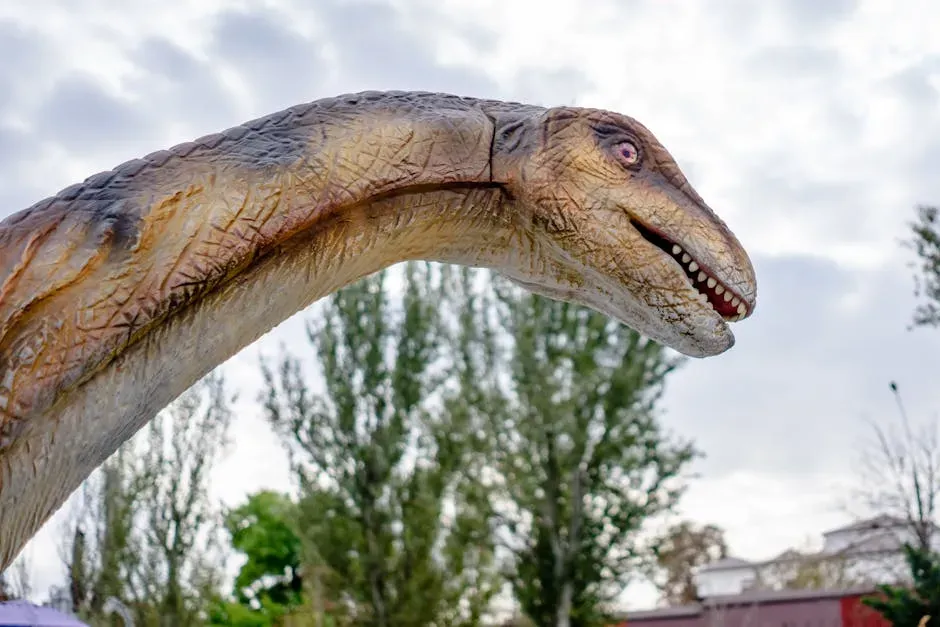
Not every dinosaur solved the plant-eating problem the same way. And honestly, that diversity of solutions is what makes this story so rich. Researchers discovered that each dinosaur tackled the problems posed by a plant-based diet by adopting very different eating techniques. Some compensated for low eating performance through their sheer size, while others developed bigger jaw muscles, increased jaw system efficiency, or combined these approaches. It is a bit like comparing a food processor to a high-powered blender – both get the job done, just very differently.
Matheronodon may have preferentially fed on plants with especially fibrous leaves like palmettos and other palm-like plants, using its scissor-like jaws to slice the tough material. The earliest plant-eating dinosaurs from the Triassic had thick teeth covered with enamel, while more advanced herbivores that evolved in the Jurassic and the Cretaceous had enamel on one side of the tooth only. As the teeth from the upper and lower jaws ground up the tough plant material, the softer side of each tooth wore down more quickly, making the teeth effectively self-sharpening. Self-sharpening teeth. Let that sink in for a moment.
Swallowing Stomach Stones to Grind Down Tough Plant Matter
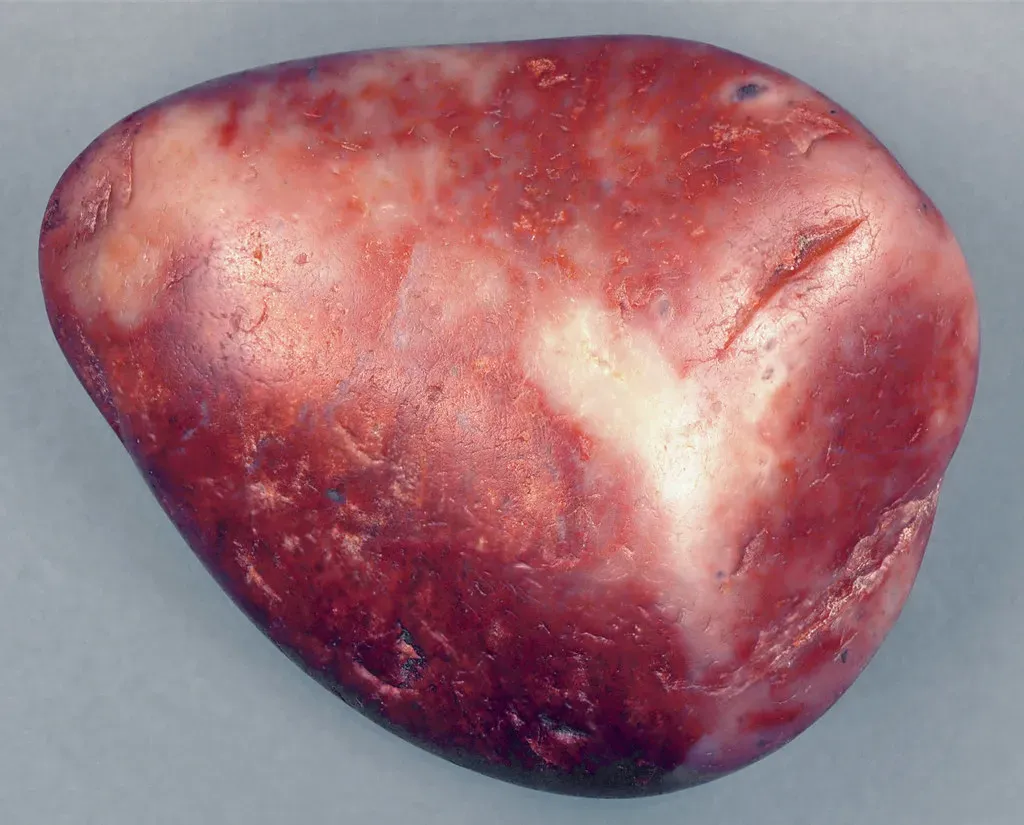
You might be wondering – what do you do when your teeth simply aren’t enough? What happens when you are a dinosaur built on an enormous scale, with a relatively small head that cannot possibly chew everything your body demands? Well, you swallow rocks. I know it sounds crazy, but it is one of the most fascinating dietary adaptations in the entire fossil record. Fossilized dinosaur gastroliths, or “stomach stones,” are stones that were swallowed by dinosaurs and retained in their digestive systems. These stones helped dinosaurs, especially herbivores, grind and break down tough plant materials, much like modern birds and reptiles that use gastroliths for digestion.
Definite gastroliths have been found in the rib cages of sauropod dinosaurs, primitive ceratopsians such as Psittacosaurus, and in toothless theropods like ostrich dinosaurs and the feathered Caudipteryx. All of these animals seem to have been herbivores. Gastroliths helped dinosaurs, particularly herbivores, break down tough plant material by acting as grinding stones in their stomachs. These stones worked in combination with muscle contractions to crush and macerate fibrous plants, aiding in the digestive process. Think of it like a built-in stone mill sitting permanently inside the body, churning away through thick ferns and woody conifer material that would have otherwise been nearly impossible to digest.
Adapting Body Size and Gut Capacity to Digest Low-Nutrient Primitive Plants
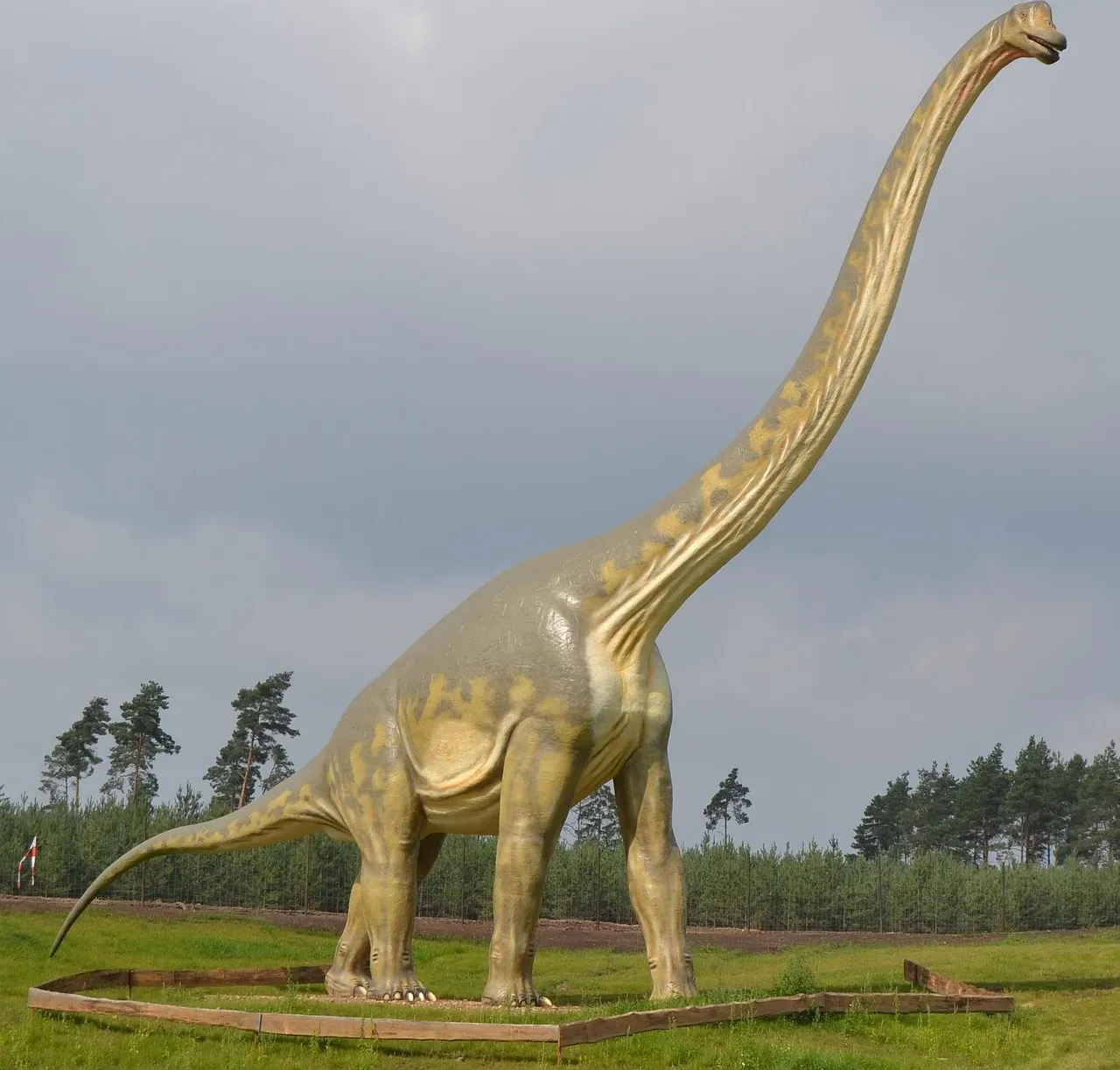
It is hard to say for sure which came first – the enormous body or the need to eat enormous quantities of low-quality plants. What is clear is that these two things became deeply intertwined. The plant life at the time of the Mesozoic Era offered a lot of food, making it easy for dinosaurs like Argentinosaurus to grow up to the weight of roughly 80 tons. That is roughly the weight of a dozen full-grown African elephants walking around on four legs. The sheer scale is almost impossible to picture.
The evolution of ornithopods marked new ways of jaw movement, allowing them to grind plants down even further. Their bodies grew larger to house more extensive guts better suited to release nutrients from plants. Sauropod dinosaurs possibly compensated for their limited oral processing and gastric capabilities by greatly increasing food retention time in the digestive system. A longer gut meant more time for fermentation, more time for bacterial breakdown of tough cellulose, and ultimately more energy extracted from plants that were, in modern terms, essentially very low-grade fuel. It is estimated that large sauropods fed on conifers and palm trees since any other rich source of calories or proteins did not exist during the time. Since this diet was rich in cellulose, the animals would have required a digestive tract with crop chambers and bacteria that could break down cellulose.
Conclusion
What you discover, once you start pulling at this thread, is that dinosaur evolution and plant evolution were not two separate stories – they were one long, tangled conversation happening across hundreds of millions of years. As plants evolved through the Mesozoic Era, their distribution changed drastically, leading to the demise of some dinosaurs and the rise of new types of dinosaurs. Every shift in the plant world sent a ripple through every herbivore population, and the animals that survived were those capable of adapting fast enough.
From self-sharpening teeth and conveyor-belt dental systems, to crane-like necks, scissor jaws, stomach rocks, and guts the size of small rooms – dinosaurs were, quite literally, shaped by the plants they ate. It is a reminder that no creature evolves in isolation. Everything is connected, everything responds, and everything adapts. The next time you walk past a fern or look up at a towering conifer, remember: those humble plants once helped forge some of the most extraordinary animals this planet has ever seen.
What surprises you most – that some dinosaurs grew longer necks just to reach their food, or that others literally swallowed rocks to digest it? Drop your thoughts in the comments.