There’s something irresistible about prehistoric movies: massive beasts, desperate humans, raw survival. The problem is, Hollywood routinely swaps actual science for whatever looks coolest on a poster. As a result, a lot of people’s mental image of “the Stone Age” is basically a mash‑up of dinosaurs, cavemen, pyramids and fur bikinis all crammed into one chaotic timeline.
I still remember watching some of these films as a kid, being totally sucked in, then later discovering from actual paleontologists that almost none of it made sense. It feels a bit like finding out your favorite childhood theme park was built on a foundation of wet cardboard. Let’s dive into five of the most cringeworthy offenders, why they are so wrong, and what the real prehistoric world actually looked like.
1. One Million Years B.C. – Cavemen Riding Dinosaurs Through Time
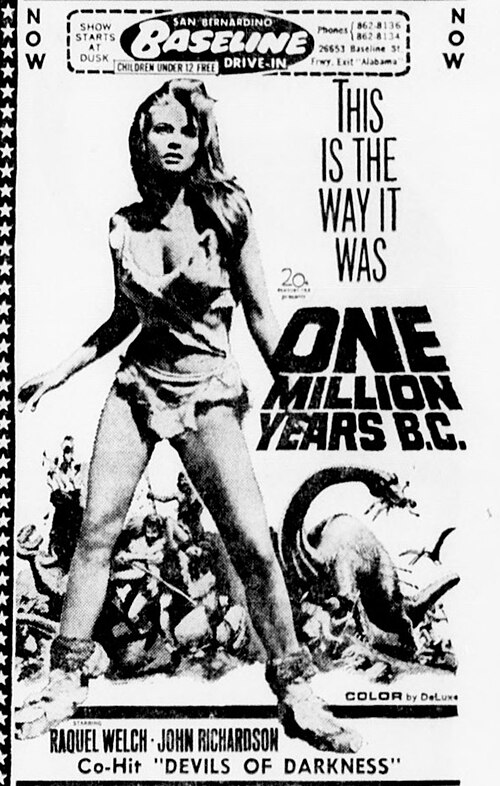
If you had to pick a single movie that warped the public’s idea of prehistory, this would be it. One Million Years B.C. throws humans and non‑avian dinosaurs together as if someone shuffled the geological time scale and dealt it out at random. In reality, the last large dinosaurs died out roughly sixty‑six million years ago, while our own species, Homo sapiens, shows up only in the last few hundred thousand years. We are separated from T. rex by more time than T. rex is separated from many early dinosaurs.
The film also casually pairs species that were never neighbors, and gives them all the same rugged, rocky backdrop. Animals that lived tens of millions of years apart stomp around in the same fake valley, turning deep time into a kind of prehistoric all‑star game. Worse, its fur‑bikini “cave people” speak in grunts and exist in a permanent brutal chaos, reinforcing the myth that early humans were barely more than animals. Fossil and archaeological evidence show our ancestors using tools, symbols, and structured social systems in ways that are far more complex than these caricatures suggest.
2. 10,000 BC – Mammoths Building Pyramids and Time Periods Smooshed Together
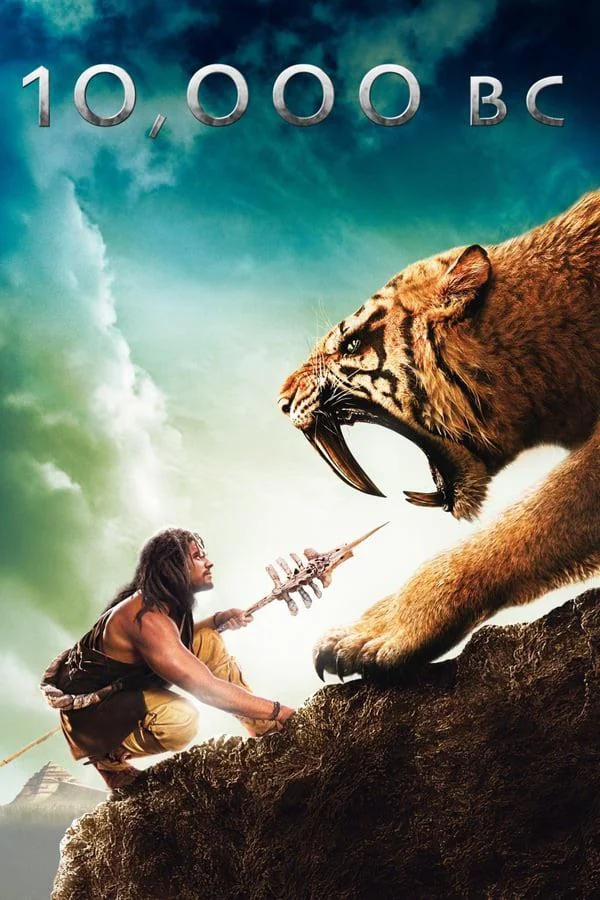
10,000 BC feels like someone dumped all of human prehistory into a blender and hit purée. You get mammoth hunters, saber‑toothed cats, terror birds, domesticated horses, and an advanced pyramid‑building civilization, all supposedly existing at roughly the same moment. In reality, those giant flightless birds vanished long before this date, large stone pyramids appear thousands of years later, and horses are domesticated much, much later still. It is not just a little off; it collapses entire eras into one messy fantasy.
Even where the creatures themselves are plausible for the time, their behavior and ecology are not. The film has herd‑leading male mammoths, despite modern elephants and what we know of their extinct relatives pointing to matriarch‑led herds. It presents metal weapons in an era when metallurgy was still far in the future. Instead of the real, fascinating story of late Ice Age cultures adapting to warming climates and changing megafauna, we get a generic swords‑and‑sandals epic with a “prehistoric” skin. As entertainment, it can be fun; as a picture of the past, it is almost aggressively wrong.
3. The Flintstones (and Its Live‑Action Movies) – The Stone Age Theme Park That Never Was
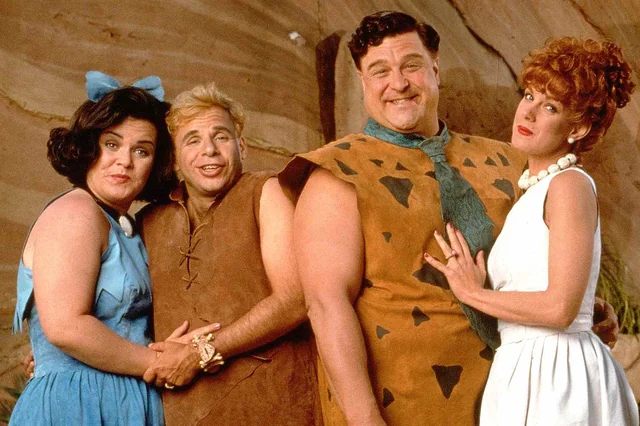
The Flintstones is obviously meant as comedy, not a documentary, but its influence on how people imagine “caveman times” is enormous. The whole gag is a suburban 1960s lifestyle transplanted into an imaginary Stone Age, complete with dinosaurs used as cranes, lawnmowers and household appliances. The catch is simple: by the time anything like modern humans showed up, those big dinosaurs had already been gone for tens of millions of years. Our real prehistoric neighbors were mammoths, giant ground sloths, cave lions and other Ice Age animals, not cartoon sauropods powering rock quarries.
The franchise also reinforces the idea that all of prehistory was one uniform gray blur called “the Stone Age,” where technology, culture and environment never really change. In truth, there were countless different Stone Age cultures spread across continents and hundreds of thousands of years, with steadily improving tools, art, and social structures. A hunter in Ice Age Europe, a forager in ancient Australia, and an early farming community in the Near East lived in totally different worlds. The Flintstones turns all that nuance into one endless gag about using a pterodactyl as a dishwasher. It is hilarious, but it quietly erases just how diverse and inventive prehistoric humans really were.
4. Year One – Everything, Everywhere, All at Once (and All Wrong)
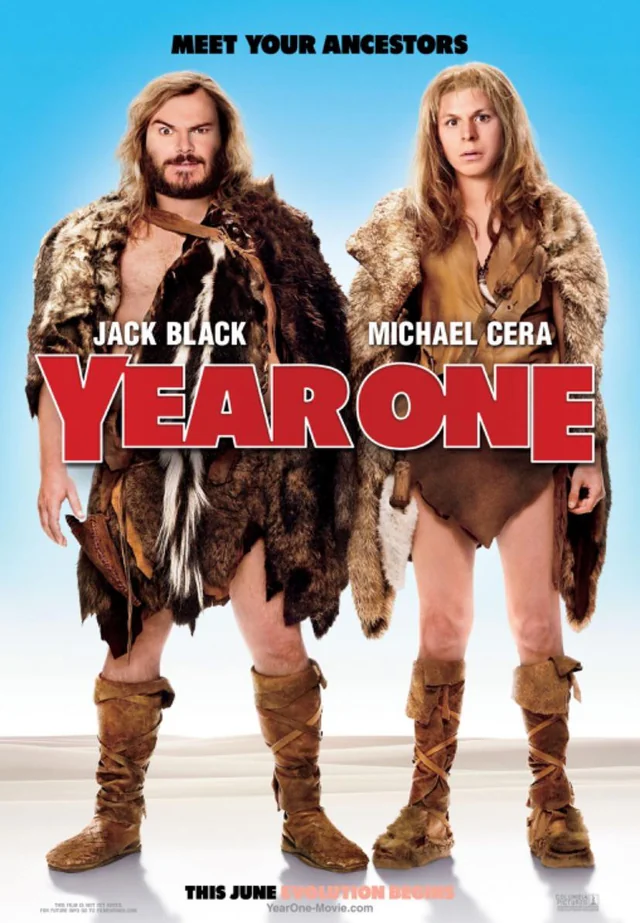
Year One is a broad comedy, and to be fair, it never pretends to be serious history. Still, it stacks so many different time periods on top of each other that it becomes a kind of parody of how Hollywood treats the distant past. Stone Age hunter‑gatherers bump straight into early biblical figures and early cities, as if humanity jumped from crude stone tools to organized states overnight. Actual archaeology tells a slower, more interesting story: gradual transitions from foraging to farming, then centuries of village life before anything resembling a large urban civilization takes shape.
The film leans hard into the idea that people in early times were uniformly ignorant, hapless, and barely capable of basic reasoning. That is probably the part that grates the most if you care about science. The brains of people living ten thousand years ago were essentially the same as ours today. They had to track seasons, animal behavior, plant cycles and social relationships with incredible precision just to survive. Reducing them to the butt of every joke reinforces the lazy belief that “old equals stupid,” when in reality these were clever, adaptable humans operating without any of the technological safety nets we rely on now.
5. Jurassic Park Sequels (and Their Human‑Dinosaur Mash‑Ups) – Science Fiction Slipping into Pseudo‑Prehistory
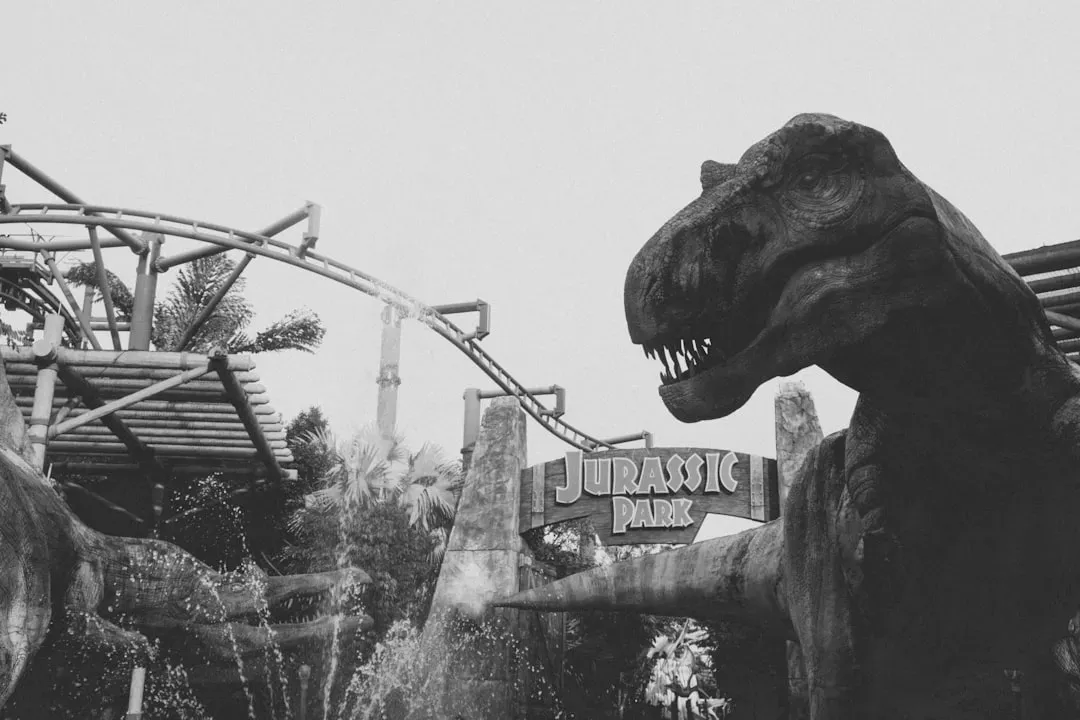
The original Jurassic Park is squarely science fiction, and it never claims prehistoric humans and dinosaurs coexisted. The trouble creeps in with the way later sequels, spin‑offs, and discarded concepts blur the line between speculative science and outright fantasy. Proposals for human–dinosaur hybrids, super‑weapon raptors, and packs of engineered creatures acting like wolf–soldiers push the franchise away from plausible de‑extinction and into something closer to a comic book. None of this reflects what paleontologists think real dinosaurs were like, or how ecosystems actually function.
On top of that, the dinos themselves are often stuck in outdated depictions. Many species are portrayed as scaly movie monsters, even though evidence increasingly supports feathers and bird‑like behavior for several groups. The films also toss together species that never met in nature and exaggerate their sizes and abilities for dramatic effect. As long as we remember we are watching wild sci‑fi, this is not a problem. But because Jurassic Park is the main way many people encounter prehistoric animals, those “enhanced” creatures quietly harden into mental fact, crowding out the stranger, subtler reality scientists are piecing together from bones and rocks.
Conclusion: Why This Kind of Wrong Actually Matters
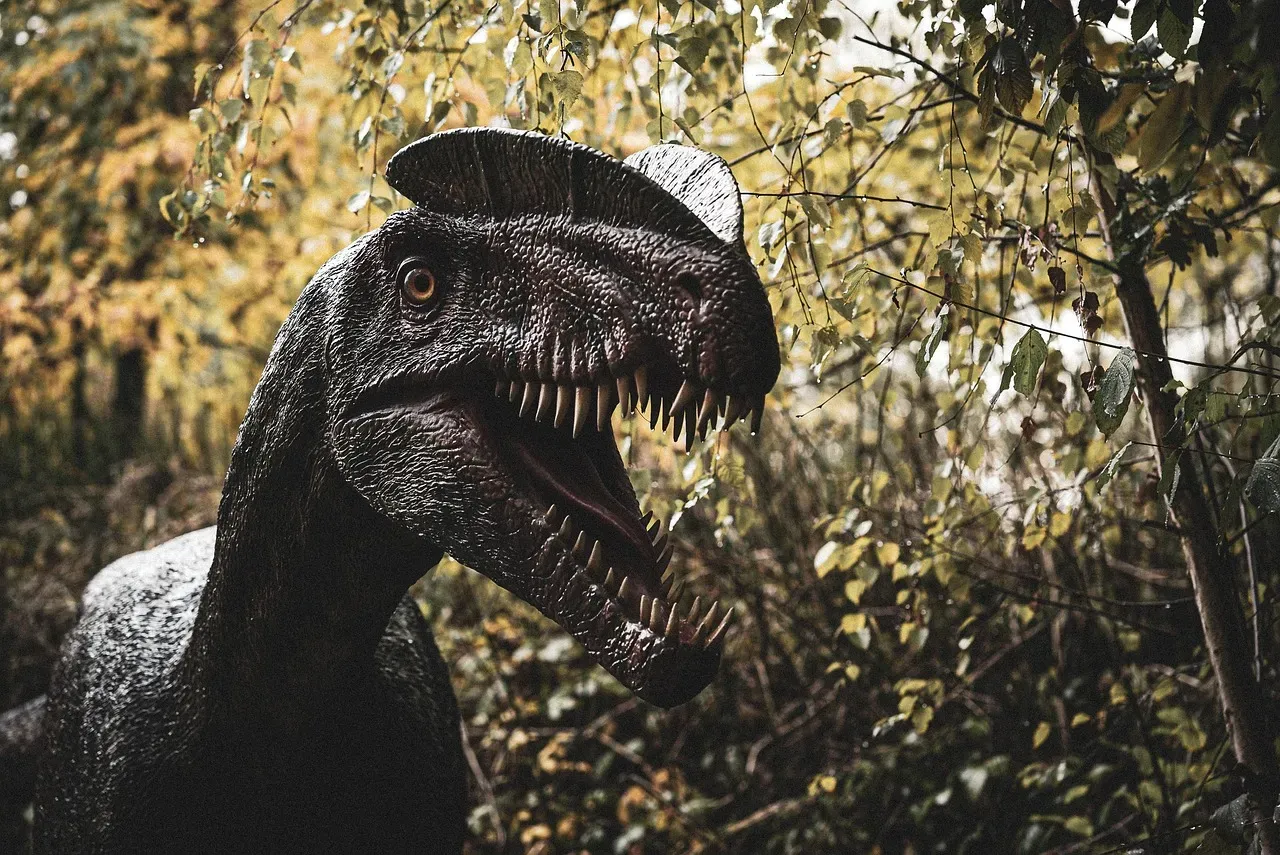
On one level, it is easy to shrug these movies off as harmless fun. I enjoy some of them, guilty‑pleasure style, and I do not expect a blockbuster to feel like a museum exhibit. But when Hollywood keeps repeating the same lazy patterns – humans with dinosaurs, scrambled timelines, prehistoric people treated as punchlines – it shapes how we collectively think about our own deep past. That, in turn, affects how curious we are about real fossils, real archaeology, and the hard work scientists do to uncover them.
Personally, I think prehistoric stories can be even more thrilling when they lean into what we actually know: the tense last days of the mammoths, the first tiny villages experimenting with farming, or a world where humans are the underdogs facing truly alien Ice Age ecosystems. The actual science is weird and dramatic enough without mammoths hauling pyramid stones or cavemen running from tyrannosaurs. Maybe the next great prehistoric movie will ditch the fur bikinis and timeline soup, and trust that the real story of our deep origins is wild enough on its own – would you go see that one?