
You’ve probably noticed how some people seem to glide through chaos like nothing can touch them. They’re unfazed by drama, immune to criticism, and somehow manage to keep their cool when everyone else is losing theirs. What’s their secret? It’s not that they’re emotionless robots or disconnected from reality. They’ve simply mastered something powerful: the art of staying unbothered.
Let’s be real, life throws curveballs at you constantly. Someone criticizes your work. Plans fall apart at the last minute. People talk behind your back. Your inbox explodes with demands. These things used to ruin entire days, maybe even weeks. You’d replay conversations endlessly, worry about what others thought, and let every little disruption steal your peace. Here’s the thing though – staying unbothered isn’t about pretending nothing matters. It’s about choosing what gets your energy and what doesn’t. When you develop this inner strength, you stop handing over your emotional remote control to every person and situation that crosses your path. You become the one in charge of your own happiness.
Focus Only on What You Can Actually Control

One of the biggest drains on your mental energy is worrying about things completely outside your control – traffic jams, other people’s opinions, or even the weather. When you waste energy on these uncontrollable factors, you’re basically setting yourself up for constant frustration. Think about it this way: you can’t control whether someone likes you, but you can control how you show up authentically every single day.
The secret lies in recognizing what you can control and accepting what you cannot, which makes it easier to find peace and remain unbothered. Start by asking yourself a simple question when something bothers you: “Can I change this right now?” If the answer is no, redirect that energy toward something you can influence – your response, your attitude, your next move. This mental shift reduces helplessness dramatically and builds genuine resilience over time.
Set Clear Boundaries Without Apology

People who remain unbothered don’t allow everyone unlimited access to their time, energy, or emotions. They set clear boundaries and stick to them, whether that means limiting contact with toxic family members, refusing to engage with gossip, or saying no to commitments that drain them. This isn’t selfishness. It’s self-respect in motion.
You don’t need to explain yourself three times or justify your limits to anyone. Keep your boundaries simple and direct using clear, short statements that match your energy and time – you can be warm and firm simultaneously by using one sentence that names your limit without blame. Try something like “I’m not available for that” or “I need some time to myself this weekend.” The more you practice holding these lines, the less weight these moments carry. Your peace becomes non-negotiable.
Practice the Power of Emotional Distance
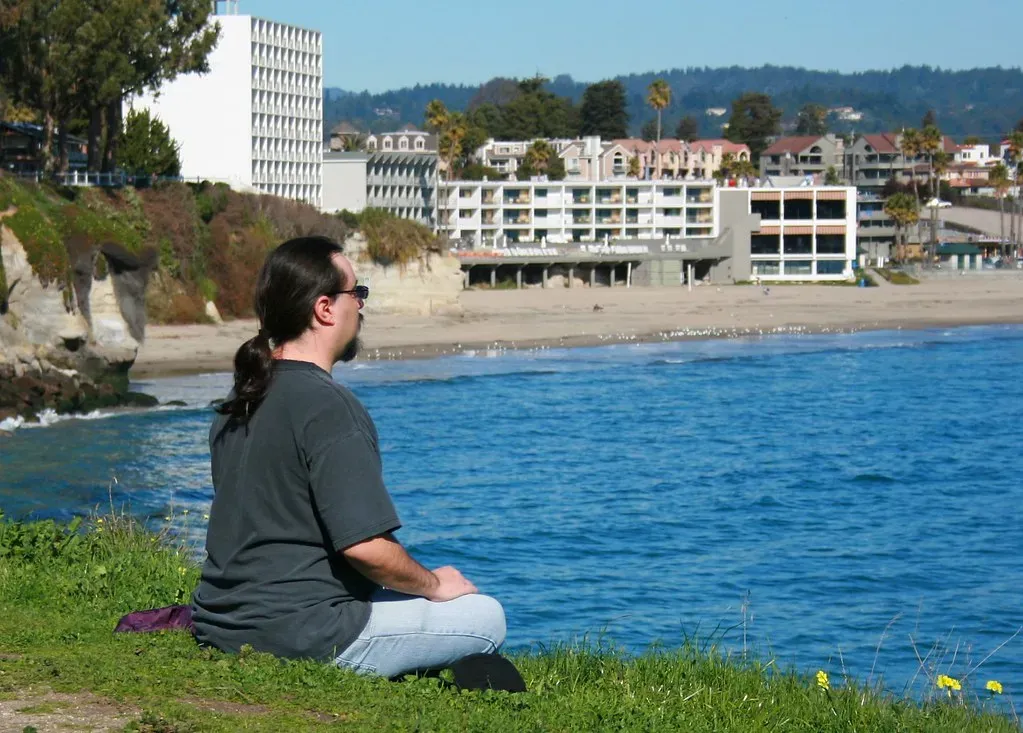
Non-attachment, a concept found in both Buddhism and Stoicism, is about letting go of desires and fears that disturb your mind. It’s not about suppressing emotions but rather experiencing life fully without clinging to or rejecting what you encounter, which can lead to a state where you remain unbothered by external events. I know it sounds contradictory, but you can care deeply about things while still maintaining emotional distance from outcomes.
Most of the time when people say or do hurtful things, it genuinely isn’t about you – shocking, right? Yet we behave as if everything is our fault and believe that if we change ourselves enough, we can make everyone happy, which simply isn’t the case. When someone snaps at you, they’re probably dealing with their own stress. When a friend cancels plans, it’s rarely personal. This perspective shift creates breathing room between you and the chaos around you. You stop absorbing everyone else’s emotional weather and start creating your own internal climate.
Build Daily Rituals That Ground You

People who are truly unbothered don’t leave their calm to chance – they build habits like gratitude journaling, mindfulness, spiritual practice, and exercise that nurture inner peace on a regular basis, creating a baseline of calm that’s hard to shake. Think of it like strengthening a muscle. The more consistently you work it, the stronger your ability to stay centered becomes.
Your grounding ritual doesn’t need to be elaborate or time-consuming. On rough days, reach for a reset ritual that takes one minute or less – step outside, sip water, or wash your hands with warm water, as these simple sensory cues help you come back to center. Maybe it’s three deep breaths before checking your phone in the morning. Perhaps it’s a five-minute walk after lunch. The key is consistency. These small acts compound over time, giving you an anchor to return to when life gets turbulent. You’re essentially training your nervous system to default to calm instead of chaos.
Let Your Actions Speak Louder Than Your Defenses

Actions genuinely speak louder than words, and staying unbothered means not feeling the constant need to defend or explain yourself – the simplest way to achieve this is to stop sharing your plans with others and instead let your actions demonstrate your values, work ethic, and integrity. There’s tremendous freedom in realizing you don’t owe everyone an explanation for your choices.
When you work quietly without announcing your goals in advance, you project confidence and avoid unnecessary confrontation. You’re not seeking validation or approval from the crowd. Staying calm when others talk about you shows that your self-worth isn’t up for public discussion – you already know who you are, and no conversation can redefine that, which means you stop living in other people’s narratives and begin writing your own with quiet confidence. This is where real inner strength lives. In the space between what someone says about you and how you choose to respond. In that pause, you protect your peace instead of proving your point.
Conclusion
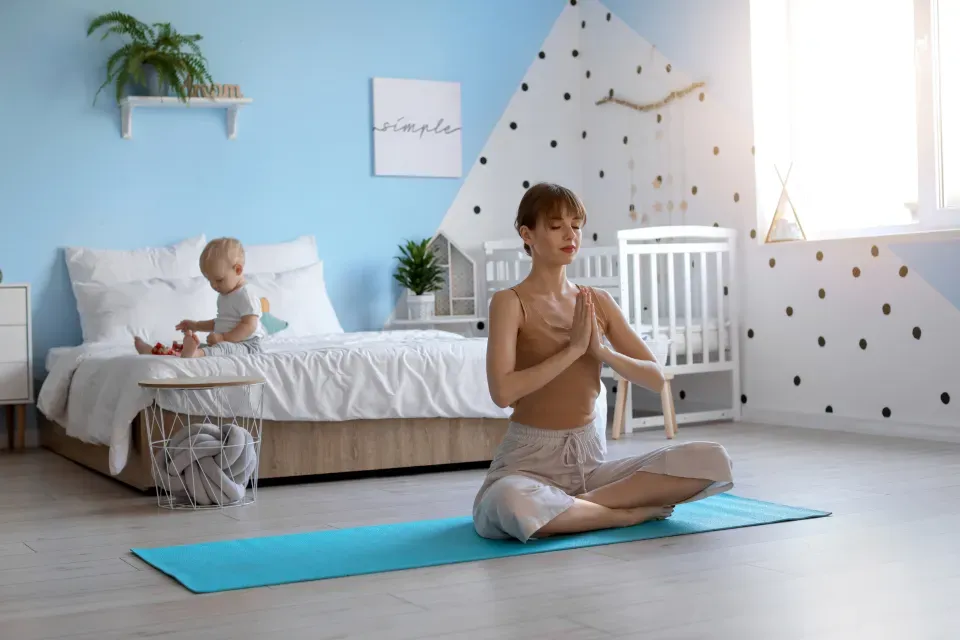
Staying unbothered requires mental strength because it asks you to be grounded enough to stay centered when life starts shaking the table – it’s choosing stillness over drama, reflection over reaction, and making the quiet decision to keep your peace when everything around you tempts you to abandon it. The beautiful part? This kind of steadiness doesn’t appear overnight. It’s built from countless small moments of restraint, practice, and self-awareness.
Being unbothered is not an innate trait for most people but a skill that can be developed through mindful practice and philosophical reflection, using mental and emotional tools that give you the strength to remain cool, calm, and collected. Each time you choose not to react impulsively, each boundary you hold without guilt, each moment you redirect your energy toward what matters most – you’re becoming stronger. Your happiness stops being dependent on external circumstances and starts coming from an unshakeable place within. So what do you think? Are you ready to protect your peace like it’s the most valuable thing you own? Because honestly, it is.