Our planet has been home to some truly mind-blowing creatures throughout history, and today’s largest animals would look like house pets compared to the prehistoric giants that once roamed the Earth. From the depths of ancient oceans to the vast prehistoric landscapes, these colossal beings dominated their environments in ways that seem almost impossible to imagine. While we marvel at elephants and whales today, the fossil record reveals creatures so massive and extraordinary that they challenge our understanding of what life on Earth was capable of achieving.
The Argentavis: A Bird That Could Swallow You Whole
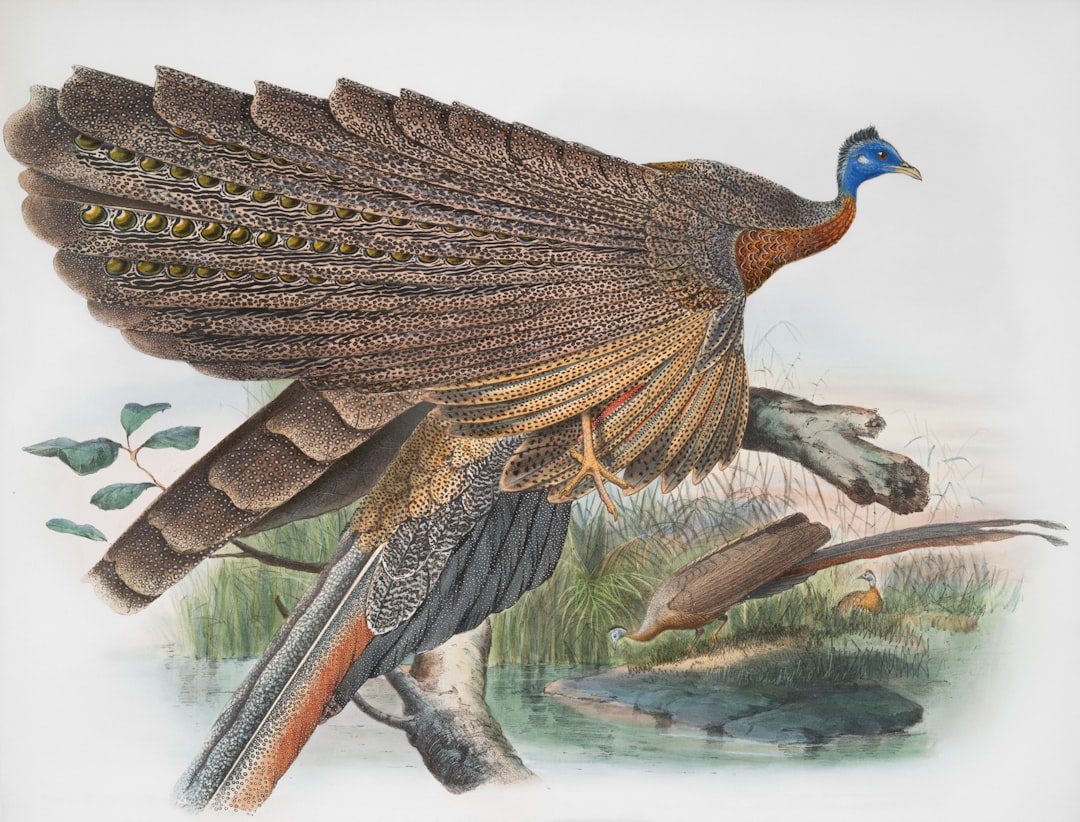
Imagine looking up at the sky and seeing a bird with wings spanning nearly 25 feet – that’s wider than most single-story houses. The Argentavis magnificens lived in Argentina about 6 million years ago and holds the record as the largest flying bird ever discovered. This feathered giant weighed around 150 pounds, making it roughly six times heavier than today’s largest flying birds.
What makes the Argentavis truly terrifying is how it likely hunted. Scientists believe this massive bird was primarily a scavenger, using its incredible size to intimidate smaller predators away from fresh kills. Its beak alone measured over 18 inches long, perfectly designed for tearing apart large carcasses. The sheer physics of keeping such a massive creature airborne required specific wind conditions and thermal currents that were more common in its prehistoric habitat.
Megalania: The Komodo Dragon’s Nightmare Cousin
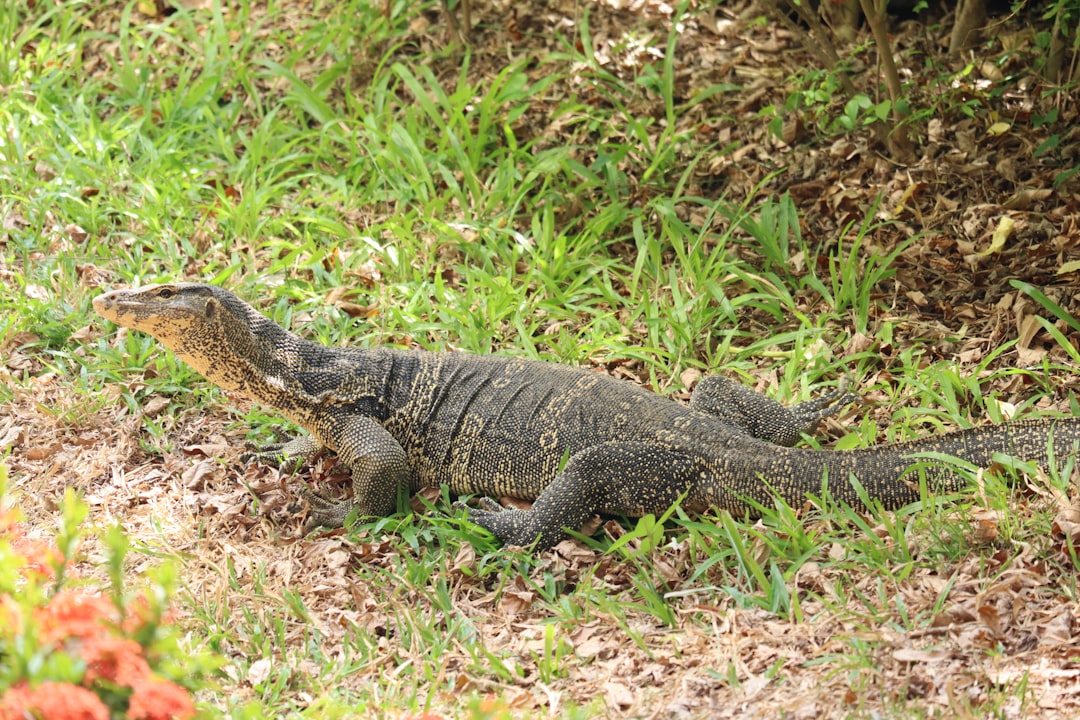
If you think Komodo dragons are intimidating, the Megalania would have given you heart palpitations. This Australian monitor lizard measured up to 23 feet in length and weighed as much as a small car. Living until about 40,000 years ago, this apex predator ruled the Australian continent when early humans first arrived.
The Megalania possessed a venomous bite similar to modern monitor lizards, but amplified to a lethal degree. Its powerful jaws could crush bones with ease, and its razor-sharp teeth were designed for both slicing and gripping prey. Archaeological evidence suggests these giants may have hunted early human settlers, making them one of the few prehistoric predators that directly threatened our ancestors.
Dunkleosteus: The Armored Sea Monster
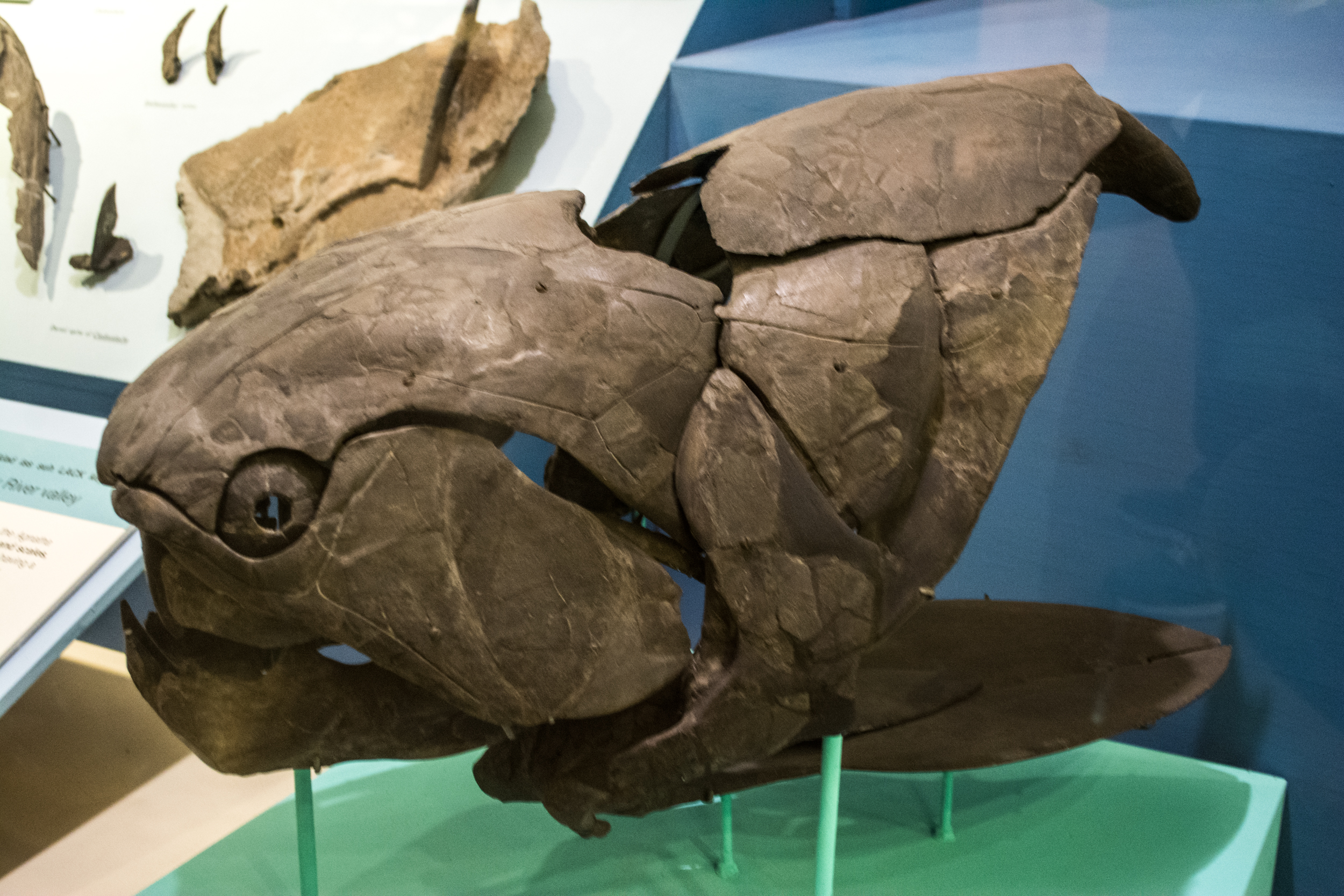
Before sharks ruled the oceans, there was Dunkleosteus terrelli – a 33-foot-long armored fish that made great whites look like goldfish. This prehistoric predator lived around 360 million years ago and possessed one of the most powerful bites in Earth’s history. Instead of teeth, it had razor-sharp bony plates that could slice through almost anything.
Scientists estimate that Dunkleosteus could bite with a force of 11,000 pounds per square inch, making it capable of crushing sharks and other armored fish with ease. Its head was encased in thick, bony armor that protected it from other predators, while its streamlined body allowed for surprising speed and agility in the water. This combination of size, armor, and devastating bite force made it the undisputed apex predator of ancient seas.
The Titanosaur: Giants Among Giants
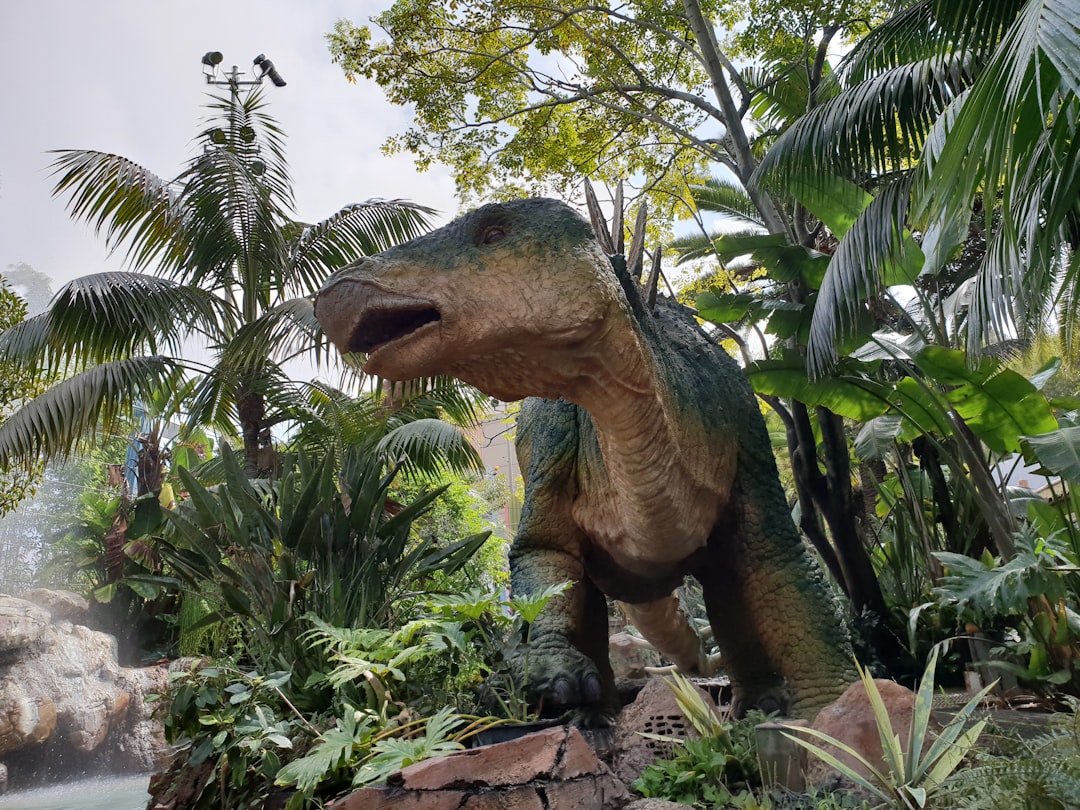
When we talk about the largest land animals ever, we must discuss the titanosaurs – a group of sauropod dinosaurs that redefined what “massive” really means. The largest discovered specimens, like Argentinosaurus, measured over 100 feet long and weighed as much as 12 elephants combined. These gentle giants roamed South America around 95 million years ago.
What’s truly remarkable about titanosaurs is how they supported their incredible weight. Their hollow bones, similar to modern birds, helped reduce overall mass while maintaining strength. Their long necks allowed them to reach vegetation up to 40 feet high, essentially functioning as living cranes. Recent fossil discoveries suggest some species may have been even larger than previously thought, with incomplete specimens hinting at animals that could have reached 130 feet in length.
Livyatan Melvillei: The Whale That Ate Other Whales
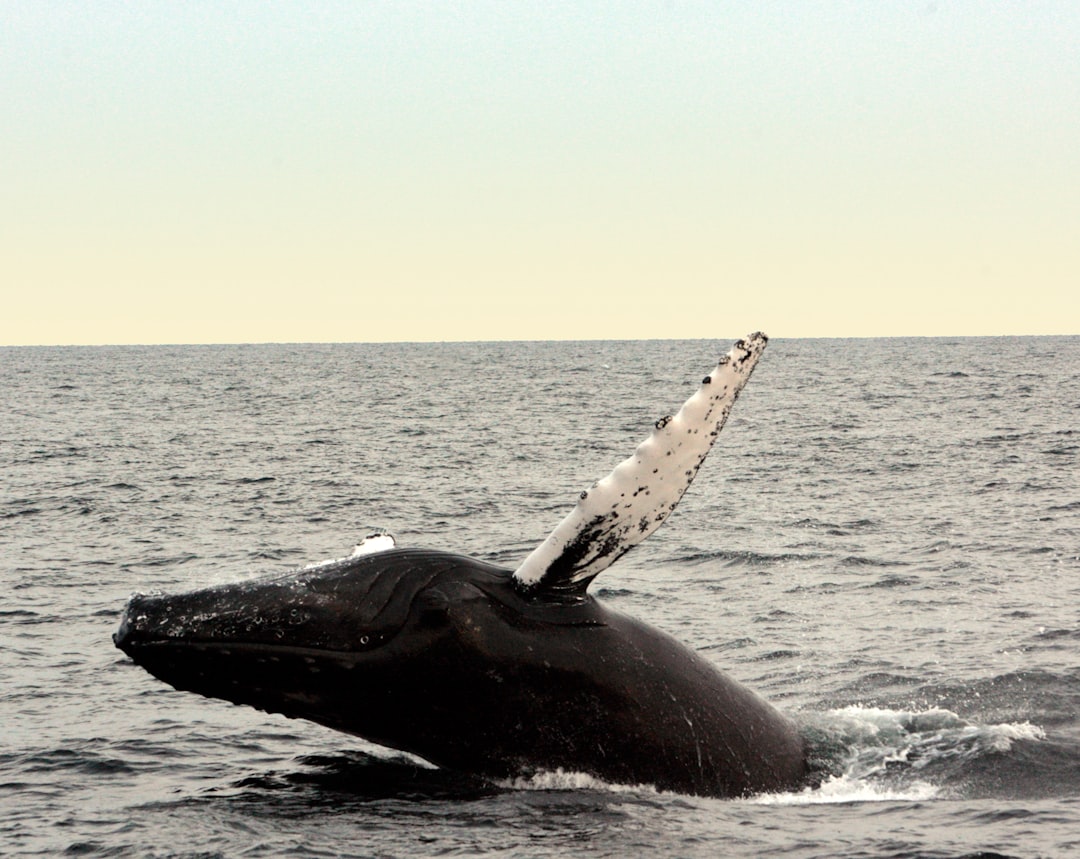
Modern sperm whales are impressive, but their prehistoric cousin Livyatan melvillei was a true monster of the deep. This 57-foot-long predator lived around 12 million years ago and possessed teeth up to 14 inches long – the largest functional teeth ever found in any animal. Unlike modern sperm whales that primarily eat squid, Livyatan was designed to hunt and kill other whales.
The skull of Livyatan measured over 10 feet long, with massive jaw muscles capable of delivering bone-crushing bites. Scientists believe this apex predator competed directly with the massive shark Carcharocles megalodon for dominance of ancient oceans. Its intelligence, combined with its enormous size and devastating bite, made it one of the most formidable predators ever to swim the seas.
The Sheer Scale of Prehistoric Gigantism
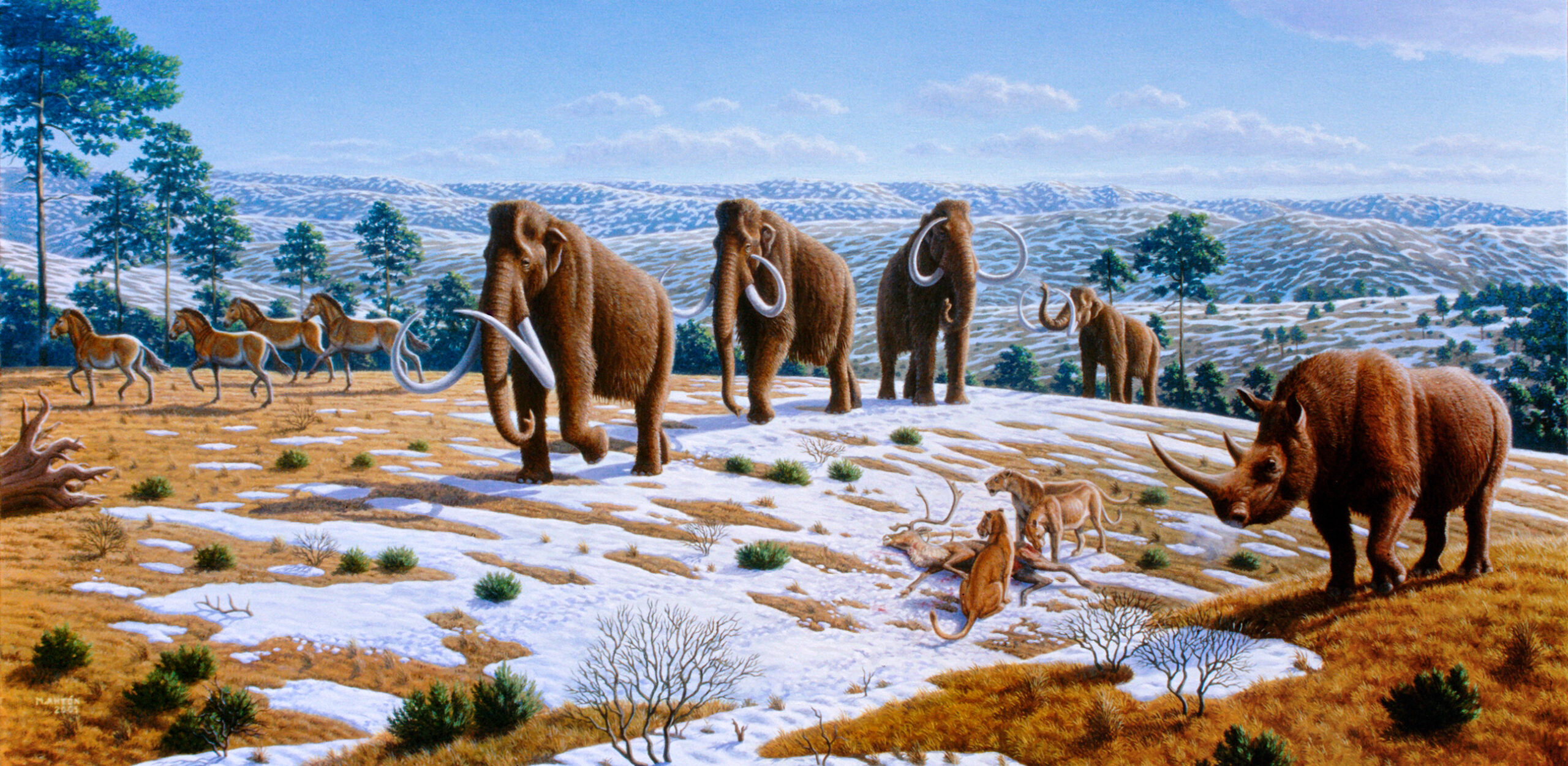
The existence of these enormous creatures raises fascinating questions about prehistoric environments and evolutionary pressures. Higher oxygen levels in ancient atmospheres, different climate patterns, and unique ecological niches all contributed to the evolution of these giants. Many of these animals existed during periods when Earth’s atmosphere contained significantly more oxygen than today, allowing for more efficient metabolic processes.
The abundance of food sources also played a crucial role in supporting such massive animals. Vast forests, enormous herds of prey animals, and rich marine ecosystems provided the energy required to sustain these giants. Without human interference, natural selection favored size as a survival strategy, leading to an evolutionary arms race that produced increasingly larger species.
Fossil Evidence and Scientific Discoveries
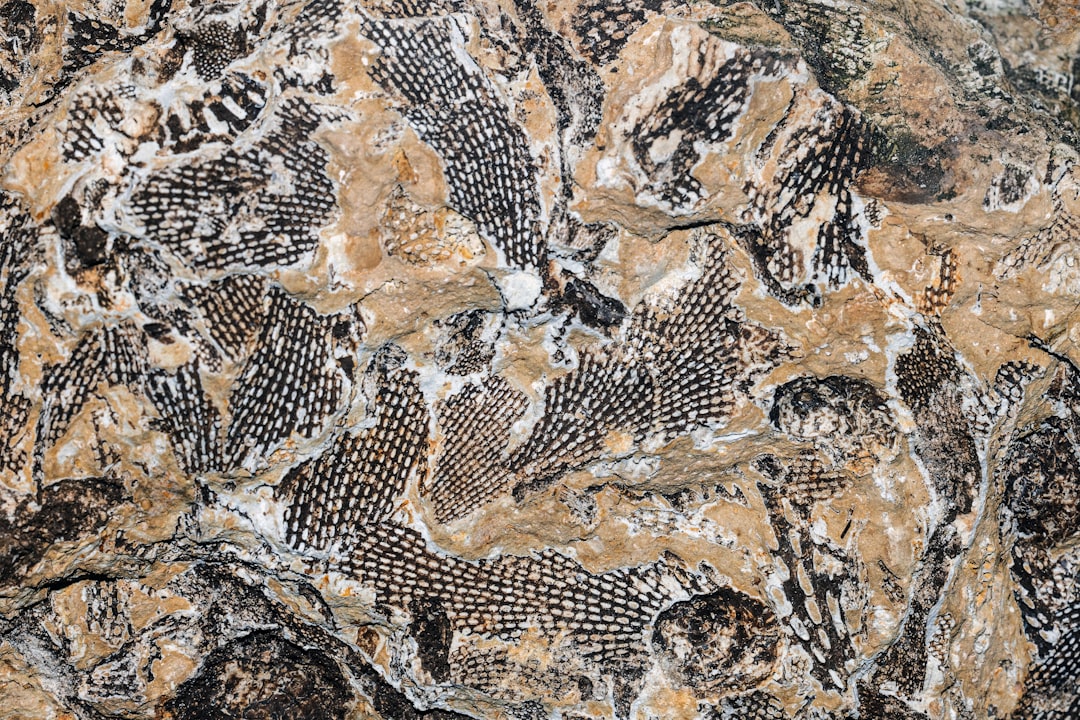
The discovery of these prehistoric giants has revolutionized our understanding of ancient life. Many of these species were only identified in recent decades, with new fossil finds constantly updating our knowledge. The Argentavis was first described in 1980, while Livyatan melvillei wasn’t discovered until 2010, showing how much we still have to learn about prehistoric life.
Advanced dating techniques and computer modeling have allowed scientists to reconstruct how these animals lived, moved, and interacted with their environments. CT scanning of fossils reveals internal structures, while sophisticated software can simulate how these giants would have moved and behaved. These technological advances continue to unveil new secrets about prehistoric life.
Why These Giants Disappeared
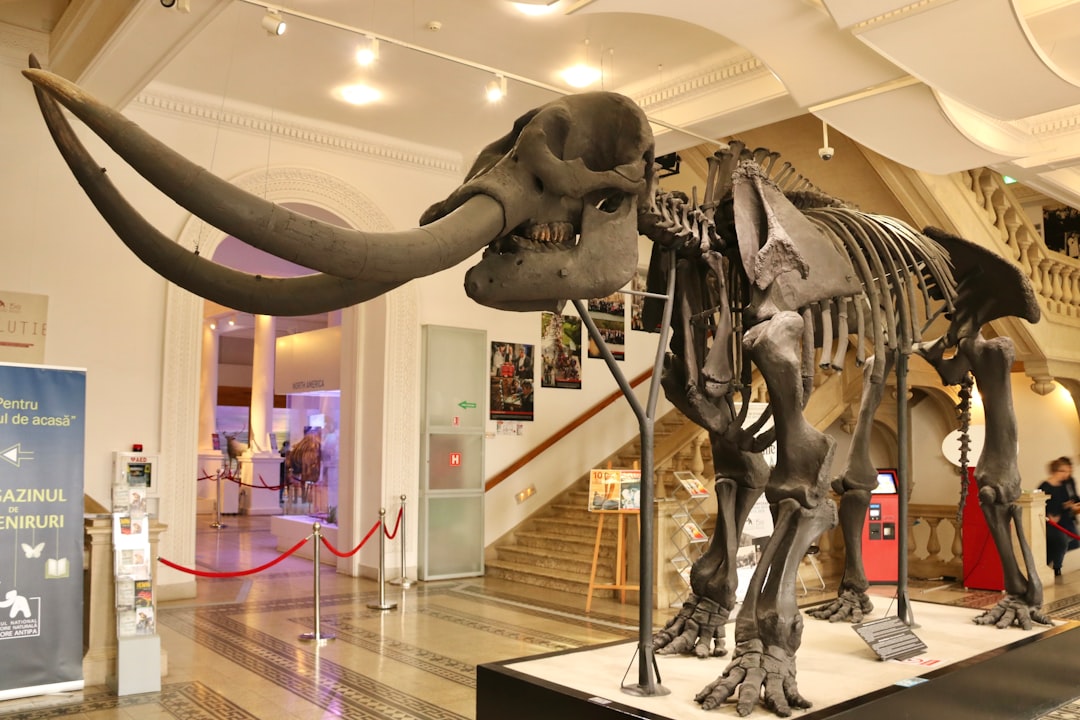
The extinction of these enormous creatures resulted from a combination of factors, including climate change, asteroid impacts, and changing atmospheric conditions. As Earth’s climate became more variable and oxygen levels decreased, maintaining such massive body sizes became increasingly difficult. The metabolic demands of these giants simply couldn’t be met by changing environmental conditions.
Human activity also played a role in the disappearance of some species, particularly those that survived until more recent times. The Megalania, for instance, likely went extinct due to a combination of climate change and human hunting pressure. This pattern of human-driven extinction unfortunately continues today with many of Earth’s remaining large animals.
Modern Relatives and Evolutionary Connections
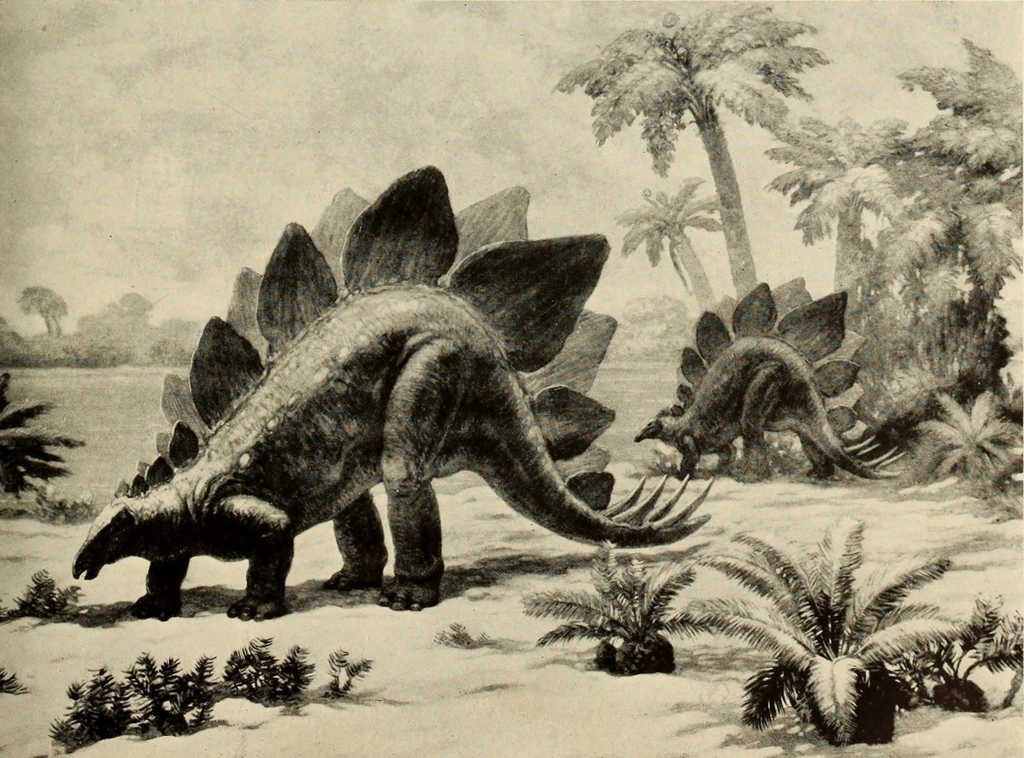
While these prehistoric giants are gone, their genetic legacy lives on in modern animals. Birds are direct descendants of dinosaurs, and we can see echoes of the massive titanosaurs in today’s long-necked birds like herons and flamingos. Modern monitor lizards, while much smaller, share many characteristics with the mighty Megalania, including their hunting strategies and venomous bites.
Whales today represent a continuation of the marine mammal lineage that produced Livyatan melvillei, though they’ve evolved different feeding strategies. The largest animals alive today – blue whales – actually exceed many prehistoric giants in size, showing that gigantism isn’t entirely a thing of the past. These evolutionary connections remind us that we’re still sharing our planet with the descendants of prehistoric monsters.
The Role of Environmental Conditions
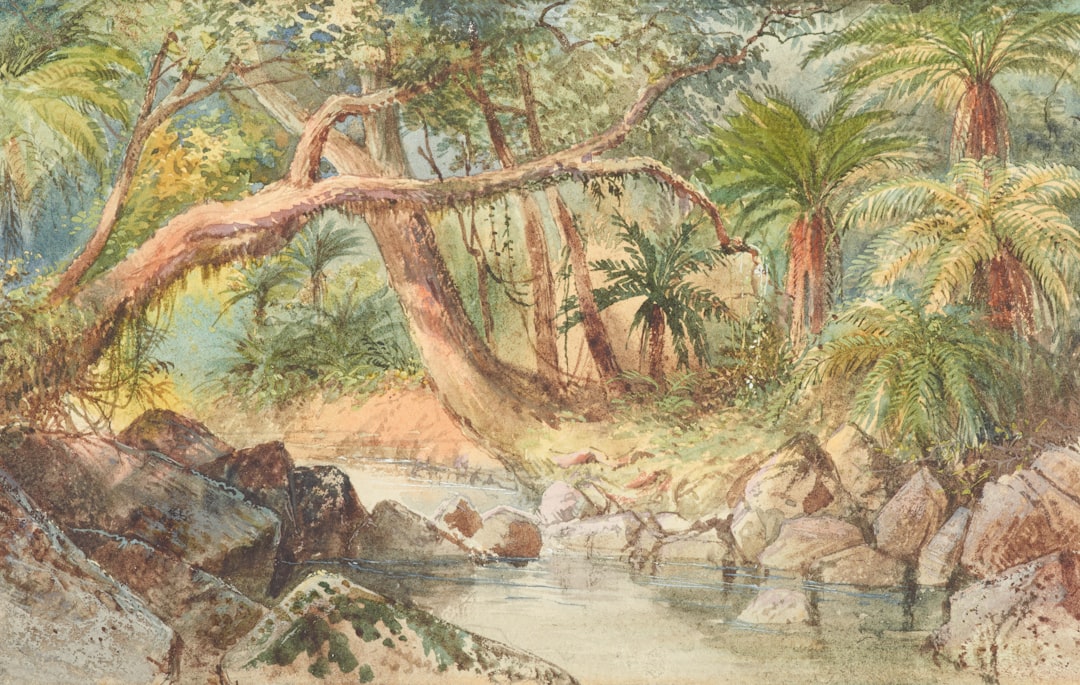
The prehistoric world was dramatically different from today’s environment, with conditions that actively supported the evolution of gigantic animals. Warmer global temperatures, higher sea levels, and vastly different continental configurations created unique ecological niches. These environments often had more stable climate patterns that allowed for the long-term evolution of specialized giant species.
Volcanic activity also played a crucial role, both in creating the environmental conditions that supported these giants and in their eventual extinction. Massive volcanic eruptions could rapidly change atmospheric composition, leading to both the rise and fall of different species. Understanding these ancient environmental conditions helps scientists predict how modern animals might respond to current climate change.
Impact on Ancient Ecosystems
These enormous creatures didn’t exist in isolation – they were keystone species that shaped entire ecosystems around them. The presence of massive herbivores like titanosaurs influenced plant evolution, leading to the development of tougher, more fibrous vegetation. Similarly, apex predators like Dunkleosteus and Livyatan melvillei controlled prey populations and influenced the behavior of other marine species.
The ecological impact of these giants extended far beyond their immediate food webs. Their movements could alter landscapes, their feeding habits influenced plant distribution, and their presence affected the evolution of countless other species. When these giants disappeared, entire ecosystems underwent dramatic reorganization, leading to the evolution of new species adapted to fill the vacant ecological niches.
Technological Advances in Studying Prehistoric Giants
Modern technology has revolutionized how we study these ancient creatures, allowing scientists to understand their biology and behavior in unprecedented detail. Advanced imaging techniques can reveal soft tissue structures preserved in fossils, while computer simulations can model how these animals moved and interacted with their environments. DNA analysis, when possible, provides insights into evolutionary relationships and genetic diversity.
3D printing technology now allows researchers to create accurate replicas of fossil bones, enabling detailed biomechanical studies without risking damage to precious specimens. Virtual reality reconstructions help scientists visualize how these animals lived, while artificial intelligence algorithms can analyze massive datasets of fossil information to identify patterns and make predictions about undiscovered species.
Lessons for Modern Conservation
The story of these prehistoric giants offers crucial lessons for modern conservation efforts. Many of these species took millions of years to evolve their incredible adaptations, yet they disappeared relatively quickly when environmental conditions changed. This demonstrates the vulnerability of highly specialized species and the importance of maintaining stable ecosystems.
Current conservation efforts focus on protecting remaining large animals, knowing that once lost, these species cannot be recovered. The extinction of prehistoric giants serves as a warning about the irreversible nature of species loss and the importance of preserving biodiversity. Understanding how ancient ecosystems supported such enormous creatures also provides insights into habitat requirements for modern large animals.
The Continuing Search for New Giants
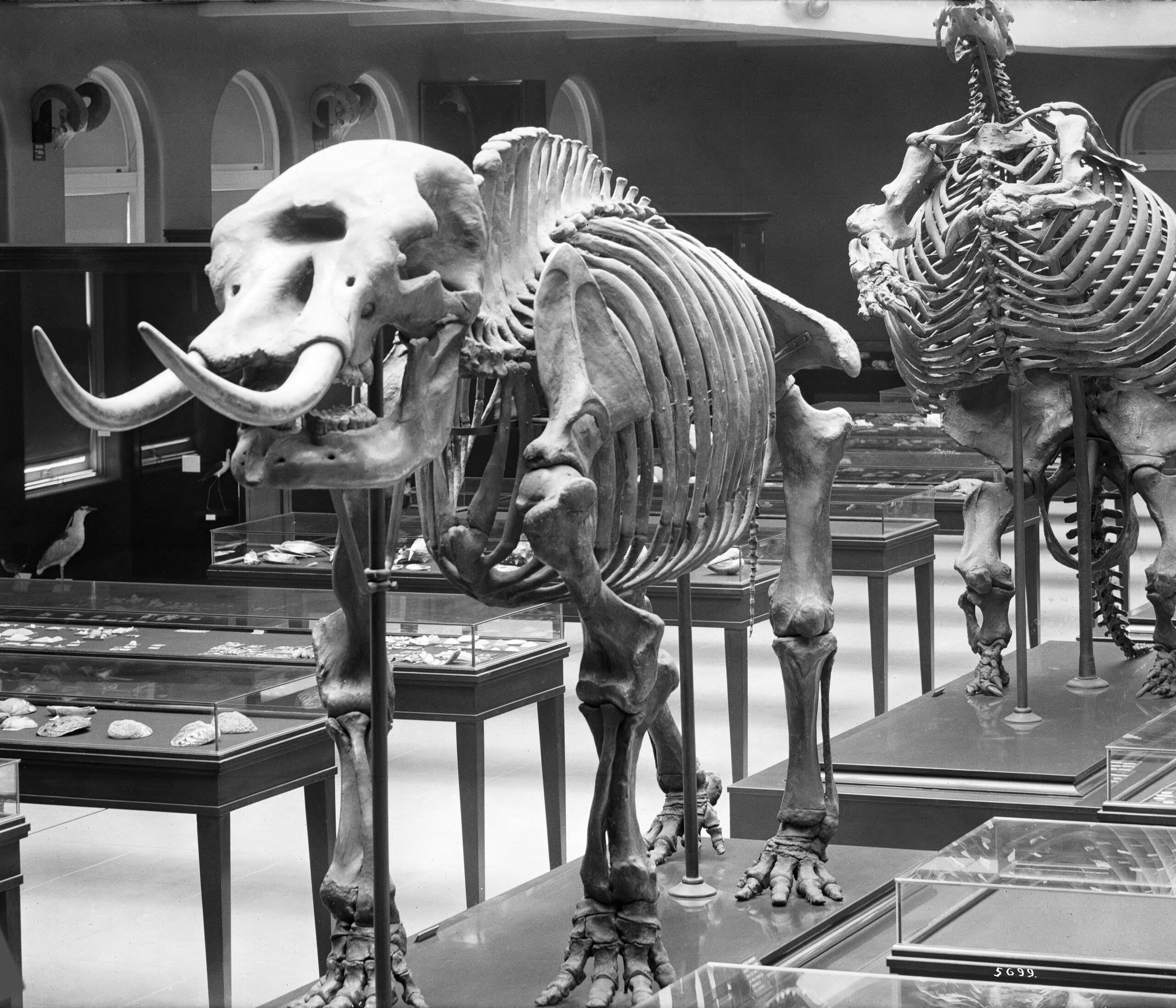
Paleontologists continue to discover new species of prehistoric giants, with recent years yielding several remarkable finds. Remote locations in South America, Africa, and Asia regularly produce fossils of previously unknown massive creatures. Advanced excavation techniques and international collaboration have accelerated the pace of discovery, suggesting that many more prehistoric giants await discovery.
Each new discovery adds pieces to the puzzle of prehistoric life, often revealing creatures that push the boundaries of what we thought possible. The potential for finding even larger specimens of known species, or entirely new types of giants, keeps paleontologists searching in fossil-rich locations around the world. These ongoing discoveries remind us that the prehistoric world was even more extraordinary than we currently understand.
Conclusion
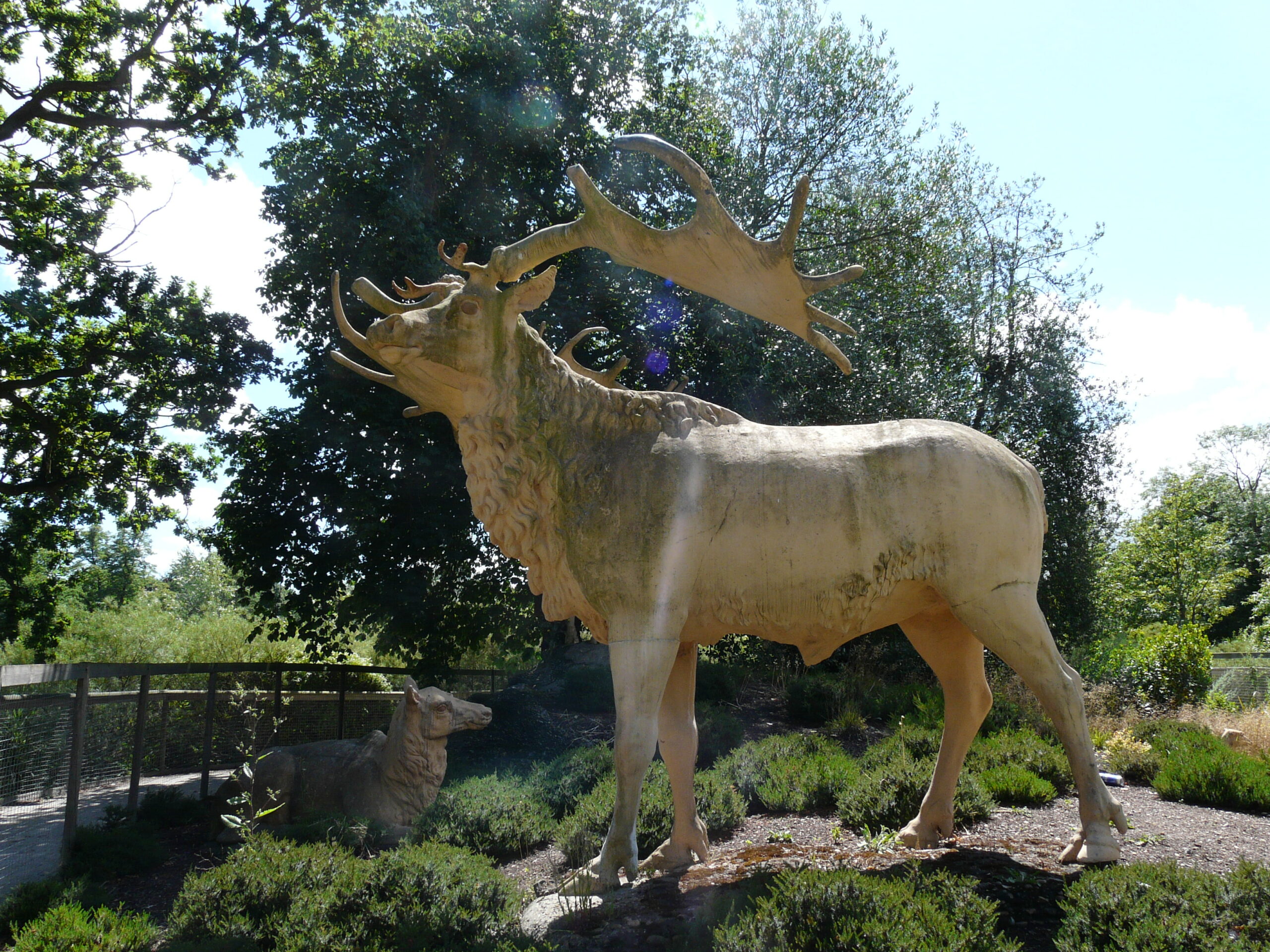
The existence of these five enormous prehistoric creatures challenges our perception of what life on Earth was capable of achieving. From the sky-dominating Argentavis to the whale-eating Livyatan melvillei, these giants remind us that our planet has hosted some truly extraordinary life forms. Their fossil remains provide windows into ancient worlds where size and power reached levels that seem almost mythical by today’s standards.
These prehistoric giants weren’t just larger versions of modern animals – they were highly specialized creatures perfectly adapted to their unique environments. Their extinction serves as both a testament to the dynamic nature of life on Earth and a reminder of the delicate balance required to support such magnificent creatures. As we continue to discover new species and learn more about these ancient giants, we gain a deeper appreciation for the incredible diversity of life that has existed on our planet.
The next time you see a large animal in the wild, remember that you’re looking at a survivor in a world that once supported creatures of truly staggering proportions. What other prehistoric giants might still be waiting to be discovered in the fossil record?