Most of us grew up picturing dinosaurs as lumbering, scale-covered giants – slow, cold-blooded, and brutish. Movies helped cement that image, of course. Rows of fearsome teeth, thunderous footsteps, and not much else. But honestly, the real story of dinosaur evolution is so much weirder, so much richer, and frankly so much more mind-blowing than Hollywood ever dared to show you.
What if you discovered that some dinosaurs had bat-like wings instead of feathered ones? Or that a hulking predator the size of a bus was basically the Mesozoic equivalent of a semi-aquatic crocodile? Dinosaur evolution didn’t play by the rules you think it did. So let’s dive into five species that will genuinely change the way you see prehistoric life.
Yi Qi: The Bat-Winged Dinosaur That Rewrote the Rules of Flight
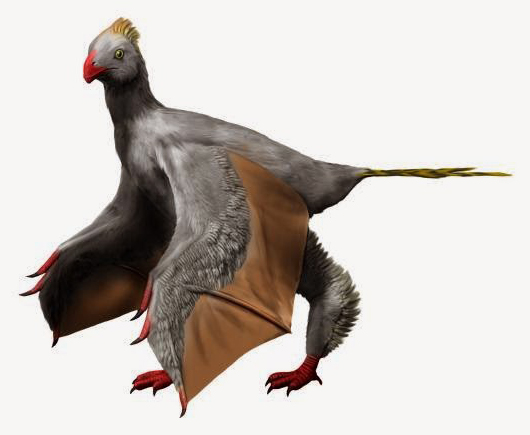
You’d be forgiven for thinking that the path from dinosaur to bird was a straight line. Feathers appeared, wings formed, and off they went. Simple, right? Wrong. Yi qi was a small, feathered dinosaur from China with membranous wings supported by a long rod-like bone extending from its wrist – and instead of feathered wings like a bird, it had bat-like structures that may have allowed it to glide. That’s not a bird. That’s not a bat. That’s evolution going completely rogue.
The extraordinary anatomy of Yi qi suggests that dinosaurs experimented with multiple forms of aerial locomotion. Rather than representing a direct ancestor of modern birds, Yi qi appears to be the result of a separate evolutionary pathway, one that may have been short-lived. Still, it highlights the astonishing diversity of flight-related adaptations during the Jurassic. Think of it like this: evolution was running multiple flight experiments at once, and Yi qi was one of the boldest prototypes – weird, daring, and ultimately a dead end. Its very name means “strange wing” in Chinese, which is perhaps the most accurate name ever given to a prehistoric creature.
Deinocheirus: The Monster That Baffled Scientists for Decades
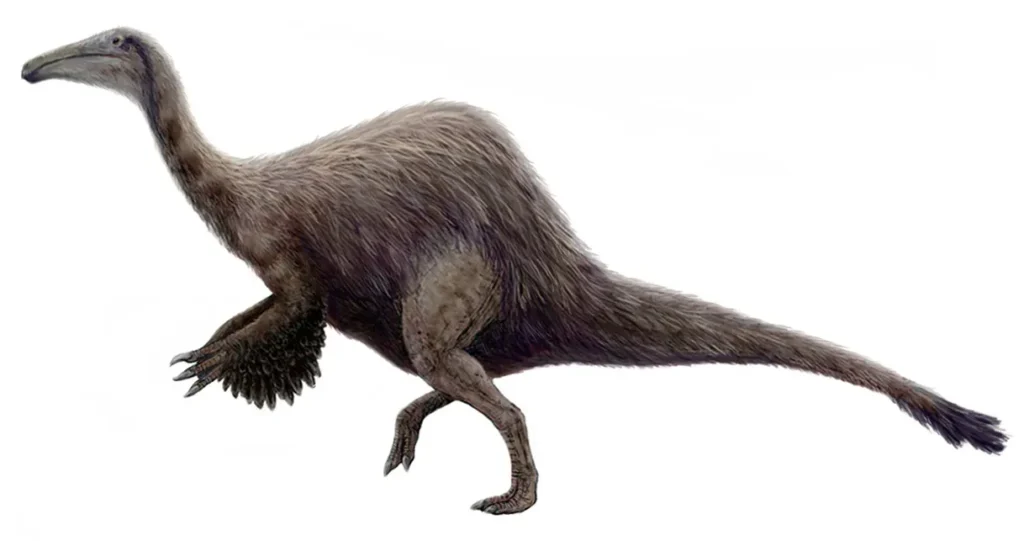
Here’s a story that sounds almost unbelievable. For decades, Deinocheirus was known only from a pair of massive arms over two meters long. When a complete specimen was finally found, the surprise was enormous: this dinosaur had a humped back, a duck-like bill, and long legs, and it likely fed on plants and fish in riverside habitats. Imagine working on a puzzle for fifty years with only two pieces, then finally seeing the full picture and realizing it looked nothing like you imagined.
It had a toothless, duck-like bill used to skim water for food, as well as two powerful arms for gathering food and stripping branches from trees. It grew to the size of a tyrannosaurus, and had a massive hump on its back to help its legs support its large body. About 1,400 rocks were found in the belly of one specimen, leading researchers to believe they used them to grind up food in their stomachs, similar to many modern birds. A giant, hump-backed, duck-billed dinosaur that swallowed rocks to help digest food. I know it sounds crazy, but that is a real animal that walked this Earth. Its mismatched features make it one of the oddest large dinosaurs ever discovered, and it remains the only known dinosaur with both a duck-like bill and a hump on its back.
Spinosaurus: The Apex Predator That Lived a Double Life
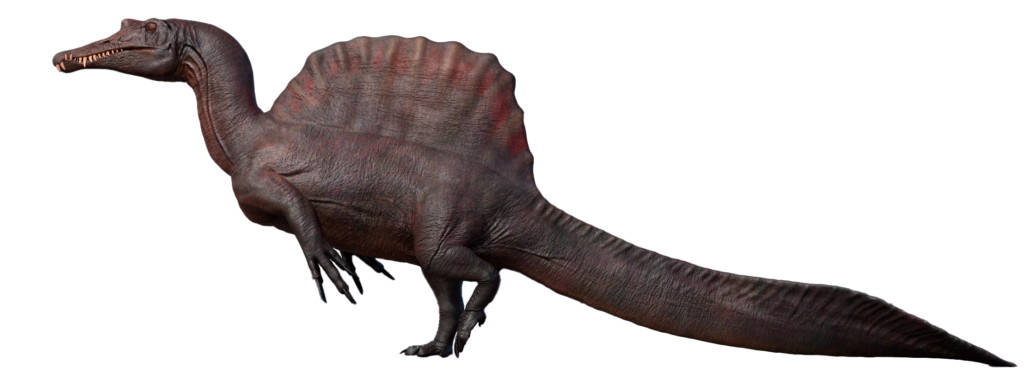
Let’s be real: most people think of dinosaurs as land creatures, full stop. Spinosaurus absolutely shattered that assumption. Spinosaurus, distinguished by its iconic sail-backed silhouette, is known to be the largest land carnivore ever discovered, surpassing even the Tyrannosaurus rex, and was three times longer than an African elephant. Native to Late Cretaceous North Africa, Spinosaurus exhibited unique adaptations for a semiaquatic lifestyle, featuring a long, narrow skull and conical teeth ideal for catching slippery prey.
The Spinosaurus, discovered in North Africa, displayed adaptations that indicate a semi-aquatic lifestyle – a first in dinosaur studies. New fossil evidence, including its unique tail, suggests a more complex picture of dinosaur habitats and versatility. That paddle-like tail wasn’t just for show. It was a propulsion tool, purpose-built for swimming. The more you look at Spinosaurus, the more you realize evolution wasn’t building a single-purpose machine here. The combination of aquatic and terrestrial adaptations highlights the remarkable evolutionary flexibility that allowed certain species to thrive in diverse environments and exploit a wide range of food sources. It’s the Mesozoic equivalent of an Olympic decathlete.
Nigersaurus: The Dinosaur With Over 500 Teeth
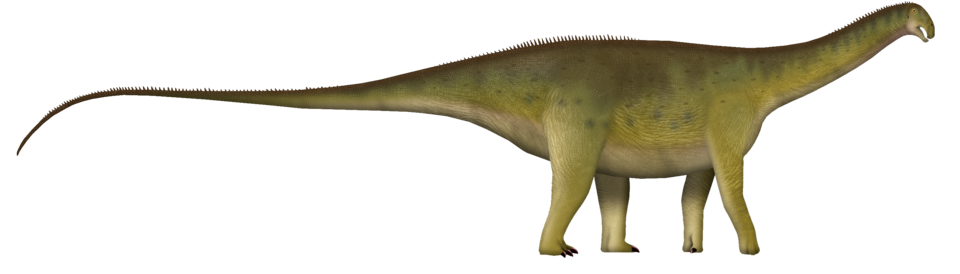
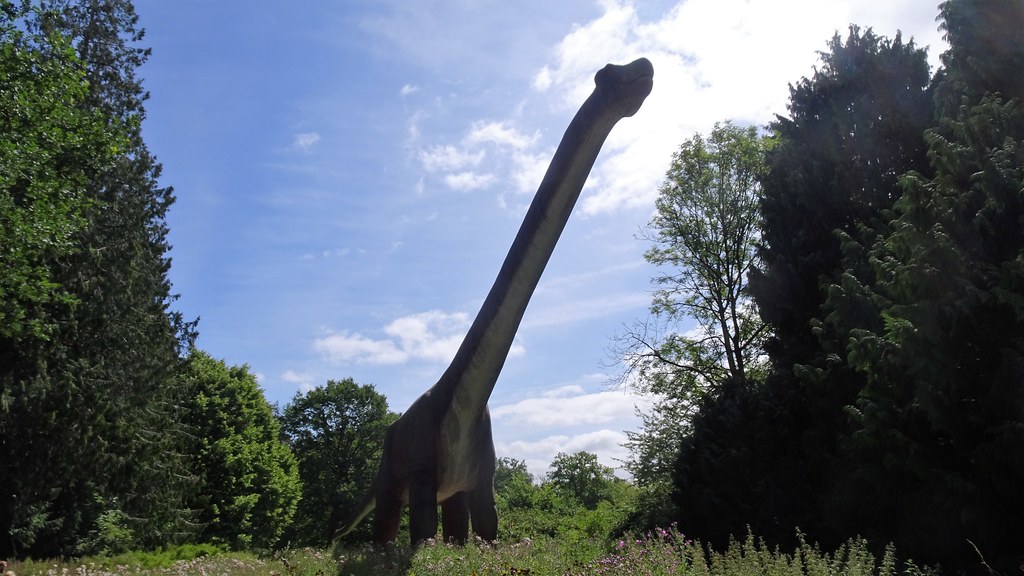
You’d think that a sauropod, one of those enormous, long-necked dinosaurs, would use its impressive neck height to browse the treetops. Nigersaurus thought differently. Nigersaurus, known as the “Mesozoic cow,” was a peculiar sauropod from the Middle Cretaceous in Niger. With a broad snout and over 500 active and replacement teeth, this dinosaur is famed for its grazing specialization, feeding close to the ground akin to modern cattle, and its body structure supported a head-down, ground-level feeding posture. It basically had a lawnmower for a face, and evolution designed it that way on purpose.
Its skull was unusually delicate and lightweight, with large fenestrae and a mouth packed with tightly arranged teeth. Scientists were genuinely baffled when they first studied it, because a skull this fragile seems almost incompatible with a creature this large. Unearthed from the Sahara Desert, Nigersaurus had more than 500 teeth adapted for sweeping up ground vegetation, and its unique skull and jaw mechanics continue to intrigue scientists wishing to understand niche dietary roles in prehistoric ecosystems. It’s a reminder that evolution doesn’t always choose the most obvious solution. Sometimes it chooses the most surprising one.
Alnashetri cerropoliciensis: The Tiny Two-Pound Dinosaur Rewriting Evolutionary History
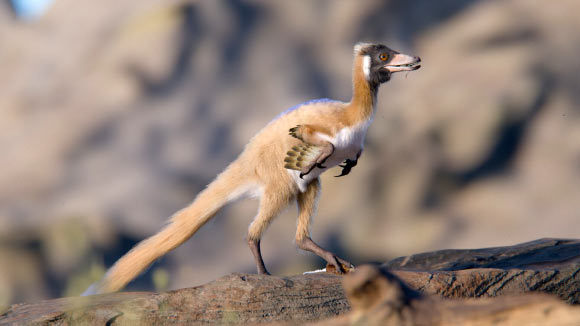
You might assume that evolution’s most dramatic experiments played out in the largest creatures. Massive horns, colossal bodies, enormous sail-backs. Size as a statement. But one of the most exciting discoveries to rock the paleontology world in 2026 involves a creature you could hold in your hands. The fossil of Alnashetri cerropoliciensis reveals that these animals became tiny before developing their later specialized features, such as stubby arms and ant-eating adaptations. That sequence flipped everything scientists thought they knew about how this group evolved.
Described in the peer-reviewed journal Nature, Alnashetri belonged to a peculiar group of bird-like theropods called alvarezsaurs, known for their tiny teeth and unusually short arms that end in a single enlarged thumb claw. Alnashetri itself weighed less than 2 pounds, making it one of the smallest dinosaurs ever discovered in South America. Yet its significance is enormous. The fossil is providing scientists with valuable insight into how this entire lineage of dinosaurs evolved, became smaller, and spread across ancient continents. Small in size, massive in impact. That might just be the best summary of what evolution can do when it decides to think small.
Conclusion: Evolution Never Stopped Experimenting
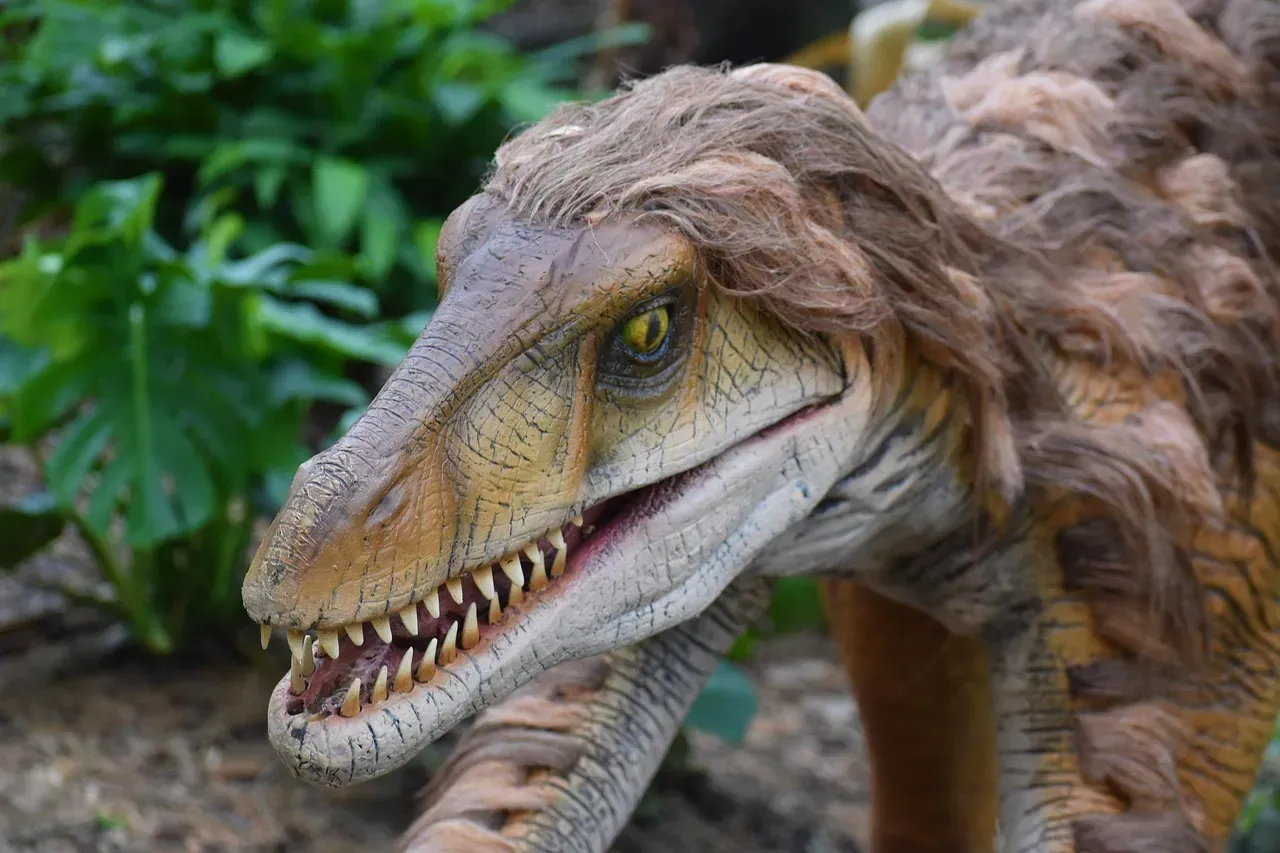
What these five species share isn’t a body shape or a diet or even a time period. What they share is the audacity of evolution itself. For 180 million years, dinosaurs reigned over every corner of the Earth’s surface. During this period, known as the Mesozoic Era, these prehistoric titans evolved to fit nearly every habitat and niche under the sun, resulting in some of the most amazing creatures to ever walk the Earth, with unique shapes and body types that would never be seen again.
From a bat-winged glider in Jurassic China to a two-pound evolutionary puzzle unearthed in Patagonia, these creatures prove one thing with stunning clarity: evolution doesn’t follow a neat plan. It experiments, backtracks, and sometimes produces something that looks like it came from a fever dream. As paleontologists and archaeologists continue to unearth new fossils and unravel the mysteries of these prehistoric beasts, our understanding of their remarkable survival strategies and specialized traits has grown exponentially. Every dig site is potentially another chapter in a story far stranger than fiction.
The next time you picture a dinosaur, try to resist the urge to imagine the usual suspects. The real prehistoric world was full of duck-billed giants, bat-winged gliders, and miniature evolutionary rebels that barely weighed as much as a bag of groceries. What dinosaur discovery surprises you the most? Drop your thoughts in the comments.