Ever walk through your local park and wonder what walked there millions of years ago? Maybe you’re picturing long-necked giants munching on ancient plants or razor-toothed hunters stalking prey across muddy plains. Here’s the thing though: North America wasn’t just some side stage in the age of dinosaurs. It was center stage for some of the most incredible prehistoric discoveries on the planet.
From coast to coast, fossils keep popping up in unexpected places. I mean, you’ve got bones turning up in national parks, riverbeds, and even during construction projects. These discoveries don’t just fill museum halls; they rewrite what scientists thought they knew about ancient life. Let’s dive into five of the most mind-blowing prehistoric creatures found right here .
The Oldest Known Dinosaur in North America
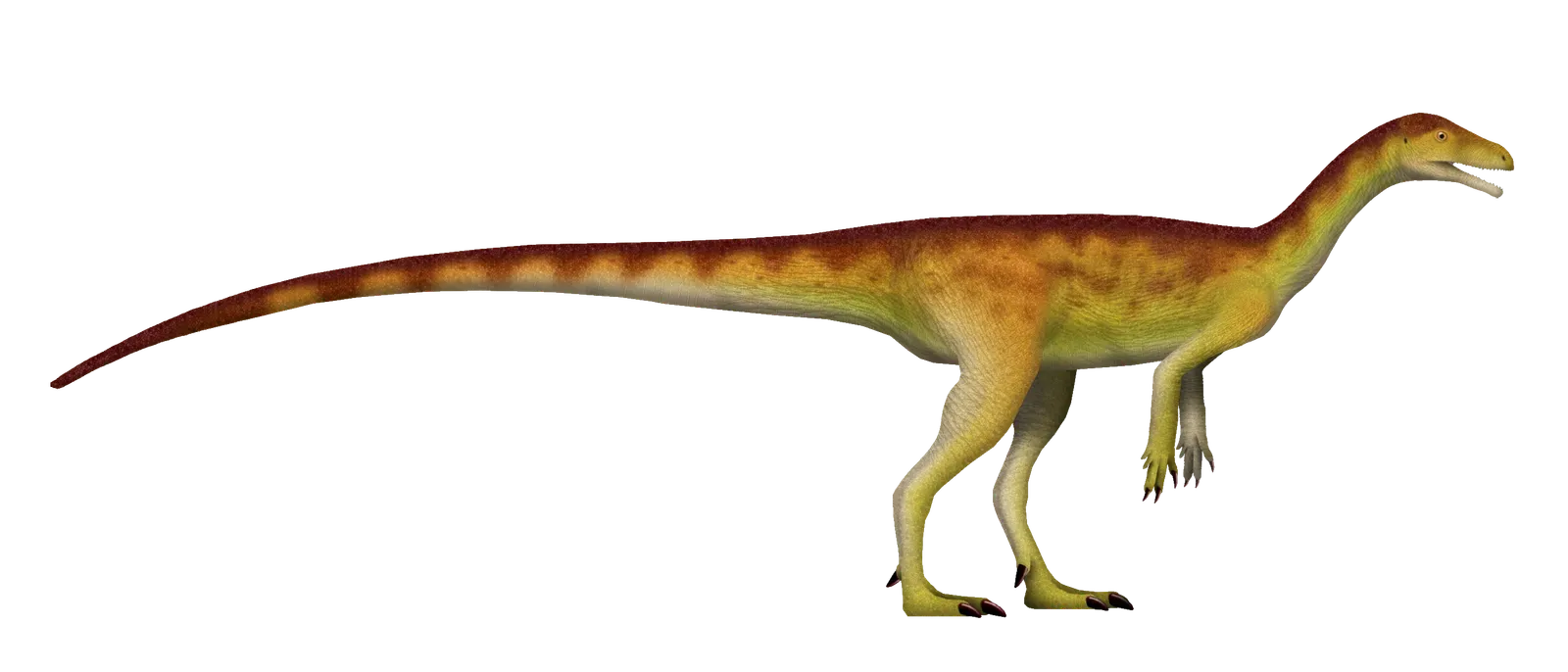
Roughly about 230 million years ago, a creature no bigger than a chicken roamed what is now Wyoming, and it turned out to be the oldest known dinosaur ever discovered in North America. Named Ahvaytum bahndooiveche, this little raptor is comparable in age to the earliest known dinosaurs from the southern supercontinent Gondwana.
What makes this find so shocking? For decades, paleontologists believed it took up to ten million years for dinosaurs to spread from the southern half of the ancient supercontinent Pangaea to the northern half called Laurasia. This tiny fossil basically flipped that timeline on its head. The discovery also represents the first dinosaur species named in the language of the Eastern Shoshone Tribe, whose ancestral lands include the site where the fossils were found. It’s hard to say for sure, but this discovery might mean dinosaurs conquered the planet way faster than anyone imagined.
A Bizarre Sea Monster That Crushed Shells
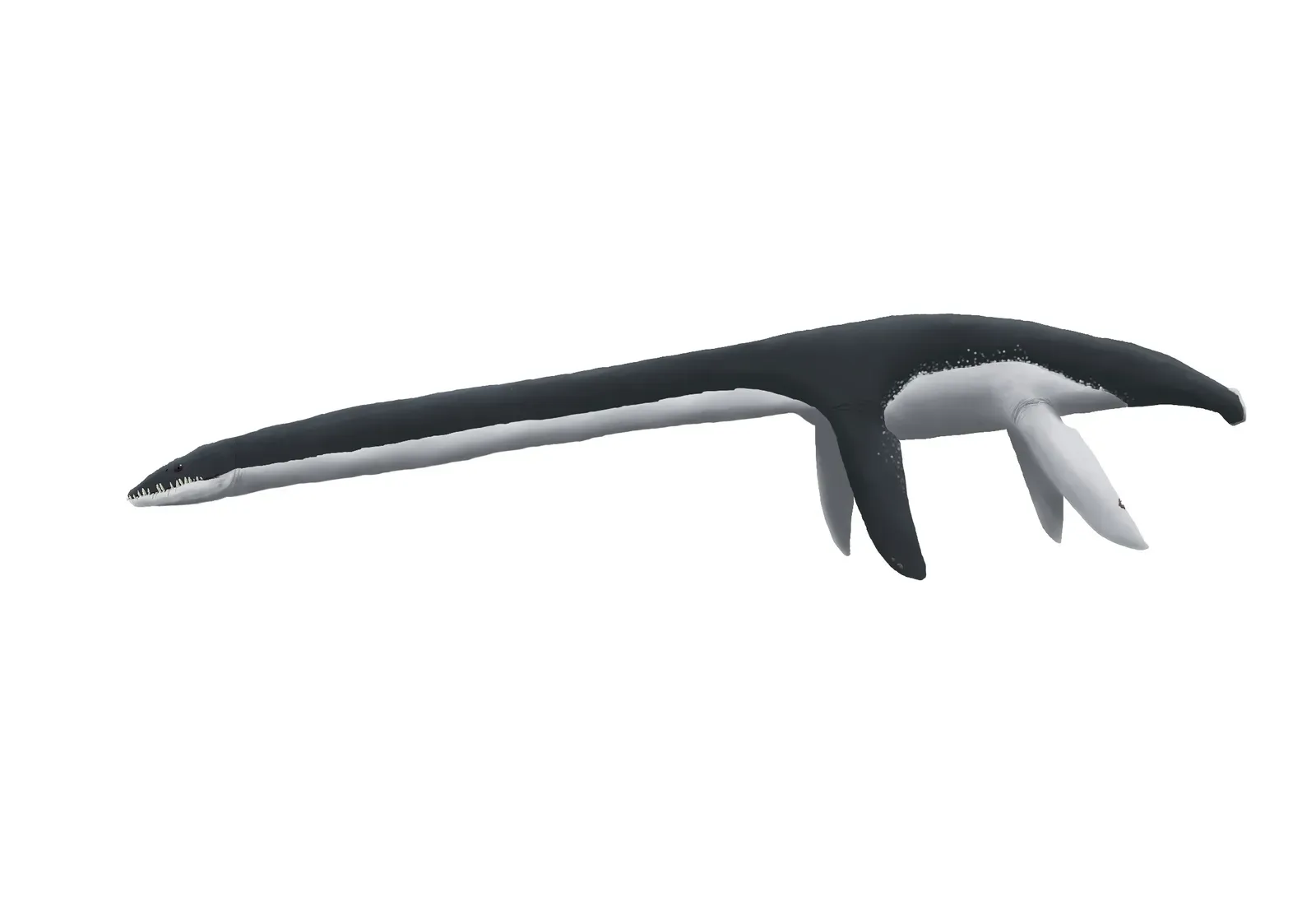
A prehistoric sea monster that hunted prey in North America around 85 million years ago was revealed from fossils found decades ago along the Puntledge River on Vancouver Island. The creature, formally identified as Traskasaura sandrae, was a very odd new genus of long-necked sea reptile that measured roughly about 39 feet and had heavy, sharp teeth ideal for crushing ammonite shells.
Picture this massive beast gliding through ancient oceans, its powerful jaws crunching down on hard-shelled prey like a prehistoric nutcracker. The fossils are so famous that Traskasaura sandrae was declared the Provincial Fossil of British Columbia in 2023. What strikes me most is how these bones sat in collections for years before scientists figured out they belonged to an entirely new creature. Sometimes the biggest discoveries are hiding in plain sight, waiting for someone to look closer.
North America’s Oldest Known Pterosaur
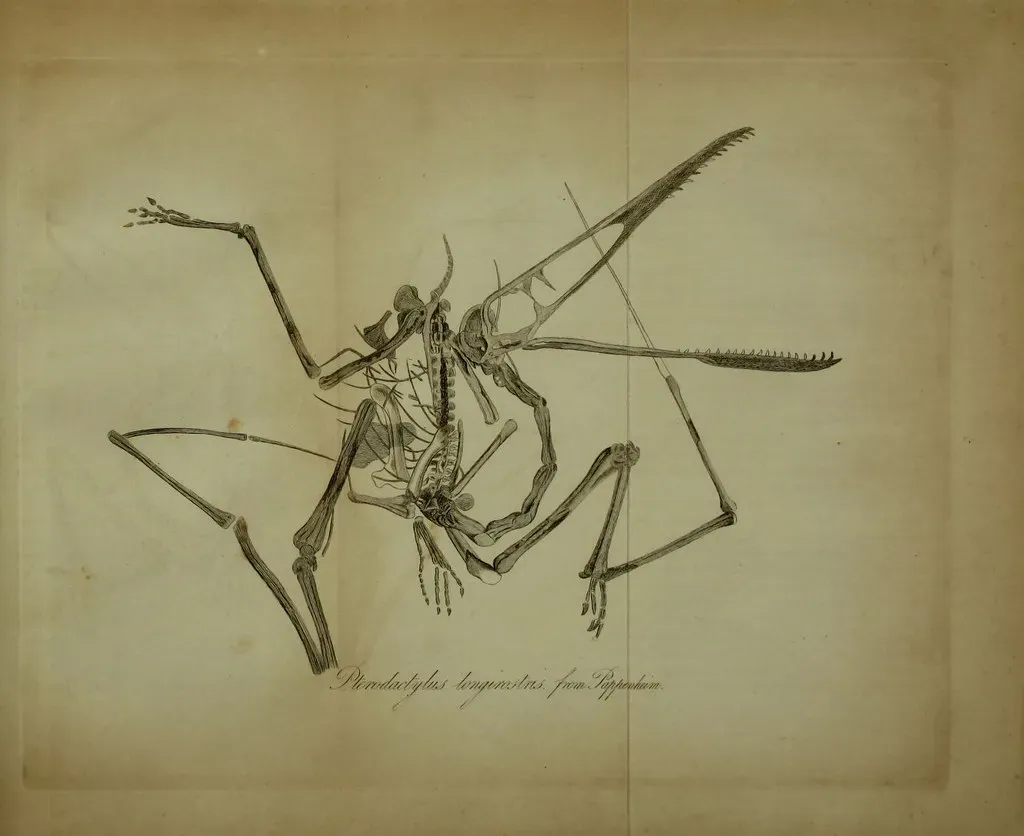
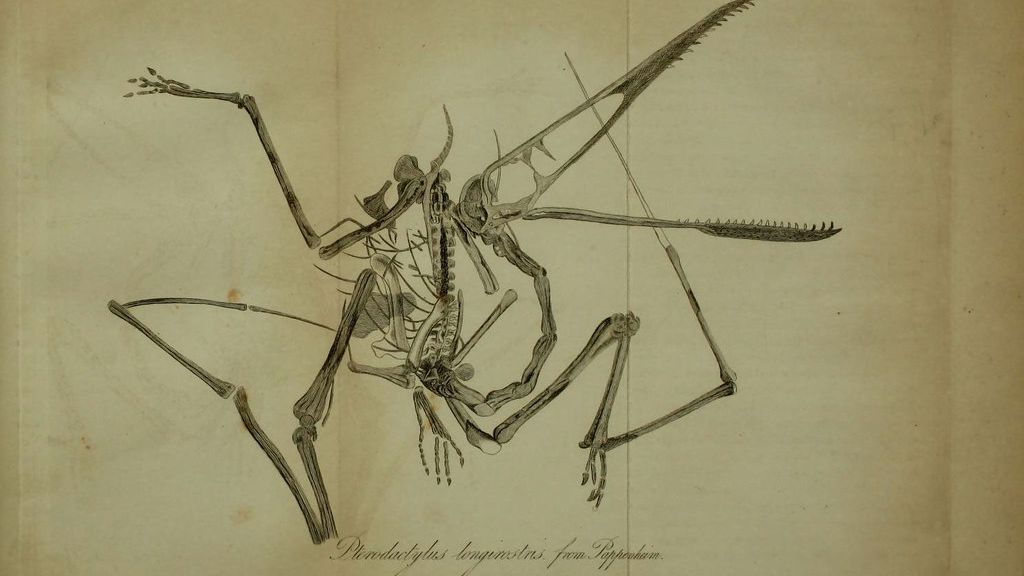
A Smithsonian-led team of researchers discovered North America’s oldest known pterosaur, the winged reptiles that lived alongside dinosaurs and were the first vertebrates to evolve powered flight. This discovery came from northeastern Arizona, which was positioned in the middle of Pangaea and sat just above the equator roughly 209 million years ago in a semi-arid environment crisscrossed by small river channels.
Let’s be real: flying reptiles are already cool enough. The excavation team uncovered more than 1,200 individual fossils at the site, including bones, teeth, fish scales and fossilized poop, revealing an assemblage containing 16 different groups of vertebrate animals. The braided rivers were filled with fish like freshwater sharks and coelacanths, while the surrounding environment was home to fearsome reptiles including armored herbivores and toothy predators that resembled giant crocodiles. It’s like finding an entire lost world preserved in rock.
The Mosasaur That Made History
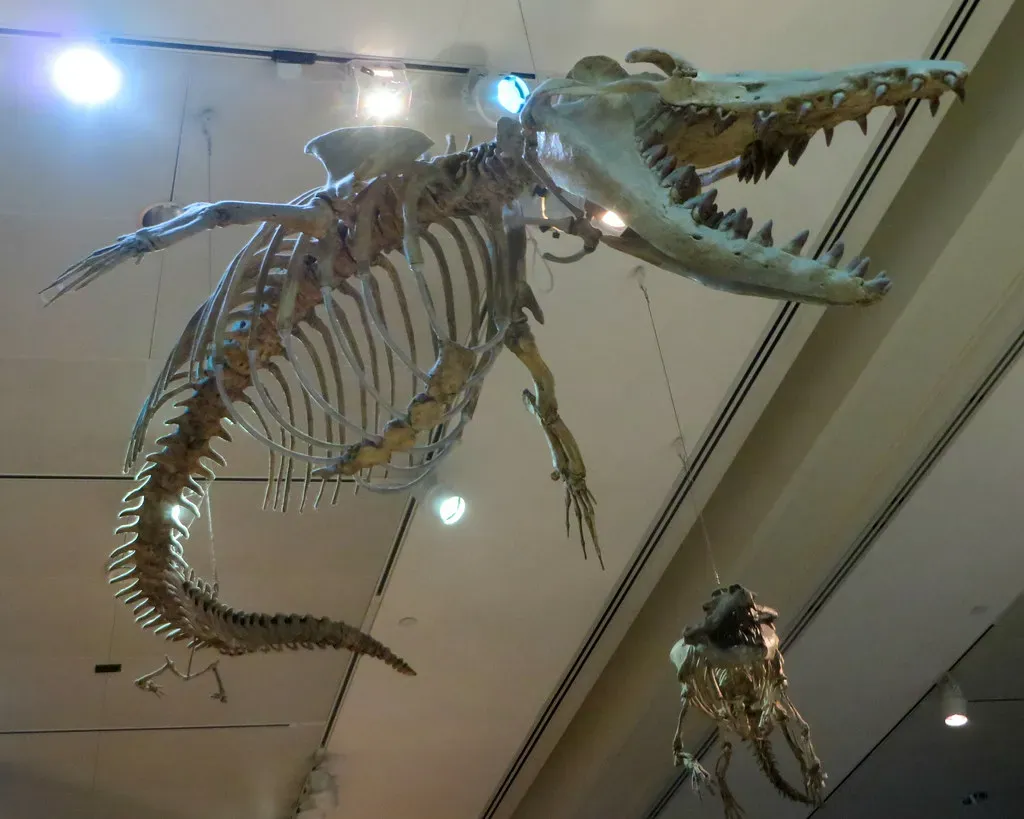
Mosasaur fossils found in the Boquillas Formation at Big Bend National Park in Texas represented the oldest occurrence of mosasaurs in North America. These weren’t just any marine reptiles; mosasaurs were the absolute apex predators of their time, ruling the seas when much of North America was underwater.
During the Cretaceous period, the Big Bend region was covered by a warm, shallow sea that divided North America from the Gulf of Mexico to the Arctic Ocean. This sea supported a magnificent assemblage of marine organisms including the mighty mosasaur and the monstrous fish Xiphactinus, alongside ammonites, turtles, sharks, sea urchins, oysters, and snails. Honestly, swimming in those ancient waters would’ve been terrifying. These creatures were built like underwater missiles with teeth.
Ice Age Giants That Walked Among Humans
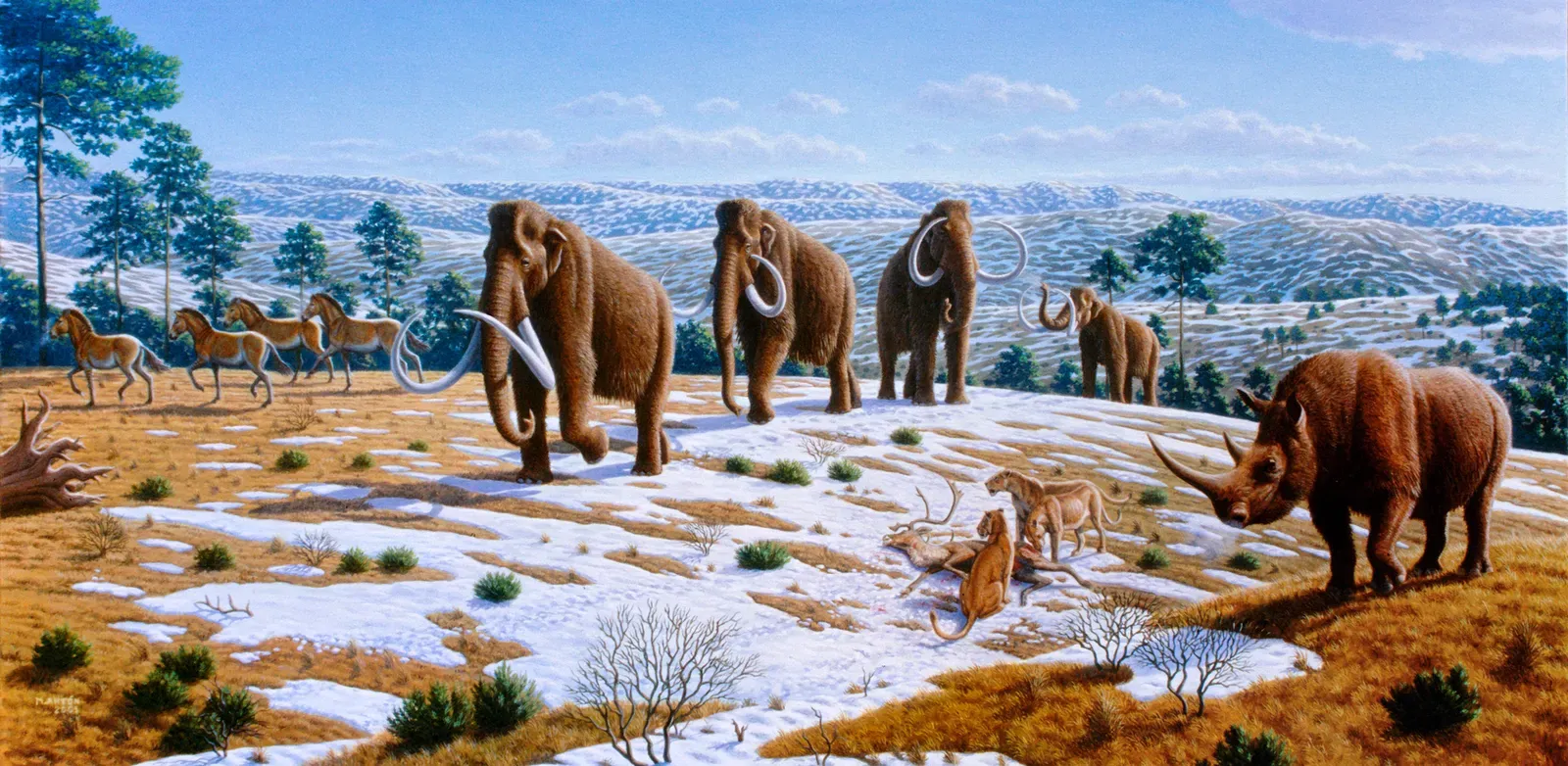
Until the end of the last ice age, American cheetahs, enormous armadillo-like creatures called Glyptodon, and giant sloths called North America home before going extinct roughly about ten thousand years ago. Recent findings hint at a remarkably different life for early Americans, suggesting humans were existing alongside these enormous beasts for at least ten thousand years without making them go extinct.
Glyptodon looked like a supersize version of the armadillo, protecting itself with a shell made of bony plates, and the one-ton creature likely traveled to North America from South America via the Isthmus of Panama. Imagine encountering a car-sized armored tank munching grass in what’s now Florida. Fossil tracks at White Sands National Park preserve moments showing a giant ground sloth stopping, rearing up on hind legs, and shuffling around after encountering human footprints. That’s an encounter I wouldn’t want to witness up close!
Conclusion
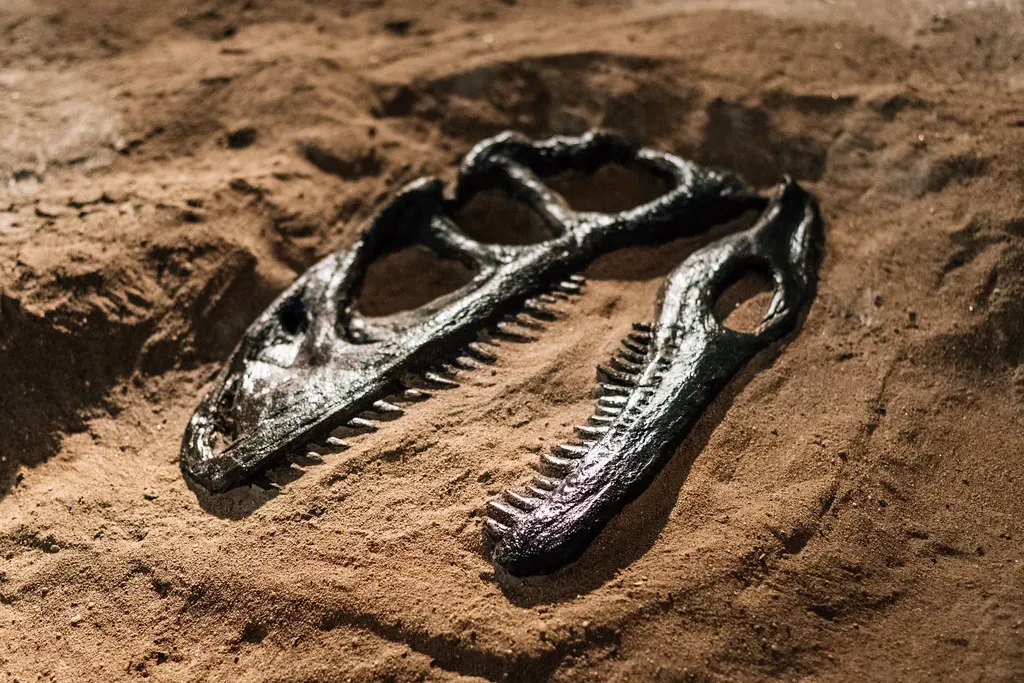
These five prehistoric creatures barely scratch the surface of what’s been unearthed across North America. From tiny chicken-sized raptors to massive sea monsters and ice age behemoths, the fossil record keeps revealing surprises. Each discovery adds another piece to the puzzle of our planet’s ancient past.
The most exciting part? Scientists keep finding new fossils in places people visit every day. That rock formation you drove past last summer might be hiding the next groundbreaking discovery. Next time you’re hiking through a national park or exploring a canyon, remember that you’re walking through millions of years of history. What do you think lived in your backyard millions of years ago?