The study of paleontology has always been a fascinating journey into Earth’s distant past, but some fossil discoveries transcend ordinary preservation. While most fossils consist only of mineralized bones or imprints, a rare few contain extraordinary details of soft tissues that normally decompose rapidly after death. These exceptional specimens provide unprecedented windows into ancient anatomy, offering scientists insights that would otherwise be lost to time forever. The discovery of skin, internal organs, and other soft tissues in fossils represents the pinnacle of paleontological preservation, allowing researchers to understand extinct creatures in remarkable detail. From dinosaurs with their skin intact to mammals with preserved stomach contents, these rare specimens challenge our understanding of fossilization processes and revolutionize our knowledge of prehistoric life.
The Science Behind Exceptional Preservation
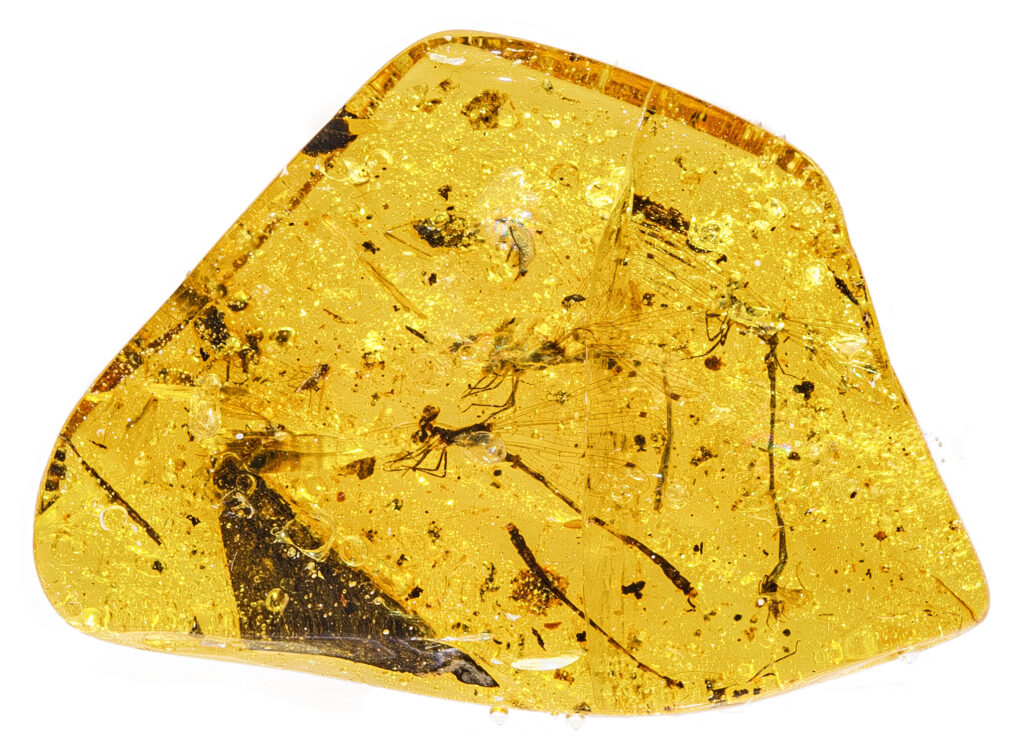
For soft tissues to become fossilized, a perfect storm of environmental conditions must occur immediately following an organism’s death. The most crucial factor is the rapid removal of oxygen, which prevents bacterial decomposition that would otherwise destroy delicate tissues within days or even hours. This typically occurs when an animal is quickly buried in fine sediment, submerged in anoxic water, or preserved in substances such as amber or tar. Mineralization must then occur swiftly, with minerals replacing organic material at a cellular level before degradation can take place. Sometimes, original organic compounds are preserved through chemical processes that convert them into more stable forms. Temperature also plays a vital role, as cooler environments slow decomposition and give mineralization processes more time to occur. These remarkable preservation conditions are exceedingly rare in nature, which explains why soft-tissue fossils represent only a tiny fraction of the fossil record.
Dakota: The Mummified Hadrosaur
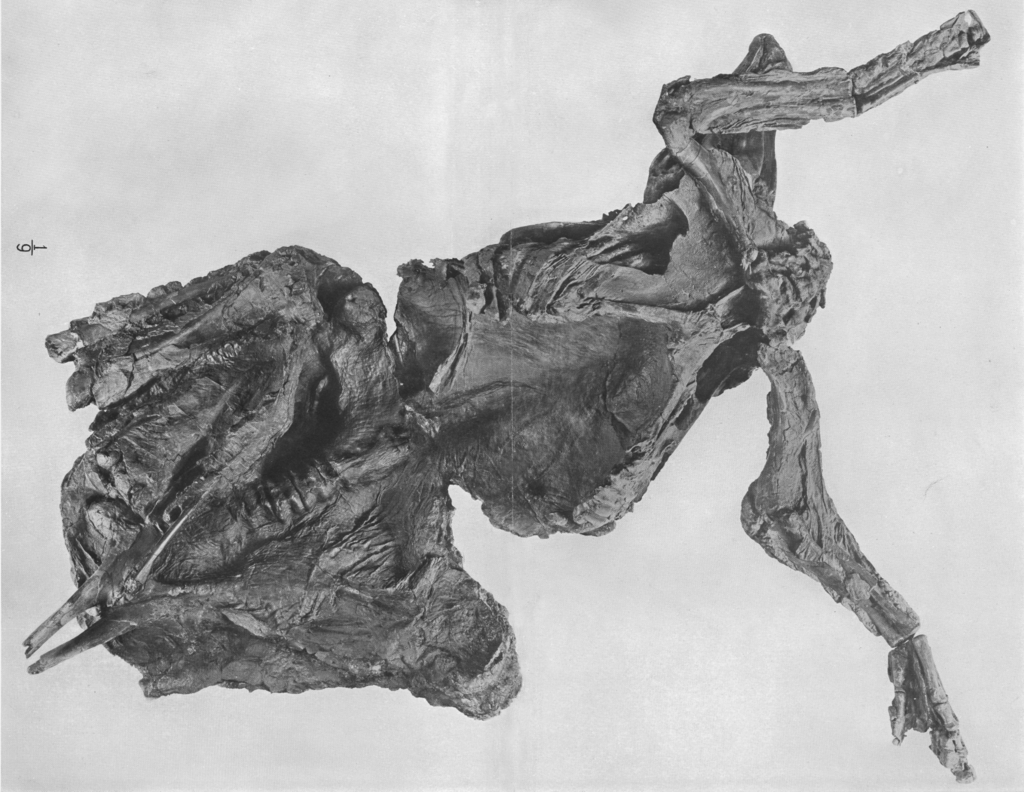
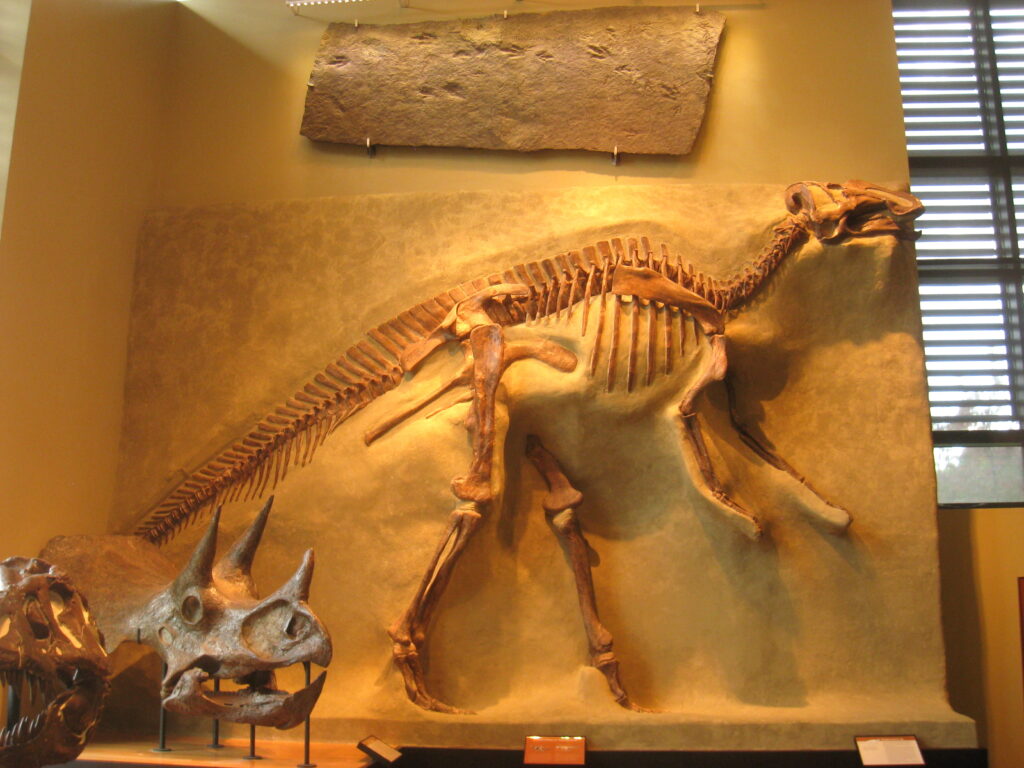
Discovered in North Dakota in 1999, the fossil nicknamed “Dakota” represents one of the most spectacular dinosaur mummies ever found. This Edmontosaurus, a duck-billed hadrosaur from the Late Cretaceous period, approximately 67 million years ago, preserved not just bones but extensive skin impressions covering much of its body. The fossilization was so exceptional that scientists could observe the texture and pattern of the skin, revealing that this dinosaur had much tougher, more scaly skin than previously thought. Most remarkably, the preservation extended to muscles and other soft tissues, with CT scans showing that the right forearm and hand were about 25% larger than previously estimated based on skeletal remains alone. This discovery fundamentally changed scientists’ understanding of hadrosaur anatomy, suggesting these dinosaurs were more muscular and potentially faster than earlier reconstructions indicated. Dakota’s exceptional preservation resulted from rapid burial in a waterlogged environment that created ideal conditions for mineralization before decomposition could destroy the soft tissues.
The Preserved Heart of a Nodosaur

In 2011, miners in Alberta, Canada, made one of the most spectacular fossil discoveries in history: an armored nodosaur so well preserved it barely looked like a fossil at all. This 110-million-year-old dinosaur, later classified as Borealopelta markmitchelli, stunned scientists with its three-dimensional preservation, including not just intact skin but also armor plates in their original positions. What truly set this specimen apart, however, was the discovery of preserved internal organs, including what researchers identified as the remains of its heart and stomach contents. Using advanced scanning techniques, paleontologists were able to identify the actual cardiac tissue, making this the first dinosaur with a preserved heart. Analysis of the stomach contents revealed the nodosaur’s last meal, consisting mainly of ferns, cycads, and other plants, providing direct evidence of its herbivorous diet. The extraordinary preservation occurred because the dinosaur was swept out to sea by a flood, sinking rapidly to an oxygen-poor environment where bacteria couldn’t decompose the tissues before mineralization began.
Psittacosaurus: The Dinosaur with Preserved Cloaca

A specimen of Psittacosaurus, a small horned dinosaur from the Early Cretaceous period, approximately 120 million years ago, made headlines in 2021 when researchers identified the first preserved dinosaur cloaca. The cloaca is the multipurpose opening used for excretion and reproduction in many vertebrates, including modern birds and reptiles. This particular fossil, discovered in China’s Liaoning Province, features exceptionally preserved skin impressions covering much of its body, including the previously unidentified cloacal region. Scientists were able to study the structure and morphology of this sensitive tissue in unprecedented detail, noting similarities to the cloacae of modern crocodilians but with unique features specific to this dinosaur species. The preservation was so detailed that researchers could identify different types of scales across the body and even preserved evidence of pigmentation patterns. This remarkable specimen has provided invaluable insights into dinosaur physiology and reproductive biology that would be impossible to determine from skeletal remains alone.
The Perfectly Preserved Baby Mammoth

In 2007, a gold miner in Siberia discovered what many consider the best-preserved mammoth specimen ever found: a female calf nicknamed “Lyuba” who died approximately 42,000 years ago. Unlike fossilized remains, Lyuba represents an actual mummification, with skin, flesh, and organs preserved through freezing in the permafrost. Her body was so intact that scientists found her stomach and intestines still contained her mother’s milk and the fecal matter produced by intestinal bacteria that help digestion. Perhaps most remarkably, researchers discovered evidence of the bacteria that would have helped baby mammoths digest their food, providing unprecedented insights into mammoth biology. CT scans revealed intact internal organs, including her heart, liver, and lungs, while her trunk and ears remained perfectly preserved. The exceptional preservation occurred because Lyuba drowned in mud, which sealed her body from oxygen, while the cold Siberian temperatures rapidly froze her remains before significant decomposition could occur.
The Ichthyosaur with Preserved Skin and Blubber
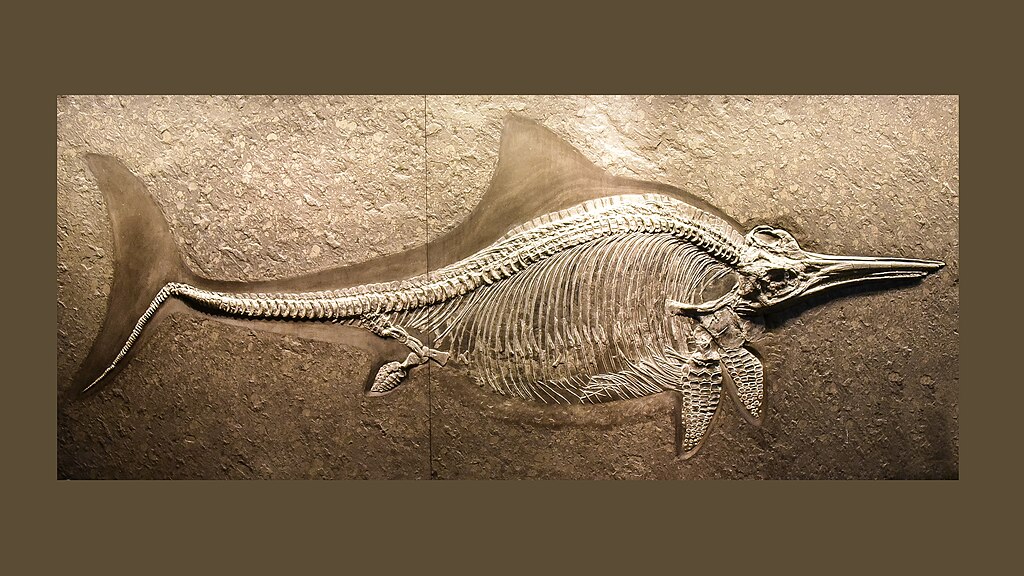
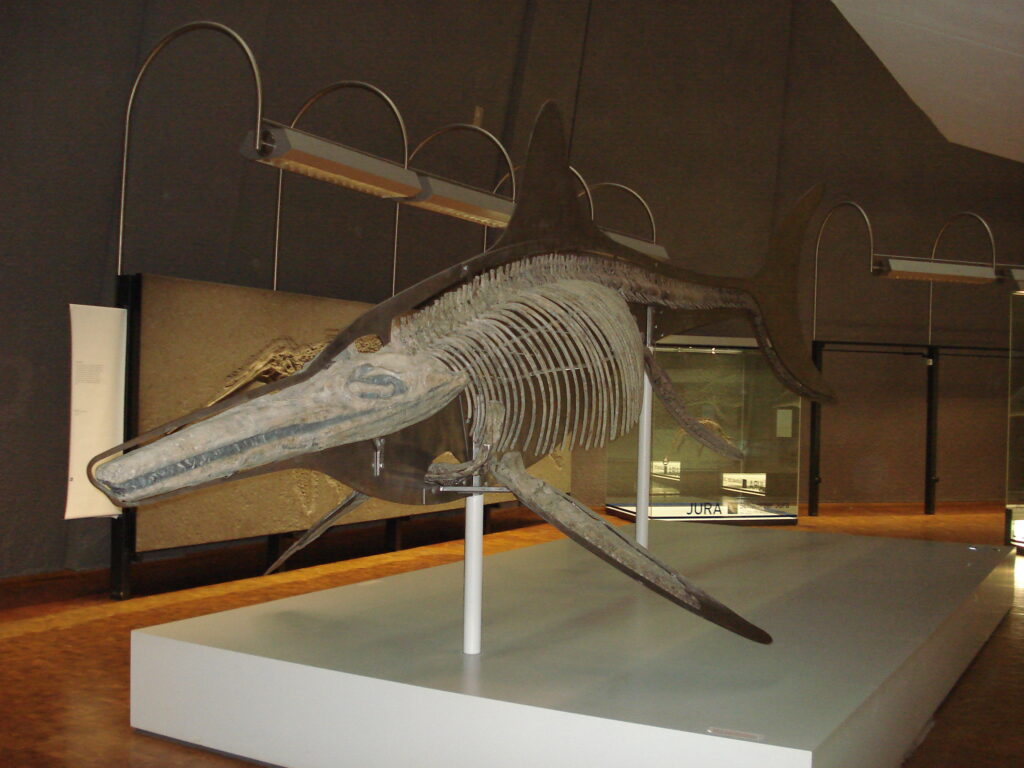
In 2018, researchers examining an ichthyosaur fossil from Germany’s Posidonia Shale formation made a groundbreaking discovery: preserved skin containing evidence of blubber. This 180-million-year-old marine reptile, which resembled modern dolphins despite being unrelated, had skin preservation so exceptional that scientists could analyze its cellular structure. The research team identified preserved melanosomes, the cellular structures containing pigment, suggesting this particular ichthyosaur had dark skin on its dorsal surface – a countershading pattern similar to many modern marine animals. Most significantly, chemical analysis confirmed the presence of lipids consistent with blubber, a specialized fat layer that helps maintain body temperature in marine mammals. This discovery provided definitive evidence that ichthyosaurs were warm-blooded, ending decades of scientific debate about their metabolism. The exceptional preservation occurred in an ancient seabed with anoxic bottom waters, where the absence of oxygen prevented bacterial decomposition long enough for mineralization to preserve these delicate tissues.
The Revolutionary Implications for Evolutionary Biology
The discovery of soft tissues in fossils has fundamentally transformed our understanding of evolutionary relationships between ancient and modern species. When scientists can analyze preserved proteins, pigments, and cellular structures rather than just bones, they gain unprecedented insights into biochemistry and physiology that bridge evolutionary gaps. For instance, the discovery of preserved collagen proteins in dinosaur fossils has strengthened the evolutionary connection between dinosaurs and birds, as these proteins show remarkable similarities to those found in modern avian species. Preserved melanosomes in fossilized feathers and skin have allowed researchers to determine the actual colors of extinct animals, revolutionizing paleoart and our visual understanding of prehistoric creatures. Perhaps most significantly, the discovery of preserved blood vessels and cellular structures has opened the door to the potential extraction of ancient DNA fragments, though this remains extraordinarily difficult with specimens older than a million years. Each exceptional fossil with preserved soft tissue provides a direct window into evolutionary adaptations that skeletal remains alone could never reveal.
The Burgess Shale: Soft-Bodied Preservation on a Massive Scale
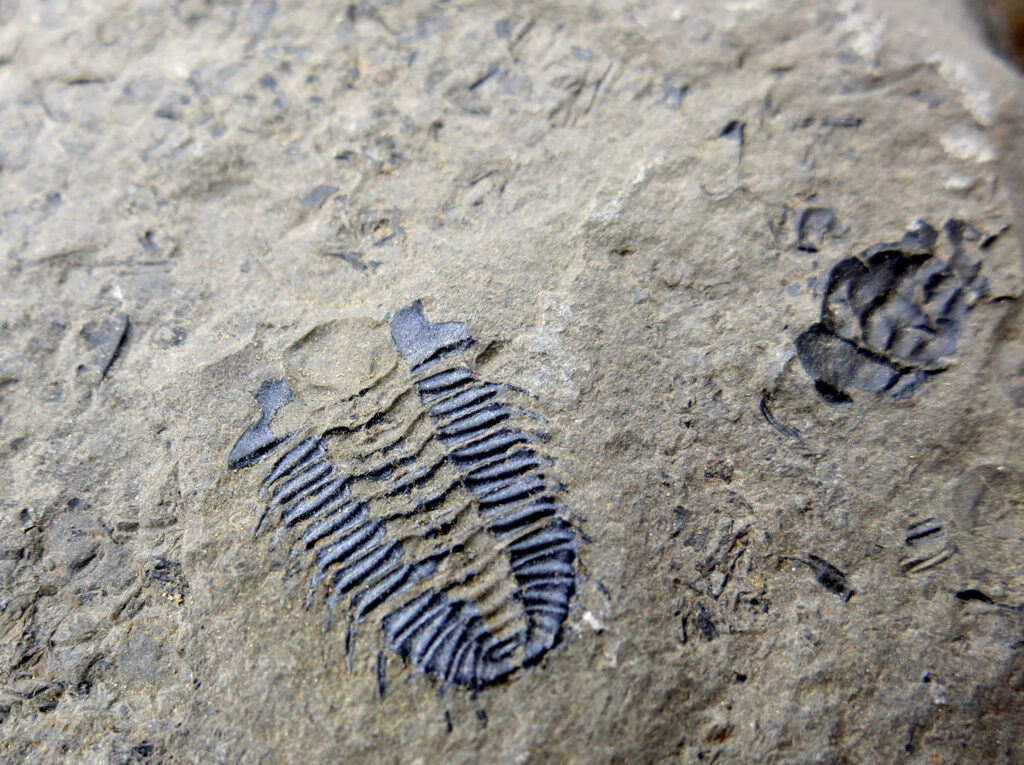
While individual specimens with preserved soft tissues are remarkable, the Burgess Shale formation in British Columbia represents an entire ecosystem preserved with soft-body details intact. Dating back approximately 508 million years to the middle Cambrian period, this UNESCO World Heritage site contains thousands of specimens preserving not just mineralized shells but also the soft bodies of creatures that would normally leave no fossil record at all. The preservation is so exceptional that scientists can identify muscles, digestive systems, nervous tissues, and even the last meal in the guts of these ancient arthropods, worms, and other invertebrates. This unprecedented preservation occurred when mud flows rapidly buried these marine communities, creating an oxygen-free environment that prevented decomposition. The fine-grained sediment captured impressions of even the most delicate structures before mineralization could occur. The Burgess Shale has fundamentally altered our understanding of early animal evolution, revealing a “Cambrian Explosion” of biodiversity far more complex than previously imagined based solely on hard-part fossils.
Challenges in Analyzing Preserved Soft Tissues
Despite their incredible scientific value, fossils with preserved soft tissues present unique analytical challenges that require cutting-edge technology and interdisciplinary approaches. The first major hurdle is distinguishing actual preserved biological material from mineral replacements or contamination, which requires sophisticated chemical analysis techniques like mass spectrometry and immunohistochemistry. Even when soft tissues are confirmed, their chemical composition has typically been altered through diagenesis, the process by which original biological compounds transform into more stable forms during fossilization. Scientists must also contend with potential contamination from modern bacteria, fungi, or human handling, which can introduce misleading signals into sensitive analyses. When extracting biochemical information, researchers must use non-destructive or minimally invasive techniques to preserve these irreplaceable specimens, often developing new methodologies specifically for paleontological applications. These challenges necessitate collaboration between paleontologists, chemists, physicists, and computer scientists, making soft-tissue fossil analysis one of the most technologically sophisticated areas of modern paleontology.
Controversial Claims of Dinosaur Soft Tissue
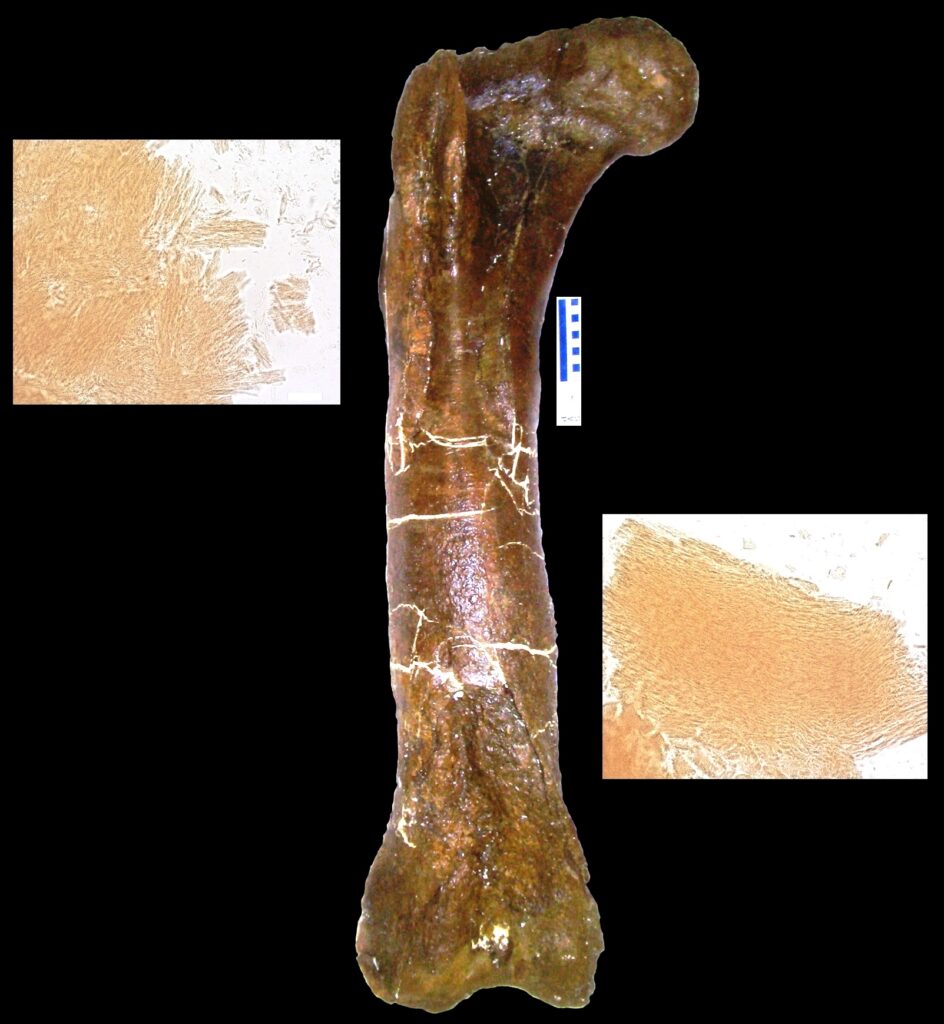
In 2005, paleontologist Mary Schweitzer reported finding what appeared to be preserved blood vessels, cells, and protein fragments in a 68-million-year-old Tyrannosaurus rex femur, igniting one of the most heated debates in modern paleontology. The discovery challenged fundamental assumptions about fossilization, as organic materials were thought to completely degrade within a million years at most. Skeptics initially suggested the material represented modern bacterial contamination or biofilms rather than actual dinosaur tissue. However, subsequent research has strengthened Schweitzer’s claims, with multiple laboratories confirming the presence of collagen proteins with amino acid sequences consistent with what would be expected in dinosaur tissues rather than bacterial contaminants. The debate has driven significant methodological advances as researchers develop increasingly sophisticated techniques to authenticate ancient biomolecules. Current hypotheses suggest that iron from hemoglobin may play a critical role in preserving these tissues by forming cross-links that stabilize proteins against degradation. While controversy continues, these findings have forced paleontologists to reconsider the potential longevity of biological materials under specific preservation conditions.
The Role of Modern Technology in Revealing Ancient Secrets

Technological advances have revolutionized the study of fossils with preserved soft tissues, allowing scientists to extract information that would have been impossible to obtain even a decade ago. Synchrotron radiation X-ray tomographic microscopy can now reveal three-dimensional internal structures without damaging precious specimens, producing images with a resolution fine enough to identify individual cells in some cases. Mass spectrometry techniques have become sensitive enough to detect protein fragments that are millions of years old, while immunological methods can confirm their biological origin. Scanning electron microscopy allows researchers to examine the ultrastructure of preserved tissues down to the nanometer scale, revealing details about cellular organization invisible to other methods. Perhaps most excitingly, machine learning algorithms can now enhance degraded chemical signals from ancient tissues, helping to reconstruct the original biochemical signatures that have been partially obscured by millions of years of diagenetic alteration. These technological advances continue to accelerate, with each new generation of instruments pushing back the boundaries of what we can learn from these exceptional fossils.
Future Frontiers in Soft Tissue Paleontology
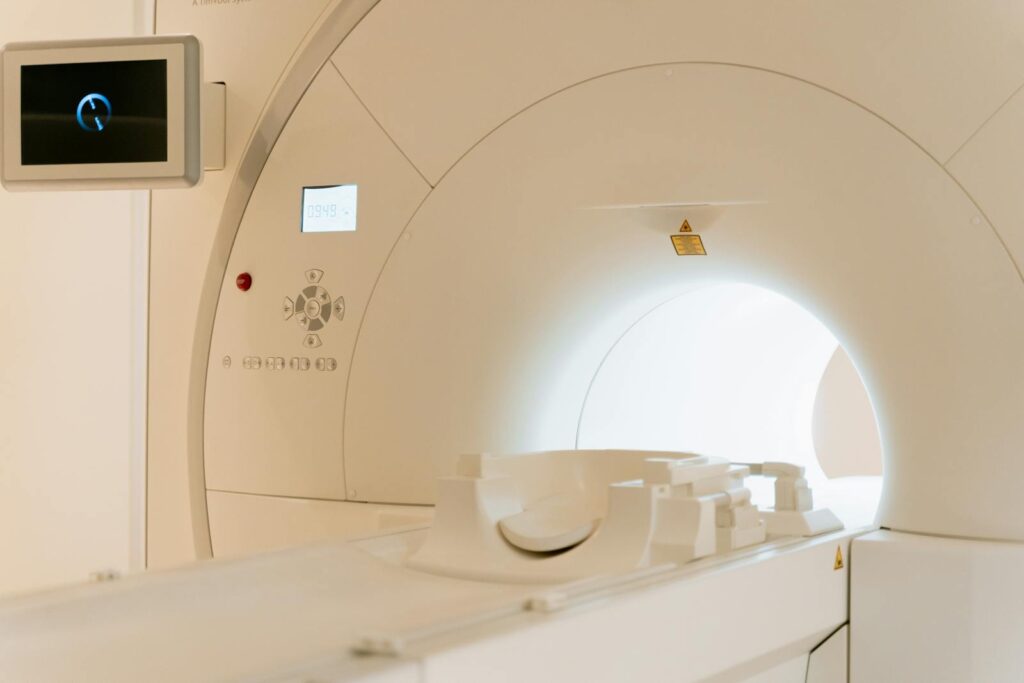
The field of soft tissue paleontology stands at the threshold of potentially revolutionary discoveries that may redefine our understanding of extinct life. One of the most promising frontiers involves developing new chemical techniques to identify and authenticate ancient proteins and potentially even fragments of DNA from increasingly older specimens. Researchers are currently exploring methods to extract and analyze ancient lipids, which may preserve longer than proteins and could provide insights into metabolism and environmental adaptations. Advanced imaging technologies are being developed specifically for paleontological applications, with next-generation CT scanners capable of visualizing internal structures at unprecedented resolution. Perhaps most excitingly, artificial intelligence and machine learning hold tremendous promise for identifying patterns in preserved soft tissues that human observers might miss, potentially revealing new biological structures or evolutionary relationships. As these techniques continue to advance, paleontologists anticipate discovering soft tissue preservation in fossil deposits previously thought to contain only bones, potentially uncovering hidden soft tissue evidence hiding in plain sight in museum collections worldwide.
Conclusion: Windows into Lost Worlds
The exceptional fossils that preserve skin, organs, and other soft tissues represent far more than scientific curiosities—they are irreplaceable windows into lost worlds that transform our understanding of prehistoric life. Each of these remarkable specimens challenges long-held assumptions about fossilization processes while providing unprecedented glimpses into the actual appearance, physiology, and biology of creatures that disappeared millions of years ago. From the mummified dinosaurs of North America to the perfectly preserved invertebrates of the Burgess Shale, these fossils bridge the gap between skeletal remains and living organisms, allowing scientists to reconstruct ancient ecosystems with unprecedented accuracy. As technology continues to advance, our ability to extract information from these exceptional specimens will only grow, promising new revelations about evolution, extinction, and the remarkable diversity of life that has inhabited our planet throughout its long history. In these extraordinarily preserved tissues, separated from us by unfathomable gulfs of time, we find our most direct connection to Earth’s ancient past.