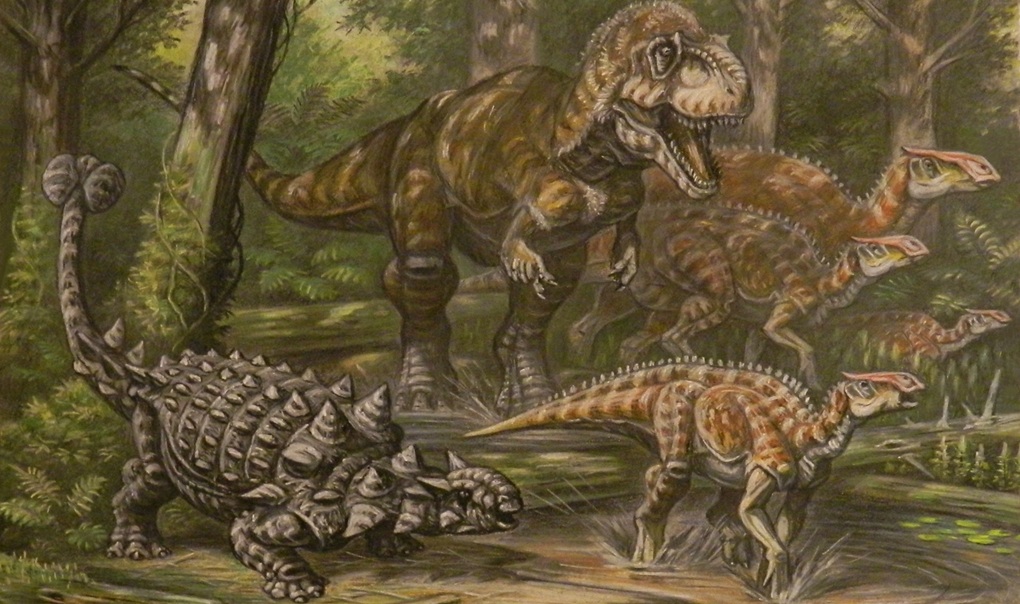
Picture a world so alien it barely resembles the one you live in today. No polar ice caps. A single, scorched supercontinent. Shallow seas cutting through the middle of what would one day become North America. This was the world of the dinosaurs, and it was not handed to them quietly. It was sculpted, broken apart, flooded, scorched, and ultimately destroyed by forces so immense they rearranged the face of the planet itself.
The Mesozoic Era lasted from roughly 252 to 66 million years ago and was defined not just by the dominance of dinosaurs, but by a hot greenhouse climate and the tectonic breakup of the supercontinent Pangaea. Every phase of the dinosaurs’ rise, reign, and ruin was tied directly to what the Earth was doing beneath their feet. So if you’ve ever wondered how these creatures came to rule the world, the answer begins with geology. Let’s dive in.
The “Great Dying”: The Extinction That Cleared the Stage
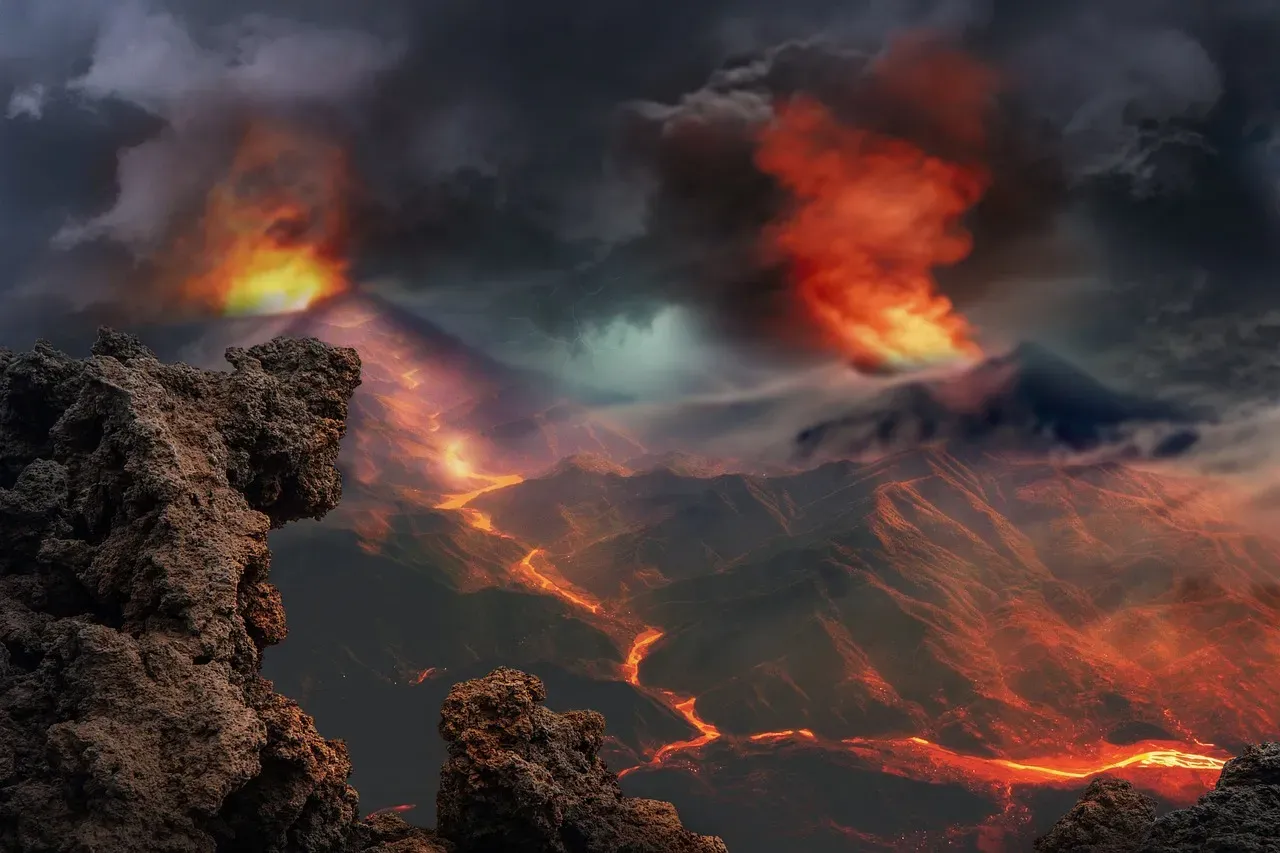
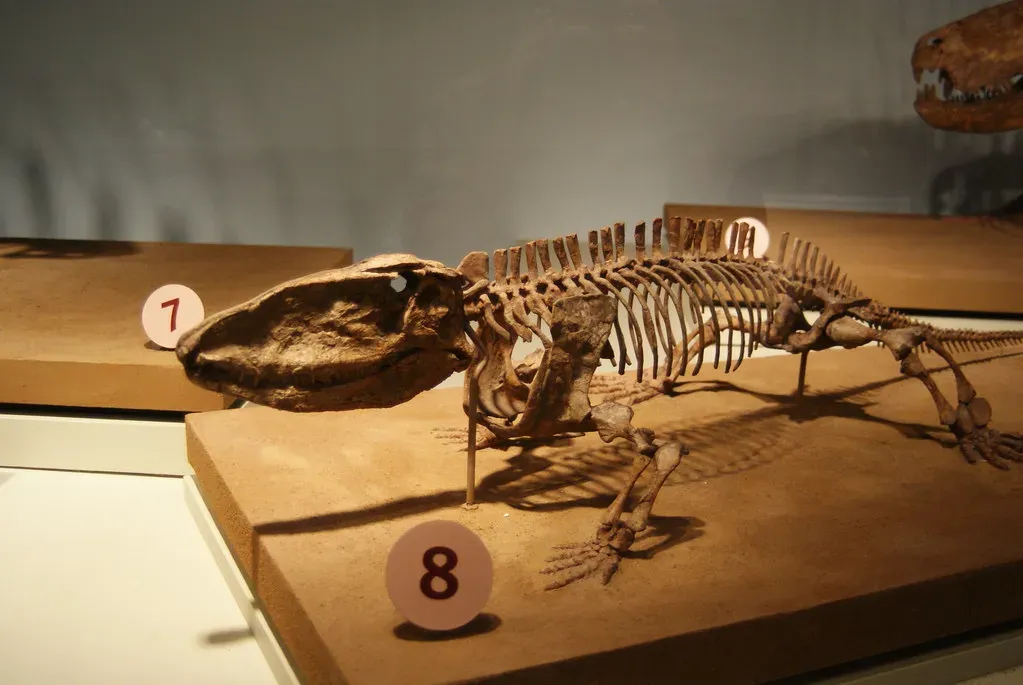
Here’s the thing: without a catastrophe so devastating it nearly sterilized the planet, dinosaurs might never have existed at all. The Permian-Triassic extinction event, known colloquially as the “Great Dying,” occurred approximately 251.9 million years ago, right at the boundary between the Permian and Triassic geologic periods. Think of it as the world being wiped nearly clean, a hard reset pressed on almost everything that had ever evolved on land and in the sea.
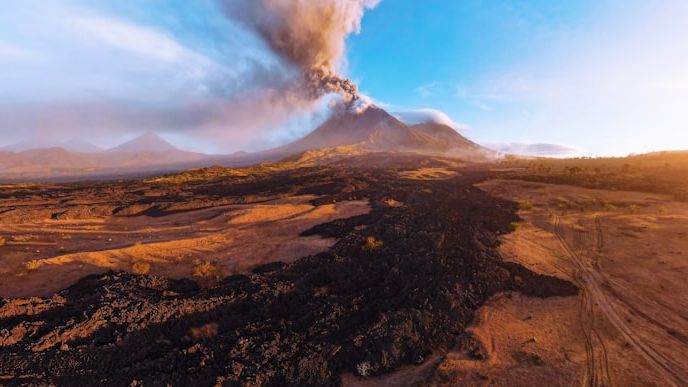
It is Earth’s most severe known extinction event, resulting in the extinction of roughly 57 percent of biological families, 62 percent of genera, 81 percent of marine species, and 70 percent of terrestrial vertebrate species. The likely cause? The scientific consensus points to flood basalt volcanic eruptions that created the Siberian Traps, which released sulfur dioxide and carbon dioxide, resulting in oxygen-starved oceans, elevated global temperatures, and acidified seas.
The extinction event marked the transition from the Permian to the Triassic period, facilitating the emergence of new life forms, including early ancestors of dinosaurs and various marine species such as crabs and lobsters. Honestly, it’s a morbidly fascinating idea: the very creatures we associate with an entire age of Earth only got their chance because so many others were wiped out first. Archosaurs, which included the ancestors of dinosaurs and crocodilians, were initially rarer than other animal groups, but they began to displace competitors in the mid-Triassic, and by the mid to late Triassic, the dinosaurs evolved from one group of archosaurs and went on to dominate terrestrial ecosystems during the Jurassic and Cretaceous.
The Breakup of Pangaea: A World Torn in Two
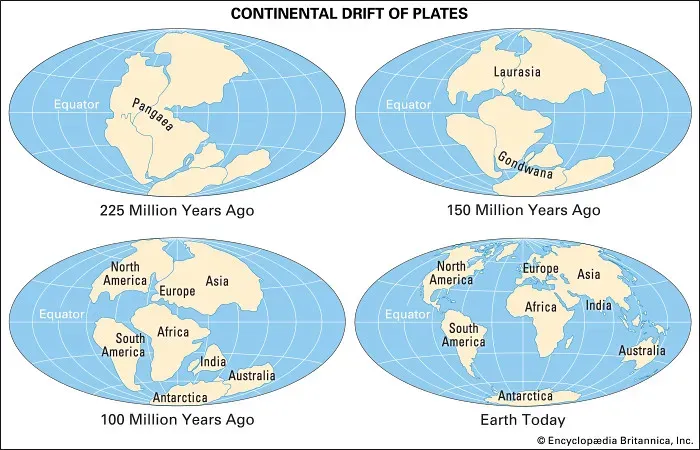
You may already know that the continents weren’t always in their current positions. But do you realize just how fundamentally that tearing-apart shaped every dinosaur that ever walked the Earth? Pangaea was a supercontinent that existed during the late Paleozoic and early Mesozoic eras, assembled roughly 335 million years ago, and it began breaking apart about 200 million years ago at the end of the Triassic and the beginning of the Jurassic. The process was slow by human standards but relentless.
The breakup of Pangaea not only shaped the modern world’s geography but also biodiversity at the time, as animals on the now-isolated, formerly connected island continents took strange evolutionary turns. As landmasses drifted apart, barriers to gene flow among dinosaur populations arose. This geographical isolation facilitated divergence and speciation, as isolated populations adapted to their respective environments, leading to the evolution of distinct dinosaur species on each continent.
The unified landmass of Pangaea had initially facilitated unprecedented migration opportunities for early dinosaurs, allowing successful lineages to expand across vast territories without oceanic barriers. This continental connectivity explains the remarkably cosmopolitan distribution of many early dinosaur groups, with closely related species appearing in fossil beds from regions that today lie on different continents. Once that bridge was removed, however, evolution exploded in every direction at once. The massive predator Allosaurus dominated the western United States, while different theropod lineages emerged in what would become Europe and Asia, and the southern continents saw the rise of unique dinosaur families that had no counterparts in the north, creating a patchwork of distinct evolutionary experiments across the fragmenting world.
The Triassic-Jurassic Extinction: Volcanoes Hand Dinosaurs the Crown
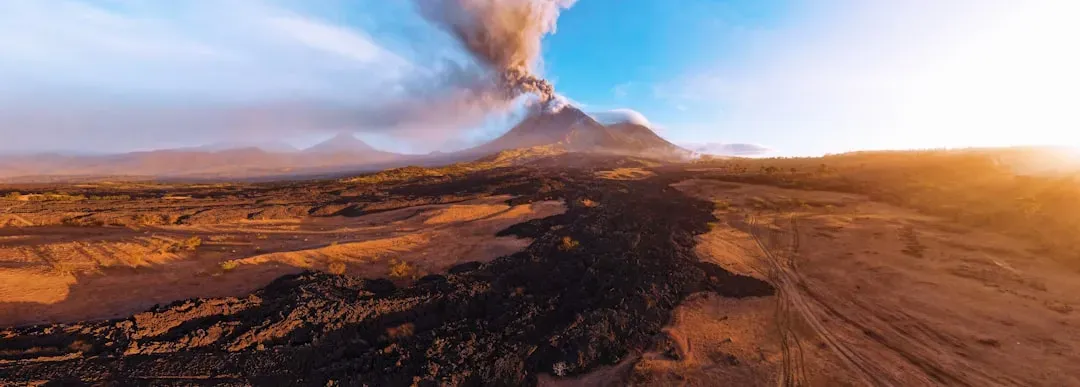
If the Great Dying opened the door for dinosaurs, the Triassic-Jurassic extinction event practically rolled out the red carpet. More than 200 million years ago, a massive extinction decimated roughly 76 percent of marine and terrestrial species, marking the end of the Triassic period and the onset of the Jurassic. This devastating event cleared the way for dinosaurs to dominate Earth for the next 135 million years, taking over ecological niches formerly occupied by other marine and terrestrial species.
The cause of this extinction is generally considered to have been extensive volcanic eruptions in the Central Atlantic Magmatic Province, known as CAMP, a large igneous province whose emplacement released large amounts of carbon dioxide into the Earth’s atmosphere, causing profound global warming and ocean changes. Studies estimate that the rifting of the supercontinent Pangaea, where eastern North America met northwestern Africa, may have released up to 100,000 gigatons of carbon dioxide, which likely strengthened the global greenhouse effect, increasing average air temperatures around the globe by as much as 10 to 15 degrees Celsius and acidifying the oceans.
On land, all archosauromorph reptiles other than crocodylomorphs, dinosaurs, and pterosaurs became extinct, while crocodylomorphs, dinosaurs, pterosaurs, and mammals were left largely untouched, allowing them to become the dominant land animals for the next 135 million years. I think this is one of the most staggering details in all of natural history: out of a catastrophe fueled by volcanic fury, one group of animals emerged not just surviving but set to rule every continent on Earth. It is thought that the end-Triassic extinction was the key moment that allowed dinosaurs to become the dominant land animals on Earth.
The Mesozoic Greenhouse Climate and Rising Seas: Life in a Warm, Flooded World
Forget what you know about climate. The world the dinosaurs inhabited was almost nothing like the one you experience today. Earth’s climate during the Mesozoic Era was generally warm, and there was less difference in temperature between the equatorial and polar regions than there is today. This wasn’t a subtle difference. It was a fundamentally different planet, one that could have passed for a greenhouse the size of a globe.
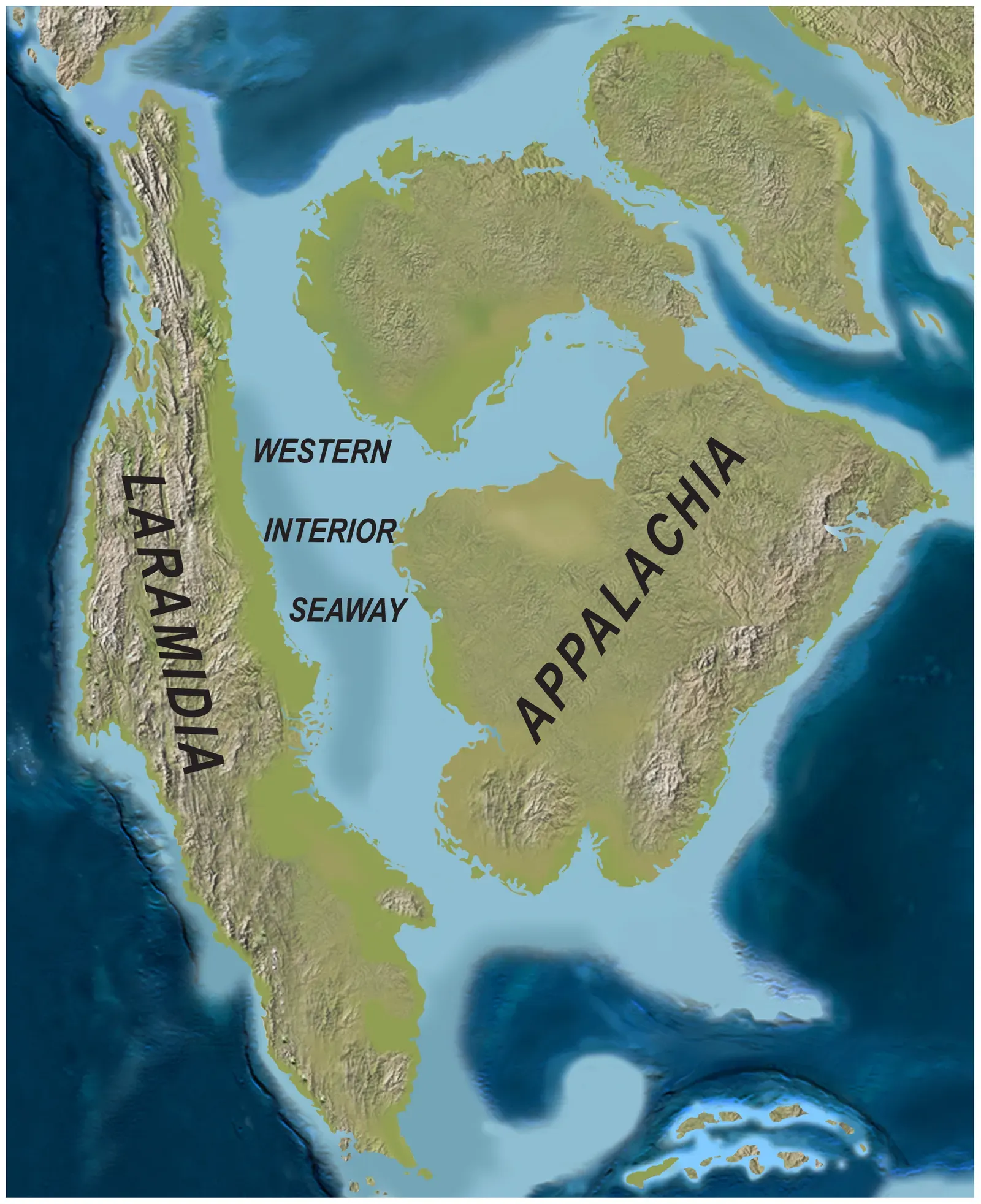
As climate changed and rapid plate tectonics resulted in shallow ocean basins, sea levels rose worldwide and seas expanded across the center of North America. Marine transgression was so extensive that in North America, for example, a seaway spread all the way from the Arctic to the Gulf of Mexico during the Cretaceous Period. Imagine the middle of a continent simply flooded, split in half by a warm inland sea. That’s not science fiction. That was Tuesday, roughly 90 million years ago.
The high global temperatures forced more atmospheric humidity, thereby enhancing the hydrological cycle. The predominantly convective rainfall was focused over the oceans, leaving many continental regions as major deserts. Furthermore, the high summer temperatures seem to have prevented the development of extensive polar ice sheets. Thus, the geological records indicate predominantly greenhouse conditions with hothouse intervals during most of the period. This warm, humid world was also what allowed sauropods like Brachiosaurus to grow to truly ridiculous sizes. The warm, humid climate and abundant vegetation created perfect conditions for animals that needed enormous amounts of food to sustain their massive bodies.
The Chicxulub Asteroid Impact: The Day Everything Ended
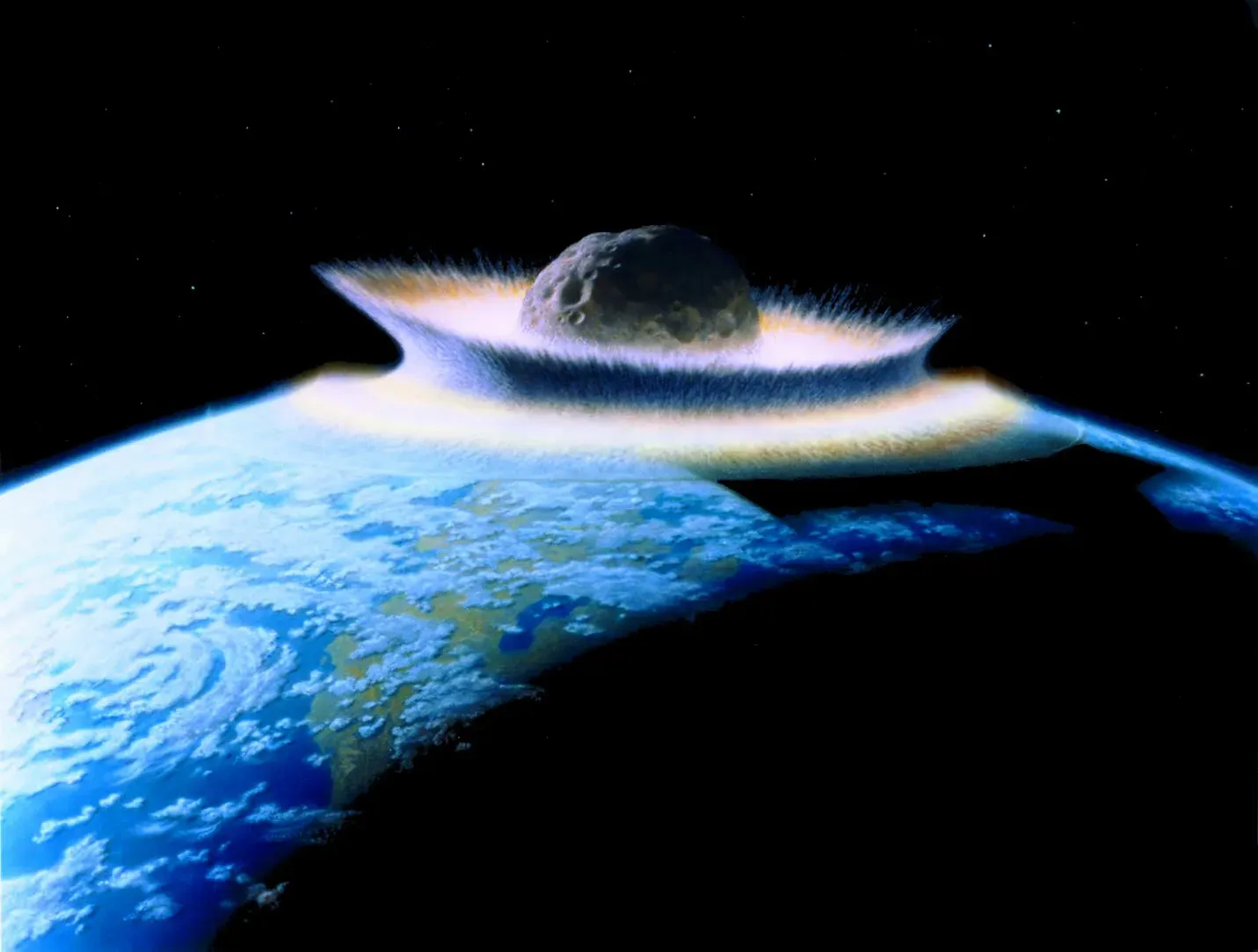
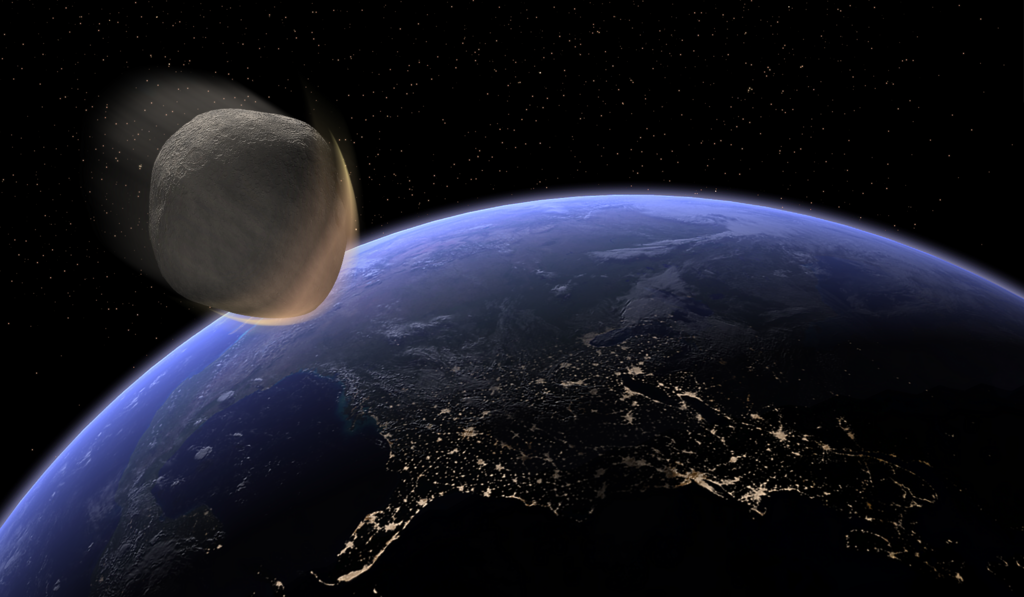
No geological event in Earth’s history carries more weight than the one that brought the curtain down on the Age of Dinosaurs. It is now generally thought that the K-Pg extinction resulted from the impact of a massive asteroid 10 to 15 kilometers wide, creating the Chicxulub impact crater and devastating the global environment 66 million years ago, primarily through a lingering impact winter which halted photosynthesis in plants and plankton. To put that in perspective, the asteroid was roughly as wide as a mid-sized city is long.
The impactor struck carbonate and sulfate-rich sediments, leading to the ejection and global dispersal of large quantities of dust, ash, sulfur, and other aerosols into the atmosphere. These atmospheric contaminants led to prolonged sunlight screening and global cooling, with severe ecological cascade effects. It is now widely accepted that the devastation and climate disruption resulting from the impact was the primary cause of the Cretaceous-Paleogene extinction event, a mass extinction of roughly 75 percent of plant and animal species on Earth, including all non-avian dinosaurs.
The last non-bird dinosaurs were living at a time of environmental change, some of which had begun millions of years before they went extinct, but the asteroid was the final, killer blow. The event caused the extinction of all non-avian dinosaurs and most other tetrapods weighing more than 25 kilograms, with the exception of some ectothermic species such as sea turtles and crocodilians. It’s hard not to feel a strange kind of awe when you consider that the same creatures that survived two near-extinction level events across hundreds of millions of years were ultimately undone in what may have been just hours of catastrophic impact.
Conclusion: The Earth Wrote the Story, Dinosaurs Just Lived It
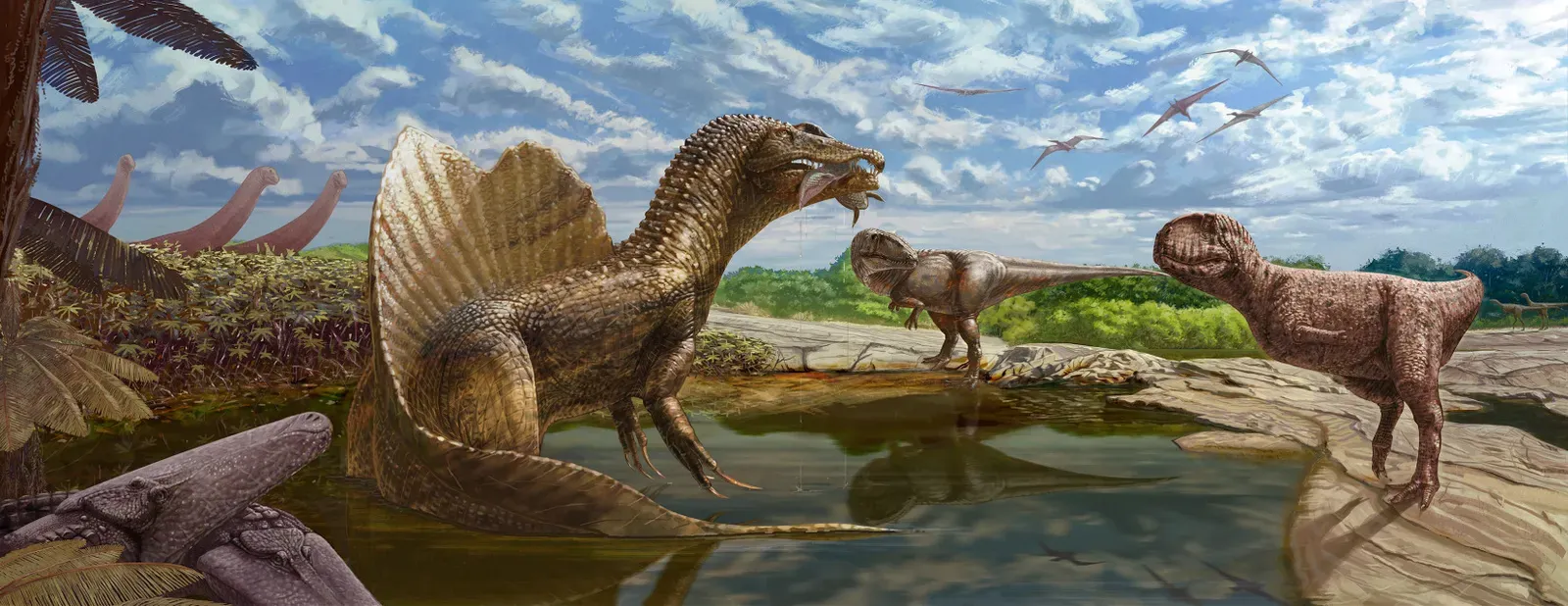
What you’ve seen across these five events is really one continuous story: a planet constantly in motion, reshaping every living thing that dared to call it home. Dinosaurs didn’t just appear and thrive by accident. They were born from one catastrophe, supercharged by another, diversified by a shattering continent, sustained by a hot and flooded greenhouse world, and finally erased by a rock from space. The Earth gave them everything, and eventually, the Earth took it all back.
It’s worth sitting with the thought that without any single one of these events, none of it happens. No volcanic collapse at the Permian boundary, no clearing of ecological space. No Pangaea split, no explosion of dinosaur diversity across the world’s continents. No Triassic-Jurassic eruptions, no dinosaur dominance. It’s a sequence of geological dominos, each one falling into the next across hundreds of millions of years.
Geology isn’t just the study of rocks. It’s the backstory of every creature that has ever lived. What do you think: does it change how you see the natural world, knowing that life has always been shaped by forces this immense? Share your thoughts in the comments below.