Have you ever met someone who just lights up a room without even trying? They walk in, and suddenly everyone seems a bit more engaged, a bit more alive. You probably wonder what their secret is. Here’s the thing: charisma isn’t some mystical gift reserved for celebrities and world leaders. It’s actually built on specific traits that anyone can develop, though some of these characteristics aren’t as obvious as you might think.
While we often notice the surface level stuff like confidence and charm, there’s so much more happening beneath the surface. The truly magnetic among us possess subtle qualities that fly under the radar yet make all the difference. Let’s dive into these hidden traits that separate genuinely charismatic individuals from those who are just good at making small talk.
They’re Masters of Mental Speed, Not Just Clever Answers

You might assume charismatic people succeed because they’re smarter than everyone else, yet research shows being quick-witted actually matters more than having a high IQ or great personality. People who demonstrate mental speed are more likely to be seen as charismatic by those around them. It’s not about always knowing the perfect thing to say. Rather, it’s about your brain’s ability to rapidly consider multiple social responses in any given moment.
The real magic happens when someone can consider numerous social responses in a brief window of time, which turns out to be more important than simply having the right answer. Think about it like this: when you’re in a conversation, charismatic people aren’t rehearsing scripts in their heads. Their minds are working at lightning speed, reading the room, picking up on subtle cues, and adjusting their approach on the fly. This mental agility makes them feel incredibly present and responsive, which naturally draws people in.
They Practice Emotional Self-Regulation in Ways You Don’t Notice

Charismatic individuals display remarkable self-control, meaning they’re not reactive or impulsive but rather spontaneous and measured as circumstances require. This is one of those traits that operates entirely in the background. You’re not consciously thinking about how calm they seem under pressure, yet you feel safe around them somehow.
Research demonstrates that politeness actually relies on the ability to push unwanted information out of your mind to inhibit inappropriate responses, and when this ability is disrupted, people become more rude. It’s like having an internal filter that works seamlessly. The charismatic person at your office who never loses their cool during stressful meetings? They’re constantly managing their emotional responses, filtering out knee-jerk reactions, and choosing how to show up. This isn’t about being fake. It’s about conscious choice rather than emotional autopilot, which makes them reliable and trustworthy in ways that are hard to articulate but easy to feel.
They Embrace Vulnerability as a Strength

Vulnerability makes charismatic people human, and by showing vulnerabilities, people feel like they can identify with you and that you are one of them. This sounds counterintuitive, right? We often think charisma means having it all together, projecting perfection. Actually, the opposite is true.
When people appear too perfect, we tend to distance ourselves from them, but admitting your vulnerabilities makes you likable and charismatic. I think this is one of the most underrated aspects of genuine charisma. The person who can laugh at their own mistakes, admit when they’re wrong, or share a moment of uncertainty becomes instantly more relatable. It creates connection because suddenly you’re not looking up at some untouchable figure. You’re standing beside another human being who’s figuring things out just like you are. That’s magnetic in a way that polished perfection never could be.
They Adapt Like Social Chameleons

Social skill and charisma come down to being adaptable, because what works in one situation often doesn’t work in another. Charismatic people read the room with incredible accuracy and adjust accordingly. They’re not performing a one-size-fits-all routine. They’re genuinely flexible in their approach.
A key attribute is their ability to adapt to different social situations, whether at a formal dinner or casual get-together, adjusting their behavior to fit the context and knowing when to be serious or light-hearted. This goes way beyond basic social skills. It’s about emotional intelligence and situational awareness working together. You know that person who can chat comfortably with the CEO and then switch gears to joke around with the interns? They’re not being fake. They’re demonstrating this hidden trait of behavioral flexibility that makes everyone feel seen and valued, regardless of context.
They Make Others Feel Understood Through Deep Attentiveness
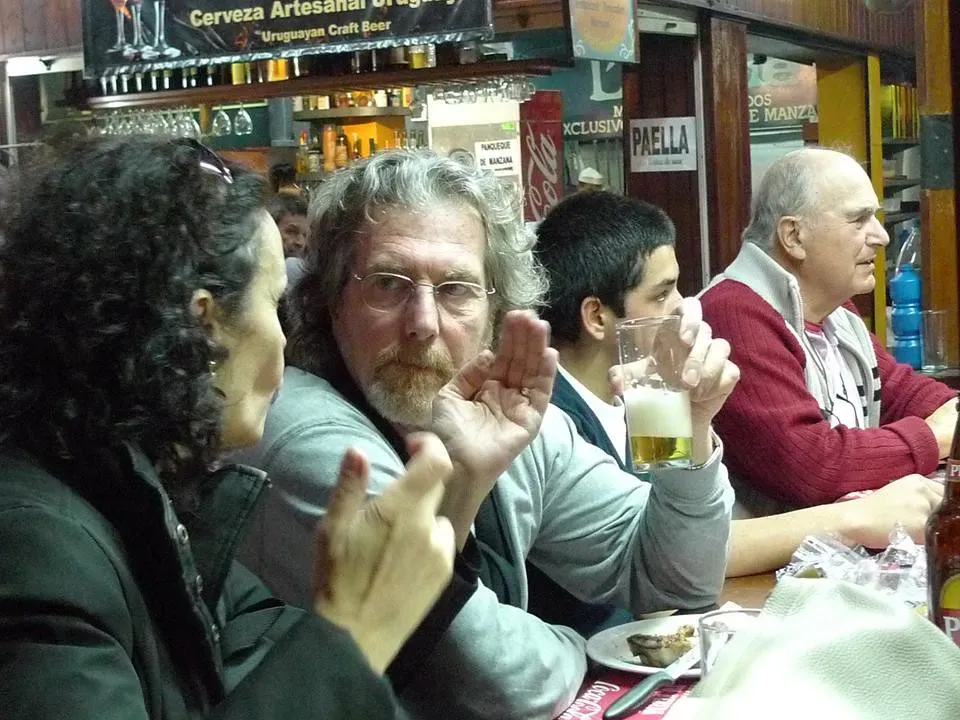
One hallmark of truly charismatic people is the ability to make others feel understood by empathizing with others and not just listening to what they’re saying, but truly understanding and responding to their feelings and perspectives. This is probably the most powerful hidden trait of all. When you talk to a genuinely charismatic person, you leave feeling like you mattered.
Charismatic people focus their gaze and listen so intently that people are often moved by the experience, and eye contact is an important part of charisma because it both conveys and creates attentiveness. It’s not just nodding along while planning what you’ll say next. It’s giving someone your full, undivided presence. Honestly, in our distracted world where everyone’s half-checking their phones during conversations, this kind of attention feels revolutionary. The charismatic person isn’t thinking about the next meeting or scrolling mentally through their to-do list. They’re right there with you, and you can feel the difference. That’s what leaves the lasting impression.
Conclusion

Charisma turns out to be far less mysterious than we think. These hidden traits show us that magnetic personalities aren’t born fully formed. They’re cultivated through mental agility, emotional awareness, authentic vulnerability, social adaptability, and genuine attentiveness to others. The beautiful part? These are skills you can develop starting today.
What surprises you most about these traits? Did any of them challenge what you thought charisma was all about? The next time you encounter someone who seems effortlessly magnetic, pay attention to these subtle qualities at work beneath the surface. You might just discover your own path to becoming more charismatic in the process.