There is something almost hypnotic about dinosaurs. You can stand in front of a towering skeleton at a natural history museum and feel it – that primal, instinctive awe. These creatures were not just big and scary. They were, by virtually every measure, some of the most extraordinarily successful animals this planet has ever seen. Together, they comprise a many-branched evolutionary tree that flourished for over 160 million years.
What made them so dominant? The answer is not one thing. It is a rich, layered story of physical innovation, behavioral brilliance, and relentless adaptation. Five dinosaurs, in particular, offer us a window into the true genius of prehistoric evolution. You may think you already know these animals – but what you are about to discover might genuinely surprise you. Let’s dive in.
Tyrannosaurus Rex: The King Who Earned Its Crown
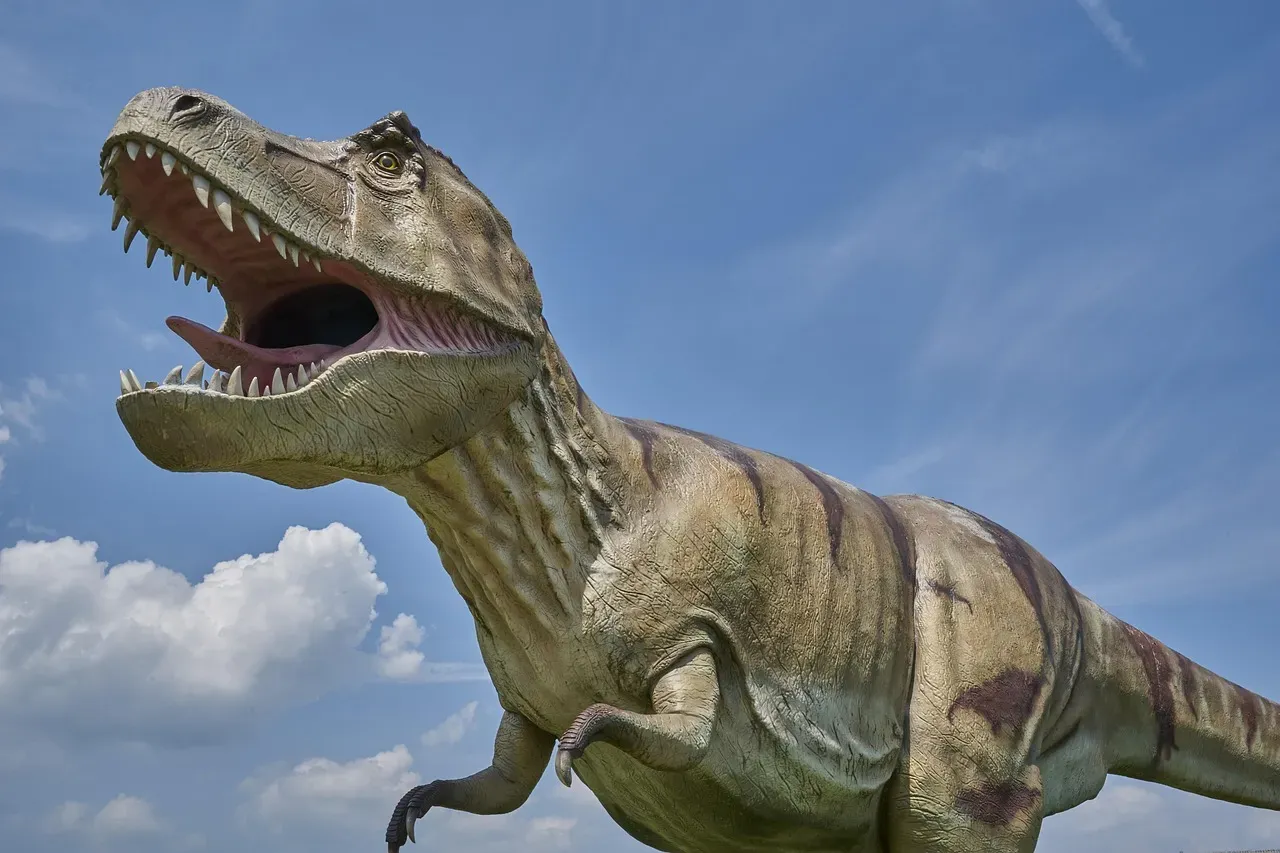
Here is the thing about T. rex – it was not always the unstoppable titan you picture. Until recently, little was known about how tyrannosaurs became the giant, intelligent predators that dominated the landscape about 70 to 80 million years ago, with the newly discovered species Timurlengia euotica filling a 20 million-year gap in the fossil record. For millions of years, tyrannosaurs were actually relatively modest in size, living in the shadow of other apex predators. Their eventual rise to dominance was earned, not inherited.
Tyrannosaurus rex, whose name means “king of the tyrant lizards,” had a muscular body that stretched as long as 40 feet from snout to the tip of its tail, and it weighed up to eight tons. That is roughly the size of a school bus, walking on two legs. This fierce carnivore was optimally built for crunching through its meals, with a stiff skull that channeled all muscular force into one bite, while its 60 serrated teeth, each about eight inches long, were used to pierce and grip flesh. Think of it like a biological hydraulic press wrapped in scales and ambition.
At 16 inches apart and 18 feet high, the eyes of T. rex possessed stereoscopic binocular vision and could discern fine detail at a distance of 4 miles, six times further than a human with perfect vision – a distance that would otherwise require binoculars. Brain case studies further reveal that this apex predator could hear sounds below 40 Hz at great distances. Honestly, the sensory package alone is extraordinary.
Research suggests that Tyrannosaurus rex’s growth rate varied as it aged, and it could slow down its growth when food was scarce, a major evolutionary advantage. That kind of physiological flexibility is rare and powerful. It is one of the reasons this animal was not just a blunt instrument of destruction, but a genuinely sophisticated organism shaped by tens of millions of years of trial and error.
Velociraptor: The Feathered Genius Hollywood Got Completely Wrong
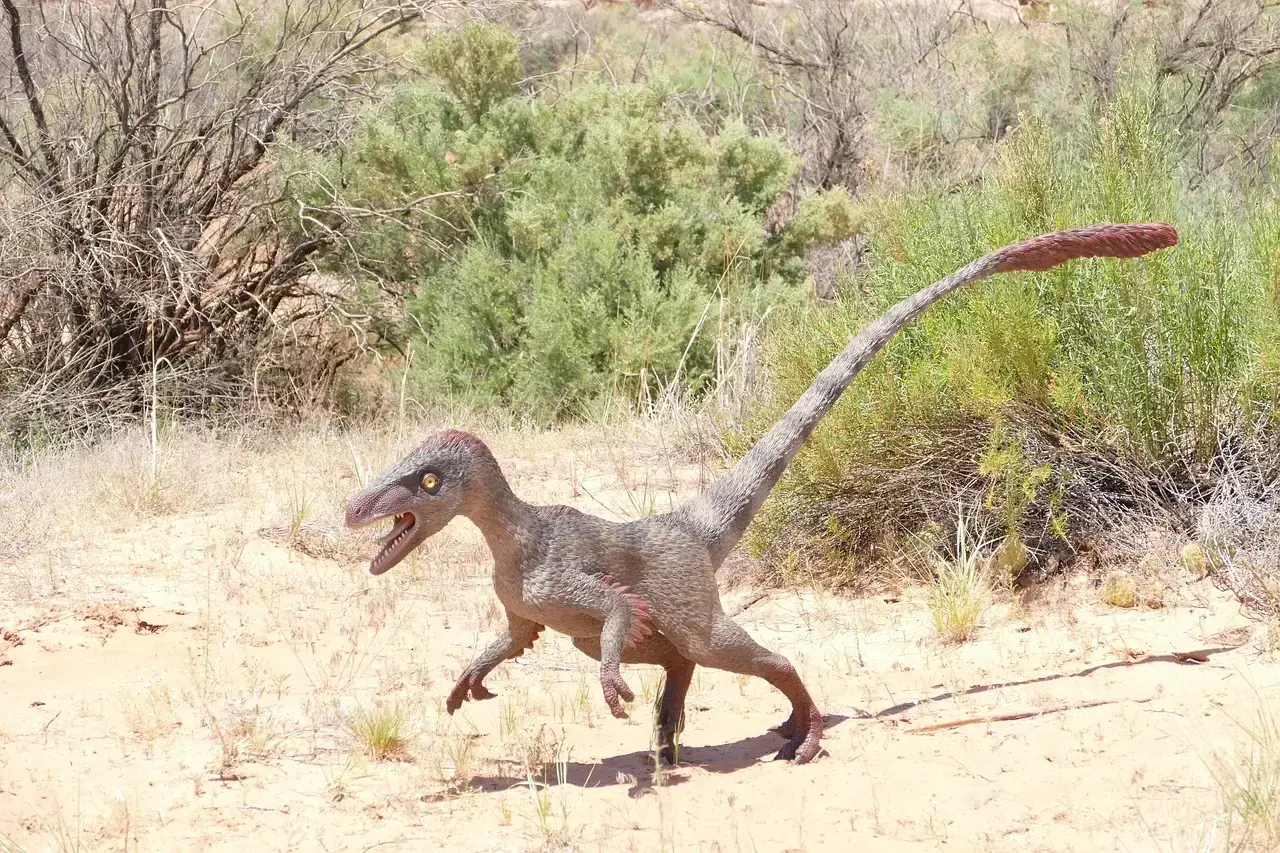
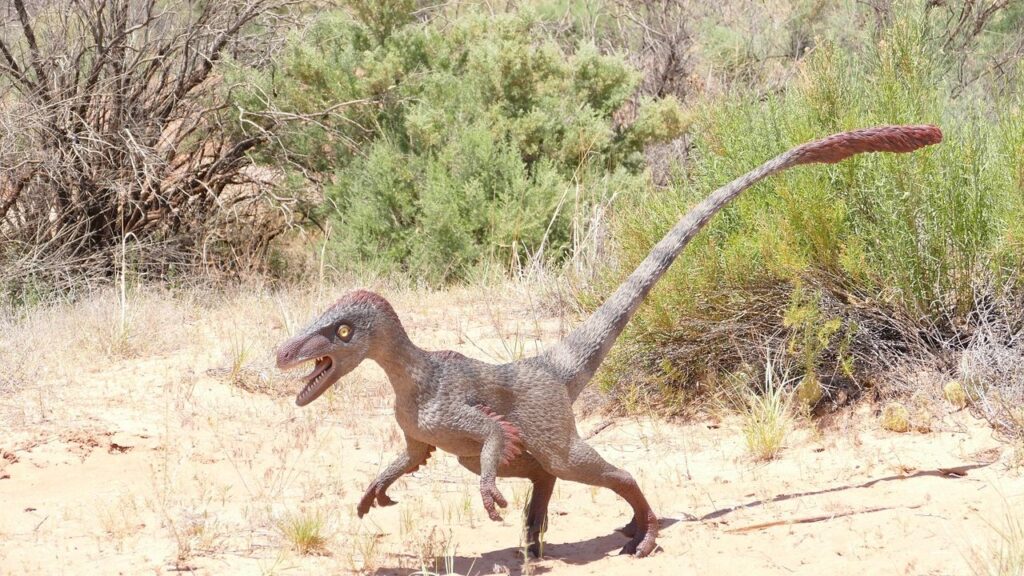
You almost certainly have the wrong mental image of Velociraptor. Jurassic Park showed you a six-foot reptilian nightmare. Reality is far more interesting. Velociraptor is one of the dinosaur genera most familiar to the general public due to its prominent role in the Jurassic Park films. In reality, however, it was roughly the size of a turkey, considerably smaller than the approximately two-meter-tall reptiles depicted in the movies. What it lacked in size, though, it made up for in sheer evolutionary cleverness.
Experts think Velociraptor was probably one of the smarter dinosaurs because it had a large brain in proportion to its body size, and based on the skull’s scent-processing region, it likely had an excellent sense of smell. It was a bipedal, feathered carnivore with a long tail and an enlarged sickle-shaped claw on each hindfoot, thought to have been used to tackle and restrain prey, and it can be distinguished from other dromaeosaurids by its long and low skull with an upturned snout. Picture a feathered, raptor-eyed hawk the size of a dog, and you are getting closer to the truth.
Recent research confirmed that Velociraptor was indeed a feathered dinosaur. It could not fly, as its forelimbs were too short. Instead, the plumage may have been used to keep it warm and attract mates, just as modern birds use colorful feathers. Velociraptor also had hollow bones and tended nests of eggs. That is not just a dinosaur. That is practically a bird. The evolutionary bridge between these ancient predators and modern avian life is genuinely staggering to consider.
Velociraptor was warm-blooded to some degree, as it required significant energy to hunt. Modern animals that possess feathery coats, like Velociraptor did, tend to be warm-blooded since these coverings function as insulation. However, bone growth rates in dromaeosaurids suggest a more moderate metabolism compared with most modern warm-blooded mammals. A warm-blooded, feathered, pack-hunting dinosaur with near-bird-level intelligence. Honestly, the more you learn about the real Velociraptor, the more respect you have for it.
Triceratops: The Three-Horned Fortress That Refused to Back Down
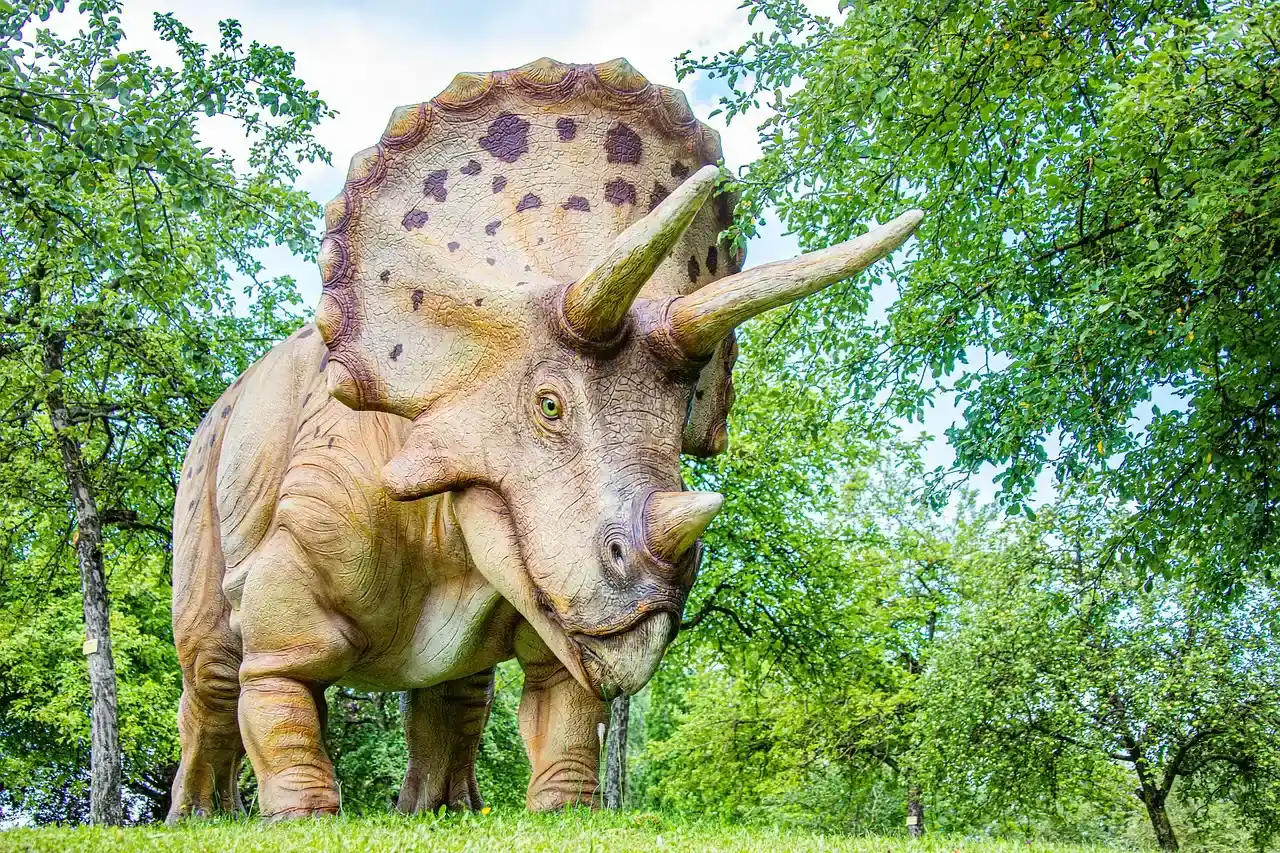
If you were designing a dinosaur that could survive in a world where T. rex roamed freely, you might arrive at something very similar to Triceratops. With its three-horned head and robust build, Triceratops was well-equipped to navigate the rugged landscapes of the Mesozoic world, with powerful limbs and a sturdy frame, while its formidable horns provided a means of defense against predators. It was, in a sense, a living tank – heavily armed and built to absorb punishment.
Triceratops was a well-known horned dinosaur from the late Cretaceous period with three distinct facial horns and a large bony frill at the back of its head. This massive herbivore used its horns and frill for defense against predators and possibly in mating displays. The Triceratops had strong legs and a bulky body, allowing it to move steadily while foraging, and its teeth were adapted to chew through tough vegetation, making it suited for grazing on ferns, palms, and similar plants. In the brutal ecology of the late Cretaceous, that combination of defense and dietary versatility was a winning formula.
Many ornithischians developed specialized adaptations for plant consumption, including complex dental batteries in hadrosaurs and beak-like structures in ceratopsians. Defense mechanisms were a defining feature of this lineage. The Triceratops was not merely a passive grazer. It was a survivor shaped by an arms race with predators, evolving physical armor so effective that even the most fearsome predator of its time would think twice before attacking.
What is often overlooked is how the frill itself remains a subject of scientific debate. It may have been used for temperature regulation, communication, or attracting mates – possibly all three at once. Extravagant ornamentation in horned dinosaurs suggests rapid evolutionary turnover and underscores the powerful role such features played in driving ceratopsian diversity. The Triceratops, it turns out, was not just a weapon. It was also a communicator, a social creature expressing itself in bone and keratin.
Brachiosaurus: The Giant That Rewrote the Rules of Scale
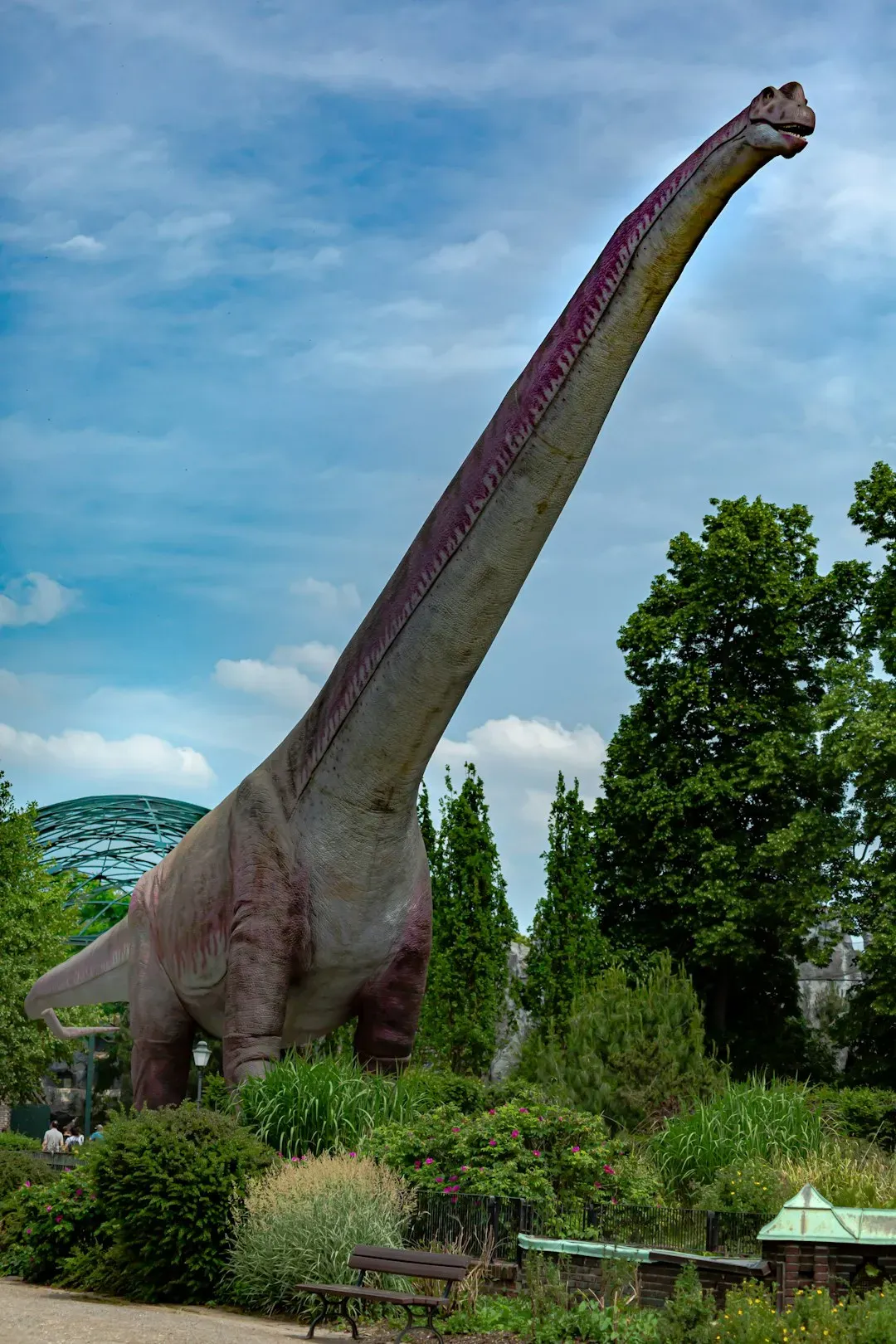
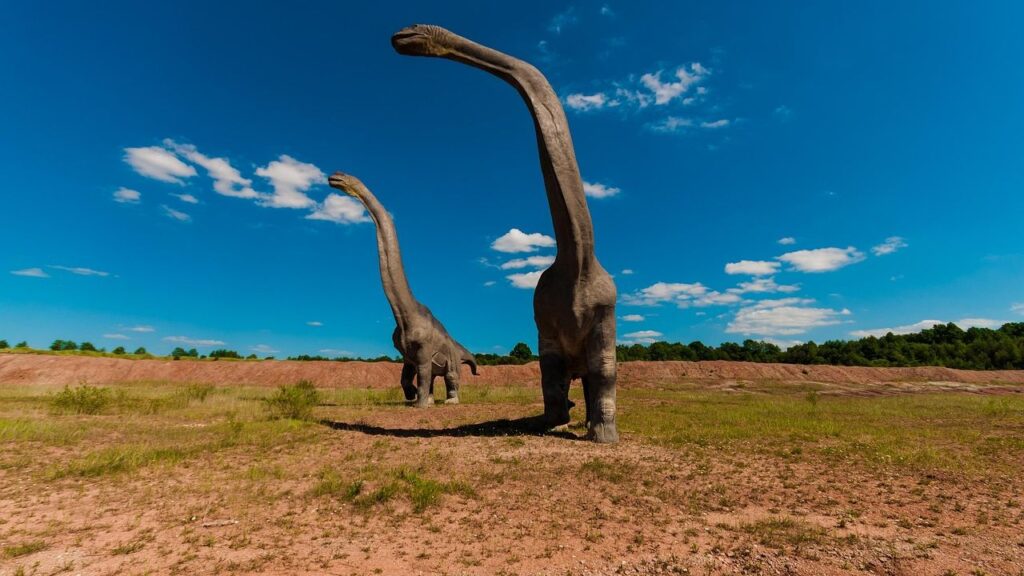
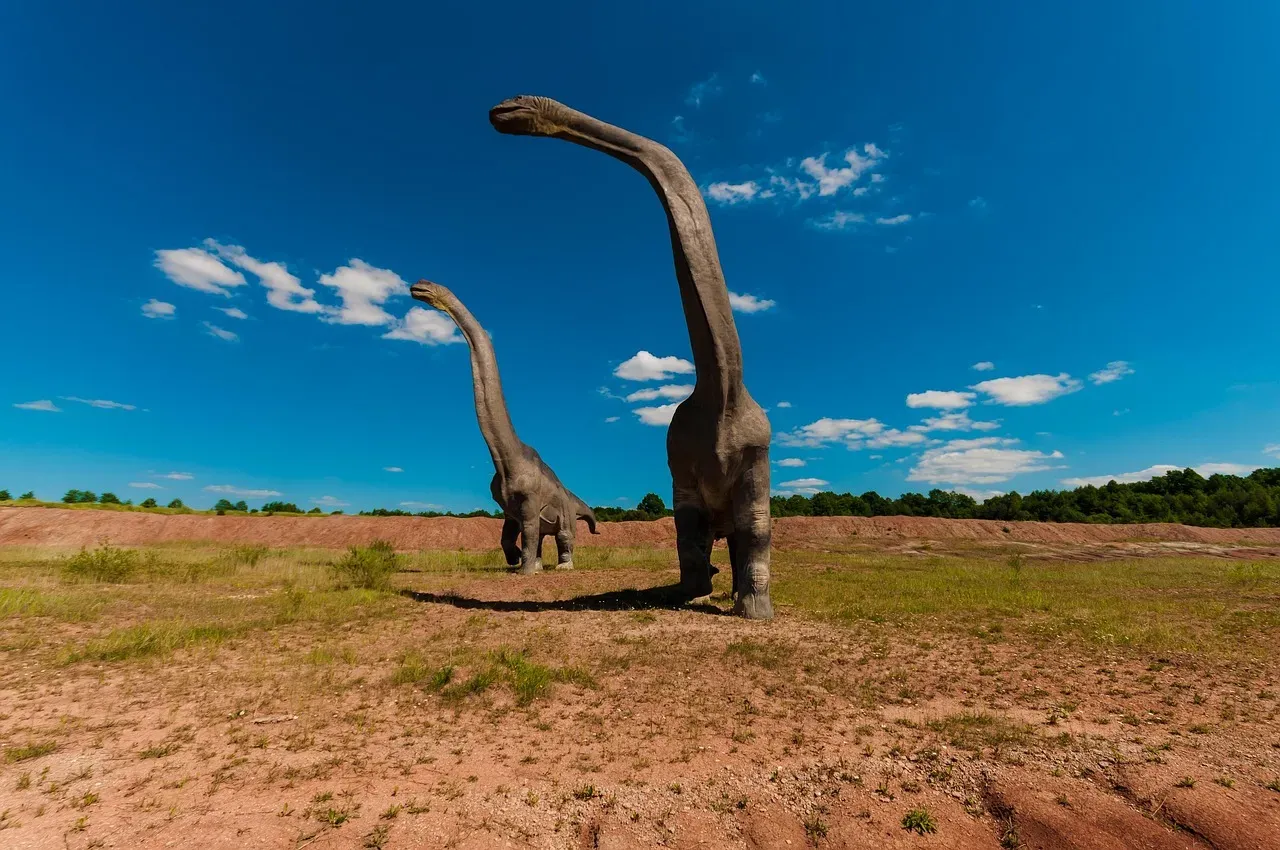
Let’s be real – nothing quite prepares you for understanding the true scale of Brachiosaurus. This huge plant-eater roamed Earth between 156 and 145 million years ago during the Jurassic period, growing over 80 feet long and weighing more than 28 tons – roughly as heavy as four African elephants. Walking alongside this animal would have felt less like encountering a dinosaur and more like standing next to a slow-moving building.
Brachiosaurus is distinguished by having longer forelimbs than hind limbs, an anatomical trait considered quite unusual among dinosaur species. It is thought that this physical difference was an adaptation to better compete for tall vegetation. Its long neck allowed it to reach vegetation that other herbivores could not access, its massive body was supported by thick, pillar-like legs, and it had a small head compared to its body size, with teeth suitable for stripping leaves from branches. Think of it as the giraffe strategy taken to its absolute logical extreme.
The animal’s respiratory system, akin to birds, featured a complex network of air sacs, enhancing its efficiency in oxygen intake and highlighting a potentially active metabolism. In sauropods, the air sacs did not simply function as an aid for respiration – via pneumatic openings they invaded many bones and strongly hollowed them out, and it is not entirely clear what the evolutionary benefit was, but it considerably lightened the skeleton. Without that skeletal lightening trick, a creature this massive might simply have been physically impossible.
Experts think that Brachiosaurus could not run, so its enormous size may have made fierce predators think twice about attacking. Another theory suggests that because the plants were difficult to digest, Brachiosaurus and other giant herbivores needed extra-large digestive tracts to process the nutrients from their food. It is a beautiful example of how size itself can be an evolutionary strategy – when you are big enough, you become your own defense system.
Spinosaurus: The Shape-Shifter That Broke Every Rule
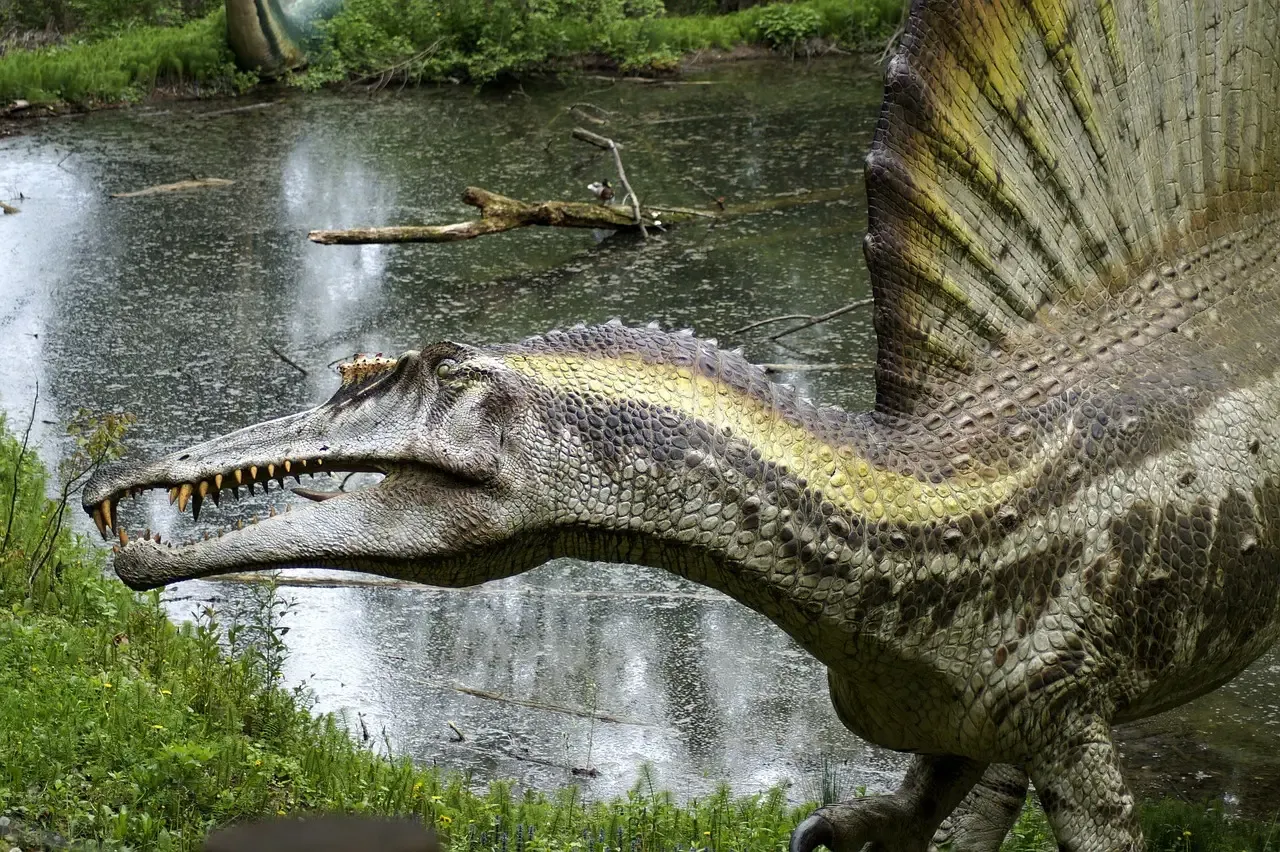
If any single dinosaur proves that evolution refuses to follow a script, it is Spinosaurus. In reality, Spinosaurus was a semi-aquatic dinosaur, perfectly adapted for life both on land and in water, resembling a crocodile-like creature with a huge sail extending down its back, and recent fossil evidence suggests it possessed elongated jaws filled with conical teeth, ideal for snatching fish and other aquatic prey. It essentially broke all the rules about what a giant predatory dinosaur was supposed to look like.
During the Late Cretaceous Period, between 99 and 93.5 million years ago, Spinosaurus thrived in North Africa’s tidal flats and mangrove forests, a unique and challenging environment that shaped its evolutionary path. Spinosaurus had exceptionally dense bones – roughly 30 to 40 percent denser than other theropods – which improved buoyancy control for swimming and diving, similar to early whales, highlighting its evolutionary adaptations to an aquatic environment. The parallel with whale evolution is not just interesting – it is genuinely jaw-dropping when you think about it.
The sail rising dramatically from the dinosaur’s back was supported by long, thin neural spines, some reaching up to six feet. Unlike anything seen on other prehistoric marine reptiles, this feature sets Spinosaurus apart, and the sail’s function has been the subject of much speculation, with its bone scaffold suggesting it played a significant role beyond mere decoration. Some researchers believe it served as a display structure visible while swimming. It is hard to say for sure, but one thing is clear – this was not accidental anatomy.
Spinosaurus adapted to a semi-aquatic lifestyle with an elongated skull and dense bones for buoyancy control, while dromaeosaurs had enlarged sickle-shaped claws for grasping prey. Environmental pressures like droughts may have forced Spinosaurus to adapt as a land predator too, showcasing its versatility in surviving and thriving in the changing landscapes of North Africa, underscoring the complexity of dinosaur ecosystems and the evolutionary marvel of a creature perfectly adapted to its surroundings. Versatility, ultimately, is the hallmark of the truly great survivors.
Conclusion: Five Dinosaurs, Five Timeless Lessons in Survival
What strikes you most, when you look at these five animals together, is just how different their paths to success were. T. rex dominated through sensory sophistication and raw physical power. Velociraptor thrived on intelligence, agility, and social cooperation. Triceratops turned its very body into a fortress. Brachiosaurus used sheer scale as both a feeding strategy and a defense mechanism. Spinosaurus reinvented itself as a creature that belonged to two worlds at once.
Dinosaurs’ range of locomotion made them incredibly adaptable, researchers have found, and in a study published in Royal Society Open Science, findings show that the first dinosaurs were simply faster and more dynamic than their competitors, which is why they were able to dominate the Earth for 160 million years. That adaptability – physical, behavioral, ecological – is the thread connecting all five of these extraordinary creatures. The diversification of dinosaurs during the Mesozoic Era was a complex process involving environmental changes, evolutionary innovation, competition, and geographic isolation – factors that combined to create one of the most diverse and successful groups of animals to ever exist.
The real story of dinosaurs is not one of extinction. It is one of breathtaking, relentless innovation. In the time it takes you to read this article, hundreds of millions of years of evolution passed behind these five animals. Each one solved the problem of survival in its own unique way. That, I think, is the most inspiring takeaway of all. Which of these five evolutionary stories surprised you the most? Drop your thoughts in the comments below.