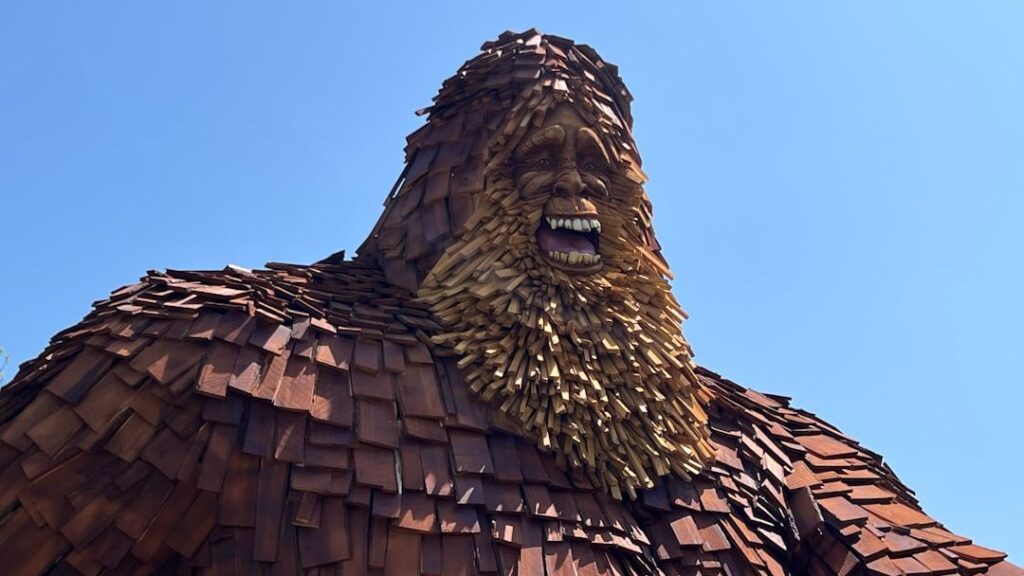
If you strip away the campfire stories and the grainy photos, the Bigfoot legend sits in a strangely serious place: somewhere between folklore, misidentification, and the human need to believe there is still something wild out there. For decades, ordinary people across the United States have walked into the woods and come back shaken, absolutely convinced they saw something that should not exist. They describe towering, hairy figures, impossible footprints, and that unnerving sense of being watched by something clever just beyond the tree line.
Most scientists remain deeply skeptical, pointing out that we have no verified bones, no clear DNA, and no unambiguous photos in an age where nearly everyone has a high-quality camera in their pocket. Yet the sightings keep coming from the same rugged, forested pockets of the country, often from hunters, hikers, or police officers who insist they know what bears and elk look like, and that this was something else. Whether you think Bigfoot is an undiscovered primate, a cultural mirror, or simply a case study in how we fool ourselves, these five American hotspots show just how persistent – and oddly specific – this mystery really is.
1. The Misty Forests of the Pacific Northwest (Washington & Oregon)
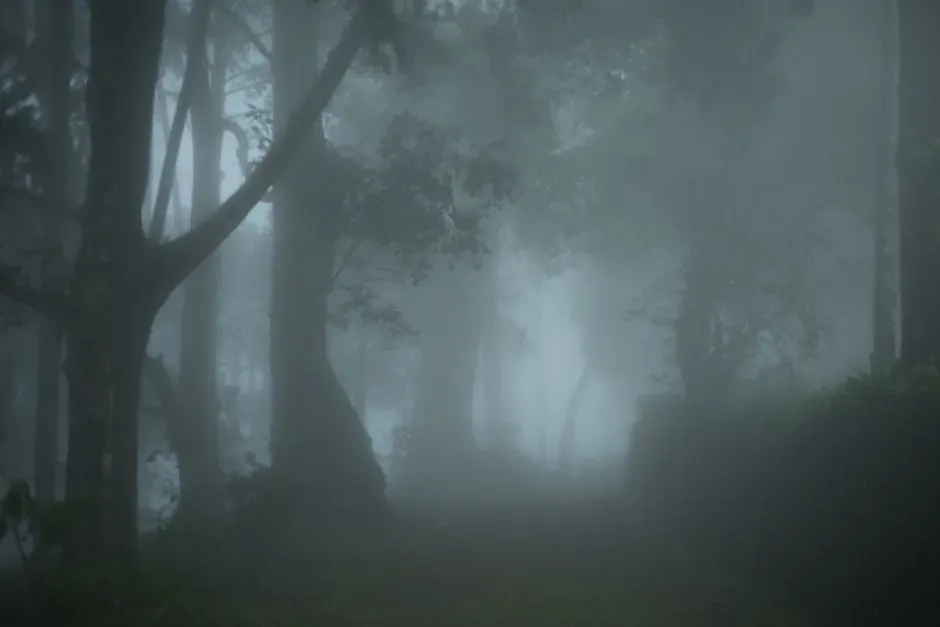
If Bigfoot has a spiritual home, it is the deep, moss-covered forests of Washington and Oregon. For generations, reports have poured in from the Cascade Range and Olympic Peninsula: massive footprints in mud and snow, distant howls echoing across valleys, and quick, shadowy shapes darting between towering fir trees. Some of the most famous mid‑twentieth‑century cases came from this region, helping to cement the image of a huge, ape‑like creature slipping through the ferns and fog.
The landscape here practically writes the legend for you. You have endless evergreens, dense undergrowth, and huge swaths of wilderness where a person can walk all day and never see another soul, which makes it easy for the imagination to stretch its legs. At the same time, that thick terrain also explains how bears, elk, and even people can be mistaken for something more mysterious, especially in low light and bad weather. Personally, hiking near Mount St. Helens for the first time, I remember feeling how small and outmatched I was by the sheer scale of the forest; if you heard a heavy crack in the brush there, you might be tempted to call it Bigfoot too. In a way, the Pacific Northwest is less a single sighting site and more the atmospheric heart of the whole phenomenon.
2. The Shadowed Ridges of the Sierra Nevada (Northern California)
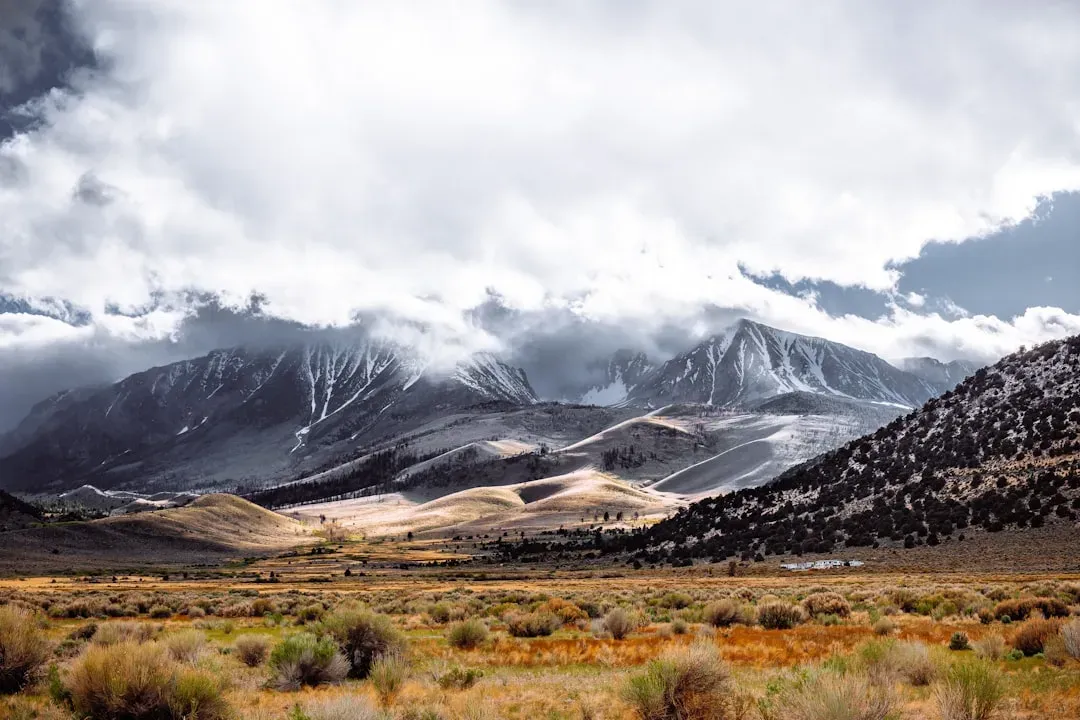
Northern California’s Sierra Nevada mountains have produced some of the most argued‑over Bigfoot evidence in history, especially in remote logging areas. Stories from the mid‑1900s describe workers finding large, human‑like tracks around their camps, along with unsettling nighttime noises and the feeling of being stalked in the trees. One especially influential piece of film from the late 1960s, shot along a rugged creek in this region, still gets slowed down and analyzed frame by frame by believers and skeptics alike.
What makes the Sierra Nevada so compelling is the blend of wildness and human intrusion. Logging operations, backcountry roads, and hunting trips push people into deep, steep canyons and thick stands of pine where visibility is terrible and sound bounces in strange ways. You can easily imagine a black bear standing upright or a human at a distance being misread as something more exotic under those conditions, yet witnesses often insist the proportions and movements were all wrong. Culturally, this region also overlaps with older Native American traditions that speak of large, hairy beings in the mountains, which modern Bigfoot enthusiasts sometimes point to as long‑standing precedent. Whether those connections are fair or forced, the Sierra Nevada keeps showing up in every serious discussion of American Bigfoot lore.
3. The Green Tunnels of the Appalachian Mountains (Especially West Virginia)
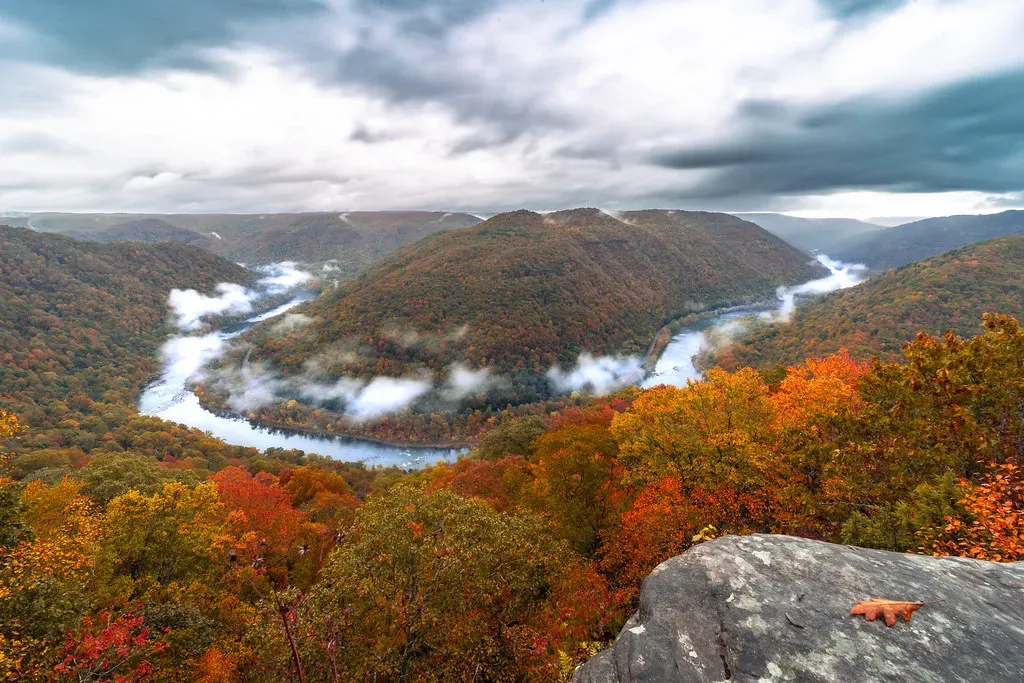
Far from the Pacific coast, the Appalachian chain has quietly built its own reputation as a Bigfoot hotspot, with West Virginia often sitting near the center of the map. Hikers, campers, and rural residents in these rolling, forested hills have reported large, bipedal figures crossing old logging roads, watching from ridge lines, or slipping between trees along creeks. The dense summer foliage and frequent fog create a kind of natural green tunnel, where every crack of a branch feels closer and every shadow feels deeper than it is.
The Appalachian region also has a long history of local monster stories, from strange lights to bizarre creatures tied to specific hollows and valleys. In that environment, a Bigfoot‑like figure fits right in as another inhabitant of the backwoods that outsiders do not quite understand. At the same time, deer, black bears, and even people in dark clothing can easily be misseen or briefly glimpsed through layers of leaves, turning a normal encounter into a legendary one once the story spreads. My own impression, driving the winding back roads of West Virginia at dusk, was that if you believed in anything hiding out there, these forests would happily play along. Whether you view Appalachian Bigfoot reports as folklore in motion or possible clues to something real, the emotional punch of those stories is hard to ignore.
4. The Piney Woods of East Texas (And the Southern “Skunk Ape” Belt)
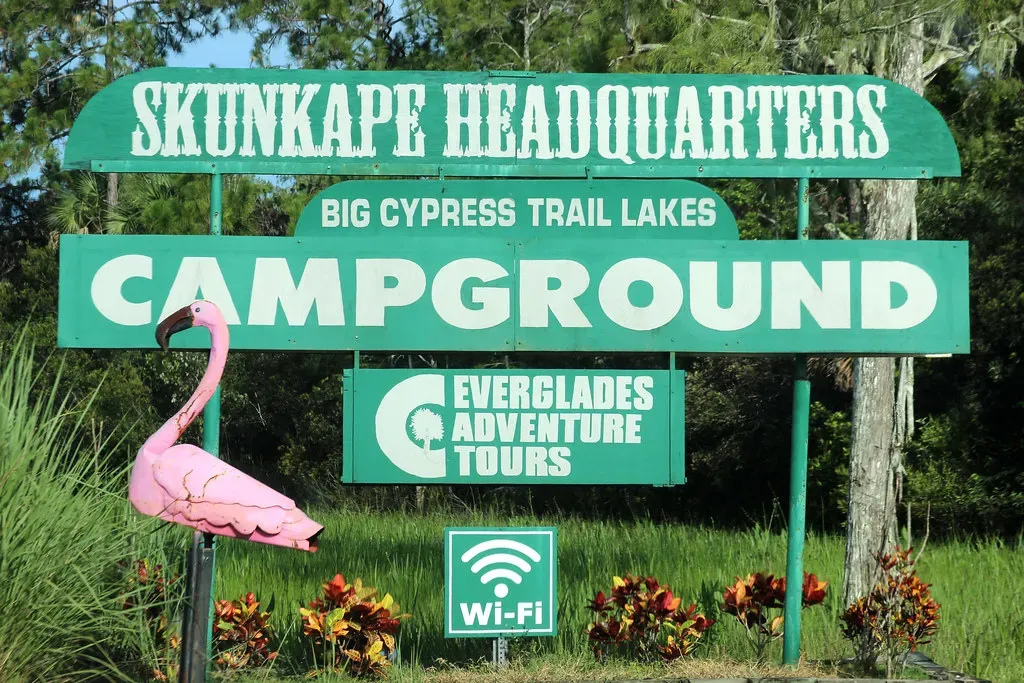
When people think of Bigfoot, Texas is not usually the first state that comes to mind, but eastern Texas quietly hosts a steady stream of reports from its vast pine forests. Locals talk about tall, hairy figures seen crossing backroads, strange cries in the night, and huge tracks found near creeks and hunting stands. These stories overlap with similar tales from neighboring southern states, where a Bigfoot‑like creature is sometimes described under the nickname “skunk ape,” supposedly due to a strong, musky odor that witnesses say clings to the air after an encounter.
Environmentally, the region makes more sense than people realize. East Texas and much of the Gulf Coast are laced with pine forests, swamps, and bottomland thickets where visibility is limited and animal sign is everywhere. Feral hogs, bears in some areas, and even tall grasses moving in the wind can create convincing illusions, especially at night with just headlights or a flashlight beam to go by. Still, many Texans who share their stories insist they are experienced hunters or outdoors people who know the local wildlife and were completely rattled by what they saw. That confident tone is a pattern across many Bigfoot accounts, and it is one reason the legend continues to spread from the Pacific Northwest deep into the American South.
5. The Deep Woods of the Great Lakes Region (Ohio, Michigan, and Beyond)
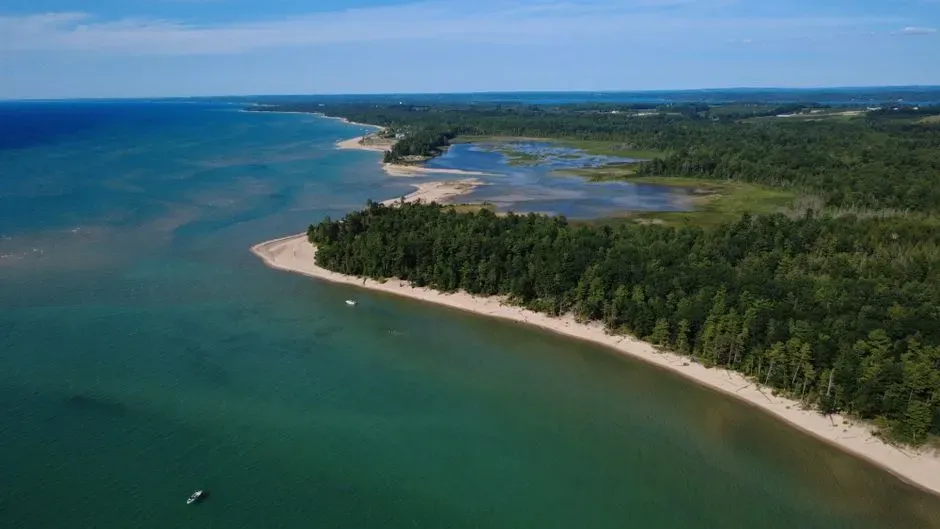
The Great Lakes region, stretching through states like Ohio and Michigan, has become a quieter but persistent cluster of modern Bigfoot reports. People describe tall, dark figures moving between trees near lakes and rivers, powerful vocalizations at night, and occasional large footprints left in mud or snow. The combination of thick woods, rolling farmland, and countless waterways creates a kind of patchwork wilderness, where a person can be only a few miles from a town and still feel completely alone under the trees.
From a scientific angle, skeptics argue that this same landscape is also ideal for misjudging distance, scale, and sound, which can turn an ordinary animal into something mythic in the mind. Deer standing on hind legs, shadows cast by car headlights, and even people in bulky clothing can appear larger and stranger than they are when glimpsed for just a second. Still, the fact that reports continue to crop up in these well‑traveled states fuels the idea that if Bigfoot exists, it might not be confined to one remote corner of the country. To me, the Great Lakes cases really highlight the core tension of the Bigfoot question: if this creature is only legend, why do similar stories keep appearing in such different places, and if it is real, how has it stayed hidden for this long?
Conclusion: A Legend That Says More About Us Than the Woods
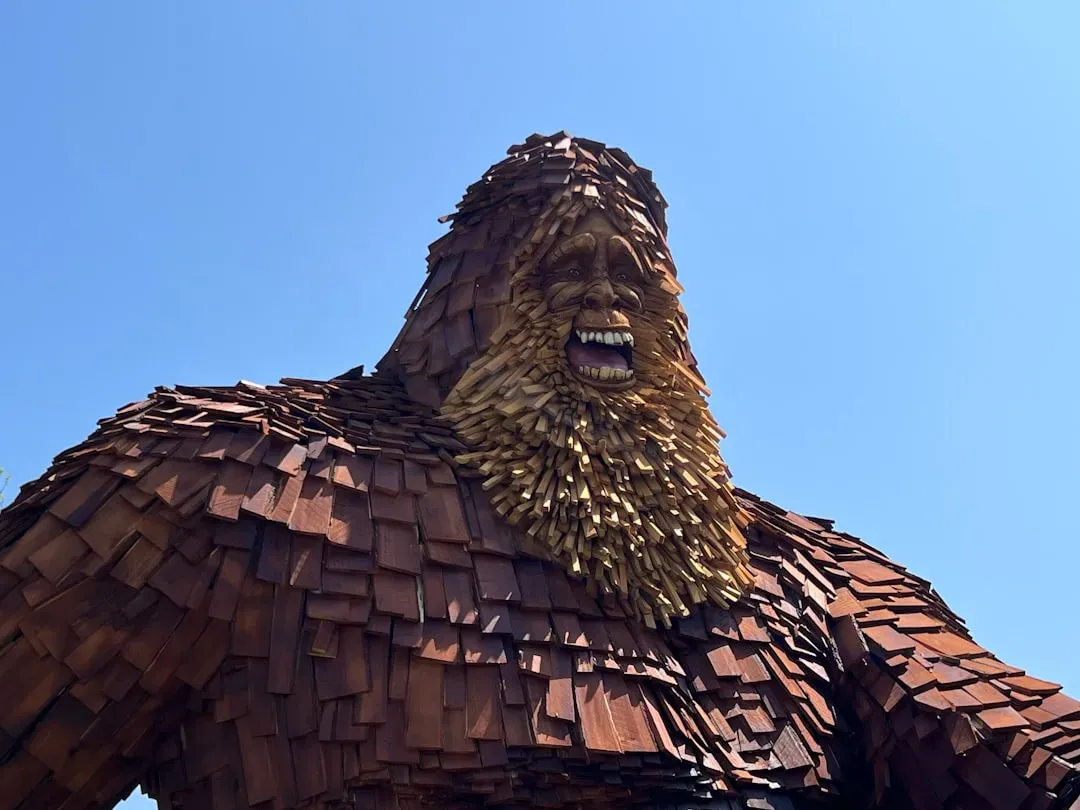
When you line up these five American hotspots, a pattern pops out: Bigfoot tends to appear where the forests are thick, the nights are long, and people already feel like they are brushing against something untamed. The Pacific Northwest, the Sierra Nevada, the Appalachians, the piney South, and the Great Lakes all offer enough cover for bears and people to be misidentified, yet also enough mystery to make those mistakes feel meaningful. Modern biology and ecology lean heavily against the idea that a giant, breeding population of unknown primates is slipping through our fingers in these same places, especially without clear physical evidence after so many decades of looking.
Personally, I think that tension is exactly why the legend refuses to die. Bigfoot gives us a way to admit we do not have everything mapped, measured, and nailed down, even in a country obsessed with satellites and surveillance. It suggests that the world still has corners where a person can step off the trail and feel that electric jolt of not knowing what is watching from the trees. Whether Bigfoot is ever proven real or remains forever just out of reach, the creature has already done something powerful: it has kept millions of people looking more closely at the wild places around them. Maybe the better question is not whether Bigfoot is out there, but what our fascination with it is trying to tell us about ourselves – and about how much mystery we are willing to let the world keep.