You probably think of dinosaurs when you picture terrifying prehistoric life: teeth, claws, giant footprints stomping through primeval forests. But once you start looking beyond the usual T. rex and raptor crowd, you realize something unnerving: dinosaurs were only part of the story, and not always the worst of it. Some of the most nightmarish creatures that ever lived never show up in blockbuster movies, yet they would make almost any dinosaur look tame by comparison.
As you explore these forgotten monsters, you step into worlds that feel alien, even though they are buried in the rocks under your feet. Seas churned with armored predators that hunted by smell and vibration in near darkness, skies swarmed with flying reptiles the size of small airplanes, and early land ecosystems were ruled by animals that looked patched together from different species. By the time you finish, you might realize that your imagination has actually been playing it safe all along.
Mosasaurus: The Ocean “T. rex” That Turned Seas Into Killing Zones
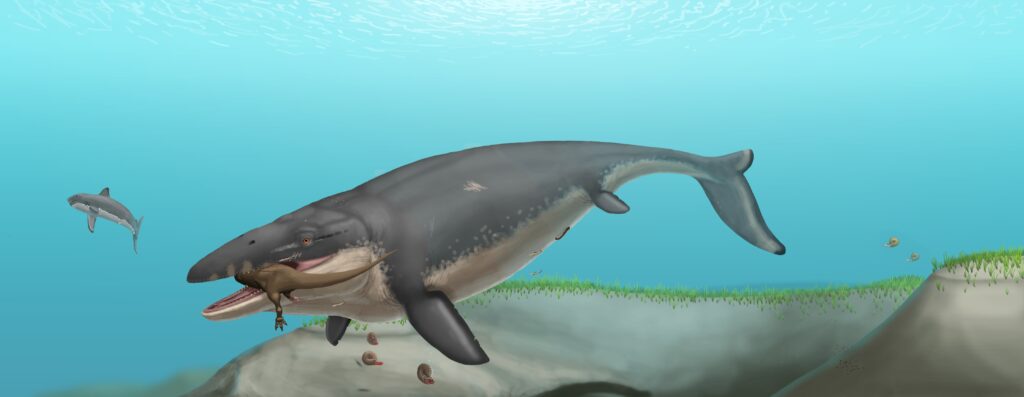
If you stood on a Late Cretaceous beach and saw a fin slice the surface, you would not be thinking about sharks. You would be staring at a mosasaur, a marine reptile that could reach the length of a city bus and had a skull full of recurved, stabbing teeth designed to grab and not let go. You are not dealing with a dinosaur here but with a descendant of land-dwelling lizards that took the ocean and turned it into their personal hunting ground.
Picture yourself in the water as nothing more than a moving shape in the gloom; to a Mosasaurus, you would be a silhouette, easy to ambush from below or behind. Its double-hinged jaws and flexible skull could swallow you whole in just a few bites, in the same way it likely devoured huge fish, turtles, and even other marine reptiles. You are not outrunning it either: powered by a strong tail and streamlined body, it swam like a giant reptilian torpedo, turning every coastal sea into something closer to a horror story than a tropical paradise.
Megalodon: The Real-Life Super Shark You Would Never See Coming
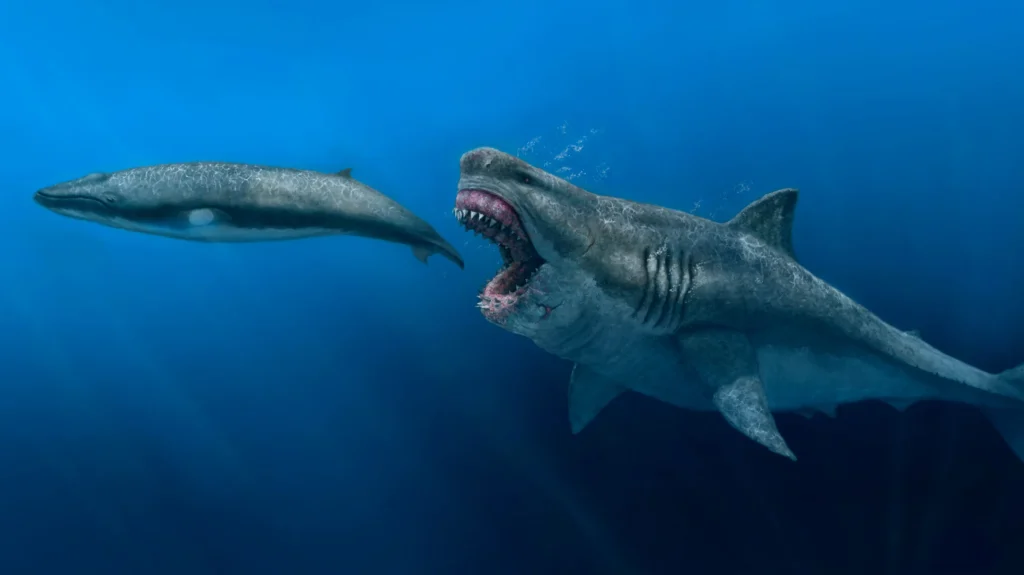
When you think shark, you probably imagine the great white, but if you were dropped into the oceans a few million years ago, that mental picture would feel embarrassingly small. Megalodon was the apex of apex predators, a shark so enormous that a modern great white could have fit inside its mouth. You would be dealing with an animal whose jaws were powerful enough to crush bone and whose teeth were larger than your hand, built to slice through whales like they were overgrown fish.
Now put yourself in its world: warm coastal waters, packed with marine mammals that had absolutely no idea this giant was lurking below. You would not hear it, you would not see it until it was too late, because a top predator like this lived by ambush, striking from below with brutal speed. If you were somehow hovering nearby and watched this happen, you would see a dark shape surge upward, a violent churn of water, and then nothing but drifting red. In that ocean, you would not be at the top of the food chain; you would barely even register as a snack.
Arthropleura: The Giant Millipede That Would Own Any Forest Floor
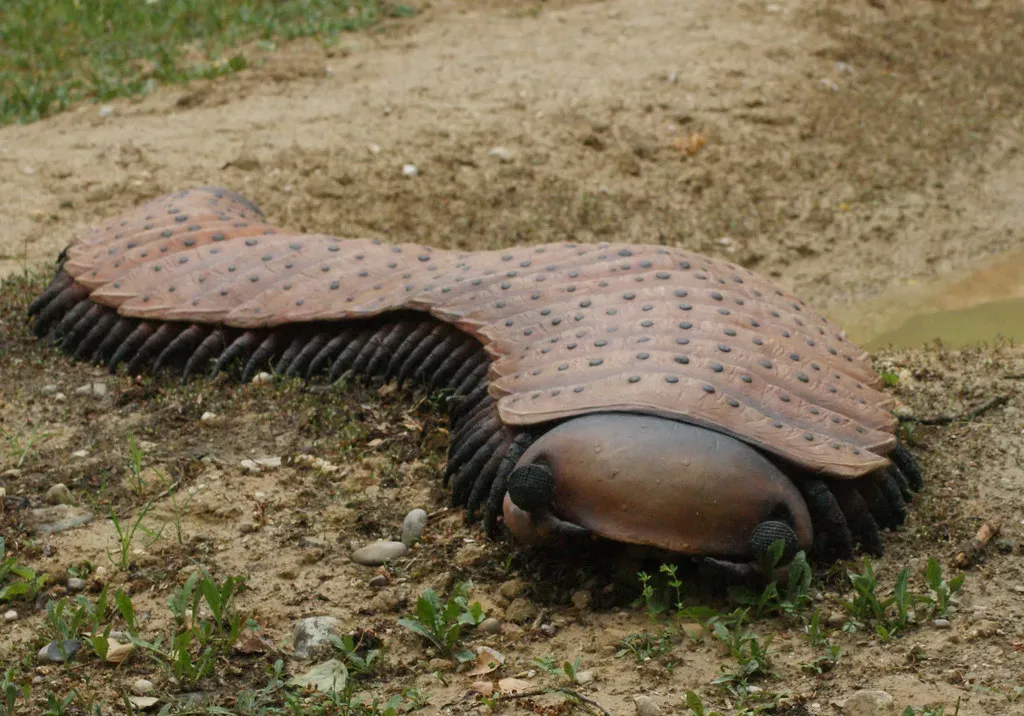
Imagine walking through a dense Carboniferous swamp, the air thick and humid, ferns towering over your head, and then looking down to see something that makes your skin crawl: a millipede longer than a small car. Arthropleura was an invertebrate so massive that you could have laid down beside it and still felt small. Even if it was mostly a plant-eater, you would not feel calm watching a multi-legged armored body that size clatter across the forest floor like a living tank.
You might instinctively want to step back, because every twitch and ripple of its many legs would remind you just how powerless you’d be if something that big decided to move through your space. The sheer alien feel of seeing a familiar shape – essentially a millipede – scaled up to nightmare proportions would mess with your sense of what is safe and what is not. You would hear it rustling through dry leaves before you saw it, and by the time its segmented body emerged from the undergrowth, you would realize you were the intruder, not the other way around.
Quetzalcoatlus: The Flying Reptile Taller Than a Giraffe
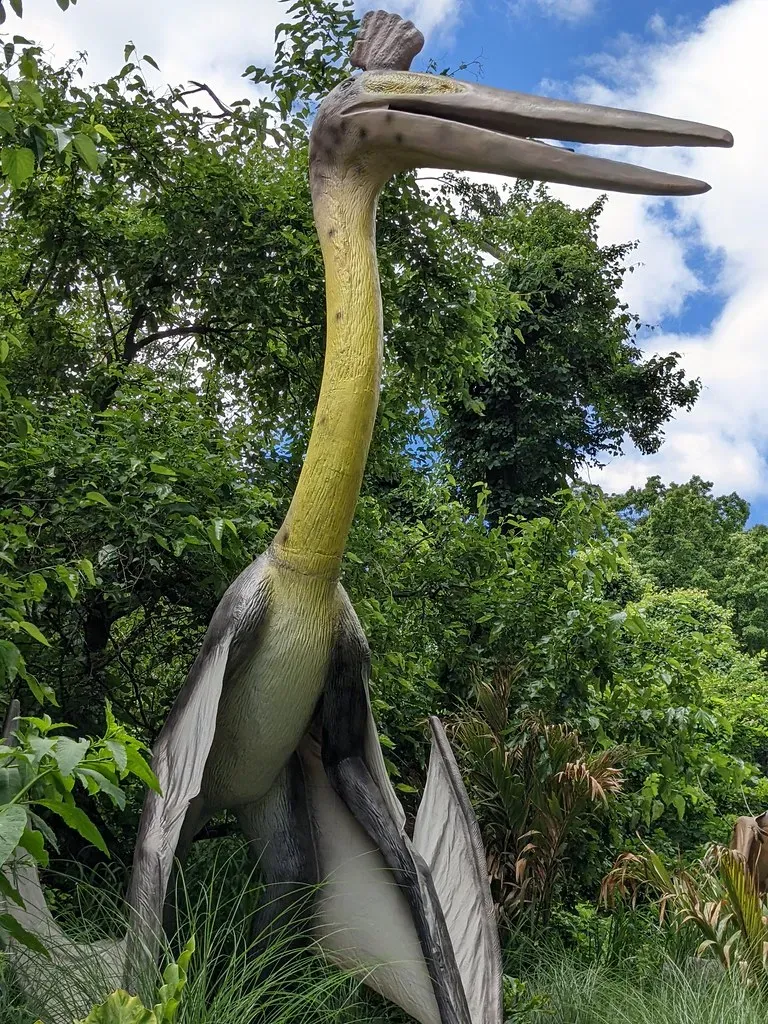
If you looked up in the Late Cretaceous skies, you might not be as worried about birds as you would be about something far more unsettling: a pterosaur like Quetzalcoatlus, with a wingspan rivaling a small plane and a body as tall as a giraffe when standing on the ground. You would see a long, spear-like beak and a lightweight but towering frame that could stalk over open ground like a monstrous stork. You might feel safe on land, but a creature that could both fly and walk efficiently would erase that comfort quickly.
Imagine being on a flat plain while one of these giants lands nearby, folding its wings like a tent and striding toward you on elongated limbs. You would not be its natural prey, but that almost wouldn’t matter; your instincts would scream at you to get away from something that large and efficient-looking. It likely fed on smaller animals and perhaps scavenged, and if you watched it probe around with its beak, plucking up victims, you would realize you were watching a flying predator that ruled not just the sky, but the spaces in between sky and ground as well.
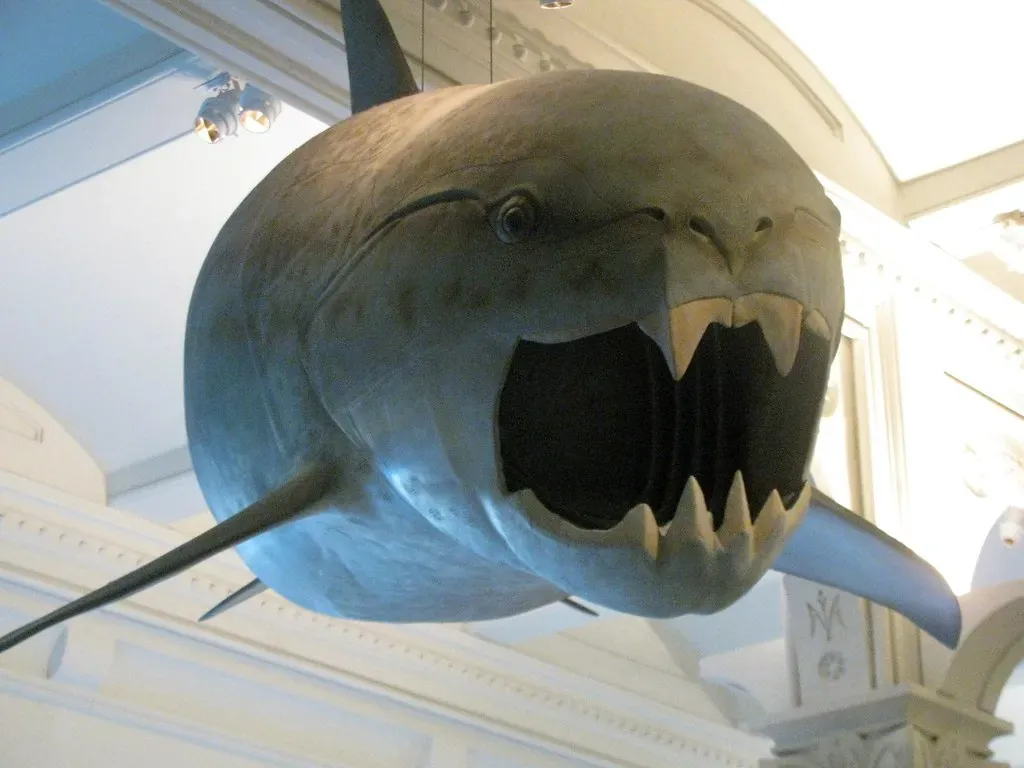
Dunkleosteus: The Armored Fish With a Guillotine for a Jaw
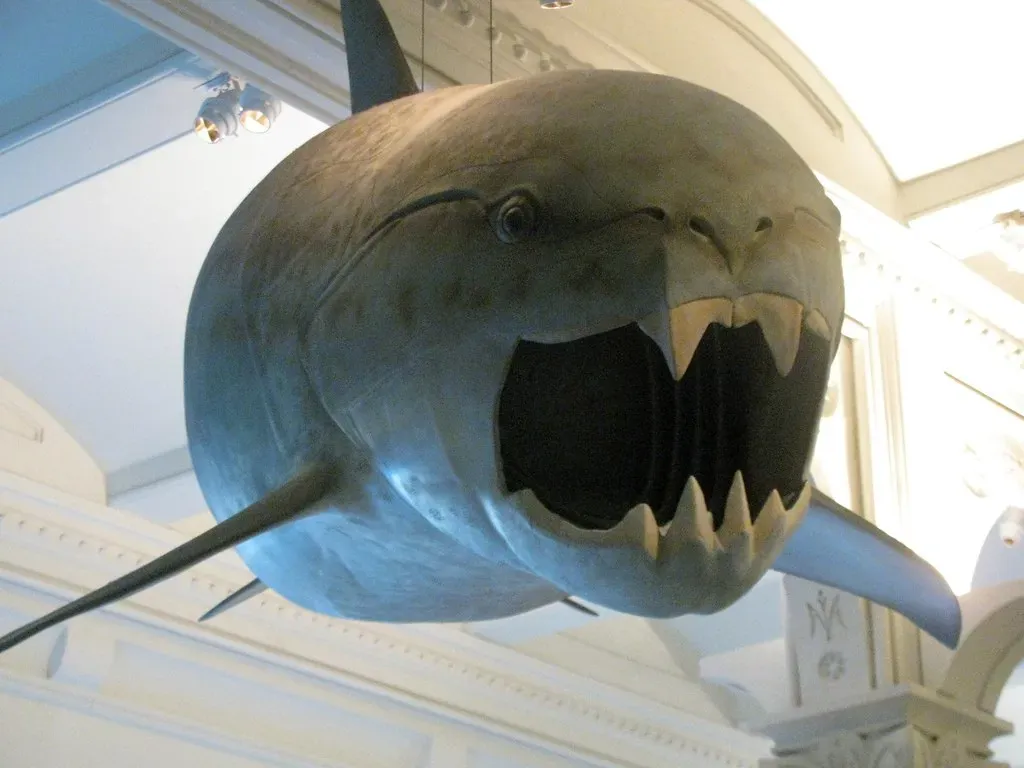
If you dive into the Devonian seas in your imagination, you do not meet sleek sharks first – you meet armor-plated nightmares like Dunkleosteus. Instead of regular teeth, it had sharp bony plates that acted like blades, slamming shut with a force strong enough to crush and slice through almost anything unfortunate enough to be in front of it. You would be looking at a fish that could grow longer than a car and carried a skull like a metal helmet fused to a living battering ram.
Place yourself in that murky water, where visibility is low and shadows loom around you; Dunkleosteus would likely sense movement and strike before you could process what was happening. To you, those jaws would feel more like industrial machinery than an animal’s mouth, snapping shut with terrifying speed. Every other creature nearby – smaller fish, early sharks, anything fleshy and slow – would be part of an endless buffet. If you thought modern oceans were dangerous, this earlier version would make you realize how lucky you are to be born millions of years too late.
When you stack these creatures up – bus-sized marine lizards, mega-sharks, giant millipedes, sky-dominating pterosaurs, and armored fish with shearing jaws – you start to see prehistory as a long-running horror anthology rather than a single dinosaur-focused story. You are looking at worlds where evolution kept testing the limits of size, armor, and killing power, and you, as a human, would not even come close to the top of the hierarchy.
The next time you see a dinosaur skeleton in a museum and feel a shiver, you can remind yourself that it is only a fraction of what once roamed, swam, and flew. If you could step back into those eras, your imagination would probably give up and just switch to survival mode. Would you really still pick a dinosaur as the scariest thing out there after meeting these five?