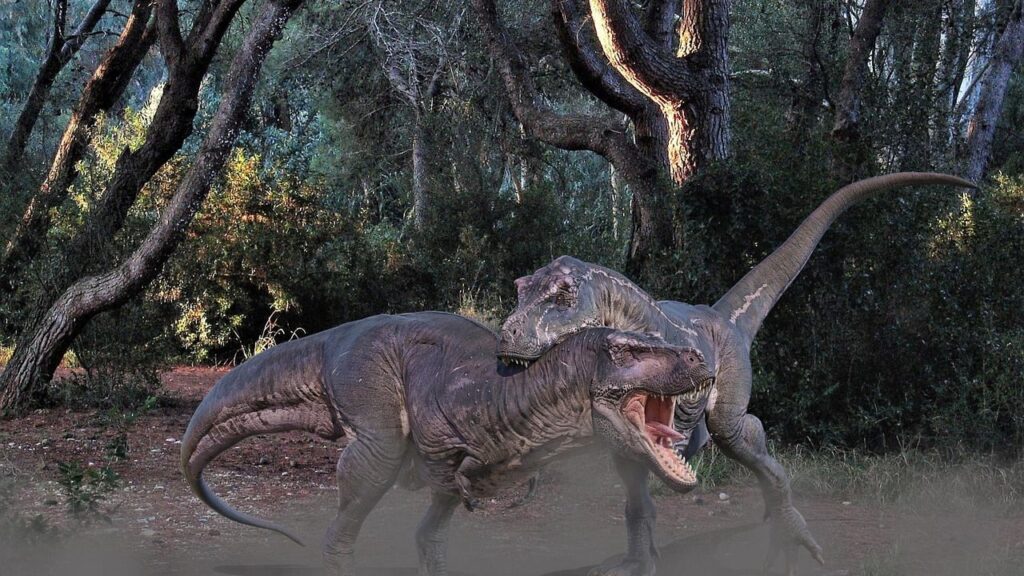
When you think of ancient terror, your mind probably races to the Tyrannosaurus rex. Those massive jaws, the bone-crushing bite, the sheer dominance of the food chain. It makes sense. The T-Rex has become the poster child for prehistoric nightmares, immortalized in movies and museums worldwide.
Here’s the thing, though. While the Tyrannosaurus was undeniably fearsome, it wasn’t alone in ruling the ancient world with iron teeth and ruthless instincts. Our planet was once crawling with creatures that would make the T-Rex look almost manageable by comparison. Some were larger, others more cunning, and a few were just downright bizarre in their methods of hunting and killing.
If you think you know terrifying, wait until you meet the beasts that lurked in rivers, stalked through swamps, and tore through flesh with tools evolution crafted over millions of years. Let’s dive in.
Spinosaurus: The River Monster That Hunted Dinosaurs and Fish Alike
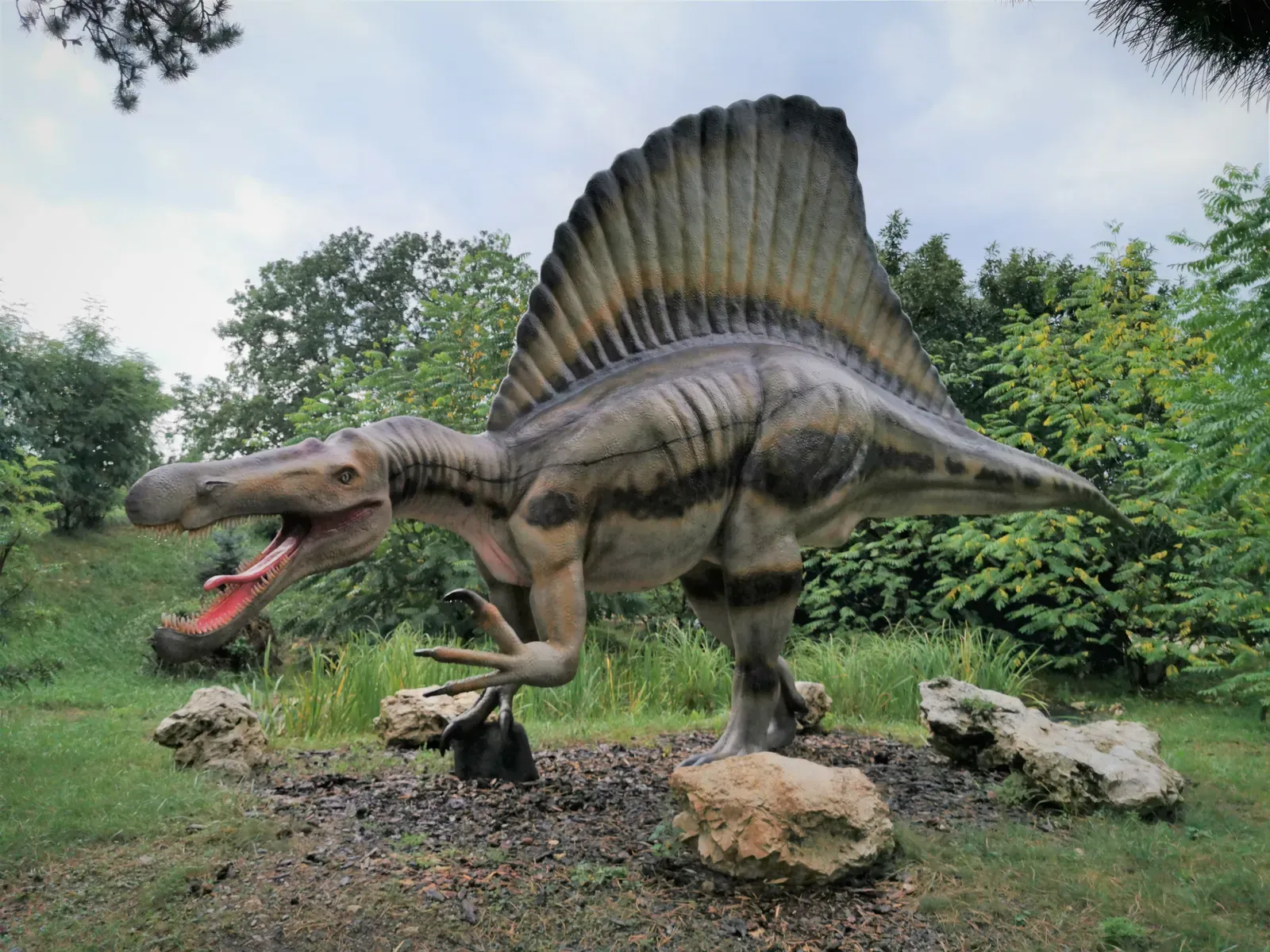
Spinosaurus is currently the largest of all known carnivorous dinosaurs, even larger than T. rex and Giganotosaurus. Picture something that could reach over fifty feet in length, with a crocodile-like skull designed for gripping slippery prey and conical teeth perfect for piercing fish. Now imagine that same creature wasn’t confined to water or land. Evidence suggests that it was semi-aquatic, so there was nowhere to escape from this fish and dinosaur devouring monster.
Honestly, what makes Spinosaurus so unsettling isn’t just its size. It’s the versatility. Most apex predators stick to one environment, but Spinosaurus dominated both river systems and the surrounding land. The most recent study suggests that S. aegyptiacus could have reached 14 m (46 ft) in length and 7.4 t (8.2 short tons) in body mass. The sail along its back, towering and unmistakable, likely helped regulate body temperature while it waited in ambush beneath murky waters. Prey that came to drink didn’t stand a chance.
Dunkleosteus: The Armored Fish With Self-Sharpening Jaw Blades
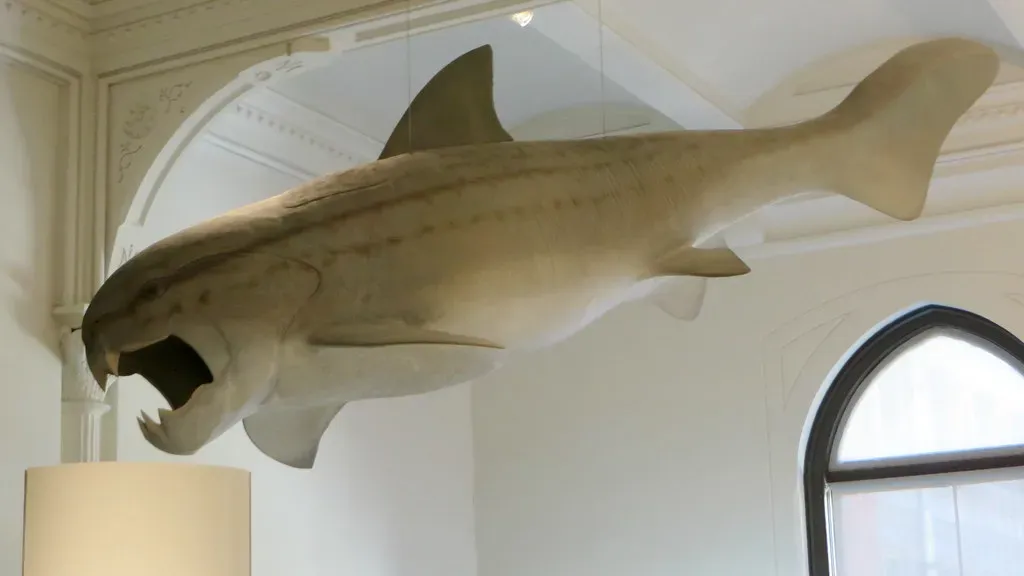
This 33 foot long armored fish from the Devonian era lacked teeth, but its jaw contained razor sharp protrusions of bone that it could use to pierce and cut through its prey. Let’s be real, a fish without teeth doesn’t sound all that scary at first. Until you learn what replaced them.
These bones grew continuously and as they did, the edges rubbed together with those of the opposing jaw, acting like self sharpening shears. That’s the evolutionary equivalent of a built-in guillotine. Dunkleosteus roamed ancient oceans with an armor-plated head that made it nearly indestructible to other predators. These blades could generate up to 8,000 pounds of bite force per square inch, enough to crush anything in their path – including other Dunkleosteus. It’s hard to say for sure, but fossil evidence even suggests these creatures suffered from chronic indigestion because they ate so indiscriminately.
Titanoboa: The Forty-Foot Serpent That Crushed Crocodiles
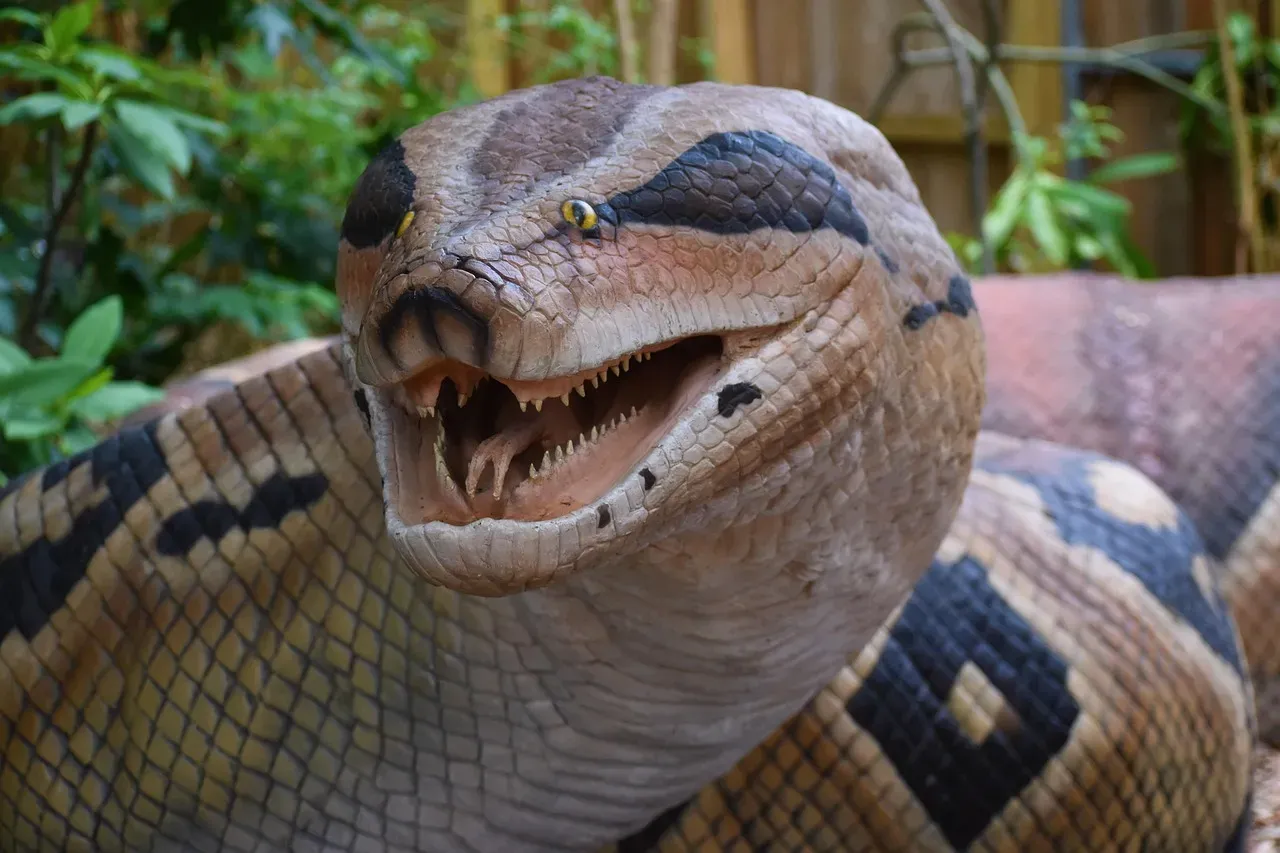
If you’re scared of snakes, I apologize in advance. This giant snake could reach lengths of up to 42 feet (nearly 13 meters) and weighed over a ton (more than 1,000 kilograms). For context, the largest anaconda ever recorded didn’t even reach thirty feet. Titanoboa was a whole different beast.
It likely hunted much like crocodiles do, lurking, partially submerged at the water’s edge so that it could ambush thirsty, unsuspecting animals. Once it struck, there was no escape. It would strike from the water and wrap itself around its prey, delivering a crushing death. Imagine going for a drink at the river’s edge and being seized by something that could easily swallow a crocodile whole. Titanoboa thrived in warm, humid jungles where the climate allowed cold-blooded reptiles to grow far beyond modern limits. You’d think twice about that peaceful rainforest walk if these things were still around.
Livyatan: The Whale With Teeth Longer Than Your Forearm
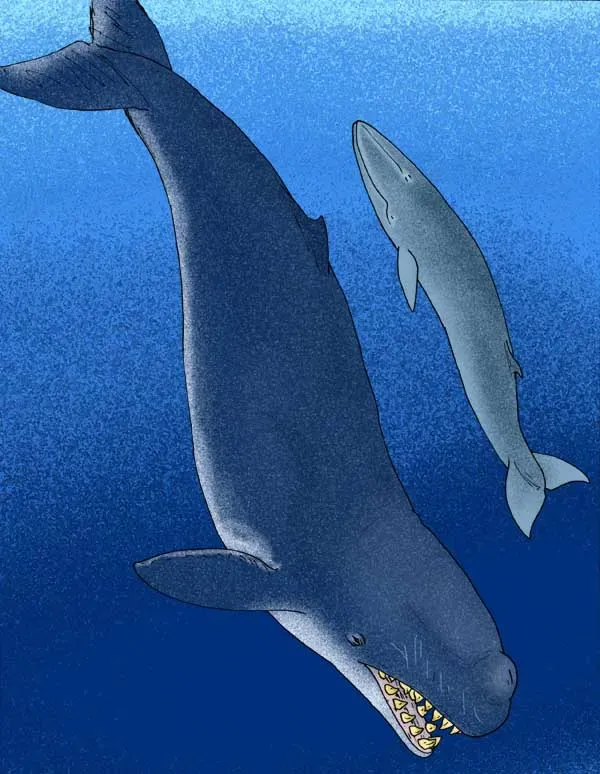
It was 44-57 feet long and had a 10 foot long skull that housed forty 14.5″ long teeth. Yes, you read that correctly. Fourteen-inch teeth. These are the longest teeth used for feeding known from any animal, extinct or alive. Livyatan was basically a sperm whale that decided violence was the answer.
Unlike modern sperm whales that primarily hunt squid in the deep, Livyatan was a surface predator. They fed on large prey at the surface of the water including other whales. It competed directly with Megalodon for dominance of ancient oceans, which tells you everything you need to know about its ferocity. Named after the biblical sea monster and Herman Melville, author of Moby Dick, this whale was the stuff of maritime legend brought horrifyingly to life. Frankly, it makes you grateful that modern whales are more interested in krill than carnage.
Jaekelopterus: The Sea Scorpion With Spring-Loaded Claws
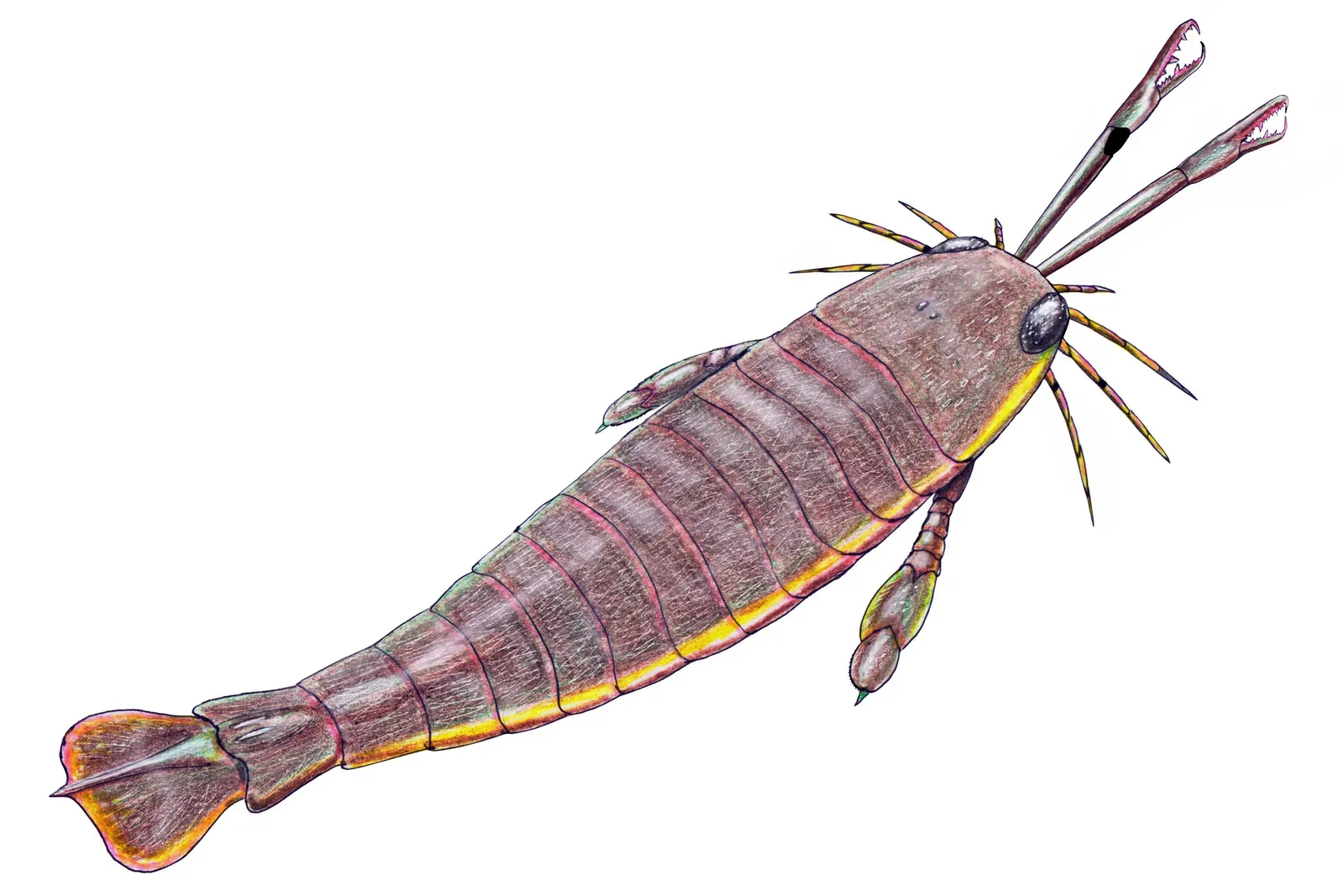
Jaekelopterus had segmented bodies with multiple specialized limbs, some with spikes. They had spring loaded claws to snatch up fish as they passed by, with the largest having an 18 inch spiked claw. Picture something that looks like a nightmare crossover between a scorpion and an alien face-hugger, and you’re halfway there.
Smaller sea scorpions are known to have crawled ashore to mate and even shed their outer skin. Imagine finding the molt of one of these monsters on the shore just before going swimming. That’s the kind of discovery that would ruin a beach day permanently. These creatures could grow up to eight feet long, with bodies built for stealth and sudden, violent strikes. They patrolled ancient waterways with an efficiency that would make modern predators envious. The thought of encountering one in murky water, seeing only a shadow before those claws snapped shut, is enough to keep you on dry land.
Conclusion
The T-Rex may have earned its place in pop culture as the ultimate prehistoric predator, but the ancient world was far more diverse and dangerous than most people realize. From semi-aquatic hunters with sails on their backs to serpents that could crush a car, evolution experimented with terror in ways that still shock us today.
These creatures ruled their environments with adaptations so effective, so brutal, that they dominated for millions of years. The fact that they’re gone is both a relief and a reminder of just how wild and untamed Earth’s past truly was. What would you have guessed was more terrifying than T-Rex before reading this? It’s wild what was actually out there.