There is something quietly humbling about standing at the edge of a coastal tide flat, watching a horseshoe crab drag itself through the shallows the same way its ancestors did hundreds of millions of years before us. We like to think of ourselves as the pinnacle of evolution, the ultimate survivors. Yet some creatures around us have already solved the riddles of survival in ways that took them far less time than it took us to invent the wheel.
The prehistoric world was ruthless and unforgiving. Ice ages came and went. Asteroids struck. Entire ecosystems collapsed overnight. Yet certain creatures looked extinction dead in the eye and simply refused to blink. Their strategies were not flashy, not particularly dramatic, but they were devastatingly effective. What exactly did these ancient survivors know that we do not? You might be surprised. Let’s dive in.
The Horseshoe Crab: The Master of “If It Ain’t Broke, Don’t Fix It”
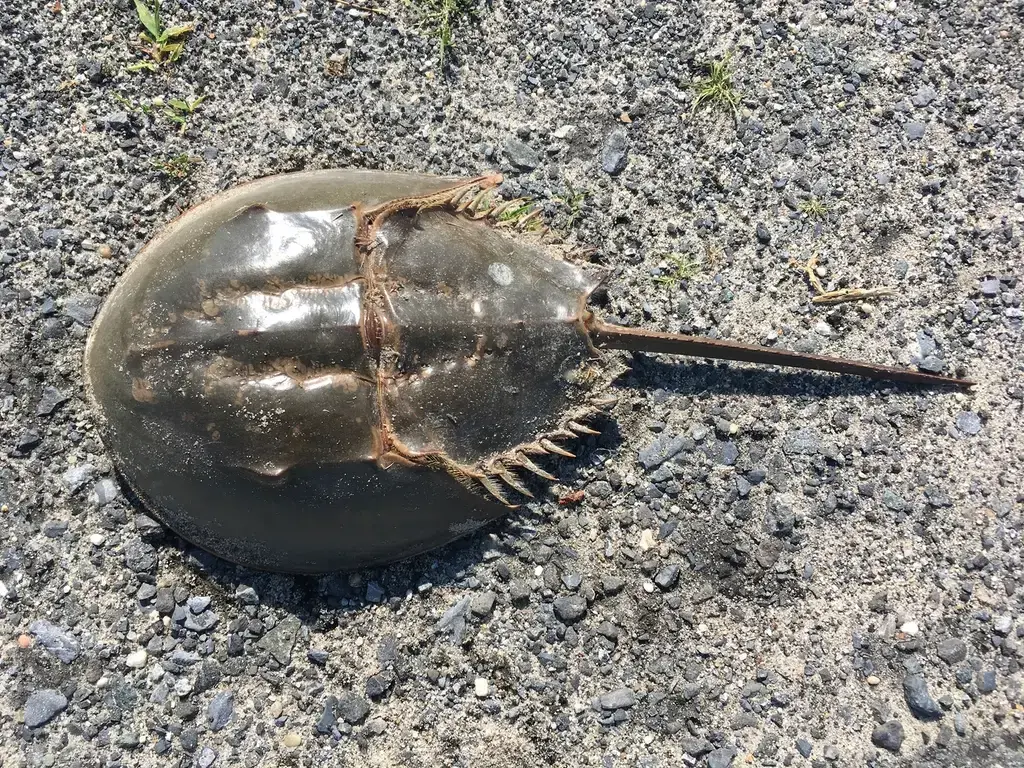
Here is a creature that genuinely stopped evolving because it had already gotten everything right. Horseshoe crabs are creatures of the Paleozoic Era that survived all five major extinction events, including the Ordovician, Devonian, Permian, Triassic, and Cretaceous events. That is not a lucky streak. That is a design philosophy. The phenomenon displayed by horseshoe crabs is known as “evolutionary stasis,” a condition where a species experiences minimal anatomical change over extended periods, with fossil records indicating that while minor adaptations have occurred, their fundamental body plan has remained remarkably constant.
Their secret toolkit is extraordinary. They have been roaming the coastal shelves and brackish bays of Earth for more than 400 million years in nearly identical form to today, and they are generalists that can live in shallow or deep, warm or cold water, eating pretty much anything they find on the sea floor. Their immune system alone is a marvel that humans have borrowed for modern medicine. The blood contains amoebocyte lysate and helpful enzymes that create a powerful immune system, with those enzymes detecting intruding bacteria and the amoebocytes quickly surrounding them, creating a coagulating barrier that protects the animal from harm. The lesson you can take from this ancient creature? Stability, versatility, and a body plan built to weather chaos are worth more than constant reinvention.
The Crocodile: Patience, Flexibility, and the Power of Waiting
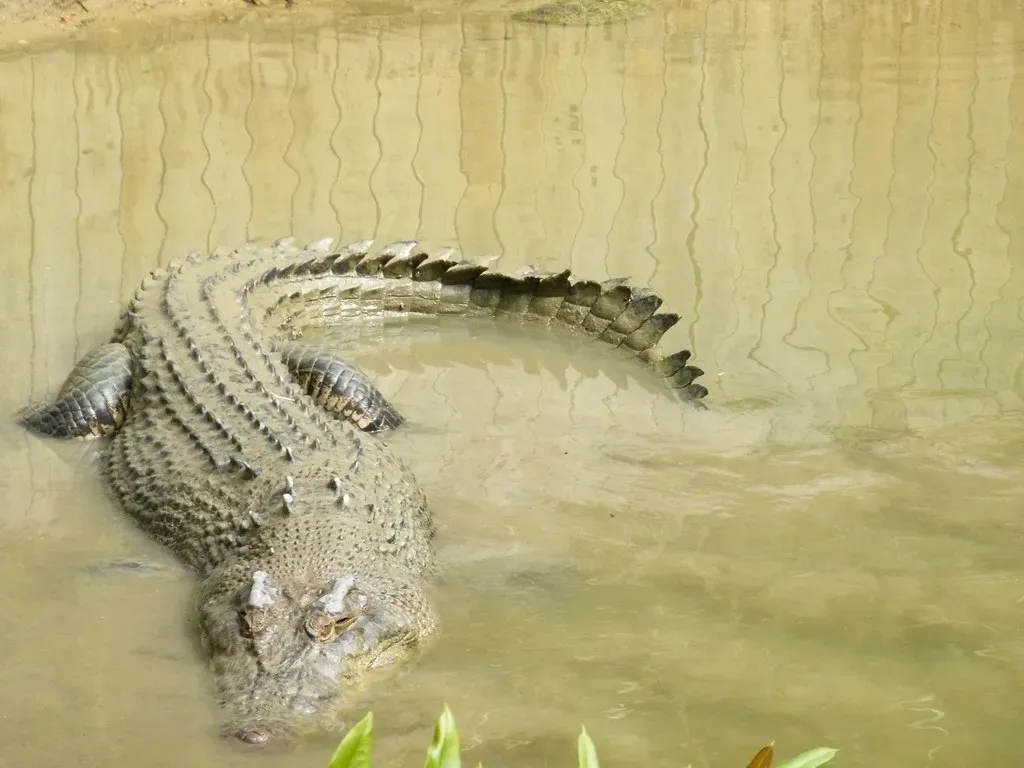
Honestly, if you had to pick one creature whose survival playbook you would want to borrow, the crocodile would be a strong contender. Crocodiles are often described as “living fossils” after surviving for over 200 million years with remarkably few changes, and through countless environmental shifts and mass extinction events, they have fine-tuned their survival strategies through a perfect blend of patience, precision, and power. What makes them truly remarkable is not brute force. It is their ability to pivot. Crocodylian ancestors persisted through two mass extinction events, a feat requiring evolutionary agility to adapt to a rapidly changed world, and one secret to their longevity is their remarkably flexible lifestyles, both in what they eat and the habitat in which they get it.
Their physical toolkit is almost unfairly stacked. One of the keys to the crocodile’s survival is its cold-bloodedness. Like all reptiles, crocs are ectotherms that must gather heat from their environment, developing behaviors to control their body temperature by basking when cool and seeking shade or water when hot, meaning they do not need to eat regularly to warm their bodies and so save an enormous amount of energy. Think about that. In a world where resources disappear overnight, the ability to operate at a fraction of normal energy consumption is a superpower. The study reinforces a growing recognition in paleobiology: generalists, animals that can live in many environments and eat a wide variety of foods, are more likely to survive planetary-scale catastrophes than specialists. That is a lesson for any business, community, or individual navigating an uncertain world today.
The African Lungfish: The Art of Knowing When to Pause
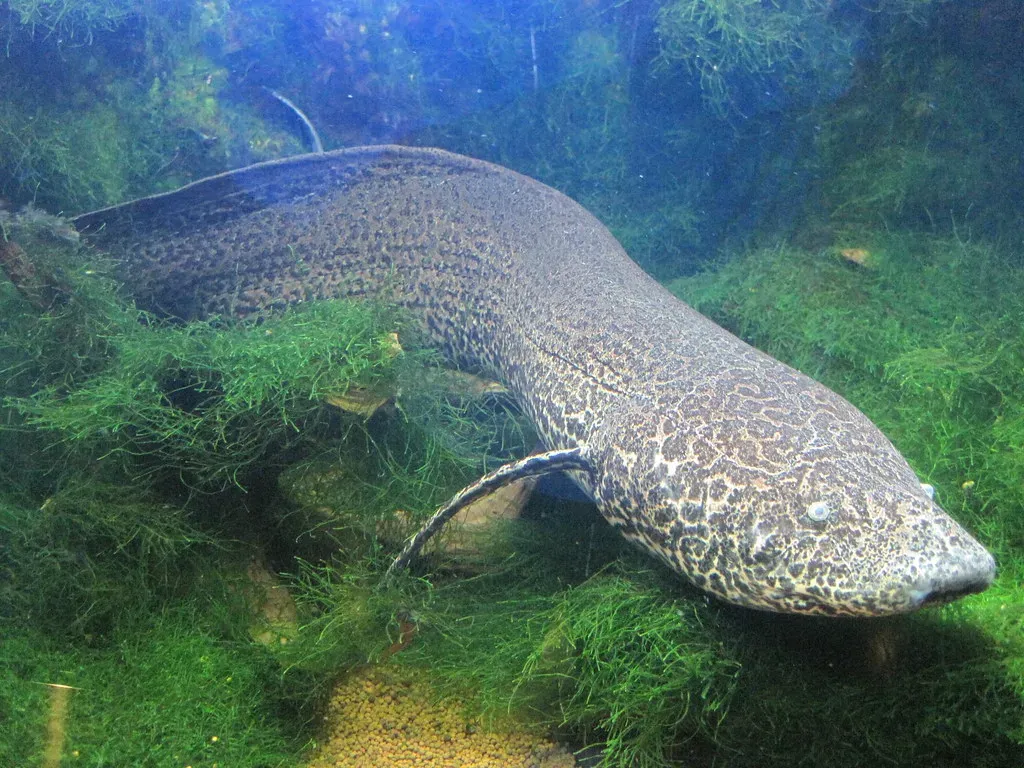
In a world obsessed with constant motion, the African lungfish teaches you a lesson that goes against just about every piece of modern productivity advice out there. West African lungfish are prehistoric animals that have survived unchanged for nearly 400 million years, earning themselves the nickname “living fossils” through remarkable adaptations that include a primitive lung and the ability to survive in a state of estivation, which is similar to hibernation. When the rivers dry up, this fish does not panic. It does not fight the environment. It simply becomes still. When their habitat dries up during the long, harsh African dry seasons, the African lungfish does not panic. It simply digs itself into the mud, wraps itself in a protective mucus cocoon, slows its metabolism down to a crawl, and waits.
The science behind this strategy is genuinely jaw-dropping. It digs its way into mud and surrounds itself with a secretion that will allow it to survive for up to four years, although it is usually only for a matter of months before the waters return. Four years. Suspended. Waiting. No food, no water, no movement. According to researchers, even after six months of estivation, these fish show no permanent damage, in what can only be described as hitting pause on life and walking away, only to resume right where you left off. For you, the lesson is this: strategic stillness, knowing when to conserve your energy rather than burn it recklessly, is not weakness. It is one of the most ancient and proven survival strategies on Earth.
The Cockroach: Radical Adaptability and Speed of Change
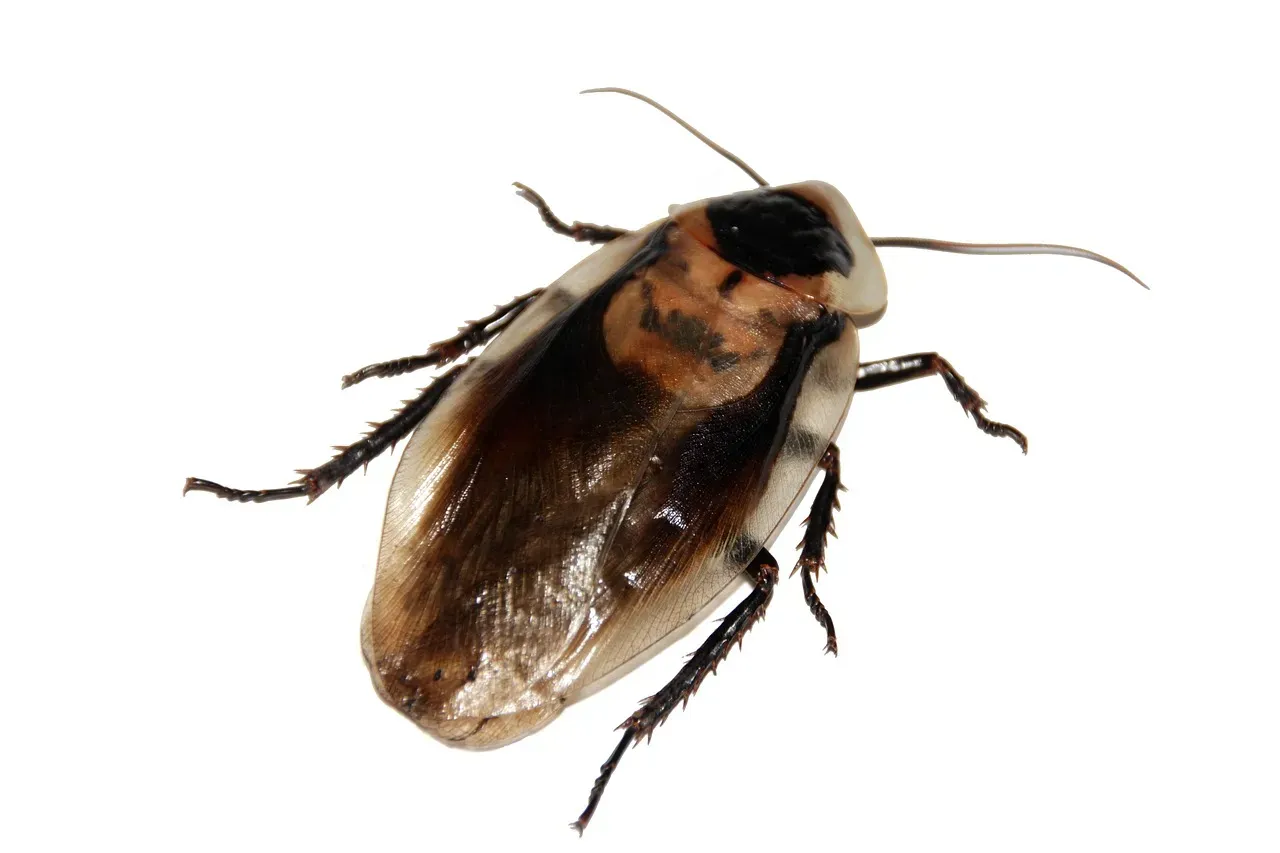
Let’s be real, nobody loves a cockroach. They are the uninvited guest at every dinner party since the Carboniferous Period. But here is the thing: their survival story is genuinely impressive. Cockroaches have a storied history that dates back to the Carboniferous period, around 320 million years ago, when their ancient ancestors known as “roachoids” were among the first insects to roam the Earth, and over the millennia cockroaches have demonstrated remarkable adaptability, surviving multiple extinction events including the one that wiped out the dinosaurs. Their physical resilience borders on the absurd. They can withstand extreme temperatures and even radiation, and are known to be one of the only creatures that could potentially survive a nuclear explosion. A headless roach can live for a week without its head, and roaches can also hold their breath for up to 40 minutes.
What separates them from simple toughness is the speed at which they evolve to face new threats. One of the reasons cockroaches have been able to stick around as long as they have is that they are able to change with the times. These insects survived the mass extinction that wiped out the dinosaurs, and now they are adapting to resist our efforts to eradicate them, with a study from North Carolina State University showing that cockroaches tested were able to change their internal chemistry in just a few generations. That is not slow Darwinian drift over millennia. That is rapid, targeted adaptation. Cockroaches are also able to go without food for a month because they can slow down their metabolism when necessary, allowing them to survive in environments where food is scarce. For you, this translates into an undeniable truth: the capacity to change fast, not just eventually, is what keeps you relevant when the world shifts without warning.
The Coelacanth: The Power of Staying Hidden in Plain Sight
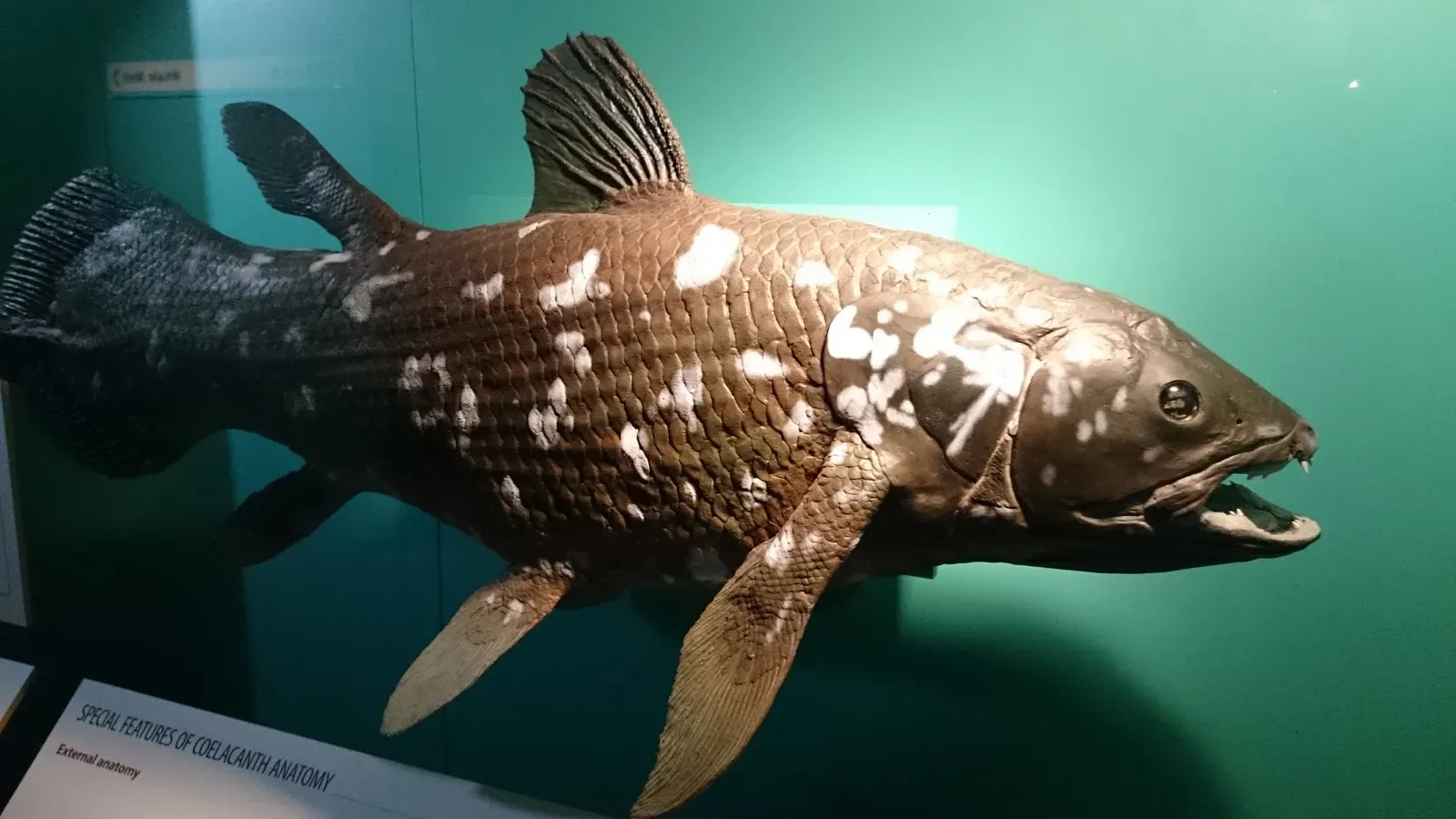
This one is perhaps the most astonishing entry on this list. Prehistoric creatures such as the coelacanth have not only survived the challenges of eons but continue to thrive even as modern ecosystem engineers, and their existence offers invaluable insights into both the past and the ongoing processes of natural selection. The coelacanth was so successfully hidden that scientists declared it extinct, then were completely blindsided when a live one was pulled from the waters off South Africa in 1938. It had been quietly living in the deep, cold ocean trenches for roughly 400 million years. Doing its thing. Unbothered. I think there is something deeply inspiring about that.
The coelacanth’s survival stems from a profound specialization in its environment. Studying ancient preserved creatures reveals valuable lessons about evolutionary biology, as these ancient creatures thrived during the Paleozoic Era and developed remarkable survival strategies, adapting to various predation pressures and showcasing the importance of physical defenses, with fossil records providing a timeline of evolutionary changes illustrating how species adapt over millions of years. The coelacanth chose depth over visibility, sticking to environments where few predators could follow and where conditions stayed stable across geological time. As we marvel at the diversity and resilience of prehistoric animals still alive to date, we gain a deeper appreciation for nature’s ability to endure through the ages, as these creatures are not just relics of the past but are also active participants in our current ecosystems that showcase incredible survival strategies. Your takeaway here is both simple and counterintuitive: sometimes the most powerful move you can make is to find your niche, go deep into it, and stop trying to compete everywhere at once.
Conclusion: Ancient Wisdom for a World That Won’t Stop Changing
Each of these creatures spent hundreds of millions of years field-testing survival strategies under conditions far more brutal than anything you will face in your daily life. The horseshoe crab tells you to build a design so solid it needs no revision. The crocodile shows you the art of radical patience combined with explosive action when the moment is right. The lungfish whispers that knowing when to pause is just as powerful as knowing when to push forward.
The cockroach proves that speed of adaptation beats the illusion of permanent strength. The coelacanth reminds you that invisibility and deep specialization can outlast even the most catastrophic events. None of these lessons require a biology degree. They only require the humility to look at creatures far older than us and acknowledge that they figured something out worth paying attention to.
We live in a world that changes faster every year. Climate shifts, economic instability, technological disruption, all of it creates a pressure that can feel entirely new and unprecedented. It is not. The Earth has seen far worse, and these five ancient survivors carry the proof. The real question is not whether the world will throw something impossible at you. It absolutely will. The question is which prehistoric lesson you will reach for when it does.