Dinosaurs have captured the human imagination for generations. You picture a world of thundering giants, of reptilian monsters ruling a scorching prehistoric Earth, and you think you’ve got the picture. But here is the thing – everything you thought you knew about dinosaurs has been repeatedly turned upside down by discoveries so shocking, so unexpected, that they forced scientists to tear up the rulebook and start again.
From a tiny feathered creature unearthed in a German limestone quarry to a site in Montana that completely rewrote the story of prehistoric parenthood, the history of paleontology is really a history of surprises. Each time researchers thought they had dinosaurs figured out, the rocks delivered something extraordinary. Get ready for some of the most mind-bending revelations in all of natural history. Let’s dive in.
Archaeopteryx: The Fossil That Bridged Two Worlds
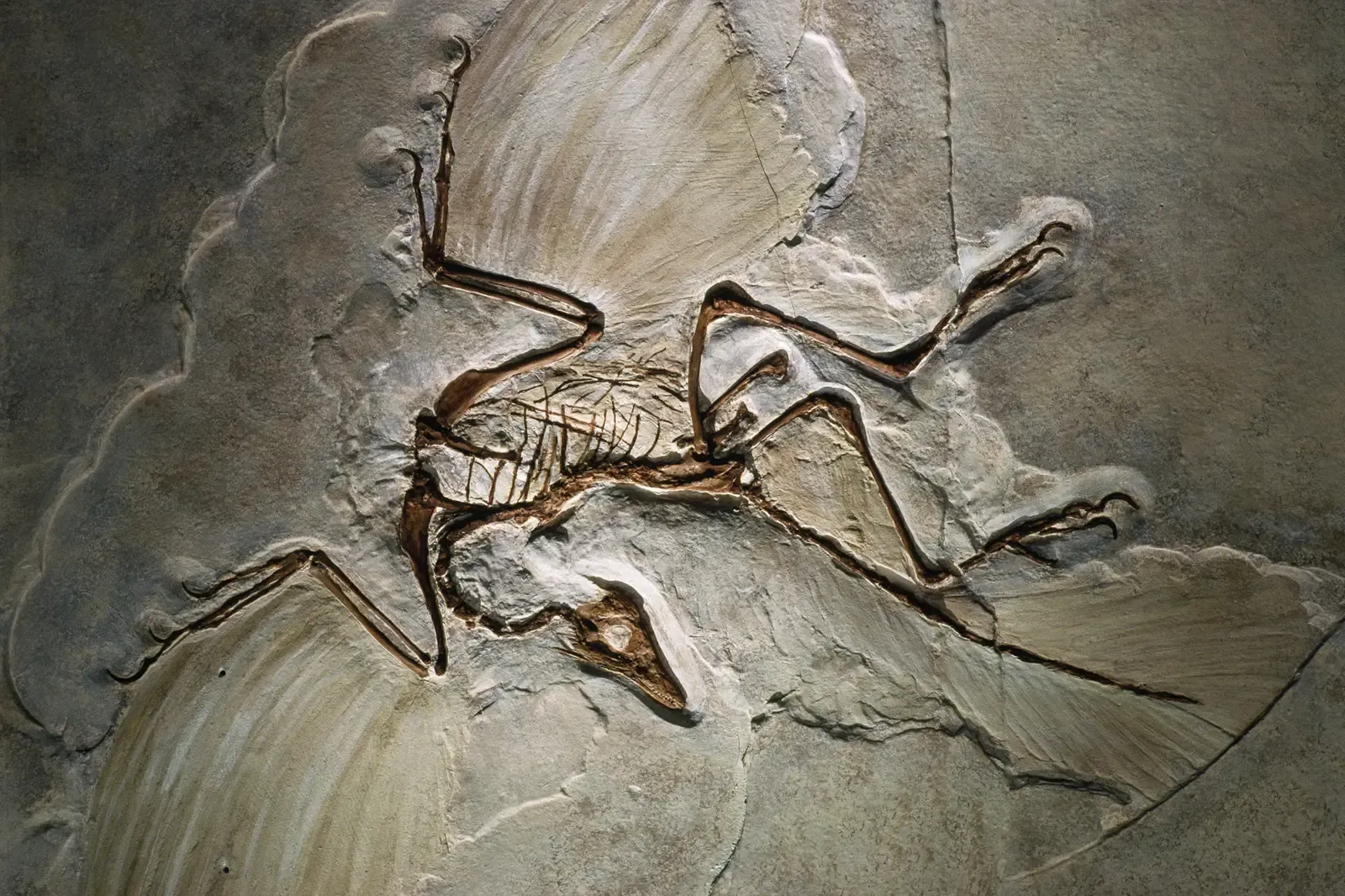
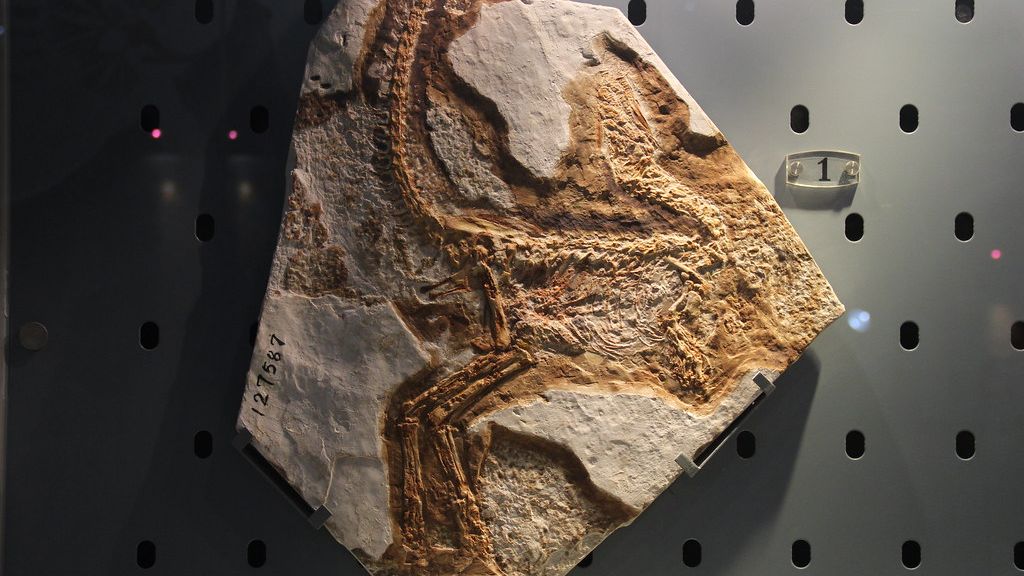
Imagine the year is 1861, just two years after Charles Darwin published his revolutionary theory of evolution. The scientific world is still reeling from that single idea. Then, out of a limestone quarry in Bavaria, southern Germany, comes a fossil so perfectly timed it almost seemed deliberate. The first Archaeopteryx fossil was uncovered in the Jurassic limestones of Bavaria in the summer of 1861, just two years after the publication of Darwin’s Origin of Species. It appeared to be one of Darwin’s predicted “missing links” – the link between reptiles and birds, specifically between dinosaurs and birds. The timing could not have been more dramatic.
It certainly looked like a bird, with delicately preserved feathers on its wings and a fan-shaped tail. It also had a wishbone, just like you find in a roast chicken, and both of these features were thought at the time only to occur in birds. Yet Archaeopteryx also had some very reptilian features – a long, bony tail and a jaw filled with very sharp teeth – and seemed to be part way between the two groups. Honestly, no single fossil has ever sat quite so perfectly at the crossroads of two scientific worlds.
Archaeopteryx seemed to confirm Darwin’s theories and has since become a key piece of evidence for the origin of birds, the transitional fossils debate, and confirmation of evolution. The reverberations of that single find echo all the way through modern science. Birds are the most diverse group of land animals on Earth – and they are also dinosaurs, the only ones that survived the mass extinction event 66 million years ago. Every time you watch a pigeon strutting down the street, you are looking at a living dinosaur. That is something Archaeopteryx made possible to understand.
Maiasaura and Egg Mountain: Dinosaurs Were Caring Parents
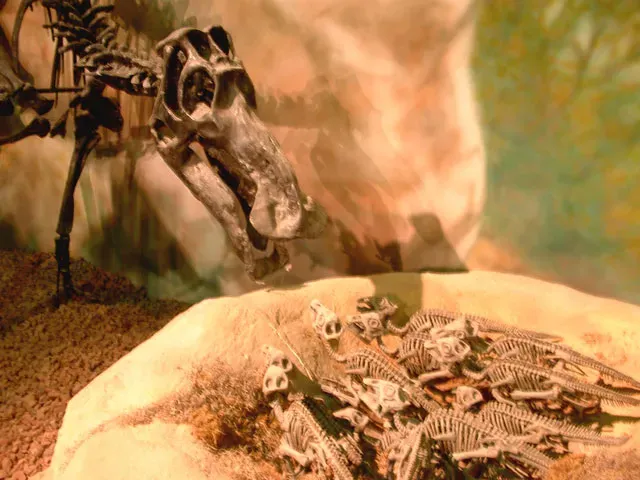
For most of paleontology’s history, dinosaurs were painted as solitary, cold-blooded monsters with all the warmth and parental instinct of a brick wall. Then came the summer of 1978, and everything changed. In the rugged badlands of western Montana, paleontologist Jack Horner and his research partner Bob Makela were conducting fieldwork in the Late Cretaceous Two Medicine Formation when they stumbled upon something extraordinary – the remains of numerous duck-billed dinosaurs, including adults, juveniles, and most importantly, nests containing eggs and hatchlings. This wasn’t just another dinosaur find; it was the first clear evidence of parental care in dinosaurs.
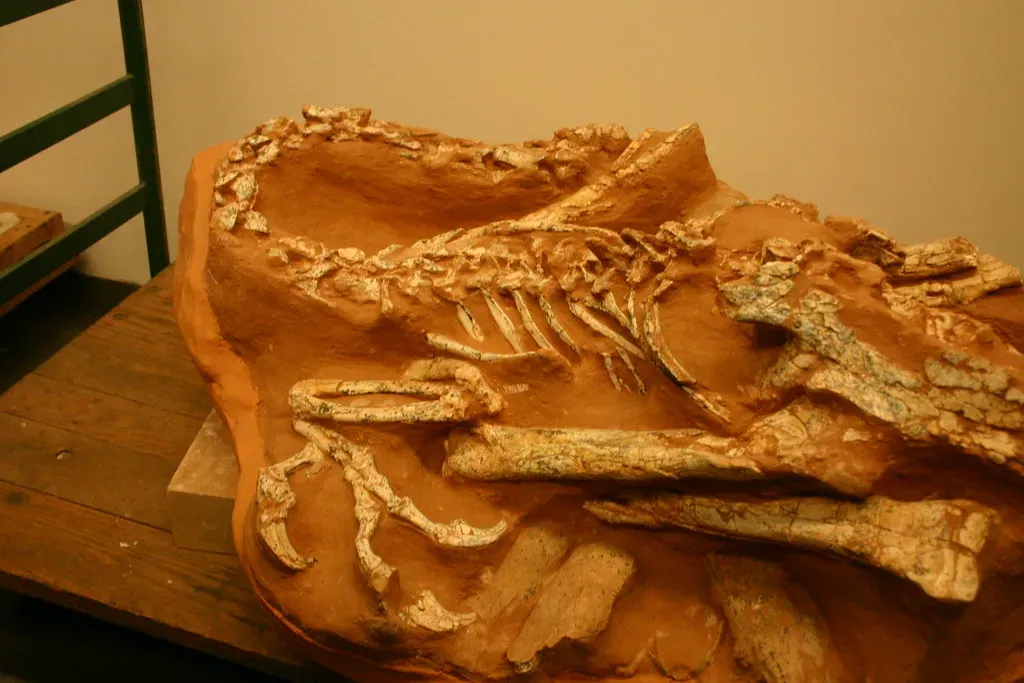
It supplied the first strong evidence that dinosaurs fed and cared for their young, and furthermore the first evidence that dinosaurs exhibited complex behaviors. The site became known as “Egg Mountain.” Think about what that means for a second – this was a full nesting colony, like something you might see at a modern seabird reserve, except it was 76 million years old. The bones of the embryos were not fully ossified, which means the young could not have walked immediately upon hatching and would have required some degree of parental care. The adults had no choice but to stick around and nurture their offspring, just like countless modern animals do today.
Even more fascinating were the discoveries of hatchling remains still in the nests, with worn teeth suggesting the parents had been bringing food to their young. The name given to this remarkable creature, Maiasaura, was entirely earned. As the first known parenting dinosaur, Maiasaura’s evidence of parental care transformed our comprehension of dinosaur social behavior. Let’s be real – this discovery did not just add a footnote to a textbook. It changed the entire emotional landscape of how we imagine prehistoric life.
The Feathered Dinosaurs of Liaoning: Scales Were Never the Whole Story
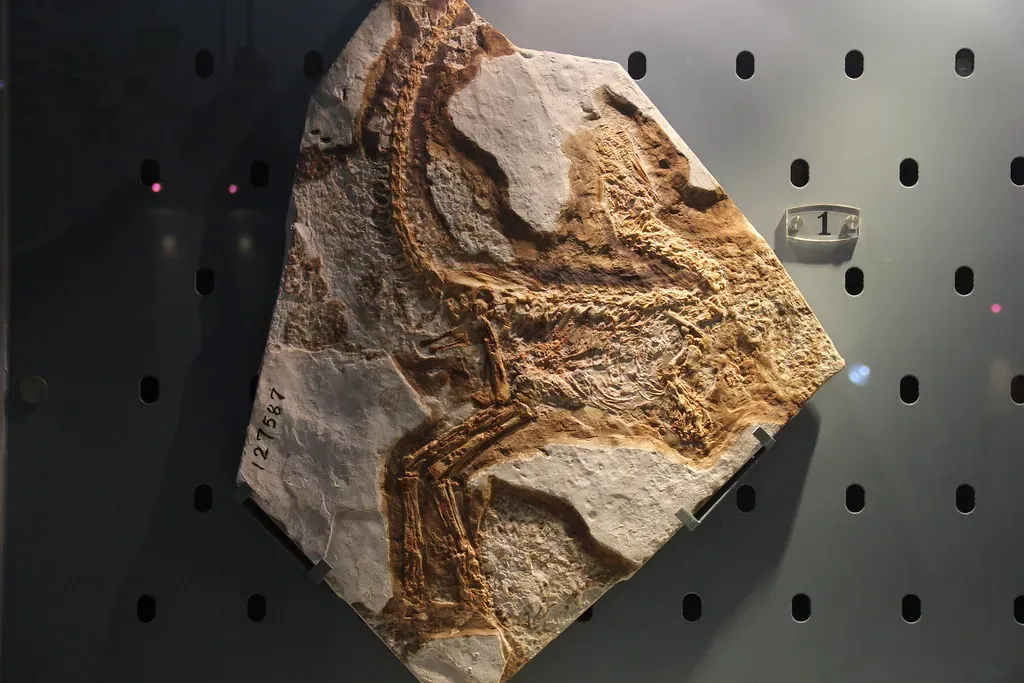
A 130-million-year-old forest that existed in what is now Liaoning Province, China, has become one of the most celebrated fossil sites on Earth. Fossil discoveries from Liaoning have shed light on the origins of birds, mammals, feathers, flight, and flowering plants. When the first feathered dinosaur specimens began emerging from this region in the 1990s, they caused a sensation that genuinely rattled the scientific community. Nobody expected the picture to be this complex or this beautiful.
Paleontologists have known that many non-avian dinosaurs had plumage since the mid-1990s, but subsequent decades saw the expansion of fuzziness to even more branches of the dinosaur family tree. Dinosaurs previously envisioned as purely scaly, like Ornithomimus, were found with evidence of feathers. Others, such as the herbivore Kulindadromeus, showed that fuzz, filaments, and bristles might have been a common dinosaur feature. It is no longer controversial to envision many dinosaurs as both scaly and feathery. That is a seismic shift. Think of it like discovering that lions had always been secretly covered in feathers – except this time, the fossil record absolutely proved it.
Microscopic, pigment-carrying blobs called melanosomes help create colors – black, gray, white, rust red, and iridescent sheens – and can be observed in modern feathers. By comparing fossil dinosaur feathers to modern feathers, paleontologists can actually discern dinosaur colors. The small, raptor-like dinosaur Anchiornis, for one, was black and white like a magpie with a splash of red atop its head. I think this is one of the most mind-blowing scientific capabilities in all of modern research. You can now actually see what prehistoric creatures looked like in color. The Liaoning fossils made that possible.
The Dueling Dinosaurs and the Return of Nanotyrannus
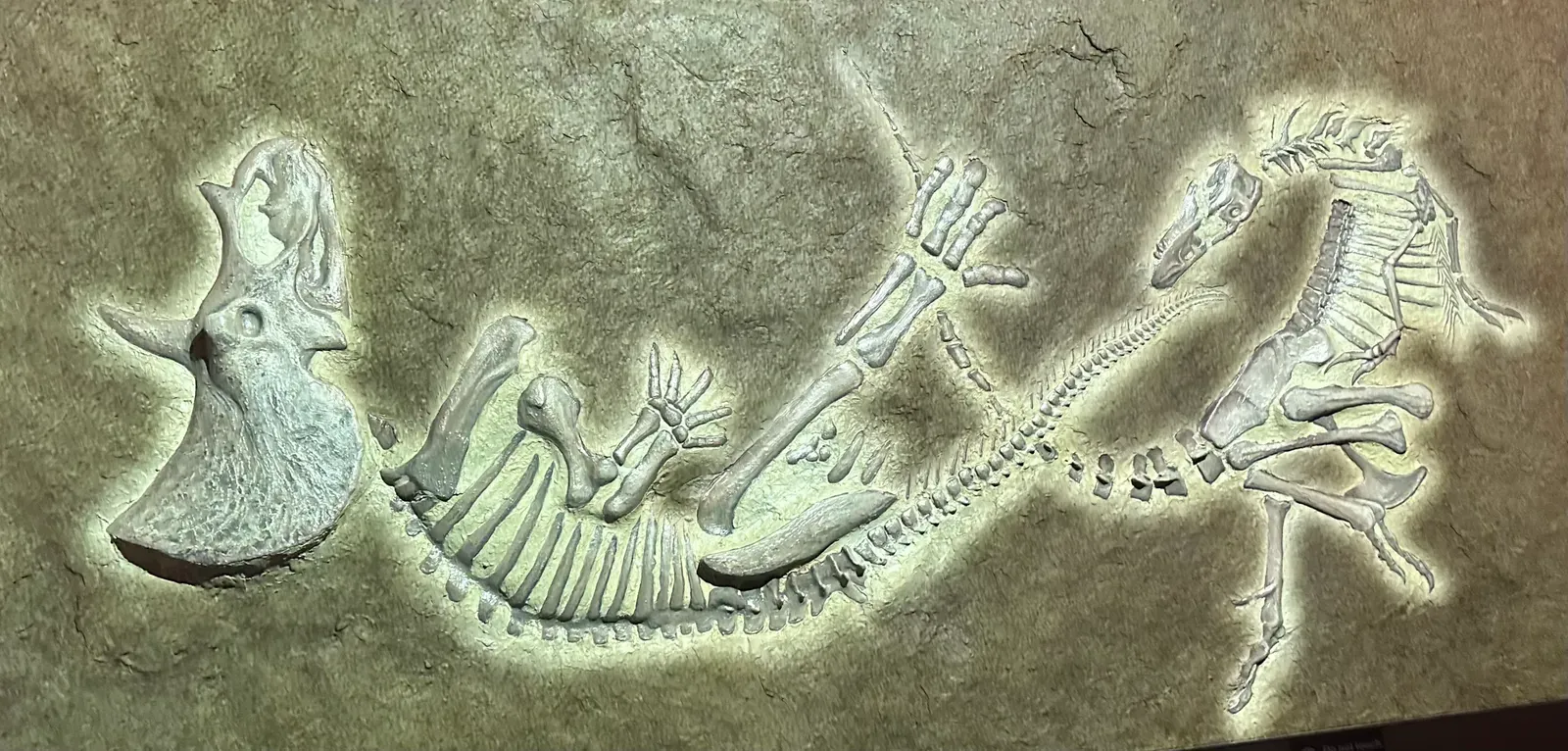
For decades, scientists wrestled with a question that sounds almost absurdly specific but turned out to have enormous consequences for everything we know about T. rex: was Nanotyrannus a real, separate predator, or just a teenage T. rex that scientists had mislabeled? Since the predatory creature was first named in 1988, paleontologists argued over whether medium-sized tyrannosaur fossils found in the same rocks as the iconic Tyrannosaurus rex were juvenile T. rex or a unique and distinct predator, Nanotyrannus. In recent years, the bulk of the evidence appeared to favor the juvenile T. rex hypothesis. Then came the Dueling Dinosaurs fossil, and it blew the debate wide open.
In 2025, palaeontologists Lindsay Zanno and James Napoli published a description of a new Nanotyrannus fossil specimen, preserved as part of the Duelling Dinosaurs fossil alongside a herbivorous Triceratops. They showed that this Nanotyrannus was nearly an adult, but also that it was different from T. rex in many ways that cannot be explained by growth, including a longer hand. A subsequent study on the original Nanotyrannus demonstrated that this specimen was also fully grown. Together, these studies end a 35-year-long controversy and reveal Nanotyrannus as a slender, agile pursuit predator, built for speed.
This discovery completely reframes the idea that T. rex was the lone predator of its time, challenging long-held assumptions about late Cretaceous ecosystem dynamics. We now know multiple tyrannosaur species coexisted in the last million years before the asteroid impact – suggesting a richer, more competitive ecosystem than previously imagined. The implications are staggering. For years, paleontologists used Nanotyrannus fossils to model T. rex growth and behavior. This new evidence reveals that those studies were based on two entirely different animals. That is like realizing you had been studying two completely different people and calling them the same person the entire time.
The Haolong Dongi Hollow Spikes: Dinosaur Bodies Were Far Stranger Than We Imagined
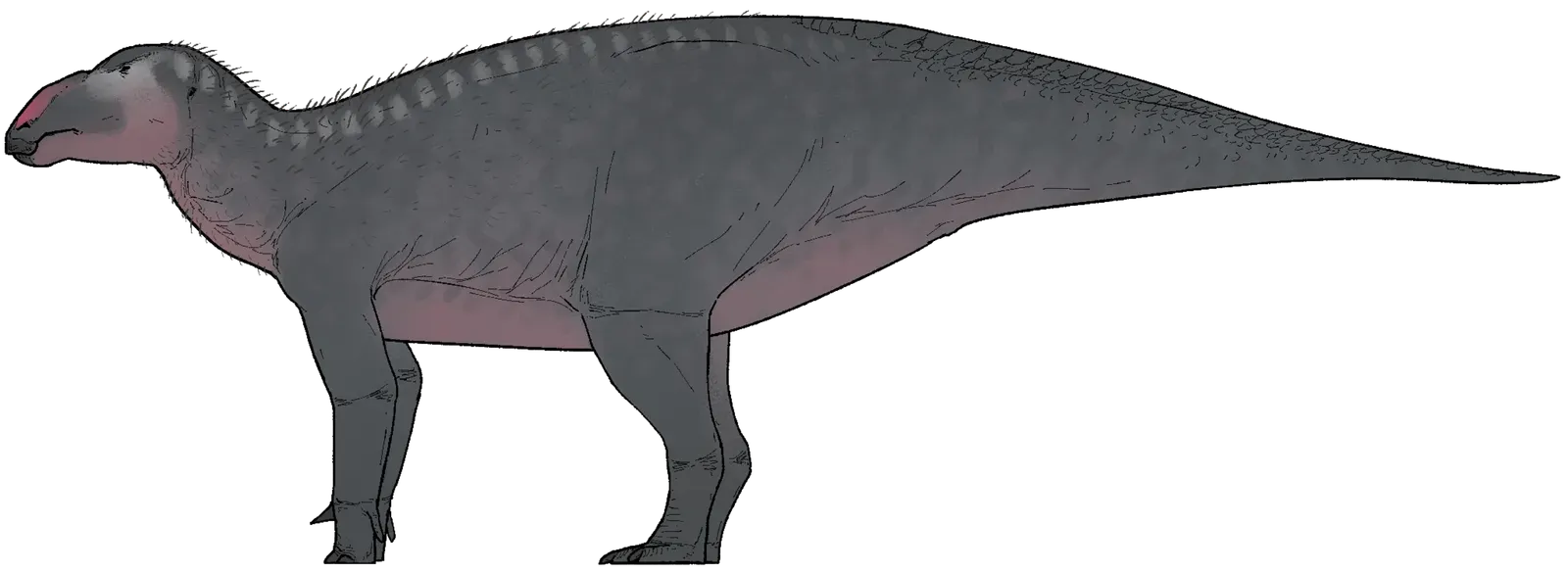
Just when you think paleontology has run out of ways to surprise you, 2026 delivers something extraordinary. A 125-million-year-old dinosaur just rewrote what we thought we knew about prehistoric life. Scientists in China uncovered an exceptionally preserved juvenile iguanodontian with fossilized skin so detailed that individual cells are still visible. Even more astonishing, the plant-eating dinosaur was covered in hollow, porcupine-like spikes – structures never before documented in any dinosaur. You can almost hear the collective gasp of the paleontological community reverberating across conference halls worldwide.
Defense may not have been the only purpose of these bizarre spikes. Researchers suggest the spikes could also have helped regulate body temperature, a process known as thermoregulation. Structures that increase surface area can assist with releasing or conserving heat. Another possibility is that the spikes had a sensory role, helping the dinosaur detect movement or environmental changes around it. That is a multifunctional body structure nobody even knew existed in a dinosaur – until now. It is a bit like discovering your car has a feature the manufacturer never even put in the manual.
The findings, published in Nature Ecology and Evolution in February 2026, introduce an entirely new feature to the known diversity of dinosaur anatomy. This discovery not only adds a new species to the Iguanodontia group, but also reveals that dinosaur skin and body coverings were more varied and innovative than previously understood. A new species of dinosaur is named just about every two weeks, with each year bringing dozens of new analyses on how the “terrible lizards” moved, ate their food, and were related to each other. The Haolong dongi is a vivid reminder that the prehistoric world still holds secrets we have not even begun to imagine.
Conclusion: The Story of Dinosaurs Is Still Being Written
Here is what strikes me most after looking at all of these discoveries: every single one of them forced scientists to rethink something they were absolutely certain about. Dinosaurs were reptilian brutes. Then they were feathered. They were cold and solitary. Then they were nurturing parents. T. rex was the apex predator standing alone. Then it had company. The picture keeps changing, and that is exactly what makes paleontology one of the most exciting sciences alive today.
In the two centuries since the first dinosaur was formally described, we have learned more about how dinosaurs evolved, what they looked like, how they behaved, and what eventually became of them. The discovery of new fossils and the development of new techniques to study them have enabled scientists to delve into the fascinating lives of these ancient reptiles like never before. The rocks beneath your feet still hold answers to questions you haven’t even thought to ask yet.
Every shovel thrust into ancient sediment could be the next discovery that rewrites everything. If these five finds teach us anything, it is that humility is the most important tool any scientist can carry into the field. What incredible revelation do you think is still waiting to be found? Tell us in the comments below.