You might think you know what lurks beneath the surface of the ocean. Perhaps you’ve seen sharks or whales and considered them apex predators. What if I told you that North America’s waters were once home to far more terrifying marine monsters, creatures so powerful they make today’s ocean predators look tame?
Millions of years ago, a massive inland sea sliced the entire North American continent in two. This wasn’t just any body of water. It was a subtropical hunting ground teeming with the most fearsome marine reptiles and fish that ever existed. Let’s dive in and discover the five most dominant creatures that ruled these ancient waters.
Tylosaurus: The Knob Lizard Terror
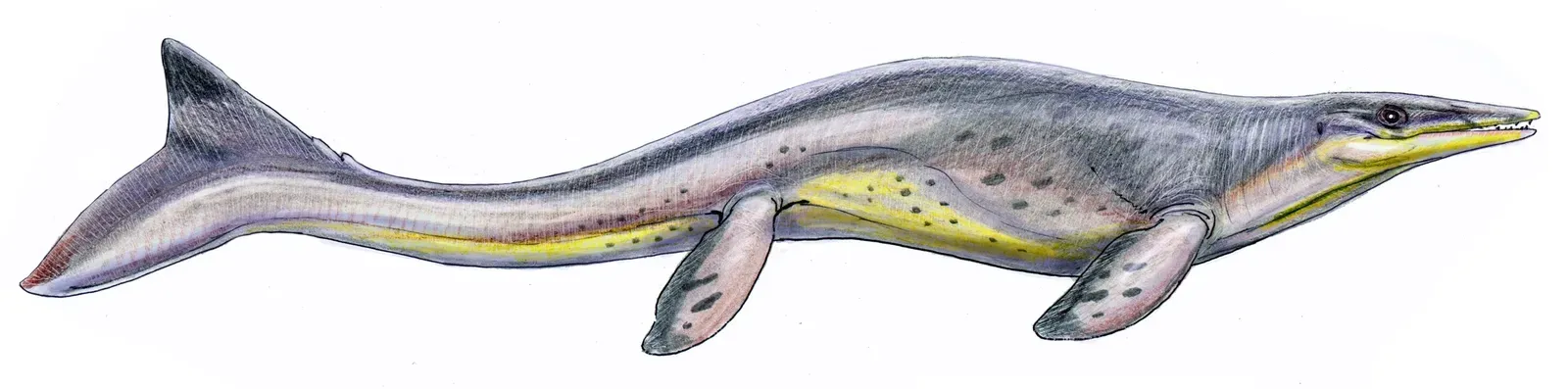
The Tylosaurus was a massive carnivorous mosasaur that could reach lengths of up to 15 meters and patrolled the Western Interior Seaway that once covered North America. Picture this: a creature longer than a city bus, with a streamlined body built for speed and a powerful tail that propelled it through the water like a torpedo. Its specialized snouts may have been used in battles for territory, suggesting these weren’t just hunters but fierce warriors of the deep.
Reaching lengths of over 14 meters, it was one of the larger mosasaurs and an apex predator in the Western Interior Seaway of North America during the Cretaceous. Think about that for a second. These weren’t occasional visitors to these waters. They ruled them completely. The coloration of mosasaurs was unknown until 2014, when findings revealed the pigment melanin in the fossilized scales of a mosasaur Tylosaurus nepaeolicus. Evidence suggests they had black skin, perfect for hunting in darker waters or possibly as part of a larger camouflage pattern.
Mosasaurus: The Ecosystem Transformer
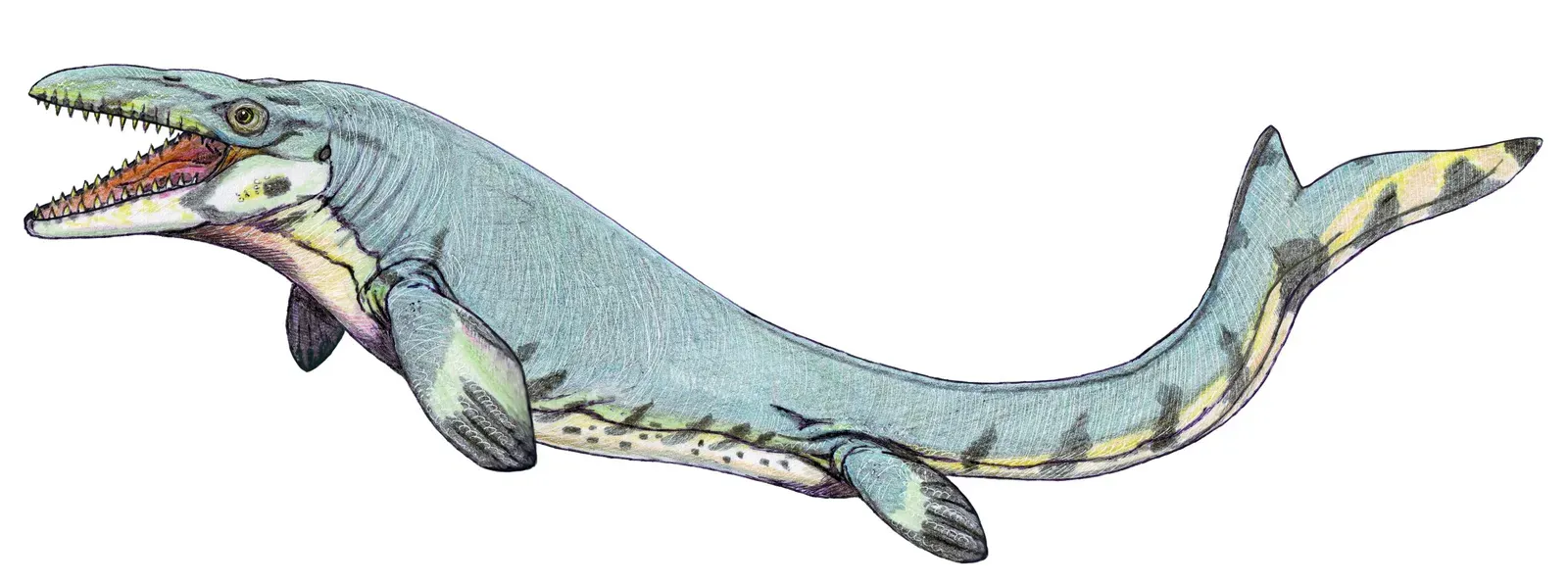
When Mosasaurus arrived in North American waters, everything changed. Let me be clear about something: this wasn’t just another predator joining the party. Its arrival in some locations such as the Western Interior Seaway in North America coincides with a complete turnover of faunal assemblages and diversity. Entire ecosystems were restructured around this dominant force.
Paleontologists believe its diet would have included virtually any animal; it likely preyed on bony fish, sharks, cephalopods, birds, and other marine reptiles including sea turtles and other mosasaurs. These creatures were so fearsome they even ate each other. In what is now Alabama, most of the key genera including sharks like Cretoxyrhina and the mosasaurs Clidastes, Tylosaurus, Globidens, Halisaurus, and Platecarpus disappeared and were replaced by Mosasaurus. Talk about a hostile takeover.
Dunkleosteus: The Armored Nightmare
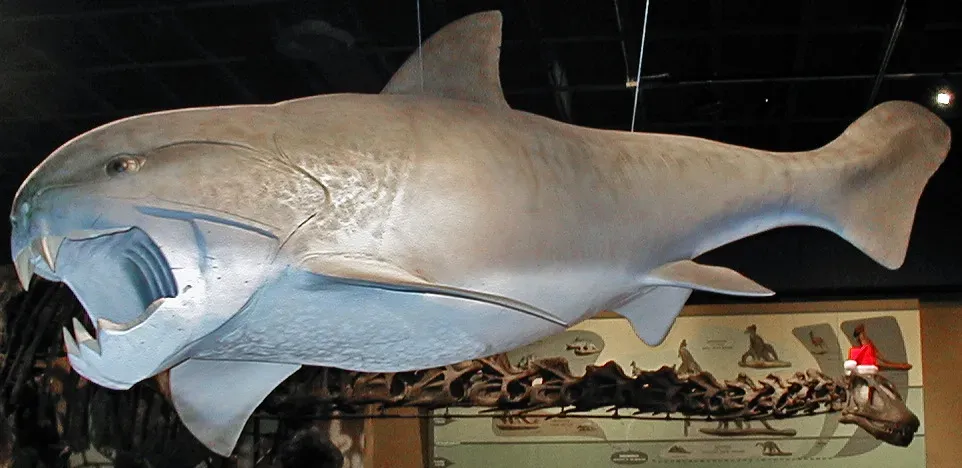
Here’s where things get truly bizarre. Dunkleosteus is an extinct genus of large arthrodire fish that existed during the Late Devonian period, about 382–358 million years ago, was a pelagic fish inhabiting open waters, and one of the first vertebrate apex predators of any ecosystem, with fossils found in the United States, Canada, Poland, Belgium, and Morocco. This predator lived long before the mosasaurs, dominating a completely different era.
What made Dunkleosteus so terrifying? It didn’t even have teeth. Dunkleosteus had blade-like jawbones that sharpened themselves when the fish opened and closed its mouth, made possible by a hinge at the top of its head, allowing both its upper and lower jaws to move and enabling the fish’s mouth to open to a startling 45-degree angle. Imagine being able to bite with self-sharpening bone blades. The bite force has been estimated to be about 6,000 newtons and 7,400 newtons at the tip and blade edge, respectively, enough pressure to cut through and puncture dermal armor or cuticles of shelled animals.
Elasmosaurus: The Ambush Specialist
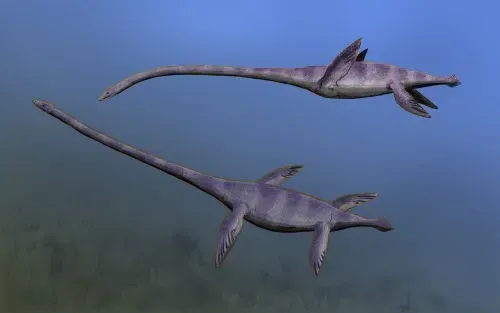
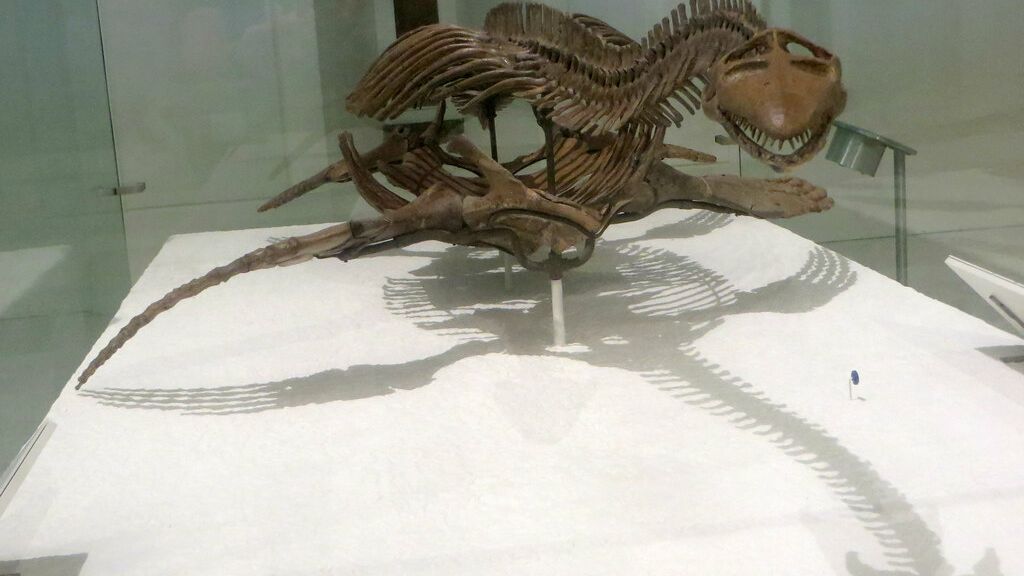
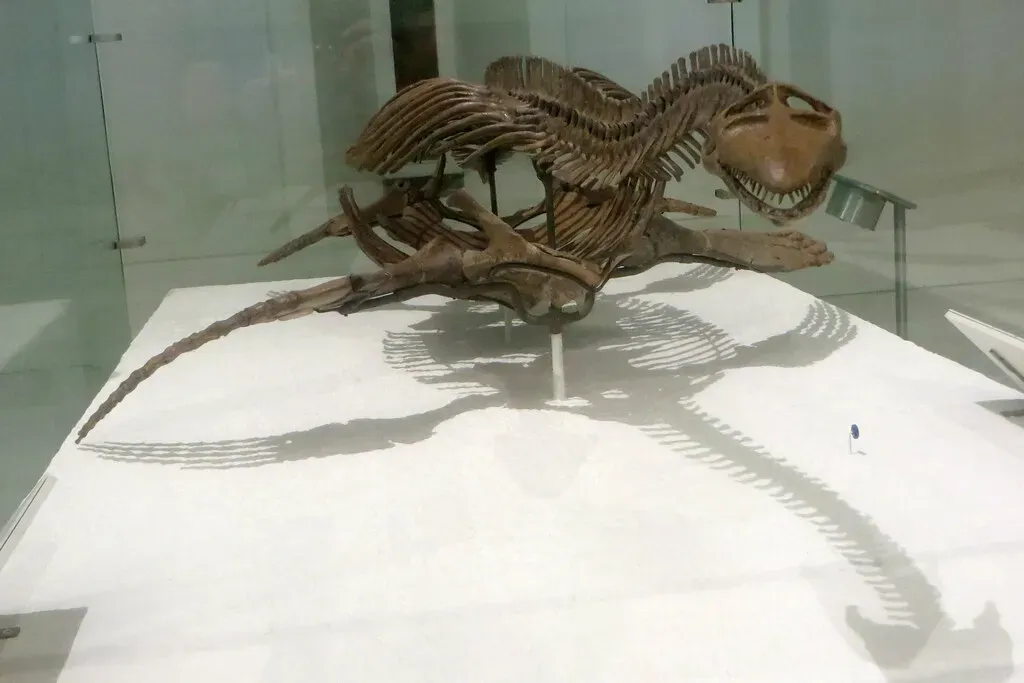
Picture a creature with a neck so long it defies belief. Elasmosaurus was a long-necked marine reptile known for its highly-elongated neck, which made up nearly half of its total body length, and it and the related Albertonectes are the longest-necked animals that ever lived. We’re talking about an animal where roughly half its entire length was just neck. That’s not a typo.
Elasmosaurus lived in North America during the Campanian stage of the Late Cretaceous period, at about 80.6 to 77 million years ago, and the first specimen was discovered in 1867 near Fort Wallace, Kansas. The seaway provided a rich variety of prey, and Elasmosaurus utilized its long neck to ambush prey with surprising agility; its lengthy neck, comprising 72 vertebrae, wasn’t just an extraordinary feature but a highly significant tool in hunting, allowing it to reach into tight spaces among underwater vegetation and rocks to snatch unsuspecting prey. Honestly, try to imagine being a small fish and seeing that impossibly long neck snaking toward you from the murky depths.
Xiphactinus: The Bulldog Fish
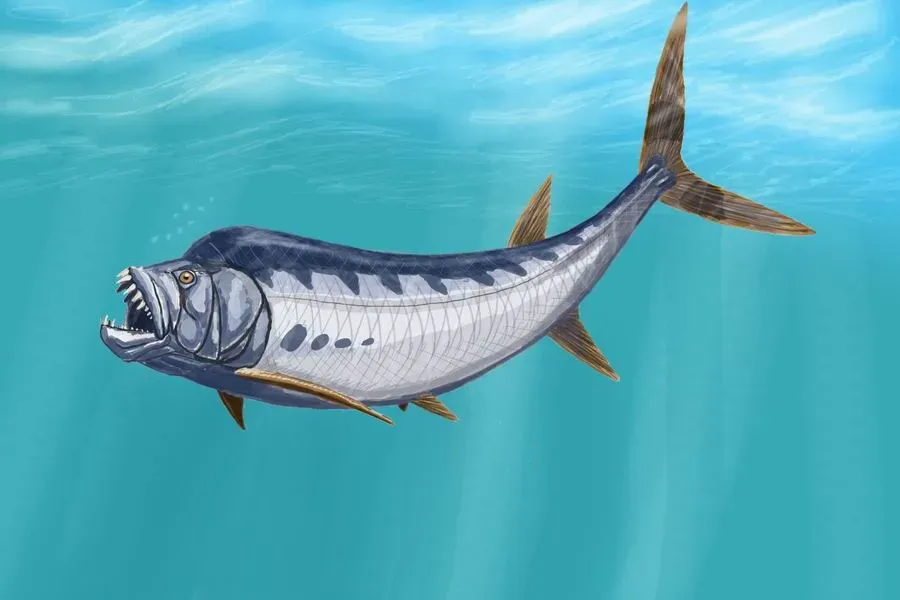
Let’s end with perhaps the most gluttonous predator of them all. Xiphactinus is an extinct genus of large predatory marine ray-finned fish that lived during the late Albian to the late Maastrichtian, grew up to 5–6 metres in length, and superficially resembled a gargantuan, fanged tarpon. This wasn’t a reptile like the others but a bony fish that could swallow prey nearly as large as itself.
The evidence is staggering. One 4.2 metres fossil specimen was collected with a nearly perfectly preserved 1.9 metres long ichthyodectid Gillicus arcuatus inside of it, with the larger fish apparently dying soon after eating its prey, most likely owing to the smaller prey’s struggling and rupturing an organ as it was being swallowed. Can you imagine being so voracious you literally kill yourself by eating something too large? It ranged in size from 15-20 feet and would have looked like a toothy, oversized tarpon, living during the Cretaceous period from about 112 million years ago up to the Cretaceous-Palaeogene Extinction, 65 million years ago.
Conclusion
These five creatures represent just a fraction of the incredible diversity that once thrived in North America’s ancient waters. From the territorial battles of Tylosaurus to the ecosystem-changing presence of Mosasaurus, from the bone-crushing jaws of Dunkleosteus to the serpentine hunting style of Elasmosaurus, and finally to the gluttonous appetites of Xiphactinus, each dominated their environment in unique and terrifying ways. The Western Interior Seaway was a battleground unlike anything we see today.
What strikes me most is how different these predators were from modern ocean life. They weren’t just bigger versions of today’s animals. They were fundamentally different designs, experiments in evolution that succeeded for millions of years before vanishing forever. Next time you look at the Great Plains stretching across the heartland of America, remember that beneath your feet lie the fossils of monsters that would make any modern predator think twice. What do you think it would be like to witness these ancient seas in person?