Walk into almost any local museum and you’ll see them: towering gray skeletons, snarling plastic T. rexes, and maybe a dusty mural of swampy, lizard‑like beasts lumbering through the mist. It looks impressive at first glance, but if you follow dinosaur research even a little, there’s a good chance you’ll feel a little secondhand embarrassment. Paleontology has exploded with new discoveries over the past couple of decades, but many exhibits are still stuck in an early‑2000s (or even 1980s) time capsule.
I remember walking my nephew through a small-town museum and quietly thinking, “Wow… this is like a rerun of my own childhood field trip.” The same tail-dragging sauropods. The same scaly, green raptors. The same fonts, even. It felt less like science and more like nostalgia. Let’s dig into five of the biggest ways your local dinosaur hall might be unintentionally misleading you – and why it matters more than just getting a few details wrong.
1. The Featherless “Naked Dinosaur” Problem
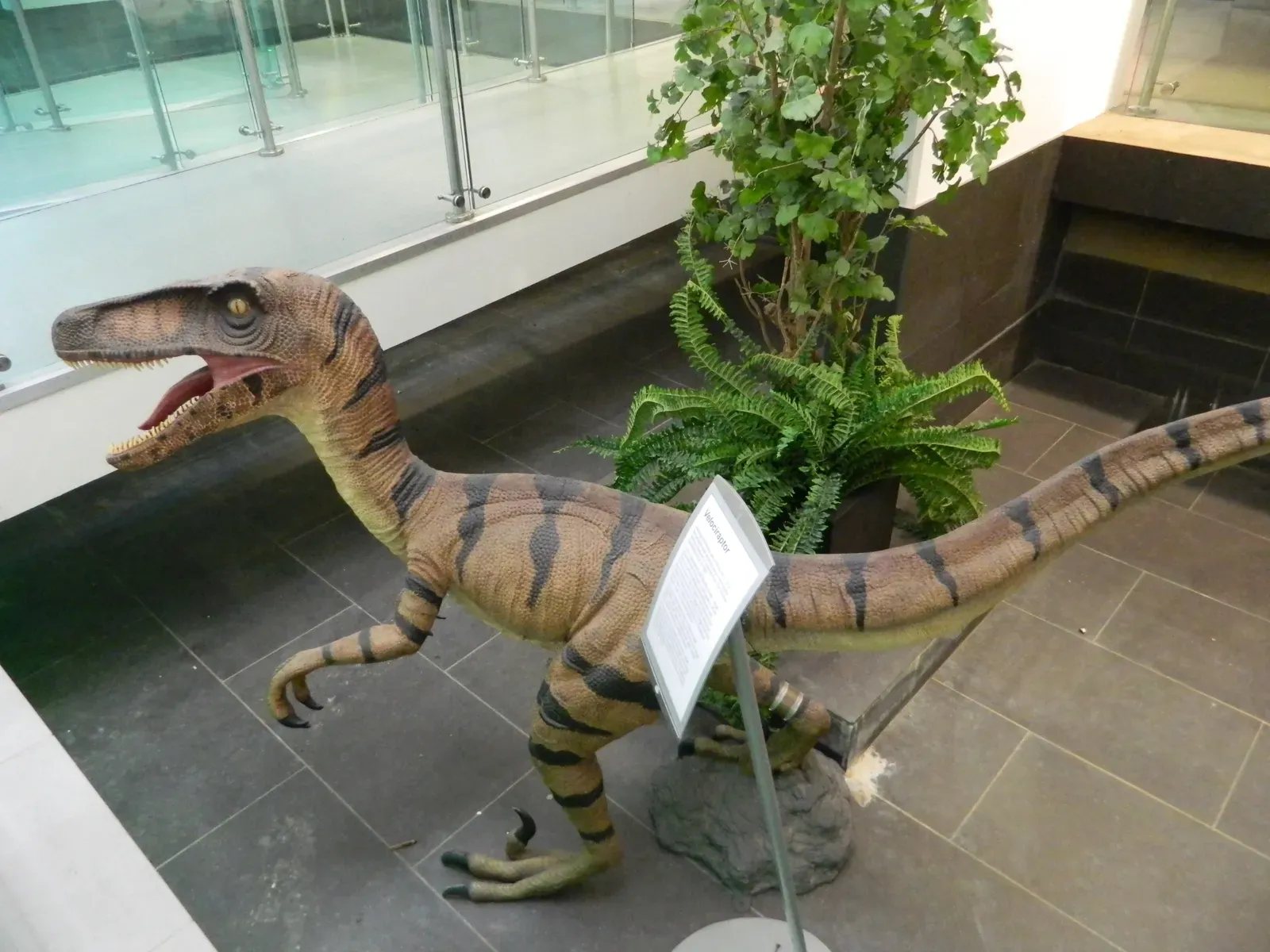
One of the most glaring signs an exhibit is out of date is the total absence of feathers on species that scientists now strongly suspect, or flat-out know, were feathery. Many museums still feature sleek, scaly Velociraptors and their cousins, looking like oversized monitor lizards with claws. But fossil evidence from China and elsewhere has repeatedly shown that a lot of these so‑called raptors were covered in complex feathers, with wings and sometimes even tail fans. Leaving them bare-skinned is a bit like showing a lion with no fur and calling it “close enough.”
This is not just a cosmetic issue; it changes how we imagine their behavior, speed, and even how warm-blooded they might have been. A feathery, birdlike predator suggests agile, active animals that fit much more comfortably alongside modern birds than with crocodiles. When exhibits skip the feathers because “kids expect scaly monsters,” they freeze our picture of dinosaurs in an outdated era and quietly teach visitors that style matters more than evidence. That’s a pretty embarrassing message for a place that’s supposed to be about science.
2. Tail-Dragging, Swamp-Lounging Dinosaurs That Never Stood Like That
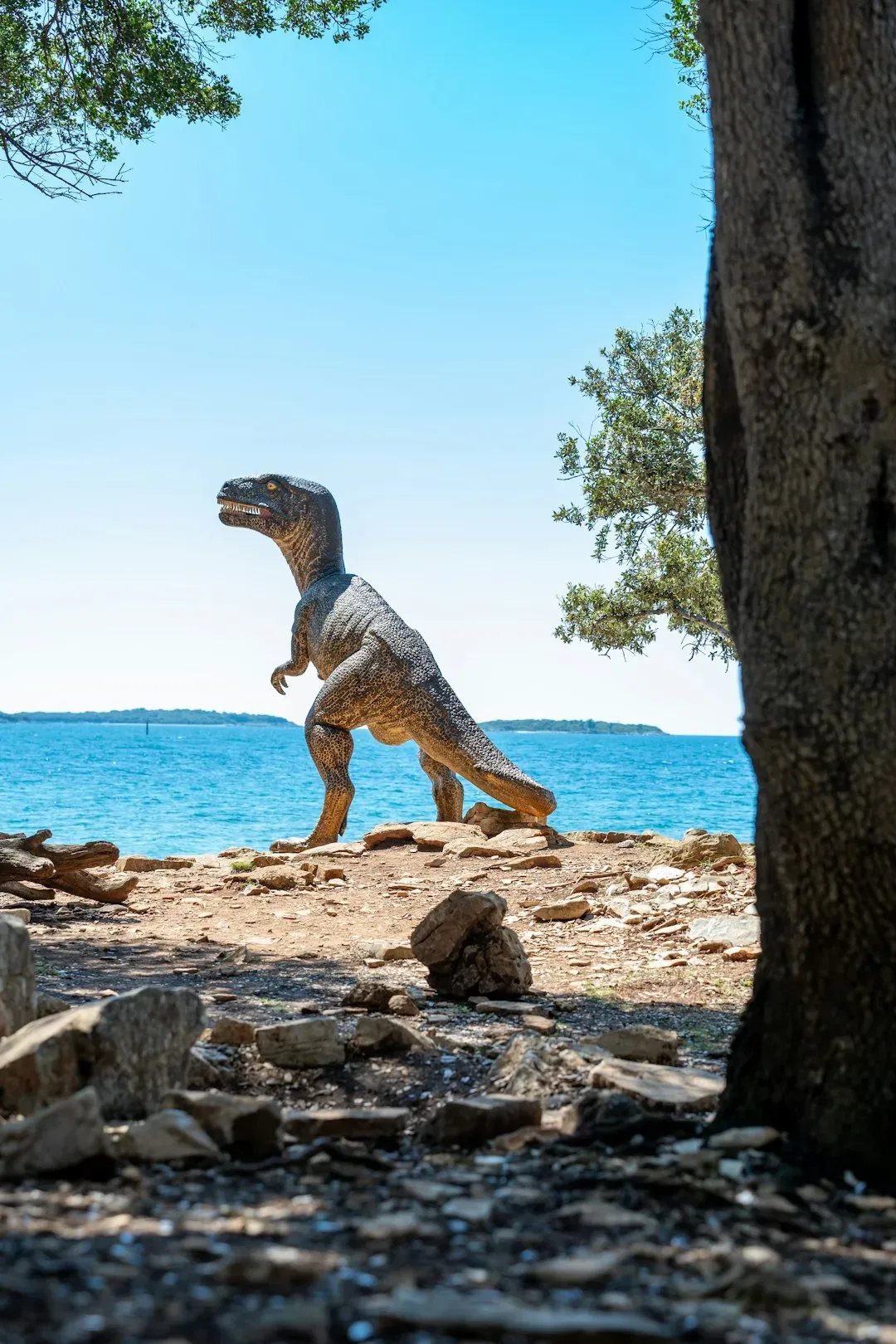
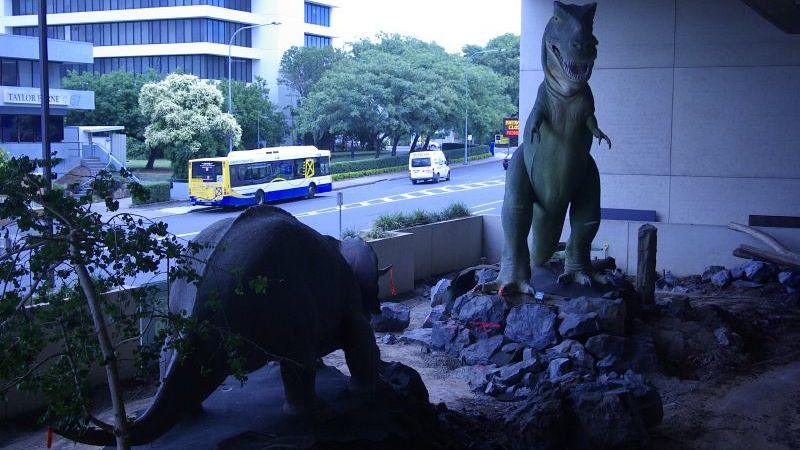
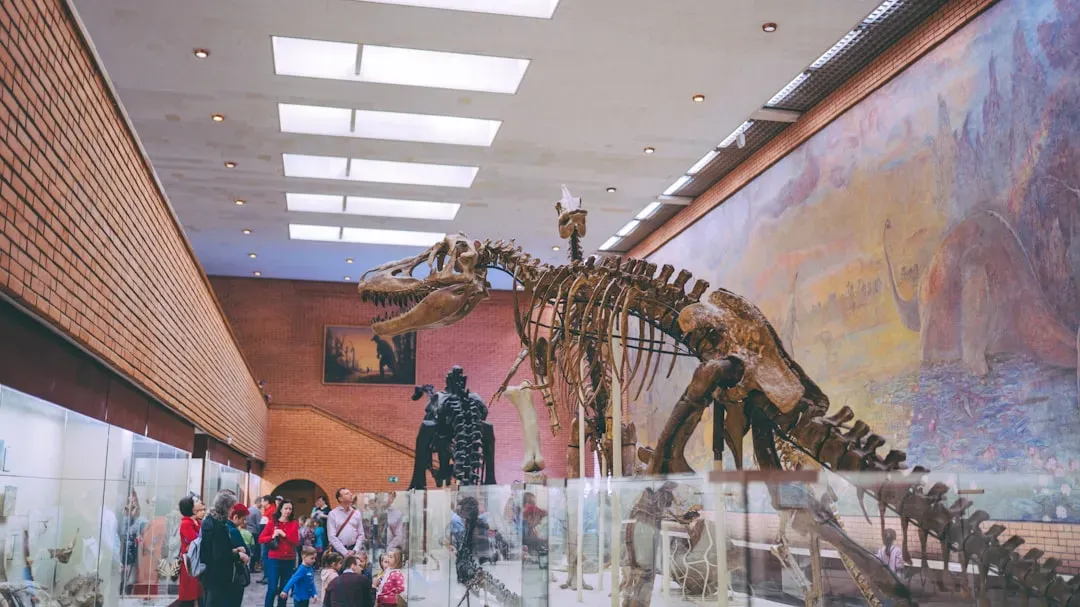
If you still see giant sauropods posed with their tails dragging on the ground, or a Tyrannosaurus standing upright like a kangaroo using its tail as a crutch, you are looking at scientific history, not scientific reality. For decades now, research on dinosaur bones, joints, and trackways has shown that most dinosaurs held their tails off the ground for balance and that classic “Godzilla pose” T. rex is basically a fossilized misconception. Yet old fiberglass models are heavy, expensive, and politically tricky to replace, so they keep standing there, broadcasting anatomy that clashes with everything modern biomechanics suggests.
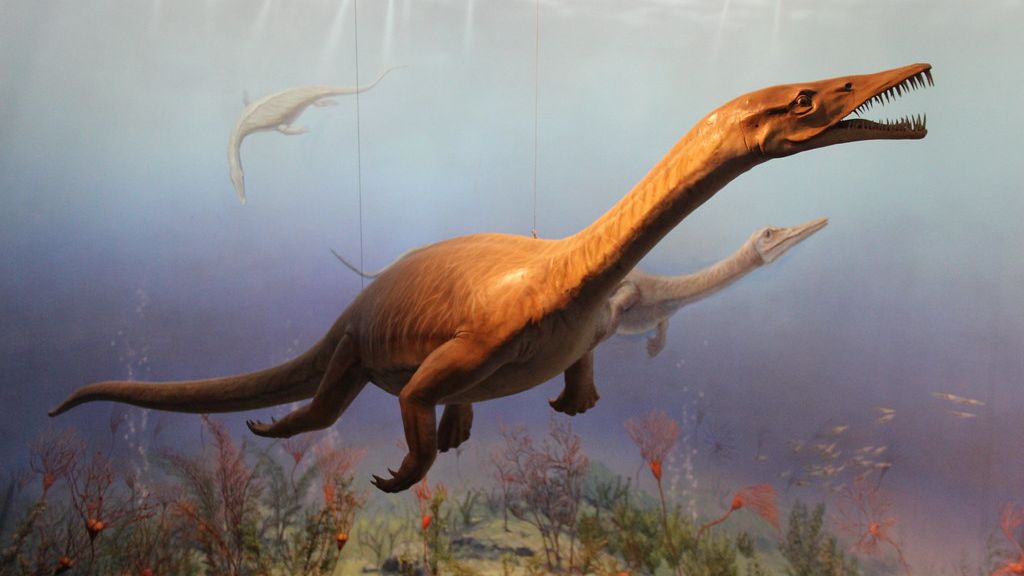
This outdated posture also influences how we think about their lifestyle. Dinosaurs are still sometimes painted as slogging through murky swamps, half-submerged like hippos, because early paleontologists underestimated how strong and well-built their skeletons really were. Newer studies point to many species being surprisingly nimble and land-adapted, not eternally stuck in waist-deep water. When a gallery keeps those swampy murals and tail-dragging statues, it’s basically showing you a storyboard from a long-superseded chapter of science, and it quietly undercuts how dynamic and athletic many dinosaurs actually were.
3. “Great Chain of Being” Displays That Pretend Dinosaurs Turned Into Humans
Another subtle but cringe-inducing feature shows up in the way some museums still arrange their dinosaur and human displays: as if evolution is a straight ladder from “primitive dinosaur” to “advanced human,” with everything else as a stepping stone. You may see wall graphics that start with a fish, move through a reptile, then a dinosaur, then an ape, and finally a human at the top like the final boss. That is simply not how evolution works. Dinosaurs are not failed experiments that had to die out so that we could exist; they are part of a massive, branching tree of life, with many twigs continuing on as birds.
This old-fashioned layout sends a quiet message that evolution has a goal and that humans are somehow the inevitable result, which modern evolutionary biology strongly rejects. In reality, birds are living dinosaurs, still thriving in millions of species around the world, while we humans are just one more recent branch with no guaranteed future. When a dinosaur gallery leans on this “great chain” imagery, it reveals how behind the times the interpretive design is. It misses a beautiful, humbling lesson: evolution is not a march toward us; it is an ongoing, messy experiment where we are just one quirky outcome.
4. “Monster Movie” Narratives That Ignore Dinosaur Social Lives

Many older exhibits still present dinosaurs like solo movie monsters: forever roaring, fighting, and posing for imaginary cameras, but never really living in complex communities. Newer research, though, suggests that some species may have nested in colonies, cared for their young for extended periods, or moved in groups that were more organized than the random herds shown in older murals. There is evidence of nesting grounds, trackways that look like group movement, and growth patterns in bones that hint at social behaviors more like birds and mammals than like cold, solitary reptiles.
Yet the storylines on the wall panels in many local museums still fall back on one‑note drama: predator attacks prey, prey runs, the end. You rarely see mention of parental care, communication, or long-term bonds, even though these ideas are a major focus of modern research. That narrow framing quietly keeps dinosaurs locked in a horror-movie cage, when they were almost certainly doing all the ordinary, relatable things animals do today: competing, cooperating, raising young, and sometimes just trying not to freeze or starve. Reducing them to endless battles is not only scientifically thin; it flattens the wonder of imagining them as real, living creatures with complicated lives.
5. Outdated Timelines and Species Lists That Ignore the Fossil Boom
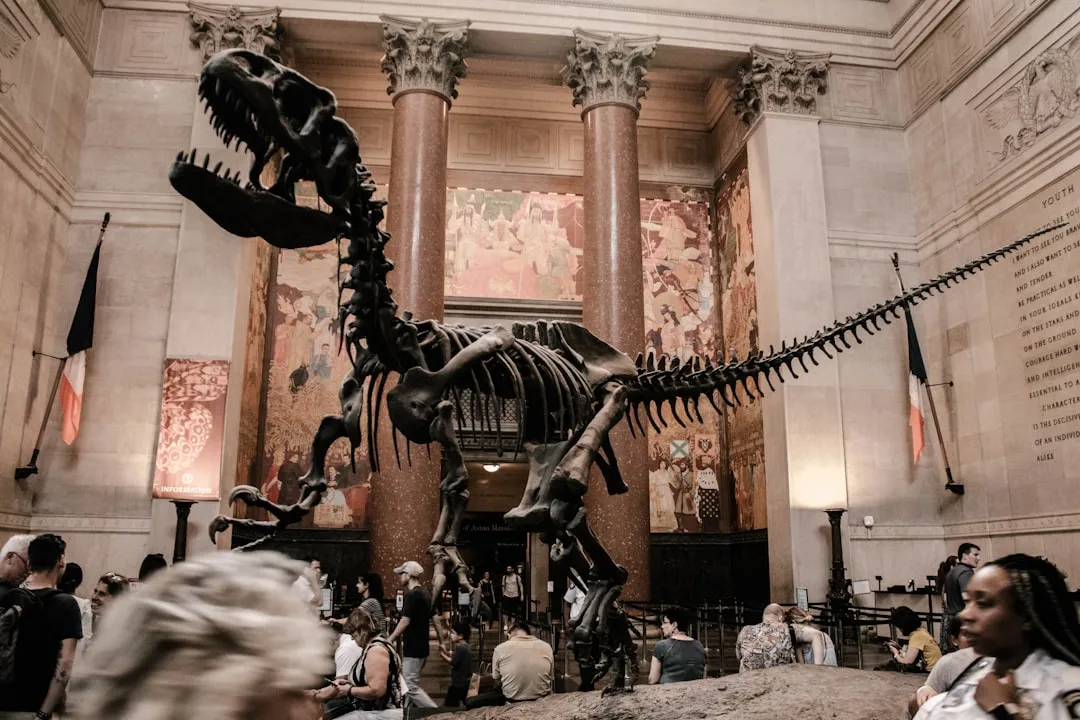
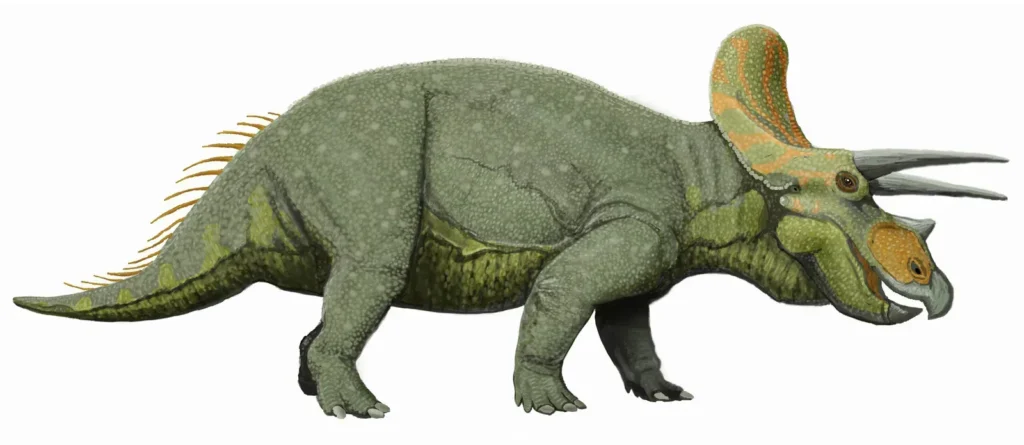
One of the most embarrassing gaps is not what you see, but what you do not see at all. The last few decades have been a gold rush of dinosaur discoveries, with new species named regularly on almost every continent. Entire groups have been reshuffled, renamed, or better understood. But many local museums are still working with species lists and family trees that date back to when flip phones were high-tech. You might see classic names that have been reclassified, while whole clades of fascinating newer dinosaurs are completely absent from the story.
This mismatch happens for understandable reasons – updating exhibits is incredibly expensive – but it has a real cost. Visitors walk away thinking that dinosaur science is mostly finished and that the “big discoveries” are all in the past, when in reality this field is buzzing with fresh data and debates. The sense of a living science, full of revisions and surprises, gets replaced with a static museum of Greatest Hits. That quiet stagnation can make a gallery feel safe and familiar, but scientifically it is like keeping an old map on the wall even after the coastline has changed.
Conclusion: Why These Embarrassing Gaps Actually Matter
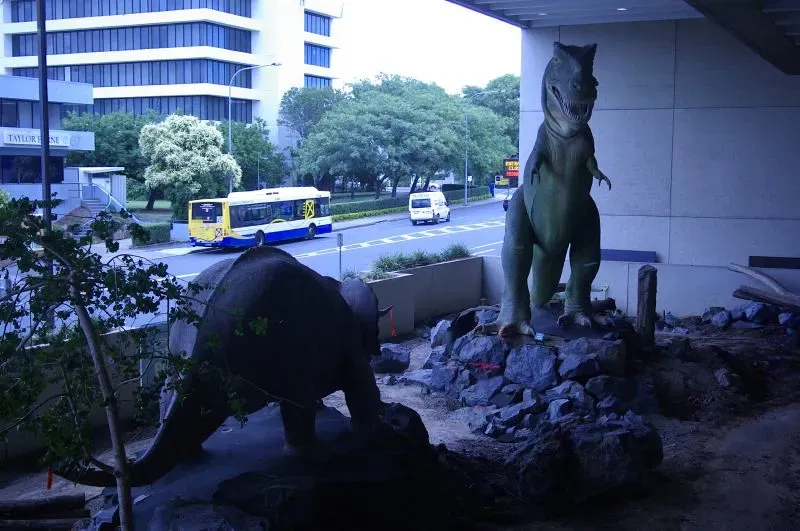
It is tempting to shrug all this off and say, “So what if the raptors are bald and the T. rex stands funny? Kids still love it.” But that is exactly why it matters. Those skeletons and murals are often the first serious encounter people have with deep time, evolution, and the idea that science changes as we learn more. When the displays stay frozen in an earlier era, they quietly teach that science is static and that museums are more about nostalgia than about truth. That is a missed chance to show how brave it is for a field to say, “We were wrong, here is what we know now.”
In my own visits, the most exciting moments have never been seeing a gigantic jaw; they have been spotting a little sign that says something like, “This reconstruction is being updated based on new research.” It feels honest, alive, and a bit like being invited behind the curtain. Your local museum may be lagging today, but that does not have to be the end of the story – visitors can nudge, donate, and ask for change. The real question is: next time you walk past that scaly, tail-dragging T. rex, will you just smile politely, or will you quietly demand something better from a place that claims to celebrate discovery?