Life has an incredible knack for bouncing back. Just when you think everything is doomed, something survives and finds a way forward. Our planet has endured some truly devastating catastrophes over its long history, events so severe they wiped out the majority of species alive at the time.
Yet here we are, thriving on a planet teeming with diversity. These ancient disasters reshaped the course of evolution in ways you might never have guessed. The survivors didn’t just make it through by luck alone. They adapted, evolved, and seized opportunities left by the fallen.
When Ice Swallowed the Ordovician Seas
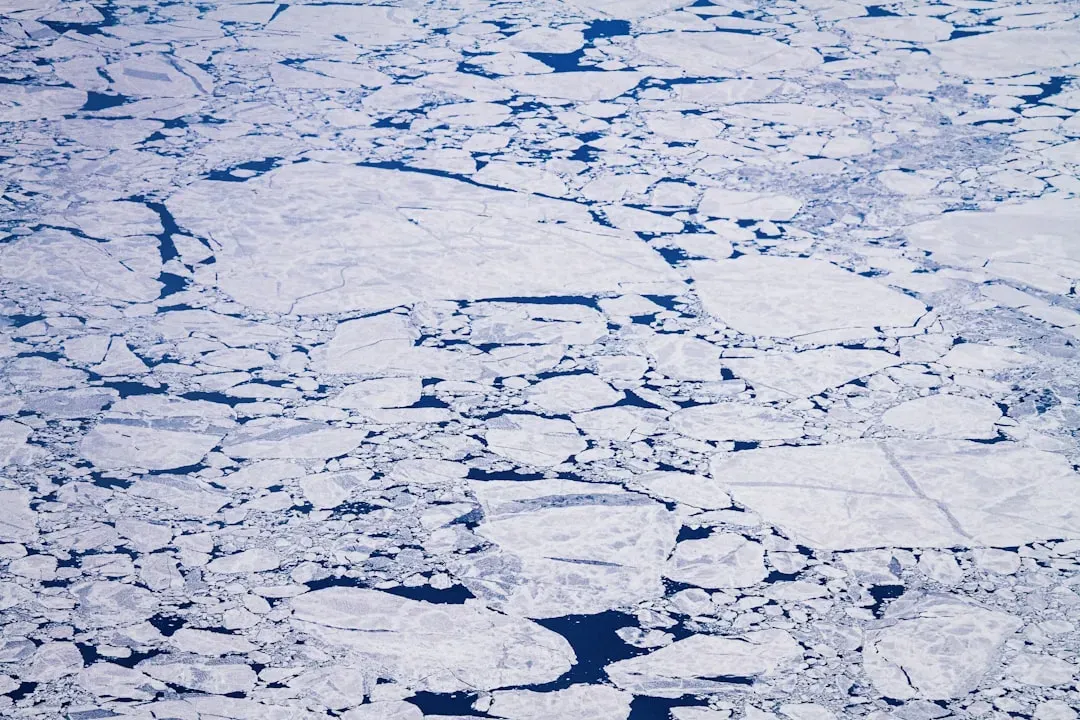
Around 445 million years ago, an estimated 85 percent of all Ordovician species vanished during the Ordovician-Silurian extinction. Let’s be real, this was one brutal event. Life hadn’t even conquered land yet, so the extinction was entirely confined to the seas. Imagine tropical oceans suddenly turning cold, massive ice sheets forming in the southern hemisphere, and sea levels plummeting as water became trapped in glaciers.
The cooling global climate was especially devastating because organisms were adapted to an intense greenhouse environment, with most shallow sea habitats located in the tropics. All major animal groups survived, including trilobites, brachiopods, corals, crinoids and graptolites, but each lost important members, with graptolites coming close to total extinction. Honestly, it’s hard to imagine what that world looked like. Following the extinction, seas were repopulated with genera previously found only on other continents, and survivors became far more widely distributed than their predecessors. This geographic shuffling meant life became more cosmopolitan, spreading across regions rather than staying isolated. Some species from nearly every major group survived, and during the subsequent Silurian period, these survivors repopulated the oceans.
The Devonian Die Off That Changed Fish Forever
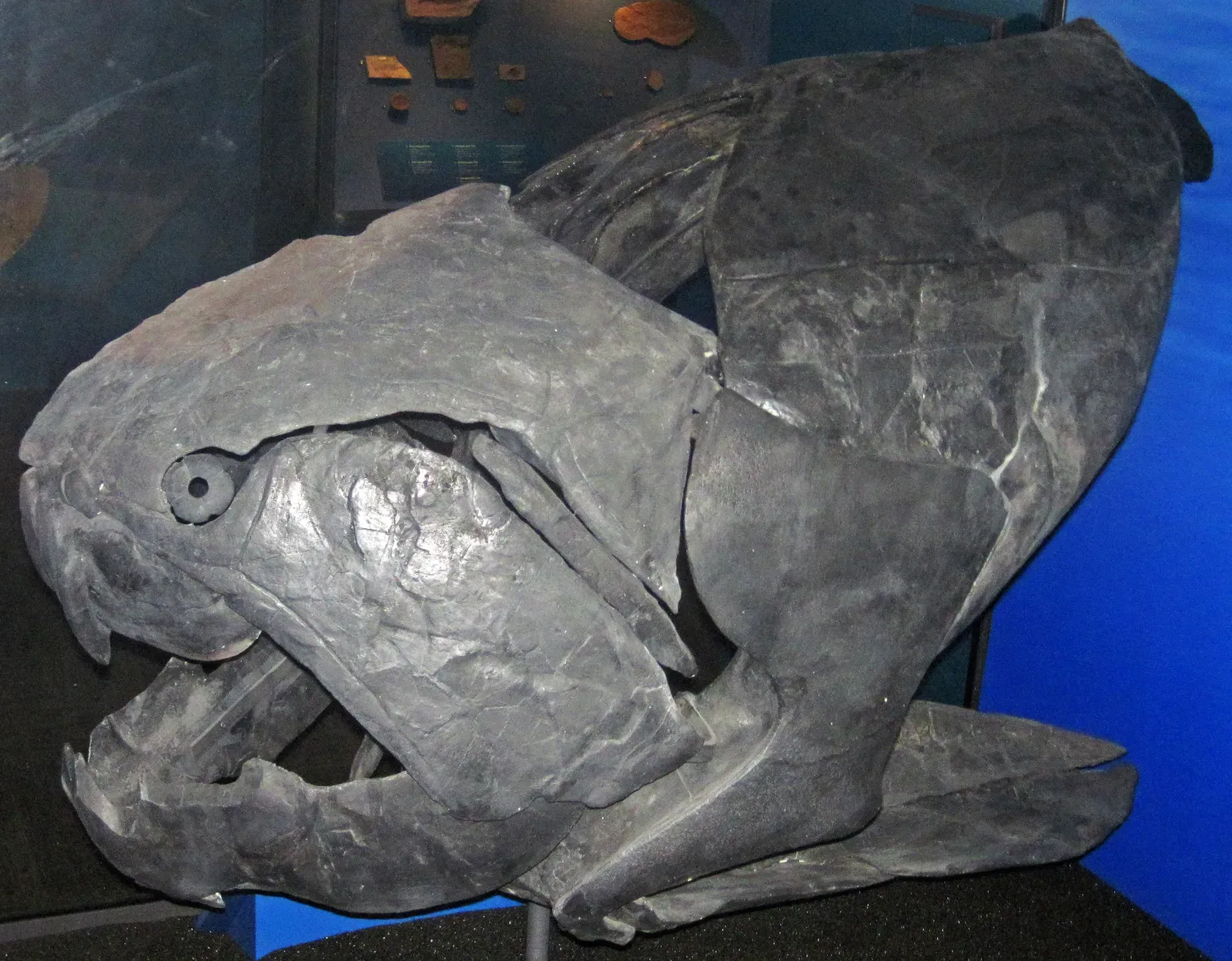
Starting 383 million years ago, this extinction event eliminated about 75 percent of all species on Earth over roughly 20 million years. The most hard-hit biological category were calcite-based reef builders, including stromatoporoid sponges and rugose and tabulate corals. Think about it: entire reef systems that took millions of years to establish just vanished. The oceans became quieter, darker places.
True tetrapods survived and experienced an evolutionary radiation following the Kellwasser extinction, though their fossils are rare until the mid-to-late Famennian. Major vertebrate clades suffered acute effects centered on the Hangenberg extinction involving long-term losses of over 50 percent of diversity and the restructuring of vertebrate ecosystems worldwide. This is where things get interesting. All sarcopterygian and acanthodian groups were restricted to one period or the other, while taxa that dominate modern vertebrate faunas – tetrapods, actinopterygians, and chondrichthyans – are precisely those associated with post-Devonian sites. In other words, the extinction cleared space for the ancestors of modern fish and eventually land vertebrates. Common brachiopod species that survived demonstrated niche conservatism, tracking their preferred habitats through changes in temperature, sea level and community composition.
The Great Dying Nearly Ended Everything
About 252 million years ago, Earth faced the Permian-Triassic extinction, during which 96 percent of all marine species and about three of every four species on land died out over approximately 60,000 years. This was the worst catastrophe life has ever faced. The world’s forests were wiped out and didn’t return in force until about 10 million years later, and it was the only mass extinction that wiped out large numbers of insect species.
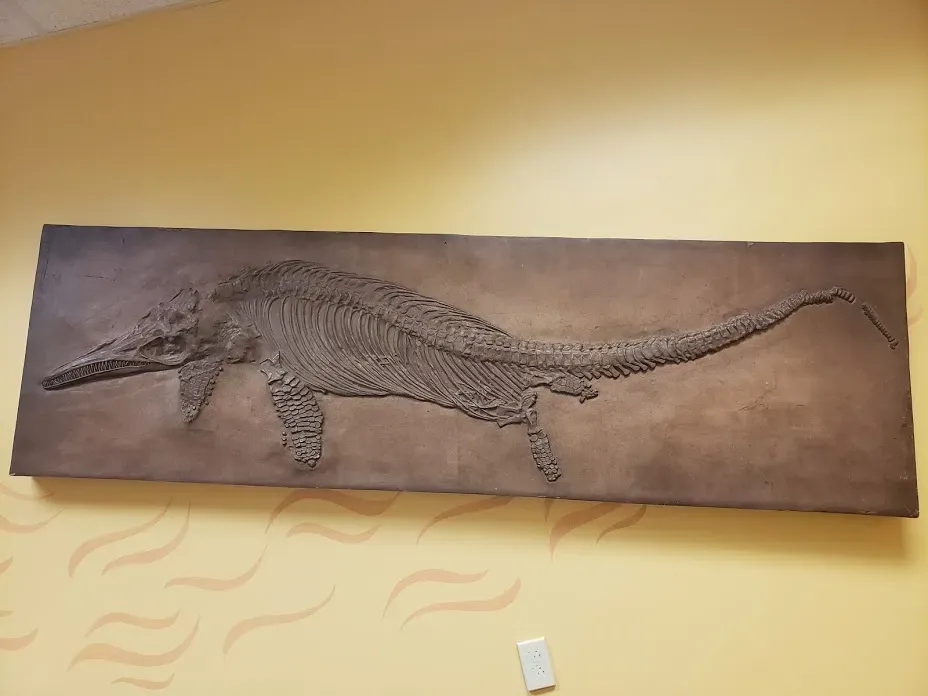
Research combining ocean conditions and animal metabolism shows the extinction was caused by global warming that left ocean animals unable to breathe, as warmer water holds less oxygen while metabolic demands increase. Profound environmental change provided the means for select survivors to dramatically expand their ranges, flourishing in suddenly warmer, less-oxygenated waters. Here’s where survival gets weird. The first organisms to emerge were animals at the top of the marine food chain, including free-swimming predators like dolphin-like ichthyosaurs and coiled ammonoids. In the sea, typical taxa of shelly benthic faunas shifted to bivalves, snails, sea urchins and Malacostraca, whereas bony fishes and marine reptiles diversified in the pelagic zone, while on land, dinosaurs and mammals arose during the Triassic. Recovery was painfully slow, but it reset the entire ecological structure of the planet.
When the Sky Fell on the Dinosaurs
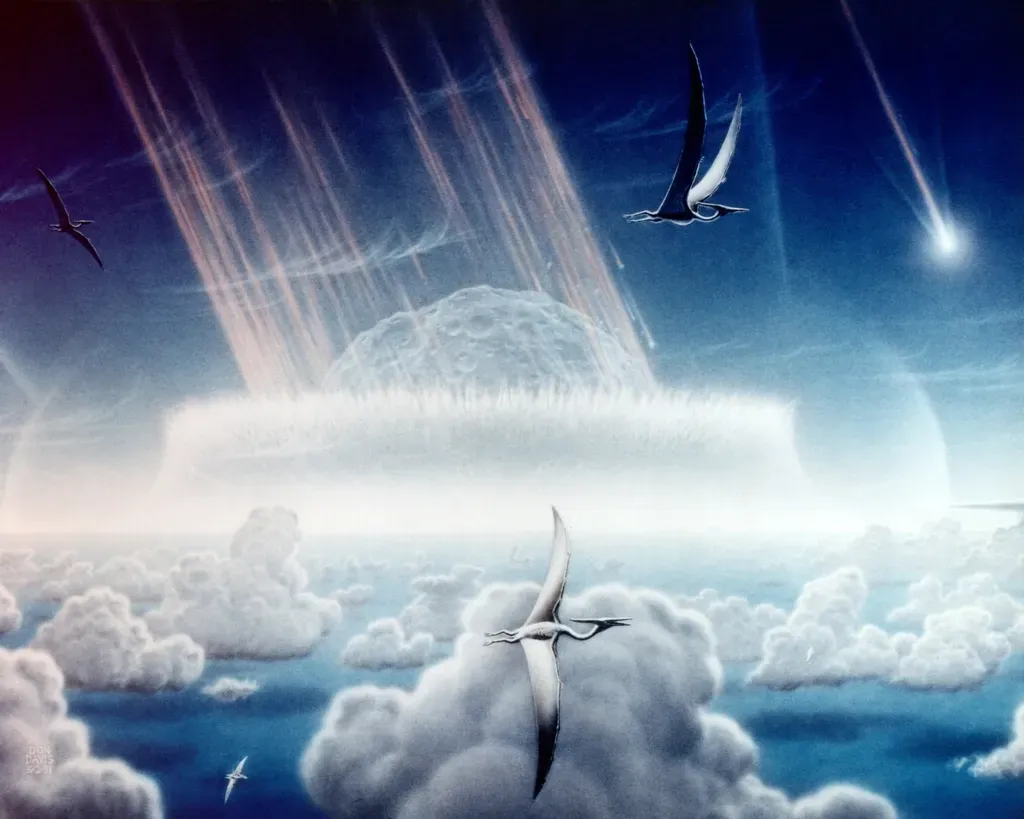
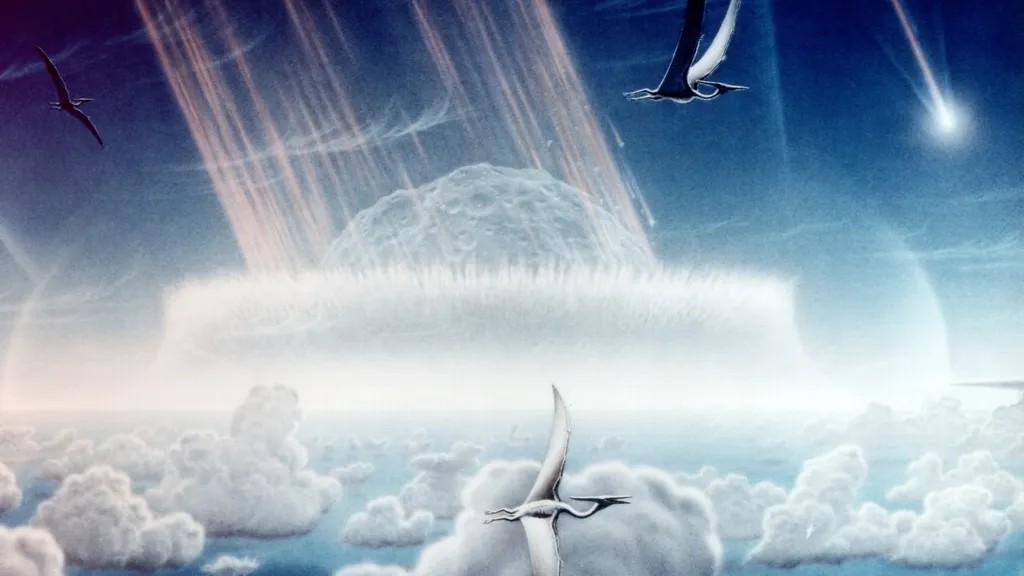
About 66 million years ago, a nearly seven-mile wide asteroid slammed into Earth off the coast of present-day Yucatán Peninsula, generating huge tsunamis and hurling dust, debris, and sulfur into the atmosphere, bringing severe global cooling while wildfires ignited within 900 miles of the impact. It’s estimated that 75 percent or more of all animal and marine species on Earth vanished. The world went dark for months, maybe years. Photosynthesis basically stopped.
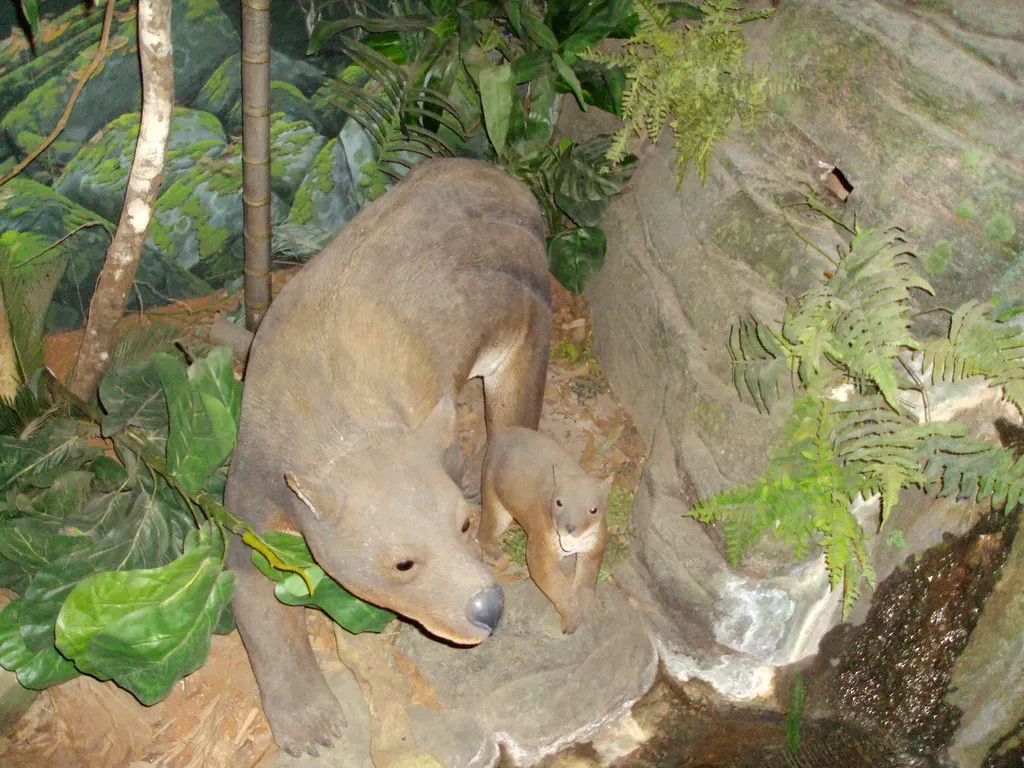
Ground-dwelling and semi-arboreal mammals were better able to survive the cataclysm than tree-dwelling mammals due to global devastation of forests that followed the impact. Over 93 percent of mammal species were wiped out across the boundary, but they also recovered far more quickly than previously thought. Small size mattered. The survival of endothermic animals like some birds and mammals could be due to their smaller needs for food, related to their small size at the extinction epoch. In the first 10 million years following the mass extinction, mammals bulked up rather than evolving bigger brains to adapt to dramatic changes, with body sizes increasing so much faster than their brains. Many groups underwent remarkable adaptive radiation, with mammals diversifying in the following Paleogene Period, evolving new forms such as horses, whales, bats, and primates. You could say this was our lucky break.
Life’s Remarkable Resilience Through Multiple Crises
Though mass extinctions are deadly events, they open up the planet for new forms of life to emerge. That’s the pattern throughout Earth’s history. Each catastrophe created ecological vacancies, and survivors rushed to fill them. Mass extinctions seem to occur when multiple Earth systems are thrown off kilter and when these changes happen rapidly, more quickly than organisms evolve and ecological connections adjust.
One hypothesis is ecological release, where the die-offs of certain predator and competitor creatures allow one surviving group of organisms to flourish. Mass extinctions affected marine metazoans and had important influence on the subsequent trajectory of marine life, as ecosystems and habitats may be entirely or partially destroyed but life survives and rebounds. It’s honestly remarkable how life finds pathways forward even in the most hostile conditions. Mammals were hit harder than most groups like lizards, turtles, and crocodilians, but they proved far more adaptable in the aftermath, with recovery and adaptation rather than low extinction rates leading mammals to take over. Each event taught life new tricks, pushed evolution in unexpected directions, and ultimately made our modern world possible. Did you expect that the worst disasters could create the greatest opportunities? What would you have guessed about which creatures survived and why? It makes you wonder what lessons these ancient catastrophes hold for the future we’re shaping today.