You might think you know the story of the dinosaurs. You probably picture them as unstoppable giants ruling a steamy, tropical world until a massive asteroid wiped them out. Simple, right? Actually, the real story is way more complicated than that.
Before they ever became the dominant creatures of the Mesozoic, dinosaurs had to claw their way through multiple catastrophic events that would have spelled doom for most species. They didn’t just get lucky once. These ancient reptiles faced some of the most brutal environmental challenges Earth has ever thrown at living creatures, and somehow they kept going. Let’s dive in.
Surviving the Triassic Deep Freeze with Feathery Insulation
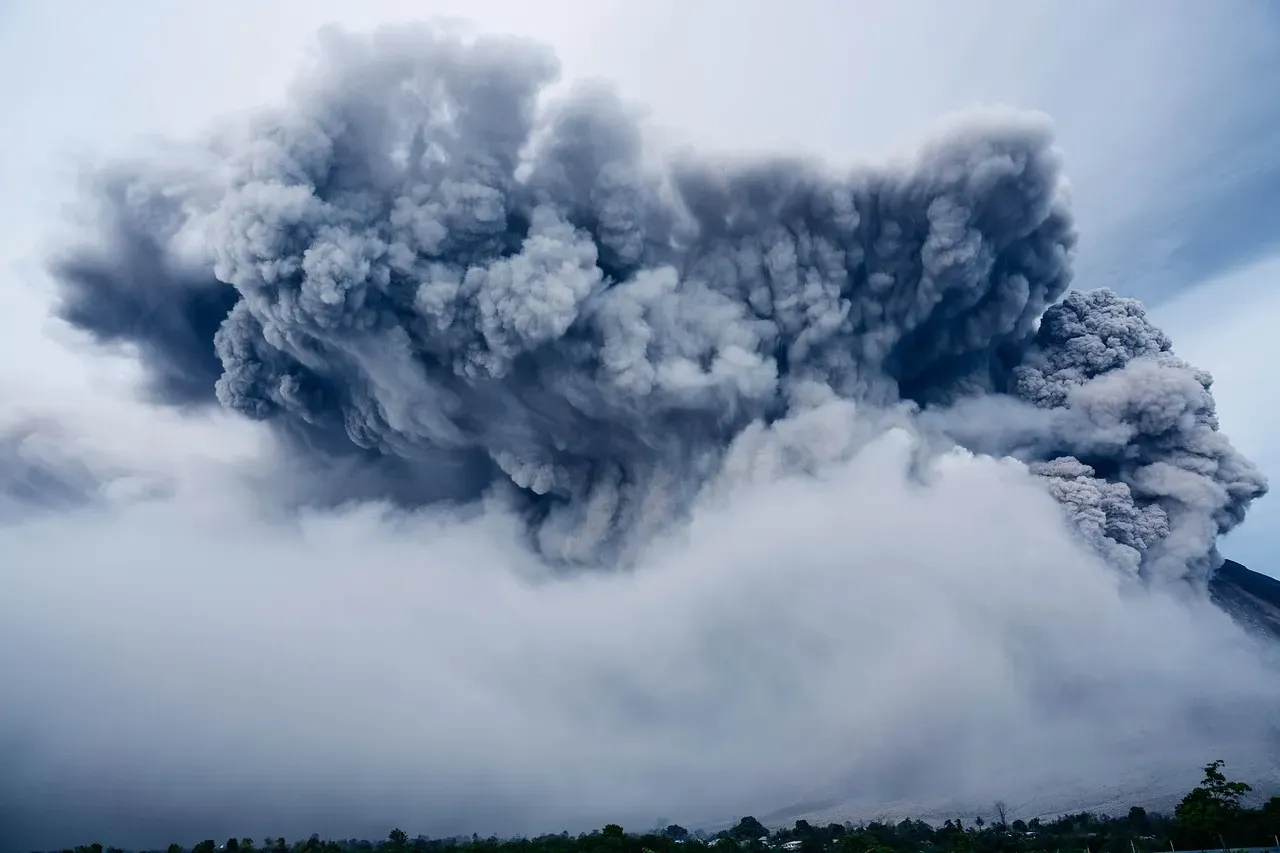
Widespread volcanic eruptions around 202 million years ago triggered a mass extinction event that killed off three-fourths of the planet’s species, yet dinosaurs, somehow, survived and went on to thrive. Here’s the thing: while massive volcanic eruptions pumped greenhouse gases into the atmosphere, they also created something unexpected. Episodes of those freezing conditions may have even extended all the way to the tropics, creating what scientists call volcanic winters.
New evidence of the existence of icy lakes – found alongside fossilized dinosaur footprints – bolsters the latter idea and suggests that what set up the dinosaurs for survival might have been their ability to brave the cold of a vicious volcanic winter. The Columbia scientists offer a different hypothesis: they say that a haze of highly reflective sulfate aerosols emitted into the sky may have had a temporary cooling effect, which dinosaurs, with their feathers and sophisticated metabolisms, were unusually well-prepared for. While their crocodilian competitors couldn’t handle the sudden cold snaps, dinosaurs wrapped in their primitive feathers weathered the storm. These reptiles’ skeletons and footprints all but disappear from the fossil record after the end of the Triassic, giving feathered dinosaurs the opening they needed.
Adapting to Arctic Conditions in the Far North
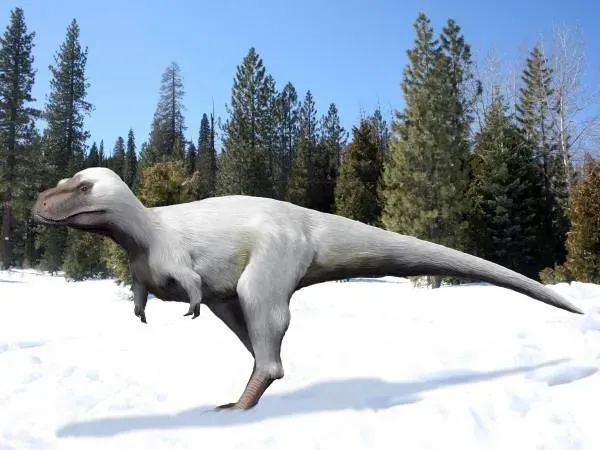
Most people imagine dinosaurs lounging in tropical jungles, munching on lush vegetation under a blazing sun. That stereotype gets shattered when you look at the fossil record from the ancient polar regions. The newly discovered footprints are from a variety of birdlike dinosaurs and date from between 206 million and 193 million years ago, found in China’s Junggar Basin desert, which at the time the dinosaurs lived was situated on the northern edge of the supercontinent Pangaea, well above the Arctic Circle.
Think about that for a second. These creatures were wandering around in conditions where lakes froze over seasonally. Scientists weren’t sure if dinosaurs had ever seen snow or ice, but now they know they did, with geological evidence suggesting the climate here was probably similar to what the northeastern US now experiences. Dinosaurs could temporarily stop growing in the harsh winters, enabling them to conserve energy while food was scarce. That’s a survival strategy worthy of respect, honestly. They basically hit pause on their own development to make it through the tough times.
Flourishing After Climate Zones Shifted at the Triassic-Jurassic Boundary
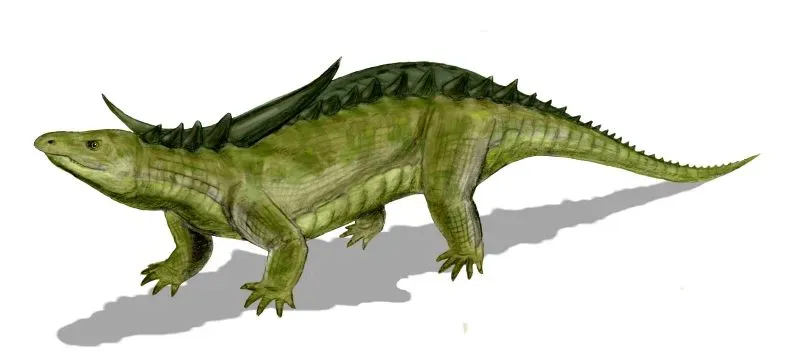
Changes in global climate associated with the Triassic-Jurassic mass extinction – which wiped out many large terrestrial vertebrates such as the giant armadillo-like aetosaurs – actually benefitted the earliest dinosaurs. Let’s be real: this sounds counterintuitive. How does a mass extinction help anyone? The answer lies in what happened to Earth’s climate zones during this transition period.
Late Triassic sauropodomorph dinosaurs occupied a more restricted climatic niche space than other tetrapods and dinosaurs, being excluded from the hottest, low-latitude climate zones, but a subsequent, earliest Jurassic expansion of sauropodomorph geographic distribution is linked to the expansion of their preferred climatic conditions. Instead of dinosaurs being outcompeted by other large vertebrates, it was variations in climate conditions that were restricting their diversity, but once these conditions changed across the Triassic-Jurassic boundary, they were able to flourish. Essentially, the very conditions that killed off their competitors created new real estate perfectly suited to dinosaur life. They didn’t have to outfight anyone; they just had to outlast them.
Developing Warm-Blooded Physiology to Conquer New Territories
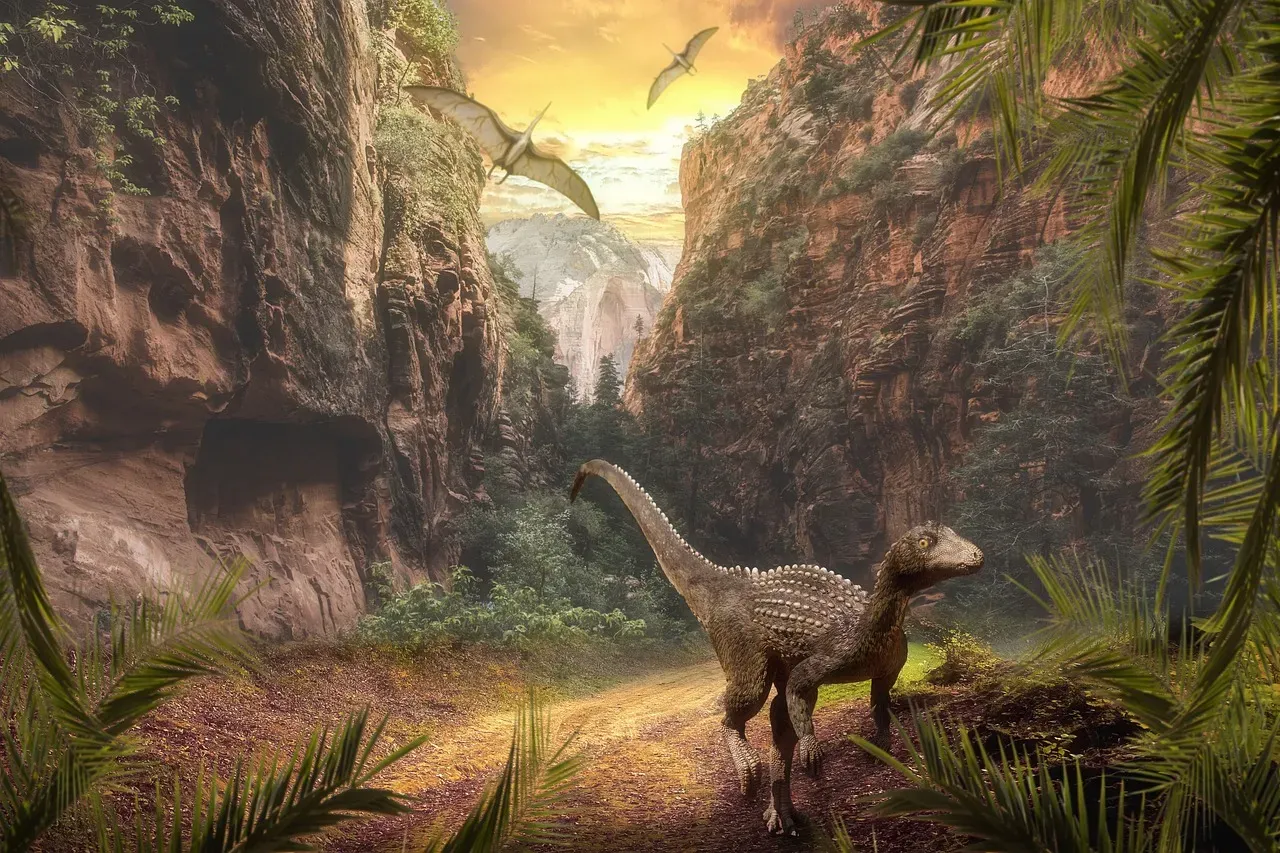
Different climate preferences emerged among the main dinosaur groups around the time of the Jenkyns event 183 million years ago, and the adoption of endothermy may have enabled theropods and ornithischians to thrive in colder environments. This represents one of the most significant evolutionary adaptations in dinosaur history. While some groups stuck to their comfort zones, others developed the ability to regulate their own body temperature internally.
Endothermy allowed certain dinosaurs to thrive in changing climates, enabling them to maintain high activity levels and survive in colder environments. Meanwhile, sauropods opted to stick to warmer climates, achieving this by growing to enormous sizes, which helped them retain heat due to their smaller surface area to volume ratio. It’s hard to say for sure exactly how this physiological shift occurred, but the fossil evidence shows that different dinosaur lineages found different solutions to the same problem. Some cranked up their internal furnaces; others just got bigger.
Escaping Tropical Death Zones During the Carnian Pluvial Episode
Three dramatic events occurred on Earth: the first dinosaurs appeared, gigantic volcanic eruptions called the Wrangellia large igneous province spewed out greenhouse gasses and the climate suddenly shifted to warmer, more humid conditions that scientists call the Carnian Pluvial Episode. This wasn’t just any climate shift. The pattern is likely to have been driven by the extreme climatic conditions on Pangaea, including high temperatures and strongly seasonal rainfall, and later in the Triassic, most land vertebrates, including early mammals and early dinosaurs, exhibited high diversity at mid-latitudes, both north and south of the equator.
Basically, the equatorial regions became hellish. Extreme temperatures combined with unpredictable monsoon patterns made life nearly impossible for many species. Dinosaurs responded by moving. They sought out mid-latitude regions where conditions were more stable and food sources more reliable. These traits would have served dinosaurs well by enabling them to avoid the tropics, with their extreme and unpredictable climatic patterns, in favor of temperate zones, where they would have found more consistent food sources. It takes guts to abandon your ancestral homeland, even if you’re a dinosaur. This strategic retreat probably saved entire lineages from extinction.
Conclusion
The dinosaur story isn’t really about dominance. It’s about resilience. These creatures survived volcanic winters that would make our worst climate scenarios look tame. They adapted to freezing polar conditions, developed revolutionary physiological traits, and strategically relocated when their environments became uninhabitable.
The surviving group of dinosaurs were avians, a few species of ground and water fowl, which radiated into all modern species of birds. In a way, dinosaurs never truly went extinct at all. Every time you see a bird at your window, you’re looking at a survivor whose ancestors made it through challenges we can barely imagine. Pretty wild when you think about it, right? What do you think was their most impressive survival feat?