The ocean has always been nature’s heavyweight champion, harboring giants that make even the most massive land animals look like toys. While we marvel at elephants and rhinos, the sea holds creatures so enormous they’d crush their terrestrial counterparts without breaking a sweat. Picture this: the largest animal ever known to exist isn’t roaming African savannas or stomping through ancient forests—it’s gliding gracefully through our oceans right now.
The Blue Whale vs. The African Elephant: A David and Goliath Story

When you think massive, the African elephant probably comes to mind first. These gentle giants can weigh up to 13,000 pounds and stand nearly 13 feet tall. But here’s where things get mind-blowing: a single blue whale can weigh as much as 30 African elephants combined.
The largest blue whales tip the scales at around 400,000 pounds—that’s 200 tons of pure oceanic muscle and blubber. Their hearts alone weigh as much as a small car, and their tongues can weigh as much as an entire elephant. It’s like comparing a house cat to a Bengal tiger, except the size difference is even more dramatic.
What makes this comparison even more striking is that both animals are herbivores in their own way. While elephants munch on vegetation, blue whales filter millions of tiny krill through their massive mouths.
Ancient Ocean Giants: When Prehistoric Seas Ruled Supreme
Long before humans walked the Earth, the oceans were home to creatures that would make today’s whales look modest. The prehistoric seas were like alien worlds, filled with monsters that dwarf anything we see on land today. These ancient waters hosted some of the most incredible size competitions in Earth’s history.
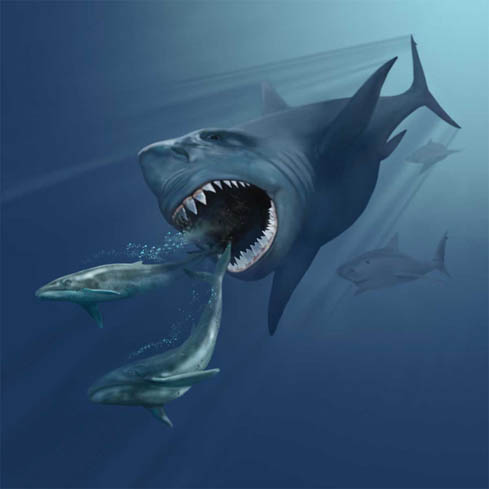
Megalodons, those legendary prehistoric sharks, reached lengths of 60 feet and weighed up to 100 tons. Compare that to the largest land predators of their time, and it’s no contest. Even the mighty Tyrannosaurus Rex, weighing in at a “mere” 15,000 pounds, would be a light snack for these ocean behemoths.
The sheer physics of water versus land made these size differences inevitable. Water provides buoyancy that land simply can’t match, allowing marine creatures to grow to sizes that would be impossible on terra firma.
The Colossal Squid: Tentacled Terror of the Deep
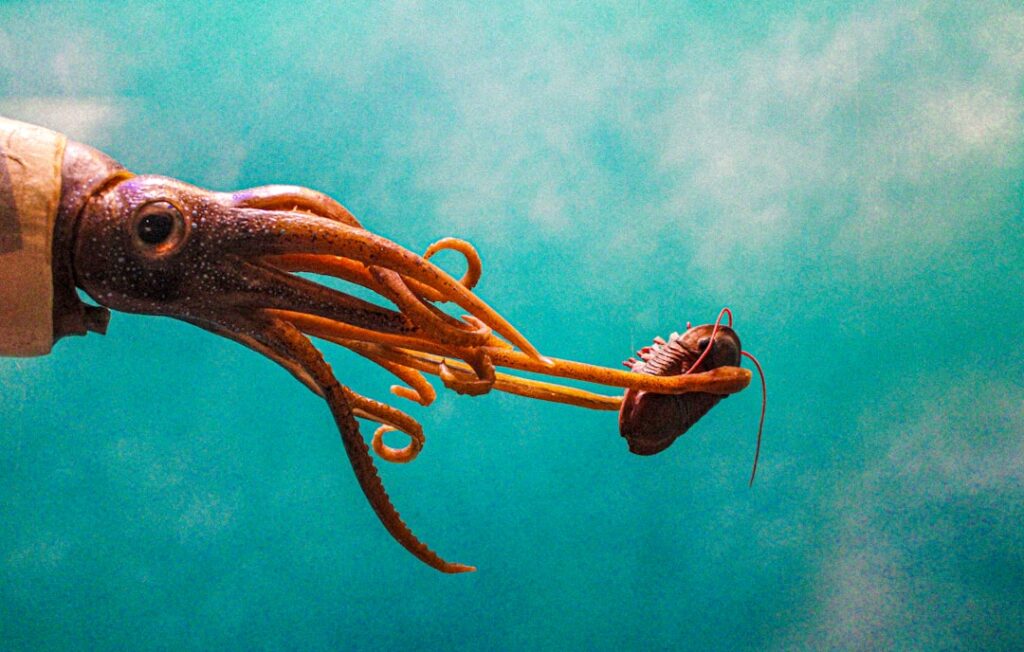
Hidden in the darkest depths of the Southern Ocean lurks a creature so massive it seems pulled from science fiction. The colossal squid can grow up to 46 feet long and weigh over 1,600 pounds. Its eyes, the size of dinner plates, are the largest of any known animal.
Now compare this deep-sea giant to the largest land invertebrate—the coconut crab. These impressive crustaceans can weigh up to 9 pounds and have a leg span of three feet. It’s like comparing a monster truck to a bicycle in terms of sheer mass and presence.
The colossal squid’s tentacles are armed with rotating hooks that can slice through flesh like razor blades. This isn’t just size for show—it’s a perfectly evolved predator designed to dominate its underwater realm.
Sperm Whales vs. Land’s Largest Predators
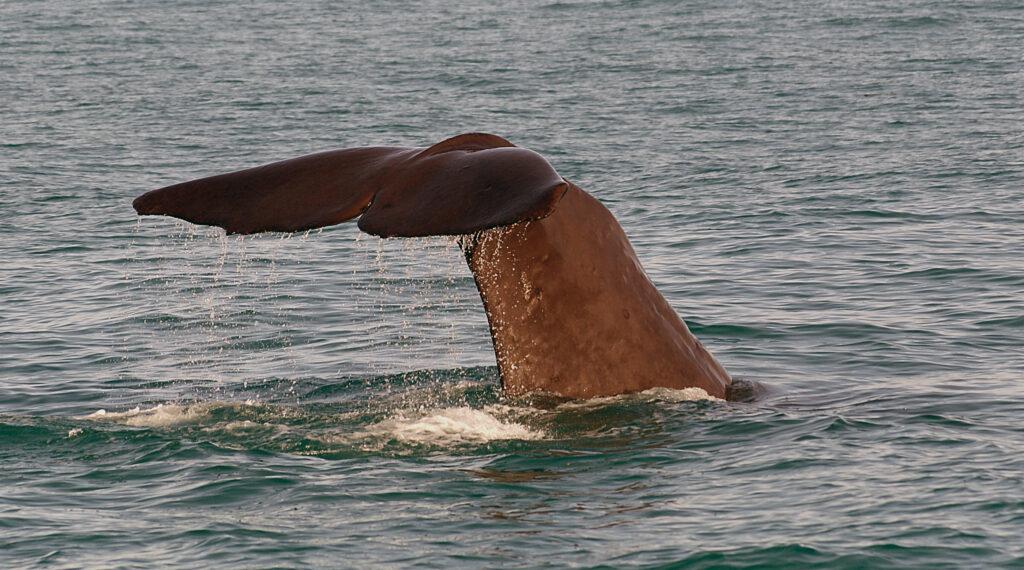
Sperm whales are the ocean’s ultimate deep-dive specialists, capable of holding their breath for over two hours while hunting in complete darkness. These marine giants can weigh up to 125,000 pounds and stretch 67 feet in length. Their massive heads contain the largest brain of any animal on Earth.
Compare this to the largest land predator today—the polar bear. Even the biggest polar bears max out at around 1,500 pounds. That means a single sperm whale weighs as much as 80 polar bears stacked together. It’s a comparison that really puts oceanic size into perspective.
What’s fascinating is that sperm whales hunt some of the ocean’s other giants, including those colossal squids we just discussed. These epic underwater battles between titans happen in depths where no human has ever witnessed them firsthand.
The Physics Behind Ocean Giants
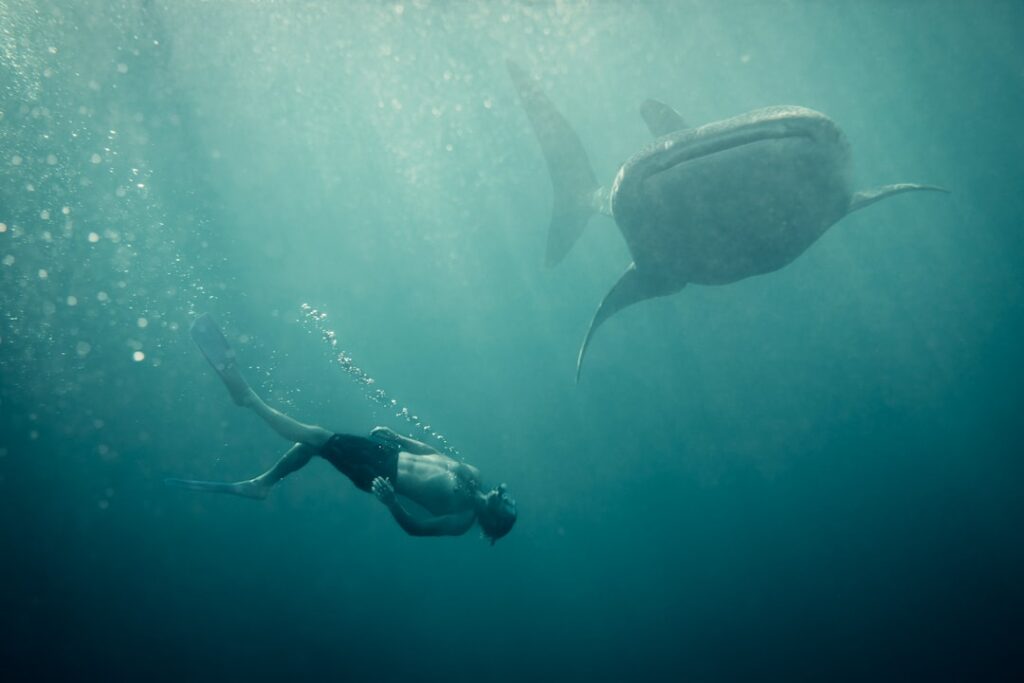
Water changes everything when it comes to size limitations. On land, animals are constantly fighting gravity, which puts a ceiling on how large they can grow before their own weight becomes a problem. But in water, buoyancy acts like nature’s weightlifting belt, supporting massive bodies that would collapse under their own weight on land.
Think of it like the difference between doing exercises in a pool versus on dry land. Everything becomes easier in water because you’re partially floating. Marine animals can dedicate their energy to growing larger rather than just supporting their weight.
This physical advantage explains why the largest animals in Earth’s history have almost always been marine creatures. The ocean is essentially a three-dimensional space where size limitations that plague land animals simply don’t apply.
Giant Pacific Octopus: The Ocean’s Heavyweight Contender
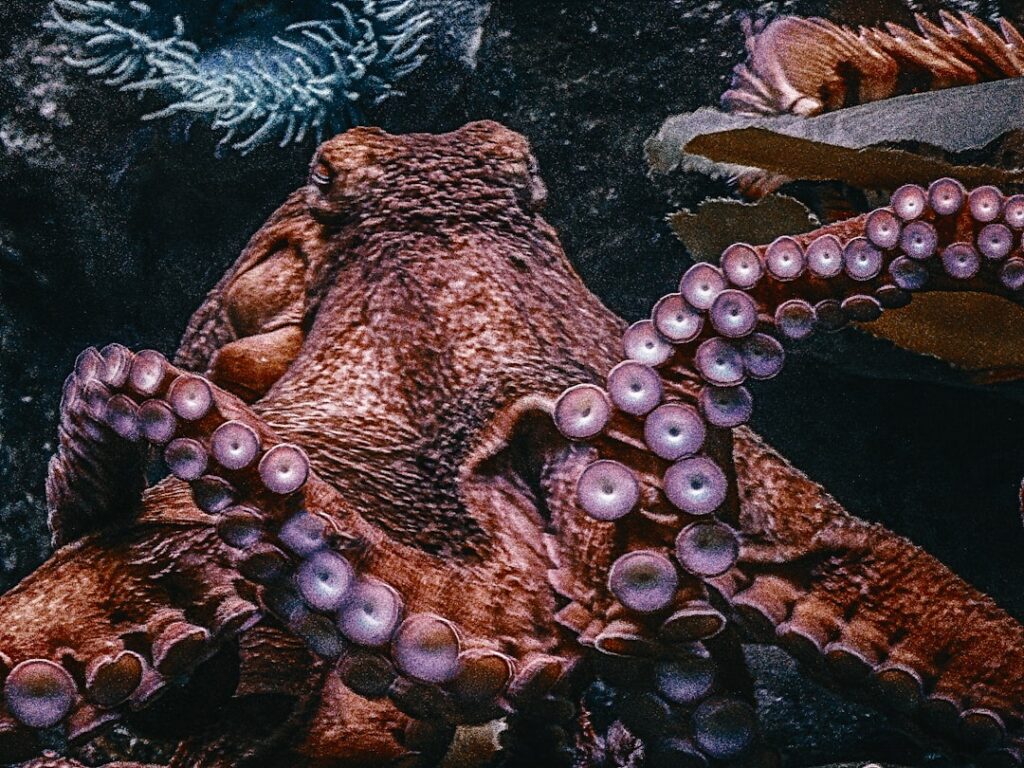
The Giant Pacific Octopus is like the ocean’s answer to a heavyweight boxer, but with eight arms instead of two. These incredible creatures can weigh up to 600 pounds and have an arm span reaching 30 feet. They’re not just big—they’re incredibly intelligent, capable of opening jars, solving puzzles, and even escaping from aquariums.
On land, the largest cephalopod relatives are practically microscopic in comparison. Even the biggest terrestrial mollusks, like the giant African land snail, weigh less than two pounds. It’s like comparing a butterfly to an eagle in terms of size and presence.
What makes these octopuses even more impressive is their ability to squeeze through any opening larger than their beak. Despite weighing as much as several adult humans, they can compress their boneless bodies to fit through surprisingly small spaces.
Whale Sharks: Gentle Giants of the Ocean

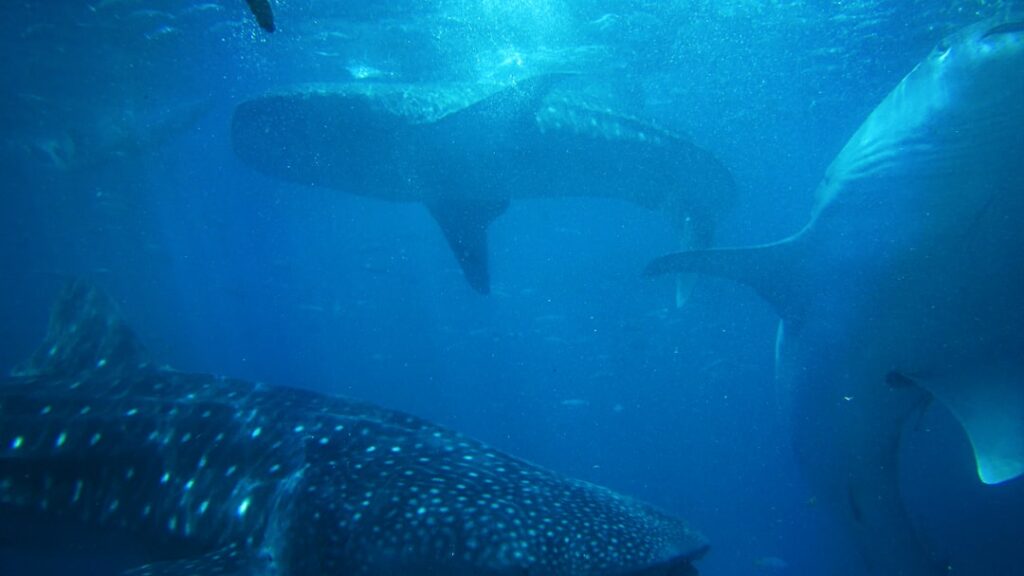
Whale sharks hold the title of largest fish in the ocean, growing up to 40 feet long and weighing as much as 47,000 pounds. Despite their intimidating size, these polka-dotted giants are filter feeders, essentially oceanic vacuum cleaners that cruise around eating plankton and small fish.
The largest land-dwelling fish-like vertebrates don’t even come close. Even massive land animals like hippos, which spend much of their time in water, max out at around 8,000 pounds. A whale shark could theoretically swallow a hippo whole, though thankfully their diet consists of much smaller prey.
These gentle giants migrate thousands of miles across oceans, following plankton blooms like underwater nomads. Their size allows them to travel vast distances efficiently, something that would be impossible for similarly sized land animals.
Basking Sharks: The Ocean’s Wandering Giants

Basking sharks are the second-largest fish in the ocean, reaching lengths of 40 feet and weights of up to 11,000 pounds. These filter-feeding giants cruise near the surface with their massive mouths wide open, looking like underwater school buses collecting plankton.
Their land-based competitors in the “large filter feeder” category would be animals like baleen whales that beach themselves—except that never happens because land can’t support such massive filter-feeding lifestyles. The closest land equivalent might be large herbivores, but even the biggest elephants are dwarfed by these oceanic giants.
Basking sharks are so large they can be spotted from aircraft, often traveling in groups that look like underwater convoys. Their size makes them nearly immune to predation once they reach adulthood.
The Mysterious World of Deep-Sea Giants
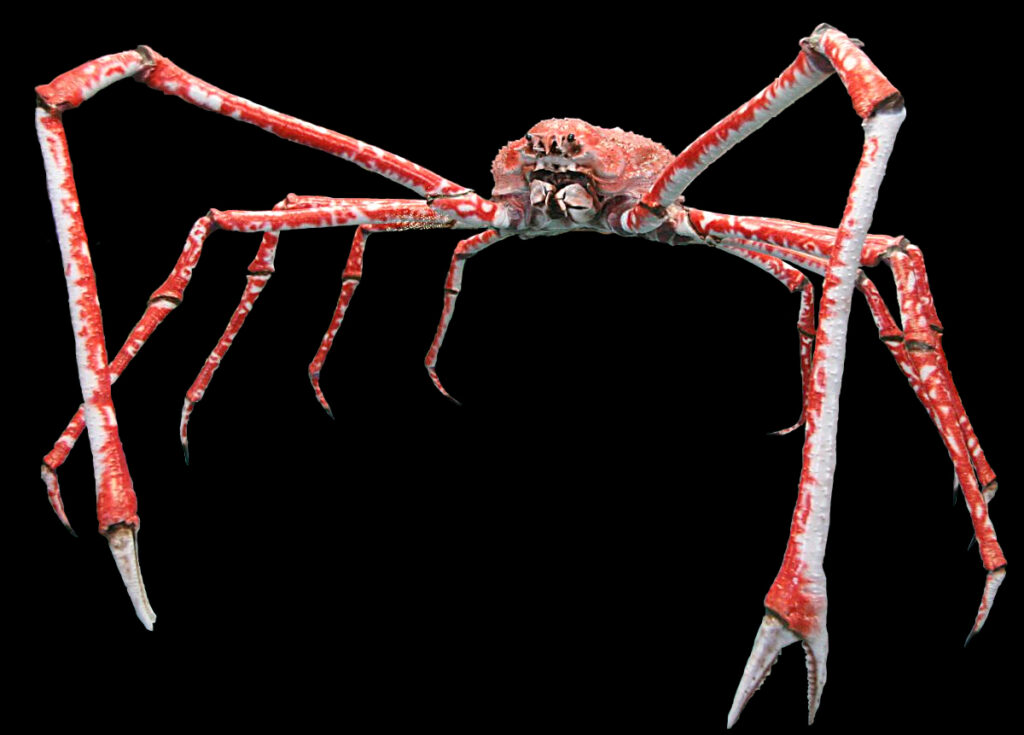
The deep ocean hides giants we’re only beginning to discover. Japanese spider crabs scuttle across the seafloor with leg spans reaching 12 feet, making them look like alien creatures from science fiction. These arthropod giants can live for over 100 years in the ocean’s depths.
Land crabs, by comparison, are practically pocket-sized. Even the impressive coconut crabs mentioned earlier seem small when compared to their deep-sea cousins. It’s as if the ocean has its own supersized version of everything we know from land.
Scientists believe we’ve only discovered a fraction of the deep ocean’s giants. With each deep-sea expedition, new massive species are found lurking in the abyss, waiting to rewrite our understanding of how large marine life can grow.
Why Size Matters in Marine Ecosystems
Size in the ocean isn’t just about bragging rights—it’s about survival and ecosystem dominance. Larger marine animals can travel greater distances, access more food sources, and avoid predation more effectively than their smaller counterparts. They become living islands, supporting entire ecosystems of smaller creatures.
Many of these giants also play crucial roles as ecosystem engineers. Blue whales, for example, transport nutrients across vast ocean distances through their migrations and waste. Their massive size allows them to be mobile nutrient delivery systems for the entire ocean.
The presence of these giants indicates healthy ocean ecosystems. When large marine animals disappear, it often signals broader environmental problems that affect the entire food web from top to bottom.
Conservation Challenges for Ocean Giants
Despite their impressive size, many ocean giants face serious threats from human activities. Commercial fishing, ship strikes, plastic pollution, and climate change all pose significant risks to these massive marine creatures. Their size, which once protected them from natural predators, now makes them vulnerable to human-caused problems.
Whales get entangled in fishing nets, sea turtles mistake plastic bags for jellyfish, and warming oceans disrupt the food chains that support these giants. It’s ironic that creatures capable of weighing hundreds of tons can be brought down by something as simple as a plastic bag.
Conservation efforts for these species require international cooperation because they migrate across entire ocean basins. Protecting ocean giants means protecting entire marine ecosystems that support countless other species.
The Future of Ocean Giants
Climate change is reshaping ocean ecosystems in ways we’re still trying to understand. Rising temperatures, ocean acidification, and changing currents all affect the food sources that support these massive marine creatures. Some species may adapt and thrive, while others face uncertain futures.
New technologies are helping us study these giants like never before. Satellite tracking, underwater cameras, and genetic analysis are revealing secrets about their behavior, migration patterns, and life cycles. We’re learning that these creatures are even more complex and important than we previously imagined.
The discovery of new ocean giants continues as exploration technology improves. Each deep-sea expedition has the potential to find new species that could rewrite the record books for marine size supremacy.
The ocean’s giants remind us that our planet still holds incredible mysteries. These massive creatures have ruled the seas for millions of years, adapting and evolving to become the ultimate examples of life’s potential for growth and survival. Their continued existence depends on our understanding and protection of marine ecosystems. What other giants might be waiting in the unexplored depths of our oceans?