Think of dinosaurs and you probably picture massive predators tearing into their prey or towering herbivores reaching into the treetops. Yet beyond their sheer size and ferocity, these prehistoric creatures did something far more profound. They dominated the planet for over 160 million years, leaving impacts that rippled through every corner of ancient Earth’s ecosystems in ways you might never have imagined.
You might wonder how a bunch of reptiles could truly reshape an entire planet. Well, let’s be real, we’re talking about animals that fundamentally altered food webs, changed landscapes, influenced plant evolution, and created ecological relationships that nothing alive today quite replicates. So let’s dive in and discover five surprising ways dinosaurs weren’t just inhabitants of their world but active architects of it.
They Physically Reshaped the Land Beneath Their Feet
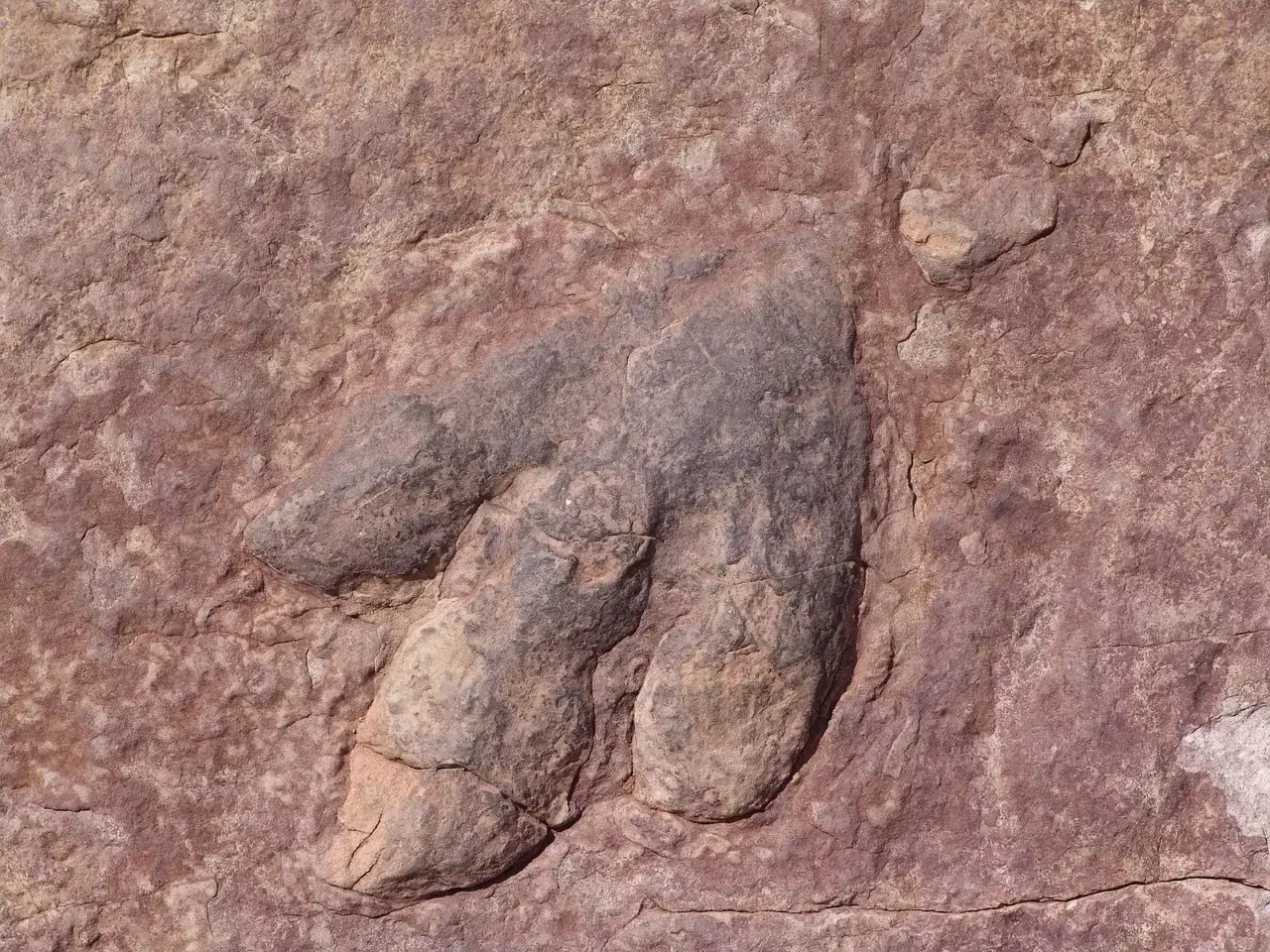
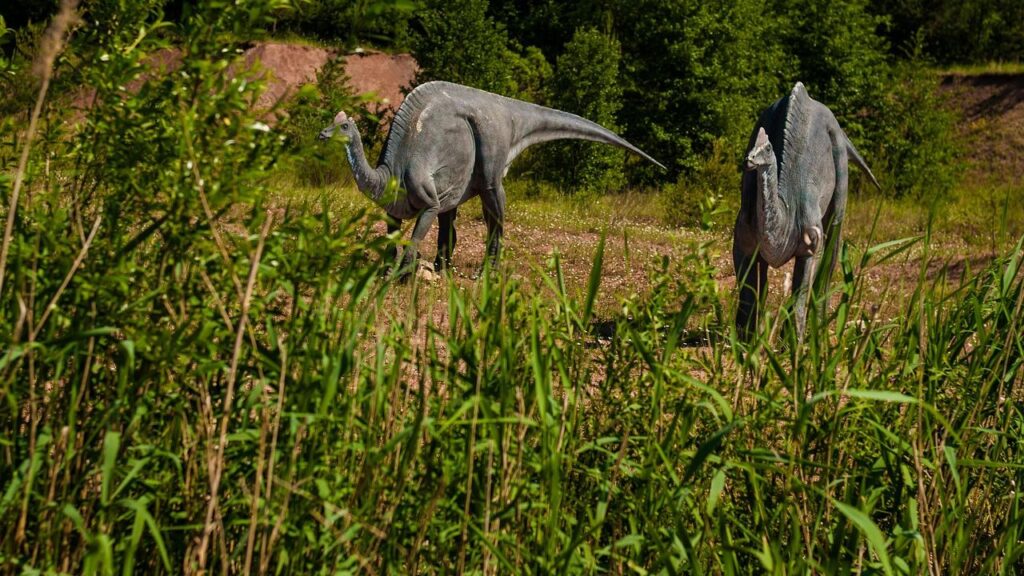
Dinosaurs permanently altered the face of our planet, and I’m not just talking metaphorically. Large sauropod dinosaurs had to take care navigating between mucky habitats, and as they did so they unknowingly changed the landscape around them. Picture enormous long-necked beasts weighing dozens of tons trudging through swamps and wetlands, each footstep creating depressions that would alter water flow patterns for generations.
The Broome Sandstone is dotted with foot-shaped potholes made by the trundling dinosaurs, preserving evidence that these creatures literally warped the ground beneath them. It’s hard to say for sure, but honestly, imagine the cumulative effect of millions of these giants walking the same migration routes year after year. Dinosaurs are blamed for causing small avalanches by walking on dunes in the Early Jurassic, with tracks showing where each step taken by dinosaurs on the sides of dunes triggered a collapse of sand underneath. Even climbing a hill became an act of geological transformation.
Tyrannosaurs Created Unprecedented Predator Dominance
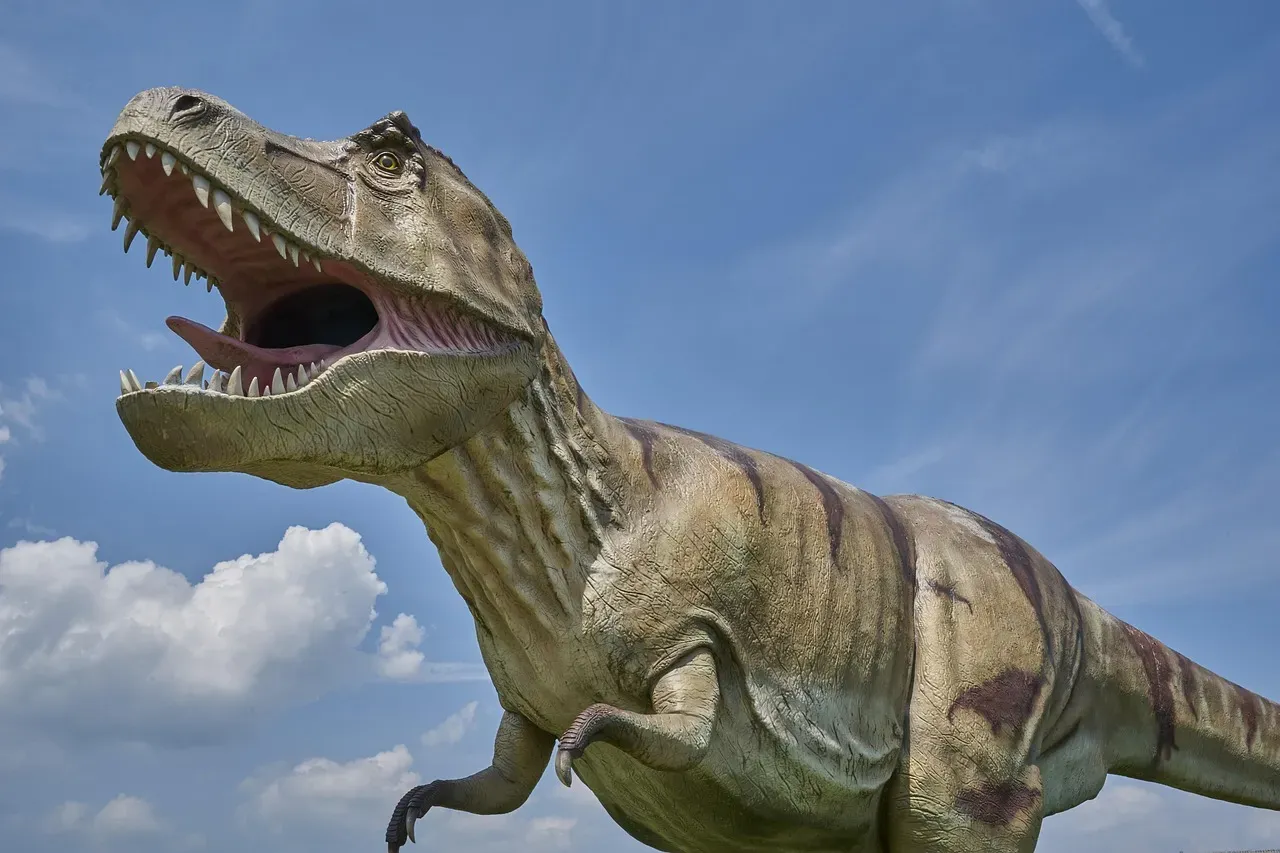
Here’s the thing about tyrannosaurs that makes them truly unique in Earth’s history. This dinosaurian happenstance allowed tyrannosaurs to nudge other carnivores out of the way – creating ecosystems unlike anything seen today, dominated by a single large predator. Let me put this in perspective for you: in modern ecosystems, predators exist along a spectrum of sizes, from small hunters to large apex predators. Yet in the Hell Creek ecosystem T. rex roamed 68 to 66 million years ago, there were small carnivorous raptors, a rare mid-sized raptor, and then T. rex, with the tyrannosaur being just as common in the formation as its prey species.
What makes this even more fascinating is how tyrannosaurs filled multiple ecological roles throughout their lives. The differences between adult and adolescent tyrannosaurs were so great that the animals almost lived like different species, pushing out mid-sized carnivores in a prehistoric takeover. Young tyrannosaurs hunted differently than adults, essentially acting as their own competition and monopolizing hunting niches that other carnivores might have occupied. I know it sounds crazy, but this single family of predators essentially restructured entire food webs simply by existing at different life stages.
Herbivorous Dinosaurs Engineered Plant Communities
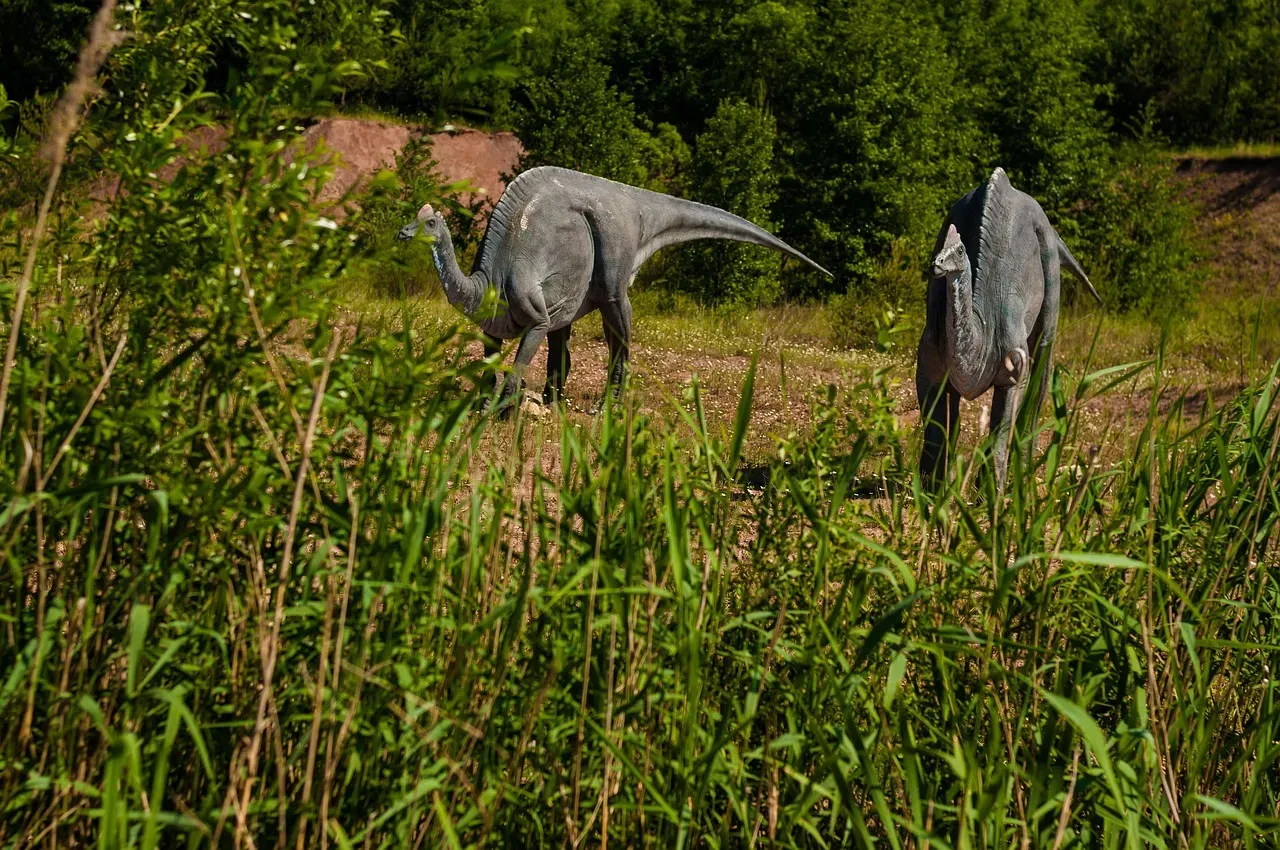
Plant-eating herbivores munching on trees, leaves and flowering plants helped to spread seeds and allowed for certain foliage to flourish. You might not immediately think of dinosaurs as gardeners, but that’s essentially what they were. These massive plant-eaters didn’t just consume vegetation – they actively shaped which plants thrived and which struggled.
Mesozoic primary productivity included cycadophytes, gymnosperms, ferns, horsetails and ginkgoes, likely representing the main food source for herbivorous dinosaurs, creating a feedback loop between herbivore preferences and plant evolution. The pressure from constant browsing meant that plants had to adapt defensive strategies or rapid regeneration abilities. As bulk feeders, sauropods likely relied on plants providing substantial biomass and rapidly regenerating foliage, like conifers and ginkgoes, over less nutritious ferns and cycads. This selective feeding pressure meant certain plant groups exploded in abundance while others became marginalized, fundamentally altering forest composition in ways that would persist for millions of years.
They Functioned as Living Biomass Regulators
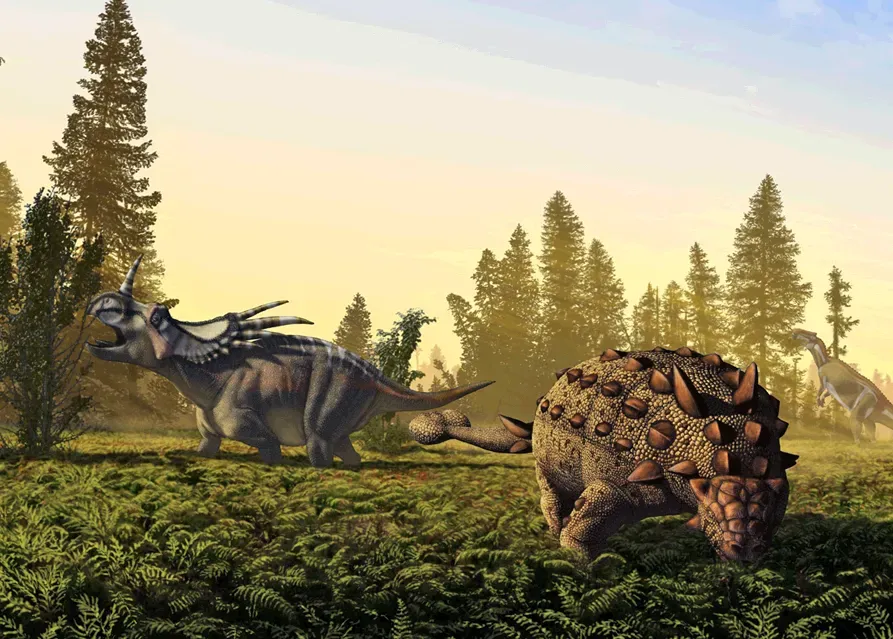
Think about the sheer amount of biological material represented by dinosaur populations. As a major component of their environments in terms of diversity and biomass, dinosaurs influenced various ecological processes, affecting other non-dinosaurian species. We’re talking about animals that could weigh upwards of eighty tons individually, existing in herds that might number in the hundreds.
This massive biomass concentration created unique ecological dynamics. When these giants died, their carcasses provided feast opportunities for scavengers and nutrients for soil ecosystems on a scale modern terrestrial ecosystems simply can’t replicate. When they lived, their metabolisms processed enormous quantities of plant matter, converting it into forms that fed countless other organisms through dung and discarded food. Honestly, the nutrient cycling driven by dinosaur populations must have been extraordinary – imagine a herd of sauropods passing through an area, essentially fertilizing acres upon acres of forest in a matter of days. Feeding behaviour strongly influences most aspects of animal biology, from obvious energetic requirements to reproductive biology, life-history strategies, behavioural ecology, habitat preferences and population ecology, creating cascading effects throughout entire ecosystems.
Their Presence Shaped Smaller Animal Evolution and Behavior
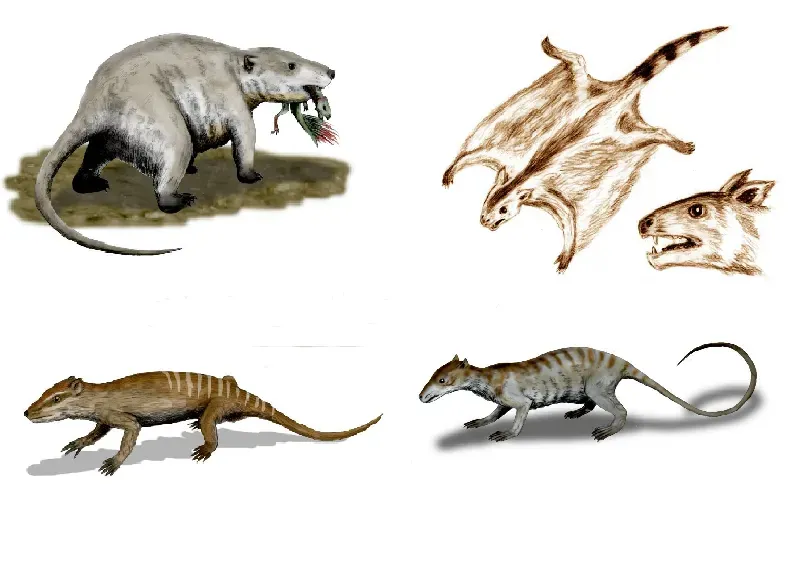
Let’s be real – if you were a small mammal during the Mesozoic, dinosaurs weren’t just part of your environment; they defined it. The first mammals also appeared during the Mesozoic, but would remain small – less than 15 kg – until the Cenozoic. This wasn’t coincidental. The overwhelming presence of dinosaurs in virtually every terrestrial niche meant that mammals, and many other small vertebrates, were forced into marginal roles.
200 million years ago the earliest mammaliaforms were mostly small, terrestrial insectivores persisting in reptile-dominated ecosystems during the Mesozoic Era, or the Age of Dinosaurs. Dinosaurs essentially determined what evolutionary pathways were available to other animals. Small creatures became predominantly nocturnal, developed specialized dietary niches, or evolved unique adaptations to avoid direct competition with the dominant reptiles. Various insect groups appeared, including bees, which helped increase the spread of flowering plants, and mammals now included tree climbers, ground dwellers and even predators of small dinosaurs. The evolutionary creativity we see in Mesozoic mammals and other small vertebrates was, in many ways, a direct response to the overwhelming ecological presence of dinosaurs.
Conclusion
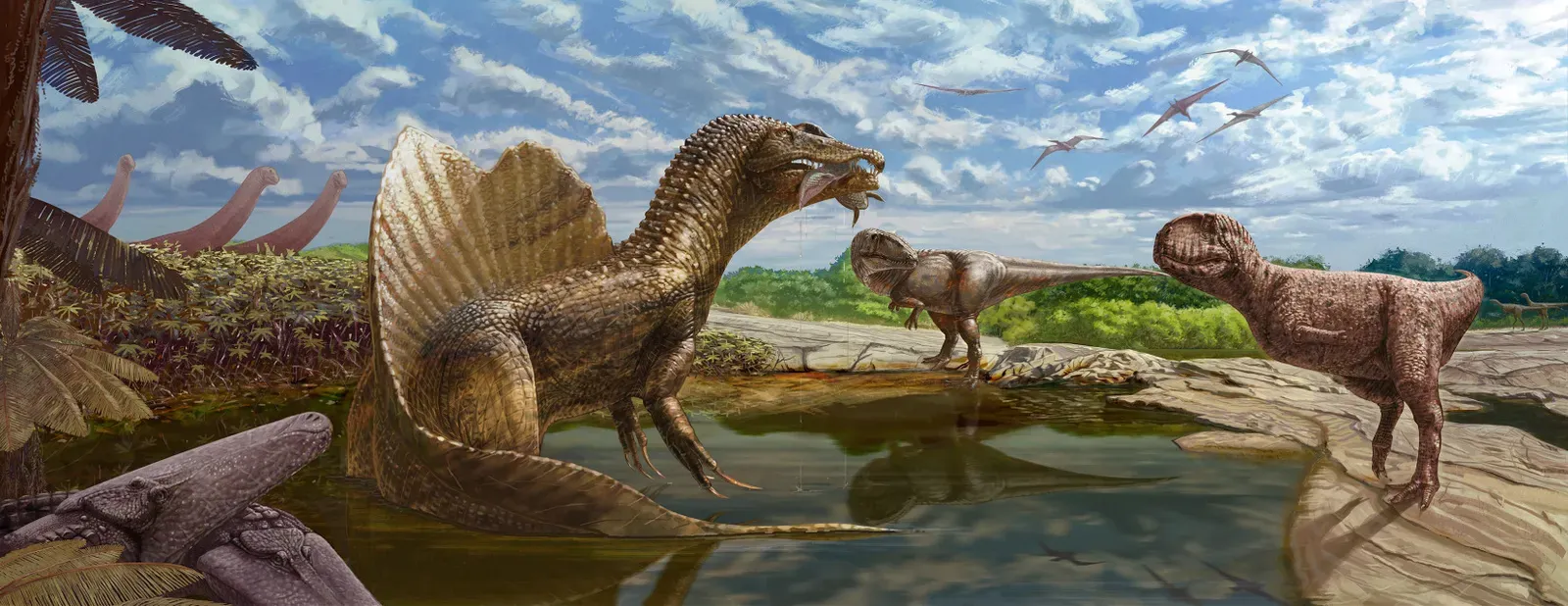
The legacy of dinosaurs extends far beyond fossil bones and museum displays. These remarkable creatures fundamentally rewired how ancient ecosystems functioned, from physically reshaping landscapes to determining which plants flourished and which animals could evolve. Life itself has helped to make our planet what it is, with dinosaurs changing the shape of Earth whether scratching at the soil, trodding over the sand in search of greener pastures or slipping on sand dunes.
Their influence reminds us that dominant species don’t just occupy ecosystems – they actively construct them, creating ripples that affect countless other organisms in ways both obvious and subtle. What fascinates me most is realizing that for over one hundred and sixty million years, dinosaurs were the architects of terrestrial life, creating ecological patterns and relationships that we’re still working to fully understand. Did you expect that these ancient reptiles would have left such a profound and multifaceted mark on Earth’s history? What other hidden influences might they have had that we’ve yet to discover?