Picture a world without weather forecasts, heated homes, or even a winter jacket. Now imagine surviving through it all, for millions of years, with nothing but what evolution gave you. That was the daily reality for prehistoric animals as they faced ice ages, volcanic winters, crushing droughts, and relentless polar darkness. What they lacked in technology, they more than made up for in some of the most astonishing biological tricks nature has ever produced.
You might assume that prehistoric survival was purely a game of brute strength, but honestly, the real story is far more surprising. Some creatures rewired their very blood chemistry. Others essentially put themselves to sleep through entire polar winters. The adaptations these animals developed were not just clever – they were, in many ways, nothing short of miraculous. Let’s dive in.
The Woolly Mammoth’s Arctic-Engineered Blood and Insulation System
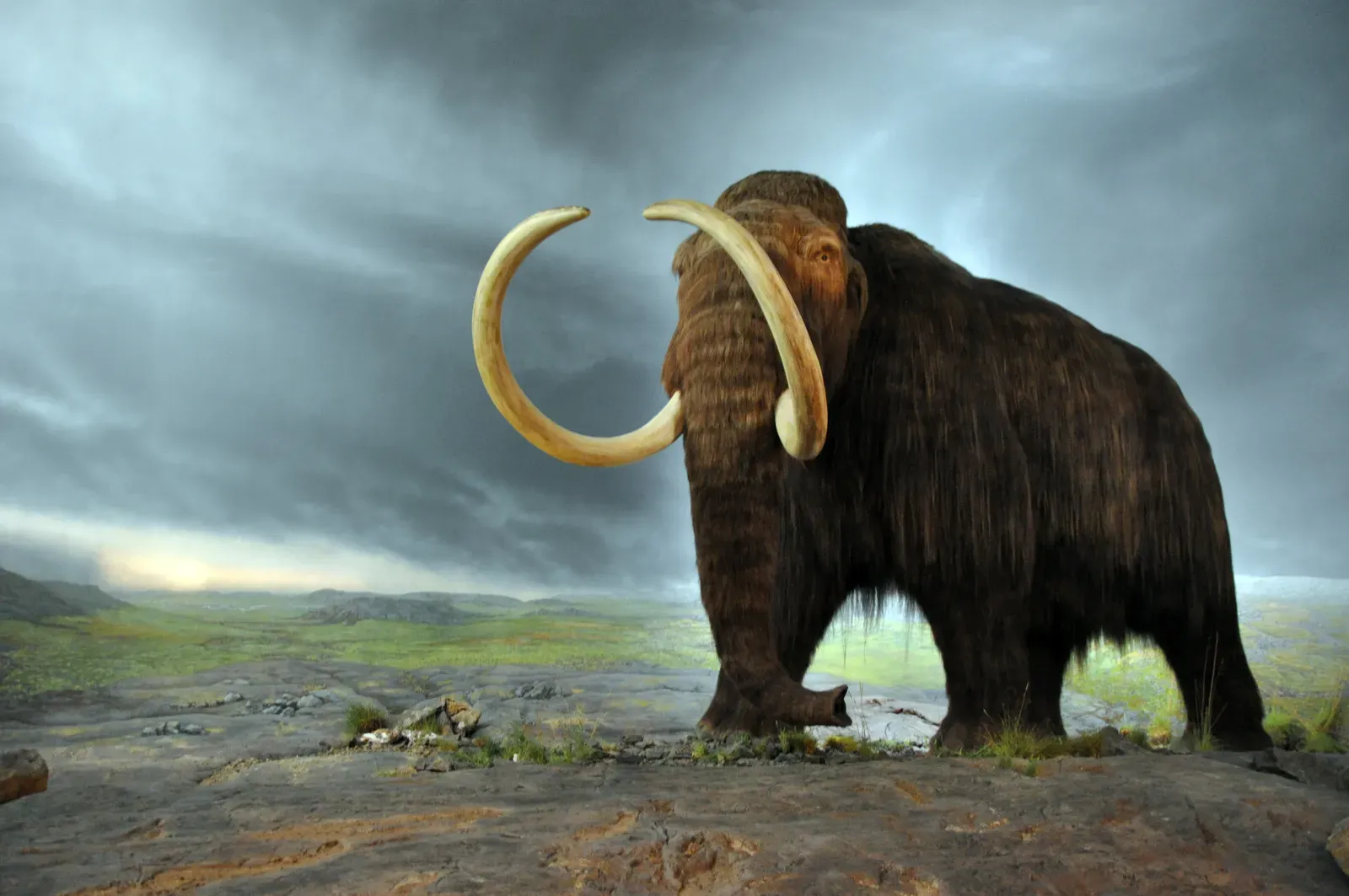
Uploaded by FunkMonk, CC BY-SA 2.0)
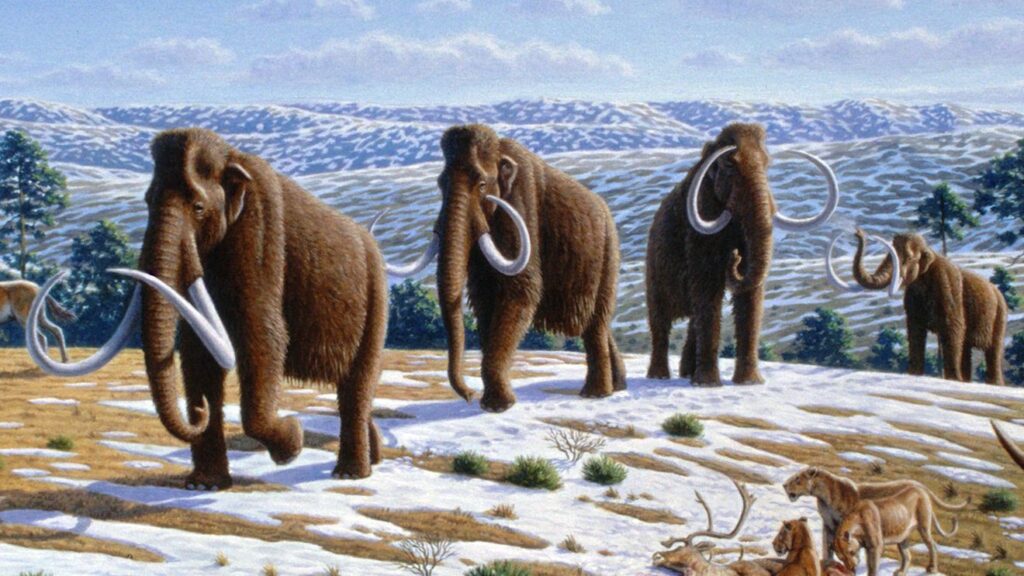
Let’s be real – when you think about surviving winter, you probably think about layers. The woolly mammoth took that concept to an almost absurd extreme. Unlike their relatives the elephants, which live in warm tropical and subtropical habitats, woolly mammoths endured the extreme cold of a dry steppe-tundra where average winter temperatures ranged from negative thirty to negative fifty degrees Celsius. They evolved a complete suite of arctic adaptations, including small ears and tails to minimize heat loss, a thick layer of subcutaneous fat, long thick fur, and numerous sebaceous glands for insulation.
Here’s where it gets genuinely mind-blowing, though. You see, having thick fur is one thing. But the mammoth’s survival went all the way down to the molecular level. Just like reindeer and musk oxen, the woolly mammoth’s haemoglobin was adapted to the cold, with three specific mutations that improved oxygen delivery around the body and prevented freezing – a feature that likely helped them live at extreme high latitudes. Think of it like antifreeze inside the blood itself. Researchers also found that genes with mammoth-specific changes were enriched in functions related to circadian biology, skin and hair development, lipid metabolism, adipose development, and temperature sensation – essentially a full biological overhaul engineered for the Arctic.
Lystrosaurus and the Ancient Art of Torpor
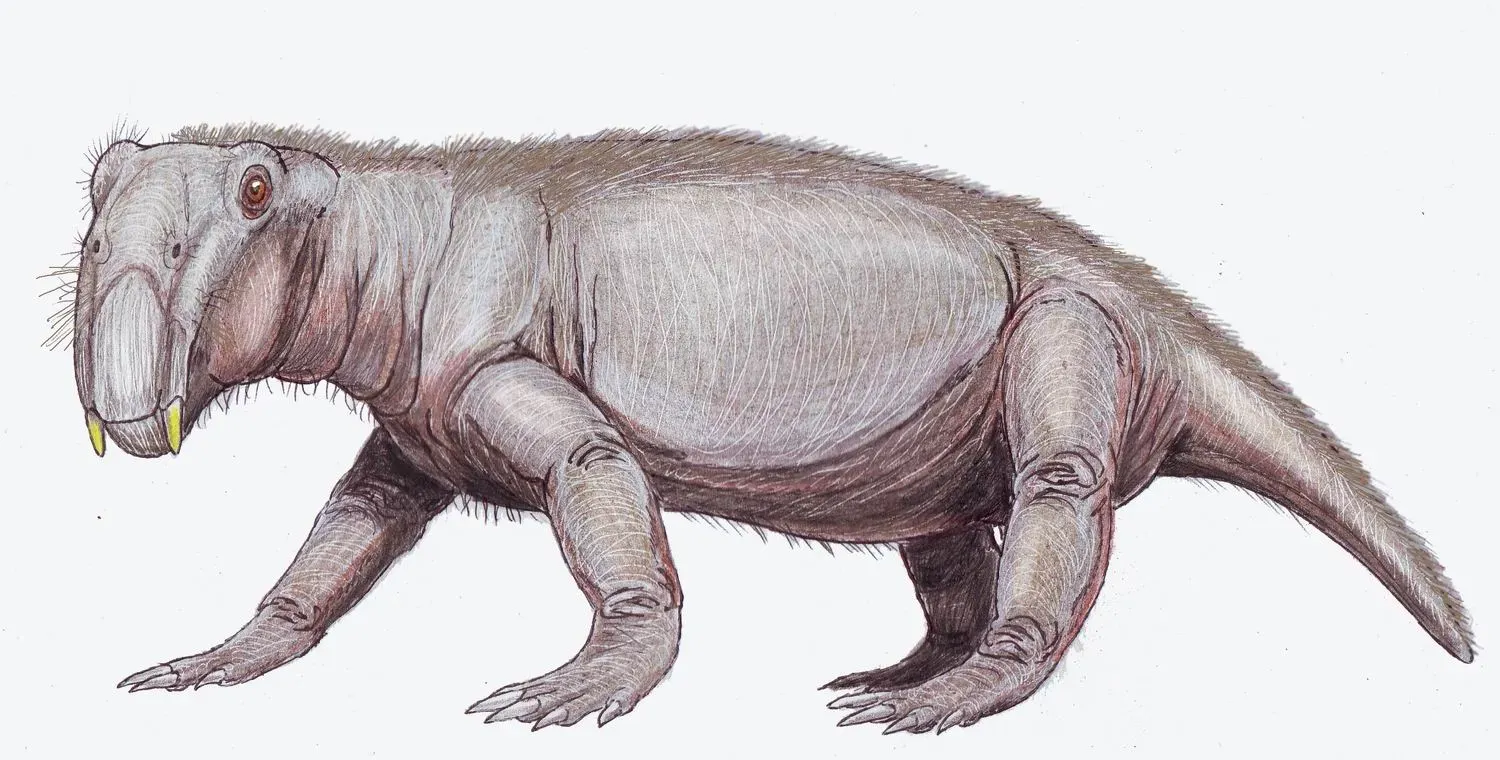
Here’s something that sounds almost too clever to be true. Long before bears started hibernating through winters, a squat, tusked creature called Lystrosaurus was already doing something remarkably similar – over 250 million years ago. The fossils of this animal provide the oldest evidence of a hibernation-like state in a vertebrate animal, and indicate that torpor, a general term for hibernation and similar states in which animals temporarily lower their metabolic rate to get through a tough season, arose in vertebrates even before mammals and dinosaurs evolved.
Lystrosaurus lived during one of Earth’s most turbulent periods, arising just before the largest mass extinction at the end of the Permian Period, which wiped out roughly seventy percent of vertebrate species on land, and somehow survived. These stout, four-legged foragers then lived another five million years into the Triassic Period, spreading across Earth’s then-single continent, Pangea, including what is now Antarctica. Scientists discovered the evidence of torpor by studying growth marks in fossilized tusks. Lystrosaurus in Antarctica likely needed some form of this hibernation-like adaptation to cope with life near the South Pole, since even though Earth was much warmer during the Triassic than today, plants and animals below the Antarctic Circle would still experience extreme annual variations in daylight, with the sun absent for long periods in winter. For a creature with no warm home and no fire, shutting down from the inside was a genuinely revolutionary survival strategy.
Dinosaurs’ Protofeathers: Insulation Before Flight Was Ever a Dream
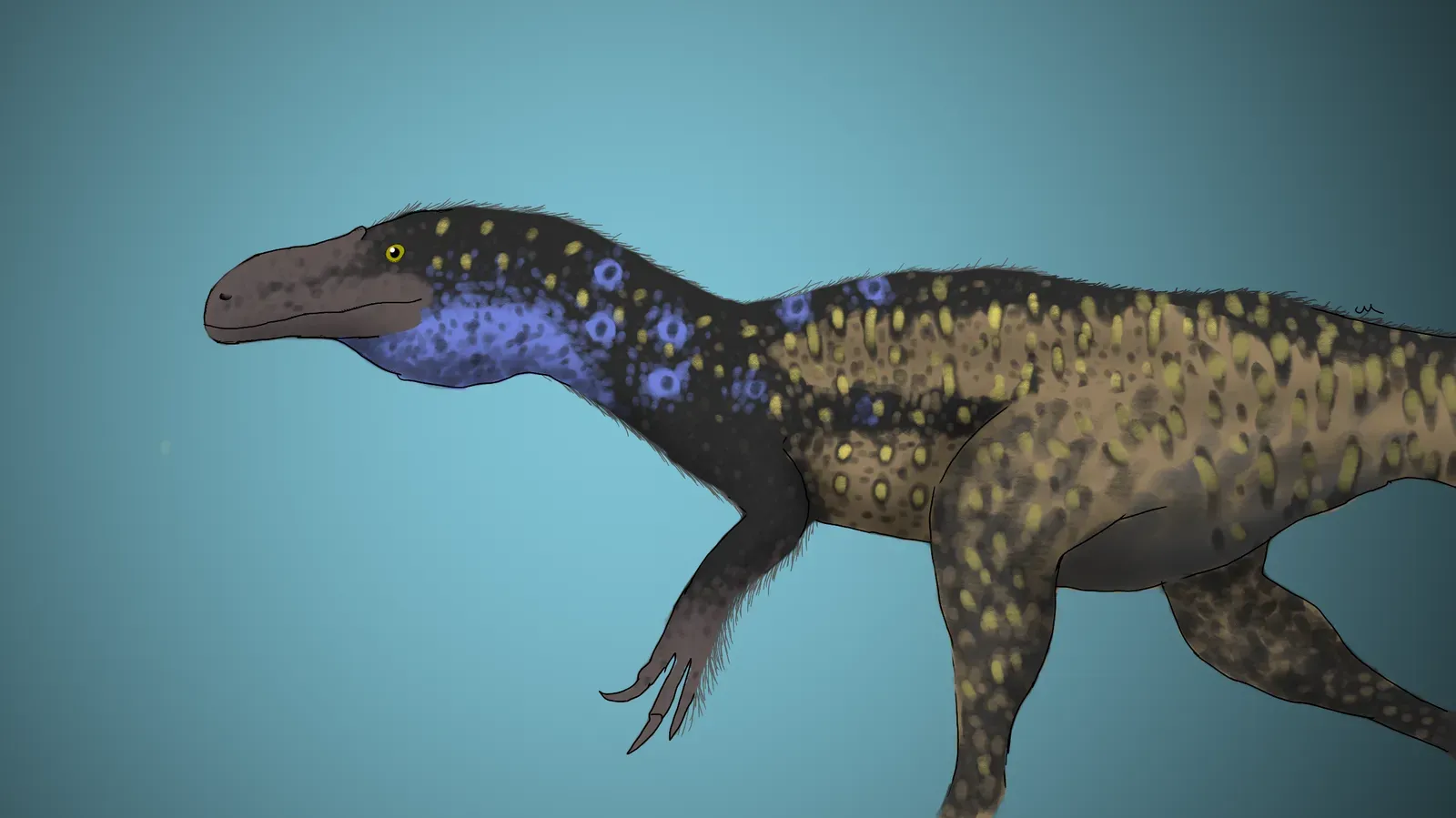
Recent research has shed light on the astonishing ability of dinosaurs to adapt to cold climates, challenging the traditional perception of them as inhabitants of warm, tropical jungles. You have probably seen dinosaurs depicted as scaly, sun-baked reptiles. That image is becoming increasingly outdated – and the truth is far more interesting. One of the key factors that allowed dinosaurs to thrive in cold conditions was their feather-like structures known as protofeathers, which provided insulation similar to the feathers of modern birds.
Filamentous integumentary coverings, or protofeathers, were widespread in several clades of non-avian theropod dinosaurs and in at least two clades of basal, small-bodied plant-eating ornithischian dinosaurs. Crucially, these fossils also show that these protofeathers evolved in animals that were never capable of flight – meaning warmth, not flight, was their original purpose. Through their adaptation to cold temperatures, dinosaurs were able to survive volcanic winters and thereby expand to dominate terrestrial communities for the next hundred and thirty-five million years – a dominance that, in the form of modern birds, continues even today. It’s a bit like discovering that the invention that changed the world was originally designed for something else entirely.
The Woolly Mammoth’s Thermal Blood Flow System: A Masterclass in Heat Retention
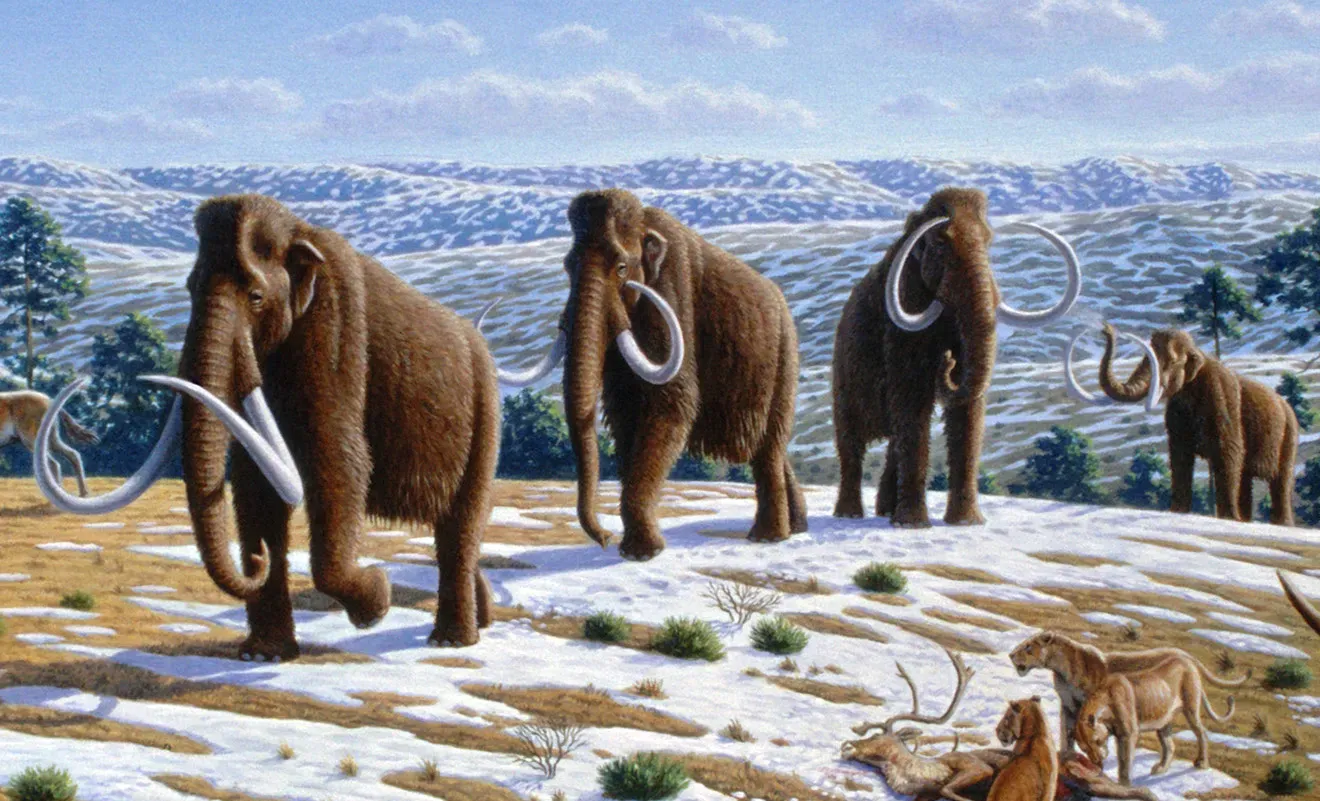
Imagine your body having a built-in radiator system that recycles heat before it can escape. That is essentially what the woolly mammoth developed to keep from freezing solid in Arctic conditions. Other Arctic animals today, such as reindeer and musk oxen, have a counter-current blood system where blood vessels carrying warm, oxygen-rich arterial blood down into the legs and feet pass very close to veins carrying colder venous blood back to be re-oxygenated. The close contact between the two types of vessels allows the arterial blood to pass its warmth on to the venous blood headed back to the heart and lungs – keeping warmth in the core of the animal’s body and reducing heat loss due to the cold climate.
The mammoth’s adaptation went even further on the genetic level. Mammoths possessed genetic changes associated with skin and hair development, fat biology, insulin biology, and temperature tolerance that differentiated them from elephants. Scientists even went so far as to resurrect a specific mammoth gene called TRPV3. Insulin signalling is important for fat biology because it regulates how much sugar in the blood is converted to energy and fat. When the resurrected mammoth version of this TRPV3 gene was transplanted into human cells, it produced a protein less responsive to heat than its elephant versions, indicating it helped make mammoths less sensitive to cold. Honestly, if that’s not one of the most remarkable things science has uncovered in the last decade, it’s hard to say what is.
Behavioral and Metabolic Flexibility: Slowing Down to Stay Alive
Survival in extreme climates was never just about having the right physical equipment. Sometimes the smartest move was knowing when to simply slow everything down. In addition to their physiological adaptations, dinosaurs also exhibited behavioral strategies that helped them thrive in polar habitats. Slowing down their growth during the cold months allowed them to conserve energy when food resources were scarce, and this adaptation gave them a competitive advantage over other animals and ensured their survival in these harsh environments.
Variability selection is a form of natural selection that explains adaptation as a response to dramatically increased variability in the environment. When climate and other aspects of the environment vary dramatically, it can really affect the survival and success of an organism and its offspring over time. Think of it like a dimmer switch rather than an on-off button – the creatures that could modulate their energy output survived, while those locked into one fixed setting perished. Ultimately, organisms that could cope with widely varying conditions had a better chance of surviving novel and unpredictable environments. It’s a lesson that applies just as powerfully to the climate challenges facing species on Earth today as it did hundreds of millions of years ago – and maybe that’s the most sobering thought of all.
Conclusion
The prehistoric world was not some gentle paradise of warm swamps and lazy giants. It was brutal, unpredictable, and unforgiving. Yet life found a way – not through luck, but through extraordinary biological ingenuity. From blood that carried its own antifreeze to bodies that could shut themselves down like a computer entering sleep mode, prehistoric animals rewrote the rulebook on what survival actually looks like.
What makes these adaptations so captivating is that they remind you how life always finds a path forward, no matter how extreme the conditions. The woolly mammoth’s cold-adapted blood, the Lystrosaurus’s ancient torpor, and the protofeathered dinosaurs all tell the same story: adapt or disappear. Every creature on Earth today is descended from ancestors who made exactly that choice.
It really makes you wonder – if prehistoric animals could engineer such astonishing survival tools through millions of years of natural selection, what might that teach us about the resilience that still exists in the natural world today? What do you think – which of these five adaptations surprised you most?