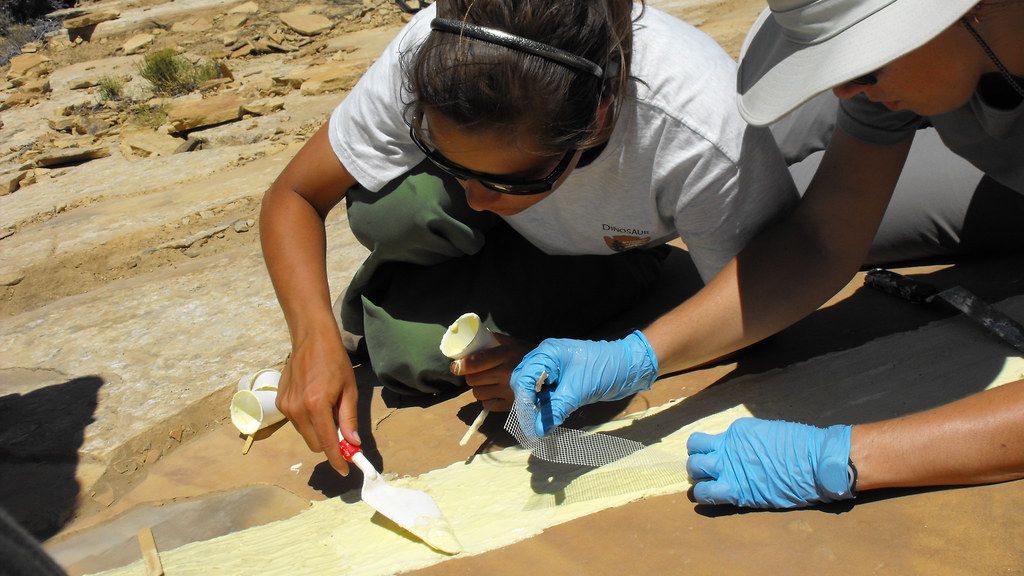
Imagine holding a fragment of bone in your hand, something no larger than your palm, and realizing it belongs to a creature that roamed the Earth over a hundred million years ago. That is the everyday reality for paleontologists, and in 2026, that reality is more electric than it has ever been. The science of studying ancient life is no longer just about brushing dust off bones in a desert. It has become a sophisticated, technology-driven discipline that is rewriting everything you thought you knew about the history of life on this planet.
The pace of change is genuinely staggering. Over the past year, new fossils, reanalyses of famous specimens, and the use of increasingly sophisticated tools have continued to upend what we thought we knew about how these animals lived, moved, fed, and evolved. From molecular breakthroughs to revolutionary imaging, paleontology today is less like archaeology and more like science fiction made real. So let’s dive in.
Molecular Paleontology: Reading the Chemistry of Ancient Life
Here is something that should genuinely blow your mind. Scientists used to believe that soft biological molecules, the kind that carry genetic information, could not possibly survive the fossilization process. That assumption has been demolished. Earlier beliefs held that molecular remnants could not survive the fossilization process, but advances in technology and research methods have revealed that usable molecular fragments can indeed be extracted from fossils, including soft tissues and crystallized remains. You are now living in an era where chemistry inside ancient bones is an open book.
The most jaw-dropping example of this came recently. Scientists extracted and sequenced ancient RNA from 39,000-year-old woolly mammoth tissues, a breakthrough because RNA degrades much faster than DNA and almost never fossilizes. This marks one of the first successful recoveries of gene-expression material from deep time. RNA reveals physiology, gene regulation, and cellular activity that DNA alone cannot show. Think of it like this: if DNA is the recipe book, RNA is the chef actively cooking the meal. Recovering it from an Ice Age giant is like reading a diary entry written thousands of years ago.
CT Scanning and 3D Imaging: Seeing Through Stone
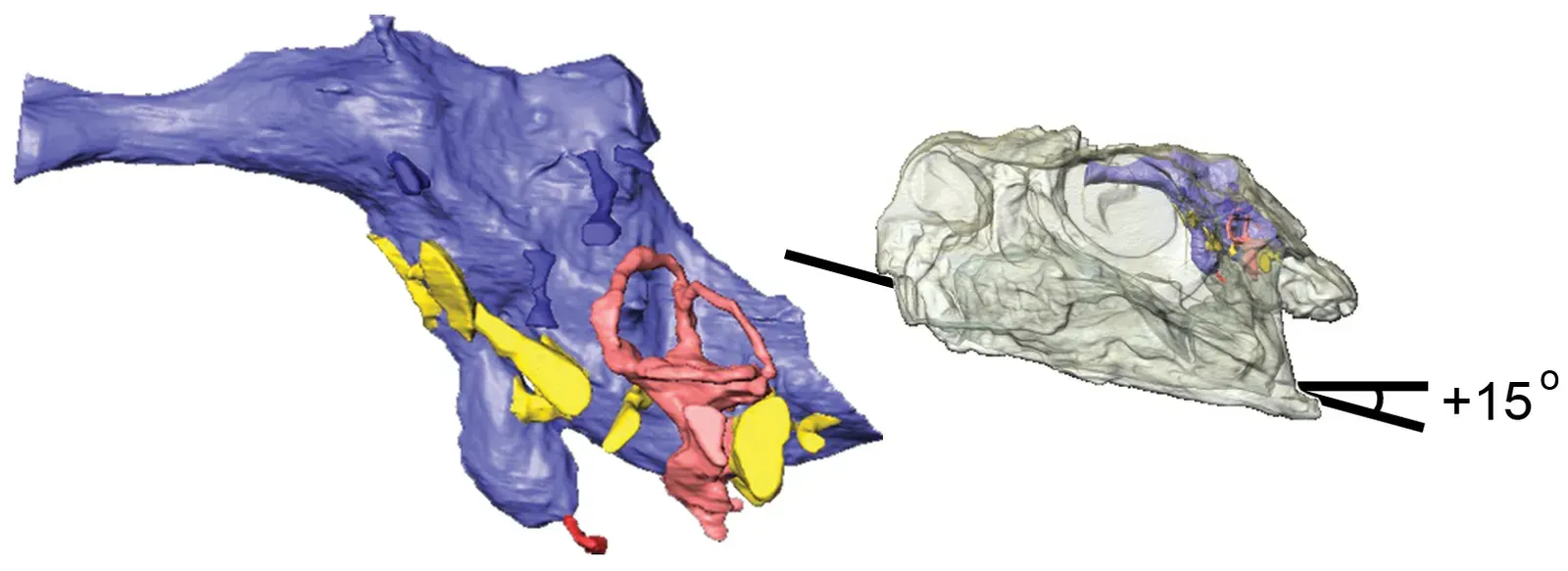
For most of paleontology’s history, studying a fossil meant risking it. You crack open rock, you risk the specimen. That trade-off is now, for many researchers, a thing of the past. Paleontology has undergone a revolution in recent years thanks to advancements in imaging technology, and among these, X-ray computed tomography has emerged as a transformative tool, allowing researchers to peer into the depths of fossils without damaging these precious remnants of the past. Honestly, the idea of seeing inside a 100-million-year-old skull without touching it still feels surreal.
The detail these tools can reveal is extraordinary. Computed tomography is a very powerful non-destructive technique that provides a detailed 3D image of the exterior and interior of an object and thus enables the reconstruction of preserved structures such as soft tissue from fossils. Triceratops’ massive head may have been doing more than just showing off those famous horns. Using CT scans and 3D reconstructions of fossil skulls, researchers uncovered a surprisingly complex nasal anatomy that may have served a cooling function. That kind of discovery, rooted entirely in imaging technology, would have been impossible with traditional methods.
Revolutionary New Dating Techniques: Telling Time More Precisely
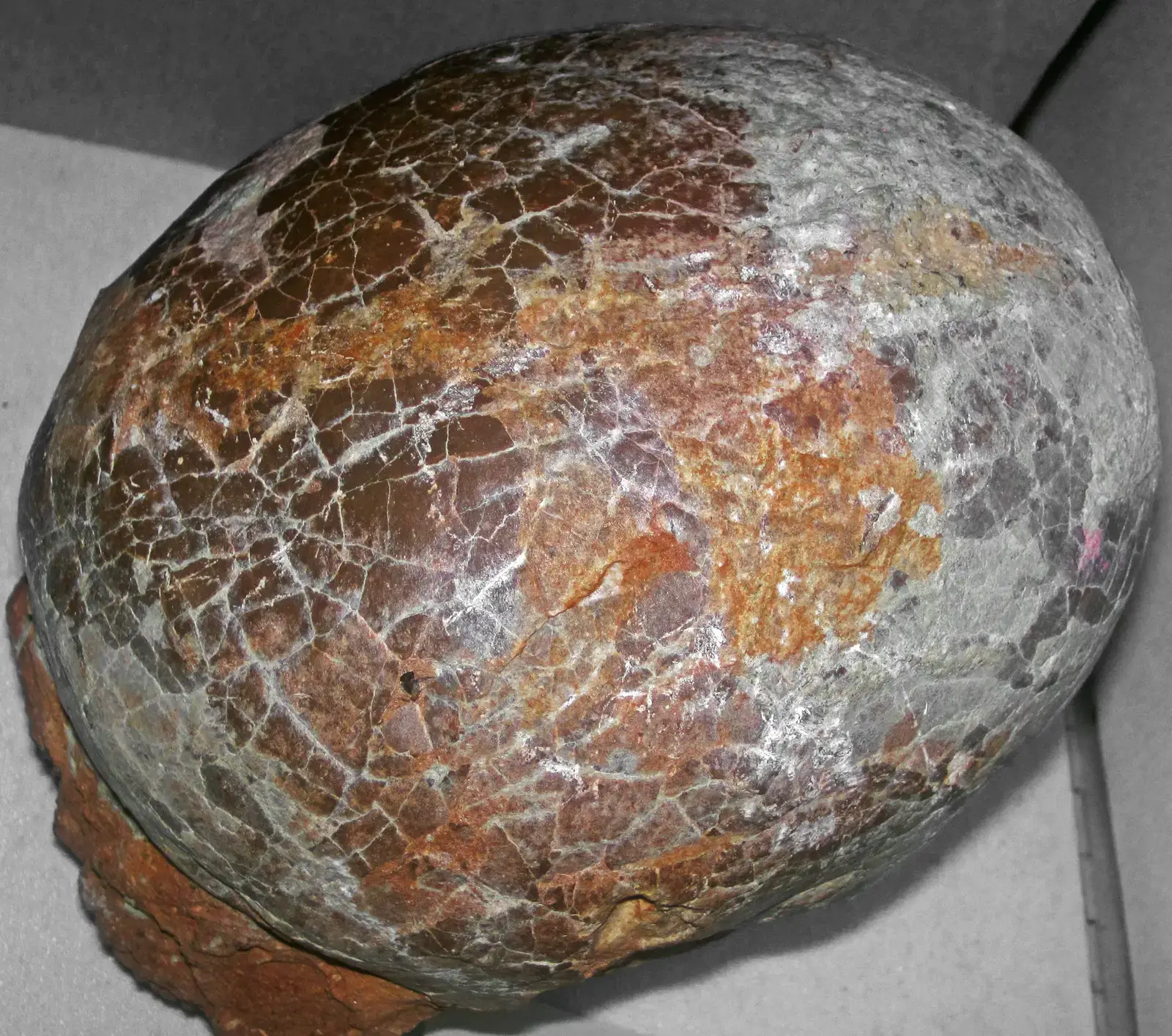
You might think figuring out how old a fossil is would be simple science by now. It’s not. It is very challenging to determine how many millions of years old a dinosaur fossil is, and to do so, researchers rely on a special mineral called zircon that is common in volcanic ash. Without ash, there is no zircon, and no age. For enormous stretches of the fossil record, no ash layers exist nearby, leaving scientists guessing within frustratingly wide time windows.
That is changing in a dramatic way. One research team analyzed minerals preserved within the space inside a fossil dinosaur eggshell to get a direct age, and another analyzed radioactive isotopes preserved within the dinosaur eggshell itself, which can be dated in a similar way as an ash bed. Such techniques will allow paleontologists to determine more accurate dates for fossil sites with preserved eggshell, which is essential to working out which dinosaur species lived together, how dinosaurs evolved over time, and other big-picture questions. In practical terms, it is like discovering that your wristwatch has been there all along, hidden inside the egg.
Rewriting Evolutionary Family Trees: Iconic Species Get New Identities
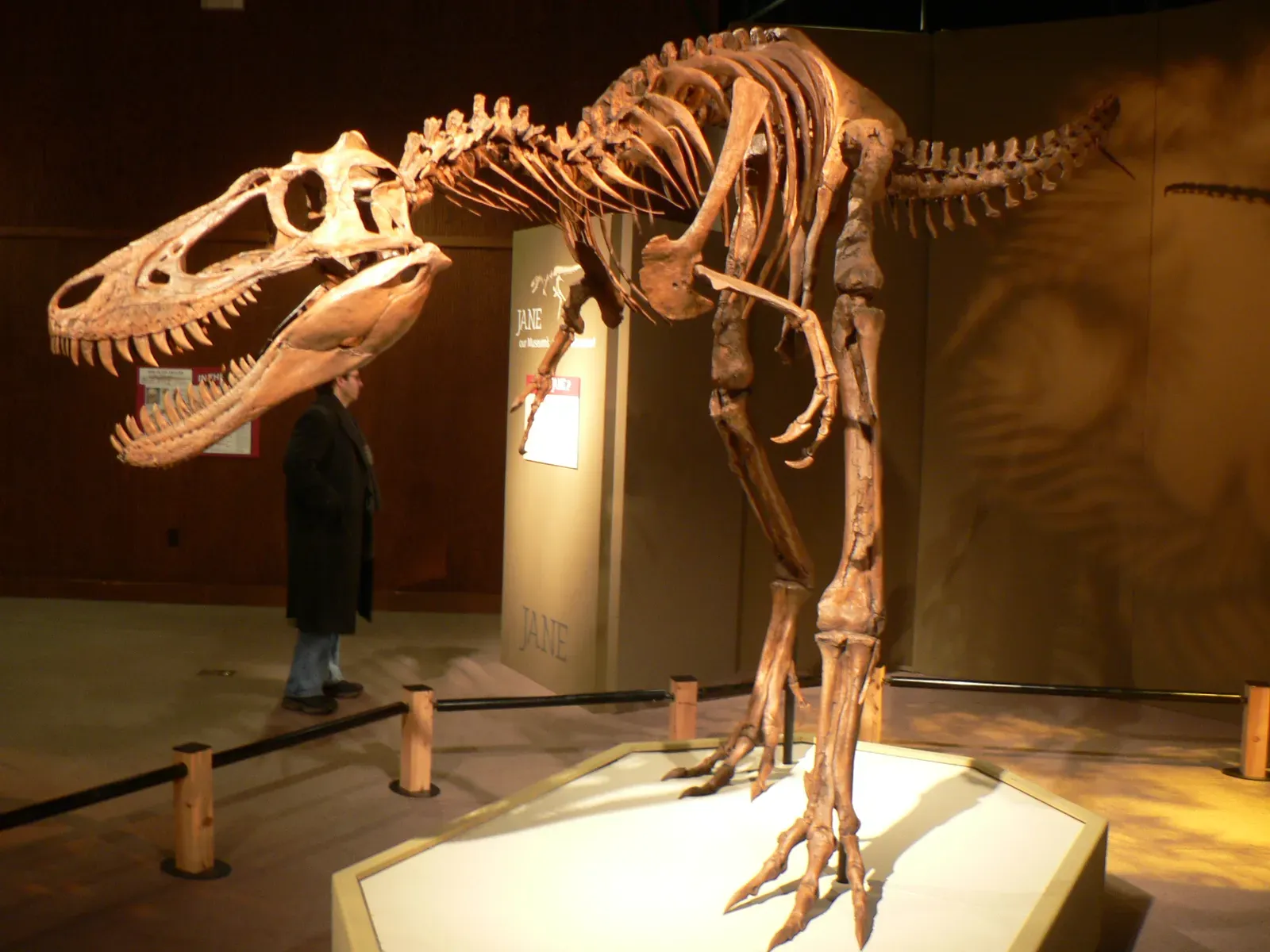
Let’s be real: few things in science are more satisfying than watching a decades-long debate finally get settled. That is exactly what happened with one of paleontology’s most notorious disputes. Since the predatory creature Nanotyrannus was first named in 1988, paleontologists argued over whether medium-sized tyrannosaur fossils found in the same rocks as Tyrannosaurus rex were juvenile T. rex or a unique and distinct predator. In recent years, the bulk of the evidence had appeared to favor the juvenile T. rex hypothesis.
Then, everything changed. For decades, Nanotyrannus lancensis occupied one of the most controversial footnotes in dinosaur science, frequently dismissed as a juvenile T. rex. In 2025, new histological sampling and skeletal comparisons from the famous “Dueling Dinosaurs” specimen demonstrated that Nanotyrannus was not an immature rex, but a separate, fully grown predatory species in its own right. The find will cause paleontologists to reconsider how T. rex grew up and how both predatory species coexisted. It is a reminder that even the most studied animals on Earth still hold surprises, and you should never assume a case is closed in this field.
Fossil Prospecting Goes High-Tech: Drones, AI, and Remote Sensing
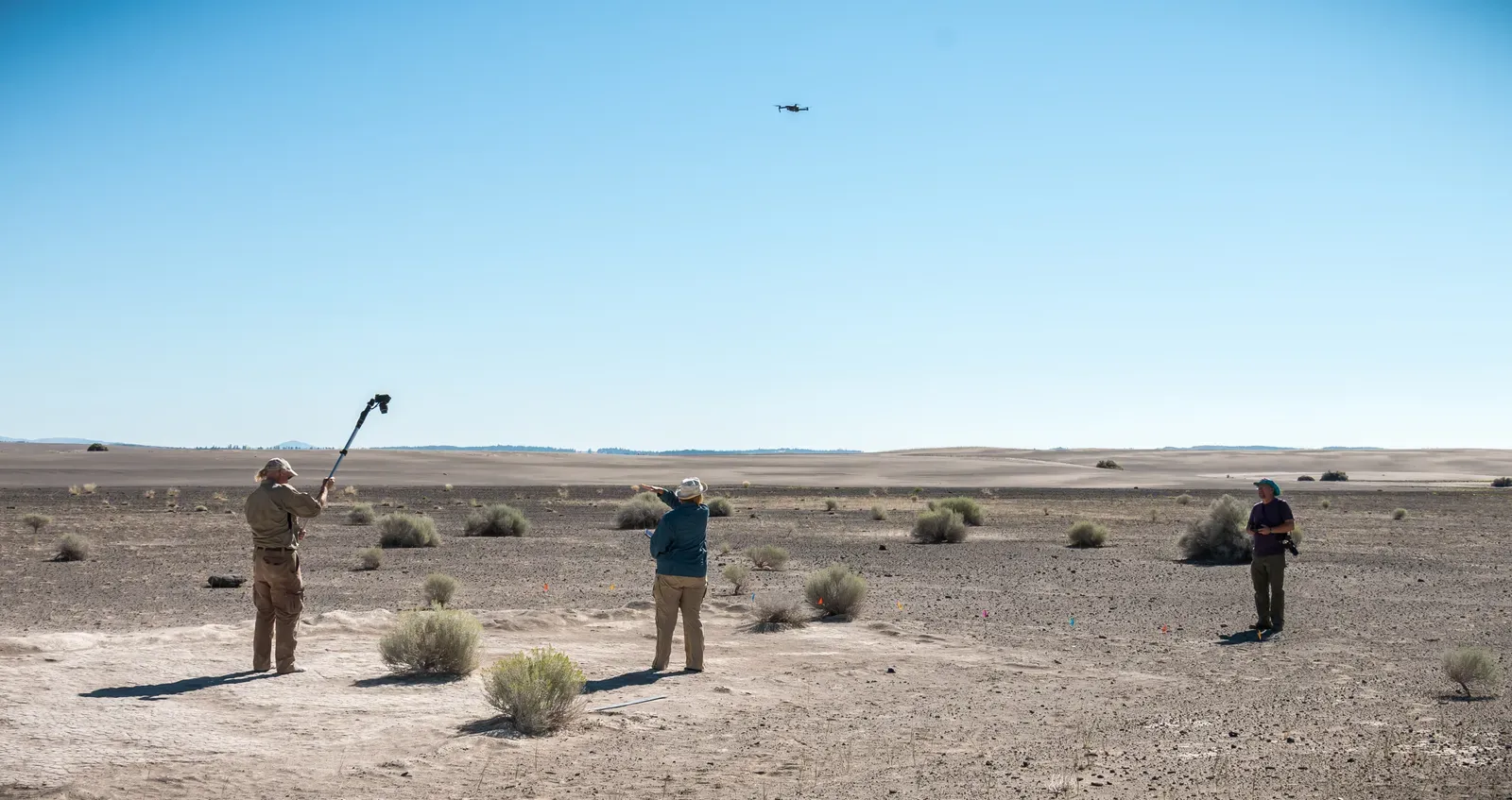
Think about how paleontologists have traditionally found fossils: walking slowly across badlands, eyes to the ground, hoping for a lucky glint of bone. That image belongs to an older era. A 2025 study found that bright orange bone-colonizing lichens in Canadian badlands can serve as biological beacons for locating underlying dinosaur bones during drone-based surveys. The orange pigments create spectral contrasts detectable from the air, helping paleontologists rapidly target promising rocks across huge expanses of remote terrain. It is a bit like nature leaving its own sticky notes on the ground.
Beyond lichens and drones, artificial intelligence is stepping into the lab too. Present-day advances in molecular analyses and scanning techniques generate valuable new data to test old and recent systematic problems and provide a revolution in systematic paleontology. Integrating non-destructive high-resolution virtual solutions such as X-ray computed tomography and 3D laser scanning with machine learning can be widely used for the analysis of internal features of fossils and more efficiently for automated taxonomy. This signals a shift in field methods, blending biology, remote sensing, and paleontology. Traditional fossil prospecting is slow and ground-intensive, and using lichens as natural fossil flags allows for faster and less invasive surveys. The combination of these technologies means more discoveries in less time, and with less disturbance to already fragile sites.
Conclusion: The Past Has Never Been More Alive
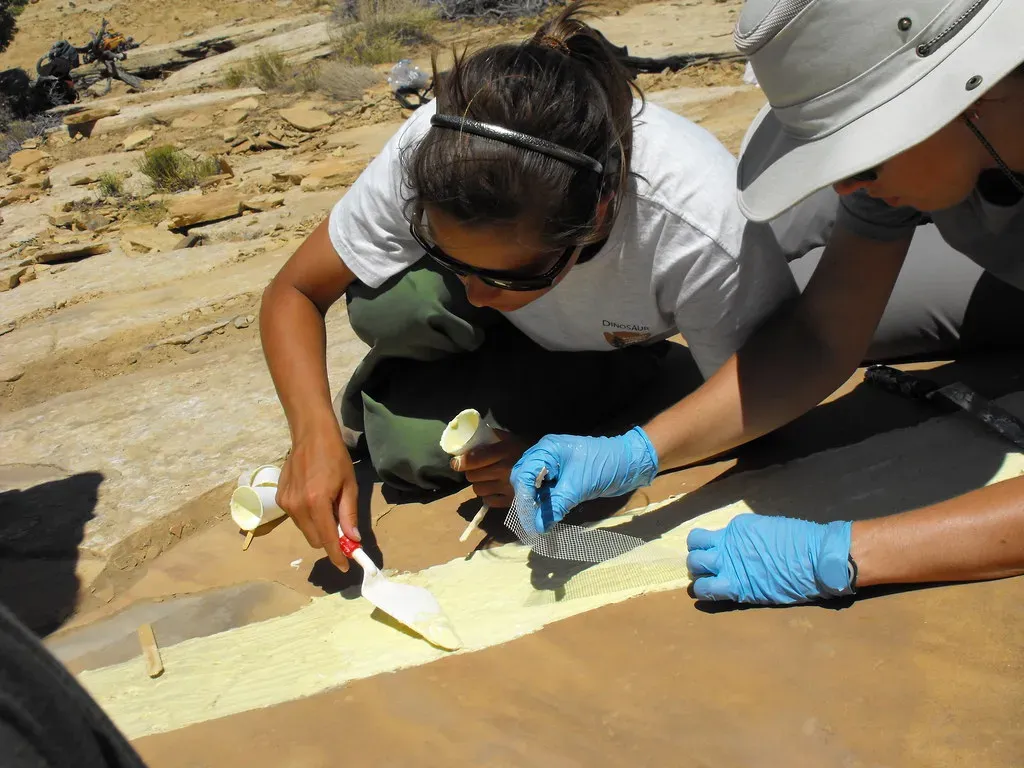
Paleontology is not a science that is winding down as it fills in the last few gaps. It is accelerating. Every year, tools get sharper, methods get smarter, and ancient creatures reveal more about who they were and how they lived. Paleontology has proven once again that Earth still holds extraordinary stories in stone, amber, and microscopic cellular archives. Fossil finds and scientific breakthroughs have captured global attention, reshaped evolutionary family trees, revealed ancient behavior, and even pushed the boundaries of molecular preservation.
The deeper you look into what paleontology is currently achieving, the more you realize how much of prehistoric life remains to be discovered. You do not need to be a scientist to appreciate what this means. Every fossil pulled from the ground is a message sent across deep time, and right now, we are finally learning how to read it. Advances in fossil protein sequencing and bone micro-analysis are expected to unlock new biological details from iconic specimens, and renewed attention on ancient forests and early land plants may reveal how ecosystems rebounded after ancient climate shocks. The ancient world is speaking louder than ever before. The real question is: what do you think it still has left to say?