Ever wonder what life was like when Earth’s climate was in constant flux? Picture this: creatures as big as elephants roaming icy tundras, tiny mammals surviving in sweltering jungles, and entire species evolving just to keep up with a planet that couldn’t make up its mind. Honestly, the ancient world was nothing like what you see today.
The story of mammal evolution isn’t just about survival of the fittest. It’s about adaptation under pressure, when dramatic temperature swings, shifting landscapes, and vanishing habitats forced animals to change or disappear. From developing new teeth to growing thick coats, mammals found ingenious ways to cope with prehistoric climate upheaval. Let’s dive into how ancient climate change didn’t just challenge life, it actually sculpted the creatures that walked the Earth millions of years ago.
Explosive Warming Drove Mammal Diversification and Migration
About 55 million years ago, a warming event that swept the globe had a profound effect on mammals. The Paleocene-Eocene Thermal Maximum occurred around 55.8 million years ago and lasted about 200 thousand years. During this intense spike in global temperatures, something remarkable happened. Three groups that incorporate many modern mammal species appeared suddenly at this time: Artiodactyla, which includes deer, camels and cows; Perissodactyla, which includes horses and rhinoceroses; and Primates, which includes monkeys, gorillas and humans.
These groups didn’t just pop up randomly. These groups probably originated in Asia and then rapidly dispersed to Europe and North America, all within the space of a few thousand years, likely through high-latitude land bridges that only became warm enough to access during the PETM. Think about how quickly that transformation occurred. One moment, land bridges were frozen and impassable; the next, they became highways for migrating mammals seeking new territories. Plant-eating mammals got smaller during the earliest Eocene when global warming occurred, possibly associated with elevated levels of carbon dioxide, and the same thing happened in some carnivores.
Body Size Shrank in Response to Warming Temperatures
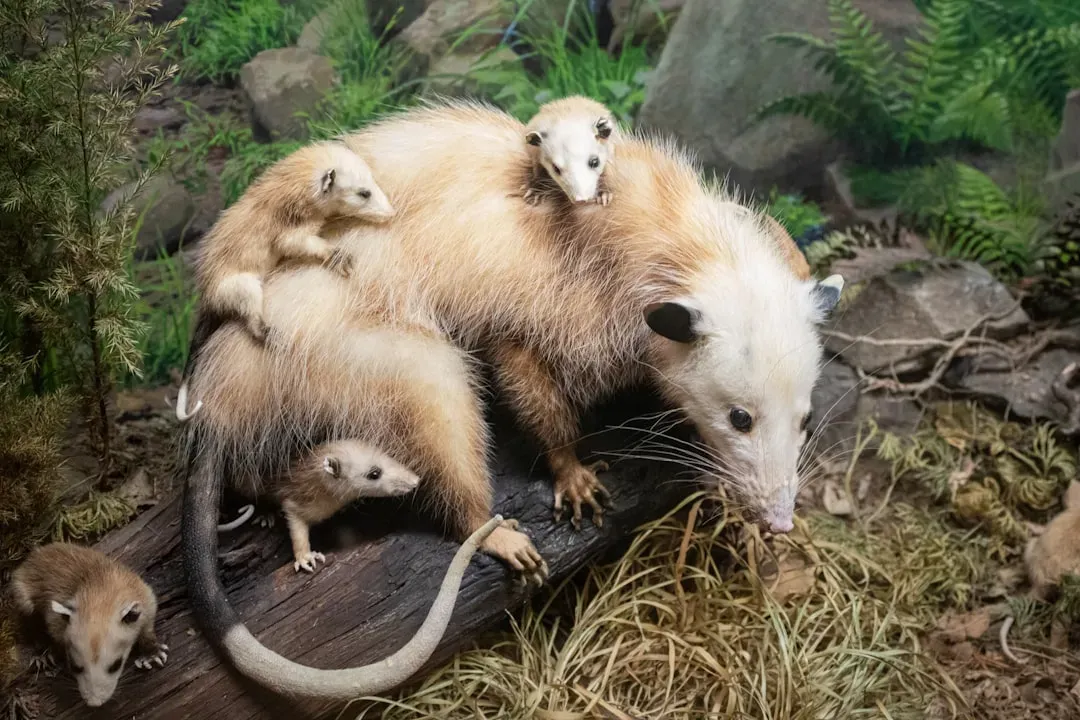
Let’s be real, warmer climates pushed mammals into an uncomfortable corner. Fossils of the now-extinct ground-dwelling herbivores Ectocion and Copecion from the PETM interval are reconstructed as approximately half the weight of those before and after it. This wasn’t some random fluctuation. Bergmann’s rule suggests that mammals in warmer climates tend to be smaller than closely related mammals in colder climates, for example, Brown Bears in Montana are generally smaller than those found in Alaska, therefore researchers would expect animals to decrease in body size if temperatures increase significantly.
What caused this shrinkage? Elevated atmospheric carbon dioxide concentrations have been shown in laboratory experiments to reduce leaf digestibility and nutritional value for herbivores, which results in slower growth rates, and the higher concentration of atmospheric greenhouse gases during the PETM therefore seems like a better explanation for mammalian dwarfing than the increase in temperature itself. Imagine trying to bulk up on food that’s basically empty calories. The plants themselves became less nutritious, forcing mammals to adapt by becoming smaller and more efficient.
Ice Ages Created New Species and Cold-Adapted Giants
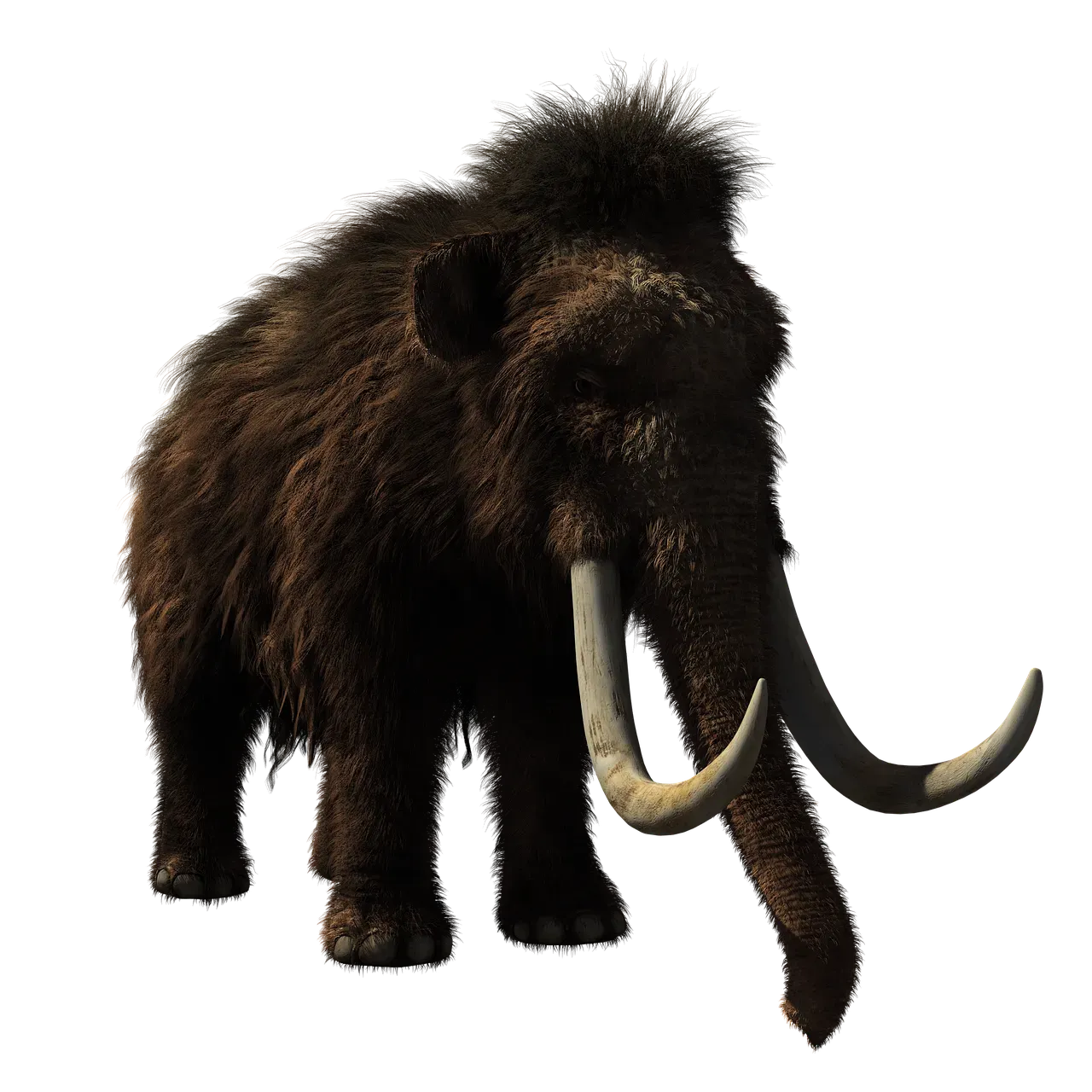
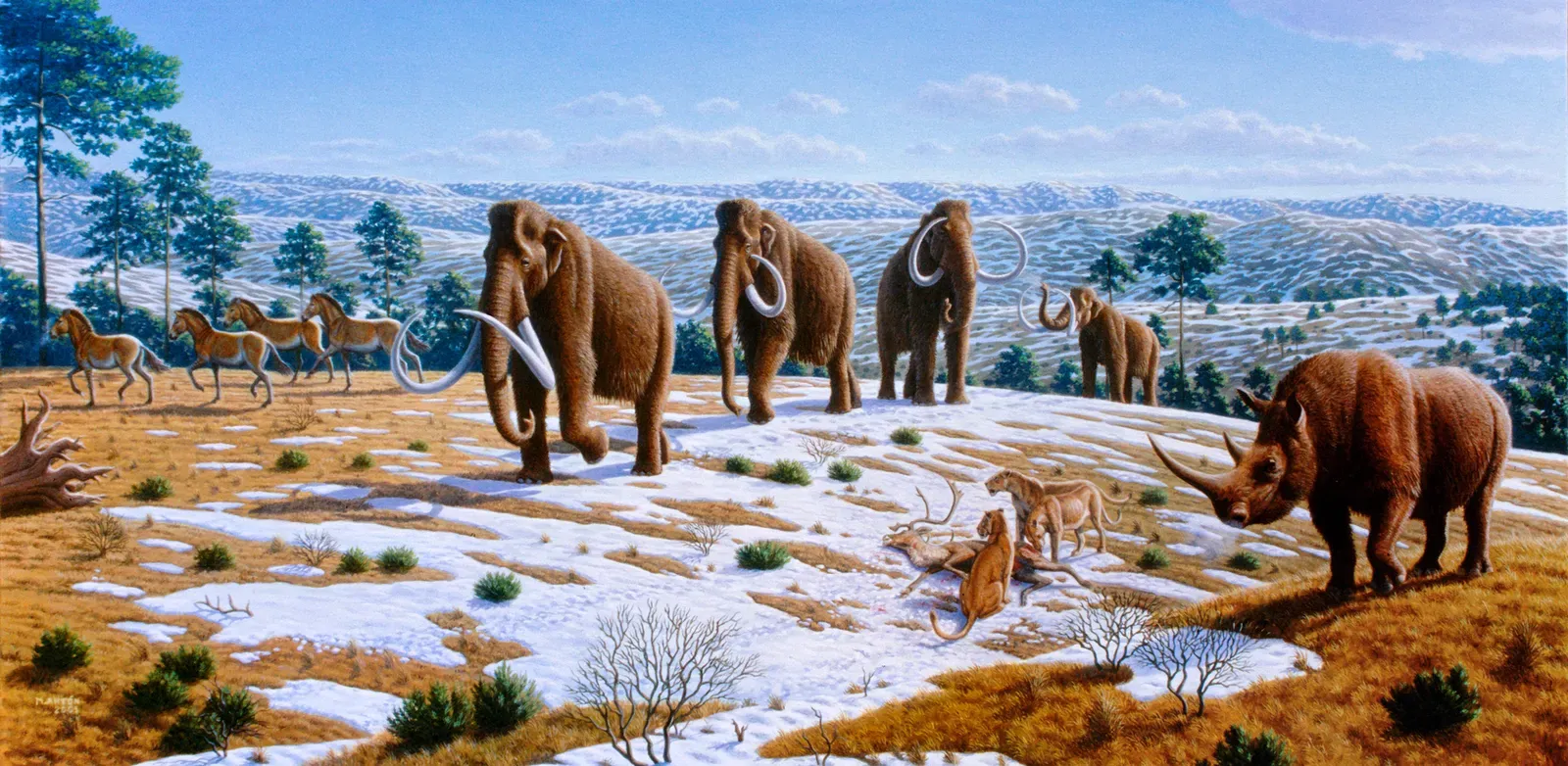
Here’s where it gets really interesting. Cold-adapted animals started to evolve 2.6 million years ago when the permanent ice at the poles became more prevalent, and around 700,000 years ago the cold periods doubled in length, which is when many of the current cold-adapted species, as well as extinct ones like mammoths, evolved. The ice ages didn’t just freeze the planet; they basically rewrote the evolutionary playbook. The Quaternary was a time of extensive evolution among mammals, and most living species arose at this time, and many of them show adaptations to peculiarly Quaternary environments.
Different animals took different paths to cold tolerance. There is evidence for early occurrences of true lemmings and reindeer in the Arctic where they may have evolved as climates cooled in the early Pleistocene period between one and two million years ago, while the polar bear and arctic fox may have joined them more recently within the last 700,000 years, colonising from the South. Some of the ice age cold species like the woolly rhino are different and may have evolved in the steppe grasslands to the south with the earliest occurrences in the Tibetan Plateau. Not all icy adaptations happened in the Arctic, which challenges what you’d assume about evolution.
Climate Fluctuations Triggered Megafauna Extinctions
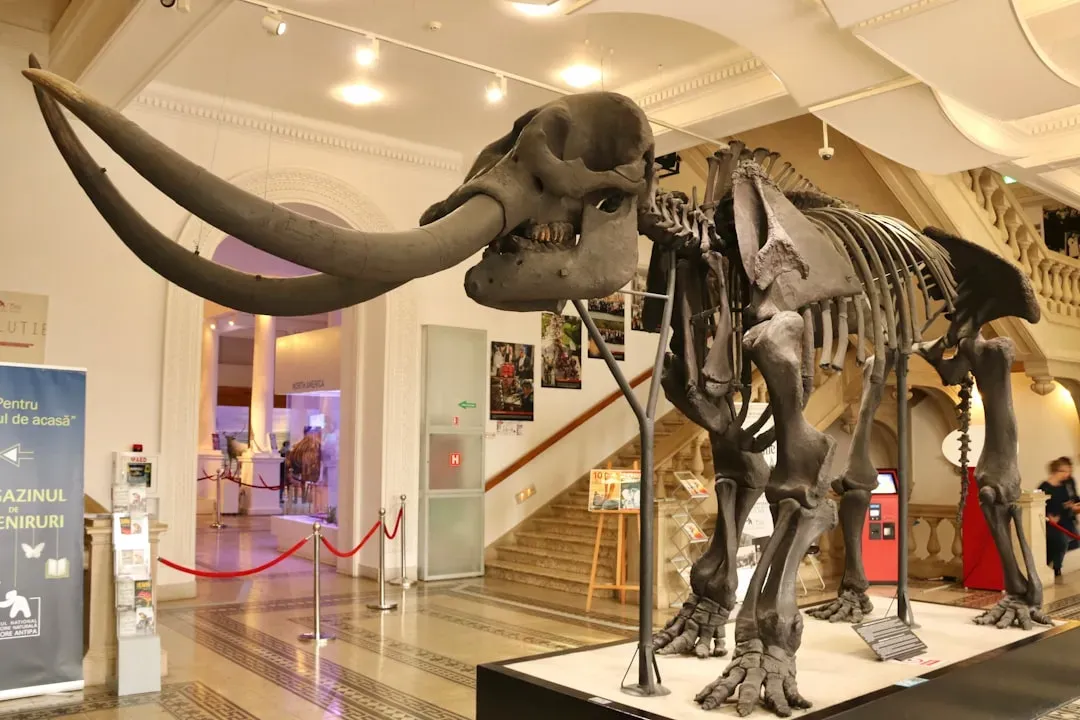
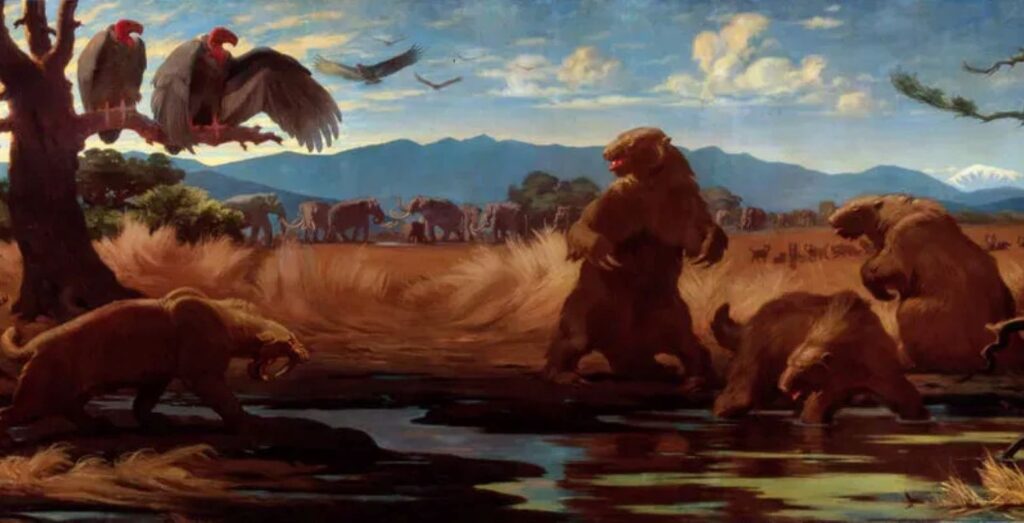
I know it sounds crazy, but rapid warming killed off more creatures than the cold ever did. When dates for European and American extinctions were precisely compared with climate records, they coincided with the abrupt warming of the interstadials; in stark contrast there is a complete absence of extinctions at the height of the last ice age, and as temperatures rose during the interstadials, dramatic shifts in global rainfall and vegetation patterns would have placed the megafauna under immense stress. These weren’t gradual changes. Frozen conditions were punctuated by many short, rapid warming periods, known as interstadials, where temperatures would soar from 4 to 16 degrees Celsius within just a few decades and last for hundreds to thousands of years.
The combination of climate stress and human presence proved lethal. Local plant and animal diversity dropped markedly during Younger Dryas cooling, but while plant diversity recovered in the early Holocene, animal diversity did not, and instead five extant and nine extinct large bodied animals disappeared from the region at the end of the Pleistocene. The causes for extinctions varied across taxa and by region, and in three cases extinctions appear linked to hunting, while in five others they are consistent with the ecological effects of climate change and in a final case, both hunting and climate change appear responsible. The megafauna couldn’t migrate fast enough to escape the changing conditions.
Grassland Expansion Reshaped Teeth and Diets
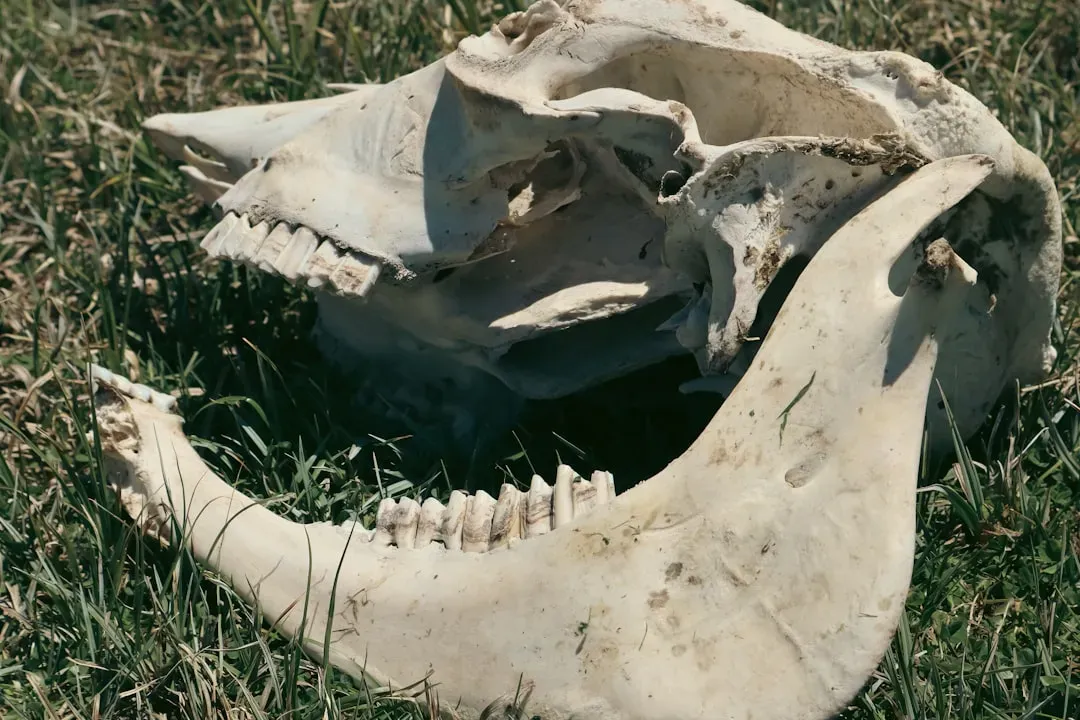
The spread of grasslands might be the most underappreciated driver of mammal evolution. The North American grassland biome first appeared around 18 million years ago in the mid Miocene, and the familiar story of the evolution of this biome is of the replacement of ungulates having a primarily browsing diet by the more derived grazing ungulates. Eating grass sounds simple until you realize how tough it is on teeth. Teeth gradually got taller and grazing mammals gradually became larger as they evolved from forest-dwelling, browsing ancestors, and in horses the increase in tooth height and body size was accompanied by a reduction in the number of toes on each foot and other modifications to the leg bones that are associated with living in open grasslands.
However, the relationship between grasses and grazers wasn’t as straightforward as scientists once thought. The evolution of high-crowned cheek teeth in herbivorous mammals during the late Cenozoic is classically regarded as an adaptive response to the near-global spread of grass-dominated habitats, but it has been thought that the evolution of mammals similar to modern grass-eating horses in South America evolved in forests, not grasslands. Some animals developed hypsodont teeth before grasslands even became widespread, suggesting that abrasive volcanic ash or dust might have played a bigger role than the grass itself. Evolution rarely follows a straight line.
Conclusion
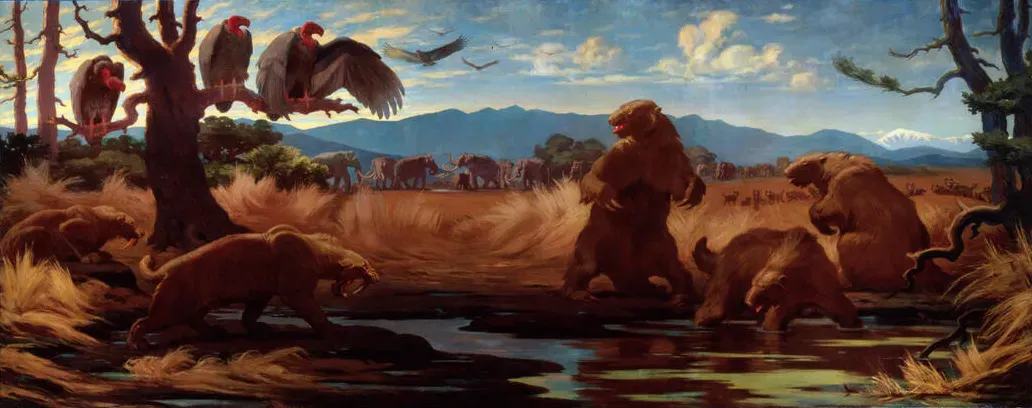
Prehistoric climate change was the ultimate shaping force behind mammal evolution. From the scorching heat of the Paleocene-Eocene Thermal Maximum that sent mammals scurrying across continents to the ice ages that sculpted woolly giants, every temperature swing left its mark. Bodies shrank during warm spells, new species emerged during cold snaps, and teeth evolved to handle tougher diets as grasslands expanded.
The lessons from these ancient transformations feel more relevant than ever. Today’s mammals, including us, face rapid climate shifts that mirror what happened millions of years ago. The difference? Modern change is happening at a pace that may not give species enough time to adapt like their prehistoric ancestors did. Did you expect that climate could rewrite evolution so dramatically? What would you guess will happen to today’s creatures if the planet keeps changing this fast?