
You wake up at a different time every day. Your meals happen whenever hunger strikes. You tackle tasks in whatever order feels right at that moment. Honestly? That kind of freedom sounds appealing at first. No rigid schedules, no pressure, just flowing with the day.
Then reality sets in. You realize you’re forgetting things, feeling scattered, and somehow more exhausted than when you actually had structure. Here’s the thing: most of us have a complicated relationship with routines. We know they’re good for us, yet we resist them like they’re some kind of prison sentence. Maybe you’ve tried before and it didn’t stick, or perhaps routines just feel boring and restrictive to your naturally spontaneous spirit. The good news is that learning doesn’t mean turning yourself into a robot. It means finding a way to make structure work for you instead of against you. Let’s dive in.
Start Ridiculously Small and Build From There
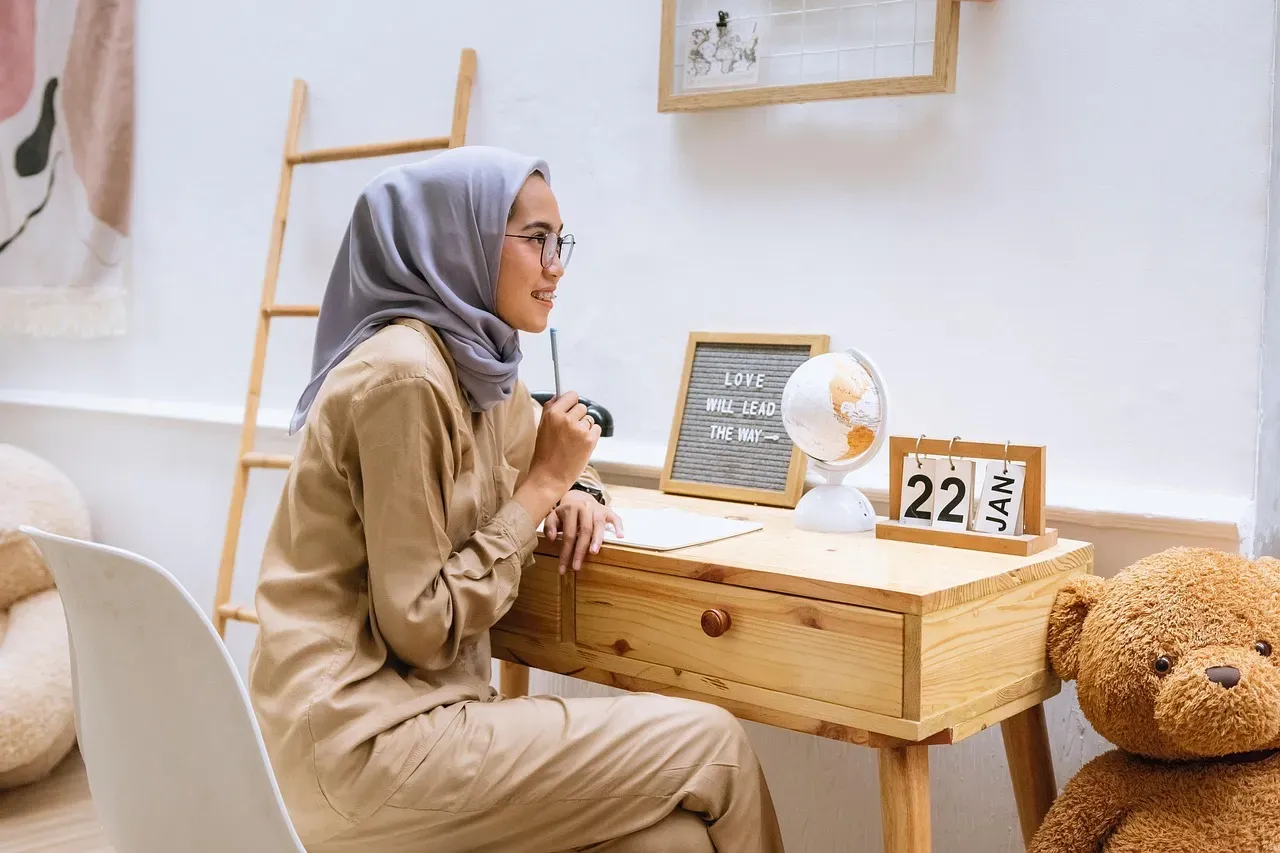
Starting small and building gradually sets you up for success rather than attempting a drastic change all at once. Think about it: you wouldn’t walk into a gym after years of inactivity and try to deadlift your body weight, right? The same principle applies to routines. If you currently have no morning routine, don’t suddenly commit to waking up at five in the morning for meditation, journaling, exercise, and a gourmet breakfast. That’s a recipe for failure, and honestly, it’s setting yourself up to feel terrible when you inevitably can’t maintain it.
Making the habit small lowers the amount of motivation required to complete the behavior, and with consistency, the behavior becomes a habit that eventually becomes part of your automatic daily routine. Pick one tiny thing, something almost laughably easy. Maybe it’s drinking a glass of water when you wake up. Maybe it’s making your bed before you leave the bedroom. The key is choosing something so simple that you can do it even on your worst days. Once that becomes automatic, layer in something else. This approach might feel slow, but here’s what nobody tells you: slow progress that sticks beats fast progress that crumbles every single time.
Connect New Habits to Things You Already Do

Your brain already has well-worn paths for the things you do every day without thinking. Brushing your teeth, making coffee, locking the door when you leave. Implementation intentions leverage deciding in advance what you’ll do when a cue appears, and tying a tiny action to something you already do means the behavior begins to run on autopilot. This is called habit stacking, and it’s genuinely one of the smartest ways to build routines.
Let’s be real: if you just vaguely decide to start stretching every day, chances are you’ll forget or procrastinate. However, if you tell yourself that right after you pour your morning coffee, you’ll do three simple stretches while it cools, you’ve given your brain a clear trigger. The coffee becomes the cue that automatically reminds you to stretch. This isn’t just theory. I’ve seen people transform their entire daily structure by simply anchoring new behaviors to existing ones. After you brush your teeth at night, you write in your gratitude journal. When you sit down at your desk, you spend two minutes planning your top three priorities. The routine builds itself because you’re working with your brain’s natural patterns instead of fighting them.
Ditch Perfection and Embrace Flexibility

Occasional nonadherence to a behavior will not derail progress made to creating the routine, and perfect adherence does not need to be a goal or expectation. This might be the most liberating piece of advice you’ll get about routines. You don’t need to be perfect. You don’t need to follow your routine with military precision seven days a week for eternity. Life happens. You get sick, plans change, unexpected things come up.
If you need to adjust a routine at some point, that’s okay; adapt as life changes, and being flexible allows you to make adjustments without feeling like you’ve failed, which is essential for maintaining long-term mental health. The people who actually maintain routines long-term are the ones who know when to bend the rules. Maybe your usual morning walk gets replaced by a five-minute stretch session on a rainy day. Maybe you skip your evening reading one night because you’re genuinely exhausted. That’s not failure; that’s adaptation. The routine is there to serve you, not the other way around. Once you stop treating routines like a pass-or-fail test and start seeing them as flexible frameworks, they become so much easier to love.
Focus on How Routines Make You Feel, Not Just What They Achieve

Here’s where most people get routines wrong. They focus entirely on the outcome. Lose weight, be more productive, save money, learn a language. Those are fine goals, sure, but they’re not what will make you fall in love with your routine. If you want to change and bring something into your life that you’ll really be able to stick at, then that something has to come from a core desire that you have and serve you at a deeper level.
What actually matters is how the routine makes you feel in the moment and throughout your day. Does your morning routine leave you feeling calm and centered, or rushed and resentful? Does your evening wind-down actually help you relax, or does it feel like another chore? Choosing a healthy habit that you already enjoy doing means you’re far more likely to stick with it. If you hate running, don’t force yourself to run every morning just because someone told you successful people exercise at dawn. Find movement you actually enjoy. Dance in your kitchen, go for walks while listening to podcasts, do yoga in your living room. When your routine includes things that genuinely feel good, you’ll stop needing willpower to maintain it. It becomes something you look forward to rather than something you force yourself through.
Understand Why Your Brain Resists Structure

Let’s talk about why routines feel so difficult in the first place. Creating consistent routines reduces decision fatigue, and when your brain knows what to expect, it can shift from constant alertness to calm, focused productivity. Every single decision you make throughout the day drains a little bit of your mental energy. What to wear, what to eat, when to tackle that project, whether to respond to that email now or later. It’s exhausting. People naturally favor established routines and view disruption with skepticism, and there’s often a subconscious belief that the old way is the right way, making new approaches feel wrong.
Your resistance to new routines isn’t a personal failing. It’s your brain trying to protect you from the discomfort of change and uncertainty. Some people thrive best when they do not have a routine and can move freely throughout their day, and having things on their schedule that they must do at the same time every single day stresses them out, whereas for others, structure and routine provide freedom. The trick is figuring out which type you are and designing routines that work with your natural tendencies instead of against them. Maybe you need loose, flexible routines rather than rigid time-based schedules. Maybe you need routines that change seasonally to prevent boredom. Understanding your own resistance helps you build routines you can actually sustain.
Conclusion
Learning isn’t about transforming into a different person. It’s about finding the sweet spot between structure and spontaneity that works for your unique brain and lifestyle. The power of routine lies not in its rigidity, but in its ability to create a framework for consistent, positive choices that support not just physical well-being, but mental resilience, emotional stability, and overall quality of life.
The routines that stick are the ones that feel sustainable, flexible, and genuinely aligned with what you value. They’re small enough to start easily, connected to things you already do, forgiving when life gets messy, focused on how they make you feel, and designed with an understanding of why your brain works the way it does. Give yourself permission to experiment, adjust, and even fail sometimes. The goal isn’t perfection; it’s progress. What’s one tiny routine you could start tomorrow that would actually make your day feel a little bit better? Think about it, and maybe give it a try.