
Have you ever walked into a room and instantly felt like someone didn’t want you there? Or maybe you’ve sensed that a friend was upset even though they insisted everything was fine. That’s body language at work. Your words might say one thing, yet your physical self tells an entirely different story.
We broadcast our true intentions, feelings, and even thoughts without knowing it through our body language, tone, and facial expressions. Most of it happens without conscious awareness. So even when you think you’re hiding something, your nonverbal signals might be giving you away. Here’s the thing: since body language is a natural, unconscious language that broadcasts your true feelings and intentions, they’ll likely choose the nonverbal message when there’s a mismatch between what you say and how you act. Let’s dive into the five surprising ways your body betrays what you really mean.
Your Feet Point Where You Really Want to Go

The direction in which a person’s feet are pointed often reveals their true interest and intent. If the feet are pointed toward the exit while the body is facing the speaker, it suggests a desire to leave. Think about it. You might be nodding politely during a boring conversation at a party, maintaining decent eye contact, even smiling. Yet if your feet are angled toward the door, your body is screaming that you’d rather be anywhere else.
This subconscious alignment shows where the person’s mind is actually focused. It is one of the most honest parts of the body because people rarely think to control their feet. When you are talking to someone you like and suddenly you notice that one of their feet points toward their car or an elevator, you know that the person probably needs to go. Because they are running late, the body through the legs communicates that something urgent is pressing even though the person continues the conversation. Your feet don’t lie, even when your mouth does. Next time you’re in a meeting or social situation, glance down at people’s feet. You’ll be surprised what you discover about their true feelings.
Micro Expressions Flash Your Hidden Emotions

Even so-called “microexpresssions” – facial expressions that appear and disappear so quickly that almost no one registers them – have an impact on us, albeit an unconscious one, perhaps explaining how we gain intuitions about what people are really thinking and feeling without knowing how. These tiny flickers happen so fast you might miss them if you blink.
Micro expressions are facial expressions that occur within a fraction of a second. This involuntary emotional leakage exposes a person’s true emotions. When someone’s lying or hiding their real reaction to something, the amygdala responds appropriately to the stimuli that the individual experiences and the individual wishes to conceal this specific emotion. This results in the individual very briefly displaying their true emotions followed by a false emotional reaction. Imagine asking your colleague if they’re okay with your promotion. They smile and congratulate you, yet for a split second before that smile, you caught something else. Maybe a flash of contempt or sadness. That’s the real reaction. Honestly, most of us aren’t consciously aware we’re doing this. Micro expressions occur in everyone, often without their knowledge.
Your Arms and Posture Broadcast Your Comfort Level

Your stance tells a complete story about how you feel in any given moment. An open stance with relaxed shoulders signals receptiveness, while crossed arms might indicate defensiveness. Notice how someone’s posture shifts during conversations – it often reveals comfort levels more accurately than their words.
The way we hold our bodies can speak volumes about our mood, confidence level, and even our intentions. Crossed arms don’t always mean hostility, though. Sometimes you’re just cold or it’s comfortable. Context matters. Yet when someone suddenly crosses their arms right after you suggest an idea, that shift is worth noting. They’ve literally put up a barrier between you and them. Similarly, leaning away from someone during conversation creates distance, while leaning in shows engagement and interest. The way a person leans forward, crosses their arms, or shifts their posture can all convey intentions, emotions, or resistance. For example, leaning forward can signify engagement or a desire to resolve a conflict, while crossing arms might indicate defensiveness or discomfort. Pay attention to these subtle movements. They reveal far more than polite conversation ever could.
Eye Contact Reveals Honesty or Discomfort

Strong eye contact is usually translated as sincerity and open communication. When someone maintains comfortable eye contact with you, it typically signals they’re engaged, truthful, and present in the conversation. Sustained, comfortable eye contact typically indicates engagement and honesty. Excessive staring might signal dominance, while averted eyes could suggest discomfort or dishonesty.
Here’s where it gets interesting. Breaking eye contact at pivotal moments can suggest that a person is feeling guilty or ashamed. This movement is an attempt to reduce the intimacy of the interaction and avoid the scrutiny of the other person. While some people naturally avoid eye contact, a sudden change in this behavior is what reveals potential dishonesty. Let’s be real: if someone who usually looks you in the eye suddenly starts staring at their shoes when you ask about something specific, that’s a red flag. On the flip side, some people overcompensate. Some liars overcompensate by staring intently at the other person to appear more convincing. The key is noticing what’s normal for that person and spotting deviations from their baseline behavior. Eyes truly are windows to intention.
Inconsistencies Between Words and Gestures Expose the Truth
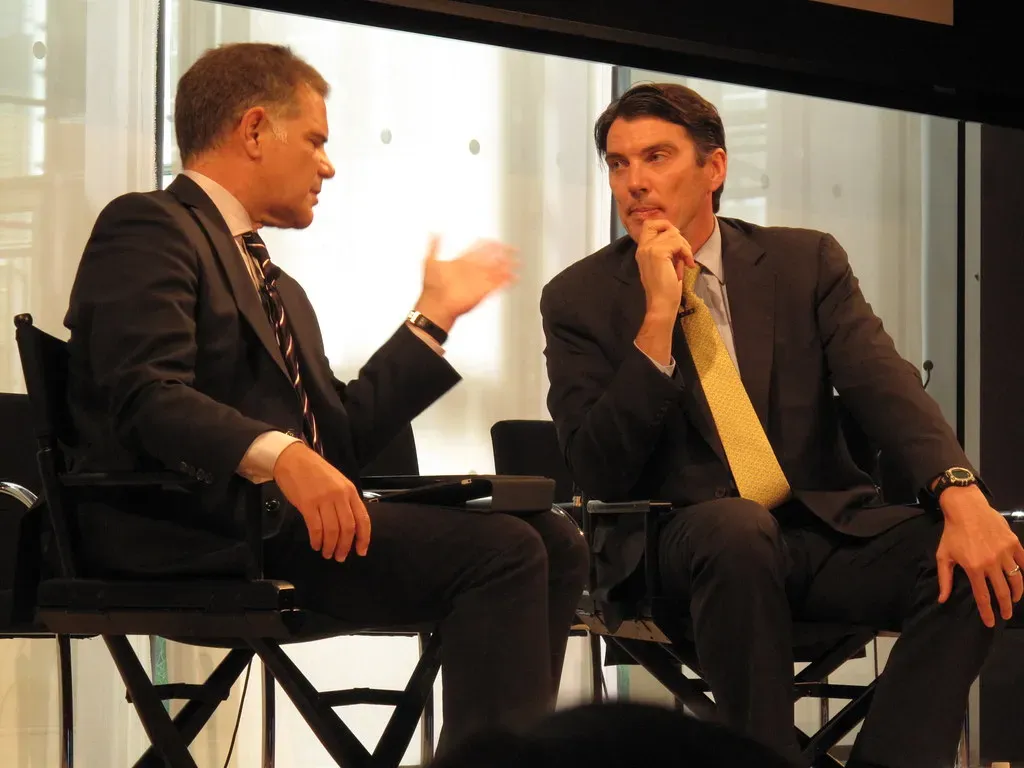
If you say one thing, but your body language says something else, your listener will likely feel that you’re being dishonest. When faced with such mixed signals, the listener has to choose whether to believe your verbal or nonverbal message. Since body language is a natural, unconscious language that broadcasts your true feelings and intentions, they’ll likely choose the nonverbal message. This is huge.
Is the person saying one thing, but their body language conveying something else? For example, are they telling you “yes” while shaking their head no? When verbal and nonverbal messages don’t match, trust the body. Being “perceptive” means being able to spot the contradictions between someone’s words and their body language. Maybe your partner says they’re excited about your vacation plans while their shoulders slump and their voice goes flat. The body is revealing the truth. Trust your instincts. Don’t dismiss your gut feelings. If you get the sense that someone isn’t being honest or that something isn’t adding up, you may be picking up on a mismatch between verbal and nonverbal cues. Your subconscious mind processes thousands of tiny signals you don’t consciously register. When something feels off, it probably is.
Conclusion

When it comes to communication, body language is more truthful than the spoken word. Your physical self reveals what you truly think and feel, often before you’re even aware of those emotions yourself. From the direction your feet point to the fleeting micro expressions that flash across your face, your body constantly communicates your authentic intentions.
Understanding these five ways body language exposes the truth gives you a powerful advantage in every interaction. You’ll pick up on discomfort, deception, genuine interest, or hidden emotions that others miss entirely. More importantly, becoming aware of your own nonverbal signals helps you communicate more authentically and align what you say with how you feel. Your body tells the real story every single time. Now you know how to read it. What signals have you noticed in your own interactions that surprised you?