Newfoundland, Canada – Researchers have uncovered a treasure trove of exceptionally preserved fossils at the Inner Meadow site, pushing the known lifespan of the enigmatic Avalon Assemblage to 551 million years ago. This discovery, detailed in a recent study published in the journal Geology, reveals that ancient soft-bodied organisms persisted longer than previously thought before succumbing to what may have been Earth’s first major mass extinction. The findings challenge long-held views on Ediacaran biotas and highlight the profound impact of the Kotlin Crisis around 550 million years ago.
A Groundbreaking Find at Inner Meadow
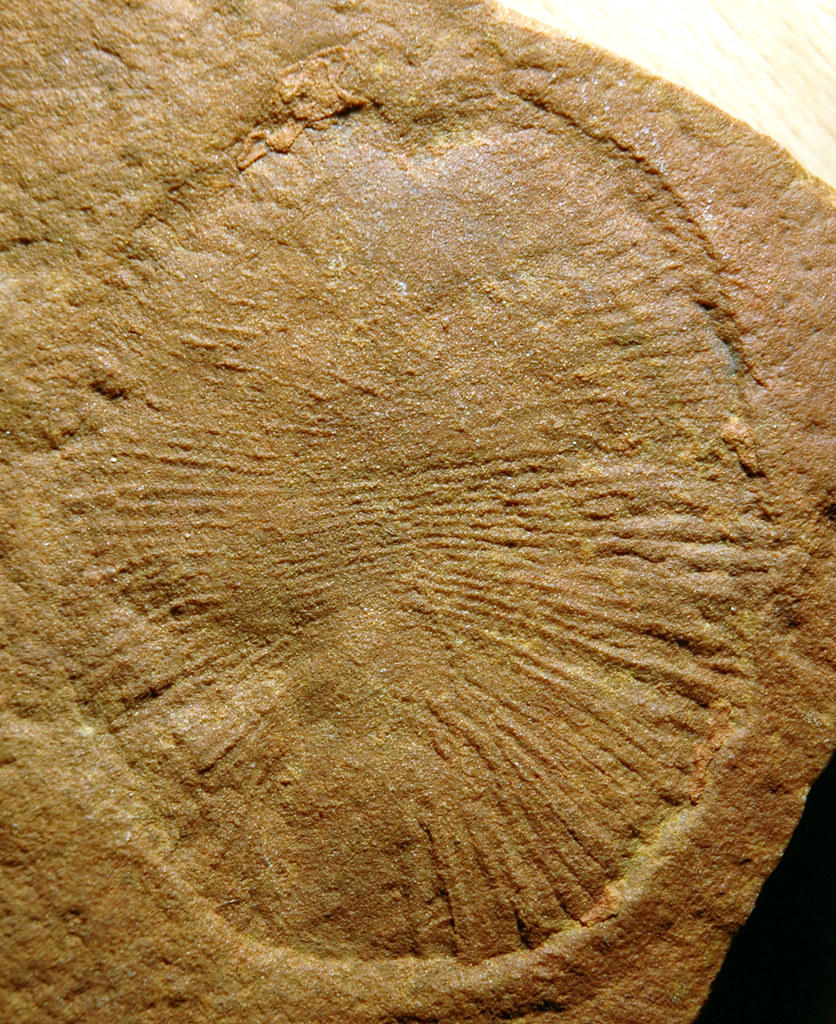
A Groundbreaking Find at Inner Meadow (Image Credits: Flickr)
The Inner Meadow Lagerstätte, situated on the EM Coombs Surface in Newfoundland, yielded a rich collection of fossils representing most of the Avalon Assemblage biota. Scientists dated volcanic ash layers overlying these specimens to 550.78 ± 0.60 million years ago using precise geochronological methods. This age places the site among the youngest known for its type, extending the assemblage’s range by about 10 million years.
Lead author Duncan McIlroy of Memorial University of Newfoundland described the significance: “The importance of the extended fossil ranges at Inner Meadow stems from the fact that the endling occurrences they document markedly increase the biodiversity loss at the 550 Ma extinction event.” The preservation here rivals classic Ediacaran sites, offering a snapshot of life just before a dramatic biological shift.
Revisiting the Avalon Assemblage
Previously dated to roughly 575 to 560 million years ago, the Avalon Assemblage featured deep-water, soft-bodied organisms such as fractal-branched Rangeomorpha, including forms akin to Charnia. The new evidence shows these biotas coexisted with the younger White Sea Assemblage, suggesting ecological rather than temporal separation.
Differences between assemblages now appear tied to habitat: Avalon in deeper seas, White Sea in shallower waters. This overlap reframes Ediacaran evolution as more dynamic, with shared taxa across environments. The Inner Meadow fossils act as “endlings” – the last representatives of Avalon forms.
The Kotlin Crisis Comes into Sharp Focus
Around 550 million years ago, a sharp drop in diversity marked the Kotlin Crisis, long noted in regions like Avalonia and Baltica. The Newfoundland discovery elevates this event, indicating an 80 percent loss of macroorganism diversity – far more severe than earlier estimates. It qualifies as the first significant extinction for early animals, predating the Cambrian explosion by about 10 million years.
McIlroy noted, “The severity of the Kotlin Crisis extinction event is much more profound than we previously thought.” Post-crisis, the low-diversity Nama Assemblage dominated, setting the stage for Cambrian diversification. No major background extinctions preceded it, underscoring its abrupt nature.
Ediacaran Biotas: A Quick Comparison
The Ediacaran Period hosted three main assemblages, each reflecting distinct ecosystems:
- Avalon Assemblage (575–550 Ma): Deep marine, rangeomorph-dominated, now confirmed in Newfoundland.
- White Sea Assemblage (560–550 Ma): Shallow marine, high diversity with mobile forms like Dickinsonia and Kimberella.
- Nama Assemblage (550–538 Ma): Post-extinction recovery, lower diversity.
| Assemblage | Age (Ma) | Environment | Diversity Post-Kotlin |
|---|---|---|---|
| Avalon | 575–550 | Deep water | Heavily impacted |
| White Sea | 560–550 | Shallow marine | Declined sharply |
| Nama | 550–538 | Mixed | Impoverished |
This framework highlights how the Kotlin Crisis reset Ediacaran life.
Key Takeaways
These fossils not only extend our view of Precambrian life but also remind us how fragile early ecosystems proved against unseen pressures. What caused the Kotlin Crisis remains a puzzle, yet its legacy paved the way for Cambrian innovation. What do you think triggered this ancient die-off? Tell us in the comments.