Long before you ever read your daily horoscope or checked your sun sign, ancient civilizations across the globe had already built deeply sophisticated systems for understanding human nature through the animal world. They watched the sky, listened to the earth, and found meaning in creatures that crawled, flew, and swam. What they created wasn’t casual folklore. It was a living, breathing spiritual technology.
The idea that an animal spirit could shape your personality, guide your destiny, or even protect your soul is far older and far more universal than most people realize. From the river valleys of Egypt to the misty forests of the Celtic world, this thread runs through human history with a kind of quiet insistence. So let’s dive in, because what you’re about to discover may surprise you.
1. Ancient China: The Twelve Guardians of Heaven
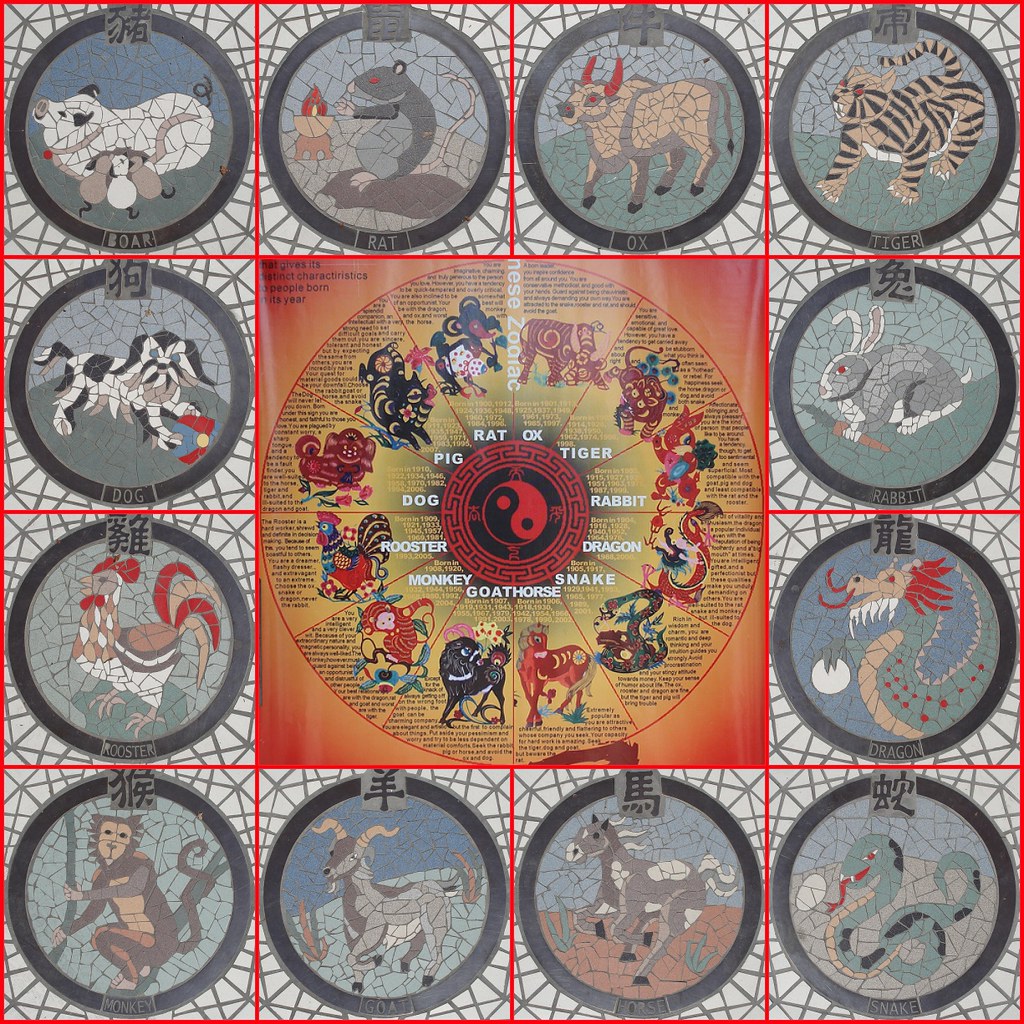
You’ve almost certainly seen the Chinese zodiac on a restaurant placemat at some point in your life. But honestly, the real story behind it is far richer than that. The Chinese zodiac started to take shape during the Han Dynasty, formalizing a twelve-year cycle where each year is associated with a specific animal as part of a timekeeping system. Think of it less as a personality quiz and more as a cosmic map of time itself.
The famous Chinese zodiac with its twelve animal signs originated from following the planet Jupiter, whose twelve-year orbit was split into twelve segments, each correlated with a particular animal. Each Earthly Branch was linked to an animal, and to the twelve zodiac signs: Rat, Ox, Tiger, Rabbit, Dragon, Snake, Horse, Goat, Monkey, Rooster, Dog, and Pig. Every single one of these creatures was considered a spiritual guardian, not just a symbol.
According to popular myth, the Jade Emperor, the supreme deity in the traditional Chinese pantheon, summoned all the animals in the universe for a great race. The prize for the first twelve animals that arrived was their induction into the zodiac, and the order of their arrival determined their place in the cycle. This origin story gives you a window into how deeply moral and spiritual the system really was. It wasn’t just astrology. It was a lesson in character.
Like the zodiac signs of Western astrology, the Chinese traditionally believed that one’s personality is influenced by the zodiac sign under which they were born, and that the sign has a bearing on a person’s life. The assignment of a Chinese zodiac animal to a person’s birth year is how Western people often use this zodiac, but in ancient times and in China today, the month, day, and hour of a person’s birth also reveal more in the form of other “inner animals.” You are not just one animal. You carry layers of them.
2. The Aztec Civilization: Your Day Sign Is Your Soul
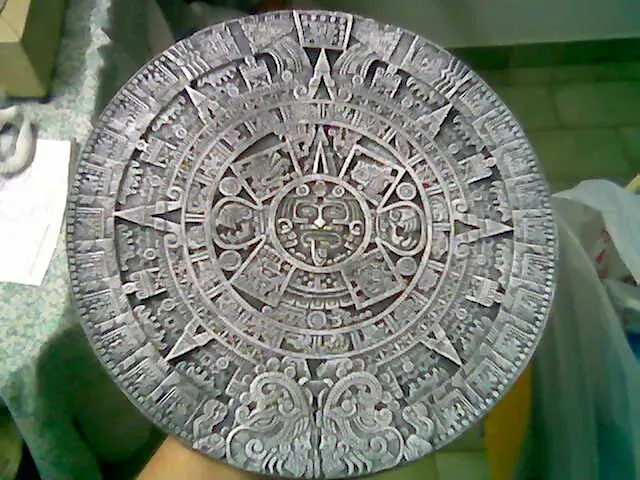
Here’s the thing about Aztec astrology that most people never talk about: it wasn’t a casual belief system. It was woven into the very act of being born. The ancient Mesoamericans believed that who you were as a person was highly influenced by the day on which you were born, and the Aztecs used the word “tonalli” to name both the day sign and the special third soul that they believed human beings were born with. You came into the world already carrying an animal inside you.
Aztec astrology is a sacred system of cosmic timing and spiritual symbolism developed by the ancient Mexica, with roots even deeper in older Mesoamerican civilizations like the Olmecs and Toltecs. Of the twenty named days in the sacred calendar, ten refer to animals, while the other ten refer to forces of nature, plants, or life experiences. Creatures like the Jaguar, Eagle, and Serpent weren’t decorative. They were spiritual identities assigned at the moment you drew your first breath.
People born on animal days had a tonal that was very much like the creature itself, a sort of animal soul. Most Mesoamericans believed that certain people with these souls could actually shift into the animal’s shape. I know that sounds extraordinary, but this shapeshifting belief was taken completely seriously. The Maya called such a person a “way,” and the Aztec word was “nahualli.”
When a child was born, the parents would go to a priest or reader to learn the name of the birthdate, and part of the child’s name would be the name of that day. The parents would also learn about the child’s fate, character, and profession. In order to avoid a bad fate, parents would often have their children baptized on a better day, even if this meant waiting a few days to make the birth official. Your animal spirit was that consequential.
3. The Maya: The Nahual as Your Supernatural Teacher
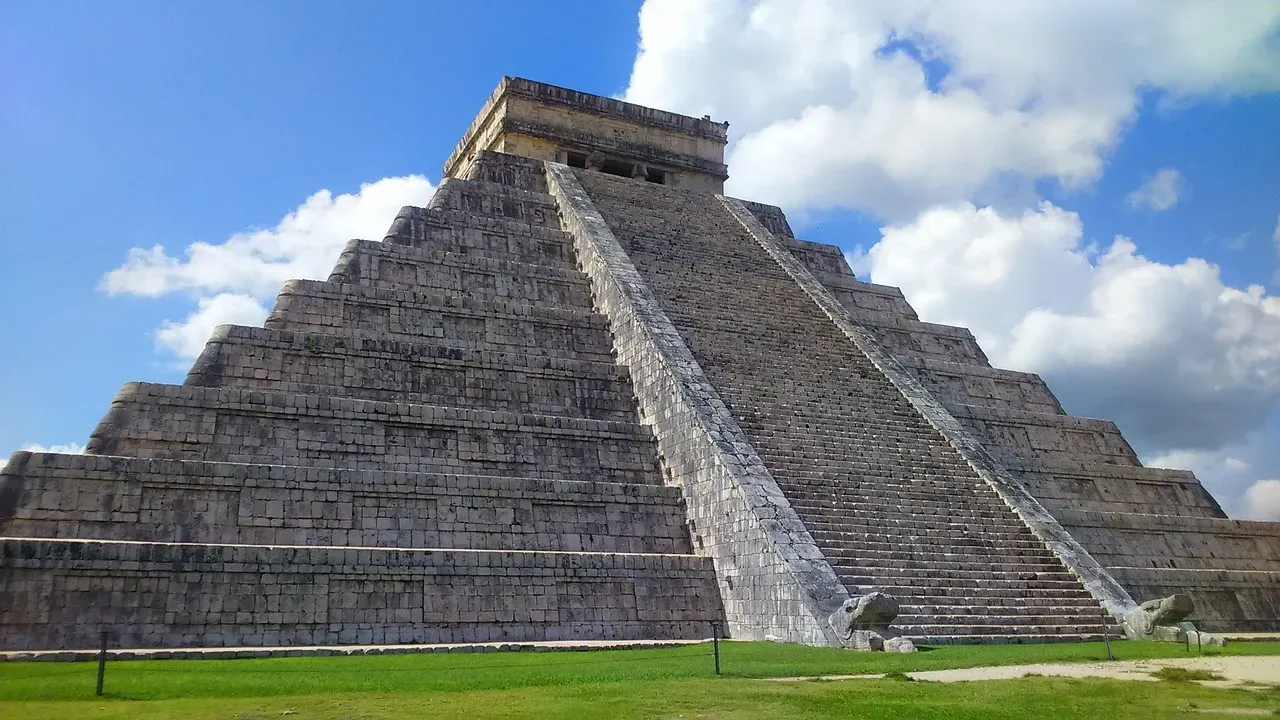
If the Aztec system was about your soul, the Maya took it a step further and gave that soul a teacher. The Maya believe we are all born with a nahual, or animal spirit, that is like a supernatural teacher guiding us through life and giving us advice through songs, dreams, or visions. That’s a strikingly intimate idea when you sit with it. Your animal doesn’t just define you. It actively mentors you.
Astrology for the Maya was not about natal divination or a zodiacal system in the way we think of it, but the organization of time, which they recorded in great detail. The Maya are famed for creating the most accurate of ancient calendars from their careful and thorough observations of the sky. The Maya ritual calendar was made up of thirteen segments split into twenty days, each ruled by a guardian of the four cardinal points, and each day and its guardian was connected with specific traits.
All of the Mesoamerican civilizations, including Olmec, Toltec, Maya, Zapotec, and Aztec, used essentially the same astrology. Although the names of symbols varied, the concepts remained the same. For example, the House glyph correlated with optimism and patience, and the Crocodile was connected with good leadership and protectiveness. You can see just how nuanced this system was. Each animal brought its own complete spiritual curriculum with it.
Perhaps as far back as three thousand years, a unique form of astrology began to evolve in the Mesoamerican region, where a sequence of twenty signs, not of space like the Western zodiac but of time, evolved and became the core of a great astrological tradition. Even today, the 260-day astrological calendar is used by Native American daykeepers in remote parts of Guatemala and Mexico. Some traditions are simply too powerful to die.
4. Ancient Egypt: When Gods Wore Animal Faces
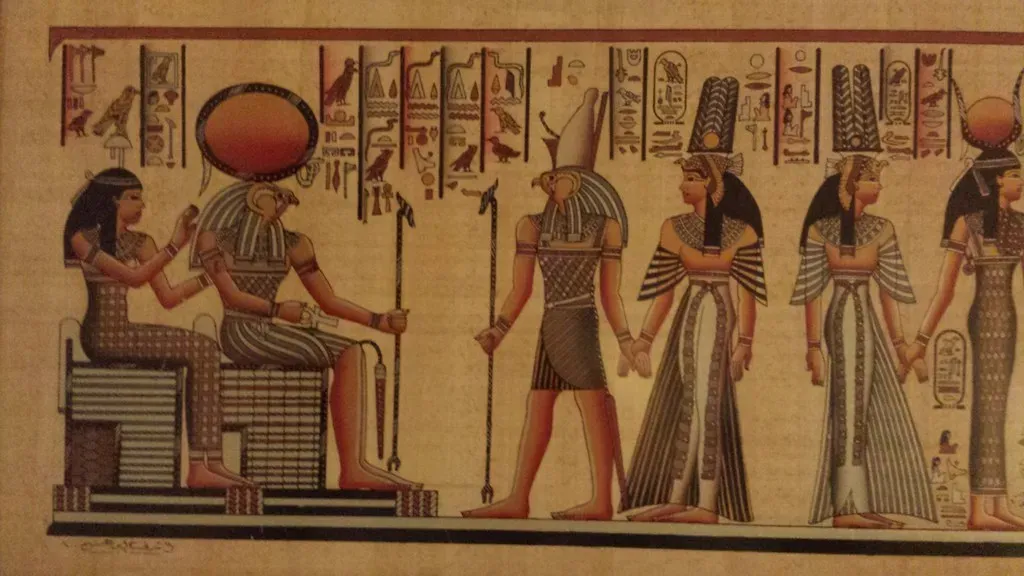
Few civilizations made the connection between animals and the divine as visually dramatic as ancient Egypt did. The gods didn’t just carry animal associations. They wore animal heads, flew on animal wings, and embodied animal instincts. The ancient Egyptian zodiac was made of twelve signs assigned to certain days of the month based on the position of the sun and the rising of constellations. The ancient Egyptians believed the deities would come to life and manifest at certain times, and they named their zodiac signs for their goddesses and gods.
At the heart of the Egyptian astrological tradition were twelve distinct zodiac signs, each associated with a specific Egyptian deity and imbued with its own unique set of characteristics. Unlike the Western zodiac, which is based on the twelve constellations of the ecliptic, the Egyptian system drew upon the thirty-six decans that rose consecutively over the course of the year. The decan rising on the eastern horizon at the time of a person’s birth gave weight and understanding to that person’s character and destiny.
Horus, the falcon-headed god of the sky and kingship, symbolizes vision, courage, and leadership, and those born under this sign are ambitious, dynamic, and driven by a desire to achieve high goals. Sekhmet, the lion-headed goddess of war and healing, symbolizes strength, determination, and resilience, and people born under this sign are fierce, courageous, and possess a powerful presence. Notice how the animal form of the god directly informs what the sign means. The lion becomes courage. The falcon becomes vision.
As the gods and goddesses were highly praised and worshipped, the Egyptians incorporated their characteristics into their own personalities, and they saw similarities between individuals who followed the same god. With these notions, the Egyptians started combining the characteristics of the gods and goddesses with that of people through the alignment of different stars in the night sky. It’s a breathtaking system. You weren’t just born under a sign. You were born carrying a fragment of a god.
5. Native American Traditions: The Medicine Wheel and Your Birth Totem

Unlike the other systems on this list, which emerged from a single civilization, the Native American zodiac is something you have to approach with care and respect. It’s not one tradition but many, spread across hundreds of tribes with their own distinct relationships to the animal world. Still, there is a recognizable shared thread. Astrology has always been an integral part of Native American culture, and unlike the conventional Western or Eastern zodiac, the signs in Native American astrology are symbolized by spirit animals or birth totems.
At the heart of Native American astrology lies the sacred Medicine Wheel, a circular symbol that represents the interconnectedness of all things. Unlike the linear approach of Western astrology, the Medicine Wheel embraces a holistic view, recognizing the cyclical nature of life and the interdependence of the four cardinal directions. Each direction is associated with specific elements, animals, and seasonal energies. It’s less like a horoscope and more like a living map of the universe you inhabit.
According to every Native American tribe, your “Totem Animal” is an animal spirit that you can invoke for its special powers to protect you like a guardian in times of adversity. Each of these spirit animals is believed to influence the personality traits, behaviors, and spiritual path of individuals born under their sign. Think of it the way you might think of a guardian angel, except yours has claws, instincts, and a deep connection to the wild.
As noted in Native American Astrology, “these totem animals can be identified as character or personality types, or spirits,” and each of the twelve moons or moon phases has an associated animal, which may be considered a birth totem or birth sign. There are many native tribes and different animals, so your totem animal may go by different names in different groups, but the meaning of the Native American totem animals is always based on the underlying seasonal energy.
6. The Celtic World: Druidic Wisdom and the Animal Zodiac
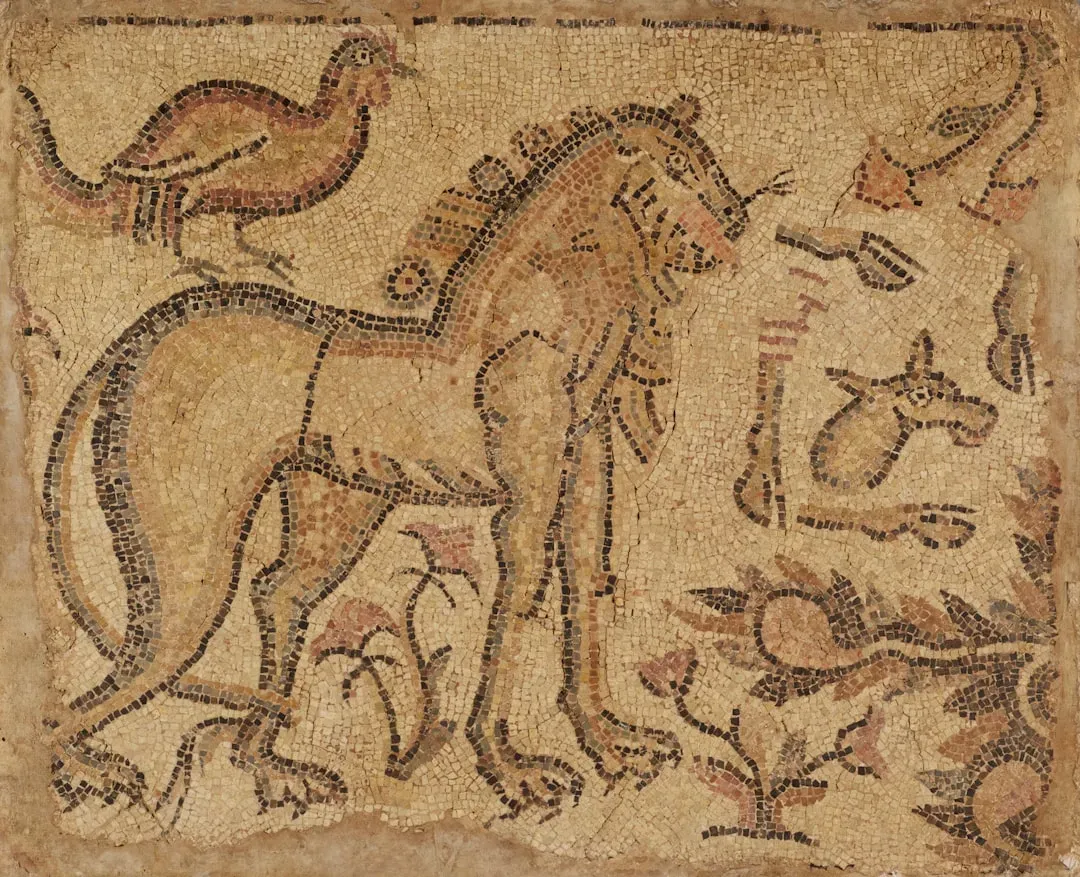
The Celts are one of history’s most misunderstood peoples, often reduced to shamrocks and warrior mythology. In reality, their spiritual relationship with the natural world was extraordinarily sophisticated. Celtic animal astrology is the symbology of different animal totems that offer deeper insight into who you are and your divine purpose. The Celts held a strong connection to nature and the world around them. Originally from present-day Ireland, they not only celebrated lunar cycles but also looked for similarities between the earth and themselves, studying the correlation between their behaviors and those of animals.
The Celtic animal zodiac assigns specific creatures to yearly periods based on lunar cycles, reflecting ancient reverence for nature’s wisdom and mythological significance. The system connects birth periods to animals like the stag, salmon, wolf, and eagle, each symbolizing traits aligned with Celtic heritage and spiritual traditions. The Celts celebrated and worshiped the world around them, including trees and animals, both real and supernatural. For them, there was simply no boundary between the human world and the animal one.
The Stag zodiac sign is the first on the Celtic zodiac wheel, and stags are revered in Celtic folklore as vessels of strong magic and symbols of strength, leadership, and power. Hawks in Celtic folklore were considered messengers of the spirit world and could either bring good fortune or warn against folly, and individuals born under this sign are very observant and intuitive, able to act swiftly with precision. Every single animal in this system carried the weight of centuries of spiritual observation.
The Celts are well known for their mystical and spiritual side, and the Druids remain a symbol of mystery and mysticism to this day. Druidic symbols tend to reflect the fact of how heavily tied to nature their philosophies and beliefs were. These weren’t two separate things. Nature was intertwined in everything from religion and astrology to everyday life and interaction. For the Druids, your animal spirit wasn’t a metaphor. It was a fundamental truth about who you were.
Conclusion: The Animals Have Always Known Us
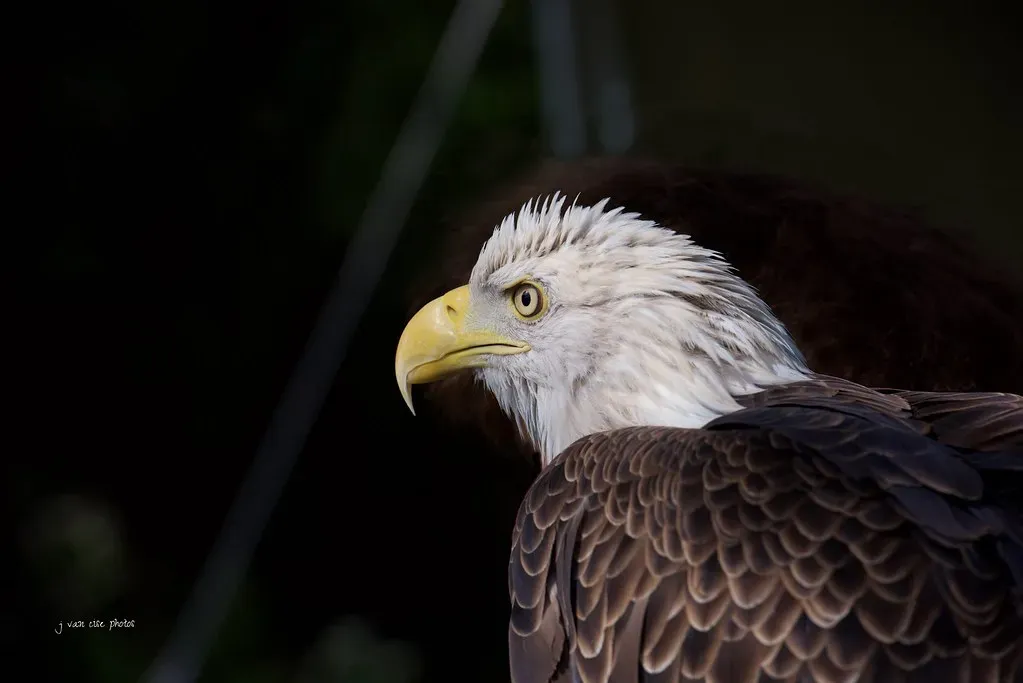
What’s truly astonishing, when you step back and look at all six of these cultures, is how independently they arrived at the same core idea. Separated by oceans and centuries, the Chinese farmer, the Aztec priest, the Maya daykeeper, the Egyptian scribe, the Native American elder, and the Celtic druid all looked at the animal world and saw a mirror. They all concluded that the creatures around them held keys to understanding the human soul.
Throughout history, cultures worldwide have recognized that animals carry spiritual wisdom that mirrors our deepest selves. This wasn’t superstition. It was a profound and recurring human insight, one that showed up on every inhabited continent. The systems differed in their details, but the impulse was identical. There are numerous systems and traditions around the world that utilize animals or zodiac signs to interpret personalities, destinies, or provide spiritual guidance.
In an age when we’re increasingly disconnected from the natural world, there’s something quietly radical about revisiting these traditions. They ask you to consider that your identity isn’t just shaped by your upbringing or your choices, but by something older, wilder, and more elemental. So, which of these six animal spirit traditions resonates most deeply with you, and what do you think that says about who you really are?