If you grew up in the 1970s or 1980s in the US, chances are your first idea of “prehistoric life” didn’t come from a museum or a science book. It came from Saturday morning cartoons, toy aisles at Kmart, and those weirdly serious dinosaur documentaries that aired right before bedtime. Those shows and characters didn’t just entertain us; they quietly shaped how we pictured cavemen, dinosaurs, and the deep past long before we ever heard words like “Jurassic” or “Cretaceous” in a classroom.
Looking back now, it’s wild how these prehistoric entertainers were equal parts science, slapstick, and pure fantasy. Sure, some of the details were hilariously wrong by modern standards, but they made ancient worlds feel alive, cozy, and oddly familiar. Let’s revisit six of the best prehistoric icons that lit up American childhoods in the 70s and 80s – and see why they still stick in our minds like the smell of cereal milk on carpet.
The Flintstones: Stone Age Suburbia We All Recognized
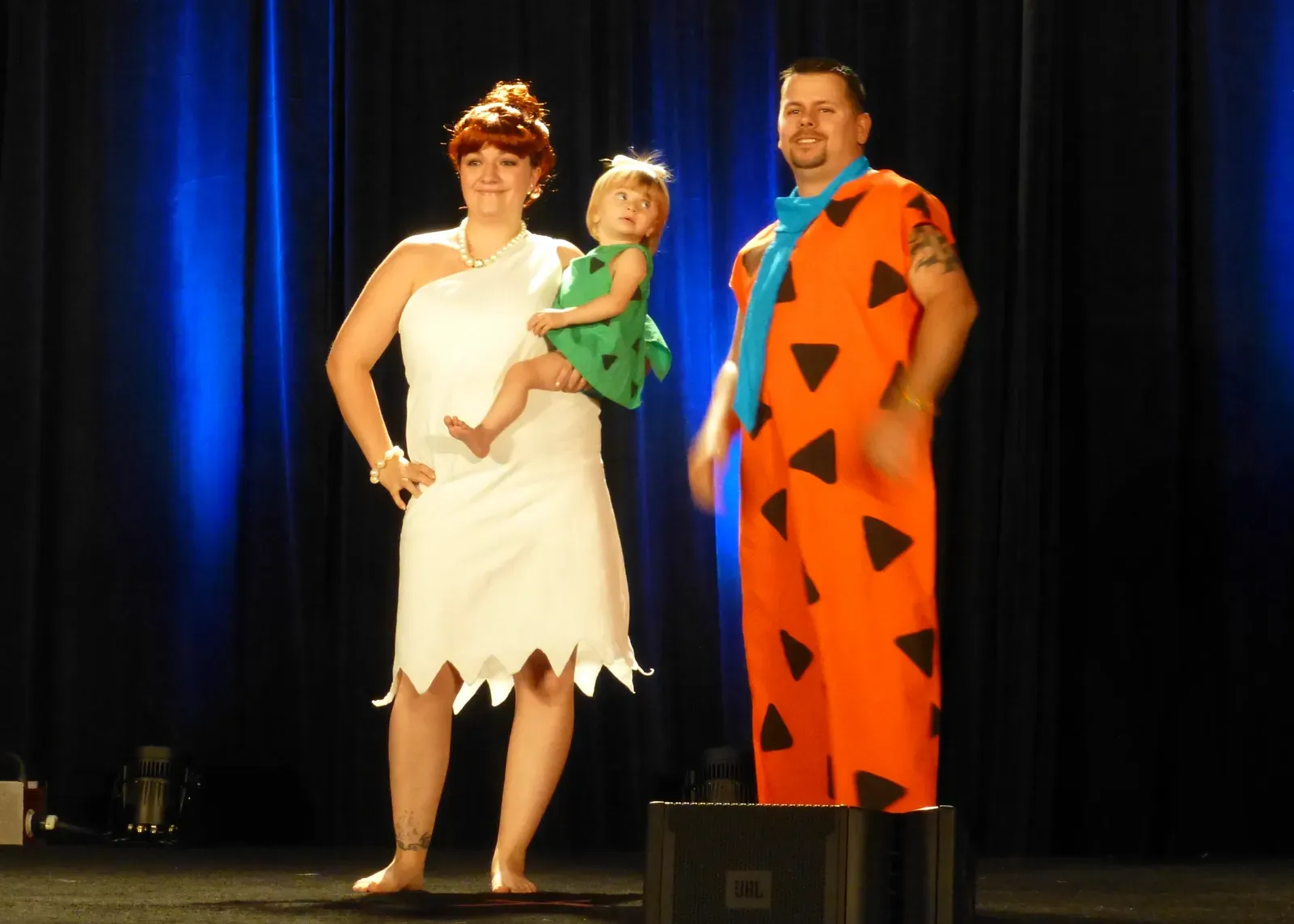
Even though The Flintstones first debuted in the 1960s, reruns absolutely ruled American TV in the 70s and 80s, so many of us basically grew up in Bedrock. What made this show irresistible was the way it turned the “Stone Age” into a mirror of our own lives: drive-in movies, bowling nights, backyard barbecues, and workplace grumbling, just with a dinosaur vacuum cleaner and a bird acting as a record player. It took something as distant and intimidating as prehistory and wrapped it in the comfort of a blue-collar sitcom, making it feel totally normal to imagine a brontosaurus as heavy machinery.
From a science point of view, of course, The Flintstones is a complete mashup: humans and dinosaurs never lived together, and there were no saber-toothed housecats lounging in living rooms. But that barely mattered to kids. The show’s real power was emotional and social. It made prehistoric life feel warm, noisy, and full of community drama instead of cold and alien. In a very real sense, The Flintstones taught us that even in a world of stone tools and mammoths, people (or “modern Stone Age families”) still worried about jobs, in-laws, and whether the neighbors liked them.
The Land of the Lost: Prehistoric Sci‑Fi That Felt Weirdly Real
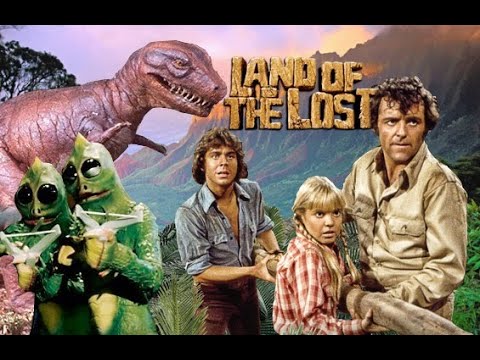
Land of the Lost, especially the original 1974 live-action series, hit a very different nerve. It dumped a modern family into a strange pocket universe full of dinosaurs, reptilian Sleestaks, and mysterious technology. For many kids, this was the first time prehistoric creatures were framed not as funny pets or props, but as part of a serious, mysterious world that could actually be dangerous. The show had a low-budget, slightly scrappy look that somehow made it feel more believable, not less, like you were watching someone’s home movies from another dimension.
What set Land of the Lost apart was how it mixed prehistoric animals with hints of actual scientific questions: time loops, alternate dimensions, ancient civilizations, and evolutionary oddities. The dinosaurs were still more movie monsters than accurate reconstructions, but the tone made you think, not just giggle. It planted the idea that ancient worlds were full of unanswered questions and strange ecosystems, a step closer to real paleo-science. As kids, we might have come for the dinosaurs, but we stayed because the world itself felt like a puzzle that we desperately wanted to solve.
The Flintstone Kids and Junior Bedrock: Prehistory Meets Playground Drama

By the mid‑1980s, studios had figured out a reliable trick: take popular adult characters, turn them into children, and give them bikes, skateboards, and schoolyard problems. The Flintstone Kids did exactly that with the Bedrock crew, dropping them into a more kid-centric version of the Stone Age. These shows still leaned on the same gag – dinosaurs as helpful appliances, cavemen as suburbanites – but they layered in modern childhood anxieties: fitting in, school bullies, and figuring out who you are in your little corner of the world.
From a prehistoric perspective, it was even less realistic than the original, but strangely more emotionally accurate for the kids watching. The dinosaurs became background scenery for very human growing pains. This actually did something sneaky: it made the ancient past feel like just another neighborhood kids could live in. Instead of treating prehistoric life as remote and museum-ish, it told us, “You could be a Stone Age kid and still argue about toys and homework.” That emotional familiarity made it easier later on to care about the real science underneath the cartoon rock piles.
Stop‑Motion Dinosaurs: From Educational Shorts to TV Specials
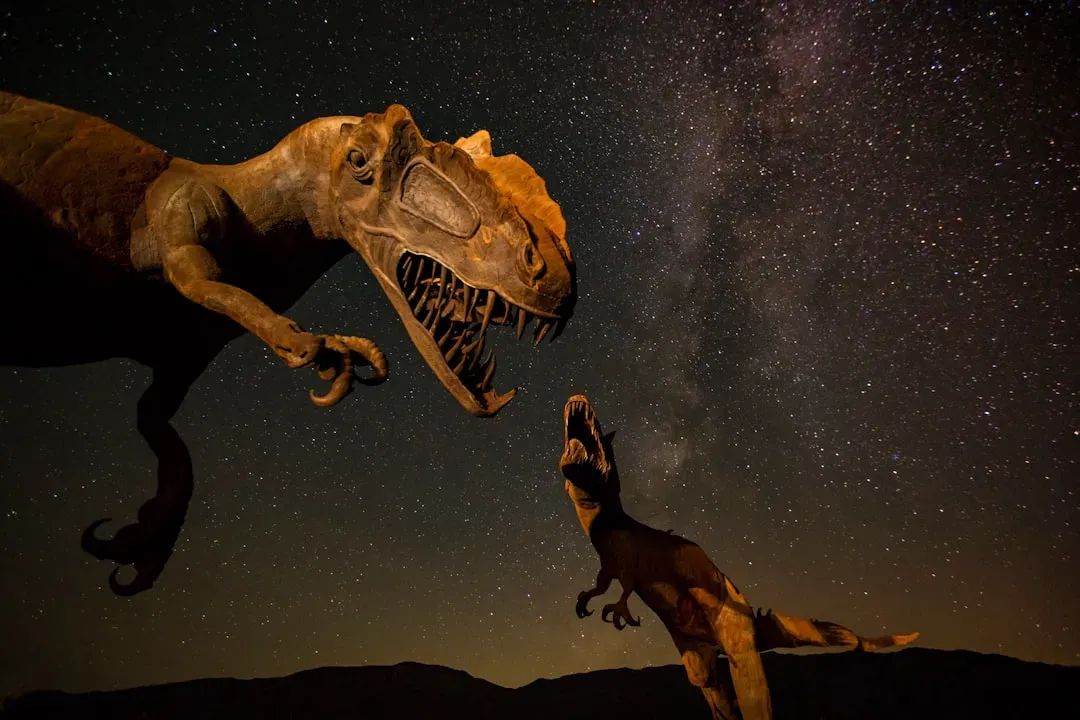
Long before computer graphics took over, kids in the 70s and 80s got some of their most intense prehistoric thrills from stop‑motion dinosaurs. These showed up in educational films in classrooms, late‑night movies on TV, and various specials that blended documentary narration with animated models. The jerky, handmade movement of those creatures gave them a strange, almost eerie life. You could tell they were models, but they also felt solid in a way that drawn cartoons did not, as if someone had actually filmed tiny prehistoric worlds on a tabletop.
Scientifically, many of these stop‑motion dinosaurs were based on the best reconstructions of their time: tail‑dragging sauropods, upright T. rex, and slow, lumbering reptiles. Today, we know they were often off the mark, but they were a real attempt to follow fossils and paleontological research, not just fantasy. For kids, this mix of science and art made prehistory feel like something adults took seriously too. These were not just goofy pets; they were studied, modeled, and given weight and shadow. That seriousness helped many of us make the jump from cartoon Bedrock to actual natural history books later on.
Dino, Hoppy, and the “Pet Dinosaurs” of Children’s TV
Plenty of shows in the 70s and 80s leaned on one simple, powerful idea: what if you could keep a dinosaur as a pet? Characters like Dino in The Flintstones, or other bouncing, loyal prehistoric creatures across cartoons, reimagined ancient animals as oversized dogs or playful lizards. They slobbered, fetched, cuddled, and occasionally rescued their human families from danger. This was total fantasy, but as a kid watching, it felt like the most natural wish in the world. Who wouldn’t trade a goldfish for a tiny triceratops?
From a scientific lens, this was obviously inaccurate, but it humanized prehistoric animals in a way that pure documentaries never could. Once a child has emotionally bonded with a fictional “pet dinosaur,” they are much more likely to care later about real dinosaurs, fossils, and extinction. In that sense, these characters acted as emotional ambassadors for the prehistoric world. They might have been pink, squeaky, and biologically impossible, but they sparked empathy for creatures separated from us by millions of years, and that’s no small feat.
Prehistoric Educational Shows and School Specials: The Subtle Classics
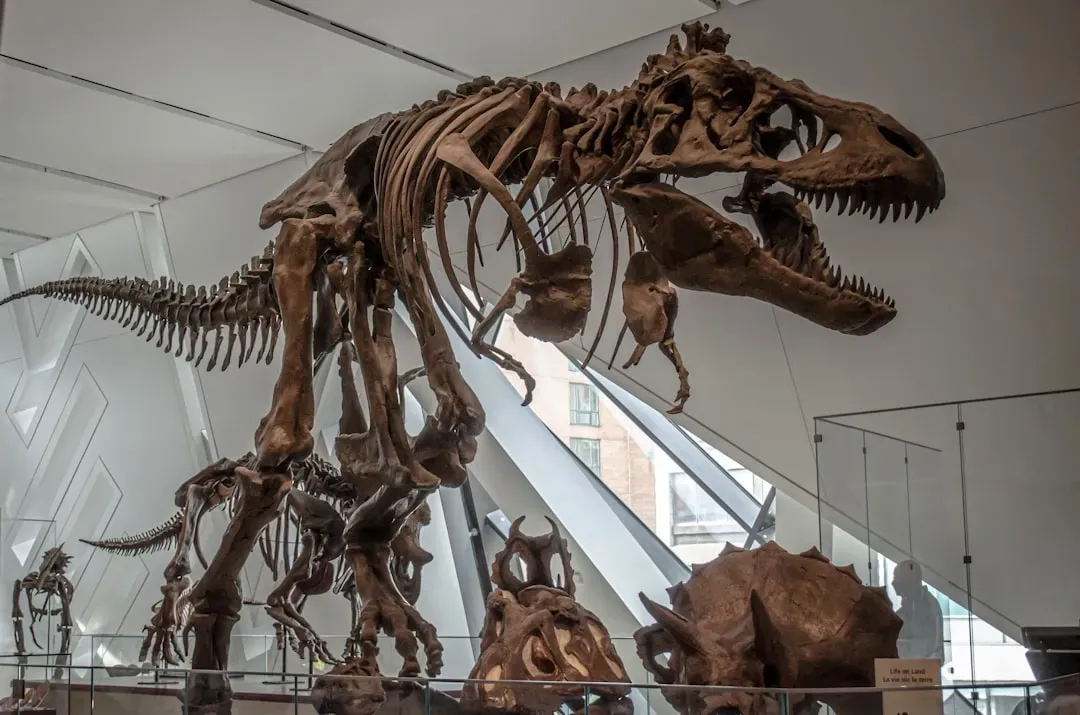
Alongside the loud, colorful cartoons, there was a quieter layer of prehistoric entertainment: the educational shows and specials that aired in classrooms or during public television blocks. These might not be as instantly memorable as Bedrock, but for many kids, they were the first time someone calmly explained how fossils form, why dinosaurs vanished, or how early humans actually lived. They often blended simple animations, live‑action hosts, and visits to real museums, giving us a bridge between fantasy cavemen and genuine science.
What made these shows powerful is that they respected kids’ curiosity. They did not always shout or oversimplify; they assumed we could handle words like “extinction,” “evolution,” and “geology” if they were wrapped in good storytelling. Watching a host touch a real fossil or walk through a reconstructed dinosaur skeleton quietly shifted prehistoric life from make‑believe to something tangible and evidence-based. Looking back, these might not have been the most glamorous prehistoric entertainers, but they were the ones that nudged many of us to pick up a dinosaur book, drag our parents to a natural history museum, or keep reading long after the cartoons ended.
Conclusion: Nostalgic, Inaccurate, and Weirdly Important
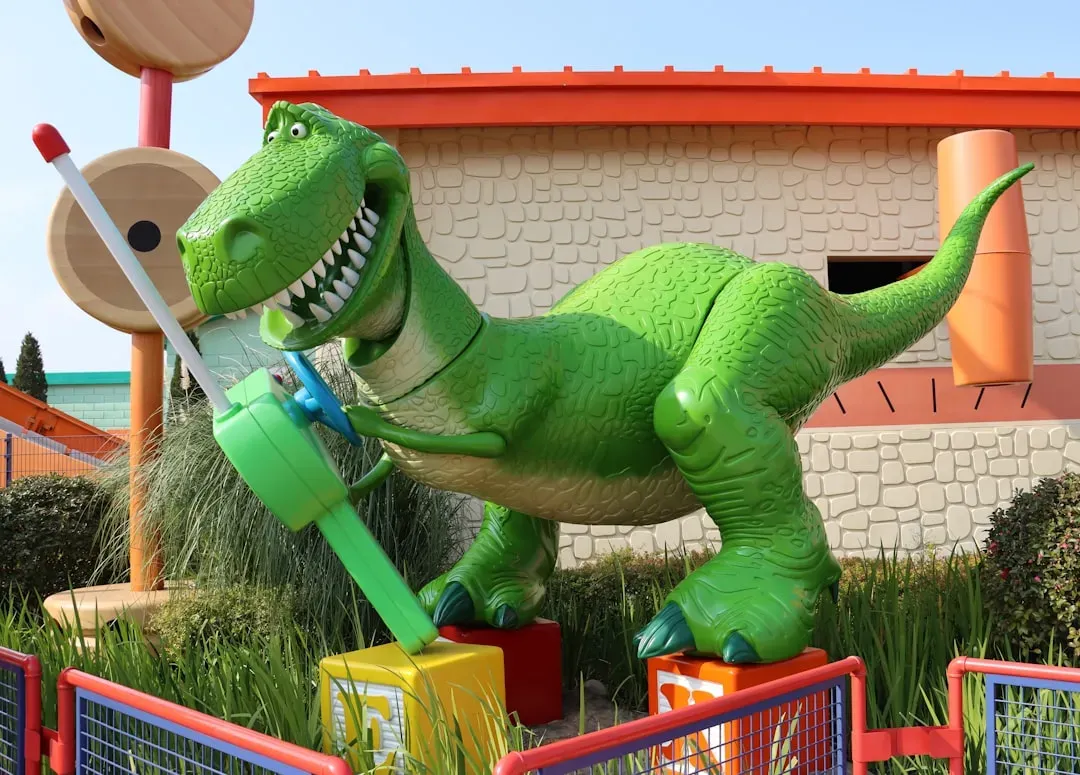
When you line them up, the prehistoric entertainers of the 70s and 80s look like a chaotic mix: sitcom cavemen, time‑travel families, toy‑friendly kid spinoffs, stop‑motion monsters, cuddly dino pets, and earnest educational hosts. None of them got everything scientifically right, and some barely tried. But they shared one crucial trait: they made the deep past feel alive, emotional, and worth caring about. Without realizing it, many of us learned our first mental map of prehistory from these shows, and that map – even if rough – made it easier to later slot in real scientific facts.
Personally, I think we underestimate how much these half‑accurate, wildly imaginative portrayals did for our curiosity. They were messy, but they were gateways. They reminded us that the world used to be stranger than any playground argument, and that our species is just one chapter in a much longer story. The real question now is: when you think back to those prehistoric entertainers from your childhood, do you remember the facts, or the feeling they gave you of living in a world much bigger and older than you ever imagined?