Imagine a massive predator soaring through the air, its powerful legs propelling it across impossible gaps. You might picture birds doing this today, but their ancient dinosaur ancestors were already perfecting the art of jumping millions of years ago. Recent breakthroughs in biomechanical research have revealed that some dinosaurs possessed remarkable leaping abilities that would put modern Olympic athletes to shame.
Scientists now use fossil evidence, biomechanical models, and comparisons to modern animals to uncover these ancient secrets, revealing that the feasibility of jumping in dinosaurs can be assessed through their anatomy and biomechanics, including limb leverage and muscle strength. By examining bone structure and applying physics principles, researchers have identified dinosaurs that could launch themselves extraordinary distances. Let’s explore these incredible jumpers that dominated prehistoric landscapes with their aerial prowess.
Compsognathus: The Tiny Speed Demon
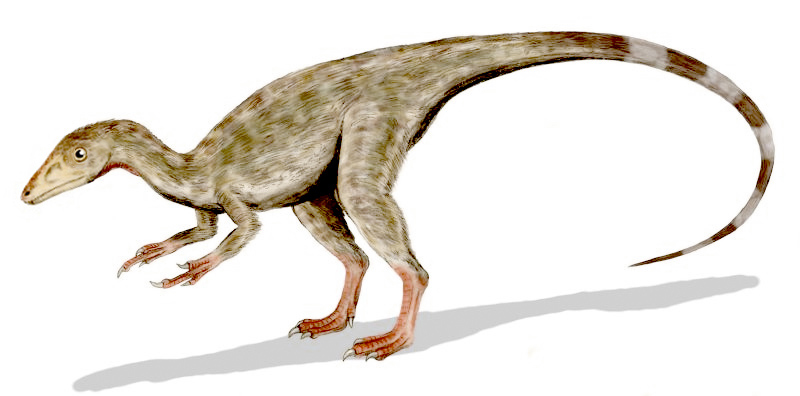
Weighing just about three kilograms, Compsognathus was one of the smallest dinosaurs, but it could run nearly forty miles per hour and cover one hundred meters in a little over six seconds. This incredible speed directly translated into extraordinary jumping ability through basic physics.
Small dinosaurs like Compsognathus, with their light bodies and agile build, might have used jumping as a part of their movement patterns. Their lightweight frame meant they could convert horizontal momentum into vertical lift more efficiently than their massive cousins. When you consider that modern chickens can jump roughly three times their body height, imagine what this turkey-sized predator could achieve with its superior athleticism.
Compsognathus, known for reaching speeds up to sixty-four kilometers per hour, was one of the smallest dinosaurs, with adults measuring around one meter long. Their long legs and streamlined body created the perfect formula for both speed and jumping prowess, allowing them to leap across streams, fallen logs, and rocky terrain with remarkable ease.
Velociraptor: The Calculated Leaper
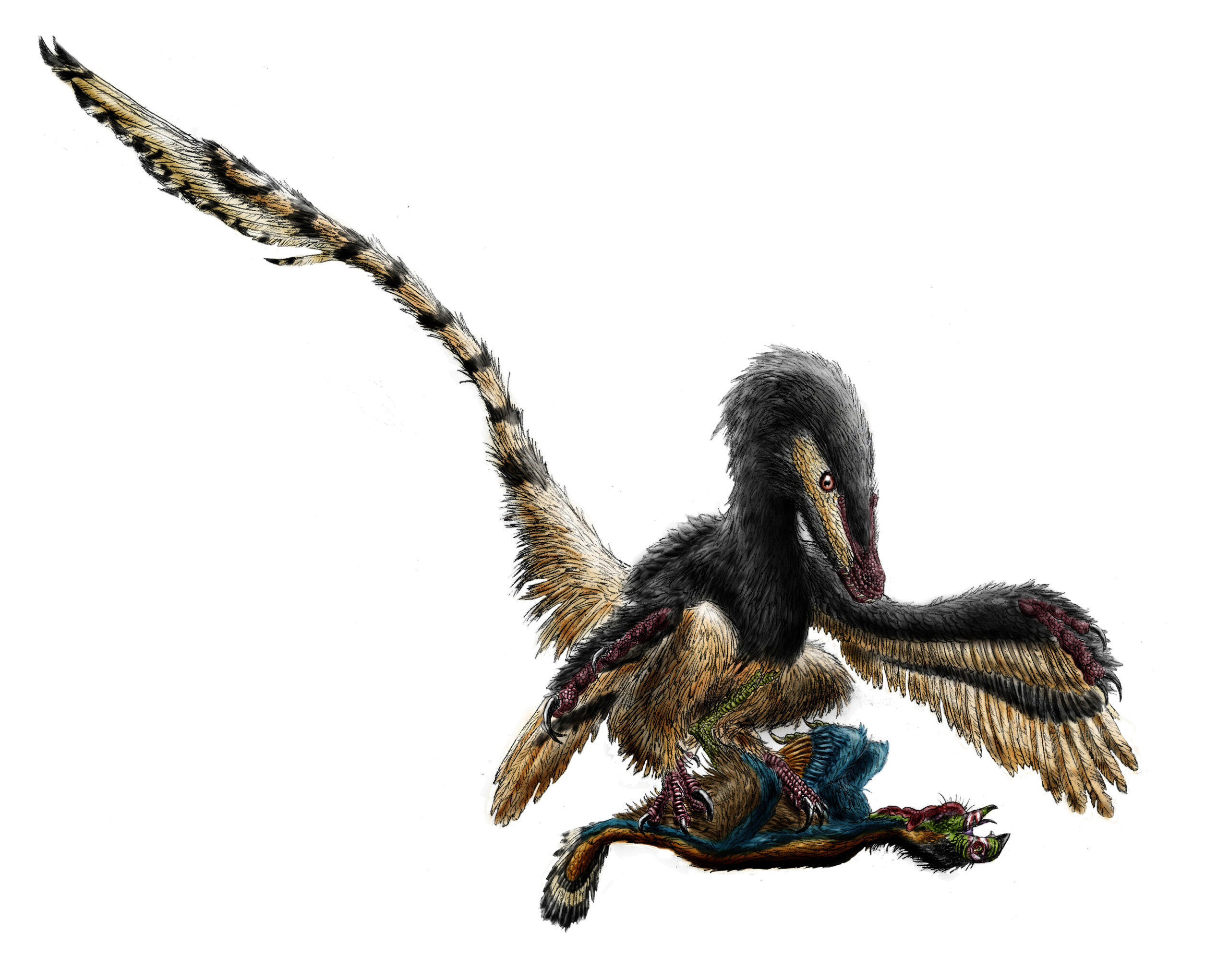
Velociraptor was a fast-running, two-legged dinosaur that could run up to roughly forty miles per hour for short bursts, and considering its anatomy, it’s possible that Velociraptor could also jump. This predator’s jumping ability was likely a crucial hunting tool rather than just a means of transportation.
The Velociraptor would kill its victims by stabbing the throat area or paralyze prey by jumping on them. This hunting strategy required precise aerial maneuvers and the ability to leap significant distances to surprise their quarry. Their powerful leg muscles and excellent balance made them formidable airborne predators.
Theropods like Velociraptor were characterized by a lizard-like hip structure with the pubis bone pointing forward, which allows for greater agility and speed, showcasing adaptations for hunting. This anatomical design was perfectly suited for launching into powerful jumps during pursuit or ambush scenarios.
Microraptor: The Four-Winged Glider
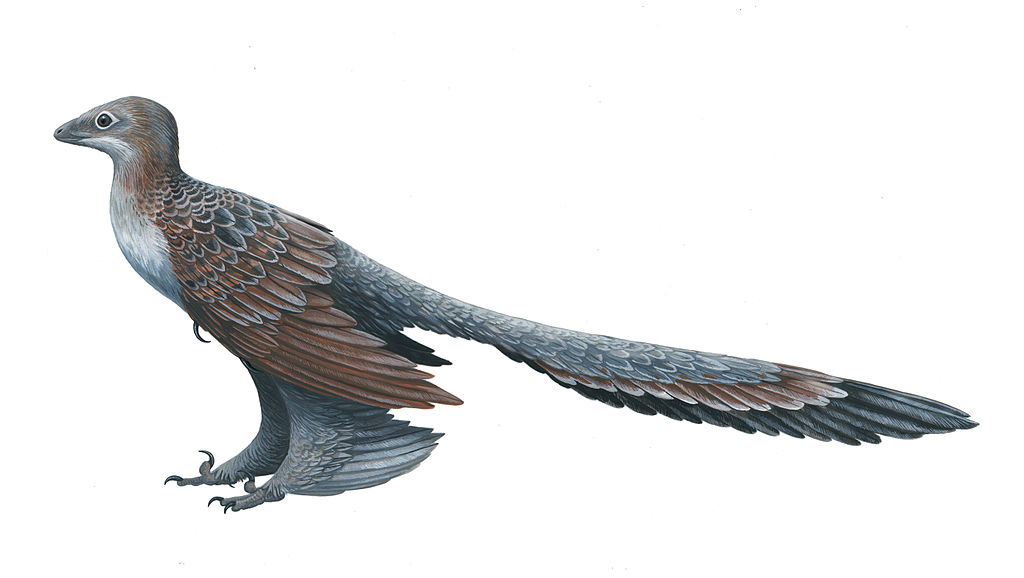
A 2016 study of incipient flight ability demonstrated that Microraptor was capable of wing-assisted incline running, as well as wing-assisted leaping and even ground-based launching. This extraordinary dinosaur represents the ultimate evolution of jumping ability among dinosaurs.
Microraptor’s high-lift, high-drag flight strategy would have been very efficient for leaping from moderate heights of approximately two to ten meters, consistent with tree sizes in ancient forests. Unlike other dinosaurs that relied purely on muscle power, Microraptor combined jumping with gliding for maximum distance coverage.
The Microraptor jumps and fans out its arms and legs, gliding through the air. This unique combination of jumping and controlled gliding allowed them to cover distances that would be impossible for purely terrestrial dinosaurs, making them incredibly effective hunters in forested environments.
Ornithomimus: The Ostrich Mimic Champion
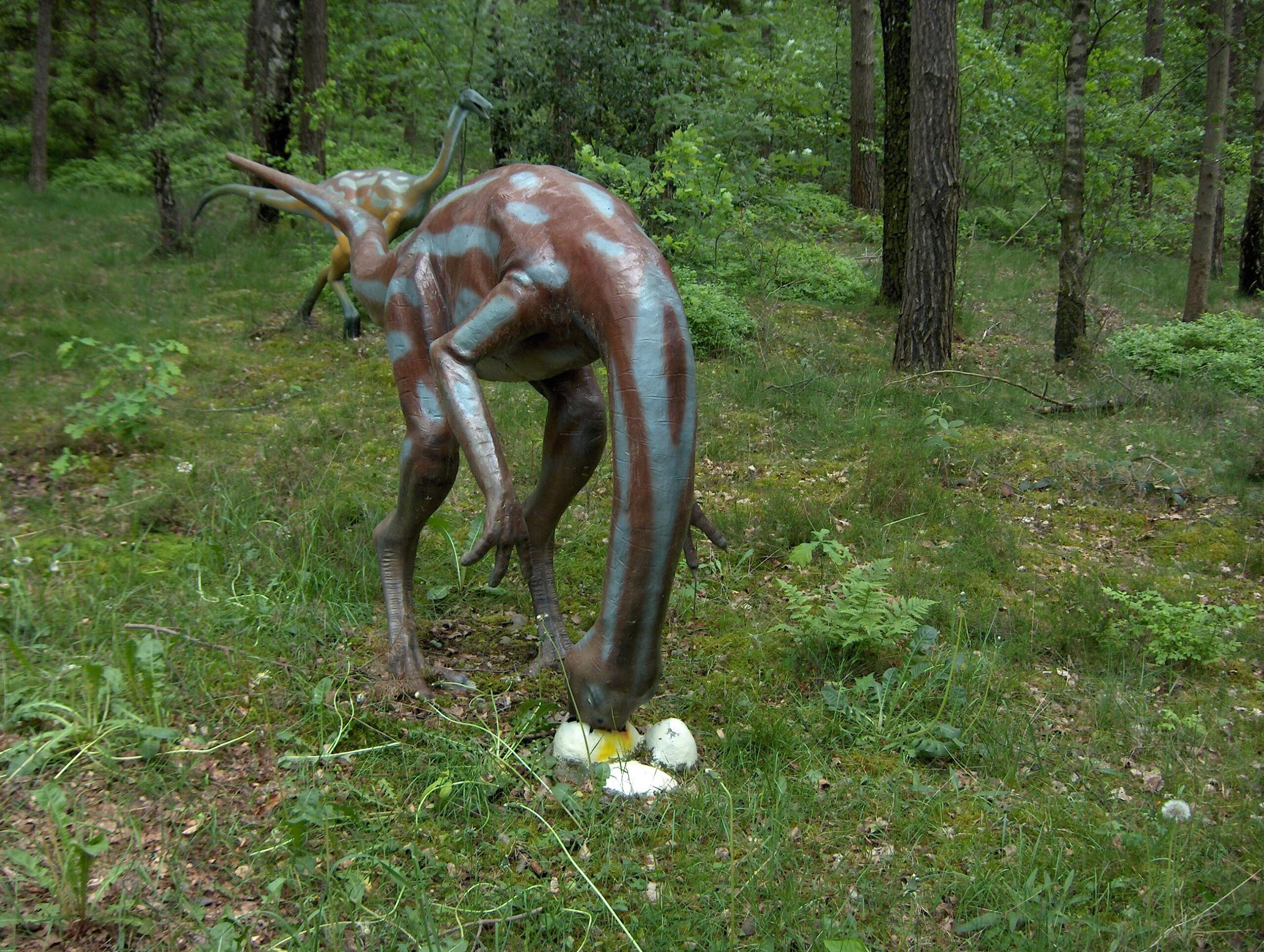
Ornithomimus likely reached thirty-five to forty miles per hour due to its slender build and elongated limbs, while similarly built Struthiomimus achieved estimated speeds of thirty to fifty miles per hour thanks to its lightweight frame and powerful hind legs. This speed translated directly into impressive jumping capabilities.
Their long legs had elongated foot bones, and at the slightest sign of danger, they would gallop off at high speed. Modern ostriches can leap distances of up to sixteen feet, so these dinosaur mimics likely achieved similar or superior jumping distances given their comparable anatomy and superior athleticism.
With their large eyes and brain within small heads, scientists believe their large brains had to do with the need for kinesthetic coordination. This enhanced coordination was essential for calculating precise jumps across varied terrain while maintaining balance during high-speed pursuits.
Gallimimus: The Sprint Jumper
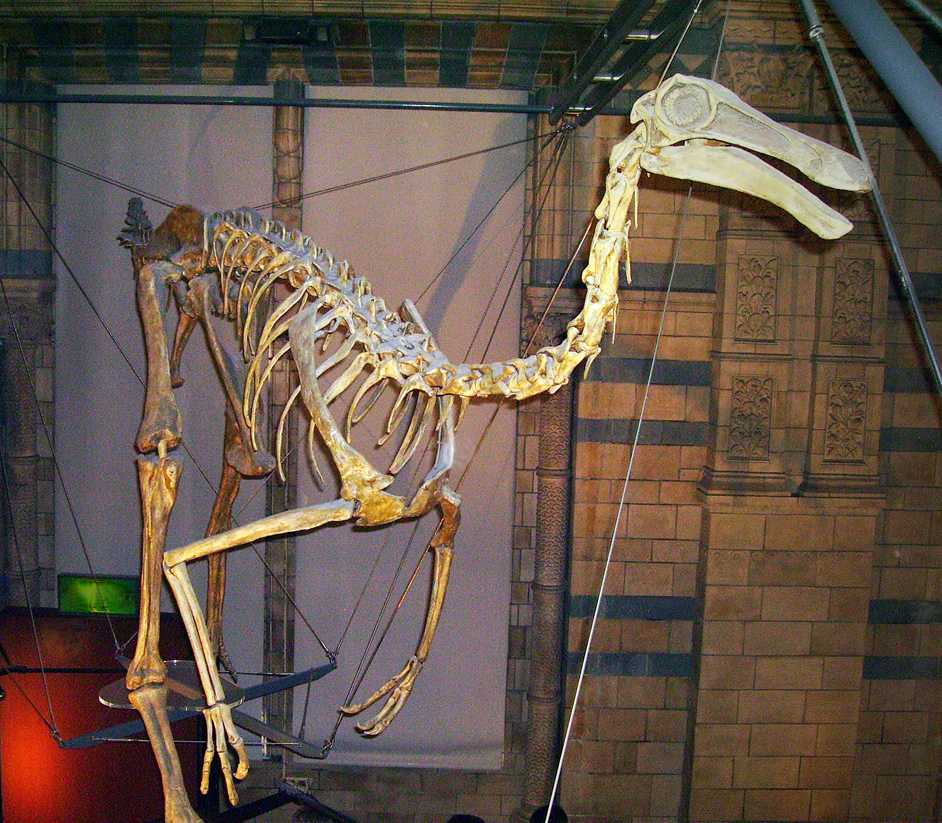
The fastest dinosaurs are supposed to be Ornithomimids or ostrich mimics, like Gallimimus, which had estimated top speeds of thirty to forty-five miles per hour. This incredible velocity made Gallimimus one of the most capable jumpers among larger dinosaurs.
Long-legged dinosaurs like Gallimimus excelled at running across open plains, while tree-dwelling species developed strong claws for climbing. Their specialization for open terrain running meant they could build up tremendous speed before launching into spectacular leaps across rivers, canyons, or other obstacles.
When you consider that modern kangaroos can jump twenty-five feet horizontally at speeds much slower than Gallimimus could achieve, these dinosaur athletes likely performed even more impressive feats. Their powerful leg muscles and lightweight build created the perfect biomechanical formula for record-breaking jumps across prehistoric landscapes.
Coelophysis: The Pack Jumper
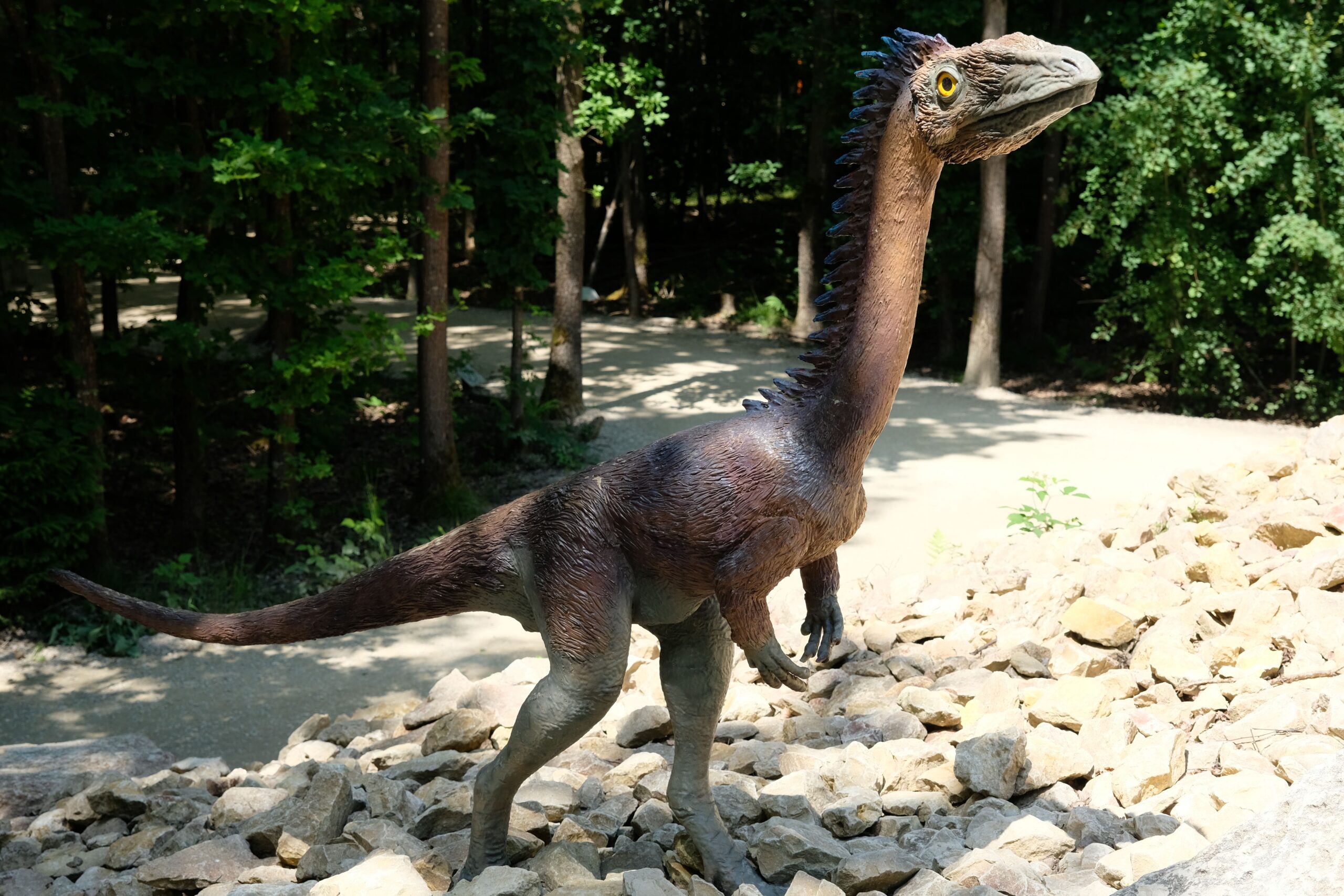
Primitive theropods were relatively small bipedal hunters, ranging from one-meter-long Procompsognathus to three-meter-long Coelophysis. Despite being among the earliest theropods, Coelophysis possessed remarkable jumping abilities that helped establish the template for later jumping dinosaurs.
The skeletal structure, particularly the configuration of the pelvic and hind limb bones, played a pivotal role in determining a dinosaur’s potential for generating the force needed for jumping, while strong, elastic muscles attached to these skeletal elements further influenced their ability to leap. Coelophysis had an ideal combination of both characteristics.
Living in social groups, these early dinosaurs likely used coordinated jumping strategies during hunts. Picture an entire pack of Coelophysis simultaneously leaping across a riverbed to surround their prey – a prehistoric display of athletic coordination that would be breathtaking to witness. Their slender build and powerful leg muscles made them surprisingly capable jumpers despite their ancient lineage.
Conclusion
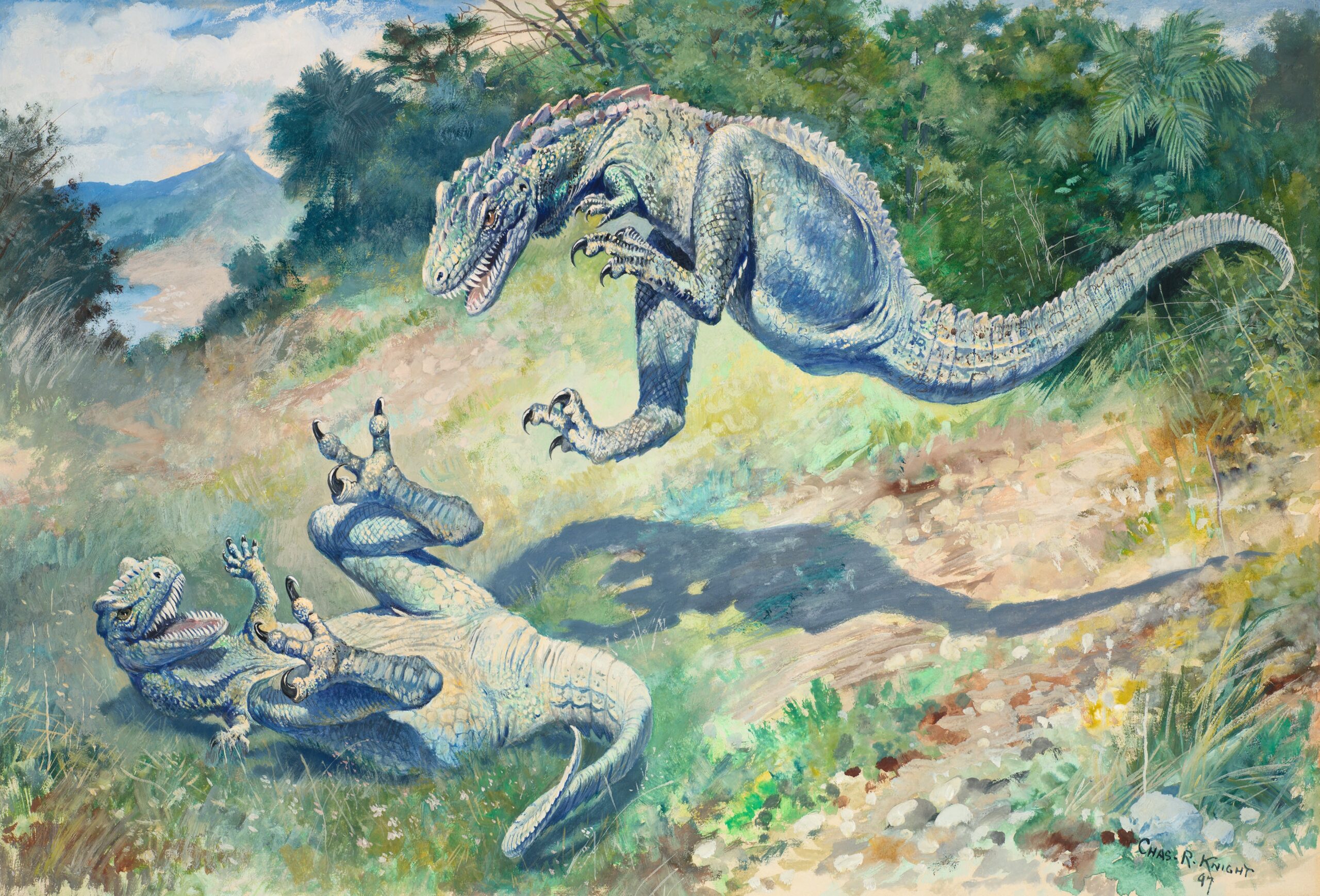
Modern research shows that scientists can reliably predict how extinct dinosaurs moved through simulations that have been guiding predictive models of extinct creatures. These incredible jumpers showcase the remarkable diversity of locomotion that existed in the dinosaur world, from the lightning-fast Compsognathus to the gliding Microraptor.
The next time you watch a bird leap from branch to branch, remember that you’re witnessing a refined version of abilities that dinosaurs mastered over 150 million years ago. These ancient athletes pushed the boundaries of what’s physically possible, combining raw power with incredible agility in ways that continue to amaze scientists today. What other secrets about dinosaur athleticism are still waiting to be discovered in the fossil record?